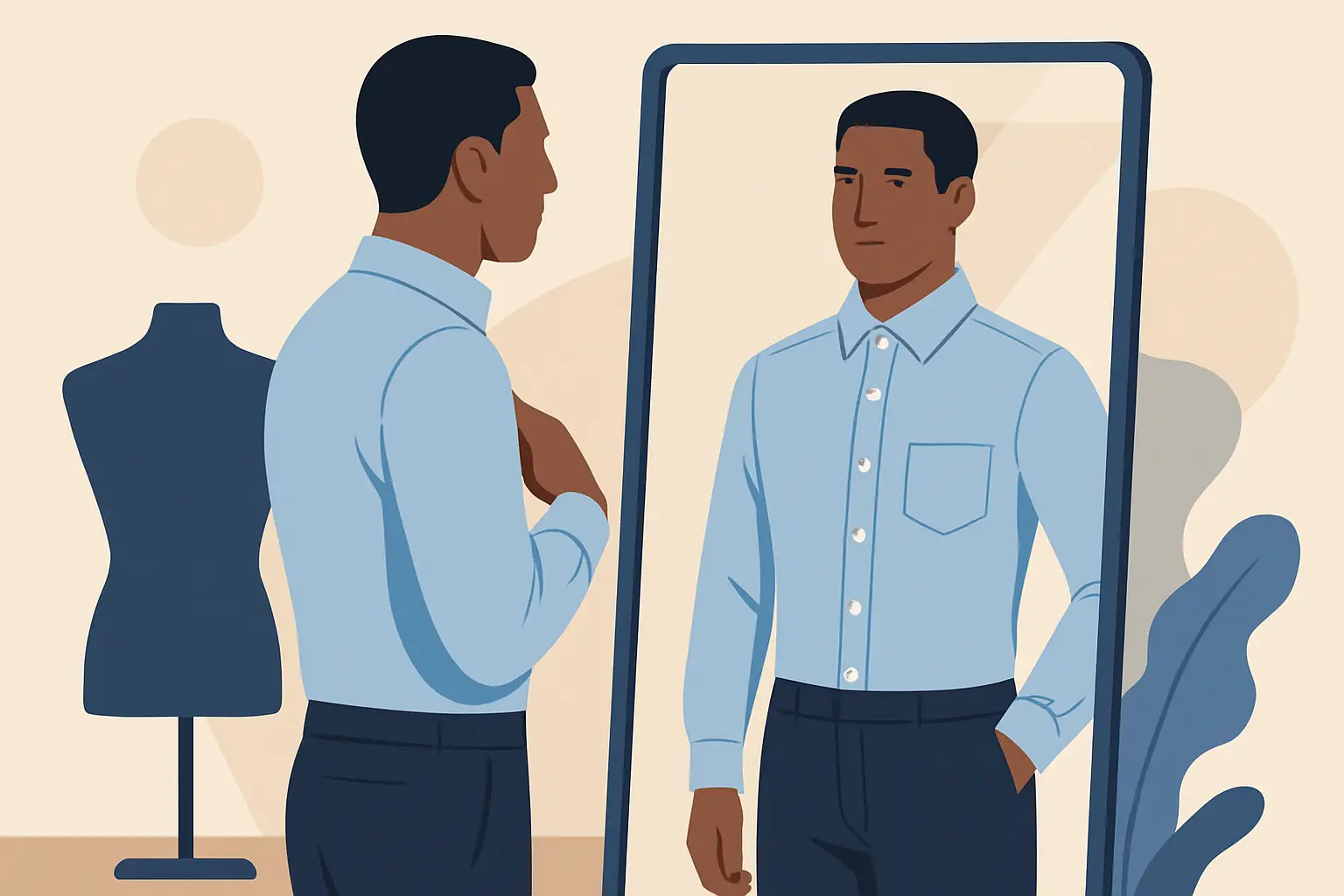
A well-cut dress shirt does something subtle but decisive – it makes the rest of your outfit look chosen, not assembled. In the mirror it reads as calm confidence; in real life it reads as authority. And because shirts sit directly against the body, they expose every compromise: a collar that floats, a yoke that drags, cuffs that swallow your watch, a waist that balloons under a jacket.
If you are searching for a custom dress shirt UK tailors can build around your exact proportions, the prize is not novelty. It is precision. The right shirt sharpens your silhouette, keeps its line through a full day, and makes even a simple navy suit feel considered.
What “custom” should mean in the UK shirt market
“Custom” is used loosely. Some brands mean made-to-measure (a base pattern adjusted to your measurements). Others mean bespoke (a pattern drafted for you from scratch, refined through fittings). Both can produce an excellent result, but they solve slightly different problems.
Made-to-measure is typically faster and more cost-efficient. It suits men with fairly standard posture and proportion who simply want the recurring issues fixed: collar sizing, sleeve length, a cleaner waist, shoulders that sit correctly.
Bespoke comes into its own when your body is the brief. If you have a pronounced forward neck, sloping shoulders, a fuller seat, a high chest with a narrow waist, or if you are particular about balance and drape, a dedicated pattern is where “custom” stops being marketing and starts being engineering.
The trade-off is time and iteration. The more unique the pattern work, the more benefit you will get from a measured process rather than a one-click order.
Why fit is the real luxury
Most men assume the fabric makes the shirt. Cloth matters, but fit determines whether you look polished or slightly undone.
Start with the collar. If the collar is too large, it will gape and slide – and your tie knot will look as if it is trying to escape. Too tight, and you will unbutton it by lunchtime. A properly sized collar allows one comfortable finger inside once fastened. More importantly, it should sit flush at the back of the neck without collapsing.
Then the shoulders. Shoulder width cannot be “hidden” with tailoring tricks. If the seam sits off the shoulder point, the sleeve will twist and the chest will pull. A clean shoulder line makes the shirt look quiet and expensive, even before you add a jacket.
Sleeves and cuffs are next. Sleeve length is not a single number; it depends on your posture and how you move. A custom shirt should show a measured amount of cuff under a suit jacket – enough to look deliberate, not so much that it becomes costume.
Finally, the body. A dress shirt should follow the torso without clinging. If you wear suits regularly, the shirt must be clean under the jacket: no excess fabric at the lower back, no strain across the buttons when seated, no bunching at the waist when you raise your arms. This is where pattern balance and shaping do the heavy lifting.
Cloth choices that perform, not just photograph
Shirt fabrics are often sold with romantic language. The practical question is simpler: how will this cloth behave at 8am, 2pm, and 9pm?
Poplin (often called broadcloth) is crisp, smooth, and ideal for business. It looks sharp under worsted suiting and handles a tie beautifully. The compromise is that it can show creasing more readily, particularly in lighter weights.
Twill has a diagonal weave that drapes slightly more and resists creases better. It reads marginally richer, and it is forgiving for long working days or travel. A fine white or pale blue twill is one of the most useful choices a professional can make.
Oxford has texture and a relaxed authority. It can still be dressed up, but it is at its best in business-casual settings, with knit ties, odd jackets, or country tailoring.
Then there is weight. Lighter cloths can feel cooler and look very refined, but they may be more transparent and less forgiving. Mid-weights often give the best all-day performance and structure, especially if you prefer a clean collar and cuffs.
If you are building a tight rotation, two to four shirts in disciplined cloths will outperform a wardrobe full of “interesting” fabrics. Personality can arrive through finishing – a collar shape, a cuff choice, a subtle stripe, or a distinctive monogram placement.
Collar and cuff decisions that change your whole look
The collar is the frame for your face. Get it right and you look sharper even in a simple suit.
A classic semi-spread is a strong default for most men because it works with or without a tie and complements the lapel widths you will see across business and wedding tailoring. A wider spread can look powerful, particularly with a fuller tie knot, but it can feel too assertive if your jacket lapels are narrow.
Button-down collars are misunderstood. A well-made button-down can be exceptionally elegant, but it belongs to a slightly more relaxed wardrobe language. If your work environment is formal, reserve it for Fridays or for odd-jacket combinations.
For cuffs, a double cuff (French cuff) has ceremony built into it. It is superb for evening wear, weddings, and formal business settings, but it does require cufflinks and a certain level of intentional styling. A single cuff with a clean, proportionate size is the everyday workhorse.
It depends how you live. If you spend most days in a suit and you enjoy accessories, double cuffs can become part of your signature. If you are moving between meetings, commuting, and events, single cuffs will give you polish with less fuss.
The details that separate “nice” from exceptional
This is where a custom dress shirt earns its place.
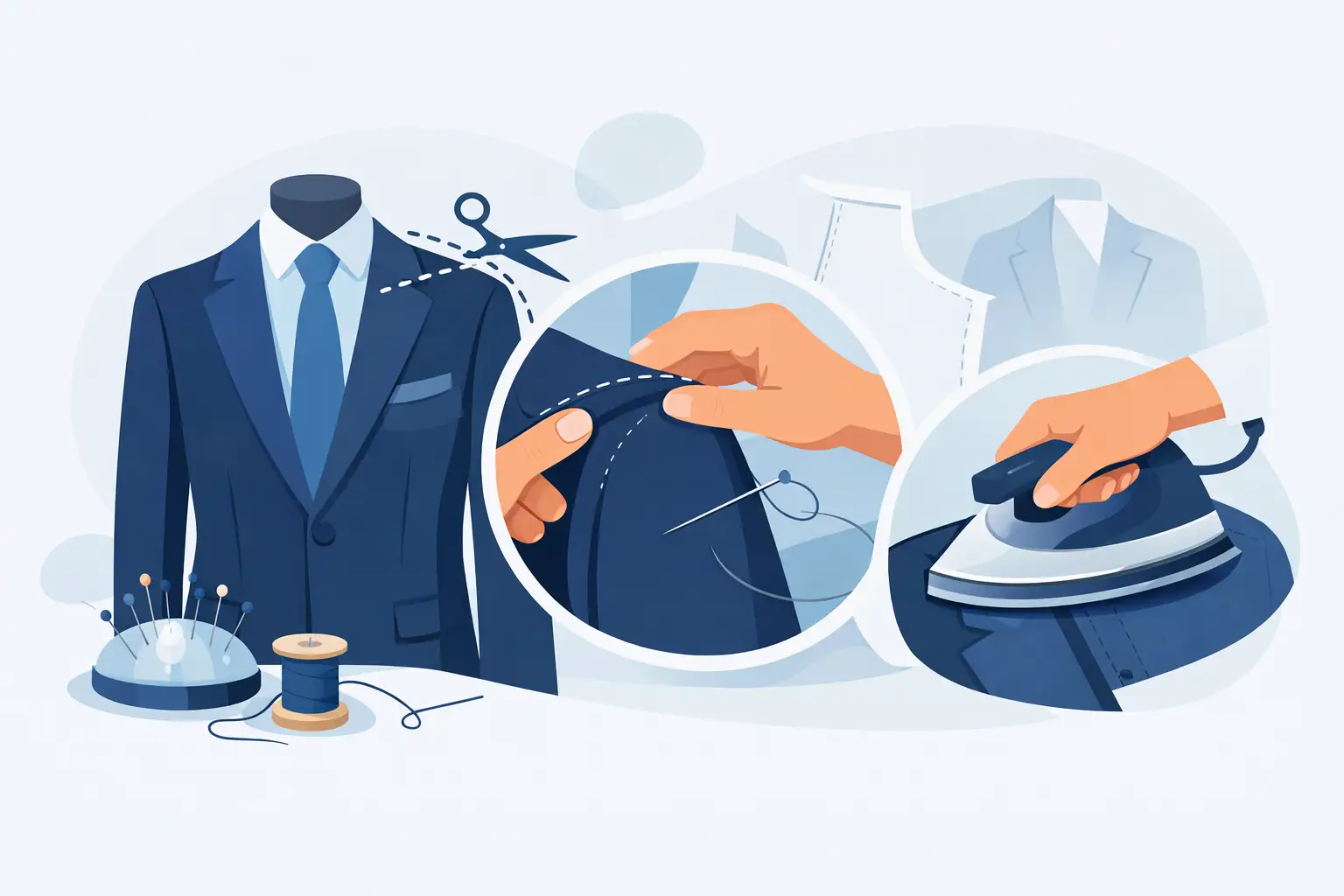
Consider the yoke. A split yoke – made from two pieces – can allow better shaping across the shoulders. It is a small thing, but on a man who wears tailoring regularly, small things compound.
Look at the armhole. Higher armholes can improve mobility and reduce billowing when you move, but they must be drafted correctly. Too high and you will feel restricted; too low and the shirt will lift and bunch.
Buttons and stitching matter as well. Quality buttons (often mother-of-pearl) and neat stitching lines do not shout, but they signal care. The same is true of pattern matching on stripes and checks, and the way the placket and collar are constructed.
Even the hem and gussets tell a story. If you tuck your shirt, the length and curve must suit your body and the rise of your trousers. If you sometimes wear a shirt untucked, the proportions need to be judged carefully or it will look accidental.
Getting measured: what a proper consultation feels like
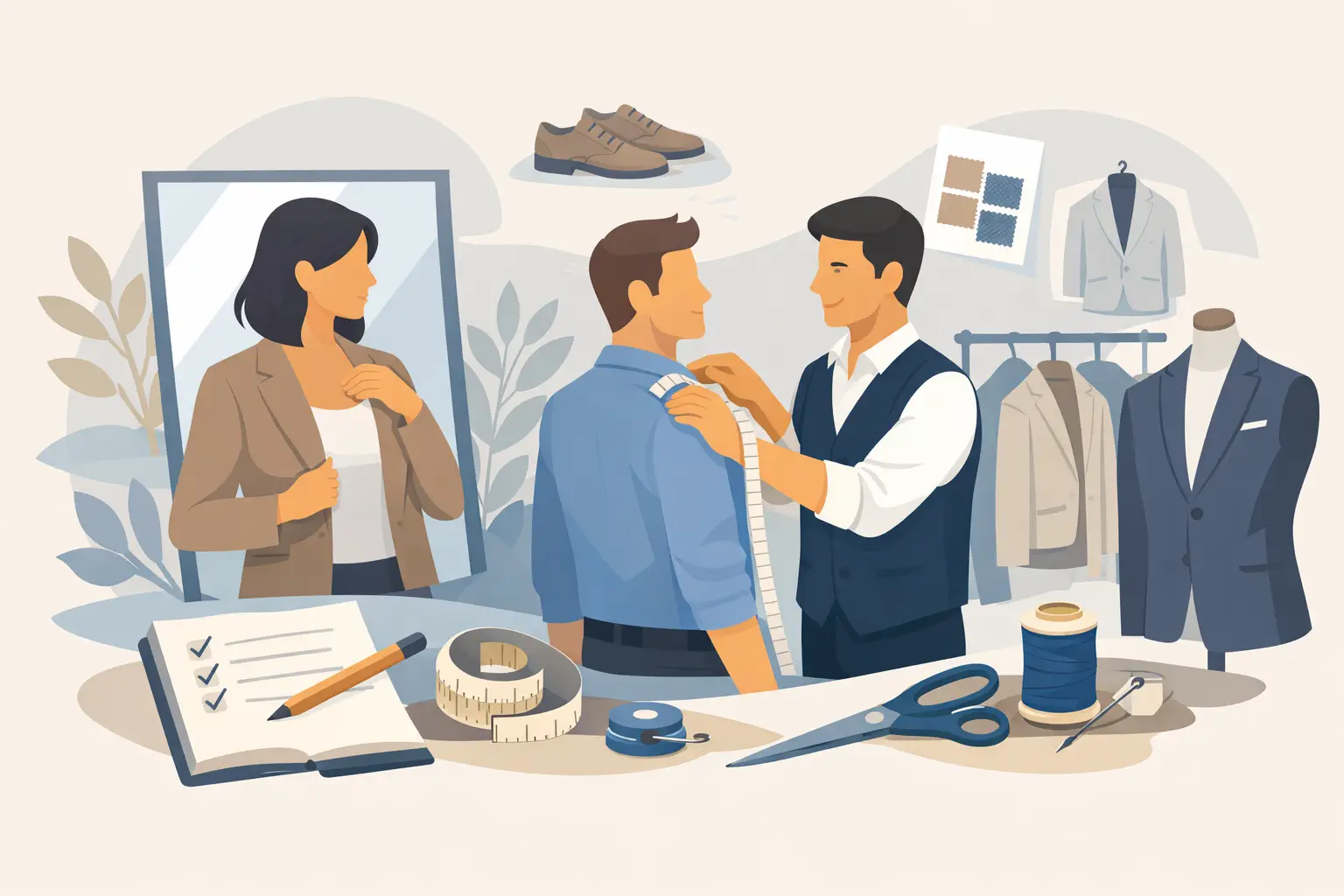
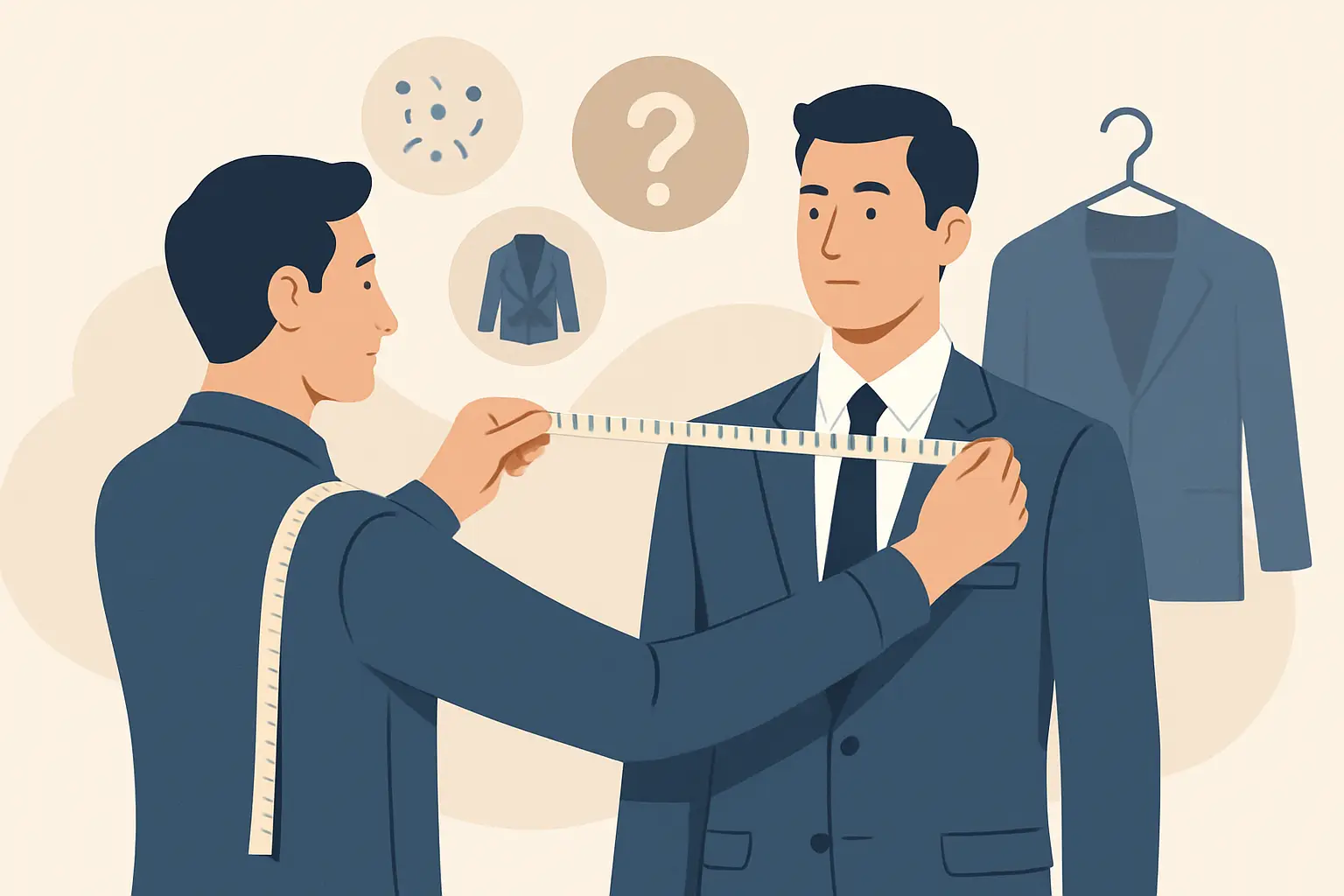
Measurements alone are not enough. A strong shirtmaker reads posture, shoulder pitch, neck position, and how you stand naturally. The questions they ask should feel specific: do you wear a watch daily, do you prefer a cleaner waist or more ease, do you commute, do you run warm, do you wear ties often, do you prefer your collar to sit close or slightly open.
Be honest about how you actually wear shirts. If you always unbutton at the neck after work, say so. If you dislike any pulling across the upper arm, say so. A custom process works best when it is built around your habits, not an idealised version of you.
If you are commissioning your first custom shirt, start with conservative choices: white and pale blue in poplin or twill, a semi-spread collar, a single cuff. Once the fit is proven, then introduce bolder stripes, softer collars, or more expressive cuff styles.
How to build a small, serious shirt wardrobe
A tight wardrobe is a sign of taste, not limitation – provided every piece is doing its job.
For business, begin with two whites and two pale blues that you can rotate without thinking. Add one subtle stripe for variety, and one slightly more textured option (a fine oxford or a twill) for days you want depth without loudness.
If you attend black tie, remember that an evening shirt is a separate category with its own rules. Do not try to force a standard business shirt into formal duty; it will always look slightly wrong next to correct tailoring.
And if you are preparing for a wedding – your own or someone else’s – plan early. Shirts need time for cloth selection, measuring, and refinement. Last-minute decisions lead to rushed compromises, and shirts are the last place you want compromise.
Choosing a maker in the UK
Price is a factor, but consistency is the real benchmark. You want a maker whose work looks the same in six months as it does on day one.
Ask how the fit is refined. Is there a follow-up fitting? Are adjustments part of the process? What happens if you lose or gain a little weight? A confident maker will explain how they handle changes without drama.
Also look for someone who understands the context of your wardrobe. If you wear bespoke or made-to-measure suits, the shirt must be designed to live under structured tailoring: collar height, cuff length, body shaping, and even the way the fabric behaves against the jacket lining all matter.
If you want that craftsman-stylist approach – technical precision with clear guidance on style – you can explore Manndiip for custom shirting alongside tailoring and expert alterations.
A final thought to carry with you: the best custom shirt is not the one with the loudest options. It is the one that disappears on your body and quietly elevates everything you put on top of it.