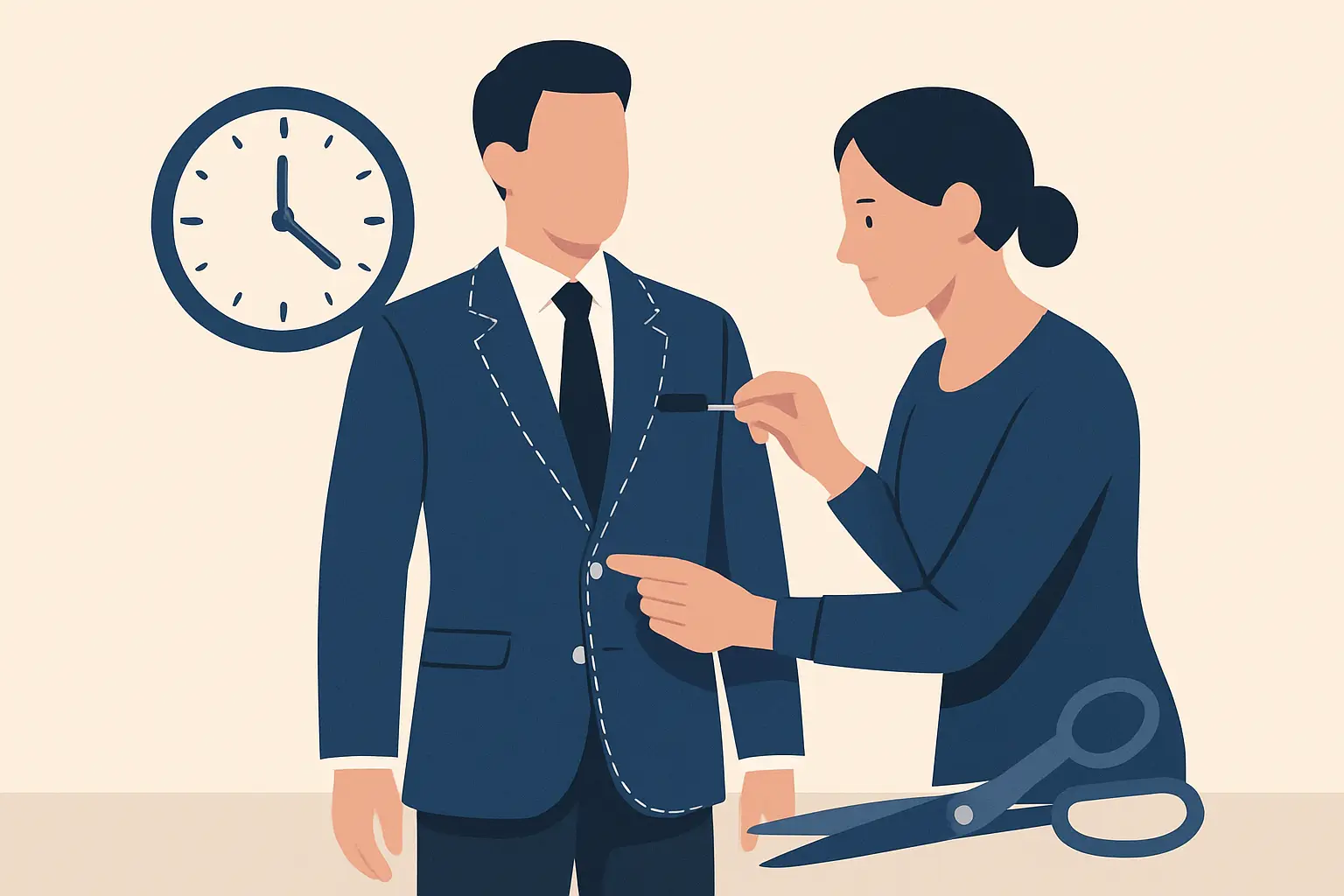
The invitation says 3pm. Your calendar says back-to-back calls. And your suit? It fits – almost. That “almost” is exactly what photographs, boardrooms, and wedding aisles tend to punish. The real question isn’t whether you should alter a suit. It’s how long you need to do it properly.
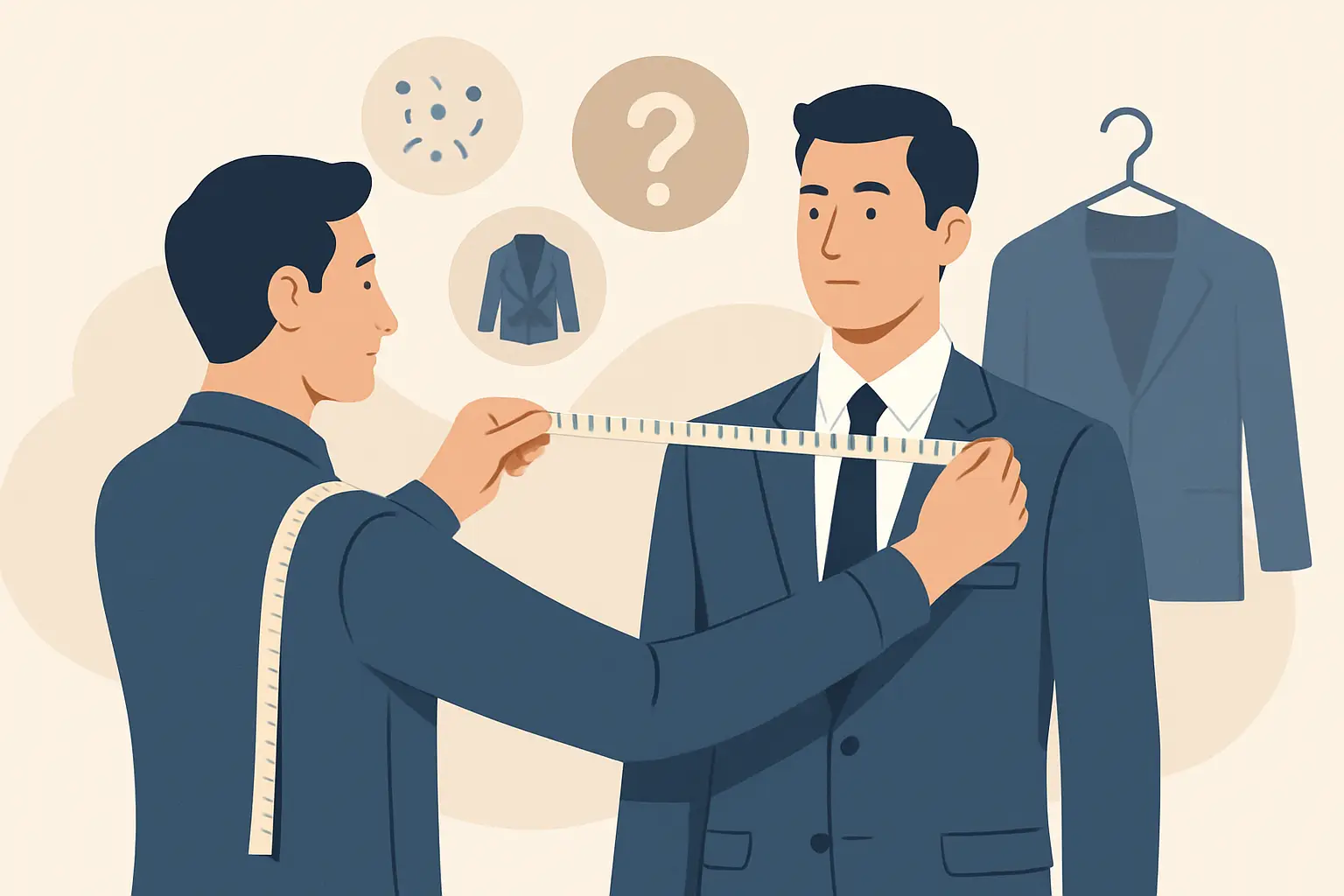
When clients ask how long do suit alterations take, what they usually mean is: “Can this be done in time without looking rushed?” The honest answer is that alteration timelines are governed by two things: what you’re asking the tailor to change, and how the garment is built. A quick refinement can be turned around fast. Structural work needs time, fittings, and a steady hand.
How long do suit alterations take in the real world?
Most straightforward suit alterations fall into a 3 to 10 day window from first pin to final press, assuming the diary has space and the suit behaves predictably. That’s a useful headline, but it hides the nuance.
A suit is not one garment. It’s a jacket with canvassing, padding, lapels and sleeves that must hang cleanly, plus trousers that need to sit correctly on your waist and break neatly at the shoe. Altering any one part affects the rest – and that interconnectedness is what creates time.
If you have an event date, treat two weeks as a comfortable lead time and one week as workable for many jobs. Anything under that depends on the complexity of the work and whether the tailor is prepared to prioritise it.
The biggest factor: what you’re altering
Not all alterations are equal. Some are “finish” work – quick, controlled, and low-risk. Others are “architecture” work – the kind that asks the tailor to reshape the garment’s structure, not merely shorten or nip.
Fastest jobs (often 1 to 3 working days)
Trouser hemming is usually the quickest, particularly if you are keeping the original finish simple. If you want a turn-up (cuff) added, or you’re changing the break substantially, it can take longer – but it’s still generally a short turnaround.
Taking in a trouser waist a small amount is also relatively efficient when the waistband construction allows it. Similarly, minor sleeve adjustments on some jackets can be straightforward – but only when the sleeve head and lining cooperate.
These jobs are fast because they don’t ask the tailor to re-engineer the garment. They’re precise, but contained.
Mid-range jobs (commonly 3 to 7 working days)
Taking in a jacket through the waist, refining the trouser seat, or tapering a trouser leg typically sits here. They require careful pinning, balanced seams, and often a second look once you’ve worn the suit briefly.
A jacket “tidy up” that improves shape without changing the overall size can also fall into this range, especially if the lining needs to be opened and closed neatly. The work itself is not dramatic, but it’s detail-heavy and benefits from a proper fitting.
Slowest jobs (often 1 to 3+ weeks)
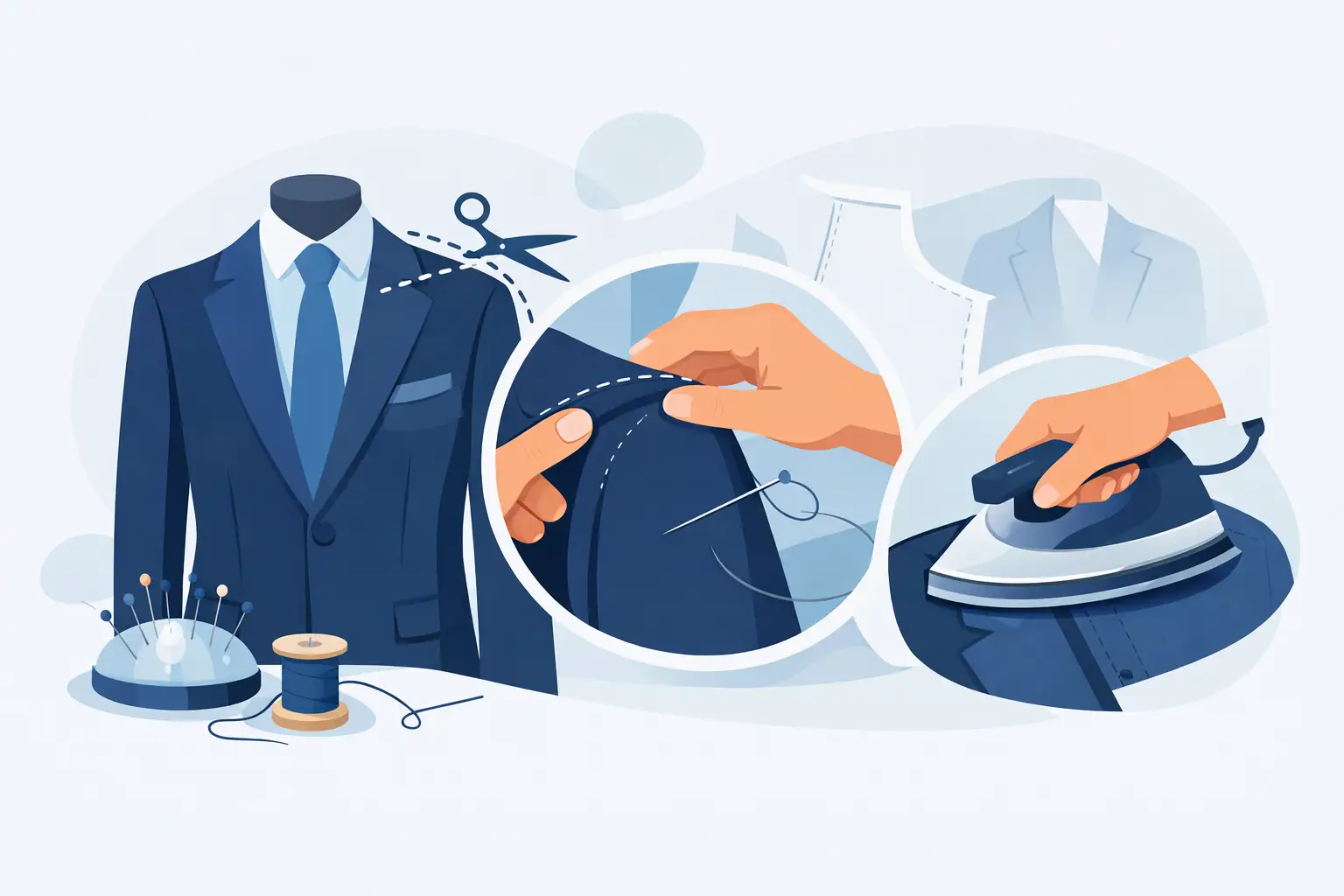
Anything that changes the jacket’s shoulders, collar, or overall balance takes time because it’s structural. A collar that stands away from the neck, shoulders that cave or overhang, or significant length changes can require the tailor to partially dismantle and rebuild sections.
If the jacket is fully canvassed or heavily structured, that’s not a reason to avoid alteration – it’s a reason to allow time. The goal is not merely “smaller” or “shorter”, but harmony: lapels sitting flat, sleeves hanging cleanly, no rippling across the chest, and a back that lies smooth.
Fittings add time – and they are worth it
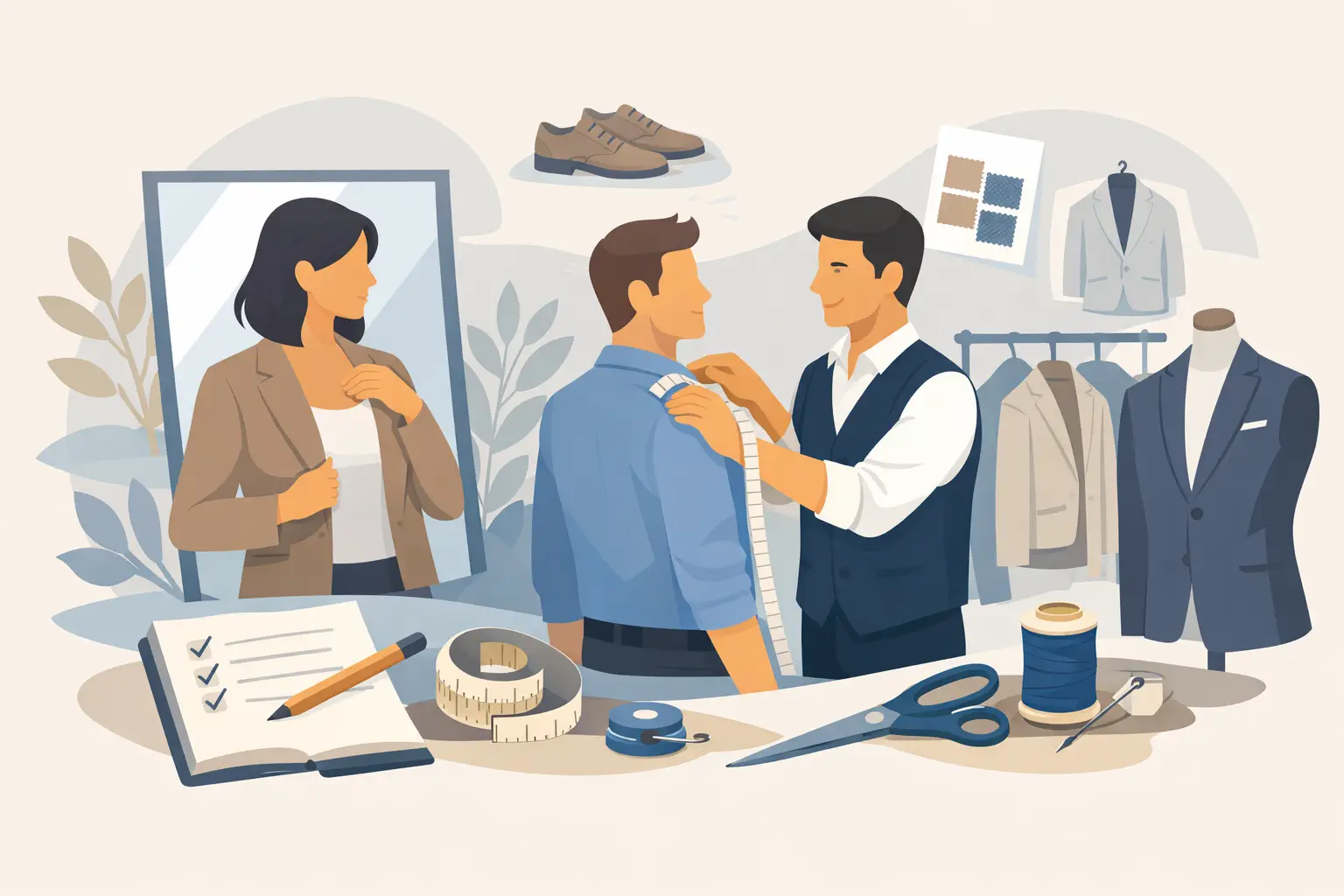
Alterations are often spoken about as if they’re one action: drop off, pick up, done. In reality, the best results come from at least one fitting, and sometimes two.
A first fitting (after pinning) is where the tailor confirms shape: how the jacket hugs the torso without strain, how the trousers sit when you move, where the sleeve should finish once the shoulder is correct. After that, the suit is altered and pressed. A second fitting may follow for fine-tuning, particularly on jackets.
If you need a suit to look impeccable – not merely passable – build in time for that second look. It’s the difference between “fits” and “looks made for you”.
Your suit’s construction can speed things up or slow them down
Two suits can require the same visual change but take very different amounts of time.
A ready-to-wear suit with generous seam allowances and a simple lining is typically easier to adjust than a tightly cut fashion piece with minimal inlays. Some jackets allow sleeves to be shortened neatly; others have working buttonholes (surgeon’s cuffs) that complicate the process and can turn a quick sleeve job into a more involved one.
Trousers with a lot of excess cloth in the waistband and seat are forgiving. Trousers cut very slim with little allowance are less so, and may limit what can be done.
Fabric matters too. A hardy wool will usually behave well under the iron. Delicate cloths, textured tweeds, or materials that mark easily can demand slower handling, extra pressing care, and more cautious stitching.
The calendar matters as much as the cloth
The same alteration can be “three days” in a quiet week and “two weeks” during peak season.
Wedding months and festive periods change everything. Alteration work becomes heavier, fittings are more tightly spaced, and pressing time is at a premium. If you’re buying a suit specifically for a wedding – whether you’re the groom, best man, or a guest who will be photographed – assume tailors will be busy.
If you have a fixed date, book the fitting rather than asking for a turnaround. The fitting is the anchor that everything else hangs from.
Rush alterations: possible, but with trade-offs
Most tailoring houses can accommodate urgent work, but “rush” should be used thoughtfully.
A rushed hem or waist adjustment is usually safe. A rushed structural jacket alteration is where compromises creep in: fewer fittings, less time to let the garment settle, and less flexibility if the first adjustment reveals a second issue.
There’s also the practical reality that prioritising one job often means pushing another back. A reputable tailor will be honest about what can be delivered without cutting corners.
If you truly need a fast turnaround, bring the exact shoes and shirt you will wear, and be decisive about styling choices (trouser break, sleeve length, jacket length). Indecision is a hidden time cost.
A realistic timeline for common scenarios
If you are preparing for a normal working week, allow one week for trousers and straightforward jacket refinement, and closer to two weeks if you suspect the jacket needs more serious correction.
For a wedding or a black-tie event, aim for two to three weeks. That gives you room for a second fitting, and it protects you from small surprises – weight fluctuation, last-minute shoe changes, or a new shirt collar that sits higher than expected.
For wardrobe upgrades (a suit you want to wear regularly for business), time is your ally. Give the tailor space to perfect the line of the jacket and the drape of the trouser. The suit will repay you every time you walk into a room and look like you belong there.
How to make alterations faster without sacrificing the result
The quickest alteration journey is the one with no avoidable delays.
Turn up prepared. Bring the shoes you will wear most often with the suit, and ideally the shirt. If it’s for an event, bring the actual event shoes – different heel heights change trouser length more than most men expect.
Try the suit on properly. Stand, sit, and move. A good tailor is watching the garment in motion, not just in a mirror pose. Mention the way you normally wear your trousers (at the waist or lower on the hips) because that changes every measurement downstream.
Be clear about the look. Do you want a clean, modern line with minimal break? Or a more classic drape? Both are correct if they match your style, but they alter the tailor’s decisions – and changing your mind late can add days.
Finally, don’t dry clean between fittings unless instructed. Cleaning can slightly change the way cloth sits, and you want consistency from fitting to fitting.
When alterations are the wrong move
A skilled tailor can do a great deal, but there are cases where time spent altering is better spent choosing a different garment.
If a jacket is dramatically too small across the chest or shoulders, there may not be enough inlay to let it out. If the shoulder line is fundamentally wrong, chasing the perfect fit can become an expensive, slow process with a limited ceiling.
Equally, if the suit is dramatically too large and the proportions are off – overly wide lapels on a small frame, or pockets sitting too low after major shortening – you may be fighting the design.
This is where expert advice matters. A good tailor will tell you whether the suit can be elevated or whether you’re better investing in something made for your build from the start.
Choosing a tailor who respects your deadline and your image
Time is only half the story. The other half is taste and finishing. You want the alterations to look original to the garment: clean lining closure, balanced seams, matching thread, a press that sharpens without glazing the cloth.
If you’re seeking meticulous, style-led alterations with a premium finish, Manndiip approaches adjustment work with the same precision used in bespoke cutting – shaping garments to your body contours rather than simply taking fabric in and hoping for the best.
Leave yourself enough time, and the process becomes enjoyable: a fitting that feels like a consultation, not a scramble. That’s when your suit stops being “something you wear” and becomes part of how you’re recognised.
A helpful rule to keep close: if the occasion matters, book the fitting first – your calendar will stop dictating your style, and your suit will start doing its job properly.