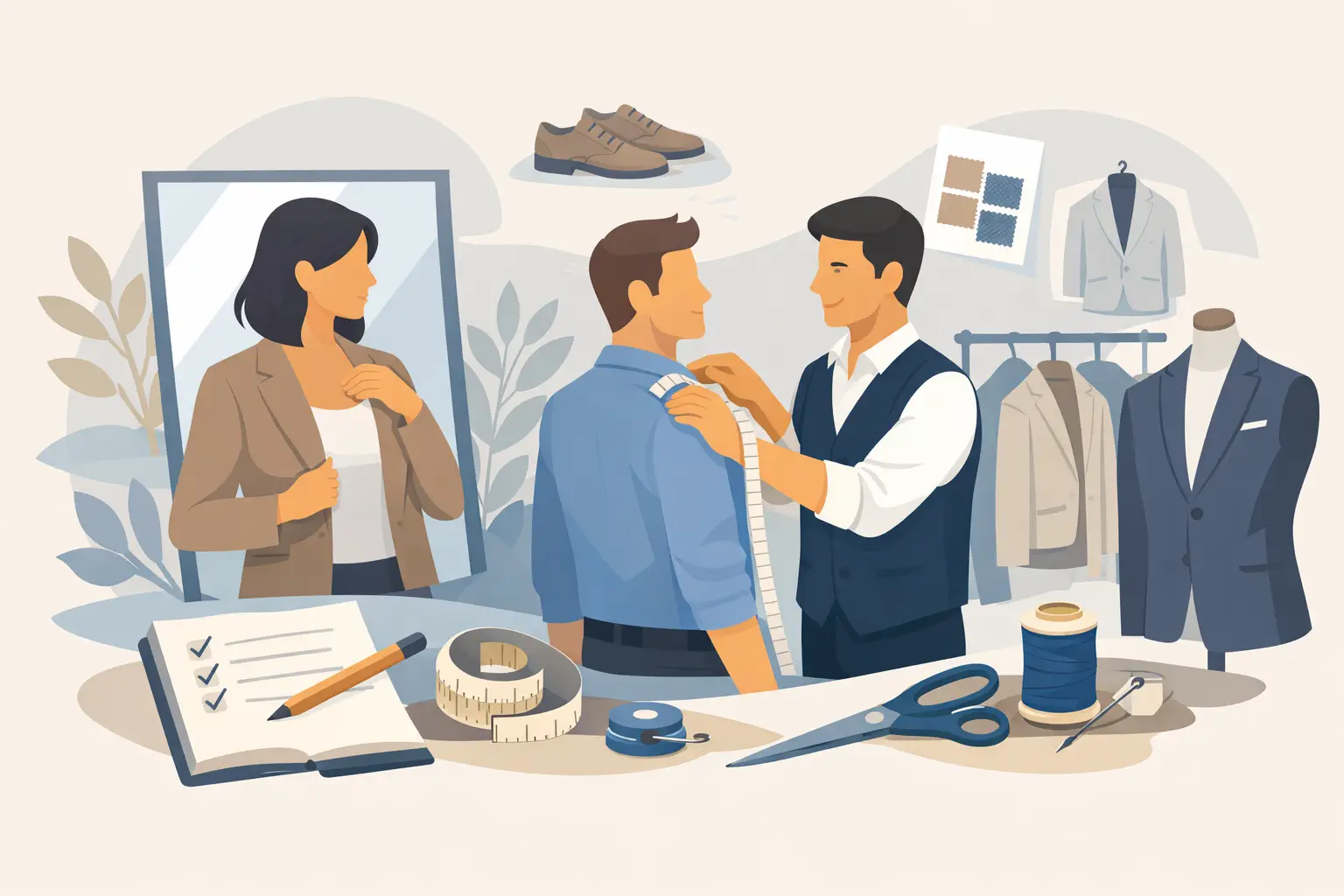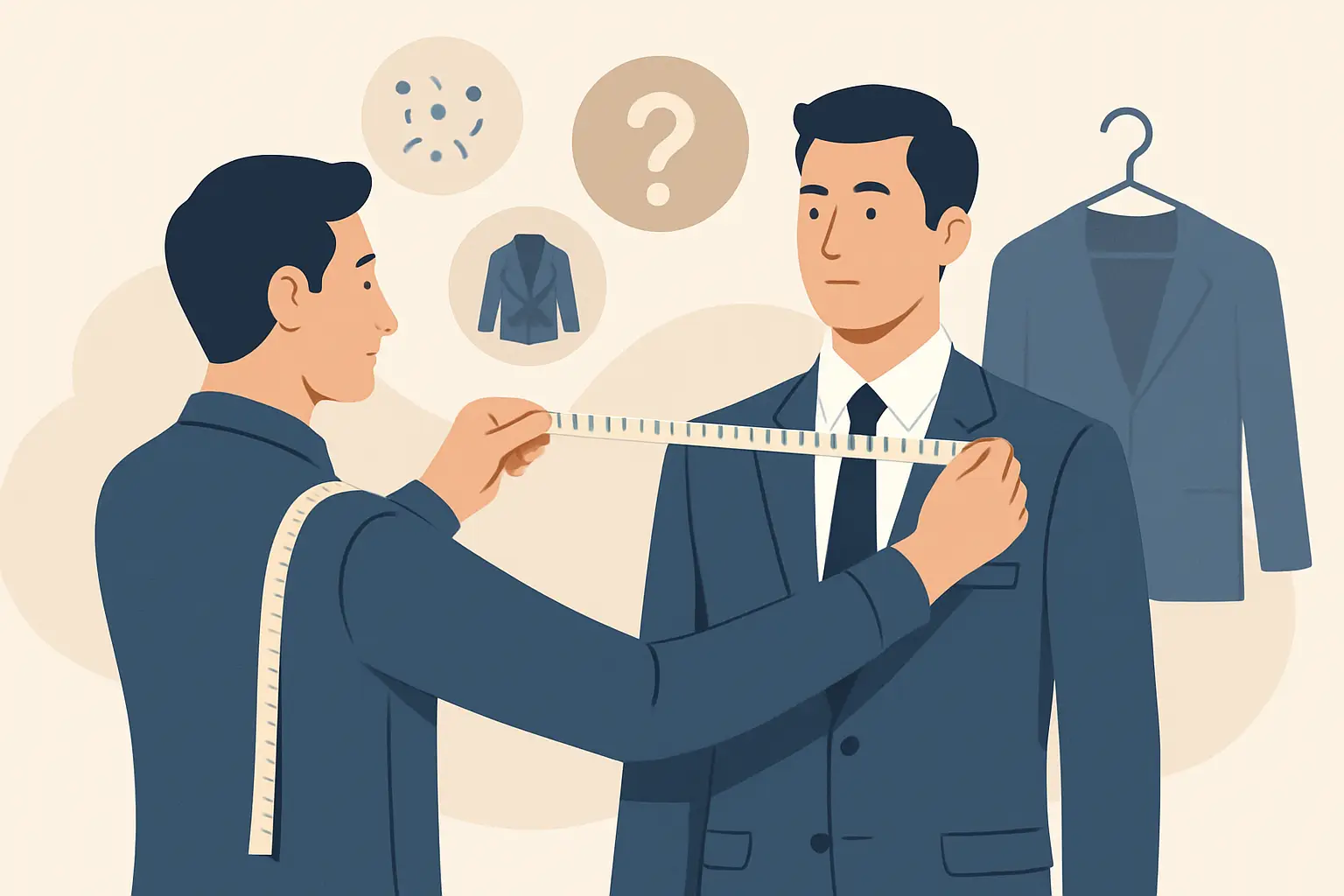

A bespoke consultation is where good taste becomes something far more exacting – a garment shaped around your life, your proportions and the impression you want to make. Arriving with a clear sense of purpose does not limit creativity. It sharpens it. The better prepared you are, the more precise and rewarding the consultation becomes.
For some clients, this is their first step into bespoke tailoring. For others, it is a considered upgrade from made-to-measure or off-the-peg. In both cases, the consultation is not simply about choosing a cloth and taking measurements. It is about deciding how a suit, coat or shirt should perform on your body and in your world.
Why preparation matters before a bespoke appointment
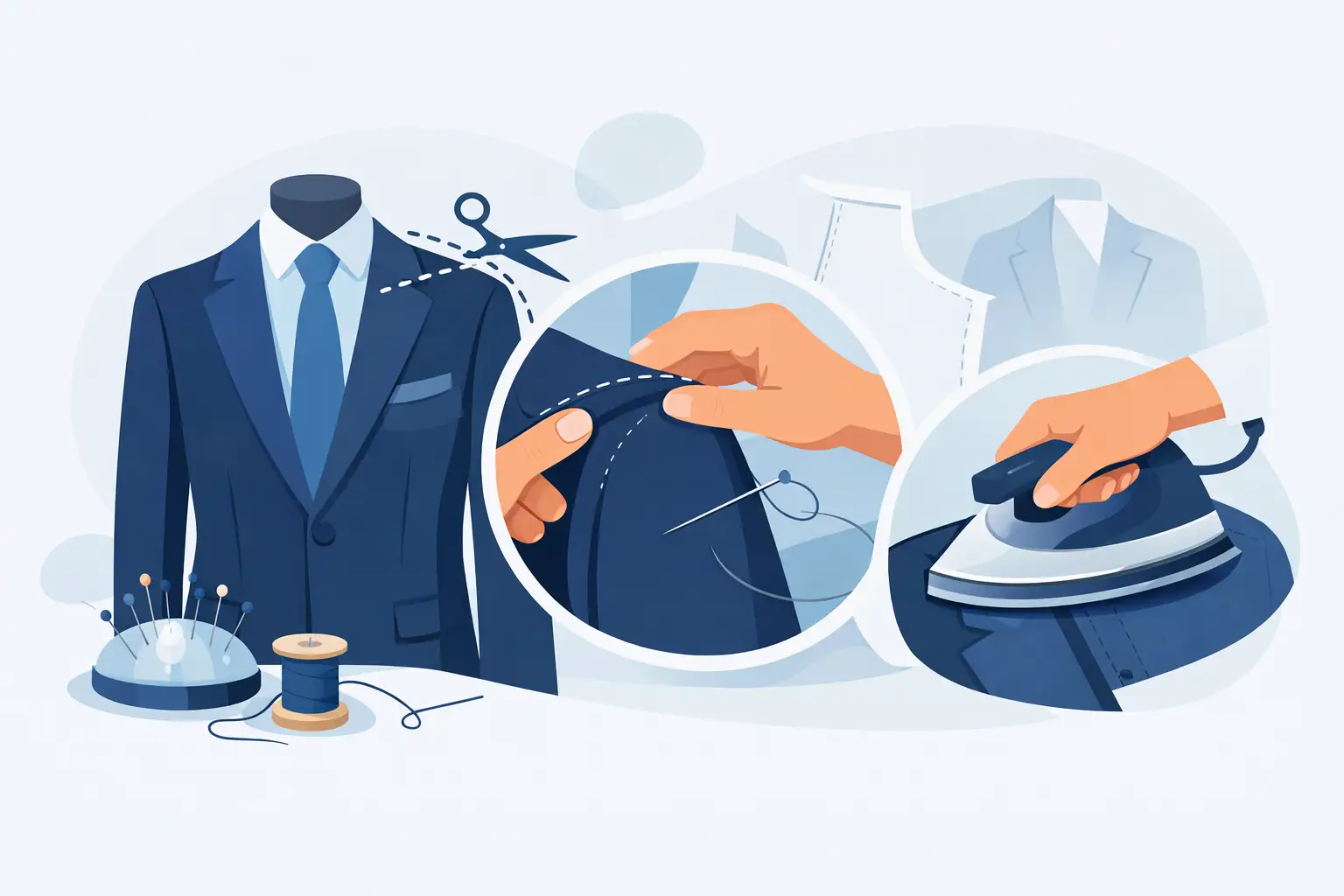
A bespoke garment is built through judgement as much as measurement. Shoulder expression, lapel width, trouser rise, cloth weight, button stance and balance all influence the final result. If your consultation begins with uncertainty about the garment’s purpose, the process can become broader than it needs to be.
Preparation helps your tailor guide you with greater precision. A business suit for long days in the City will require different decisions from a wedding suit meant to hold presence in photographs, or a tweed jacket intended for country wear. None of these choices are arbitrary. They affect comfort, drape, formality and longevity.
This is also where bespoke differs from quick retail convenience. You are not selecting a finished product from a rail. You are commissioning one. A little thought beforehand allows the consultation to focus on refinement rather than guesswork.
How to prepare for a bespoke consultation with purpose
The first question to answer is straightforward: what is the garment for? Not in vague terms, but in real ones. If you need a suit for work, consider your typical setting. Do you spend most of the day in meetings, at a desk, travelling, or moving between all three? If it is for a wedding, are you the groom, part of the wedding party or a guest? Will the day call for formality, softness or a slightly more individual expression?
The more specific you are, the stronger the outcome. A navy business suit may sound universal, yet its success depends on whether you need quiet authority, all-day resilience or a silhouette with sharper fashion intent. Likewise, a wedding garment can range from understated elegance to statement dressing. Bespoke works best when the brief is honest.
If you are commissioning your first piece, it often pays to begin with the most useful garment rather than the most ambitious. A beautifully cut dark suit with balanced proportions will earn its place repeatedly. If you already own the essentials, the consultation can move into more expressive territory, such as textured cloths, peak lapels, double-breasted fronts or a distinct overcoat.
Bring reference, but bring the right kind
Visual references are helpful, provided they clarify rather than confuse. Save a few images of silhouettes, details or overall impressions you admire. What matters is not copying another man’s suit line for line, but identifying what you respond to. It may be the clean drape through the chest, the slightly stronger shoulder, the fuller trouser, or the richness of a particular cloth.
Try to avoid arriving with twenty disconnected images spanning red carpet tailoring, relaxed linen separates and highly fashion-led editorial pieces unless you genuinely understand why each one appeals. Contradictory references can blur the brief. A more focused selection gives your tailor something useful to interpret through the lens of your proportions and occasion.
It also helps to mention what you dislike. Perhaps you do not want a coat that feels too padded, trousers that taper too aggressively, or a jacket that sits too close at the waist. Knowing your non-negotiables can be as valuable as knowing your preferences.
Wear the right clothing to the consultation
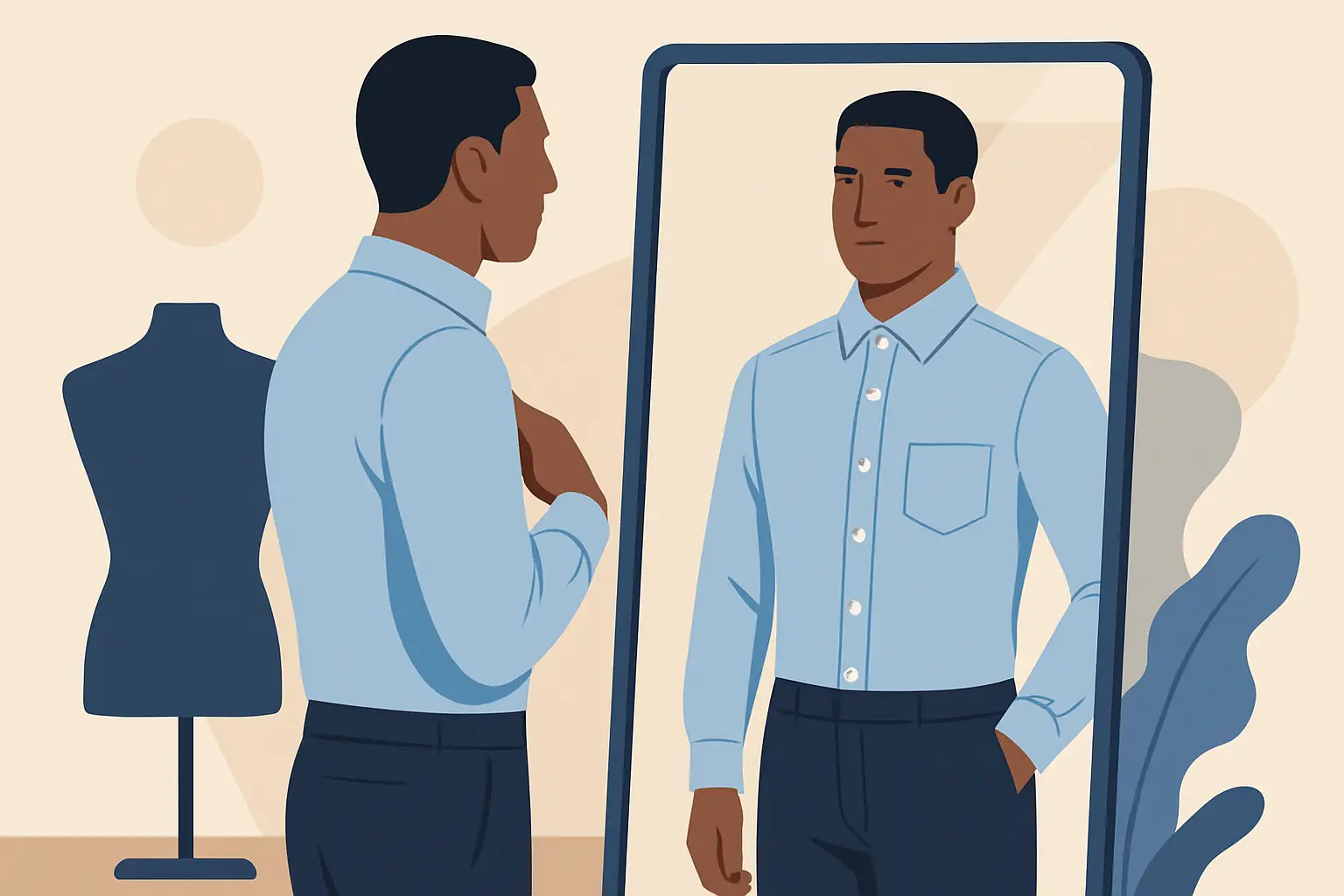
What you wear on the day influences the accuracy of the discussion. Choose clothing that allows your figure to be assessed properly and can be removed or adjusted easily. A well-fitting shirt, lightweight knitwear if needed, appropriate trousers and sensible shoes will usually serve you better than oversized casual layers.
Footwear matters more than many clients expect. Trouser length and break are judged in relation to the shoes you intend to wear most often with the garment. If the suit is for business, bring or wear your usual office shoes. If it is for a wedding, particularly one with black tie or more formal styling, mention the exact footwear you have in mind.
Undergarments can matter too, especially for shirts and close-fitting garments. The aim is not ceremony for its own sake. It is accuracy. Tailoring responds to real proportions, posture and balance.
Think honestly about fit, comfort and confidence
Many men arrive with a fixed idea of how a suit should fit based on retail experience. Bespoke invites a more informed conversation. A jacket that feels comfortable in a changing room is not always well balanced. Equally, a very close fit is not automatically elegant. True refinement lies in proportion, movement and clean lines.
Before your appointment, think about where ready-to-wear garments usually fail you. Perhaps collars gap, sleeves pitch incorrectly, trousers pull across the seat, or jackets collapse at the back. These are not minor complaints. They are clues. They help your tailor understand how your frame differs from standard sizing and where bespoke will make the greatest difference.
You should also be candid about how you want to feel in the garment. Some clients want a commanding, sculpted silhouette. Others prefer something softer and more understated. Neither is inherently better. It depends on your role, build and personal style. The strongest bespoke wardrobe reflects who you are at your most assured, not who a trend suggests you should be.
Know your appetite for detail
The consultation will likely cover cloth, lining, buttoning, lapel shape, pocket style, trouser finish and a host of finer points. You do not need to arrive with every answer, but you should have a sense of whether you favour restraint or character.
If versatility is the priority, classic choices often carry the most authority – navy, charcoal, mid-grey, white or pale blue shirting, and understated finishes. If individuality matters more, there is room for richer textures, seasonal cloths, bolder checks or more pronounced styling details. The right answer depends on how often the garment will be worn and how far you want it to speak.
There is always a trade-off. Highly distinctive details can be immensely rewarding, but they may limit where and how often a piece is worn. More conservative styling extends usefulness, though it can feel less expressive. A skilled consultation should help you strike the balance rather than push you towards one extreme.
Be clear about timing and budget
Bespoke takes time because excellence takes time. Construction, fittings and refinements cannot be rushed without compromise. If your garment is for a wedding, important business engagement or formal event, arrive with clear dates. The earlier the discussion begins, the more considered the process can be.
Budget deserves the same candour. This is not about reducing the consultation to price alone. It is about ensuring the cloth and design decisions align with your expectations from the outset. Certain fabrics, hand-finished details and wardrobe commissions naturally sit at a higher level. When your tailor understands your budget parameters, they can guide you towards the strongest value within them.
Clients sometimes hesitate to discuss cost directly, yet doing so often leads to better choices. It prevents beautiful but unsuitable options from distracting the conversation.
How to prepare for a bespoke consultation if it is your first one
If this is your first experience, the simplest approach is often the best. Come ready to talk openly, ask direct questions and listen to expert guidance. You are not expected to know every tailoring term or construction method. What matters is your willingness to describe the role the garment needs to play.
A first bespoke consultation should feel educational as well as personal. You may learn that a slightly higher trouser rise flatters you more, that a certain shoulder structure improves your posture visually, or that a heavier cloth will hold its shape better for your routine. These are precisely the insights worth paying for.
At Manndiip, that consultation is where craftsmanship and personal styling begin to work together. The objective is not simply to produce a suit, but to shape a garment that expresses distinction with accuracy and ease.
What to bring, and what to leave behind
Bring a realistic brief, a few strong references and an openness to refinement. Bring your event date if there is one. Bring the shoes you expect to wear if they will affect the final line. If you already own a garment you love or one that never fits correctly, it can be useful to mention why.
Leave behind the idea that bespoke is about piling on options. The finest result is rarely the busiest one. It is the garment in which proportion, cloth and detail sit in complete harmony with the wearer.
That is the real value of preparation. It gives the consultation clarity, and clarity gives tailoring its authority. When you arrive knowing who the garment is for and what it must achieve, the process becomes far more than a fitting. It becomes the start of a wardrobe built with intention.