A trouser hem is the first thing that gives you away.
Not in the loud, obvious way a shiny label does – in the quiet way that signals whether a man understands proportion. Too long and the cloth pools, creasing into an untidy accordion. Too short and the whole line looks pinched, especially when you sit. Hemming is small work, but it has a disproportionate impact on how polished (and expensive) your trousers look.
Trouser hemming cost UK: the realistic price ranges
If you’re searching “trouser hemming cost uk”, you’re usually trying to answer one practical question: what should this cost in Britain, and when is a quote a bargain – or a warning sign?
Across the UK, a straightforward trouser shortening is commonly priced in the £10 to £25 bracket. That covers the typical high street alteration where the hem is opened, shortened and stitched back up.
From there, cost rises with the finish and the complexity. A blind hem on tailored trousers, particularly if it’s done cleanly by hand or on the correct machine setting, often sits around £15 to £35. If you’re asking for tape, re-pressing, or a careful re-shape of the leg line to preserve the drape, you’ll often see £25 to £45.
At the upper end, hems that require more time or reconstruction can reach £40 to £70+. That’s not “because it’s a hem” – it’s because the hem isn’t the job. The job is keeping the trouser balanced, crisp, and true to how it was cut.
What you’re actually paying for (and why it varies)
A hem isn’t just “taking fabric off the bottom”. A competent tailor is managing drape, break, symmetry, and finish – and those choices determine both the time involved and the final look.
The trouser type matters more than most people expect
Denim is usually quicker. It’s robust, the seam allowances are predictable, and a standard machine hem is acceptable on most jeans. That’s why jeans shortening can sit on the lower end of the range, unless you’re asking for something more specialist.
Tailored wool trousers are different. Many are finished with a blind hem, sometimes with hem tape, and they rely on pressing to re-establish the crease and clean line. The cloth also reacts to heat and steam in a more nuanced way, which is why experienced pressing matters.
Lined trousers add time. A proper job involves opening the lining, adjusting it cleanly, and ensuring it sits comfortably without pulling at the knee or catching at the calf.
Finish choices: blind hem, topstitch, or original hem
A visible topstitch hem is common on chinos and jeans. It’s functional and intentional. A blind hem is discreet and more formal – the stitch is hidden from the outside, which preserves a smooth, elevated finish.
Then there’s the request many denim fans make: an “original hem” (often called a re-hem) where the tailor keeps the factory-faded edge and reattaches it after shortening. It’s a clever approach, but it’s more fiddly than a standard hem, and that’s why it typically costs more.
How much you’re shortening affects the result
If you’re only removing a small amount, the tailor can often preserve the existing hem structure. If you’re taking off more length, they may need to rebuild the hem allowance so it sits properly, especially on dress trousers where the hem weight helps the leg hang cleanly.
Pressing and leg shape are part of the craft
A hem done without proper pressing can look “cheap” even if the stitching is technically fine. Pressing sets the final impression: the break, the crease continuity, and the overall sharpness.
Sometimes, hemming reveals a deeper fit issue – for example, trousers that twist slightly around the calf, or a leg that collapses because the taper is too aggressive. A meticulous tailor may recommend a small adjustment to maintain the intended line. That’s where costs can rise, but so does the quality of the outcome.
The hidden cost: hemming done wrong
A low price is only a bargain if the trousers still look expensive afterwards.
A poor hem can create rippling at the ankle, throw off the crease, or make one leg visibly longer than the other. On jeans, a sloppy hem can skew the side seams and make the leg look like it’s spiralling. On suit trousers, it can disrupt the whole silhouette, making the jacket look shorter and the wearer look less composed.
If the trousers are part of a business wardrobe or a wedding outfit, the risk is simple: you’ll notice it in every photo and every mirror. The cost of redoing the work – or the cost of a pair of trousers you no longer enjoy wearing – is always higher than paying for precision the first time.
What affects the quote in practical terms
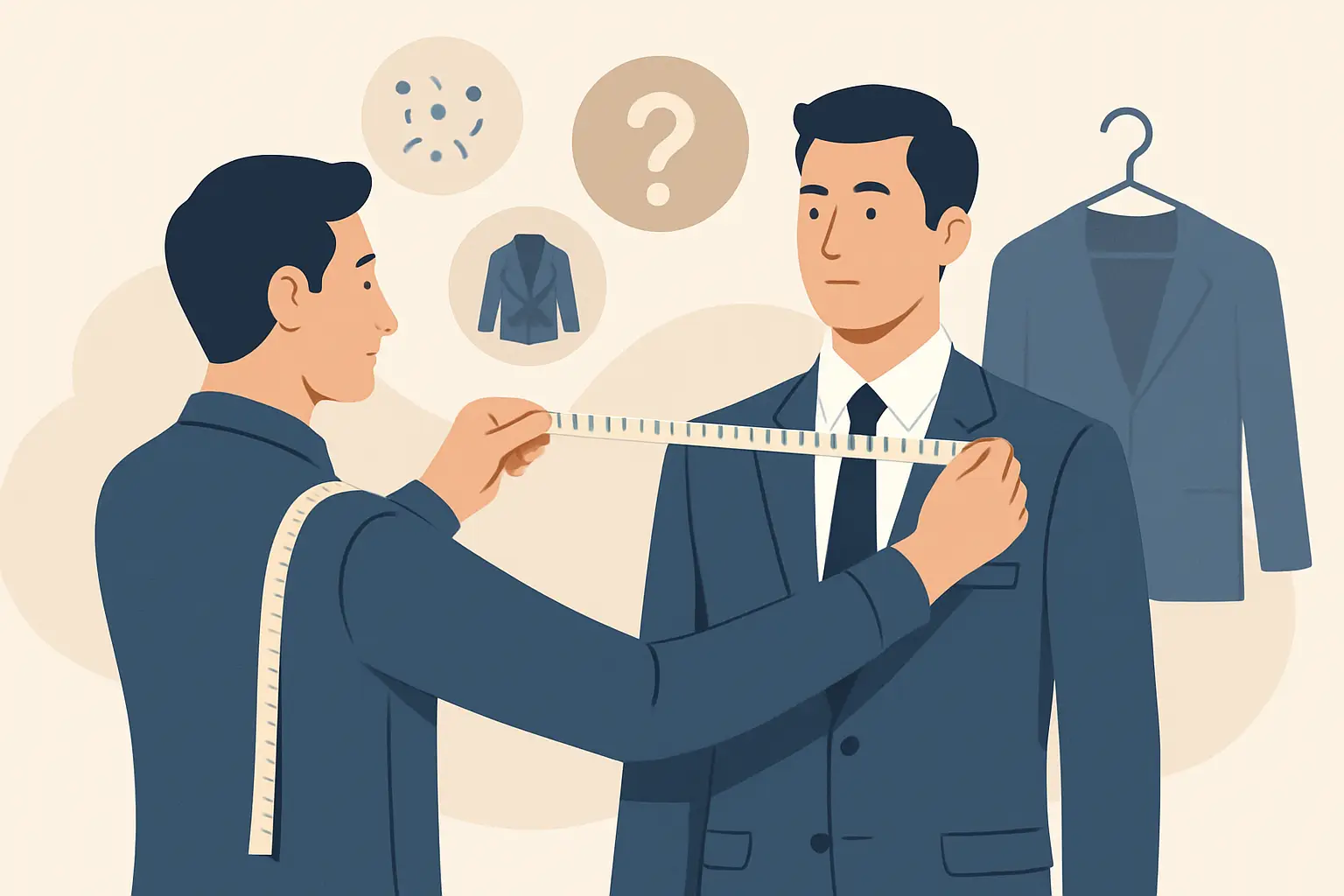
If you want to understand a price quickly, listen for the tailor’s questions. The right questions tell you what they’re accounting for.
Your shoes (and how you actually wear the trousers)
Trouser length should be set with the shoes you wear most. Different heel heights and sole thicknesses change the break. The best alterationists will ask what footwear you’re pairing them with, and whether you want a cleaner, modern break or a more traditional drape.
Cuffs (turn-ups) versus plain hems
Turn-ups add visual weight at the bottom of the trouser and can make the leg look more grounded. They also require different handling: the cuff depth must be consistent, and the trouser must still fall cleanly.
Converting from cuffed to plain (or the other way around) is not always straightforward. Sometimes it’s possible; sometimes previous stitch marks or cloth wear make it undesirable. When it’s feasible, expect it to cost more than a simple shorten.
Hem tape and durability
On fine wool trousers, hem tape can protect the inside from friction and extend longevity. It’s a small addition that can justify a higher quote because it takes extra time and care. If you wear a trouser hard – commuting, long office days, frequent dry cleaning – it’s worth discussing.
How to get the length right: the decisions that matter
People often ask for “one inch off” as if every trouser is the same. A better approach is to decide the look first, then set the measurement.
No break, slight break, or a fuller break?
A no break finish looks clean and contemporary but can look too short if you move a lot or if the trouser is slim.
A slight break is a safe, elegant middle ground for most business trousers. It gives a controlled crease at the front without pooling.
A fuller break can be intentional, especially with heavier cloths (tweed, flannel) or wider-leg tailoring where drape is part of the aesthetic.
The right choice depends on cut, cloth weight, and personal style. It also depends on confidence. If you’re building a sharp professional wardrobe, slight break is often the easiest way to look correct in every setting.
Consider the back of the trouser
Most men judge length from the front. A good tailor checks the back as well, ensuring the hem sits neatly above the heel without dragging. This is where trousers can look “off” even when the front seems fine.
Body asymmetry is normal
One hip sits higher, one leg is fractionally longer – it’s more common than not. A careful hemming service accounts for this, so the trousers look level on the body, not merely equal on a hanger. That extra checking can be part of why a premium service costs more.
Should you use a high street alterations shop or a tailoring house?
For everyday trousers, a capable high street service can be perfectly adequate, especially for simple machine hems on casual wear.
For suit trousers, weddingwear, or anything in a fine cloth, the calculus changes. You’re paying for judgement: how the trouser should fall, how the hem should be finished for the formality of the garment, and how pressing should restore the original sharpness.
If your wardrobe leans tailored – business suits, formalwear, overcoats – it’s often worth having alterations handled by specialists who live in that world. The hem becomes part of an overall standard, not a quick fix.
If you’d like that level of workmanship, Manndiip provides expert alterations alongside bespoke and custom menswear, with an approach centred on clean finishing, precise balance, and a fit that looks intentional rather than merely “made to do”.
Timing: what turnaround tells you about the work
Many hemming jobs can be done in a day or two. Some can be done same-day. Speed is not automatically a problem – but it should not replace proper fitting and pressing.
If you’re being fitted for an event, build in breathing room. A calm second try-on after the hem is set can catch small issues: the break with your chosen shoes, how the trouser behaves when seated, whether the hem swings evenly. That’s the difference between “shortened” and “finished”.
A simple way to feel confident about the price
When you get a quote, ask what finish they’re recommending and why. If the answer is thoughtful – blind hem for formality, tape for longevity, press for crease continuity, slight break for your cut – you’re dealing with a craftsperson, not just a sewing machine.
Because the real value of hemming isn’t the centimetres removed. It’s the moment you put the trousers on and they fall exactly as they should, making the whole outfit look like it belongs to you.