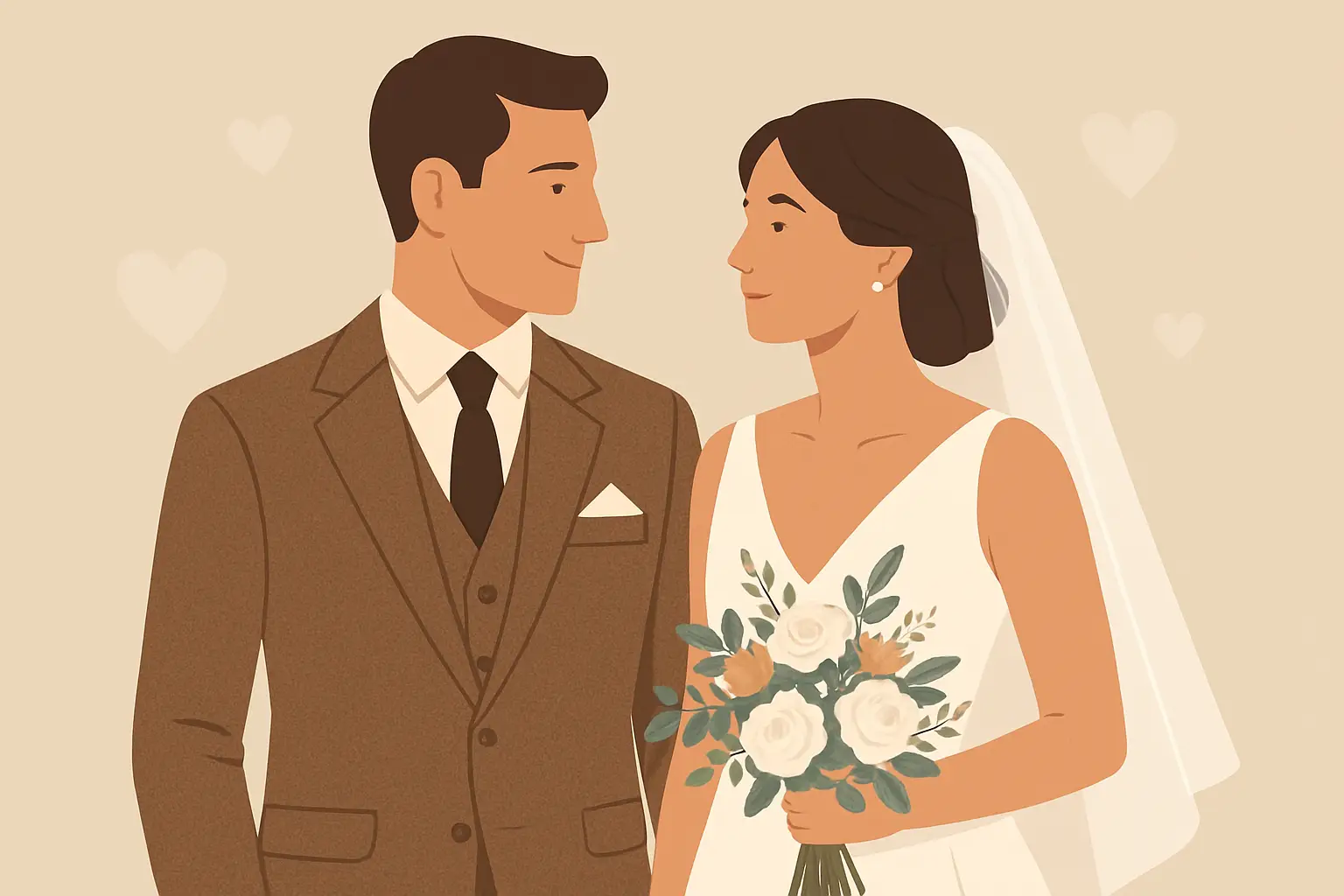
You can always spot the groom who chose tweed for the right reasons. He looks grounded, assured, and completely at ease – not like he is playing dress-up in a theme. A tweed suit for wedding day style works because it has character built into the cloth. It carries texture, depth, and a quiet confidence that plain worsteds simply do not. The challenge is getting it to feel elevated enough for the ceremony, while still honouring tweed’s country DNA.
When a tweed suit for wedding wear makes sense
Tweed is at its best when the setting has a sense of place. Think barn venues with candlelight, country houses, winter city weddings with deep florals, or anything with outdoor portraits where a flat, shiny cloth can look harsh on camera. Tweed reads beautifully in natural light because the colour is never one note – it is a conversation of flecks.
That said, it depends on formality. If your wedding is black tie, tweed is the wrong tool. If the invitation leans towards lounge suits, semi-formal, or “dress well and look like yourself”, tweed can be exceptional. It also suits grooms who want to look distinct without reaching for novelty: you can be unmistakably the groom through cut, finish and accessories rather than a loud pattern.
The cloth choice: weight, weave and season
Most grooms start with colour. The smarter move is to start with weight. Tweed is defined as much by handle and warmth as it is by appearance.
A heavier cloth (often 15oz and up) gives that traditional structure and drape, and it is superb for autumn and winter weddings. It holds a clean line through the chest and lapel, photographs with depth, and stays crisp through a long day of hugs, sitting, and dancing. The trade-off is comfort if your venue is warm or your ceremony is indoors with heating turned up.
For spring and early autumn, a slightly lighter tweed can deliver the look without the bulk. You keep texture and richness, but you avoid the “overcoat feeling” some men get in heavier weights. If you are marrying in midsummer, be honest with yourself: tweed may still work, but only if the cloth is carefully chosen and your schedule allows for shade and breaks. Otherwise, a textured wool, hopsack, or linen blend can echo the spirit without the heat.
Pattern matters too. Herringbone and subtle checks are reliable because they read as sophisticated up close and calm at distance. Bold windowpanes can look striking in person, but may dominate photographs and date more quickly. If you want a statement, make it in the cut and details first, then let pattern be the supporting act.
Colour: the modern groom’s tweed palette
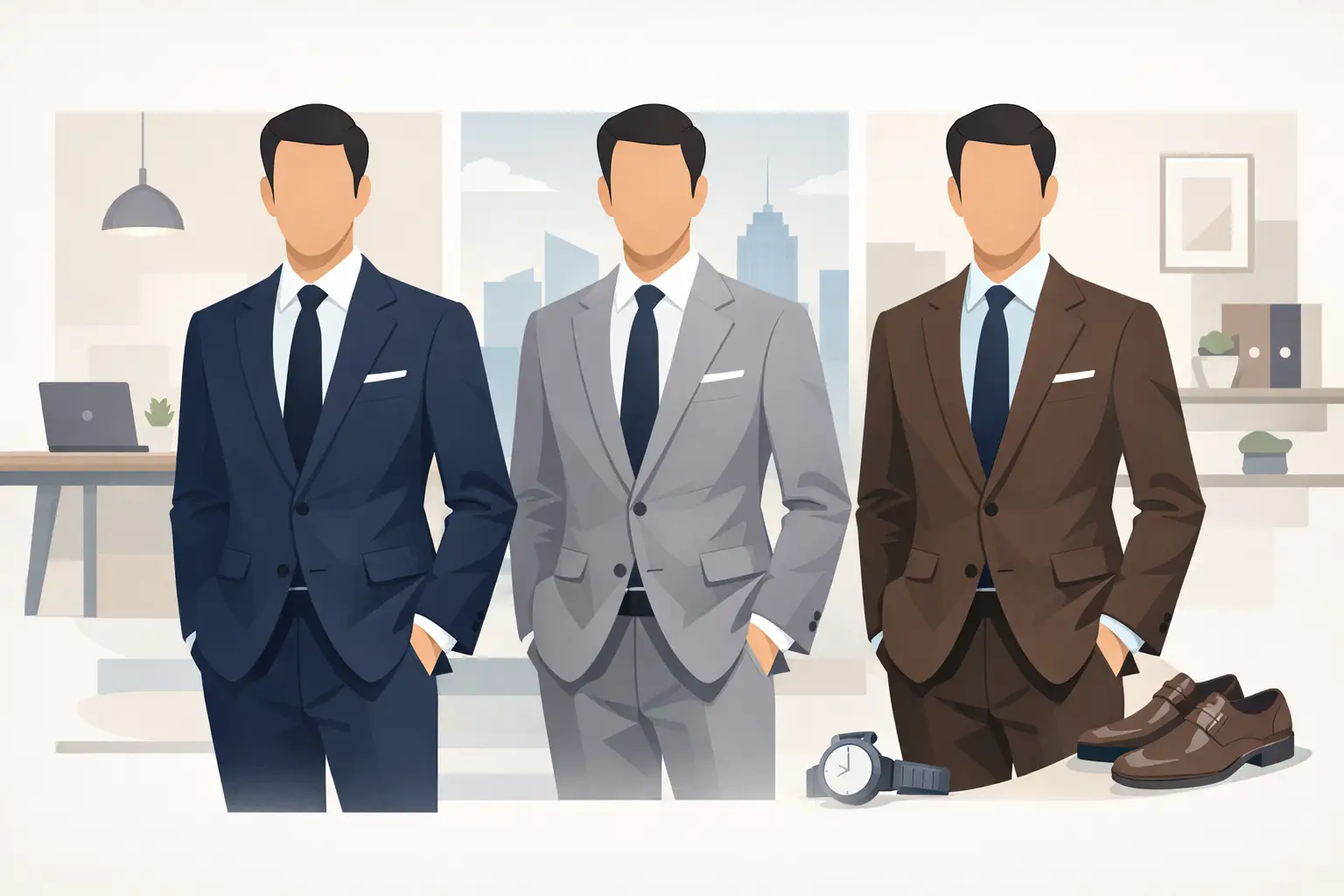
The most wearable tweed wedding colours are those that play well with skin tone and the rest of the party. Mid-greys, charcoal mixes, earthy browns, and muted greens are classics for a reason – they cooperate with florals, wood, stone, and foliage.
If you want something contemporary, consider a soft blue tweed or a slate with subtle flecking. These feel cleaner than brown yet still give you that tactile presence. Done well, blue tweed looks especially refined with a white shirt and dark tie, and it avoids the “heritage costume” trap some grooms fear.
Cream or very pale tweed can be beautiful, but it is demanding. It shows every crease and every mark, and it can look too casual unless the cut is impeccable and the styling is intentional. If you love the idea, a waistcoat in a lighter tone paired with a darker jacket and trousers often gives the same lift with far more practicality.
Cut and construction: where tweed becomes wedding-worthy
Tweed forgives less than people think. Because the surface has texture, the eye expects a sculpted silhouette. If the jacket is too long, too loose in the chest, or collapsing at the collar, the cloth will not save you.
Start with proportion. A wedding jacket should create presence in photographs, so the shoulder line must be clean and balanced, the lapels correctly scaled to your frame, and the waist subtly shaped. Trousers need enough room to move, but not so much that the leg looks heavy. Tweed can add visual weight, so a clean taper and a precise hem break are your allies.
Then consider details. A single-breasted, two-button jacket is the safest and most versatile choice. A double-breasted tweed suit can be spectacular for winter ceremonies and taller frames, but it requires confidence and absolute accuracy through the waist and button stance. If you choose it, keep everything else controlled: a calm tie, restrained pocket square, and polished shoes.
A waistcoat is where tweed shines. It gives ceremony and structure, and it keeps you looking finished even when the jacket comes off later. The key is to avoid bulk – especially if the cloth is heavy. A well-cut waistcoat should sit cleanly on the chest without gaping, and it should not push the tie knot forward.
Shirt, tie and accessories: refinement, not theme
Tweed’s texture invites texture elsewhere, but the goal is harmony, not competition. Crisp cotton shirts keep the look sharp. White is timeless and photographs cleanly. A soft ivory can be flattering in warm lighting, but it must be intentional – otherwise it can look like the shirt has aged.
For ties, think in terms of finish. A silk tie can work perfectly with tweed if it is matte or lightly textured. Wool or cashmere ties feel beautifully coherent for colder months, while grenadine gives depth without screaming “country”. If you are wearing a patterned tweed, choose a tie that is calm in pattern and rich in tone.
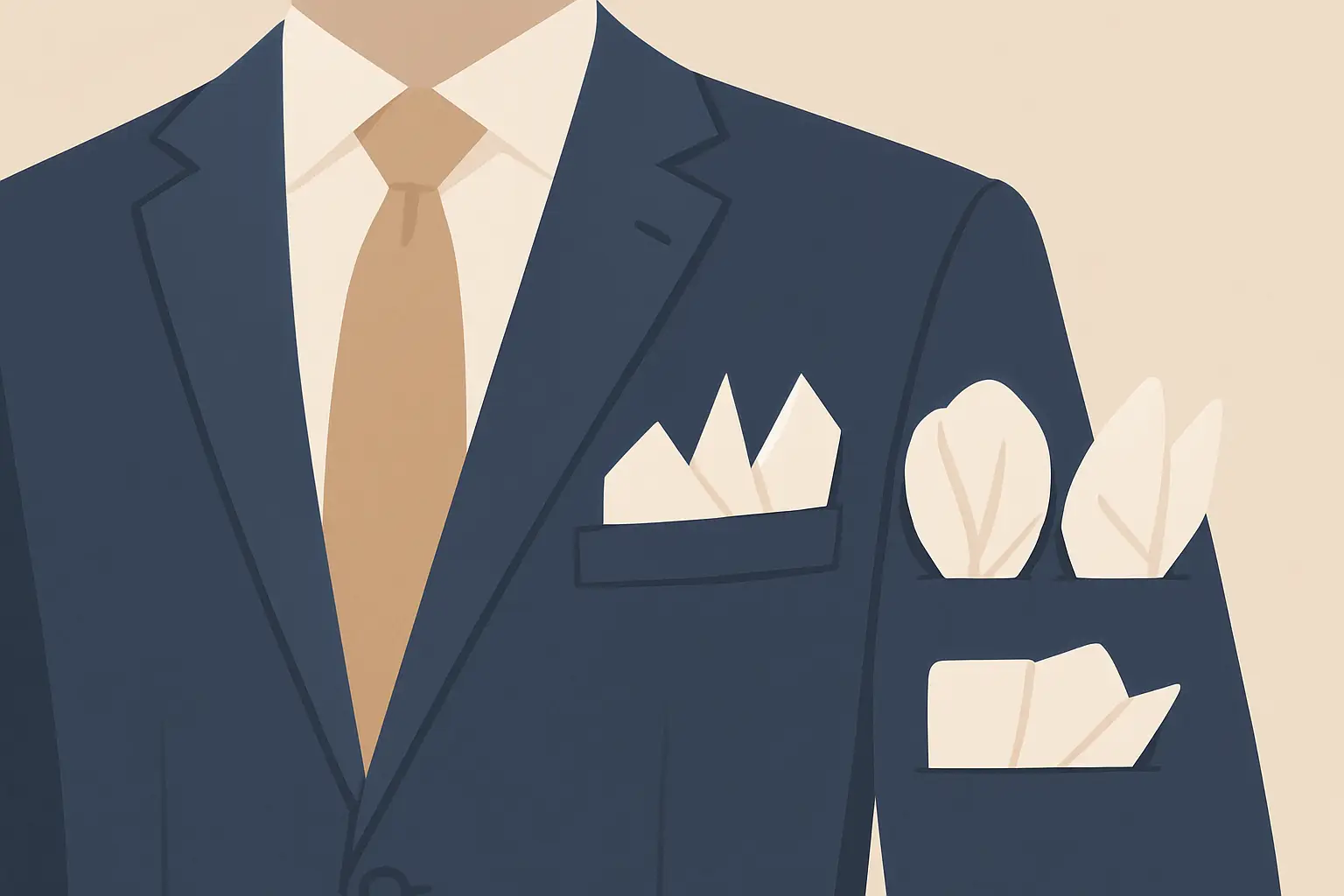
Pocket squares are best when they echo the wedding palette rather than match it exactly. A square that picks up a secondary colour from the florals or bridesmaids’ dresses will look considered in photos. Keep folds elegant and not too theatrical.
Braces (particularly leather braces) can be a strong choice with tweed, especially if you are wearing a waistcoat and want clean lines without belt bulk. If you opt for a belt, make sure it is proportionate and genuinely good quality. Tweed deserves accessories that are as well-made as the suit.
Shoes and outerwear: finishing the silhouette
Footwear can either elevate tweed or drag it into pub-lunch territory. Dark brown or oxblood leather works for most grey and brown tweeds. Black is acceptable with charcoal and cooler tones, but it can feel a touch stark against earthy cloths.
Choose a shoe with presence: a cap-toe Oxford for formal restraint, or a sleek Derby if you want a slightly softer feel. Brogues are classic with tweed, but go easy on heavy perforation if you want a sharper wedding look.
Outerwear matters more than most grooms expect, because your arrival and portraits may happen in it. A well-cut overcoat in a complementary wool can look exceptional. If you want to keep everything within the tweed family, do so thoughtfully – mixing textures is fine, matching them exactly can look forced.
Groom party coordination without looking like uniforms
Tweed is naturally individual. You can use that to your advantage. One of the most elegant approaches is to keep the groom in a distinct tweed suit, then dress groomsmen in simpler suits that sit within the same colour family. It reads cohesive without turning everyone into replicas.
If you do want the party in tweed, vary the waistcoats or ties rather than changing the suit cloth dramatically. Too many different tweeds in one photo can look busy, especially with checks. Cohesion comes from repeating a small number of tones and finishes.
The biggest pitfalls (and how to avoid them)
The first mistake is treating tweed as a theme rather than a tailoring choice. If every element shouts “heritage”, the result can feel like costume. Keep one or two nods – perhaps a textured tie and a subtle check – and let the rest be clean.
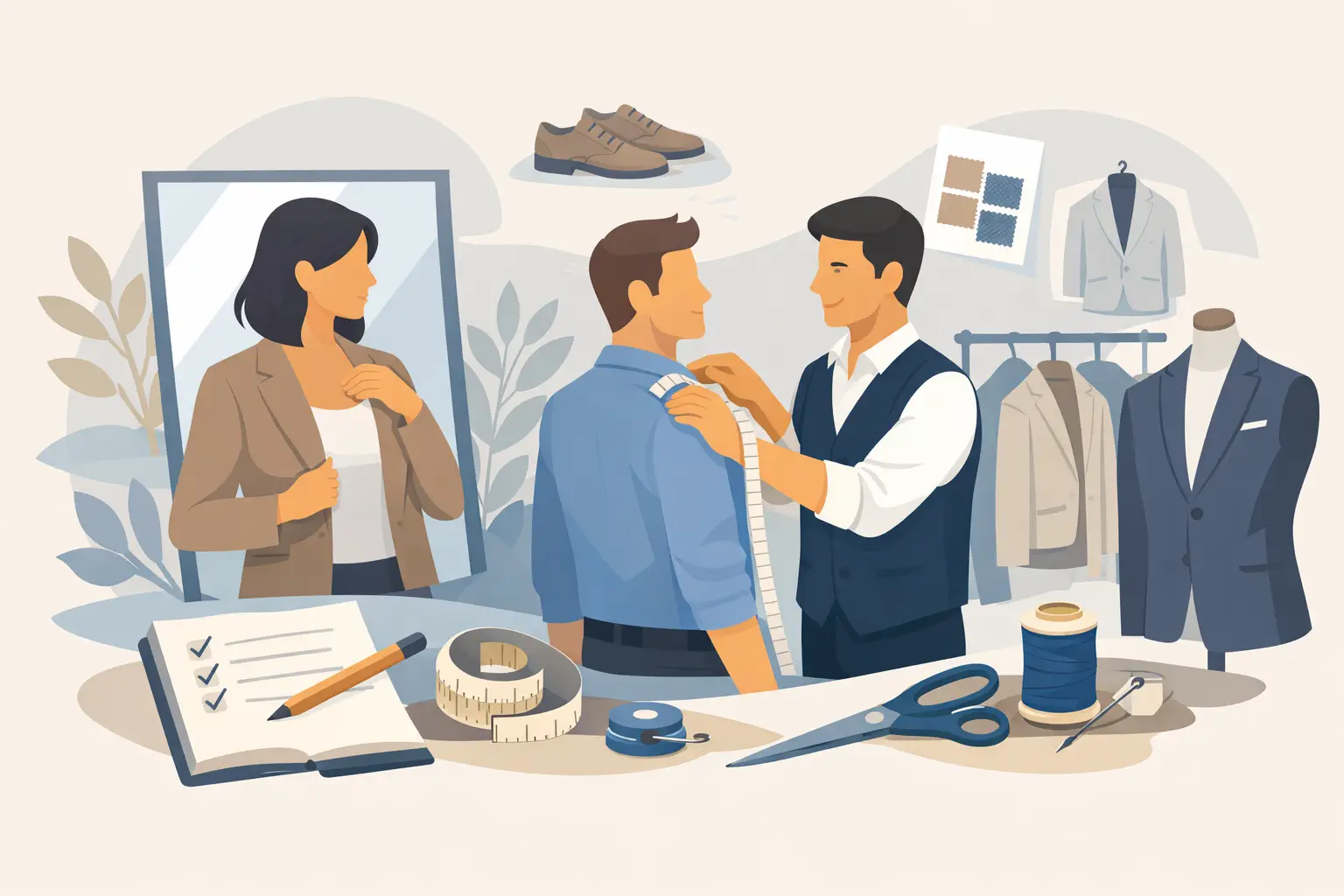
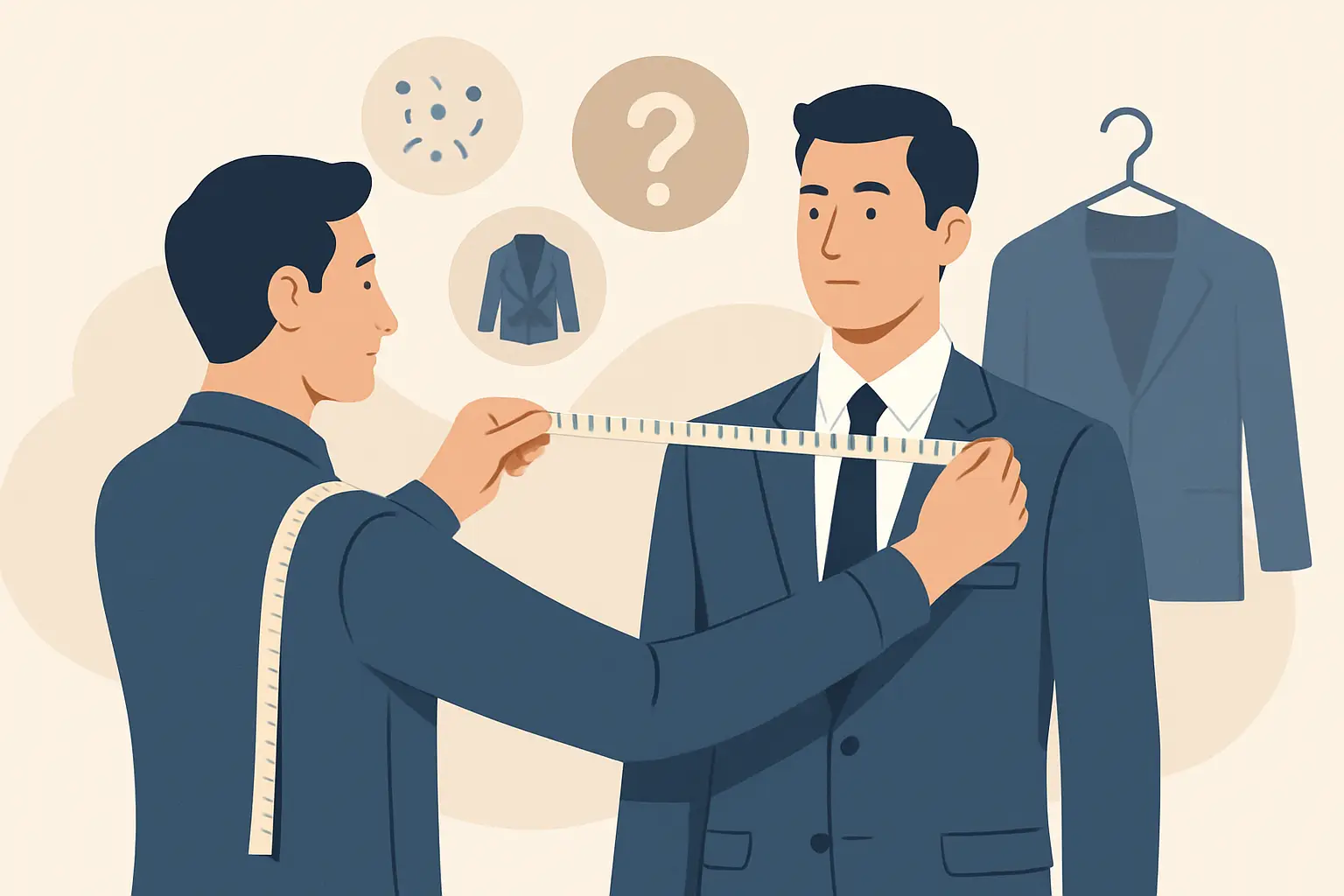
The second is underestimating fit. Tweed is honest. It will show if your collar lifts, if the sleeves are long, or if the trousers pool at the shoe. A precise fitting and thoughtful alterations are not optional.
The third is ignoring comfort. A suit that looks perfect but leaves you overheating, restricted, or constantly adjusting will show on your face. Choose a weight that suits your date and venue, and build in ease where you need it – particularly through the upper back and seat.
Making it personal: the bespoke advantage
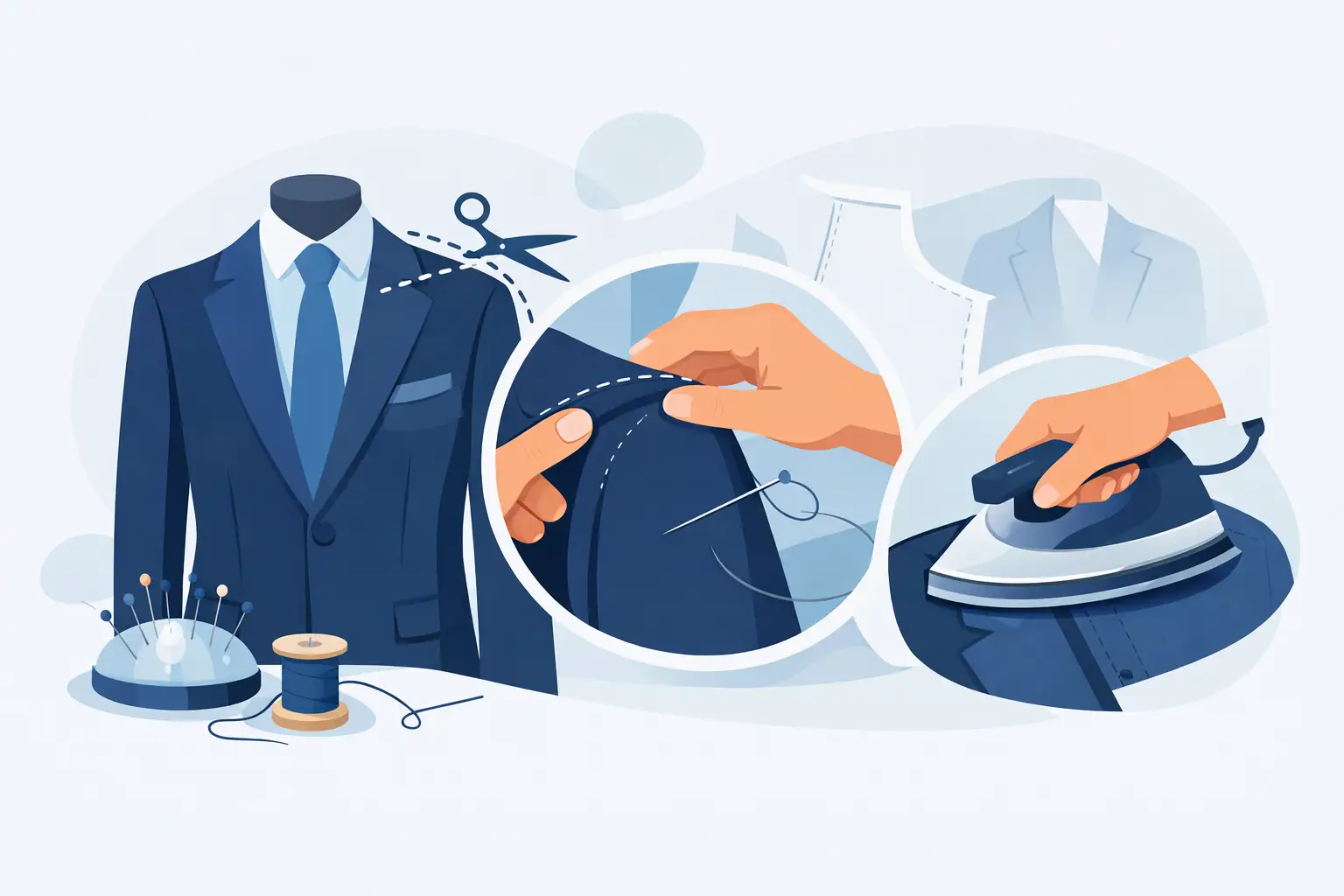
A wedding suit should feel like it was designed around you, not adapted to you. That is where bespoke and high-level custom tailoring earn their keep: the balance of the jacket, the exact waist suppression, the trouser rise that flatters your proportions, the armhole that gives movement without bagginess. Tweed is especially rewarding here because small refinements in shape make the whole look feel intentional and elevated.
If you want that level of finish, a tailoring house that understands both wedding formality and country cloth is worth seeking out. Manndiip approaches tweed with a craftsman’s eye – clean lines, meticulous construction, and styling decisions that keep the look sophisticated rather than theatrical.
A tweed suit for wedding day style is not about looking rustic. It is about choosing a cloth with depth, then shaping it into something unmistakably yours. Make the decisions that will still feel right when you see the photographs years from now – and let your confidence do the rest.