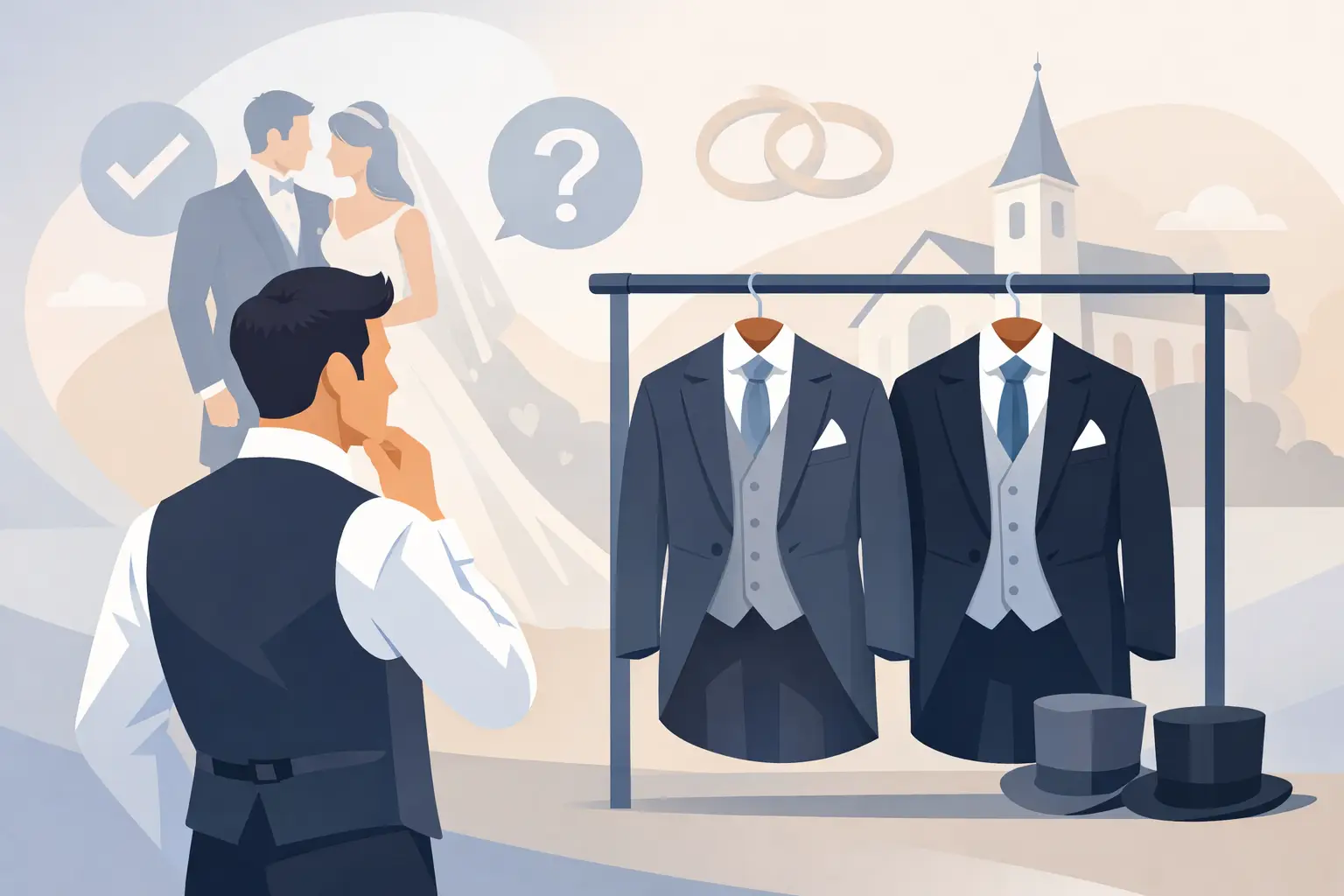
A morning coat is not simply a formal jacket with tails. Its long, sweeping front line, sculpted waist and precise balance make it one of the most exacting garments in a gentleman’s wardrobe. Knowing how to choose a wedding morning coat means looking beyond tradition alone: the right choice should honour the formality of the occasion while feeling entirely convincing on your frame.
For a groom, it sets the visual standard for the day. For a father of the bride, best man or guest, it signals respect without competing for attention. The distinction lies in proportion, cloth and finishing – details that separate genuine sartorial sophistication from a costume-like effect.
Start with the dress code and your role
Morning dress is traditionally worn for formal daytime ceremonies, particularly those beginning before 6pm. It is at home at grand country houses, traditional church weddings, race-day inspired celebrations and refined city venues. A wedding invitation may specify “morning dress”, “formal daywear” or “morning suits”; if it does, a lounge suit is usually too informal.
The groom has the greatest freedom to establish the look, though he should still consider the wedding’s setting and the formality of his partner’s attire. A black or charcoal morning coat projects the strongest sense of ceremony. Grey, especially a softer mid-grey, can feel more relaxed and is often well suited to spring or summer celebrations.
Guests should follow the requested code rather than interpret it as an opportunity for theatrical dressing. If the groom is wearing morning dress and guests are invited to do the same, a restrained, impeccably fitted ensemble is the correct response. If the invitation does not request it, a tailored suit may be the more considerate choice.
How to choose a wedding morning coat by cut
The defining feature of a morning coat is its cutaway front. The coat curves elegantly from the button fastening towards tails that fall behind the knee, creating an elongated silhouette. That silhouette only works when the coat is drafted around the wearer’s posture, chest, waist and seat.
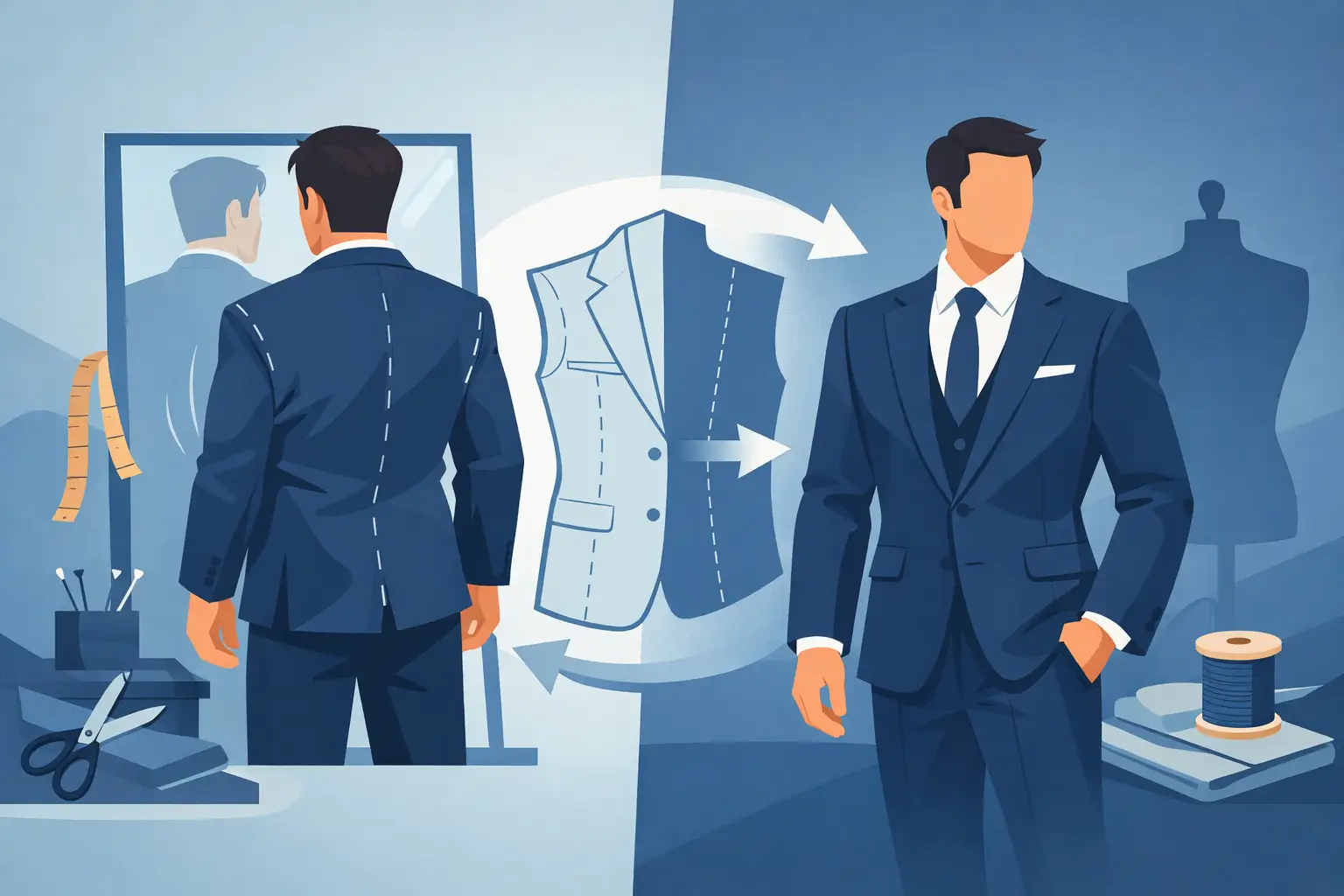
A well-cut morning coat should sit cleanly across the shoulders without dipping at the collar or pulling through the upper back. The waist is shaped, but never pinched. When fastened, the front should follow the body with controlled ease, allowing the waistcoat to remain visible beneath it. The tails must hang straight and evenly, neither kicking away from the body nor catching behind the knees.
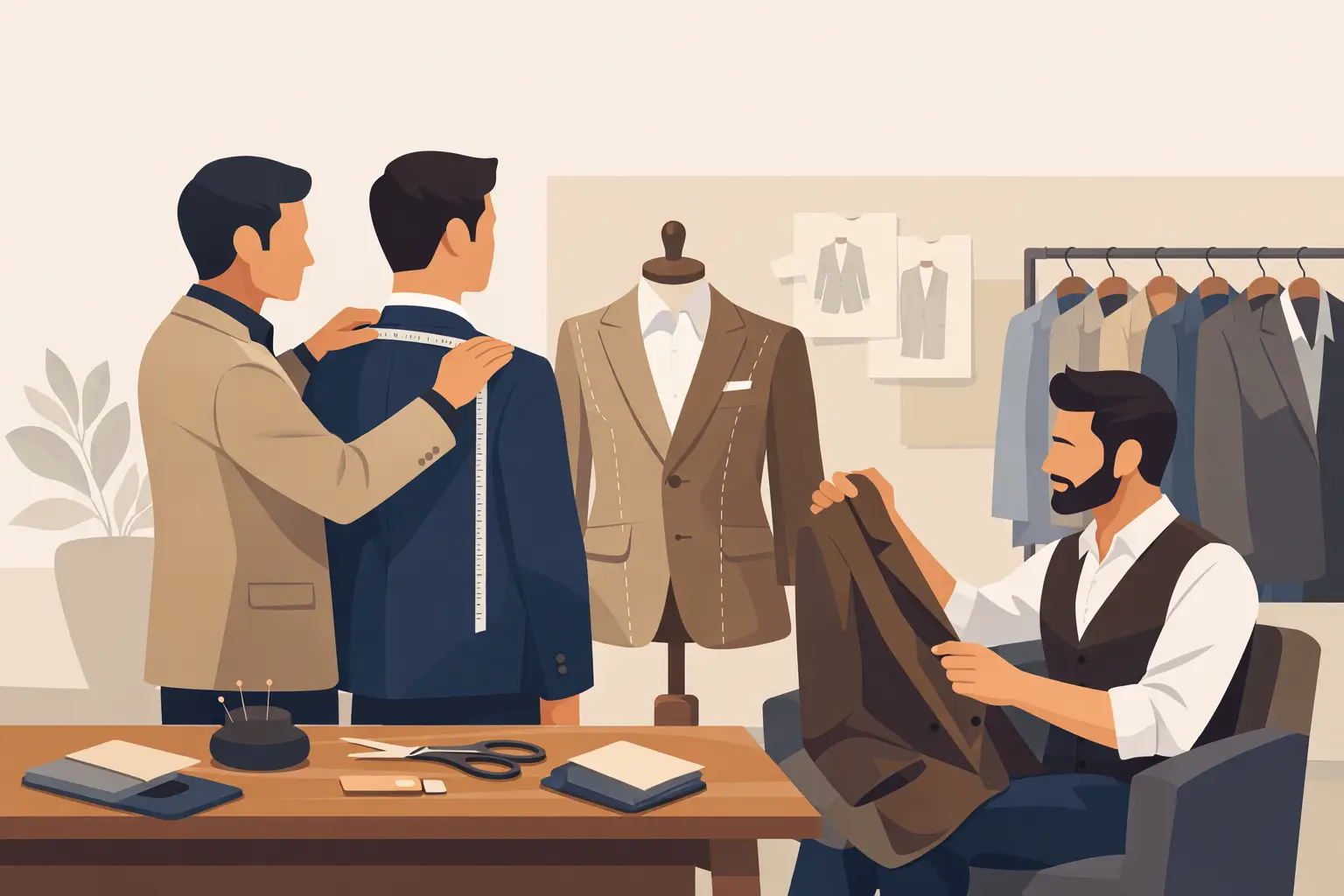
Height and build influence the ideal balance. A taller man can carry a more pronounced skirt line, while a shorter groom may benefit from a slightly higher waist suppression and carefully judged tail length to lengthen the leg line. Broad shoulders, a fuller chest or a prominent seat require thoughtful adjustment through the pattern. This is where a made-to-measure or bespoke approach earns its place: the garment is shaped around the man, rather than asking the man to accommodate a standard block.
Do not judge fit standing still alone. Sit, walk, greet people and place your hands in your trouser pockets during the fitting. Wedding days are long, and a coat that looks correct only in a changing room will not retain its poise through the ceremony, photographs and reception.
Choose cloth for season, setting and longevity
For classic morning dress, black or charcoal wool remains the benchmark. A finely woven wool with a dry, elegant handle has enough structure to preserve the coat’s curved lines while offering comfort throughout the day. Avoid cloth that is too shiny, too lightweight or excessively soft; it can make the tails collapse and photograph poorly in natural light.
A mid-grey morning coat offers a more contemporary interpretation, particularly for a garden, countryside or destination wedding. The effect can be distinguished without becoming casual, provided the fabric remains formal and the rest of the ensemble is disciplined. Deep navy is sometimes chosen for modern wedding tailoring, but it is not the most traditional answer to morning dress and works best where the dress code is flexible.
Season matters, but cloth weight is not the only consideration. For a summer wedding, an open, breathable wool weave can be more comfortable than a thin but densely finished fabric. For autumn or winter, a slightly fuller wool cloth gives the coat a richer drape. A subtle texture may add depth, although bold checks, high-contrast patterns and novelty fabrics are better reserved for less formal tailoring.
Build the ensemble around the waistcoat and trousers
A morning coat is only one part of a complete composition. Its authority depends on what sits beneath and beside it. The waistcoat is especially important because it occupies the centre of the silhouette. Dove grey is enduringly elegant, while buff, pale blue or a muted seasonal tone can introduce personality. For the groom, a bespoke waistcoat may be cut in a cloth that quietly echoes the wedding palette without matching it too literally.
The waistcoat should cover the trouser waistband, sit close to the torso and remain smooth when the coat is open. A lapelled waistcoat can add presence, whereas a clean, lapel-free design often feels lighter and more modern. The choice depends on your build and the desired level of formality, not simply current fashion.
Traditional striped morning trousers remain the surest partner for a black or charcoal coat. Their vertical stripe adds definition while keeping the look appropriately restrained. Grey herringbone or finely textured trousers can work with a softer grey morning coat, but the contrast must be deliberate. The coat and trousers should read as a considered ensemble, not as two separate garments selected in haste.
Trousers should sit at the natural waist, usually supported by braces rather than a belt. This preserves the clean line of the waistcoat and avoids bulk at the middle. A flat front is sleek, while discreet pleats can offer welcome comfort for men with a stronger thigh or those who value a more traditional cut.
Get the shirt, tie and footwear exactly right
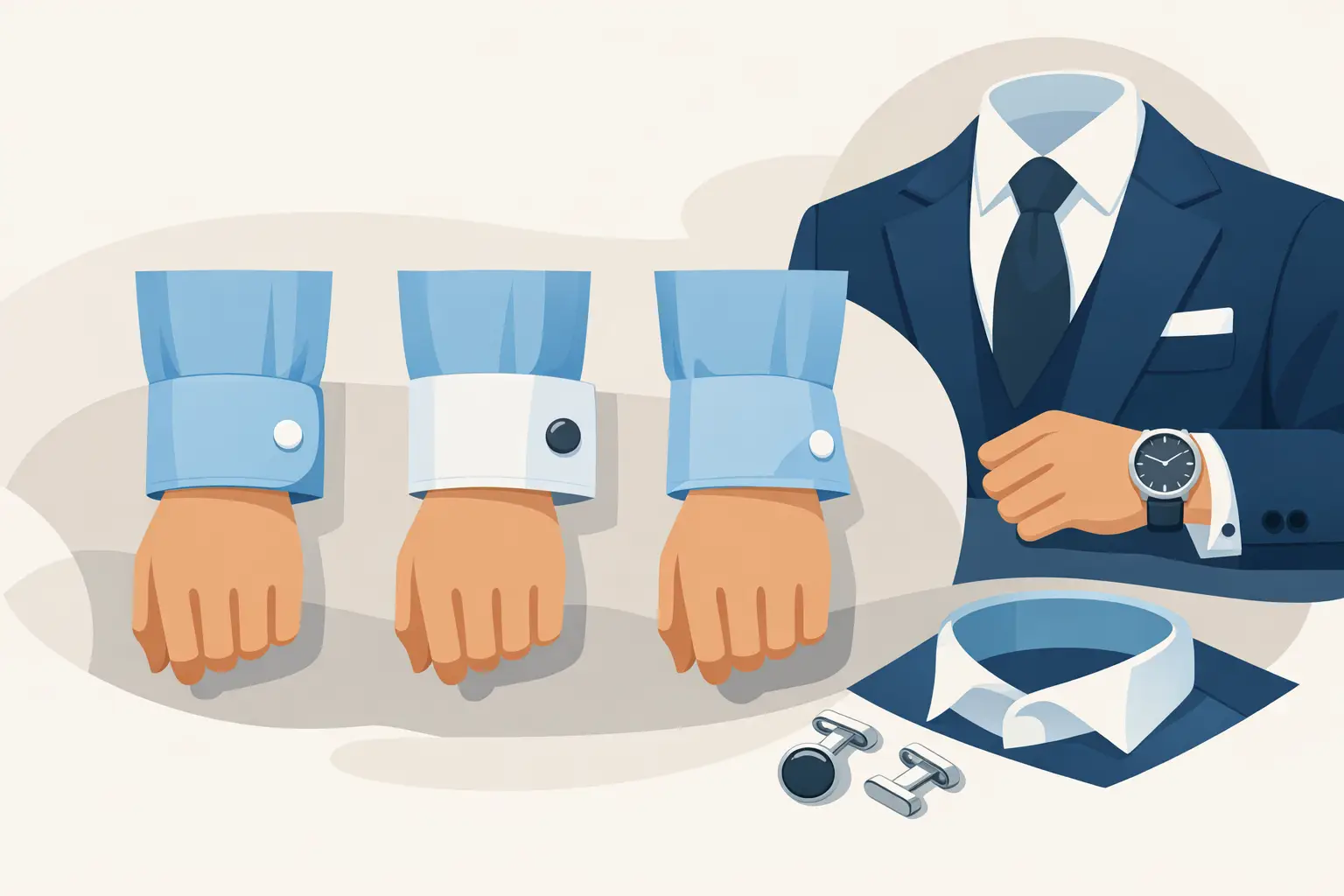
A crisp white or pale blue shirt in a smooth cotton is the most dependable foundation. A classic collar with enough structure to frame a tie knot is preferable to an extreme spread or a casual button-down. Double cuffs with restrained cufflinks are appropriate, but they should complement rather than distract from the coat.
The tie should bring refinement, not noise. Silver-grey, soft blue, pale pink, sage and subtle woven patterns are all effective choices, depending on the wedding palette. A silk tie with a measured texture photographs beautifully and adds depth against a plain waistcoat. Avoid overly glossy satin, novelty prints and pocket squares that are identical to the tie. The pocket square should offer a quiet contrast, perhaps in white linen or a complementary tonal silk.
Black Oxford shoes are the most formal option, polished to a clean sheen rather than a mirror-like glare. Dark brown may be acceptable for a more relaxed country wedding with a grey coat, but black remains the safer and sharper choice. Socks should be long enough to ensure no skin is visible when seated.
Avoid the common mistakes that weaken morning dress
The most frequent error is treating morning dress as fancy dress. Oversized cravats, loud waistcoats, brightly coloured socks and exaggerated accessories can pull attention away from the garment’s inherent elegance. Morning dress is expressive through line and finish, not excess.
Equally damaging is a coat that is hired in the nearest available size and left unaltered. Sleeves that cover the shirt cuff, trousers that break heavily over the shoe and a loose waistcoat can make even expensive components look ordinary. Aim for a visible half-inch of shirt cuff, a clean trouser line and a waistcoat that follows the body without strain.
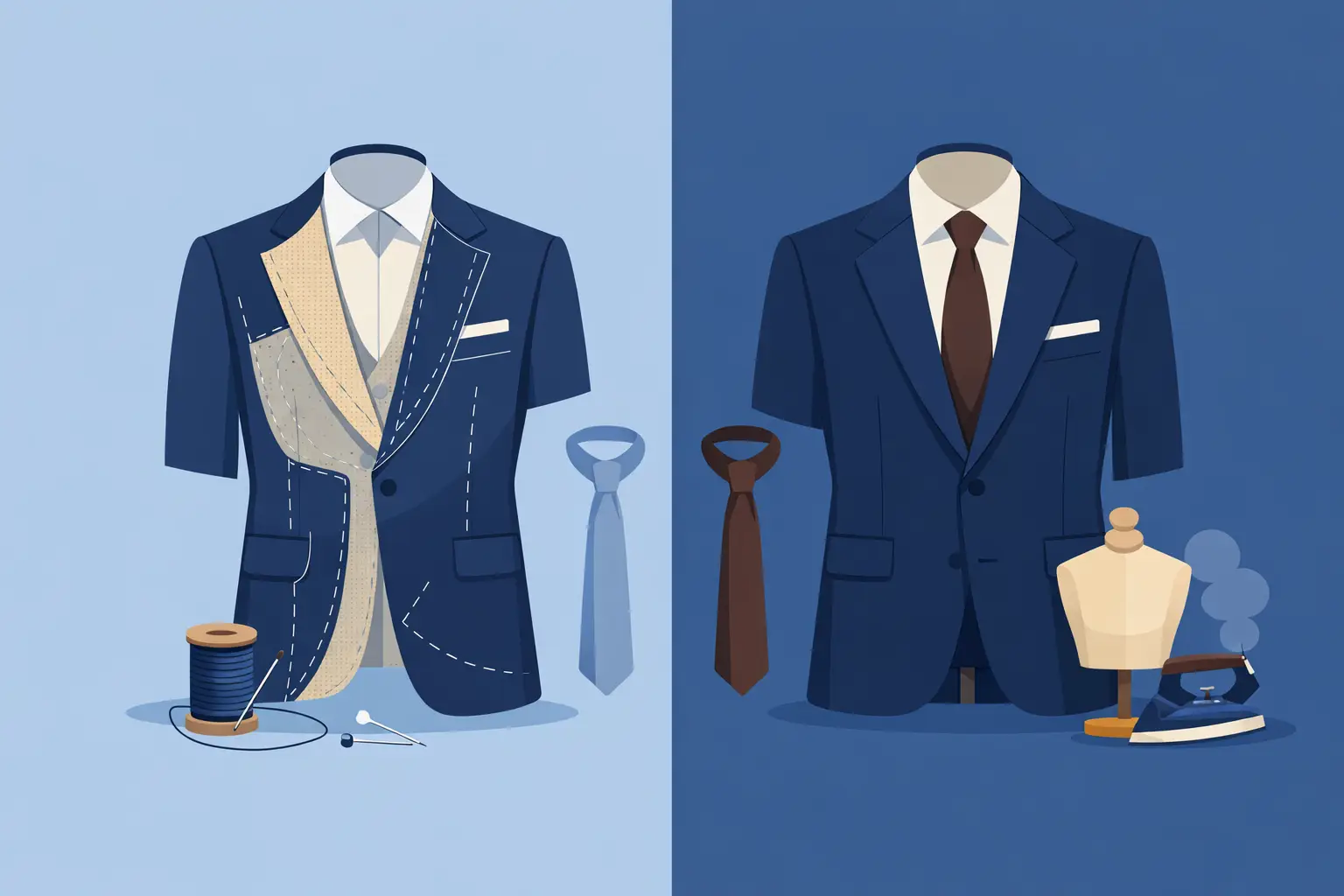
Finally, do not leave the decision until the final weeks. A morning coat requires time for consultation, cloth selection, fittings and the small refinements that create an impeccable result. If you are hiring, allow time for alterations and wear the complete outfit during a final fitting, including shoes and shirt.
Let the coat reflect the occasion, not overwhelm it
The finest wedding morning coat looks composed rather than conspicuous. It gives the wearer stature, photographs with elegance and feels natural from the first arrival to the last toast. At Manndiip, the objective is never simply to replicate a formal tradition, but to shape it precisely around the individual wearing it.
Choose a coat with enough formality for the promise being made, enough comfort for the day ahead and enough personal character to feel unmistakably your own. That balance is what turns morning dress into an occasion garment worth remembering.