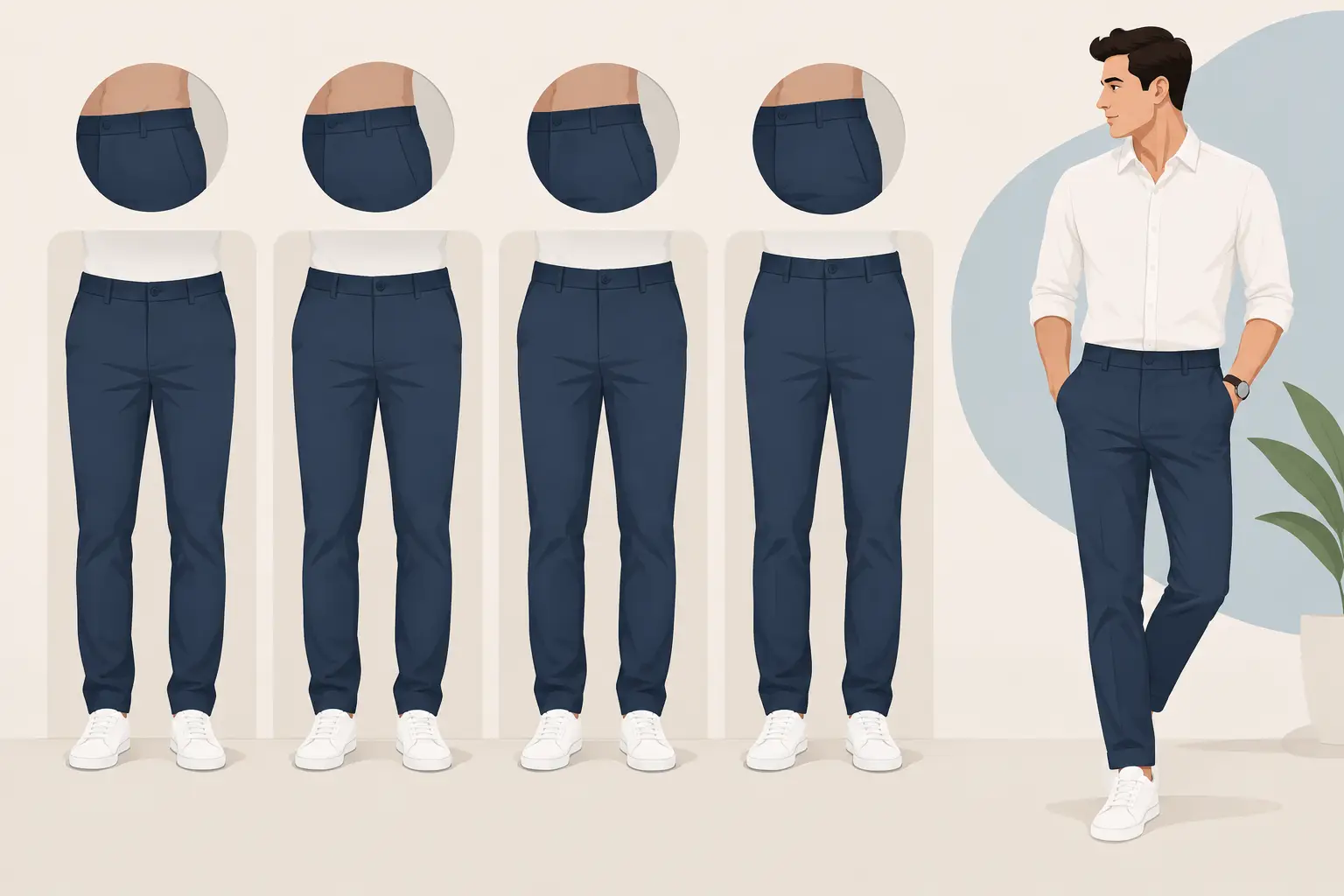

A pair of jeans can be made from exceptional denim and still look ordinary if the waist gapes, the leg collapses around the ankle, or the seat pulls in the wrong direction. Denim fit correction is the considered process of refining those details so that a hardworking wardrobe staple carries the same confidence and clean line as a well-cut pair of tailored trousers.
Unlike lightweight trousers, jeans have dense seams, reinforced construction and distinctive finishing. The objective is not simply to make them smaller. It is to preserve their character while improving their proportion on your body. Done properly, an alteration should look intentional rather than repaired.
Why Denim Fit Correction Demands Specialist Skill
Denim is unforgiving. Its weight gives it structure, but that same structure makes every misplaced stitch, uneven taper and poorly matched thread visible. Contrast topstitching, felled seams, rivets, belt loops and branded waistbands all need to be considered before a tailor makes the first mark.
A good correction begins with how the jeans are meant to be worn. A rigid selvedge jean will relax with wear, particularly through the waist and seat, while stretch denim may recover differently depending on its fibre content. A close-fitting contemporary cut requires a different balance from a fuller straight leg or a relaxed vintage silhouette. The best result respects the original design instead of forcing every pair into the same narrow shape.
For men who invest in tailoring, the value is familiar: proportion changes presence. Jeans that sit correctly at the waist, follow the line of the thigh and break neatly over the shoe create a more composed appearance with knitwear, a casual shirt or an unstructured jacket. The same principles apply to women’s denim, where a precise waist, balanced hip line and clean hem can transform a pair that is nearly right into one worn constantly.
Assessing the Fit Before Altering
The fitting is where sound judgement matters most. Jeans should be tried on with the shoes and belt you expect to wear most often, ideally after they have been washed in the usual way. A tailor will assess the garment standing, sitting and walking, as a pair that appears perfect in front of a mirror may bind at the thigh or pull across the seat in movement.
Waist, seat and back rise
A waist that stands away from the body is one of the most common issues. Taking in the centre back can be an elegant solution when the excess is modest and the seat already fits well. This approach usually retains the side seams and pocket placement, although the centre-back belt loop may need to be carefully removed and reinstated.
When there is substantial excess, the alteration becomes more complex. Removing too much from one point can distort the back yoke or draw the pockets too close together. In some cases, the side seams must also be considered to distribute the reduction. The aim is a secure waist without flattening the seat or compromising comfort.
The rise is different. A rise that is genuinely too low, too high or incorrectly shaped is difficult to alter convincingly because it is integral to the jeans’ construction. Minor refinements may be possible, but a fundamentally unsuitable rise is usually a reason to choose another pair rather than invest in extensive correction. This is one of the occasions where honest advice protects both the garment and the wearer.
Thigh, knee and lower leg
Excess fabric through the lower leg can make otherwise good jeans appear untidy, especially when worn with smarter footwear. A taper from the knee to the hem creates a cleaner silhouette while retaining enough room to move. The taper should be guided by the wearer’s build, the original cut and the intended footwear. A very sharp taper can look refined with slim trainers or Chelsea boots, but may feel restrictive over a larger boot.
The thigh deserves restraint. Taking in this area is possible, yet it affects mobility and can interrupt the shape of the outer seam. If the jeans are tight at the thigh before alteration, they cannot be made more generous without additional fabric. If they are markedly loose through the thigh and seat, a different cut may offer a better long-term answer.
Careful pinning reveals whether the line should be taken from the inseam, the outseam or shared between both. This matters because the final result should not twist around the leg. On jeans with prominent side-seam details, selvedge edges or heavy fading, a specialist will explain where the visual compromise may lie before proceeding.
Length and the all-important hem
Jeans should not puddle on the shoe, nor should the hem hover awkwardly above it unless that cropped proportion is deliberate. The right length depends on the cut. Slim jeans commonly suit little or no break, straight legs can take a soft break, and wider denim may need a slightly fuller length to maintain its drape.
A standard hem is appropriate for many pairs, particularly dark, clean denim. If the original worn hem is part of the garment’s appeal, a reattached original hem can retain that familiar faded edge. It is a more intricate operation and adds a small internal seam, so it is not automatically the right choice for every jean. On premium raw or selvedge denim, the decision should account for the desired cuff, the chain-stitch effect and how the denim will age.
What Can and Cannot Be Improved
Denim alterations are highly effective when the garment is broadly right in the rise, seat and thigh. They are less successful when asked to redesign the entire jean. A precise fitting consultation separates a worthwhile refinement from an expensive compromise.
The following concerns warrant particular care:
- A torn crotch or severely thinned inner thigh can be reinforced, but repairs may remain visible and the surrounding denim may continue to weaken.
- Deeply faded or heavily distressed jeans can reveal alteration lines where fabric has been moved, especially around side seams and hems.
- Jeans that are several sizes too large may lose their pocket position and original balance when reduced extensively.
- Stretch denim that has permanently bagged at the knees or seat may improve with alteration, but cannot recover the fabric’s original resilience.
None of these points means the jeans have no value. A well-executed repair may extend the life of a favourite pair and preserve the comfort earned through years of wear. It simply means expectations should match the material and the construction.
Choosing the Right Correction for Your Wardrobe
Think beyond the fitting-room mirror. Consider where the jeans sit in your wardrobe. A dark indigo pair worn with an open-collar shirt and tailored overshirt benefits from a disciplined waist and a clean, subtle taper. Weekend denim worn with heavier knitwear and country boots may need more room through the calf and a longer hem. The most flattering fit is not always the tightest one. It is the one that gives the body shape without constraining it.
Fabric weight also changes the outcome. Heavy rigid denim develops a sculpted, architectural line but takes time to soften. Lighter stretch denim can feel immediately comfortable, though too much reduction can make stress points more apparent. A tailor should ask how often the jeans are worn, how they are washed and whether they are intended for work, travel or evening wear before recommending the work.
At Manndiip, alterations are approached with the same respect for line, balance and individual proportion that informs bespoke tailoring. That means discussing the desired finish before any seam is opened: whether you want a crisp contemporary silhouette, a relaxed classic cut, or denim that sits effortlessly alongside a tailored wardrobe.
Caring for Altered Denim
Once corrected, jeans deserve measured care. Wash them inside out, avoid excessive heat and allow them to air dry where possible. This helps protect colour, preserves stretch fibres and reduces unnecessary shrinkage. If your weight changes or the denim relaxes noticeably after regular wear, a small further adjustment may be more appropriate than replacing a pair that otherwise fits beautifully.
The finest denim does not need to announce itself. When the waist sits cleanly, the seat moves naturally and the hem meets the shoe with purpose, the effect is quietly assured. Bring the pair you almost wear – the one that is close but not quite there – to a fitting, and let precise workmanship reveal what it was capable of becoming.