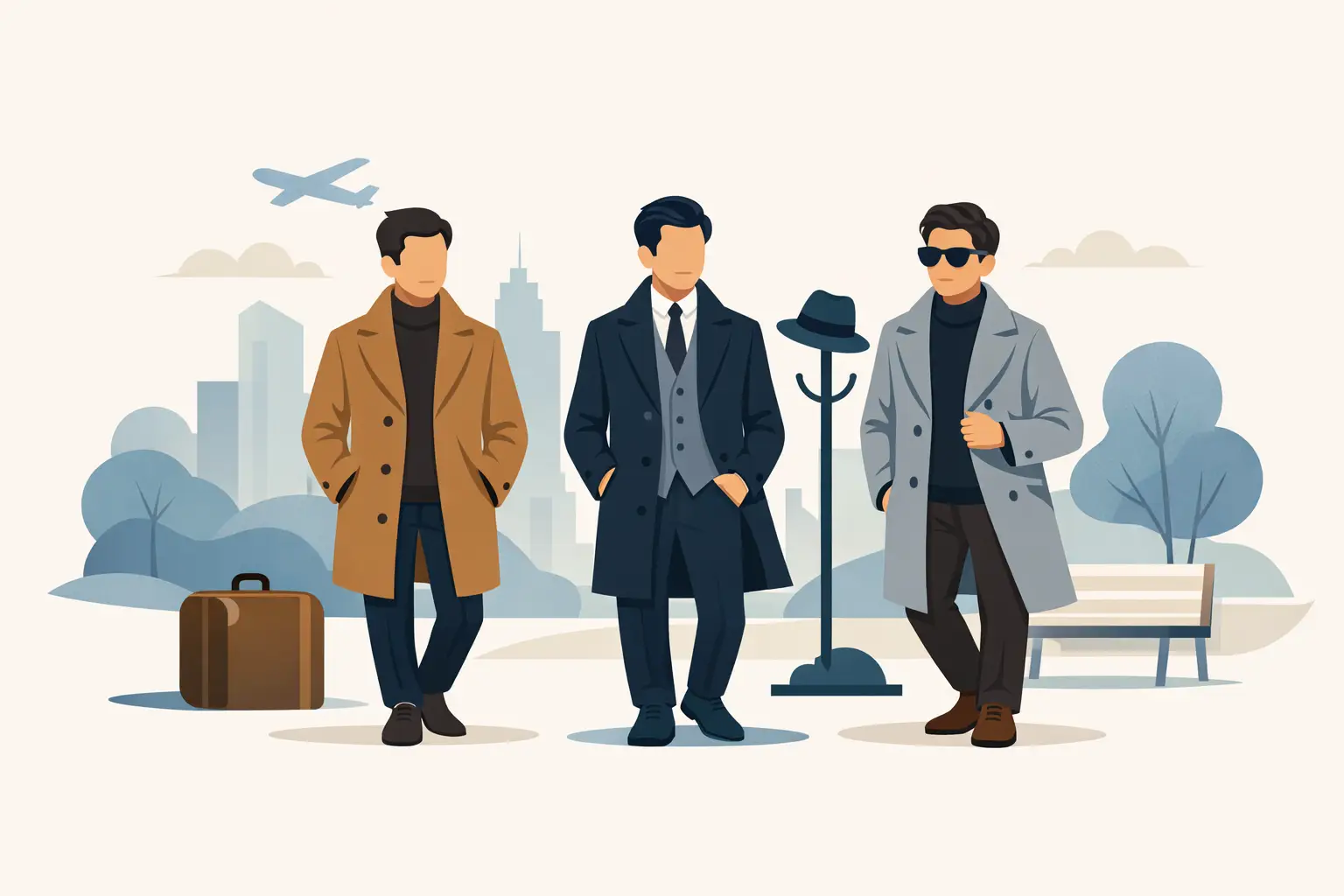
An overcoat can add presence in an instant – or quietly work against you. For a shorter man, that difference usually comes down to proportion. Too much length, too much cloth, or the wrong balance through the shoulder and skirt can make a coat feel imposing rather than elegant. The best overcoat styles for short men create clean vertical lines, a sharper frame, and a silhouette that feels deliberate rather than oversized.
That is why overcoat shopping should never begin with trend. It should begin with scale. A coat may be beautifully made in isolation, but if the hem cuts the leg line in the wrong place or the lapels dominate the chest, the overall impression loses refinement. When proportions are handled properly, however, an overcoat becomes one of the most effective pieces in a shorter gentleman’s wardrobe.
What makes the best overcoat styles for short men work
The goal is not to appear artificially taller. It is to look balanced, composed, and well dressed. Height becomes less of a concern when the coat respects your proportions and carries authority through fit.
The most flattering overcoats for shorter men tend to share a few traits. They are cut closer to the body without pulling, the shoulder line is clean and precise, and the length supports the leg line instead of overwhelming it. There is structure, but not excess. The eye should travel smoothly from shoulder to hem.
This is also where many ready-to-wear coats fall short. Brands often grade down from a standard block rather than rethinking the balance of the garment for a shorter frame. The result is a coat that may technically fit at the chest yet still feel too long in the body, too low in the button stance, or too heavy in the sleeve and collar proportions.
The overcoat lengths that flatter a shorter frame
Length is the first decision, and usually the most important. For most shorter men, the strongest point is somewhere above the knee or just brushing it. That length gives the coat enough gravitas to feel like true outerwear while preserving visible trouser line beneath. More trouser on show usually means a longer-looking leg.
A full-length overcoat can work, but it depends on both height and bearing. If the coat drops too far below the knee, it often starts to swallow the wearer, particularly in heavier cloths such as melton or dense wool cashmere blends. A shorter gentleman with a lean build may carry this off more easily than someone broader through the middle, but it remains a more exacting choice.
At the opposite end, very short coats can look sporty rather than polished. If your aim is business, formalwear, or elegant occasion dressing, a coat that finishes around mid-thigh may feel too abbreviated. The sweet spot is usually a tailored knee-grazing overcoat with a clean, uninterrupted front.
Best overcoat styles for short men by silhouette
Not every overcoat style serves the same purpose. Some lengthen the figure; others add visual weight. The distinction matters.
Single-breasted overcoats
For many shorter men, the single-breasted overcoat is the most reliable choice. It offers a clean front, a strong vertical opening, and less visual width through the torso than a double-breasted style. A three-button front with a natural roll to the middle button or a well-positioned two-button fastening can be particularly flattering.
This style works well over business tailoring because it does not crowd the chest. It also lends itself to a neater skirt and a slightly higher button stance, both of which can help elongate the frame. If you want one coat that covers weekday suiting, winter events, and evening dinners, this is often the most versatile route.
Double-breasted overcoats
A double-breasted overcoat can look superb on a shorter man, but it must be handled with discipline. The benefit is presence. The risk is breadth. Too much overlap across the front, too low a fastening point, or lapels that are too expansive will widen the body visually and shorten the leg line.
When cut properly, a double-breasted coat can still be highly elegant. The key is a trimmer overlap, a precise waist suppression, and lapels scaled to the wearer rather than copied from a taller model. It suits men who want a more formal, assertive appearance and are comfortable with a coat that announces itself a little more.
Covert coats and streamlined town coats
A covert coat is one of the most understated and flattering options available. Traditionally slightly shorter than some formal overcoats, with a clean front and restrained detailing, it has a practical elegance that works especially well for shorter gentlemen. It avoids excess while still feeling properly tailored.
Similarly, a streamlined town coat with minimal exterior detail can be extremely effective. Plain pockets, a tidy collar, and a simple line through the body all help maintain visual clarity. If your style is quietly polished rather than overtly dramatic, this is often the smartest category to explore.
Details that matter more than most men realise
On a shorter frame, small design choices become large visual signals. The lapels should be proportionate – neither skinny nor exaggerated. A moderate notch or peak with sensible width tends to be far more elegant than anything fashion-driven.
The button stance deserves particular attention. If it sits too low, the torso appears longer and the legs shorter. Raise it too high, and the coat can look tight or affected. The right position depends on your build, but in bespoke or made-to-measure work this is one of the simplest ways to improve balance.
Pocket placement also changes the coat’s character. Lower pockets can drag the eye downward. Slightly higher placement, handled subtly, can sharpen the line of the coat. Sleeves should be trim and correctly pitched, and the cuff should finish with enough precision to avoid bunching at the wrist.
Then there is the shoulder. A soft, collapsing shoulder rarely flatters a shorter man in an overcoat, because the garment begins to look heavy and undefined. Equally, an aggressive pagoda shoulder can feel theatrical. The best result is a clean, structured shoulder that gives shape without exaggeration.
Cloth, colour and pattern choices
Fabric affects not only warmth but scale. Very heavy cloth can be handsome, though it may also create bulk that a shorter man does not need. Mid-weight wool, cashmere blends, and refined coatings often drape more cleanly and preserve a sharper silhouette.
Colour should support versatility and line. Navy, charcoal, deep grey, and dark brown are dependable because they create visual continuity and pair naturally with business and occasion wardrobes. Black can be striking, though in daytime it sometimes appears harsher and less nuanced than navy or charcoal.
Pattern is where restraint pays dividends. Large checks and bold contrast can fragment the silhouette. Smaller patterns, subtle herringbones, and tonal textures usually work better. They add interest without interrupting the vertical flow of the coat.
What shorter men should avoid
The issue is rarely a single feature. It is usually an accumulation of them. Oversized shoulders, very long hems, dropped armholes, broad lapels, and overly generous skirts all conspire to make the coat wear the man.
Belts can be useful on certain coats, but they are not automatically flattering. On a shorter frame, a belt that sits too low or adds too much bunching at the waist can break the body line awkwardly. Likewise, oversized patch pockets and heavy epaulettes tend to introduce unnecessary width.
This does not mean a shorter man should dress timidly. It means statement should come from cut, cloth, and confidence, not from disproportionate detailing.
Why tailoring changes everything
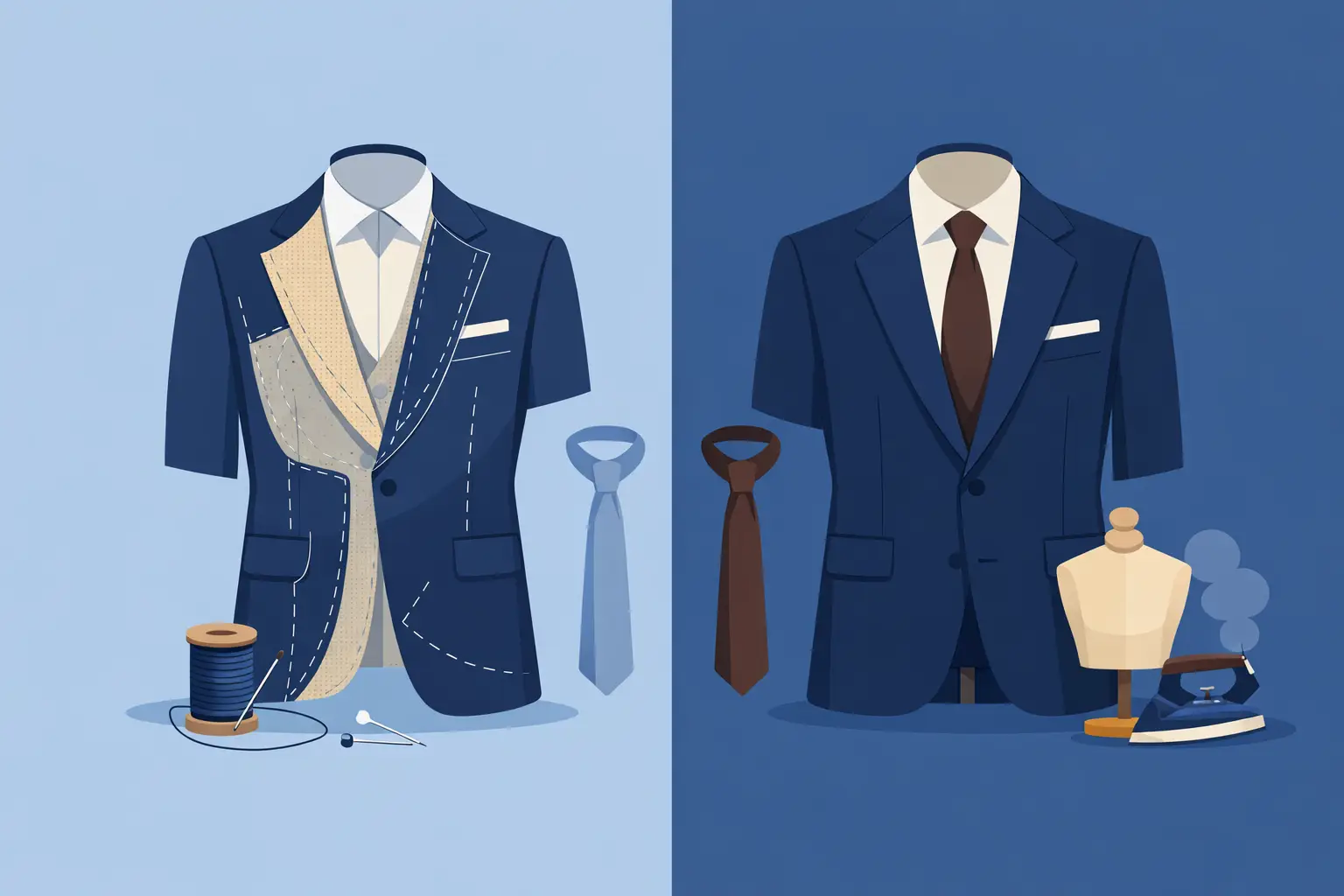
Overcoats are unforgiving because they sit over other garments and still need to hold a refined shape. A coat that is merely acceptable on the hanger can become cumbersome once worn over a jacket or knitwear. For shorter men especially, that extra layer of complexity is where precision fit matters most.
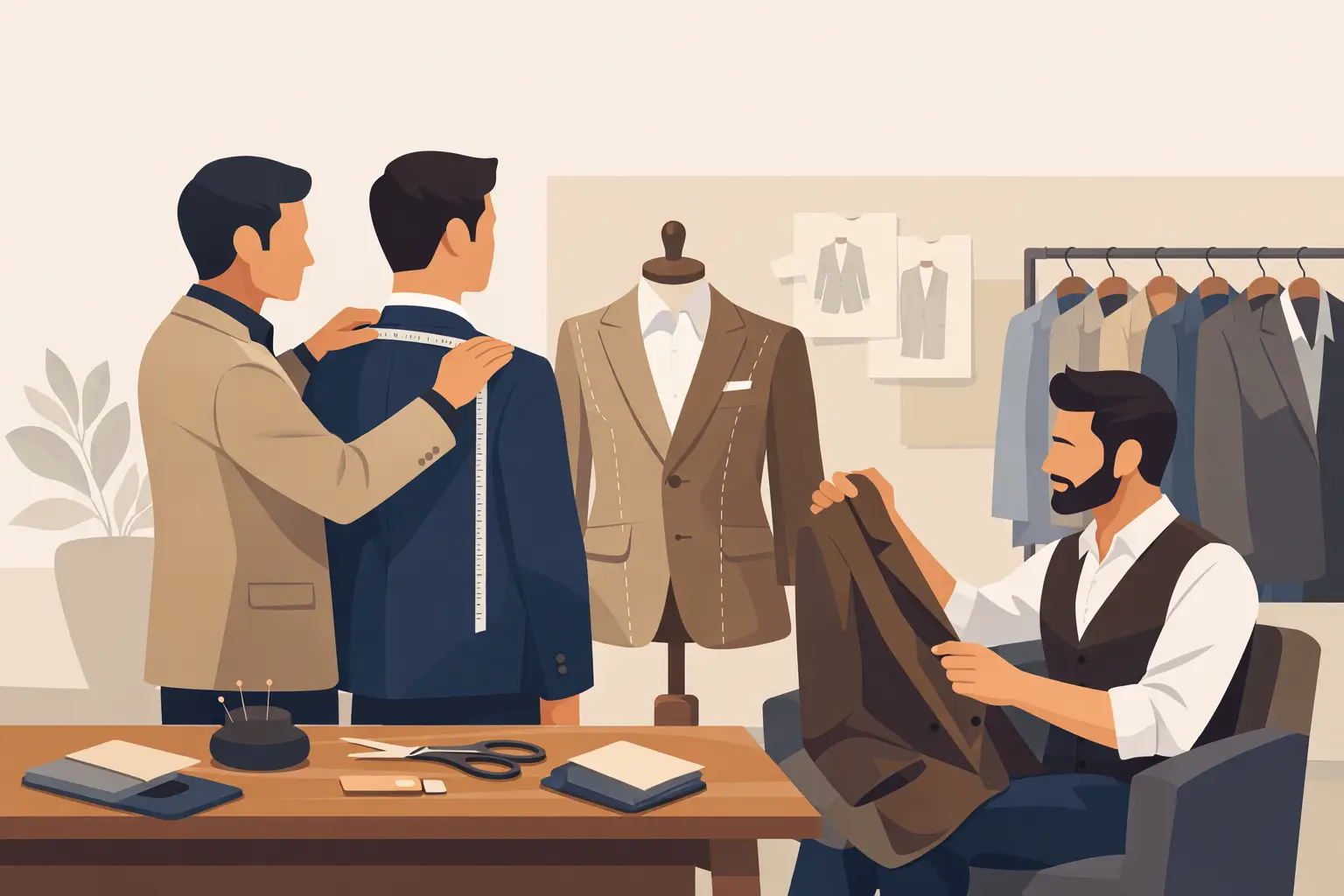
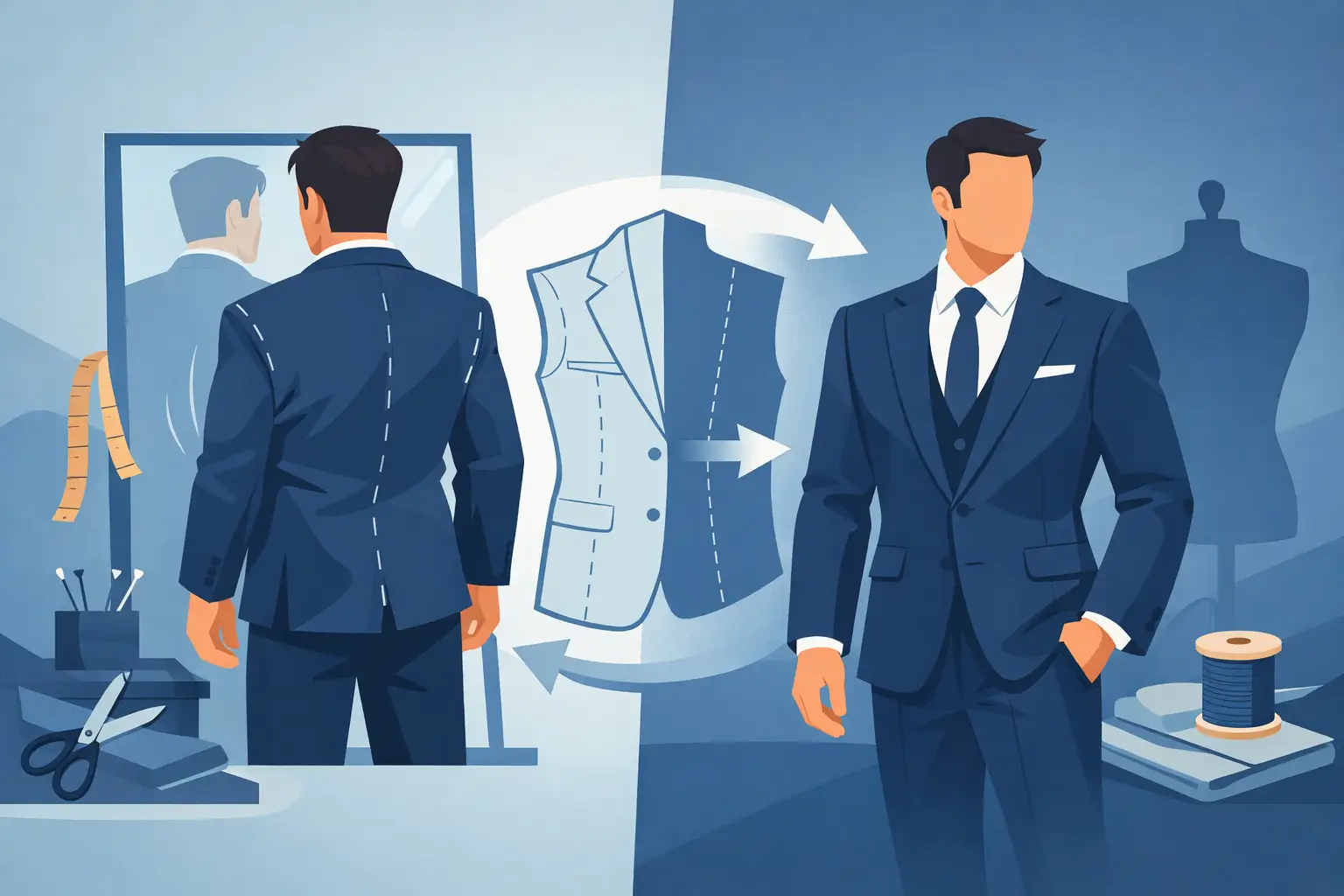
A tailored overcoat allows each proportion to be calibrated – hem length, gorge height, lapel width, waist suppression, sleeve length, pocket placement, and skirt shape. That level of control is what separates a coat that simply fits from one that elevates the wearer. At Manndiip, this is where craftsmanship earns its keep: the coat is built around the man, not the other way round.
Even alterations can make a substantial difference, though they have limits. Sleeves, body shape, and overall length may be improved, but correcting a poor button stance or an imbalanced shoulder line is far more difficult. It is always better to begin with the right architecture.
The best overcoat is not the one with the loudest silhouette or the most trend-led flourish. It is the one that gives you stature the moment you put it on – quietly, convincingly, and with the sort of precision that makes elegance look effortless.