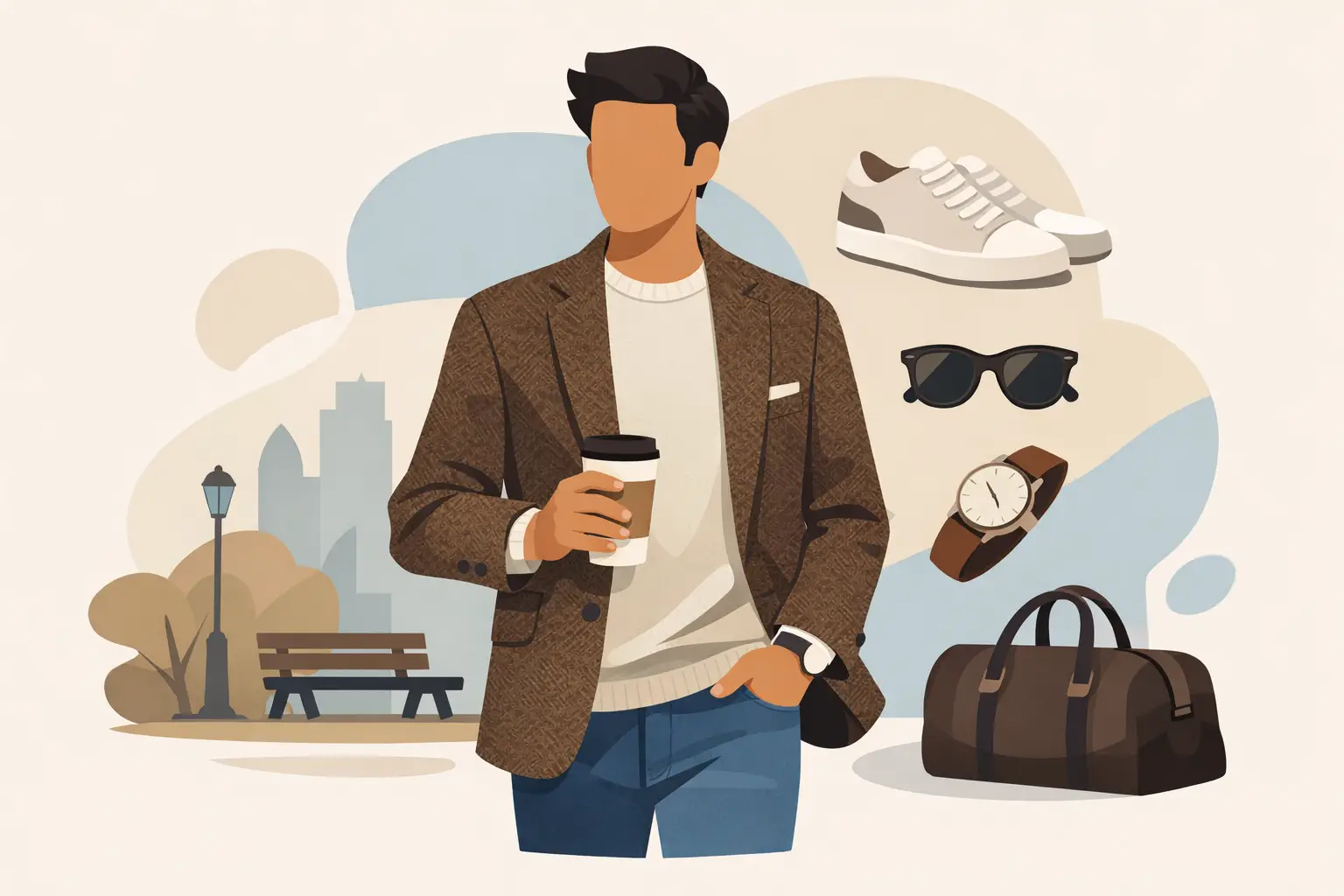
A tweed jacket should not spend its life waiting for a country wedding or a formal shoot. Cut well, it is one of the most characterful pieces in a modern wardrobe: structured enough to sharpen a casual look, yet tactile enough to feel at home away from the boardroom. Knowing how to style a tweed jacket casually is largely a matter of contrast – pairing its heritage, texture and tailoring with pieces that feel relaxed rather than overly composed.
The aim is not to make tweed look younger by forcing it into trends. It is to let the jacket bring depth and distinction to simple, well-chosen staples. Fit remains the foundation. When the shoulder sits cleanly, the sleeve length is considered and the jacket follows your natural line, even denim and knitwear acquire a more elevated presence.
Start with the right tweed jacket
Not every tweed jacket is designed for the same kind of casual dressing. A heavy, highly patterned three-piece country suit has a particular place, but it is less versatile than a softly constructed jacket in a quieter cloth. For off-duty wear, look for a single-breasted two-button style with a natural shoulder, moderate lapel and enough room through the chest to layer comfortably.
Earthy brown, olive, charcoal, navy and muted blue tweeds are exceptionally adaptable. Herringbone, Donegal fleck and subtle checks bring texture without demanding attention from every other element of the outfit. Large checks can be striking, but they need plainer companions: think a solid merino knit, dark jeans and unfussy suede footwear.
Cloth weight matters, particularly in Britain. A substantial tweed feels superb on a cold walk, but may be too warm for a busy restaurant or a train journey. A lighter wool blend or softer lambswool tweed extends the jacket’s usefulness through autumn, winter and the cooler weeks of spring. The best choice depends on where you will actually wear it, not merely how it looks on the hanger.
How to style a tweed jacket casually with denim
Dark denim is often the easiest route into casual tweed. It provides a clean, contemporary base while allowing the jacket’s texture to take centre stage. Choose straight or gently tapered jeans in indigo, deep navy or washed black. They should sit neatly at the waist and break lightly over the shoe, rather than pooling at the ankle or clinging to the leg.
Under the jacket, a white Oxford shirt brings crispness without becoming corporate. For a quieter, more relaxed approach, wear a fine-gauge crew neck in ecru, grey, navy or forest green over a simple T-shirt. A roll neck works particularly well with a brown or charcoal tweed jacket, though it should be slim enough to sit smoothly beneath the lapels.
The distinction lies in refinement. Ripped, heavily faded or excessively skinny denim can fight the jacket’s composed character. Equally, a sharply pressed shirt with a tie may take the look too far towards businesswear. Think of the tweed jacket as the tailored element in an otherwise relaxed uniform, rather than one half of a suit that has lost its trousers.
Build depth with knitwear and soft layers
Tweed and knitwear share a useful visual language: both offer warmth, texture and a sense of considered ease. A crew neck, polo knit or lightweight roll neck can replace a shirt entirely and make the jacket feel immediately less formal. Fine merino is the most versatile option; cashmere adds softness and luxury; a heavier lambswool knit creates a more rugged, weekend-ready finish.
Keep the layers proportionate. If the jacket has a close, sculpted chest, choose a fine knit. If it is cut with a softer shoulder and a little more ease, a substantial shawl-collar cardigan or brushed wool jumper can work beautifully. Too much bulk through the body, however, distorts the jacket’s line and makes even expensive cloth look uncomfortable.
A denim shirt is another strong choice, especially beneath olive, tobacco or brown tweed. Its casual utility prevents the outfit from appearing overly precious. Avoid matching too many rustic signals at once, though. A denim shirt, chunky knit, corduroys, heavy boots and a prominent check can become costume-like rather than quietly assured.
Choose trousers that balance texture
Denim is not the only answer. Tailored chinos in stone, tobacco, olive or navy make tweed feel relaxed but intentional. Choose a flat-front pair with a clean leg line rather than the stiff, overly slim chinos often associated with office casualwear. Cotton drill, brushed twill and moleskin offer enough substance to sit well beside textured wool.
Corduroy is a natural companion, particularly in cooler months, but colour and scale are crucial. Fine-wale cords in navy, cream or dark olive look refined; wide-wale corduroy creates a bolder country influence. When the jacket has a pronounced check or fleck, keep the trousers plain. When the jacket is a solid or understated herringbone, cords can introduce the second layer of texture the outfit needs.
For a more polished social setting, flannel trousers are excellent. Grey flannel with a blue or brown tweed jacket feels relaxed, elegant and far less predictable than a conventional blazer-and-chinos combination. The trousers need not match the jacket. In fact, a visible separation between the two is what keeps the ensemble casual.
Finish the look with the right shoes
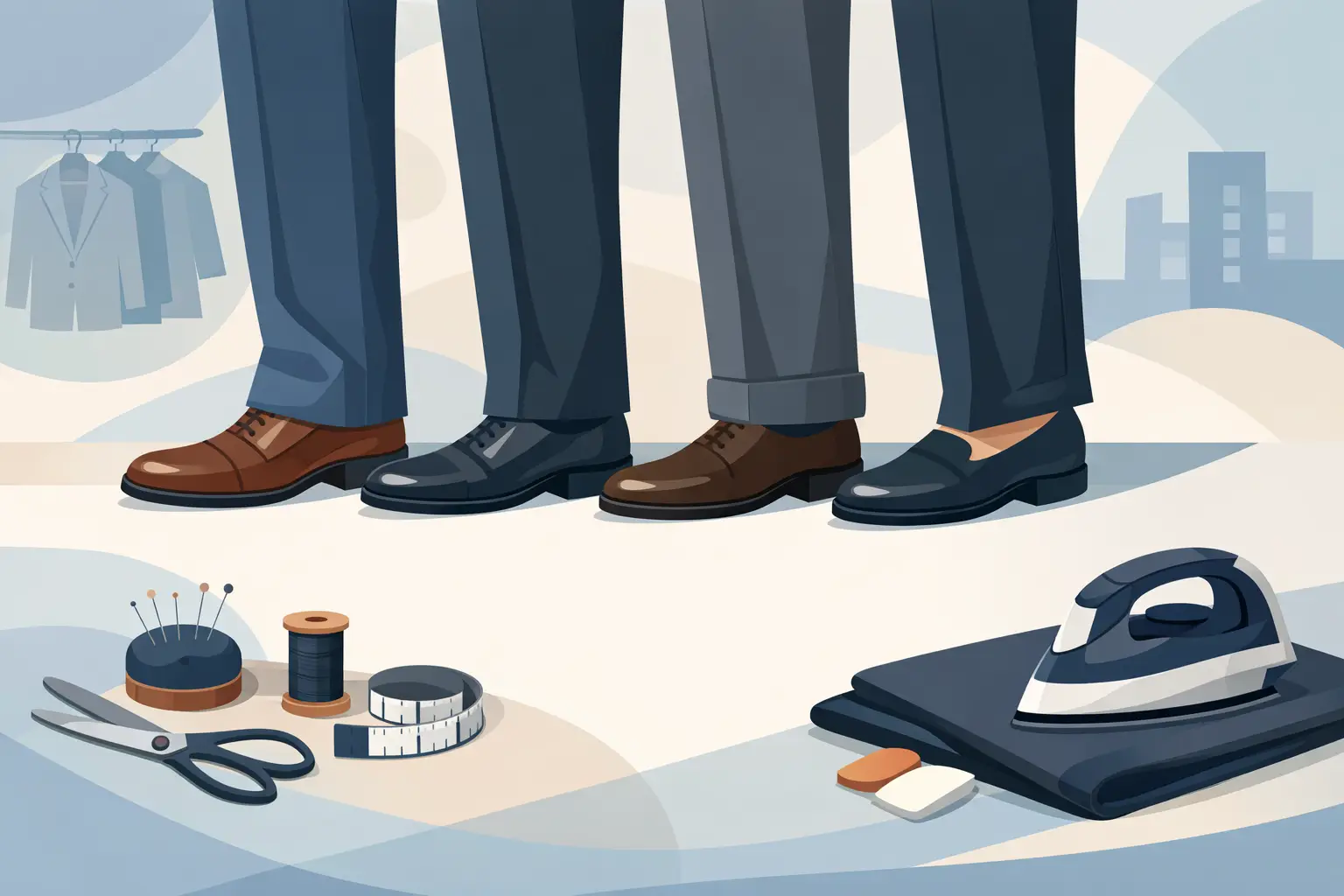
Footwear determines whether a tweed jacket reads as weekend sophistication or country formality. Suede is usually the most reliable choice because its soft surface echoes the character of tweed. Brown suede loafers suit mild weather and smart lunches; desert boots bring a more casual note; chukka boots are dependable for dinners and weekends in the city.
Clean leather trainers can work, but restraint is essential. Opt for a pared-back pair in white, off-white, brown or dark navy, with minimal branding and a low profile. They are most convincing with softer, contemporary tweed and dark denim. A heavily traditional jacket with pristine fashion trainers can feel disconnected unless the rest of the outfit is similarly modern and understated.
Avoid shoes that are too formal for the occasion. Highly polished black Oxfords, for example, tend to pull a tweed jacket back towards business or ceremony. Brogues can be excellent, but choose them in matte brown leather or suede and let the rest of the look remain uncomplicated.
Keep accessories deliberate, not decorative
A casual tweed outfit rarely needs much embellishment. The cloth already provides interest, so accessories should add function and quiet personality. A leather belt that relates to the shoe colour, a restrained watch and a quality scarf are usually sufficient. On colder days, a wool or cashmere scarf in navy, burgundy, cream or muted green can introduce colour without competing with the jacket.
A pocket square is optional rather than obligatory. If you wear one, choose a lightly folded linen or silk square with a subtle border, not an elaborate display. The same principle applies to ties. A knitted tie can look excellent with tweed and denim or chinos, but it shifts the outfit towards smart casual. For a pub lunch, gallery visit or relaxed dinner, an open collar or fine knit is often the stronger choice.
The fit details that make casual tweed look expensive
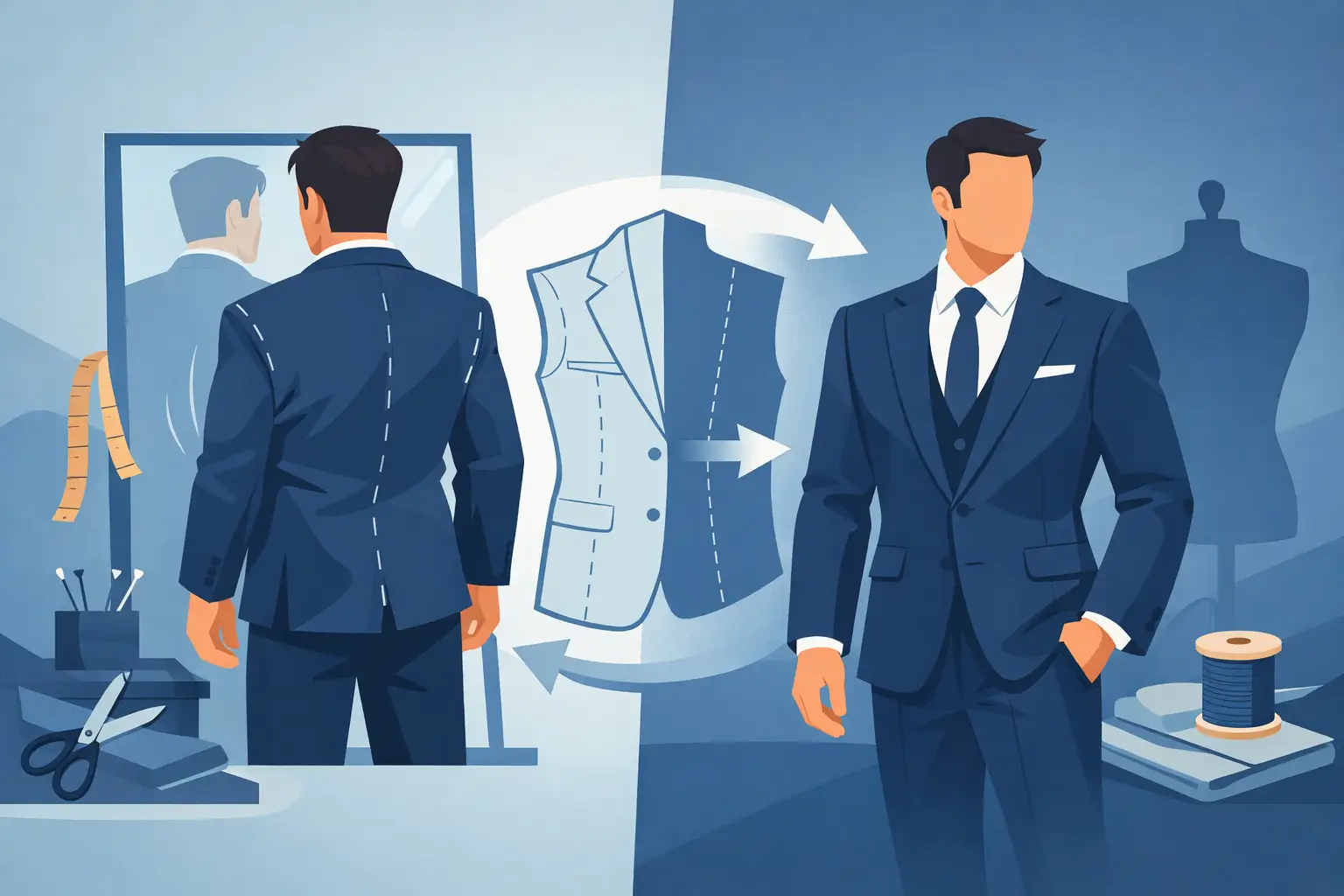
Casual should never mean careless. A jacket that is too tight across the back, too long in the sleeve or too broad at the shoulder will undermine the entire look, regardless of the cloth or label. Tweed has more visual weight than smooth worsted wool, which makes fit especially visible.
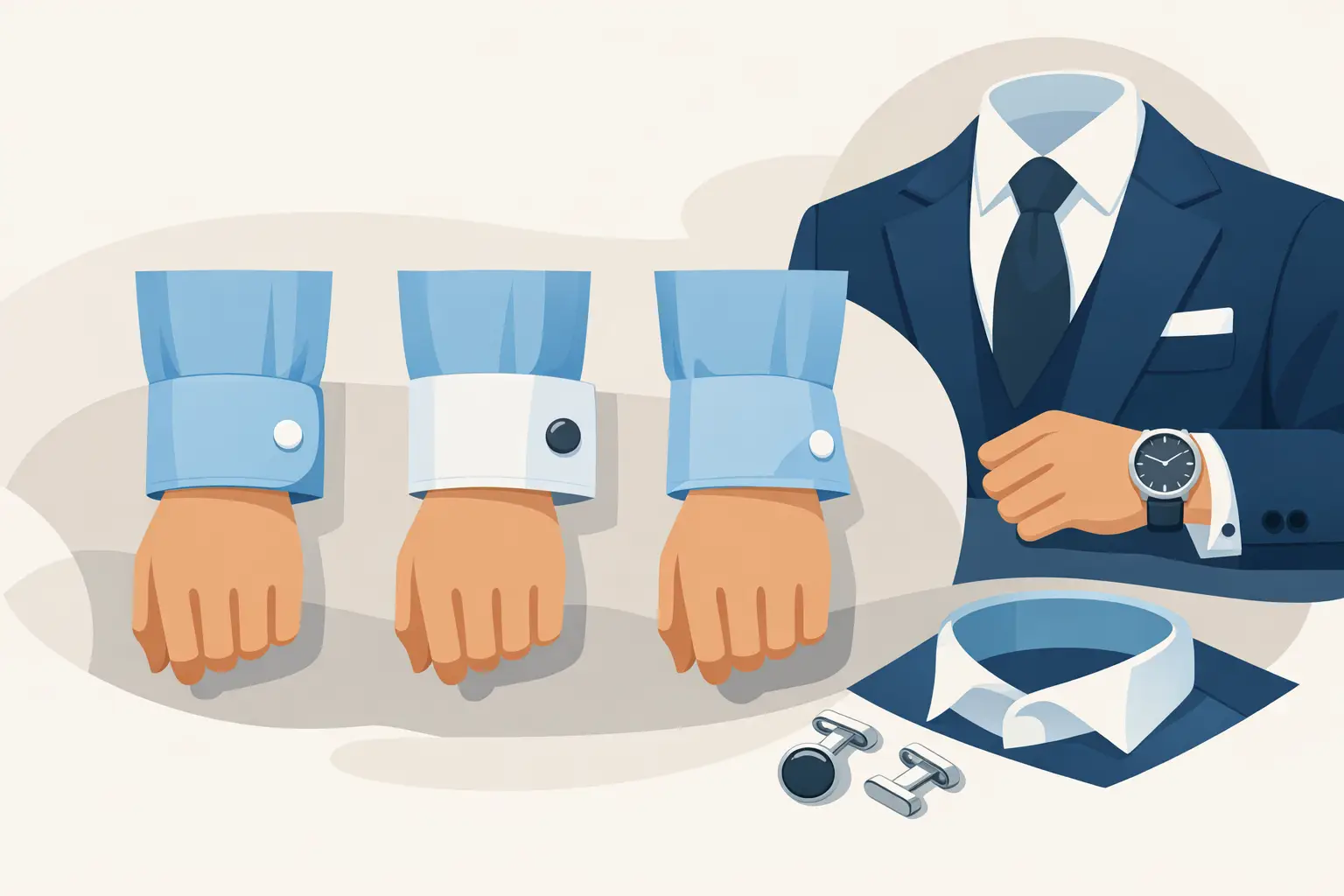
The jacket should cover the seat neatly, allow your arms to move without pulling at the back, and close without strain at the button. Its sleeve should reveal a small amount of shirt cuff when worn with a shirt, while a knit should sit cleanly at the wrist. If you prefer a more relaxed silhouette, add ease through the body and construction, not through oversized shoulders.
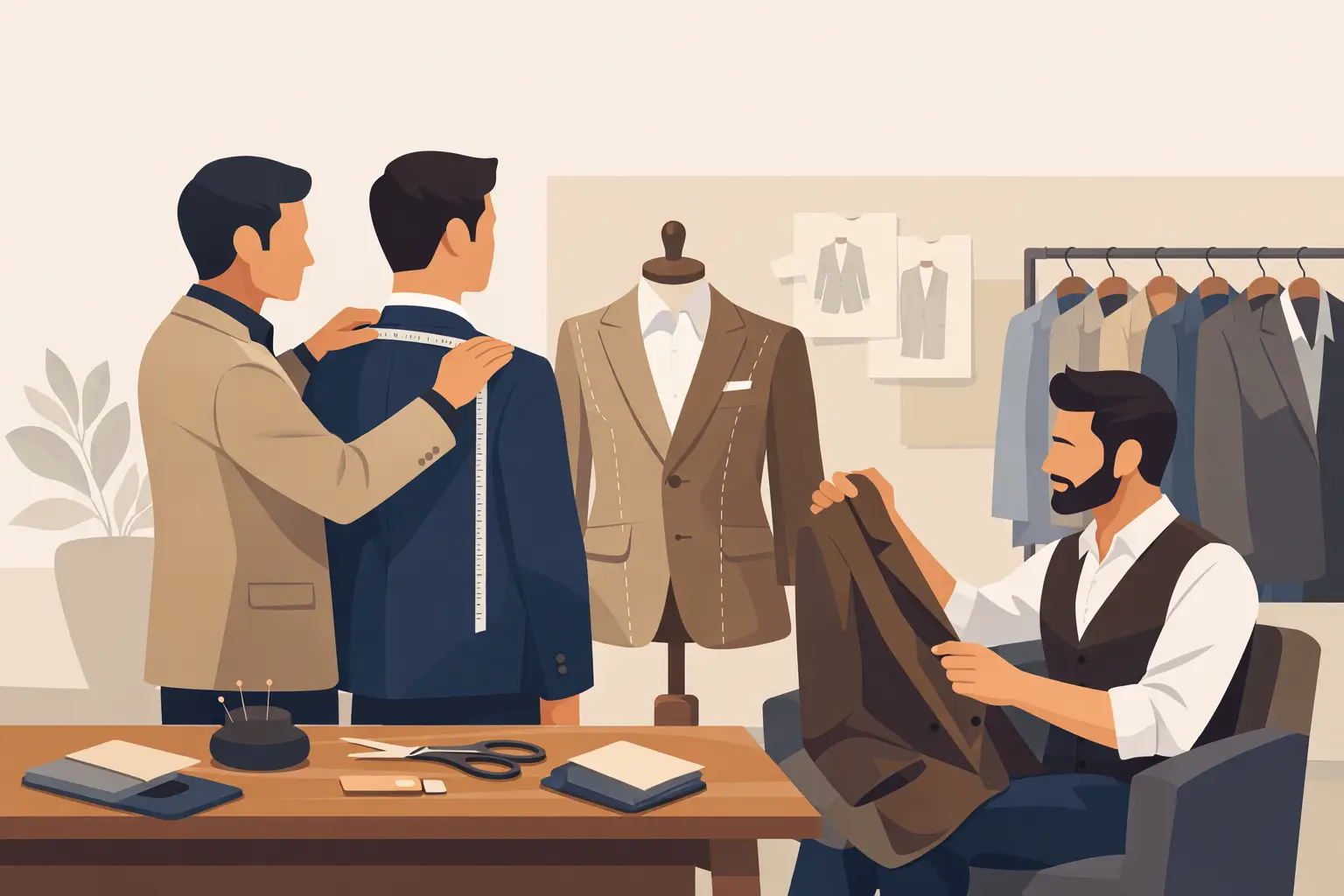
This is where bespoke and considered alterations earn their place. At Manndiip, the focus is not simply on making a jacket fit, but on shaping its balance to the wearer: shoulder expression, waist suppression, sleeve pitch and the amount of room required for the way he moves and layers. Those details allow tweed to feel natural rather than dressed up.
A well-styled tweed jacket should look as though it belongs to your life, whether that means coffee on a Saturday, a countryside lunch or an informal evening reservation. Begin with a jacket that fits with precision, pair it with one relaxed element at a time, and let the cloth do what it does best: lend quiet distinction to the everyday.