A black tie invitation leaves very little room for guesswork – and that is precisely the point. Formalwear for black tie weddings is built on discipline, proportion and polish. When every detail is considered properly, the result is not stiff or theatrical. It is quietly commanding, elegant in photographs, and entirely appropriate to the occasion.
For many men, black tie sits outside the everyday wardrobe. That can make it feel more intimidating than morning dress or business tailoring, simply because the rules are narrower and mistakes are more visible. Yet once you understand the structure of the dress code, the decisions become clearer. Black tie is not about adding personality through novelty. It is about expressing good judgement through fit, cloth, restraint and finish.
What formalwear for black tie weddings actually means
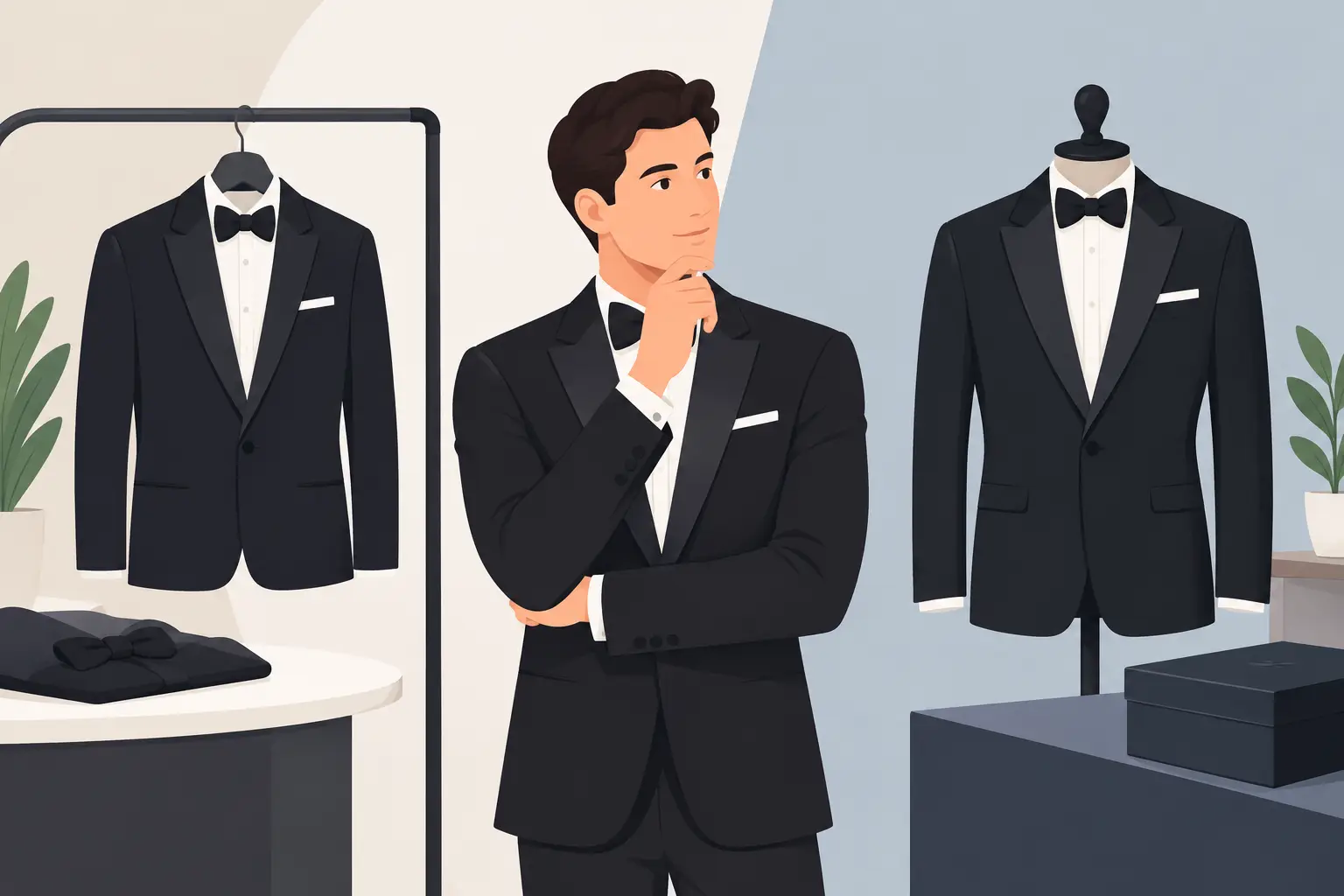
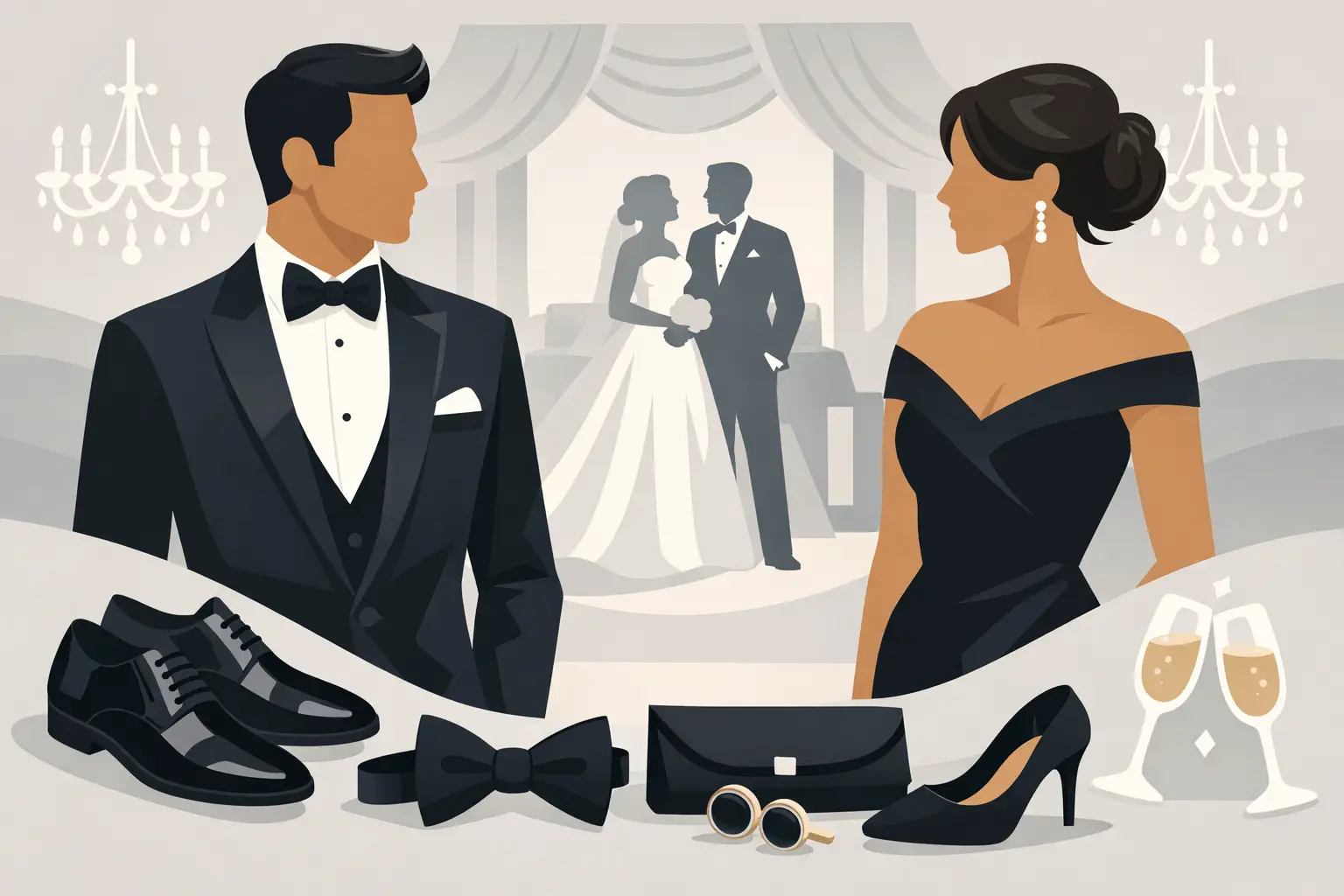
At its most correct, formalwear for black tie weddings means an evening dinner suit worn with the proper supporting pieces. That usually begins with a black or midnight dinner jacket with silk-faced lapels, matching formal trousers, a white dress shirt, a black bow tie and highly polished black shoes. The silhouette should feel clean and intentional rather than fashion-led.
That said, weddings are social occasions rather than state banquets. A couple may set a black tie tone while allowing slight latitude in fabric, lapel shape or seasonal weight. What rarely changes is the expectation of formality. A standard lounge suit, even a very fine one, is not black tie. Neither is a necktie, brown shoes or a mismatched jacket and trouser combination.
The distinction matters because black tie carries visual harmony. When the room is dressed to the same code, the bride and groom remain the focal point, and each guest contributes to the elegance of the setting rather than competing with it.
The dinner jacket: where the standard is set
The jacket does most of the heavy lifting. If its cut is off, no accessory will rescue the look. For black tie weddings, the strongest options are black and midnight blue. Midnight often appears richer under evening light and can photograph with more depth, while black remains the classic default. Both are correct when tailored properly.
Lapels should be faced in silk satin or grosgrain, usually in either a shawl collar or peak lapel. A shawl collar feels fluid and refined, especially for eveningwear. A peak lapel brings a touch more edge and structure. Neither is universally better – it depends on your frame, your personal style and the character of the wedding.
A single-breasted one-button jacket is the most versatile choice. Double-breasted dinner jackets can look superb, particularly on taller men or those who want a stronger silhouette, but they demand more confidence in cut and balance. The fit should shape the torso cleanly without pulling at the fastening point or collapsing through the chest. Eveningwear should flatter the body, not grip it.
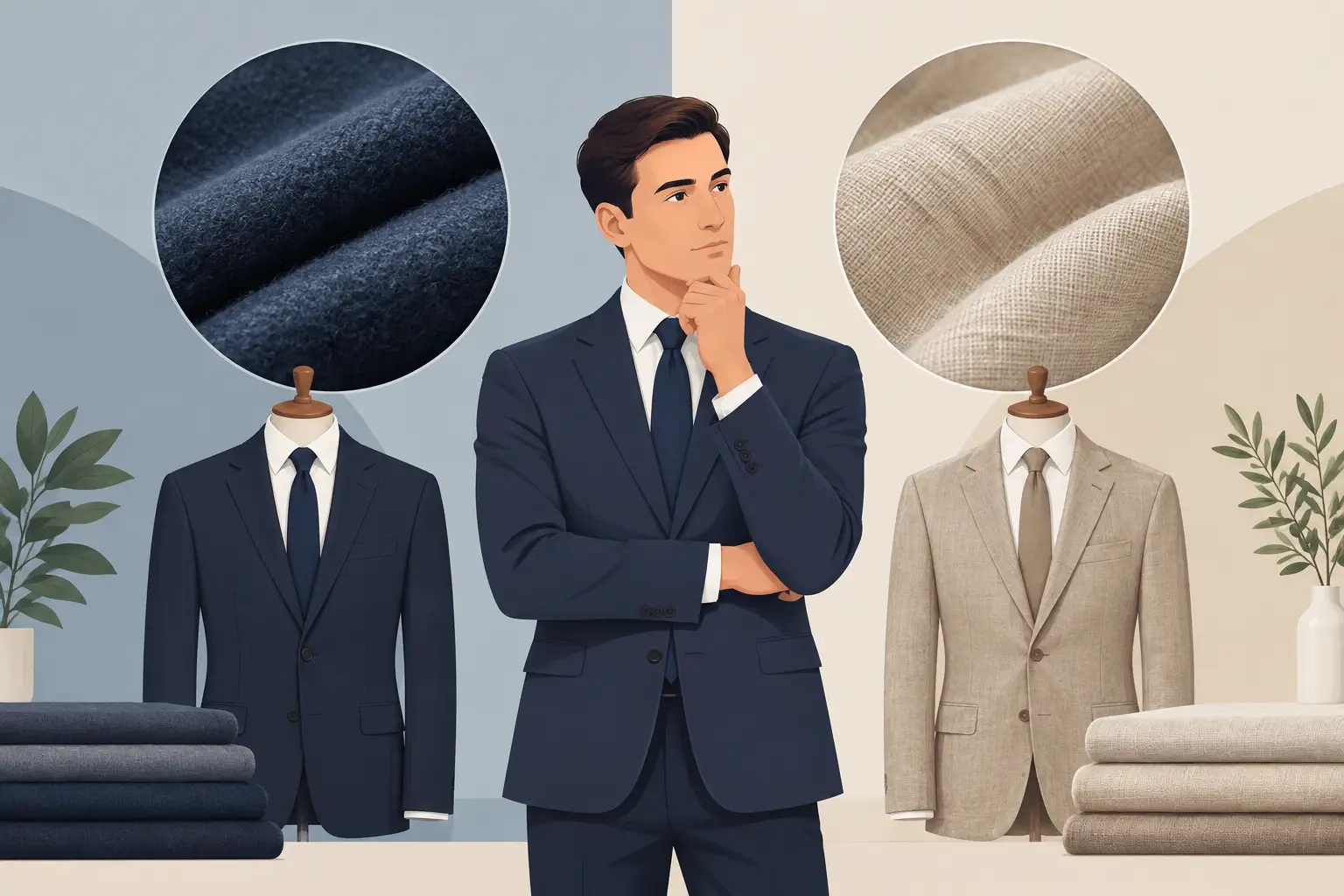
Cloth choice matters more than many realise. A lightweight barathea or fine wool with enough body to drape well will always outperform anything too shiny or too thin. Formalwear should absorb light in the cloth and reflect it only at the lapel facing. When the entire garment shines, it loses depth and starts to look inexpensive.
Why fit matters more in black tie
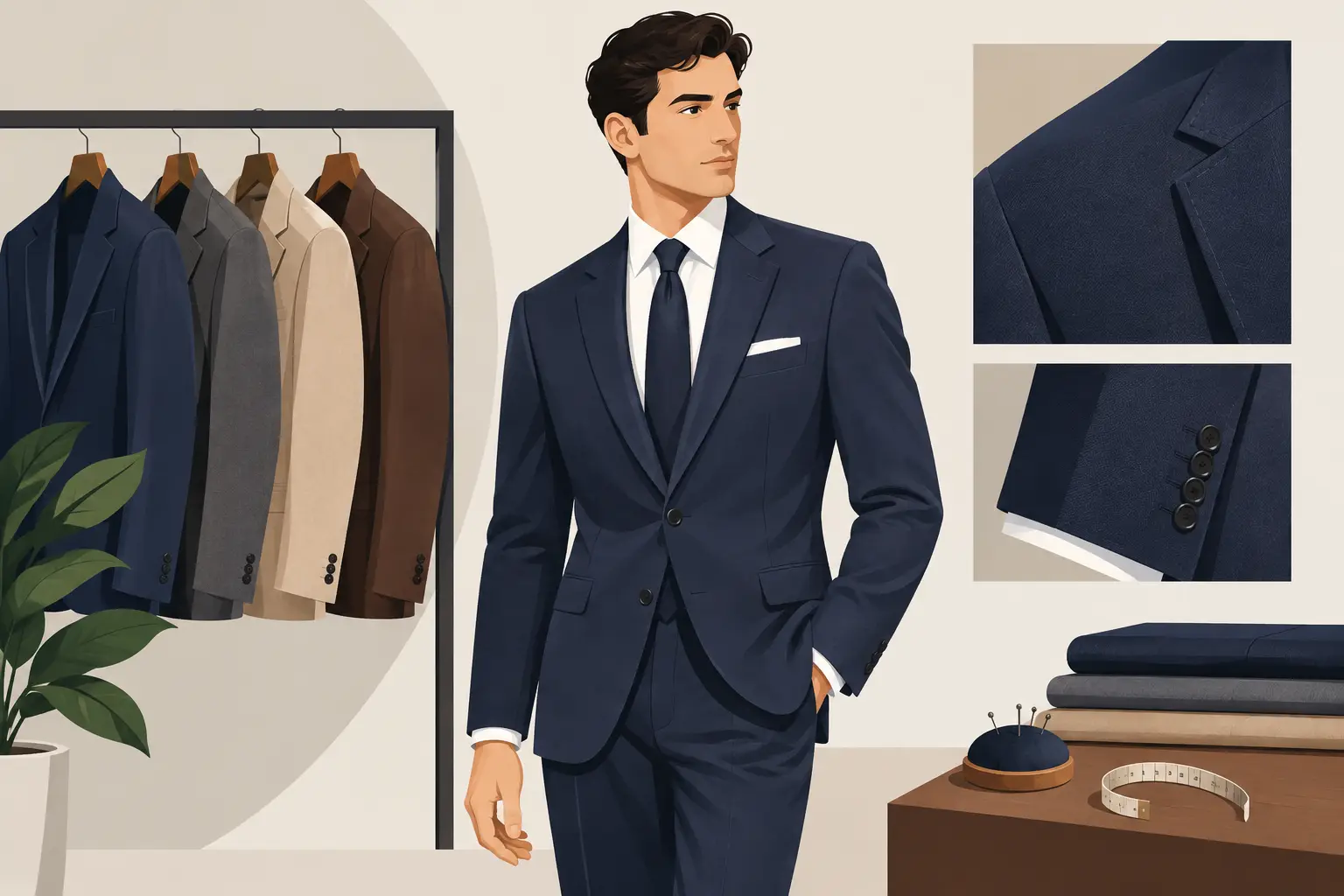
Black tie is unforgiving because it is stripped back. There are fewer colours, fewer layers and fewer distractions. That means shoulder expression, sleeve pitch, trouser line and jacket length become much more noticeable. A dinner suit should look effortless from every angle, with the collar sitting close to the neck, the sleeves finishing neatly above the shirt cuff, and the waist suppressed enough to create shape without strain.
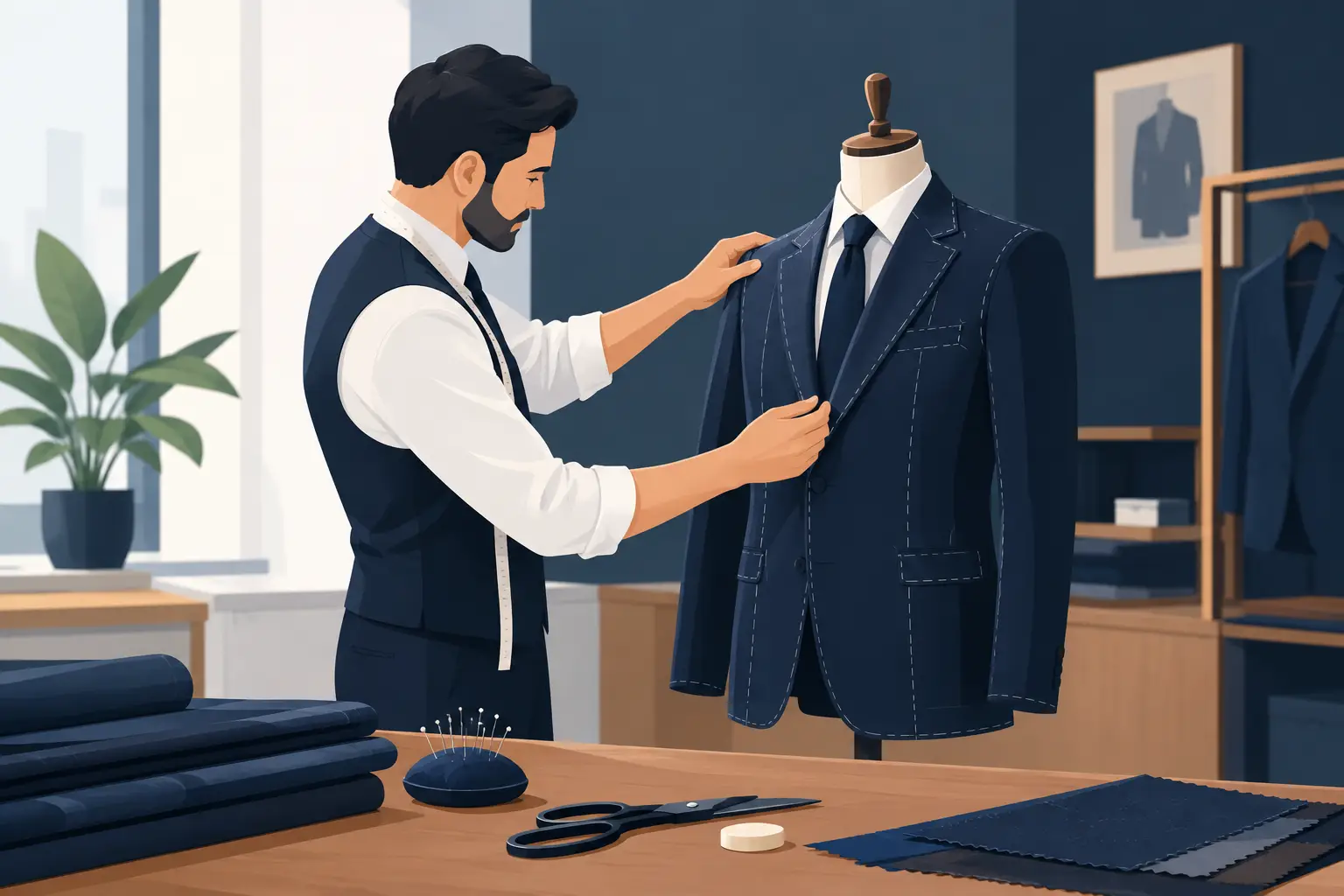
This is exactly where bespoke or carefully executed custom tailoring proves its value. Eveningwear needs precision. The cleaner the code, the more every millimetre counts.
Trousers should be elegant, not an afterthought
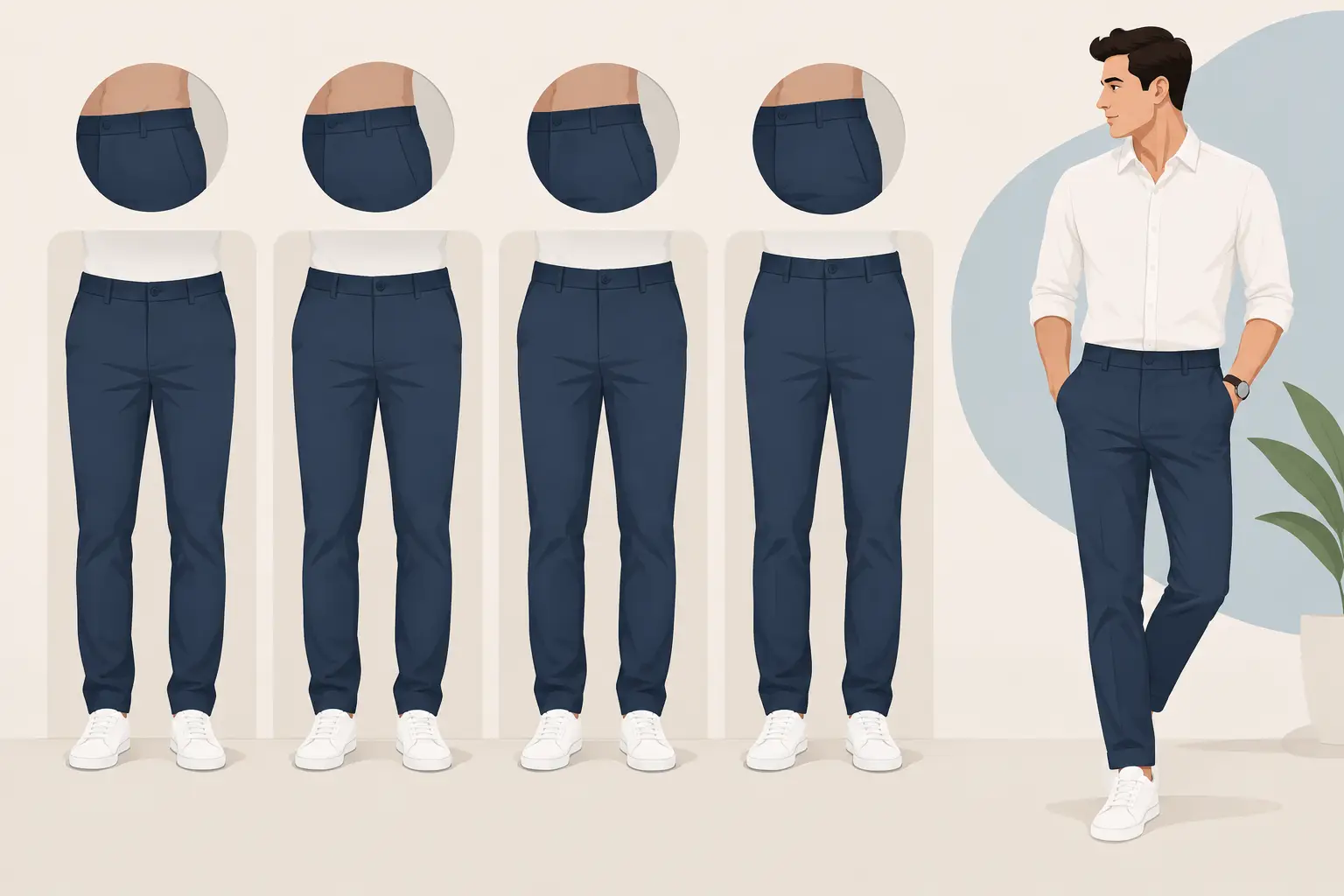
Formal trousers are often neglected, but they are central to the line of the outfit. Traditional black tie trousers are cut from the same cloth as the jacket and finished with a silk braid or side stripe down the outer leg. That small detail creates continuity with the lapels and sharpens the vertical line.
They should sit cleanly at the waist, usually without a belt. Side adjusters offer the neatest solution, though braces are often the superior choice for maintaining drape through the evening. If you have ever found yourself pulling your trousers up halfway through a reception, you already understand the advantage.
The leg should fall with a crisp, uninterrupted line. Too narrow and the look becomes fashion-conscious in the wrong way. Too full and it feels heavy. A slight break or no break can both work, depending on your height and shoe choice, but pooling at the ankle should be avoided.
The shirt and bow tie: precision over flourish
A proper black tie shirt is white and designed to support the formality of the jacket, not fight it. A marcella bib remains the most traditional option, though a pleated front can also work well when the overall cut is sharp. The collar should be either a classic turn-down collar or a well-proportioned wing collar, though the former is generally easier and more modern in spirit.
The bow tie should be black and ideally self-tied. There is a difference between a bow tie that has been tied by hand and one that sits too perfectly. The slight asymmetry of a self-tied bow adds life and authenticity. It shows that the wearer understands the ritual rather than merely renting the costume.
Studs and cufflinks should be understated. Black onyx, mother of pearl and polished silver tones all sit well. This is not the place for novelty metals, bright gemstones or oversized initials.
Shoes and finishing details complete the standard
Patent leather opera pumps are the formal ideal, but for most wedding guests a beautifully polished pair of black wholecuts or plain Oxfords is entirely appropriate. The key is simplicity. Heavy broguing, chunky soles and square toes break the line of black tie immediately.
Socks should be black and fine enough to disappear into the look. A white pocket square can add a crisp lift, but it should be folded with restraint rather than arranged into anything too sculptural. If the wedding calls for a covering layer outdoors, a dark formal overcoat will keep the silhouette intact far better than an everyday puffer or casual mac.
What to avoid at a black tie wedding
Most black tie errors come from trying too hard to personalise a dress code that already works. Coloured waistcoats, oversized watches, fashion trainers, novelty bow ties and heavily patterned shirts all pull the outfit away from the occasion. Velvet jackets can be handsome, but only in the right setting and usually only when the invitation or venue supports a more expressive evening mood.
If you are unsure, choose the cleaner and quieter option. Understatement has a way of reading as confidence.
Seasonal and venue considerations
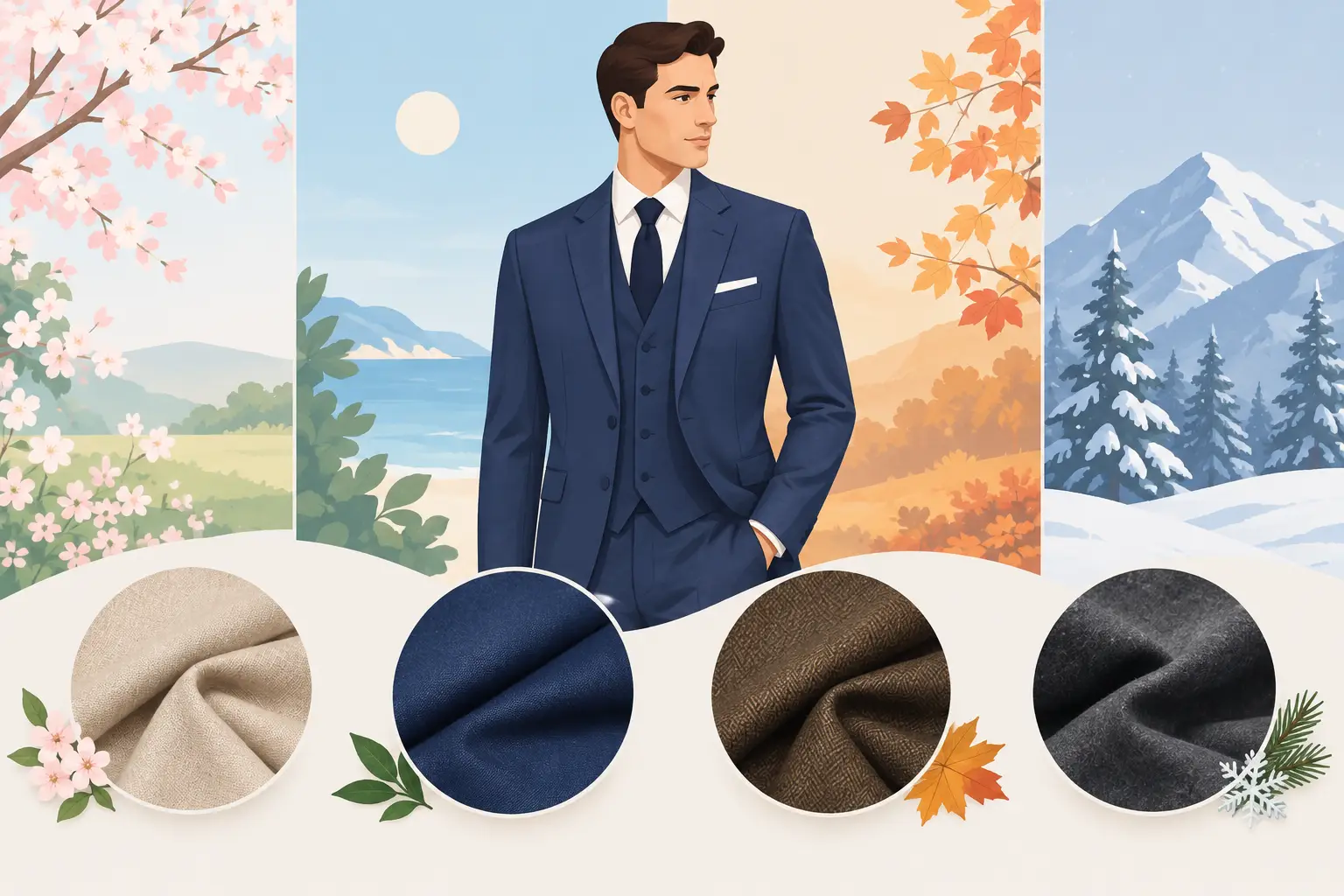
Not every black tie wedding asks for the exact same treatment. A winter country house celebration may suit a slightly fuller cloth, a peak lapel and a more architectural silhouette. A summer city wedding may call for a lighter-weight wool and a softer line through the chest. The foundations stay the same, but the refinement lies in making the formalwear feel native to the setting.
This is where experience matters. The best black tie wardrobe is not simply correct on paper. It is proportioned to the man, aligned with the venue and comfortable enough to carry from ceremony to final dance. A jacket that looks magnificent for ten minutes but feels restrictive all evening is not a success.
Should you buy, hire or commission?
For a one-off event, hiring can seem practical. Sometimes it is. But hire garments often reveal themselves in the details – compromised sleeve length, generic trouser shape, low-grade cloth and a fit designed to suit many men rather than one. In black tie, those compromises are easy to spot.
Buying ready-to-wear can be a sensible middle ground if alterations are handled expertly. For men who attend weddings, galas or formal dinners with any regularity, commissioning a dinner suit is often the stronger long-term decision. It allows proper balance through the shoulders, a cleaner suppression at the waist, the right trouser rise and those small finishing choices that make the difference between being dressed and being properly turned out.
At Manndiip, that process is never about excess. It is about calibrating every element so the final result feels assured, elegant and entirely your own.
Black tie rewards restraint, but it should never feel anonymous. The finest formalwear is not memorable because it shouts. It is memorable because everything sits exactly where it should, and so do you.