
A shirt cuff is a small detail with a disproportionate effect. It is one of the few parts of a shirt that remains visible when a jacket is buttoned, framing the hand that shakes, signs and raises a glass. Knowing how to choose shirt cuff style for suits is therefore not simply a question of taste. It is about matching formality, proportion and personality with precision.
The right cuff should look considered rather than conspicuous. It should sit cleanly beneath the jacket sleeve, complement the occasion and feel natural to wear. For a business wardrobe, that usually means quiet versatility. For a wedding or evening suit, it may mean introducing a more ceremonial finish.
Start with the occasion, not the cufflink
The suit’s purpose gives you the clearest direction. A cuff that looks impeccable in a boardroom may feel underwhelming with a dinner jacket, while an ornate cufflink worn for a routine client meeting can distract from an otherwise refined look.
For daily business suits, a barrel cuff is generally the strongest choice. It is streamlined, practical and appropriate across navy, charcoal and subtle patterned tailoring. For weddings, the decision depends on your role, the time of day and the level of formality. A groom in a sharply cut three-piece suit can wear either a barrel cuff or a double cuff, provided the rest of the ensemble supports it.
Black tie is more decisive. A crisp white shirt with a double cuff is the traditional and most elegant partner to a dinner jacket. It gives cufflinks their proper place and brings a sense of ceremony to the sleeve without needing excessive decoration.
Barrel cuffs: the tailored everyday standard
The barrel cuff, sometimes called a button cuff, fastens with one or two buttons and wraps neatly around the wrist. It is the most adaptable cuff style in a well-built shirt wardrobe because it works with almost every type of tailored suit.
A single-button barrel cuff has a clean, contemporary line. It suits men who favour a leaner jacket silhouette and a more minimal finish. Two-button cuffs offer a slightly more traditional appearance and can be adjusted more closely around the wrist, which is useful for men with narrower wrists or those who prefer a secure fit.
Cuff shape subtly alters the shirt’s character. A square cuff is crisp and architectural, particularly effective with formal business shirting. A rounded cuff softens the line and can feel more relaxed, making it an excellent choice for country tailoring, textured cloths and smart casual jackets. A mitred cuff, cut at an angle at the corner, sits between the two: polished, distinctive and well suited to a modern bespoke wardrobe.
The advantage of a barrel cuff is not merely that it is easy to wear. It lets the suit remain the focal point. With a fine white poplin shirt, a navy business suit and a silk tie, it delivers sartorial sophistication without appearing over-styled.
Double cuffs: formal presence with purpose
A double cuff, often known as a French cuff, is folded back on itself and fastened with cufflinks. The extra layer of cloth creates more visual weight at the wrist, making it a natural companion for formal tailoring and special occasions.
This is the cuff for a wedding ceremony, black-tie dinner, gala or significant presentation where a more elevated finish is warranted. It also works beautifully with a finely tailored business suit when the wearer prefers a traditional, executive presence. The key is restraint. A double cuff has enough authority on its own, so the cufflinks should complement rather than compete with the shirt and suit.
For formal business wear, polished silver-tone metal, mother-of-pearl or discreet enamel cufflinks are dependable choices. For a wedding, you may introduce personal significance through an engraved pair, a family piece or a subtle coloured stone that echoes the wedding palette. Avoid novelty designs unless the occasion is deliberately informal. The best cufflinks reward a closer look rather than demanding one.
A double cuff should not be chosen solely because it appears more luxurious. It is less practical for everyday wear and may feel unnecessarily ceremonial in a relaxed office. It also requires careful shirt sleeve length. Too much white cloth protruding from the jacket can look untidy; too little hides the very detail the cuff is designed to showcase.
How to choose shirt cuff style for suit proportions
Cuff style should work with the scale of your jacket, forearm and wrist. This is where custom shirting and precise alterations make an immediate difference.
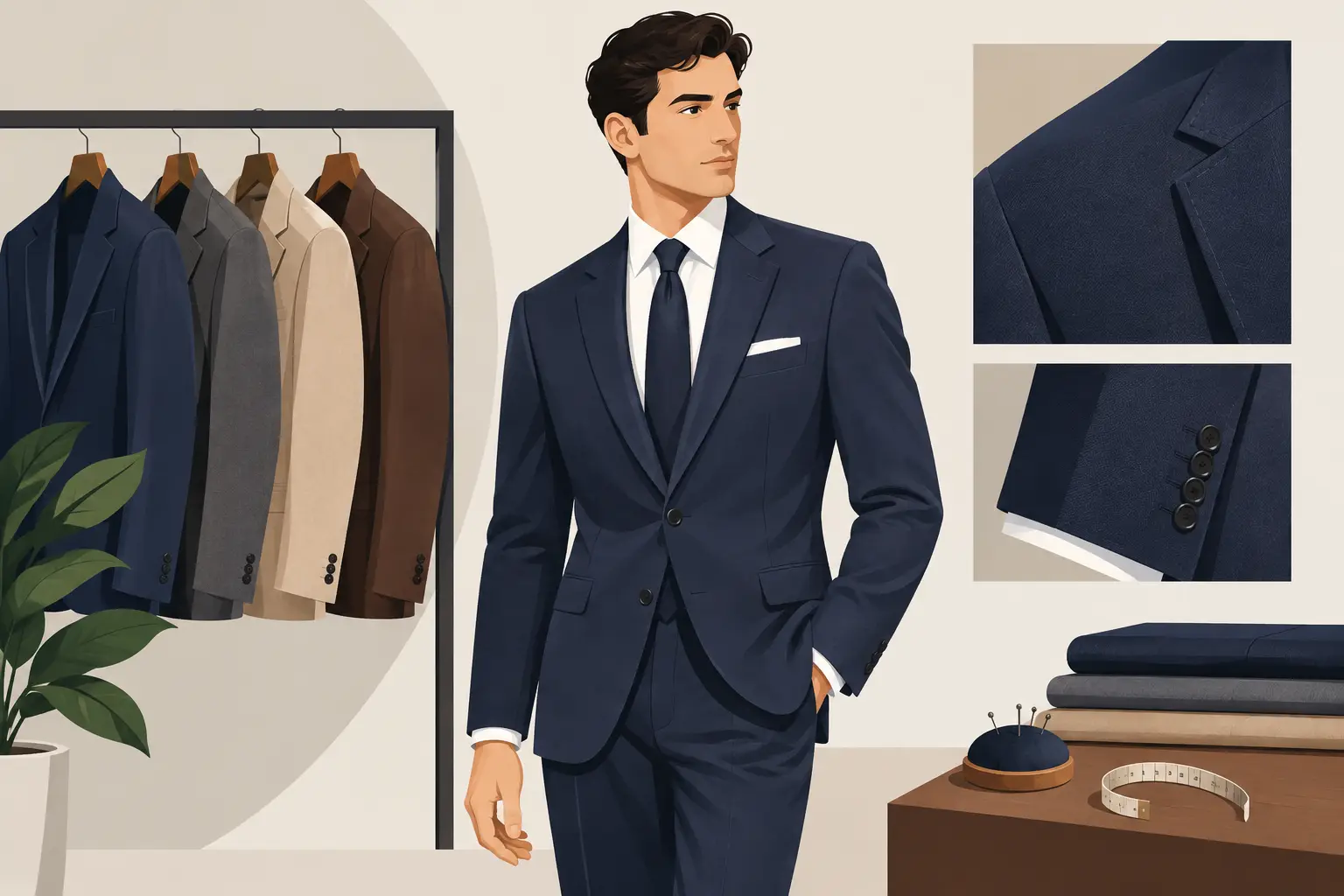
As a general rule, around 1 to 1.5 centimetres of shirt cuff should show beneath the jacket sleeve when standing naturally. The exact amount varies with arm length, jacket cut and personal preference, but the aim is a deliberate glimpse of shirt rather than a wide band of fabric.
Men with broader wrists often carry a double cuff particularly well, as its folded construction creates balance. On a slimmer wrist, a single-button barrel cuff may look more proportionate and less heavy. That said, proportions are not fixed rules. A well-cut double cuff can look excellent on a lean frame when the cuff depth, sleeve width and jacket sleeve are all calibrated together.
The jacket’s style matters too. A structured, classic two-piece suit with a fuller lapel can support the presence of a double cuff. A lightweight, softly tailored summer suit often feels better with a barrel cuff, especially in pale blue or linen-blend shirting. With tweed or country suits, button cuffs usually offer the right degree of informality, although a double cuff can bring welcome polish to an evening setting.
Consider the shirt fabric and collar as part of one composition
Cuffs do not exist in isolation. The collar, cloth and placket all contribute to the shirt’s level of formality.
A white poplin or fine twill shirt with a spread collar and double cuff creates a composed formal look. It is ideal with a dark suit, silk tie and polished shoes. A pale blue Oxford cloth shirt with a button-down collar and barrel cuff, by contrast, has a more relaxed, sporting character. It can still be smart, but it belongs more naturally with business casual tailoring or a textured jacket than with a formal wedding suit.
For the greatest flexibility, build around a few clearly defined shirts rather than trying to make one shirt do every job. A white barrel-cuff shirt and a pale blue barrel-cuff shirt will cover much of a professional week. Add a white double-cuff shirt for black tie and formal events, then consider a second double-cuff shirt in pale blue or soft cream if your work and social calendar calls for it.
Do not overlook comfort and practical use
A cuff should close neatly without pinching, pulling or sliding over the hand. When trying on a shirt, bend your arm, sit down and wear the watch you use most often. A well-fitted cuff leaves enough room for comfort while retaining a clean circumference around the wrist.
Watch wearers should take particular care. A substantial watch can distort a tight barrel cuff or make one side of a double cuff sit awkwardly. Some clients prefer a slightly more generous left cuff to accommodate the watch, while keeping the right cuff trim. This small adjustment is precisely the kind of detail that distinguishes a made-to-measure shirt from an off-the-peg compromise.
Also consider your working day. If you are frequently at a keyboard, travelling between meetings or rolling up your sleeves after hours, a barrel cuff is easier to live with. Reserve double cuffs for moments when their composed formality adds something meaningful to the occasion.
The most refined choice is the one that looks inevitable
There is no single superior cuff style. A barrel cuff is the modern workhorse: elegant, versatile and effortlessly suited to most tailored wardrobes. A double cuff is the more formal expression, chosen when the setting invites ceremony and a cufflink provides a considered finishing touch.
At Manndiip, the strongest results come from viewing the cuff as part of the complete silhouette: the shoulder line, sleeve pitch, trouser break, collar shape and the way the jacket moves with the wearer. Choose the cuff that supports the life your suit is made for, and it will never feel like an afterthought.