A shoulder that sits cleanly, a collar that stays close to the neck and trousers that break precisely where they should: these are the details that change how a suit looks and, more importantly, how it feels to wear. If you are considering a suit for the boardroom, your wedding or a formal occasion, understanding what to expect from bespoke fittings makes the process far more rewarding.
A bespoke fitting is not simply a measurement appointment. It is a considered exchange between client and tailor, where posture, proportions, habits and personal style are translated into a garment with purpose. The result should not feel like a standard suit that has been adjusted to fit. It should feel considered from the first line of the jacket to the final buttonhole.
The first appointment begins with your life, not a tape measure
Before measurements are taken, a good tailor will want to understand where and how you will wear the garment. A business suit has different demands from a wedding suit; an overcoat requires a different balance from a dinner jacket. Your working environment, the formality of the occasion, how often you travel and the existing pieces in your wardrobe all inform the direction of the commission.
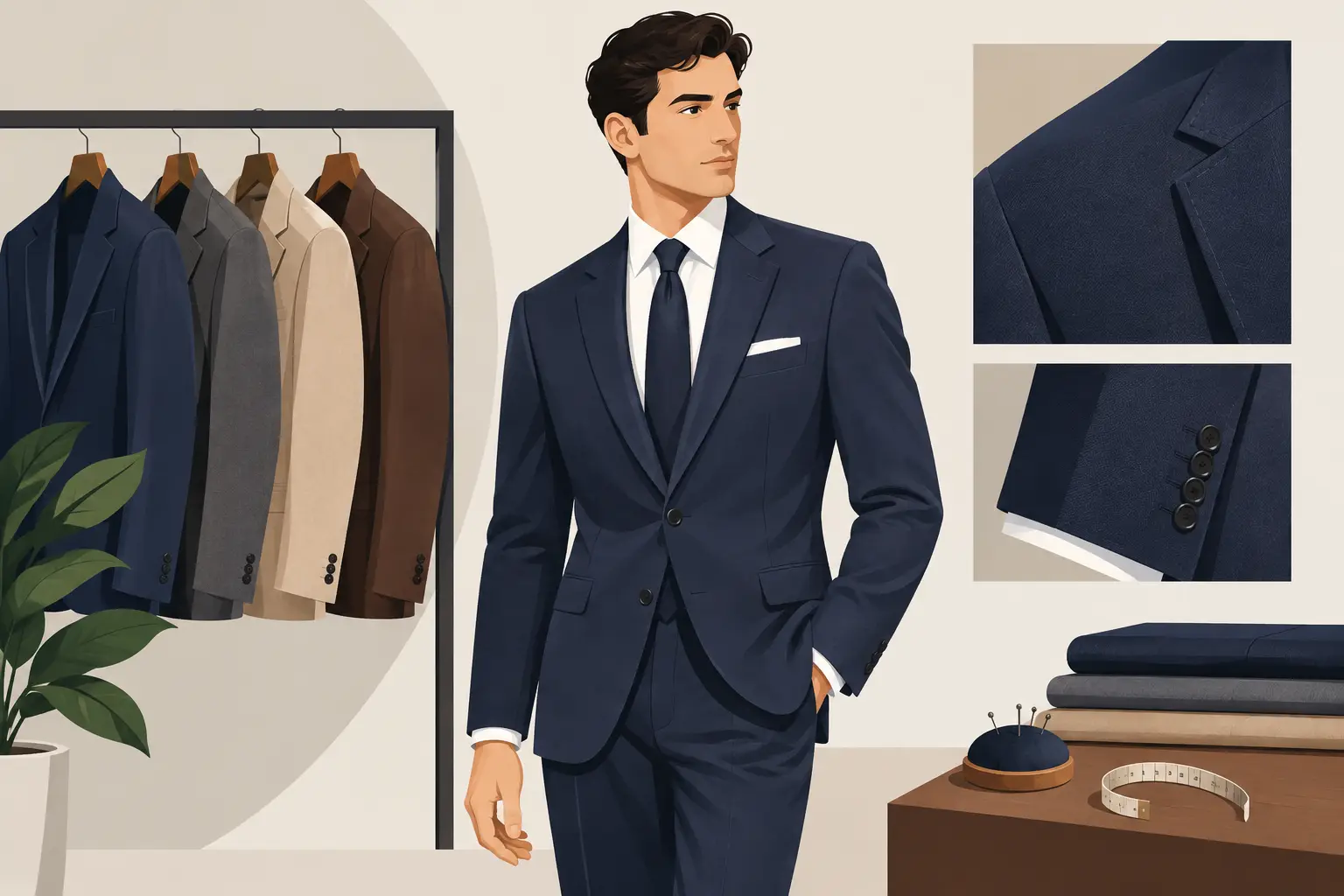
This is where personal style enters the conversation. You may prefer the clean authority of a structured shoulder and a classic navy cloth, or the softer expression of an unstructured jacket in a textured wool. Perhaps you want a three-piece suit that makes a clear statement for a ceremony, or a versatile two-piece that earns its place in weekly rotation. There is no single right answer. The aim is to establish a silhouette that feels authentic to you while bringing a sharper sense of proportion and presence.
Measurements follow, but they go beyond chest, waist and inside leg. A bespoke fitting considers shoulder slope, the position of the neck, back shape, arm rotation, stance and the natural balance of the body. These details matter because few people stand perfectly symmetrically. One shoulder may sit lower, the chest may be more prominent on one side, or a habitual posture may affect the way a jacket settles.
A skilled cutter reads these characteristics without treating them as faults to conceal. They are simply the physical realities that a well-cut garment must respect.
Cloth, construction and cut shape the finished result
Choosing cloth is one of the most enjoyable parts of the process, but it should be approached with a clear brief. The finest fabric is not automatically the most suitable fabric. For a frequently worn business suit, a durable wool with natural resilience may offer better service than an exceptionally delicate superfine cloth. For a winter wedding or country occasion, tweed, flannel or a richer textured wool can bring depth and character.
Colour is equally strategic. Navy and charcoal remain exceptionally useful foundations, particularly for professional wardrobes, while mid-blue, olive, chocolate and subtle checks introduce individuality without compromising elegance. The right cloth should complement your colouring, suit the setting and work hard enough for the way you intend to wear it.
Construction choices influence both appearance and comfort. A more structured canvas can lend definition through the chest and shoulder, creating a confident, formal line. A lighter construction can feel more relaxed and fluid, particularly for summer tailoring or clients who prefer ease of movement. Neither is inherently superior. The best choice depends on your build, your preferred silhouette and the role the garment needs to fulfil.
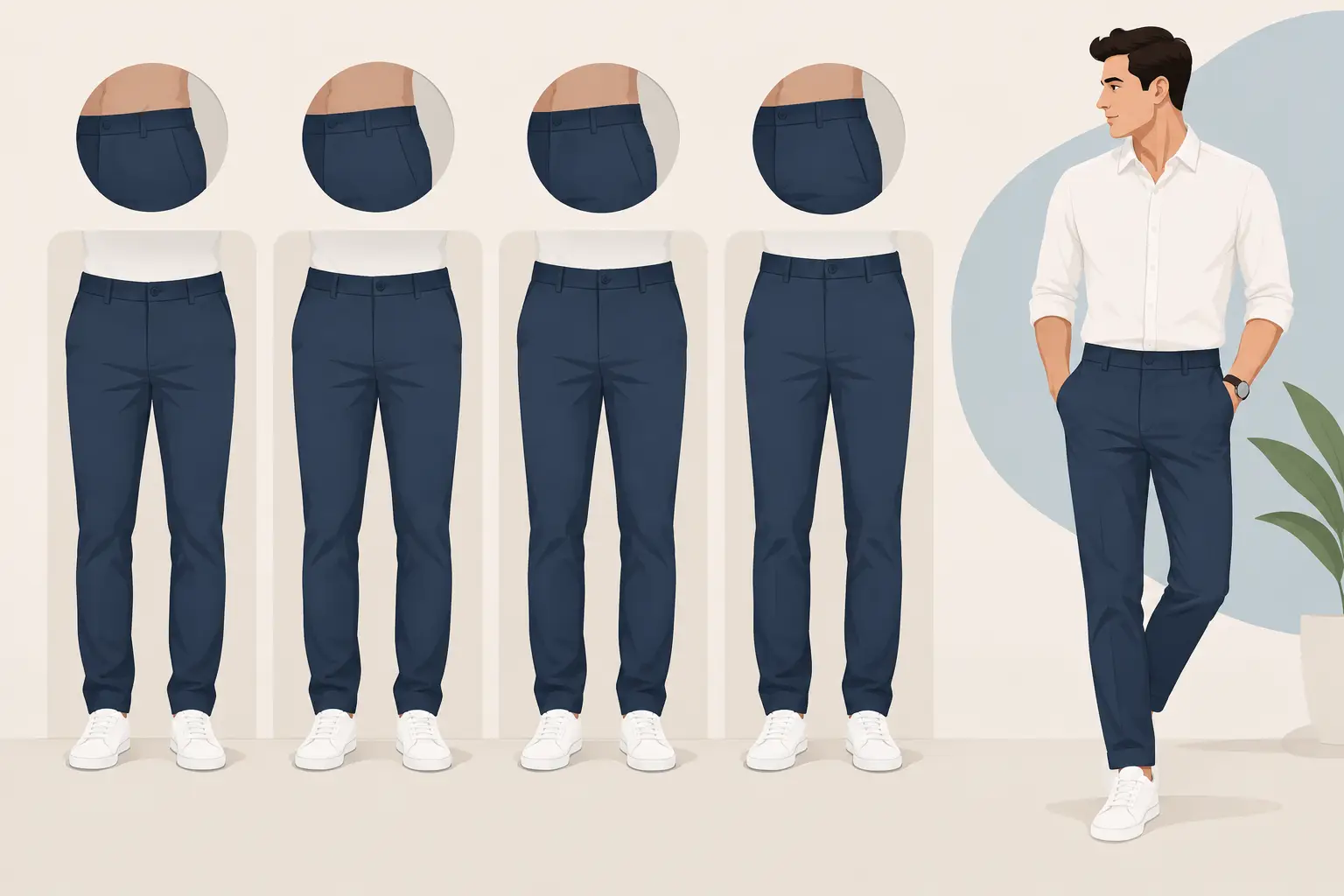
You will also discuss details such as lapel shape, pocket style, button stance, vents, lining and trouser cut. These are not decorative afterthoughts. A wider lapel can balance a broader frame; the height of the jacket button can alter the perceived length of the torso; pleats can provide comfort and visual authority when properly cut. The finest bespoke garments are often restrained in detail, but every detail has a reason.
What to expect from bespoke fittings after the pattern is cut
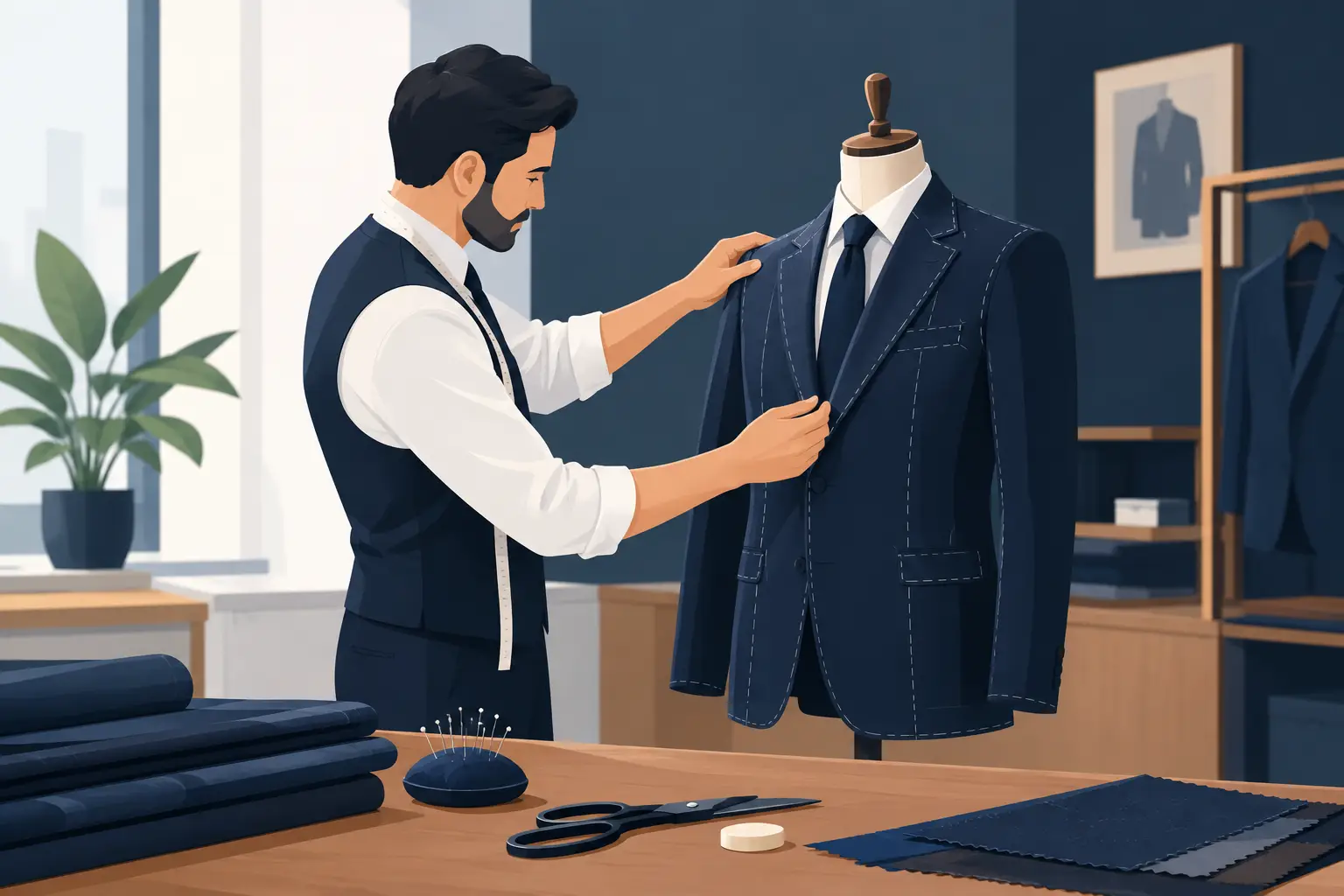
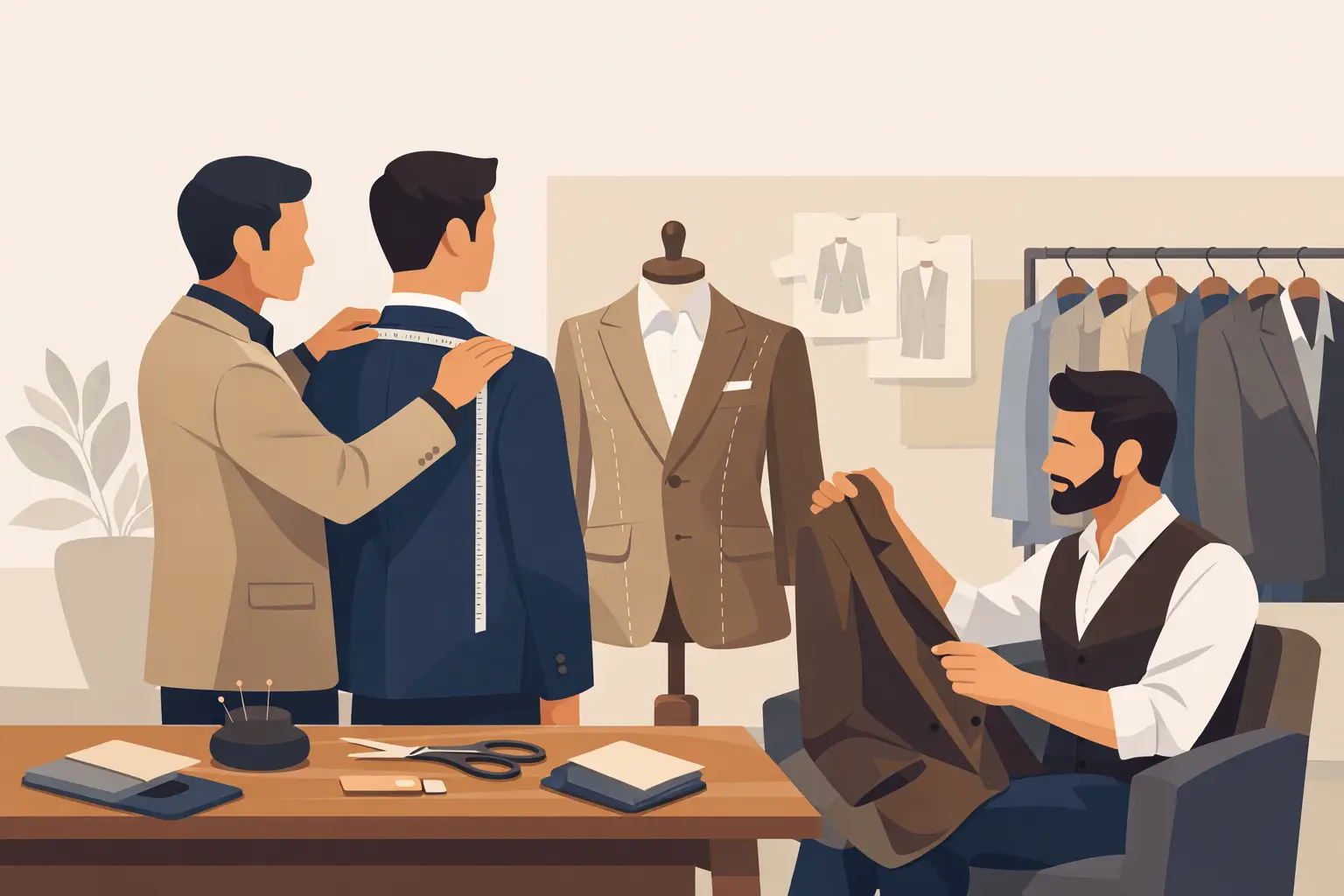
Once your individual pattern has been drafted and the garment is underway, the first fitting offers the clearest glimpse of the suit taking shape. Depending on the house and the level of work involved, this may be a basted fitting, where the cloth is temporarily assembled with visible stitches, or a more developed fitting in a partly constructed garment.
The jacket will not be finished at this stage, and it is not meant to be. Sleeves may be incomplete, the hem may be left open and pockets may not yet be functional. This allows the tailor to assess the essential architecture: balance across the shoulders, chest suppression, waist position, jacket length, sleeve pitch and the way the cloth responds as you move.
Expect to stand naturally, walk, sit and raise your arms. The purpose is not to force a rigid pose, but to see how the garment behaves during ordinary movement. If you spend much of the day at a desk, drive regularly or need freedom through the shoulders for work, say so. Tailoring should support your life, not require you to adapt to it.
Pins and chalk marks are normal at this point. The tailor may adjust the shoulder line, refine the waist, correct a collar gap or alter the trouser seat and balance. These revisions are where the distinction between generic sizing and an individually developed garment becomes most apparent.
The second fitting is about refinement, not compromise
By the next appointment, the suit will look much closer to its finished form. The collar should sit cleanly, the lapels should roll naturally and the jacket should follow the body without pulling or excess cloth. Trousers should hang cleanly from the waist, with enough room to sit comfortably and a break that suits both the cut and your preference.
This fitting often focuses on small but meaningful refinements. A sleeve may need a fraction more length. The trouser waist may be adjusted to accommodate how you prefer to wear it. The jacket front may be refined so it closes neatly without feeling restrictive. These marginal changes are not obsessive for their own sake. They are what give tailored clothing its composed, effortless appearance.
It is worth being candid during each appointment. If you favour a closer fit, prefer a little more room through the thigh or habitually wear a watch on one wrist, your tailor needs to know. Bespoke is collaborative. The craft lies in applying technical judgement, but the garment must still reflect the wearer.
A finished suit should feel composed from every angle
At collection, the garment should be pressed, finished and ready to wear. This is the moment to assess the complete picture with the shirt, shoes and accessories you intend to pair with it. A well-fitted jacket will sit close at the collar, frame the chest cleanly and allow the shirt cuff to show with intention. The trousers should complement the jacket rather than compete with it, creating a continuous, balanced line.
The feeling should be one of ease rather than constraint. A precisely fitted suit is not necessarily tight. In fact, excessive tightness is one of the most common misunderstandings around contemporary tailoring. A refined silhouette needs enough allowance for movement, meals, travel and the ordinary demands of a long day. The goal is controlled shape, not discomfort.
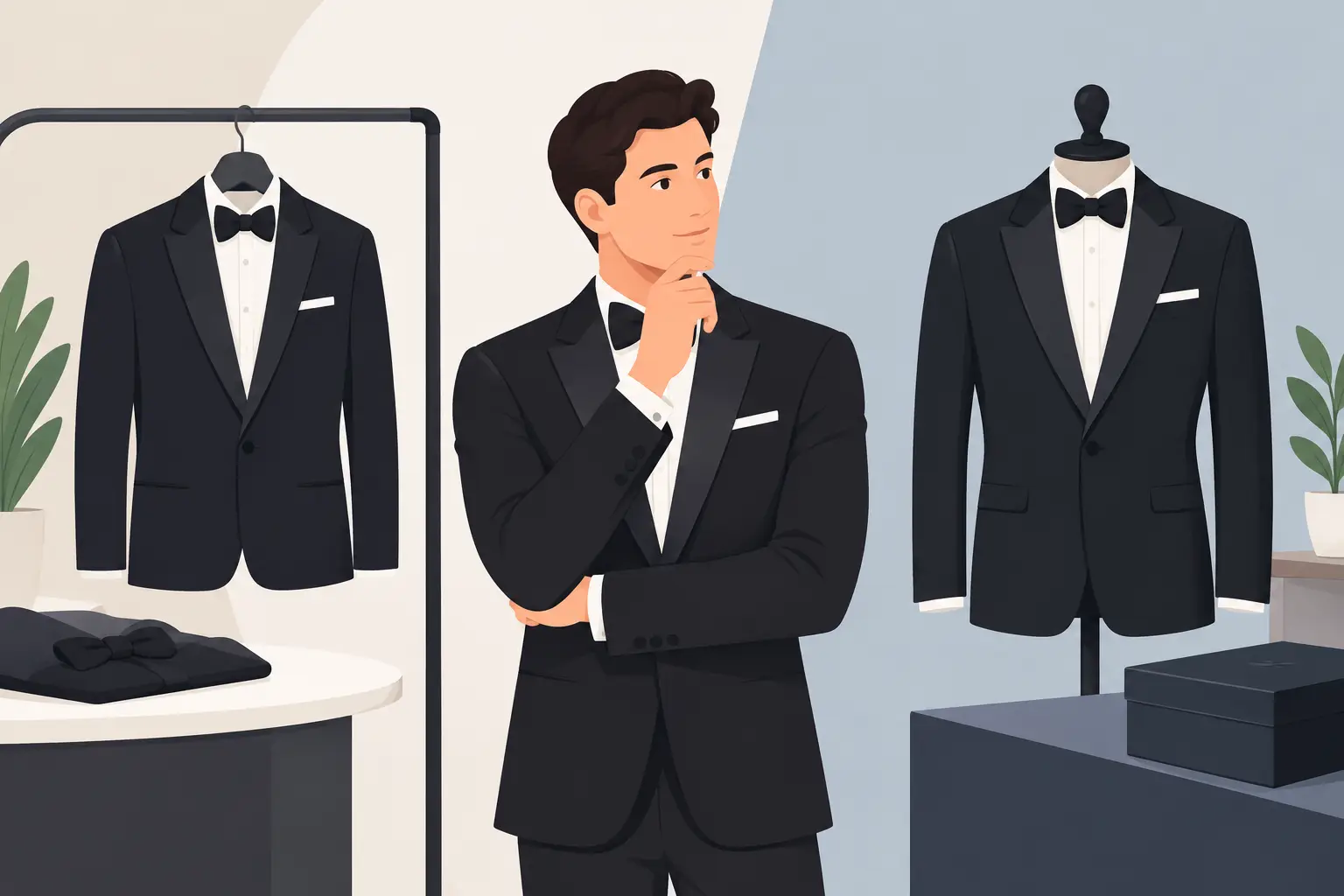
For a wedding suit, it is wise to bring the shirt and shoes you plan to wear, particularly if they are already chosen. For formalwear, the same principle applies to dress shirts, evening shoes and any braces or accessories. These finishing elements affect trouser length, sleeve proportion and the overall harmony of the look.
Time, care and ongoing adjustments
Bespoke tailoring requires patience because precision cannot be rushed. The number of fittings and turnaround time depend on the garment, cloth, construction and schedule. A wedding commission should begin with generous time before the event, allowing room for fitting appointments and thoughtful refinement rather than last-minute decisions.
Your body and wardrobe will also evolve. Weight changes, shifts in training or a change in professional routine can alter how a garment fits over time. Well-made tailoring is designed to be maintained, and expert alterations can extend the life of a favourite suit while preserving its original balance. This is especially valuable when you have invested in a garment that has become part of your personal signature.
At Manndiip, the purpose of each fitting is to bring the garment closer to the man wearing it: his proportions, his standards and the occasions that matter to him. Arrive with an open mind, communicate honestly and allow the process its proper time. The reward is not simply a suit that fits on the day, but a piece of sartorial sophistication you will reach for whenever you need to look unmistakably yourself.