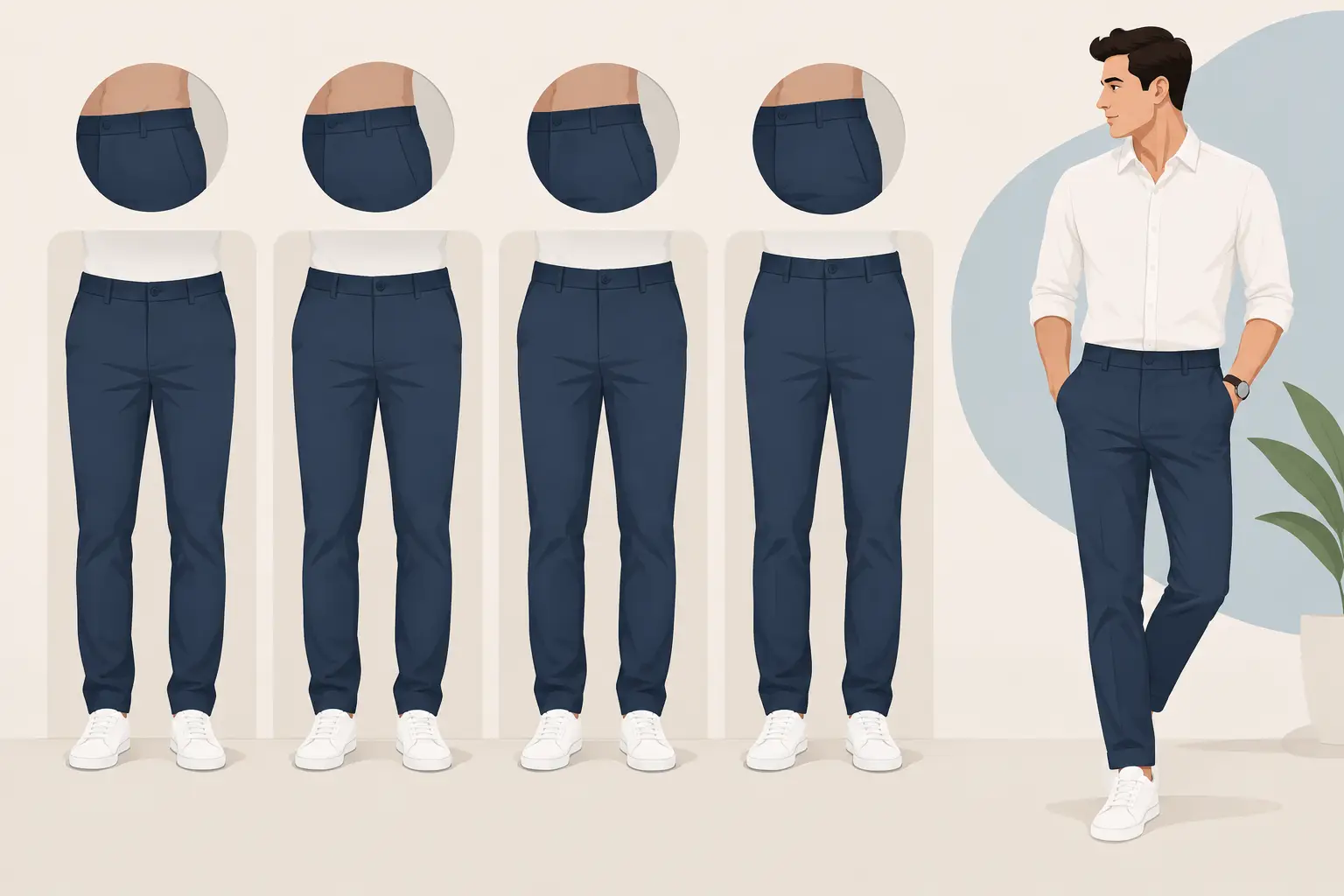

A well-cut suit can lose its authority at the ankle. Too much cloth gathering over the shoe makes even a beautifully tailored jacket appear careless; too little can leave the whole silhouette feeling unfinished. This guide to suit trouser breaks explains how the trouser hem should meet your shoes, and why this small decision has such a marked effect on proportion, polish and presence.
The right break is not a rule imposed on every man. It is a considered finishing choice, shaped by your height, build, trouser cut, footwear and the setting in which you wear the suit. The aim is always the same: a clean, deliberate line from waist to shoe.
What is a suit trouser break?
The break is the crease or fold that forms where the front of the trouser meets the shoe. It is created by the amount of extra cloth allowed in the trouser length. A longer hem creates more fabric contact and a more pronounced fold; a shorter hem rests more cleanly above the shoe.
It may seem like a minor alteration, but trouser length changes the visual balance of the entire suit. It can lengthen the leg, broaden the appearance of the frame, soften a formal silhouette or give it sharper contemporary definition. This is why an accomplished tailor considers the break alongside the jacket length, rise, taper and shoe choice rather than treating it as an isolated measurement.
The main types of trouser break
No break
A no-break trouser sits just above the shoe, with no visible fold in the cloth. The hem lightly clears the top of the shoe and usually reveals a little more sock when walking or seated.
This is the most streamlined option. It works particularly well with slim, tapered trousers and elegant low-profile shoes, creating a precise, modern silhouette. On a shorter man, it can also create the impression of a longer, cleaner leg line, provided the trouser is cut with sufficient taper.
There is a trade-off. No break is unforgiving of poorly cut trousers or shoes with an overly bulky profile. It also demands thoughtful sock choices, especially for formal occasions where exposed bare ankle can look too casual. For a sharp city suit, a contemporary wedding suit or a refined evening look, it can be exceptionally effective.
Slight or quarter break
A slight break, often called a quarter break, creates one subtle crease at the front of the trouser. The hem rests gently on the shoe while the back sits close to the top of the heel.
For many men, this is the most versatile and flattering choice. It has the crispness of a shorter trouser without looking overly fashion-led, and it accommodates a wider variety of shoe shapes. A quarter break brings composure to a navy business suit, a charcoal three-piece or a wedding ensemble without drawing attention to itself.
This is often the preferred starting point for a bespoke wardrobe because it offers sartorial sophistication with everyday practicality. The trousers retain their shape while walking, standing and sitting, and they remain appropriate across professional and social settings.
Half break
A half break creates a more noticeable fold at the front of the trouser. It is still controlled, but there is more fabric resting on the shoe than with a quarter break.
This option suits men who prefer a traditional line or wear trousers with a fuller cut. It can balance a broader frame, a roomier thigh or a classic pleated trouser particularly well. It also works with substantial footwear, such as rounded Derbies, brogues and country boots, where a very short hem might feel visually disconnected.
The key is restraint. The fold should look intentional rather than collapsed. A half break should maintain a neat line at the back of the trouser, never bunching around the heel.
Full break
A full break allows the trouser to sit generously over the shoe, producing multiple folds in the cloth. It has a distinctly traditional character and is sometimes favoured with relaxed tailoring, heavier cloths and wider trouser silhouettes.
For most contemporary business and formal suits, a full break is difficult to execute elegantly. Excess fabric can pool at the ankle, interrupt the leg line and make the trouser appear too long. That said, it can be appropriate for a deliberately classic, full-cut suit or certain tweed and country garments, especially when paired with robust boots. The cut must be balanced throughout: a generous break beneath an aggressively slim trouser rarely looks convincing.
Choosing the right break for your build and style
Your height and proportions matter, but they should guide the decision rather than dictate it. A shorter man will often benefit from no break or a slight break because less fabric at the ankle creates a longer visual line. A taller man can carry a half break more easily, particularly with a classic cut, though he is not obliged to choose one.
Build also influences the result. Men with athletic or fuller thighs may find that a modest break complements a trouser with more room through the leg. For a leaner frame in a sharply tapered suit, no break or quarter break tends to look more harmonious. The relationship between the trouser width and the hem length is essential. The narrower the opening, the less break is generally required.
Personal style has equal weight. If your wardrobe leans towards clean, contemporary tailoring, a no-break or quarter-break finish will reinforce that direction. If you favour British tradition, pleats, flannel and a slightly fuller silhouette, a half break may feel more natural. The best choice should look like an extension of the wearer, not a detail selected from a chart.
Shoes change the equation
Trouser breaks are fitted with shoes on for good reason. The height, shape and bulk of the footwear alter where the hem lands. Sleek Oxford shoes and loafers generally suit a shorter break; chunky Derbies, brogues and boots can support a little more length.
Consider the shoes you will wear most often with the suit. A business suit intended for polished black Oxfords should not be hemmed solely around casual trainers. Likewise, a tweed suit worn with sturdy country boots needs a different approach from a lightweight mohair dinner suit worn with patent leather evening shoes.
For a wedding, choose the shoes before the final fitting whenever possible. Wedding trousers are photographed from every angle, and a clean break prevents the hem from looking untidy in still images. It also ensures the trouser sits correctly as you move through a long day of standing, walking and dancing.
How a tailor sets the trouser length
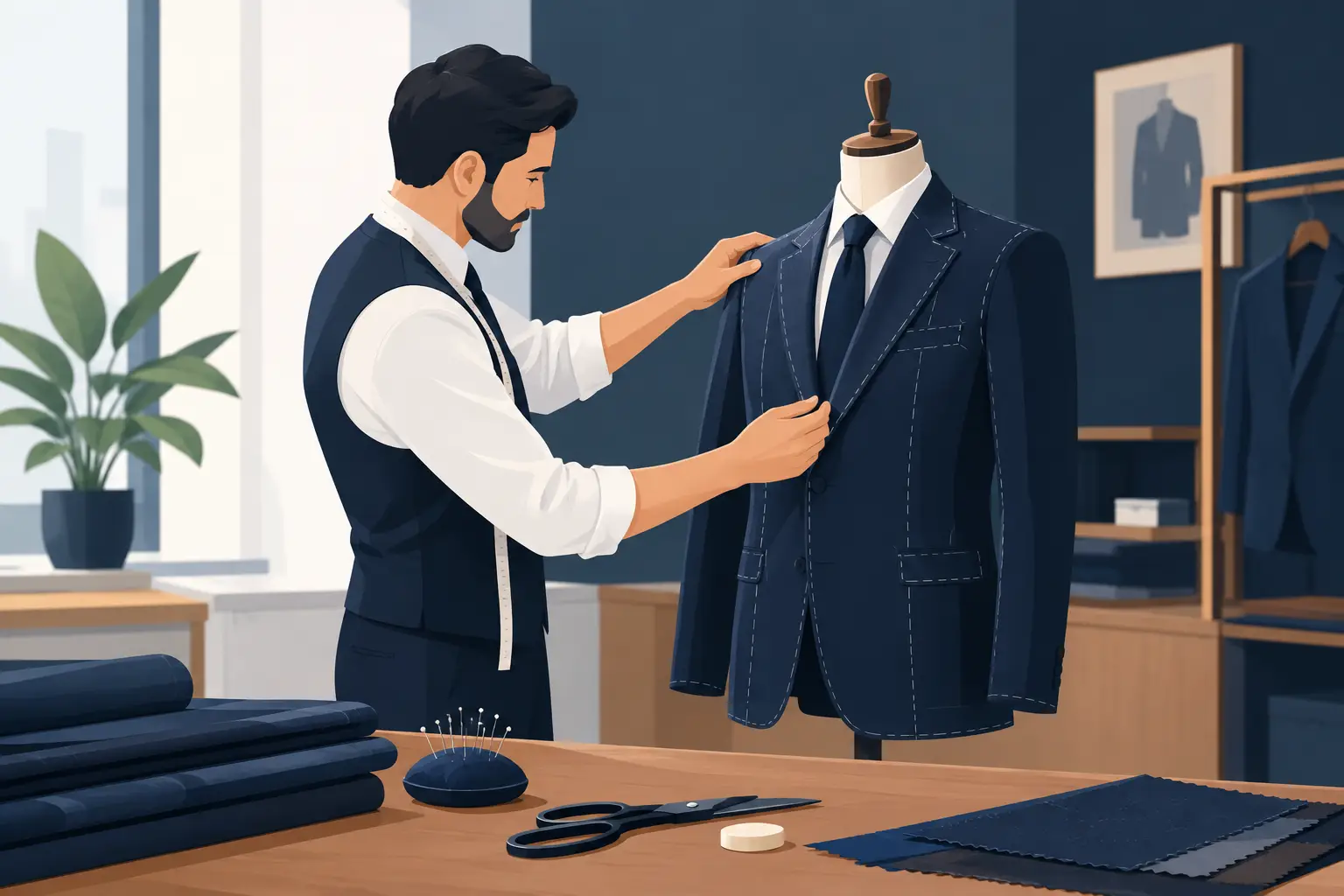
A precise trouser fitting is carried out while you stand naturally, not while you inspect the hem with one foot raised or knees locked. A tailor will assess the line from the side, front and back, then observe how the fabric responds as you walk and sit.
The rear hem is particularly revealing. It should sit close to the shoe without catching beneath the heel. If the back of the trouser is fraying, folding excessively or being trodden on, it is almost certainly too long. The front should form the intended break without creating a stack of fabric over the vamp.
Fabric also plays a role. A lightweight wool may drape more softly and show a break differently from dense flannel, tweed or a cloth with more body. Trouser linings, a turn-up and the shape of the leg all influence the final result. This is why a single measurement cannot guarantee a correct finish across every pair of trousers.
Turn-ups, pleats and trouser breaks
Turn-ups add visual weight at the hem and are traditionally associated with tailored daywear rather than formal evening dress. They pair beautifully with pleated trousers, flannel and classic business tailoring, but they can make an already long trouser look heavier. In most cases, a slight or half break keeps turn-ups crisp and proportionate.
Plain hems are more adaptable. They work naturally with no-break and quarter-break trousers, particularly in a slim or modern cut. For black-tie trousers, a plain hem with a clean, minimal break remains the more formal choice.
Pleats do not automatically require a longer break. A well-designed pleated trouser can look excellent with a quarter break, especially when the leg retains a measured taper. What matters is that the volume at the top of the trouser transitions gracefully towards the shoe.
Common trouser break mistakes
The most common error is allowing trousers to be too long out of caution. Many men associate extra length with tradition, yet a surplus of cloth at the ankle rarely reads as elegant. It obscures the shoe, disrupts the trouser crease and can make the suit look as though it has not been finished for its wearer.
The opposite mistake is choosing no break simply because it is fashionable. A cropped-looking hem, paired with heavy shoes or an overly wide trouser opening, can feel awkward rather than refined. The result should be intentional, not merely short.
Finally, avoid judging a trouser break in isolation. A beautifully hemmed trouser must work with the jacket, shirt, shoes and posture of the person wearing it. At Manndiip, this detail is assessed within the complete silhouette, ensuring the final garment reflects both technical precision and individual style.
The most elegant trouser break is the one you do not notice at first glance. It allows the cloth to fall cleanly, frames the shoe with confidence and gives every step the composed finish that exceptional tailoring deserves.