A waistband crowded by a leather belt can disrupt the clean, uninterrupted line of a finely cut suit. Equally, a poorly chosen pair of braces can feel theatrical rather than refined. The question of braces versus belt formalwear is therefore not a matter of old rules for their own sake. It is about proportion, construction and the impression you want your tailoring to create.
For a wedding, black-tie event or significant business occasion, details are read as a whole. Your choice should support the cut of the trousers, the formality of the setting and the confidence with which you wear the garment.
Braces versus belt formalwear: the essential distinction
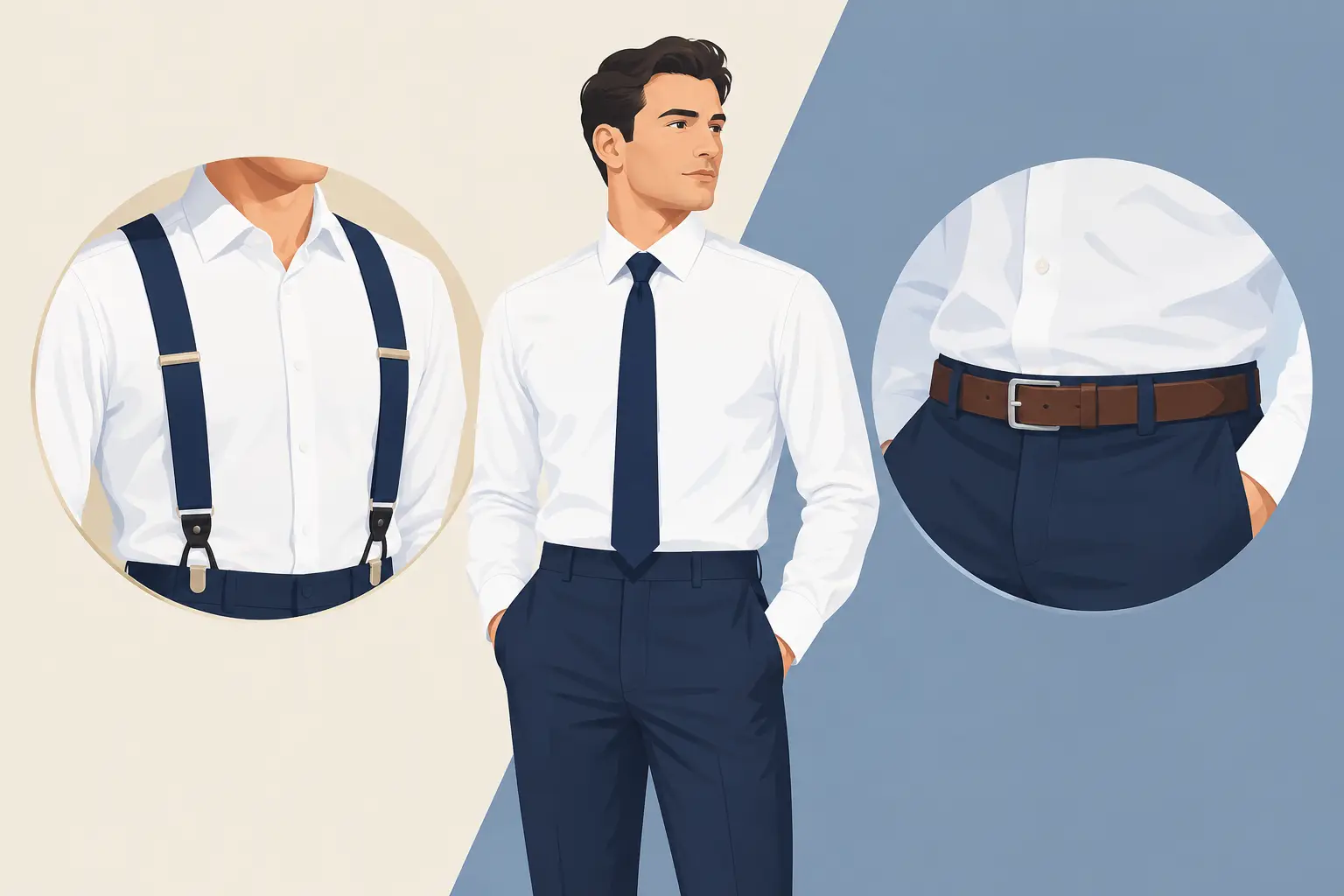
A belt holds trousers in place by cinching the waistband against the body. Braces suspend the trousers from the shoulders, allowing the waistband to sit at its intended height with far less compression. That difference sounds technical, but it changes the silhouette considerably.
With a belt, the eye is drawn horizontally across the waist. This can be useful with a more casual tailored look, particularly where a neat leather belt echoes the shoes and adds a deliberate point of contrast. With braces, the trouser front remains cleaner and the vertical line of the jacket and trousers appears longer. The result is often more elegant, especially when a suit has been cut with a higher rise.
Neither is automatically superior. A belt is practical, familiar and entirely appropriate for much of a professional wardrobe. Braces are a more considered formalwear choice, particularly for men who value the unbroken drape of a properly tailored trouser.
Why braces create a stronger formal silhouette
The finest trousers are designed to fall, not to be pulled into position. Braces support that principle. They keep the waistband level, help the front crease remain sharp and allow pleats, where present, to open naturally rather than strain around the midsection.
This is especially valuable if you are seated for long periods at a wedding breakfast, dinner or formal event. A belt may tighten as you sit, causing the waistband to bunch and the shirt to billow above it. Braces maintain their support from the shoulders, so the trouser line stays composed without needing continual adjustment.
They also flatter a broad range of builds. For a taller man, braces emphasise length and give the body a more balanced vertical rhythm. For a gentleman with a fuller waist, they can be transformative: the trousers sit cleanly beneath the stomach rather than being forced underneath it by a tightened belt. The effect is not about concealing the body. It is about allowing the cloth to work as it was intended.
There is a construction point to consider. Proper brace trousers should have buttons positioned inside the waistband, not metal clips gripping the fabric. Button-on braces are more secure, kinder to fine cloth and visually more resolved. Clip-on styles have a place for convenience, but they rarely deliver the same level of sartorial sophistication.
When braces are the natural choice
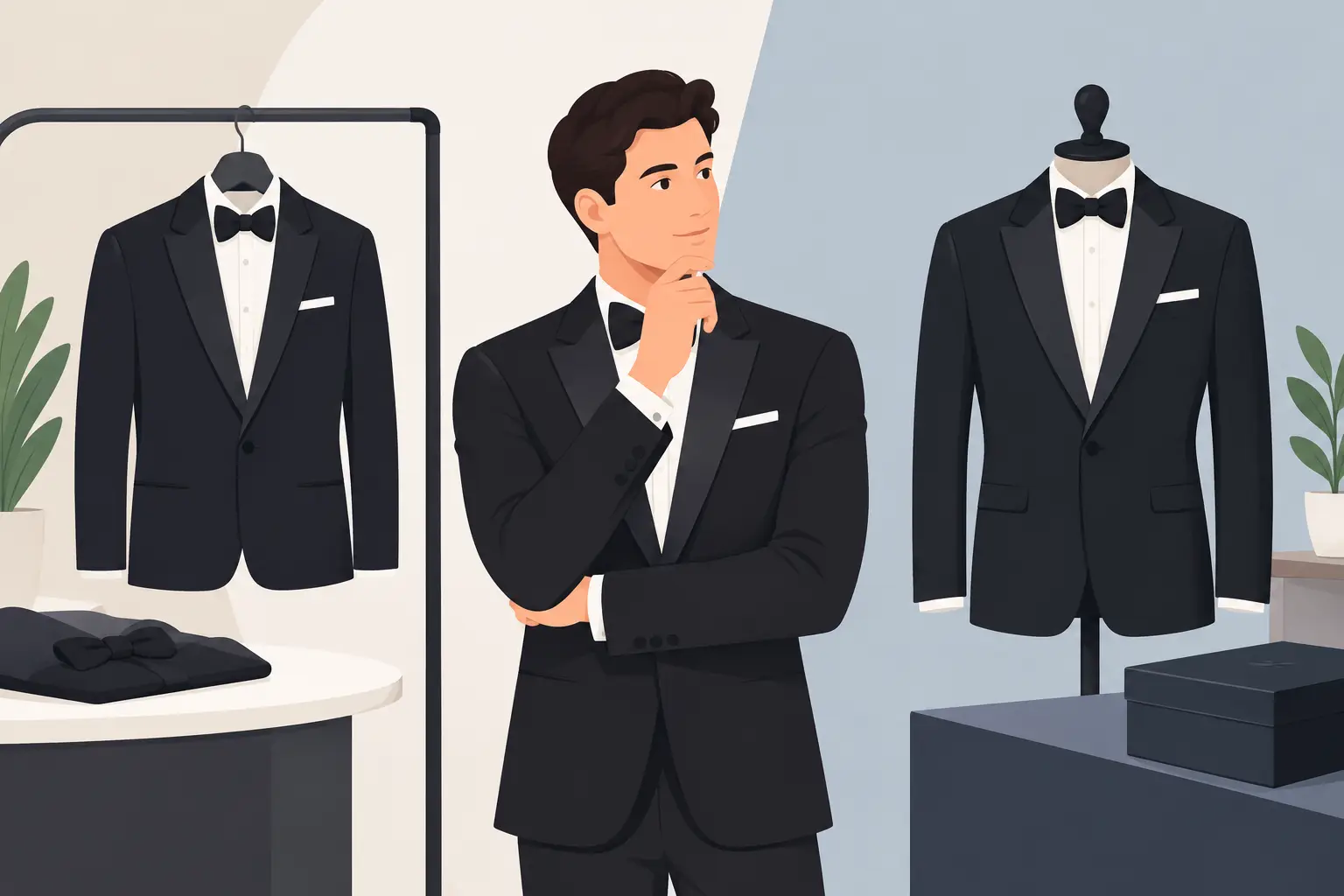
Black tie is the clearest example. Dinner trousers traditionally have a high waist, side adjusters and a silk braid or facing that would be interrupted by belt loops. A belt with a dinner suit introduces unnecessary bulk and breaks the formality of the ensemble. Braces, usually in black or white depending on the occasion and shirt, keep the trousers correctly positioned beneath the dinner jacket.
Morning dress and many formal wedding looks also benefit from braces. If your suit has high-rise trousers, a waistcoat or a more traditional cut, braces preserve the intended shape beautifully. They are particularly useful when the jacket may come off later in the day, because the trousers remain composed rather than revealing a loosened waistband.
For a groom, braces can also offer a private layer of distinction. They may be visible only during preparation and the evening celebrations, but that does not make them insignificant. The best formalwear is often built from details the wearer feels as much as others see.
When a belt is the better decision
A belt is not a compromise when it belongs to the suit. On a contemporary business suit with belt loops and a medium-rise trouser, a slim leather belt is frequently the most natural option. It brings a familiar finish to a navy, charcoal or mid-grey suit and makes sense for an office, client meeting or business dinner where black-tie conventions do not apply.
The key is restraint. Choose a belt with a clean buckle, a modest width and polished leather that relates to your shoes. A heavy casual belt, prominent branding or overly bright hardware will undermine even an impeccably fitted suit. Formal belts should support the outfit, not become the focal point.
A belt can also suit a less ceremonial wedding, such as a relaxed country-house celebration or a summer ceremony where the dress code sits between business tailoring and full formalwear. If the trousers were made with belt loops and the suit is worn without a waistcoat, a beautifully finished belt can make the look feel grounded and intentional.
The deciding factor is the trouser design. Never add a belt to trousers made without belt loops, and do not wear braces with belt loops simply because the braces are available. It can look confused, as though two different approaches have been combined without a clear purpose. Side adjusters offer a third, elegant solution for trousers designed to stand on their own.
Match the accessory to the suit’s architecture
Formalwear works best when every element follows the same design language. Before choosing either accessory, look at the rise, waistband, fastening and jacket style.
High-rise trousers with a waistband that sits close to the natural waist tend to favour braces or side adjusters. They create a longer leg line and complement double-breasted jackets, waistcoats and more classic cuts. Low- to medium-rise trousers with visible belt loops generally call for a belt, particularly when worn with a single-breasted business suit.
Fabric matters too. A light summer wool or linen blend can move and crease more readily, so braces may help maintain its line throughout a long occasion. Heavier flannel, tweed or robust worsted cloth may accommodate a belt more comfortably, although the rules of rise and waistband construction still apply.
For black tie, keep the decision simple: no belt. The elegance of a dinner suit comes from its spare, uninterrupted geometry. For white tie, braces are not merely preferable but part of the established language of the dress code.
Colour, texture and finishing
Braces should harmonise with the formality of the garment. For a dinner suit, black silk or finely woven braces are discreet and appropriate. For a wedding suit, dark navy, burgundy, forest green or a subtle textured weave can introduce personality without competing with the tie, pocket square or boutonniere.
Leather-ended braces with button fastenings bring a richer, more artisanal character to tailored daywear. Their leather should relate sensitively to your shoes rather than matching them with rigid exactness. Black leather suits black or charcoal tailoring; dark brown pairs naturally with navy, tobacco, olive and many country-inspired cloths.
With belts, the same discipline applies. Black shoes demand a black belt for formal business wear. Dark brown shoes are best paired with dark brown leather, while oxblood can work with either deep brown or burgundy-toned accessories when the colours are carefully judged. The buckle should be understated, preferably in a finish that complements your watch or cufflinks without attempting to match every piece of metal exactly.
Fit comes before accessories
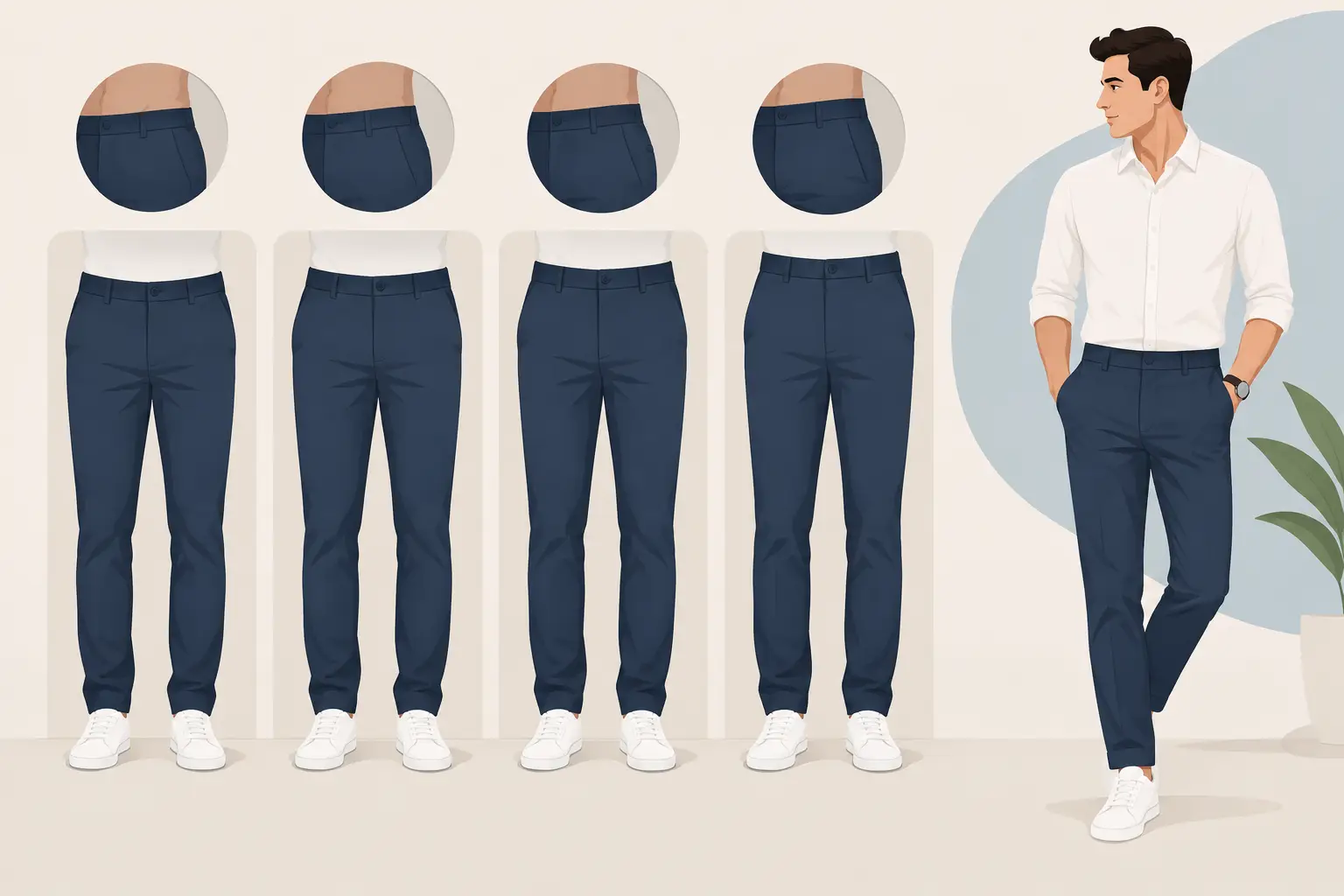
No accessory can correct trousers that do not fit. Braces should not be used to rescue an oversized waistband, just as a belt should not be tightened aggressively to hold up trousers that are too large. Both approaches create folds, discomfort and an unflattering break through the seat and upper thigh.
A well-fitted trouser should sit securely at the chosen point on the waist or hips. The accessory then refines the fit and supports the intended silhouette. This is where bespoke tailoring earns its value: the rise, waistband angle, seat and leg line are considered together, rather than treated as separate problems.
At Manndiip, that conversation begins with how you need to move through the occasion. A groom who will stand for photographs, sit through a meal and dance into the evening has different requirements from a professional building a versatile business wardrobe. The best choice is the one that makes the garment feel effortless from the first buttoning to the final farewell.
Choose braces when you want elevated formality, a clean trouser line and the quiet confidence of traditional tailoring. Choose a belt when the suit’s construction and the occasion call for a sharper, more contemporary practicality. When the proportions are right, either can become the finishing detail that makes the entire look feel distinctly your own.