A belt can feel like an afterthought. Braces, by contrast, reveal a decision about proportion, tradition and personal style before the jacket has even come off. So, are braces suitable for weddings? Absolutely, provided they are chosen as part of the tailoring rather than added as a novelty. The right pair gives trousers a cleaner line, keeps the waistband precisely positioned and lends a considered, ceremonial quality to the groom’s attire.
For a man investing in a wedding suit, braces can be one of the most effective finishing details. They are not right for every dress code or every silhouette, but when the cloth, trouser cut and formality of the day are aligned, they bring a quiet sartorial confidence that a belt rarely matches.
Are braces suitable for weddings with a formal suit?
Braces are particularly well suited to formal and semi-formal weddings because they support the trousers from the shoulder, rather than compressing them at the waist. This matters more than it may appear. A well-cut trouser should sit at its intended height throughout the ceremony, photographs, meal and dancing. Braces hold that position without the bunching, tugging or shifting that can occur with a belt.
They also improve the visual architecture of the outfit. A belt cuts a horizontal line across the torso. Braces allow the trouser front to remain uninterrupted, helping the legs appear longer and preserving the elegant sweep from waistcoat or jacket to trouser. This is especially flattering when trousers are cut with a higher rise, pleats or a fuller, more classic line.
For black tie, braces are a traditional and highly appropriate choice. Black or white brace tapes, generally concealed beneath the dinner jacket, are the most disciplined option. With morning dress, braces are equally at home beneath a waistcoat, supporting high-waisted striped trousers without competing with the formality of the ensemble. For a lounge suit wedding, the choice is more expressive: leather-ended braces in a restrained tone can bring character to a navy, charcoal, brown or textured tweed suit.
The key distinction is visibility. Hidden braces are about construction and immaculate fit. Visible braces are a style statement. Both can work, but they create very different impressions.
Start with the trouser construction
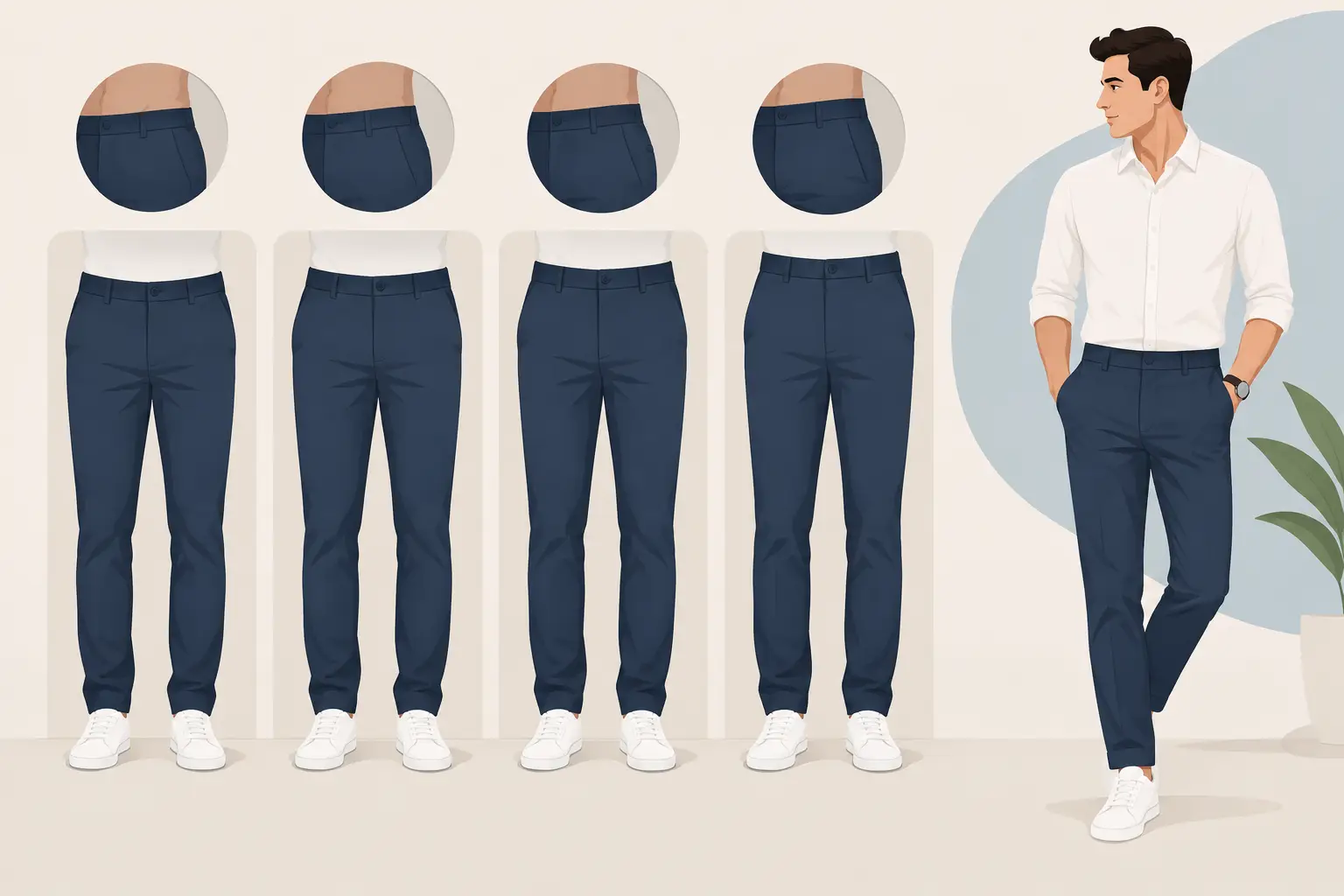
The question is not simply whether braces suit a wedding. It is whether the trousers have been designed to wear them properly. The finest outcome begins with side adjusters and brace buttons, not belt loops.
Traditional button-on braces fasten to six buttons sewn inside the trouser waistband: two at the back and four at the front. This arrangement distributes tension evenly and keeps the braces from pulling the waistband out of shape. The buttons should be placed and reinforced during construction or alteration, rather than attached casually at home on the morning of the wedding.
Side adjusters give a polished finish while allowing small adjustments through the day. They are not there to cinch the waist tightly. The trouser should already fit cleanly through the waist and seat, with enough ease to sit, eat and move comfortably. Braces are support, not a substitute for fit.
Clip-on braces are practical, particularly if your existing trousers do not have buttons. Yet for a wedding suit, they are usually the less refined choice. Metal clips can damage delicate cloth, appear bulky under a waistcoat and introduce a slightly casual note. If the braces may be seen, leather ends and buttons are the more elegant route. A tailored adjustment can often add brace buttons to an existing pair of trousers, provided the waistband construction allows it.
Never wear braces with a belt
This is the rule worth remembering. Braces and a belt perform the same function, so wearing both looks uncertain rather than prepared. If braces are part of the plan, choose trousers without belt loops or have a tailor remove them where appropriate. The clean waistband is central to the effect.
Choosing braces for the wedding aesthetic
The most successful wedding accessories support the suit rather than compete with it. Braces should relate to the overall level of formality, the colour palette and the character of the cloth.
For a classic black, midnight blue or deep navy suit, dark navy, black, burgundy or discreet charcoal braces offer sophistication without demanding attention. A matte woven elastic or fine barathea-like texture is more formal than a shiny, heavily patterned finish. For a cream dinner jacket, black braces retain the necessary definition underneath while staying invisible when the jacket is buttoned.
For country, rustic or autumn weddings, braces offer greater scope for texture. Deep olive, tobacco, burgundy and muted gold work handsomely with tweed, flannel and earthy checks. Leather details can be particularly effective here, provided the leather is coordinated thoughtfully with the shoes and any watch strap. This does not require exact matching. It requires harmony in tone and finish.
Avoid treating braces as fancy-dress. Loud novelty motifs, excessively bright colours and broad, glossy elastic can cheapen an otherwise meticulously crafted suit. Wedding style is remembered most favourably when the details reward a closer look rather than announce themselves from across the room.
When should braces be visible?
Visible braces can look excellent in relaxed wedding settings, especially once the formal part of the day has passed. A groom may remove his jacket for the evening and reveal braces beneath a waistcoat, or wear them with a well-fitted shirt during dancing. The effect is confident when it feels intentional and the shirt still fits neatly at the shoulder and sleeve.
A waistcoat changes the equation. If you are wearing one throughout the ceremony, the braces will largely remain concealed. In that case, their principal benefit is comfort and trouser shape. This is often the ideal choice for a groom who appreciates the construction but prefers a traditional exterior.
Without a waistcoat, visible braces demand greater restraint. The shirt should be of excellent quality, fitted through the body but never tight, and the braces should sit flat from front to back. Their length must be adjusted so they support the trousers without pulling the waistband upwards or creating tension lines across the shirt. A bespoke shirt and properly fitted braces make this look composed; an oversized shirt and over-stretched elastic do not.
There is also an etiquette consideration. If the bride and groom have chosen a highly formal dress code, the groom should not introduce a casual, exposed-brace look during the ceremony simply because it photographs well on social media. Respect the setting first. Individuality works best within the framework of the occasion.
Braces, body shape and comfort
Braces are often a particularly good choice for men who find belts uncomfortable or who want trousers to remain smooth through the waist and abdomen. Because they remove pressure from the middle, they can create a more flattering line in photographs and make a long day noticeably more comfortable.
They are also valuable for taller men, where a belt can visually divide the frame, and for men with a more athletic build, where the difference between waist and hip can cause belted trousers to shift. That said, braces are not a universal correction. If the trouser rise is too low, the seat is too tight or the waistband is too loose, no accessory will create a truly elegant fit. Pattern, cut and alteration remain the foundation.
A fitting appointment is the right place to test the full system. Wear the wedding shirt, shoes and any waistcoat where possible. Sit down, raise your arms and walk naturally. The trousers should retain their line without the waistband climbing too high, while the brace straps should lie comfortably over the shoulders. Fine adjustments of button position, strap length and trouser balance are small interventions with a substantial visual result.
A considered detail, not an afterthought
For a wedding, braces work best when they belong to the garment’s design from the outset. They can lend structure to a sharp city suit, authenticity to morning dress and relaxed distinction to a textured country ensemble. At Manndiip, this is the level at which accessories should be considered: not as additions at the end, but as details that shape the entire silhouette.
Choose braces because they improve how your trousers sit, how your jacket falls and how confidently you move through the day. If they do those things, they will feel less like an accessory and more like part of the occasion itself.