A tall frame should make an entrance for the right reasons. Yet ready-to-wear trousers often force a compromise: enough length but a low rise, the right waist with an overlong seat, or a generous inseam paired with a leg that loses all definition. The best trousers for tall men are not simply longer. They are cut with proportion, balance and purpose, so the entire silhouette looks composed rather than stretched.
For business, weddings and formal occasions, trousers are the quiet architecture of an outfit. Get their line right and a jacket sits better, a shirt appears cleaner and the wearer carries himself with greater ease. Get it wrong and even beautiful cloth cannot rescue the result.
Best trousers for tall men start with proportion
Height changes the visual relationship between the waist, hip, knee and shoe. A trouser cut can therefore be technically the correct length and still look unconvincing. The aim is not to make a tall man appear shorter. It is to give his frame the elegant continuity that good tailoring is designed to create.
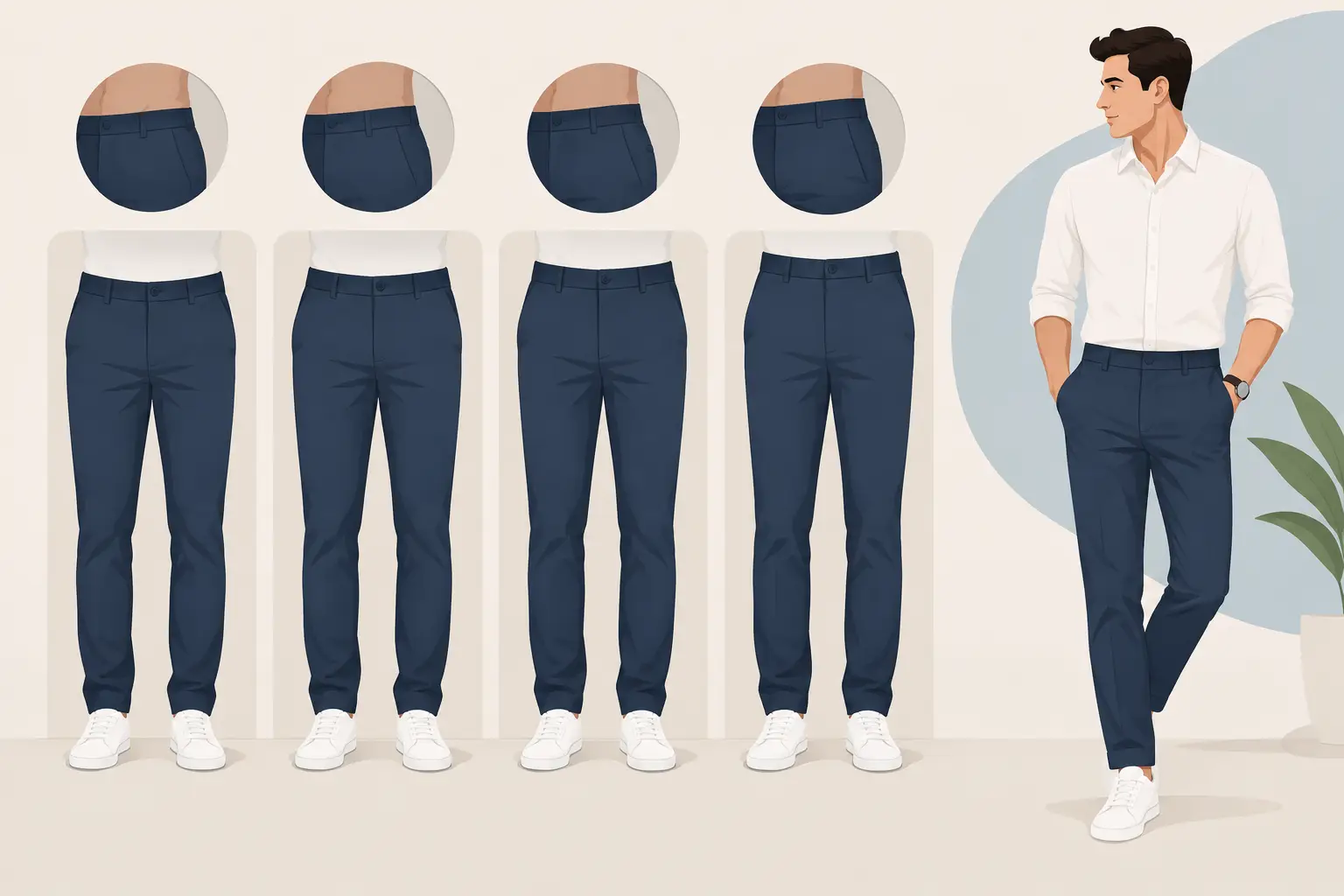
The first consideration is rise. Many off-the-peg trousers are cut with a low or abbreviated rise, which can leave more torso exposed and make the legs appear disproportionately long. For most tall men, a mid-rise or a well-balanced high-rise trouser offers a stronger foundation. It allows the waistband to sit at a natural point, lengthens the jacket’s visual line and prevents the uncomfortable pulling that occurs when the seat is too shallow.
A higher rise is particularly persuasive beneath a suit jacket, dinner jacket or waistcoat. It preserves a clean expanse of cloth when seated and avoids the visible shirt triangle that can interrupt formal dressing. The exact height depends on build, posture and personal preference, but it should feel secure around the waist without climbing uncomfortably towards the ribs.
Choose a leg shape that complements height
Tall men are frequently offered slim trousers as a default. A narrow leg can look exceptionally sharp on a lean frame, particularly for contemporary businesswear. But slim should never mean restrictive. If the cloth pulls across the thigh, catches at the knee or clings to the calf, the trouser will look less refined with every movement.
A tailored straight leg is often the most versatile choice. It follows the body without tracing it, gives enough room through the thigh and falls cleanly to the shoe. This is a particularly accomplished option for men who want trousers that move easily from a boardroom to an evening event.
For broader or more athletic builds, a gently tapered trouser can create balance. The additional room at the upper leg keeps the cut comfortable, while a controlled taper prevents excess fabric gathering around the ankle. Pleats can also be highly flattering, provided they are carefully positioned and the trouser is cut with a clean line through the hip. They add ease and depth, not bulk.
Very wide legs demand more judgement. They can look striking on a tall man, especially in softer flannel or country-weight cloth, but they require deliberate styling. A shorter jacket, a very low rise or a delicate shoe can make the proportions feel disconnected. The most successful wider trousers are balanced by a substantial shoe and a jacket with enough structure to hold its own.
The break should be intentional
Trouser length is where tall men most often encounter frustration. The answer is not always extra length. It is the right relationship between the trouser hem and the shoe.
For a clean, contemporary suit, a slight break or no break creates a precise vertical line. The front of the trouser rests lightly on the shoe without excessive creasing, while the back falls neatly towards the heel. This works particularly well with a tapered leg and polished Oxford or Derby shoes.
A full break can suit a more traditional cut, heavier cloth or a wider trouser, but it must be controlled. Too much fabric pooling at the ankle makes even an otherwise well-cut suit look neglected. Tall men should be especially cautious here: extra length is not a substitute for a proper fitting. If you wear boots regularly, bring them to the fitting. Their higher vamp changes where the trouser should finish.
Fabric gives the trouser its authority
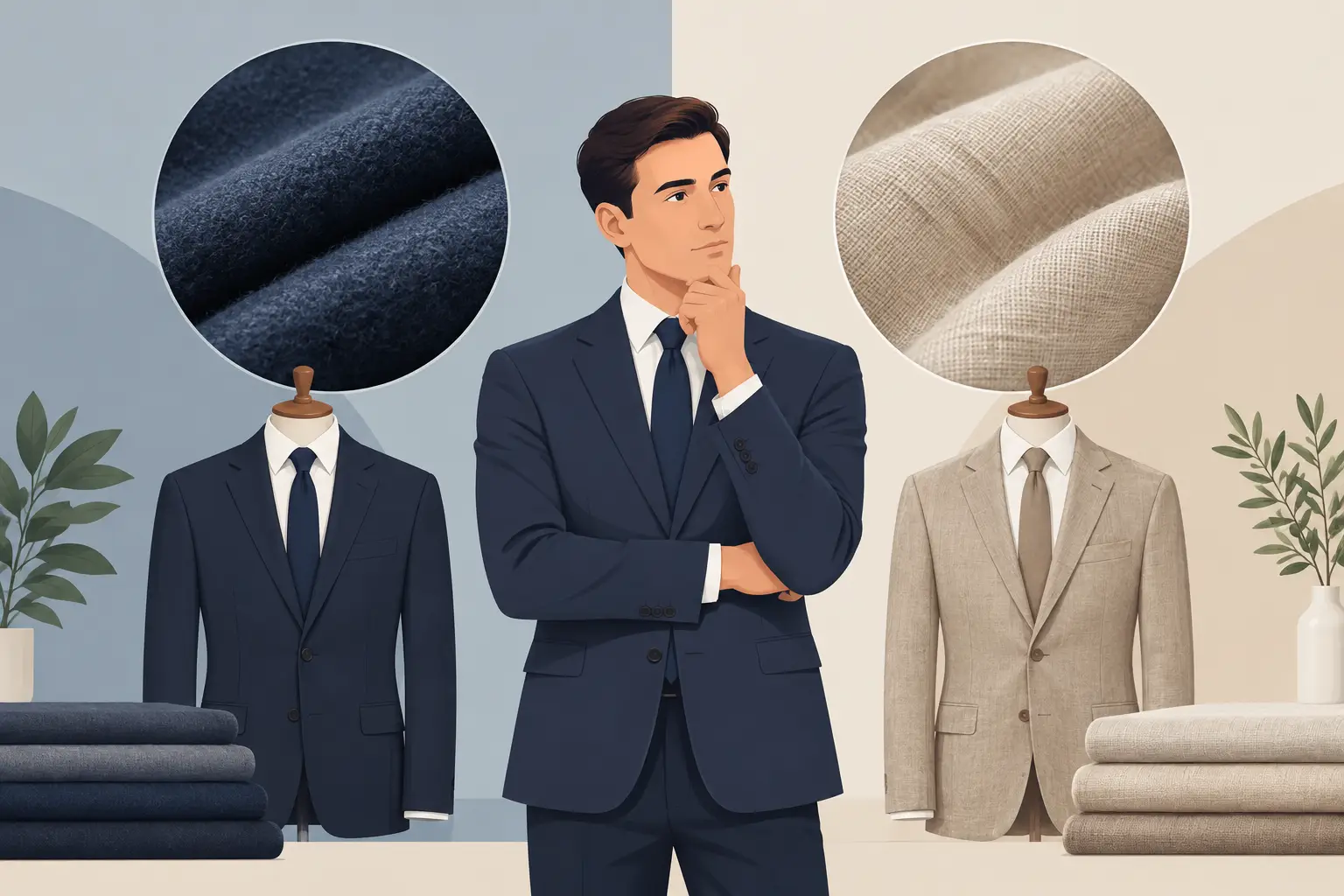
Cloth has a direct effect on how a trouser hangs. Lightweight fabrics may feel appealing, particularly for summer weddings or travel, but an overly fine cloth can expose every crease and fail to hold a crisp line across a long leg. A high-quality wool with enough body will drape more elegantly and recover better during a long day.
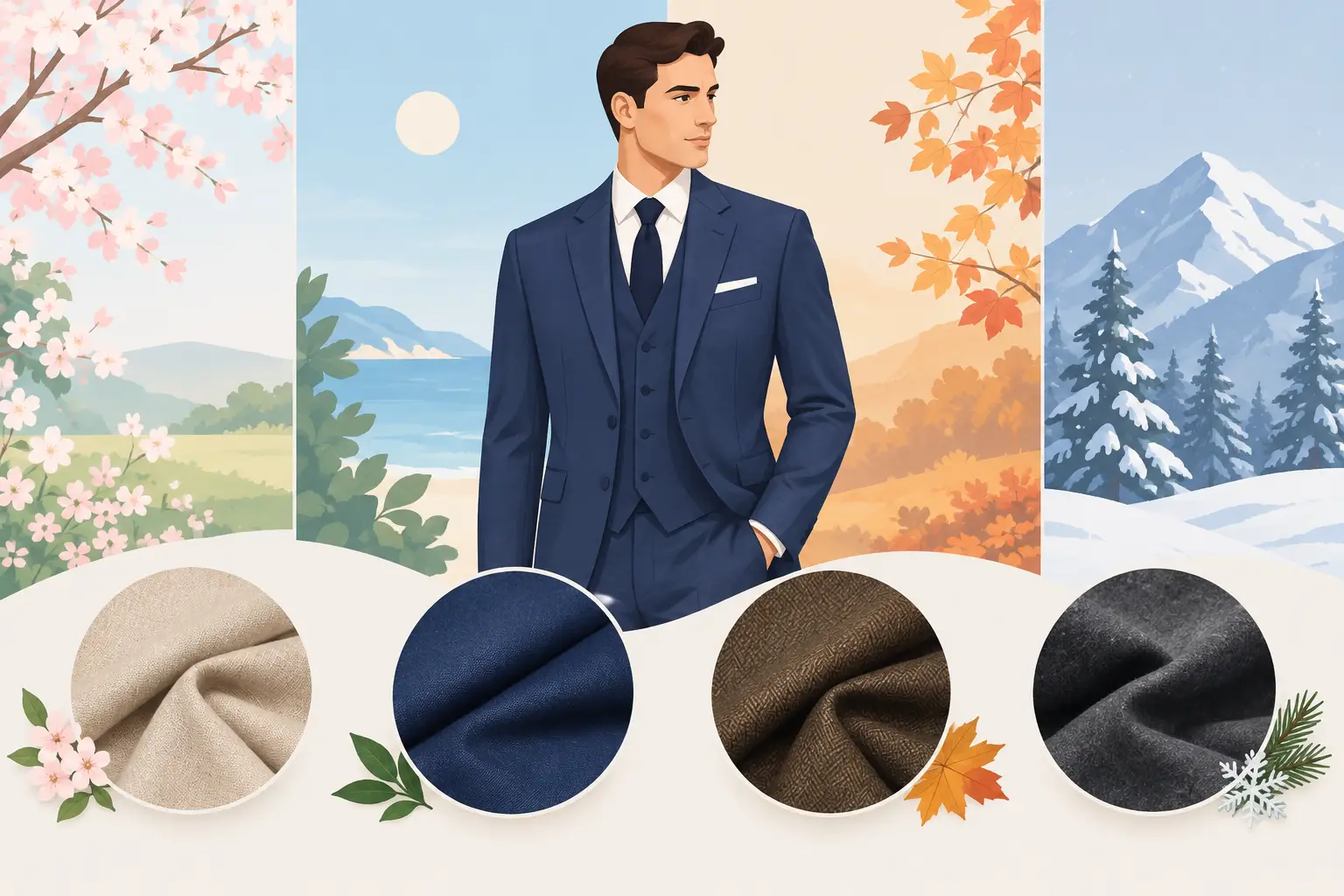
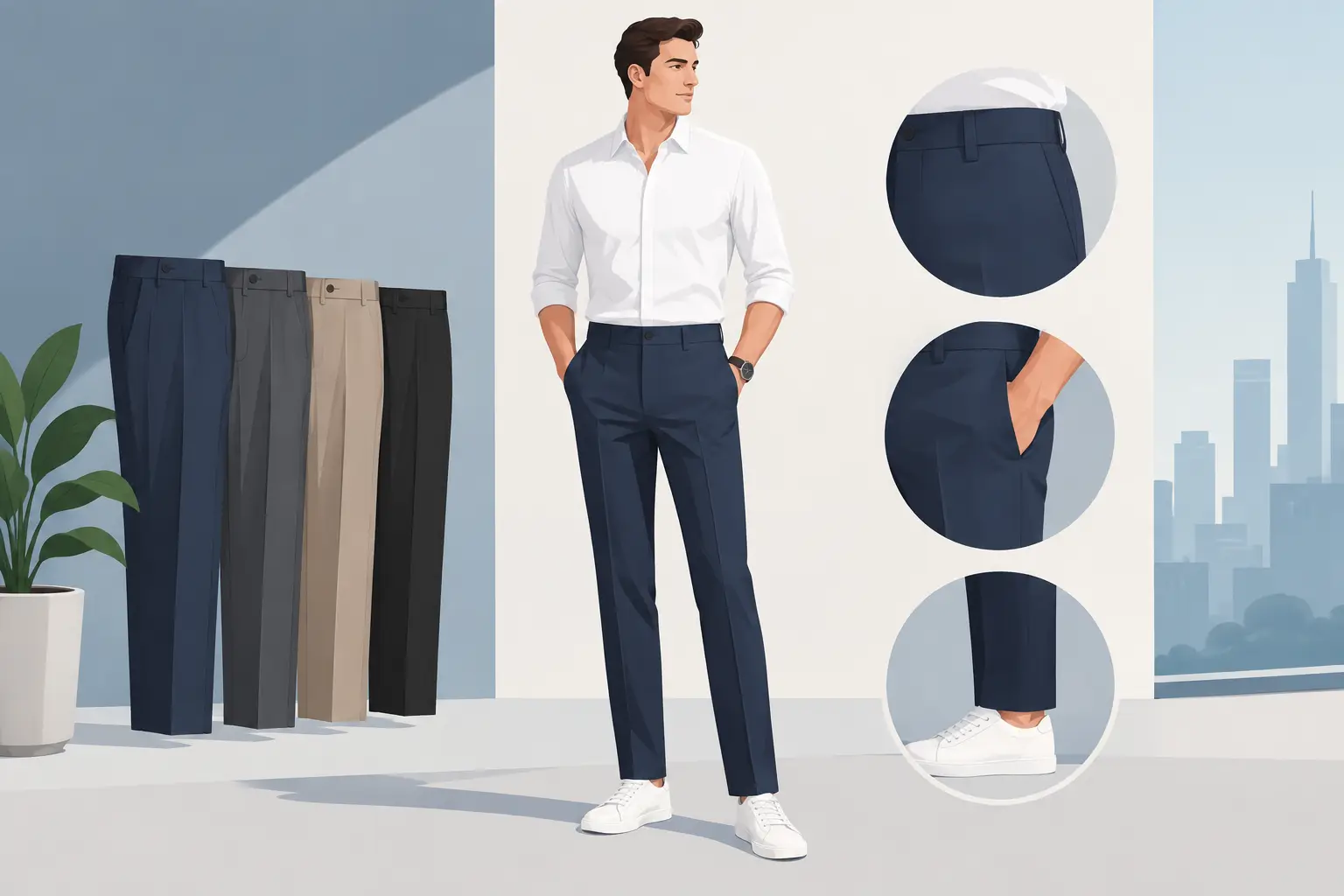
For year-round business trousers, a medium-weight wool or wool blend in navy, charcoal or mid-grey offers considerable mileage. These shades anchor a professional wardrobe and work easily with tailored shirts, knitwear and structured jackets. A subtle texture, such as a fine birdseye or understated twill, brings depth without distracting from the cut.
Flannel is an excellent choice for autumn and winter. Its soft surface gives visual richness and its slightly fuller character can make a tall silhouette feel more grounded. For weddings and elevated social events, a refined mohair blend offers a subtle sheen and impressive crease resistance. Linen and linen-wool blends are ideal for warmer weather, although their natural creasing is part of their character rather than a flaw.
Details that make a tailored difference
The waistband deserves more attention than it receives. Side adjusters offer a clean, elegant alternative to a belt and are especially effective with higher-rise trousers. They allow small adjustments through the day without adding a horizontal belt line. Braces are another distinguished choice for formalwear, helping trousers hang from the shoulder rather than relying on pressure at the waist. They are particularly effective beneath a waistcoat or dinner jacket.
Pockets should lie flat. Side pockets that flare open are usually a sign of insufficient room through the hip, an incorrect waist position or a trouser that is simply too tight. A well-cut pair remains smooth when standing, walking and sitting.
The hem finish should reflect the trouser’s purpose. Plain hems give a sleek, modern appearance and are well suited to business suits and formal trousers. Turn-ups add weight to the bottom of the leg and can lend useful balance to a tall frame, particularly with flannel, tweed and pleated styles. They are less appropriate for black-tie trousers, where a clean plain hem is the more formal choice.
Avoid buying only by inseam
An extended inseam is useful, but it is only one measurement. Two men of the same height can need entirely different trousers because their proportions differ. One may have a long torso and regular legs; another may have the opposite. Waist, seat, thigh, knee, rise and posture all influence the final result.
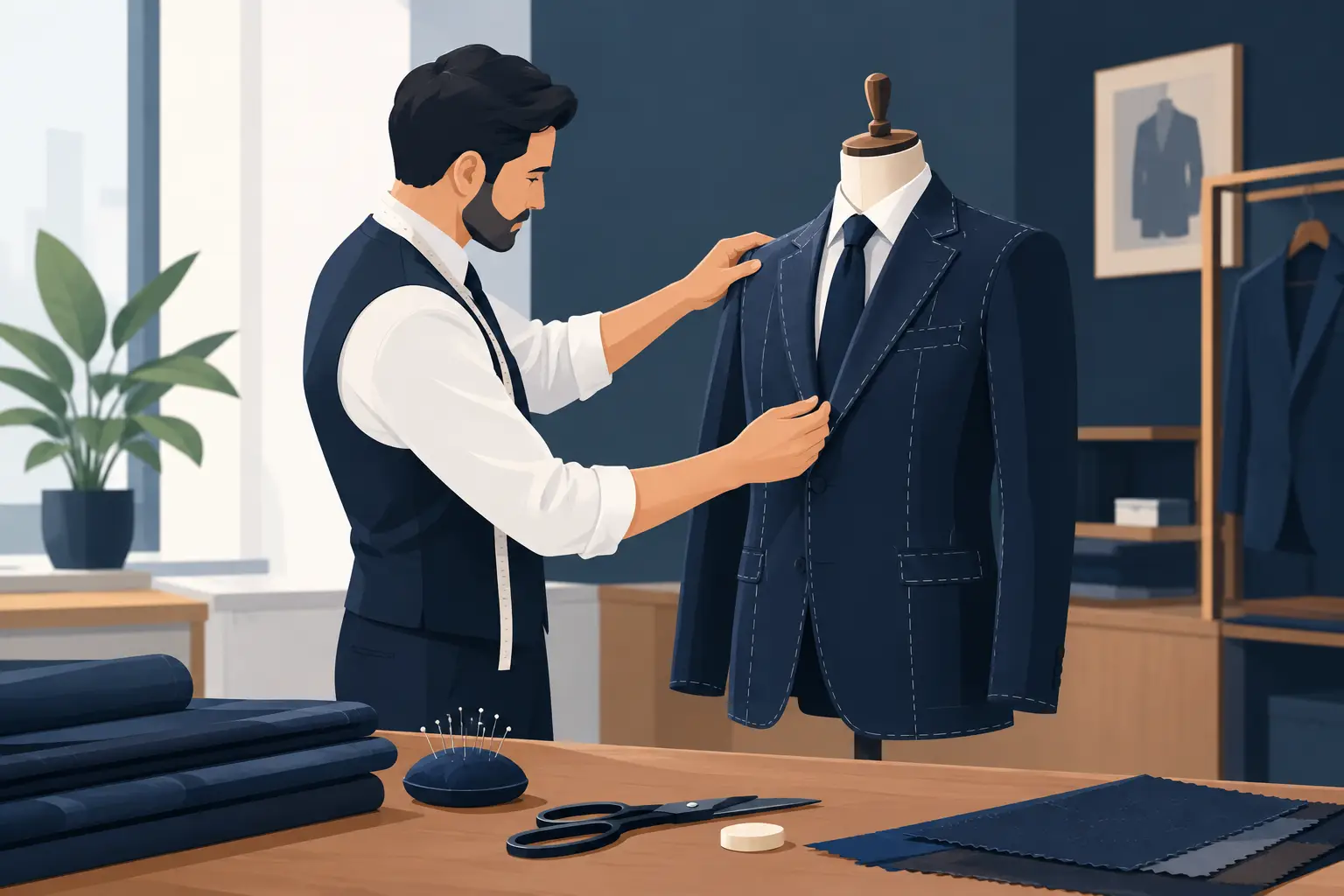
This is why alterations are valuable even when a ready-to-wear trouser appears close to correct. A skilled tailor can refine the hem, taper the leg, adjust the waist and improve the seat. However, alterations have limits. A trouser with a dramatically low rise, too little allowance through the thigh or pockets that sit in the wrong position cannot be transformed into a truly balanced garment.
For men who repeatedly encounter the same fit problems, bespoke trousers offer a more considered solution. At Manndiip, the pattern is shaped around the individual rather than asking the individual to adapt to a standard block. That includes the subtleties that ready-to-wear sizing overlooks: a prominent seat, athletic thighs, one hip sitting higher than the other, or a preferred stance that affects the trouser’s fall.
Build a trouser wardrobe with range
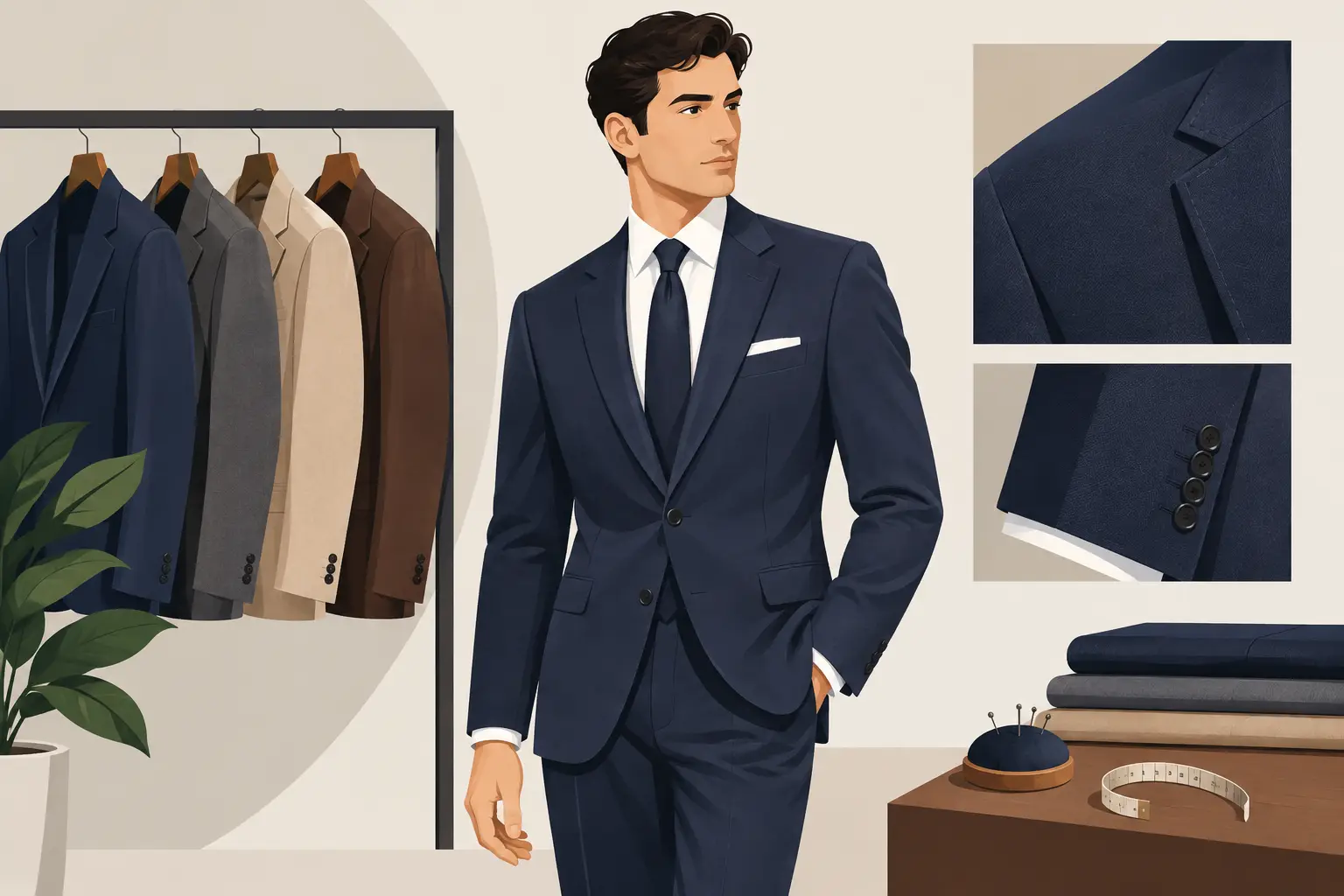
A thoughtful wardrobe does not require a dozen near-identical pairs. Begin with charcoal and navy tailored trousers for professional settings, then add a mid-grey flannel pair for softer seasonal texture. Stone or tobacco chinos provide a polished answer to smart-casual dressing, while dark olive, brown or navy corduroy introduces depth in cooler months.
For ceremonial dressing, choose trousers as part of the complete outfit rather than as an afterthought. A wedding suit should be considered alongside the shirt, shoes, jacket proportions and, where relevant, waistcoat. The goal is a silhouette that remains immaculate from the ceremony to the last photograph, not merely a pair of trousers that fit while standing still.
The right trousers should make you forget about constant adjustment. When the rise sits naturally, the leg falls cleanly and the hem meets the shoe with precision, height becomes an asset with real sartorial presence. Start with proportion, insist on movement as well as appearance, and let the finishing details carry the quiet confidence of clothes made properly.