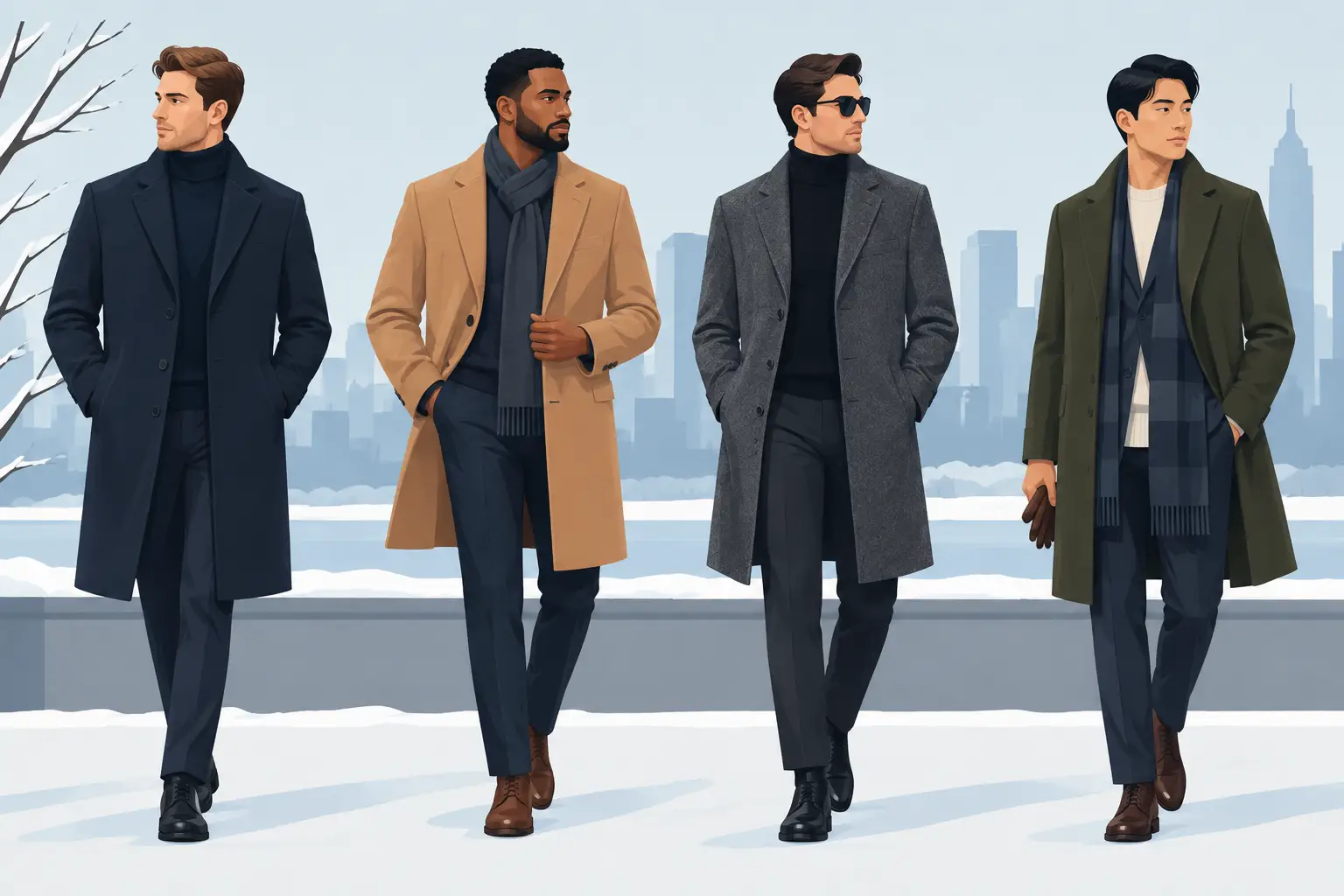
A fine overcoat has a particular kind of authority. It is the first garment seen when you arrive for a meeting, a wedding or dinner, and the last impression you leave in the cold evening air. The best men’s overcoat styles do more than provide warmth: they bring proportion, polish and purpose to everything worn beneath them.
For a man who invests in tailoring, an overcoat should never feel like an afterthought. Its shoulders must sit cleanly over a jacket, its length must complement the wearer’s frame, and its cloth must hold its shape through years of winter wear. The right choice depends on where you will wear it, what you will layer beneath it and how formal you need it to feel.
The Chesterfield: the formal benchmark
The Chesterfield is the definitive city overcoat. Usually single-breasted, knee-length or slightly longer, and cut with a restrained, elegant line, it is the natural companion to a business suit, dinner jacket or formal wedding attire. Its appeal lies in control: clean fronts, structured shoulders and a silhouette that lengthens the body without appearing severe.
Traditionally, the Chesterfield may feature a contrasting velvet collar, although a self-fabric collar gives the garment a quieter, more contemporary character. Black, charcoal and deep navy are enduring choices, particularly for men who attend formal occasions or spend their working week in tailoring. A dark navy Chesterfield is often the most versatile first overcoat – distinguished over grey flannel, refined with a navy suit and sophisticated over black eveningwear.
The trade-off is formality. A sharply tailored Chesterfield can look overly ceremonial with trainers, distressed denim or a heavily casual outfit. It excels when the rest of the wardrobe has a similarly considered foundation.
The polo coat: presence with ease
The polo coat brings more texture and character to cold-weather dressing. Originating from coats worn by polo players between chukkas, it is recognised by its double-breasted front, broad lapels, patch pockets, belted back and often a distinctive half-belt or martingale. Camel hair is its most iconic expression, though wool and wool-cashmere cloths offer greater everyday resilience.
This is an overcoat for men who want warmth and stature without the austerity of a black formal coat. The fuller shape works beautifully over a suit, but it is equally convincing with knitwear, tailored trousers and fine leather boots. A rich camel polo coat adds light to a winter wardrobe dominated by navy, charcoal and brown.
Because it has more volume, proportion is essential. A shorter man may benefit from a slightly reduced skirt and carefully positioned belt, while a taller man can carry a longer, more generous cut. The coat should drape rather than pull across the chest when buttoned. Excess cloth is not elegance; well-managed fullness is.
The double-breasted overcoat: tailored authority
Among men’s overcoat styles, the double-breasted model is the strongest statement of sartorial confidence. Its overlapping front creates warmth, shape and a powerful V through the chest. When cut correctly, it broadens the shoulder line and draws the eye inward towards the waist, producing a commanding silhouette.
A six-button configuration with two working buttons is a classic choice, though button stance and lapel width should be adjusted to the wearer rather than copied from a photograph. Peak lapels intensify the formal presence; wider notch lapels offer a more understated route. Deep navy, dark brown, charcoal and subtle herringbone are excellent cloth choices because they retain their depth while allowing the construction to show.
This style particularly suits men who wear tailoring regularly and appreciate a more sculpted profile. It can be less forgiving if bought off the peg, however. The wrong button position can shorten the torso, while excess width in the chest makes the coat look borrowed rather than bespoke. Precision in the shoulders, collar and waist is what turns a double-breasted overcoat into an asset.
The single-breasted overcoat: modern versatility
For most wardrobes, a single-breasted overcoat is the most adaptable option. It is easier to wear open, sits comfortably over a suit and transitions naturally from the office to a weekend lunch. Whether it has three buttons, a concealed placket or a fly front, the essential quality is a clean, uninterrupted line.
A single-breasted coat in navy or charcoal offers remarkable range. Worn over a crisp business suit, it maintains a professional silhouette without competing with the jacket beneath. Over a roll neck, dark denim and Chelsea boots, it feels considered rather than over-dressed. For a first custom overcoat, this is often the wisest starting point.
Look closely at lapels and pockets. Notch lapels keep the design versatile, while slanted welt pockets introduce a little more energy. Flap pockets feel traditional and practical; jetted pockets are sleeker but less useful in wet or wintry conditions. Details should support how you live, not merely how the coat appears on a hanger.
The car coat: refined practicality
The car coat is shorter than a traditional overcoat, typically finishing around mid-thigh. Its origins are functional, designed to offer coverage without the restriction of a longer hem while driving. Today, it remains a polished option for commuting, travel and smart-casual wardrobes.
Its shorter length makes it especially useful for men who do not wear suits every day. Layer it over a merino knit, tailored chinos or dark selvedge denim, and it delivers structure without the formality of a full-length coat. A concealed fastening, shirt-style collar or simple stand collar can make the design feel clean and contemporary.
The compromise is coverage. A car coat will not protect a suit jacket or trouser seat from rain as effectively as a knee-length overcoat, and it can look slightly abrupt over longer tailoring. It is best viewed as an elegant outer layer for an active city routine, rather than a replacement for a formal overcoat.
Fabric determines how the coat performs
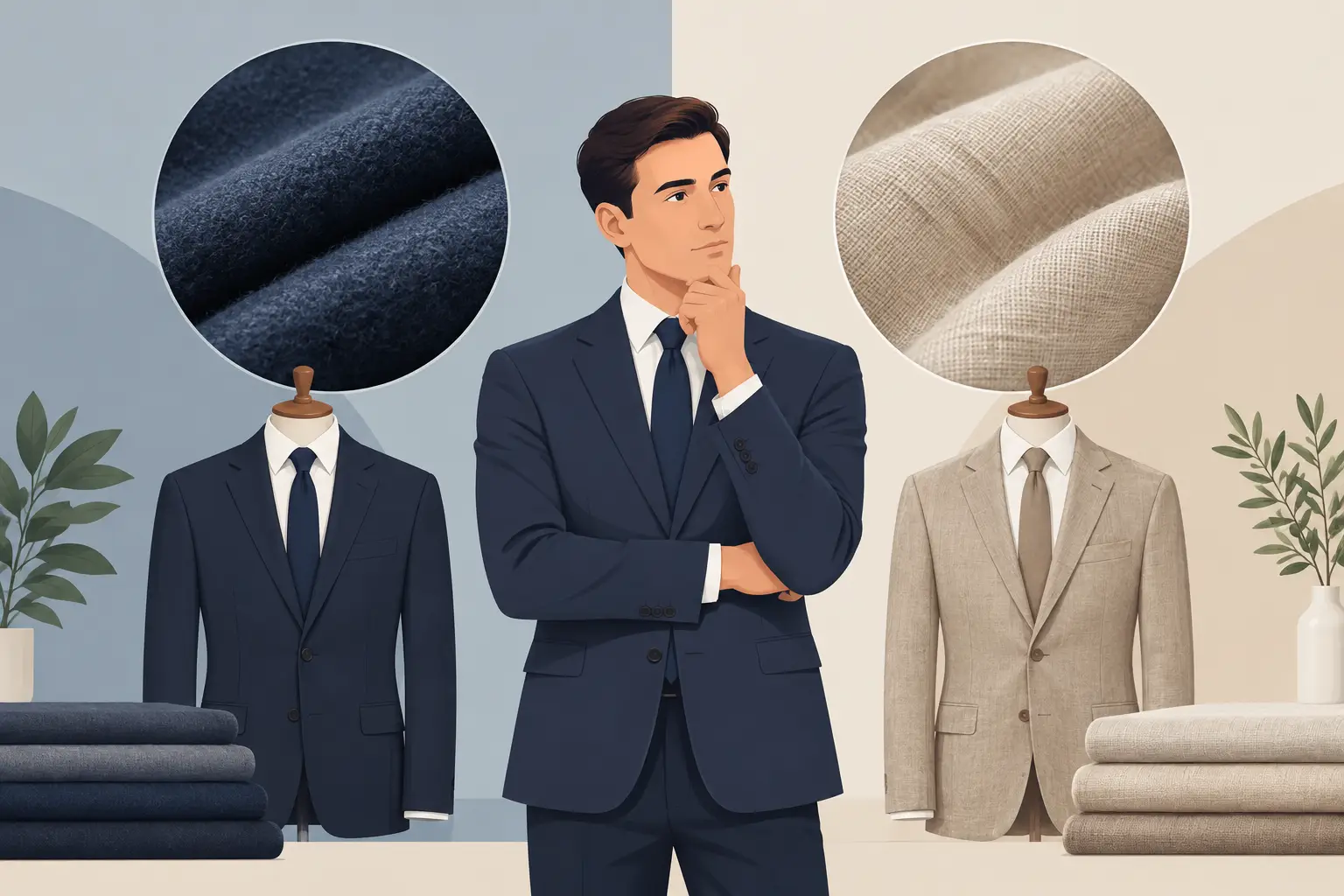
Style establishes the visual language, but cloth determines how an overcoat lives. Pure wool provides durability, natural insulation and a crisp tailored handle. Cashmere adds softness and lustre, though a high-cashmere cloth requires more mindful wear and care. Wool-cashmere blends often offer the most practical balance for frequent use.
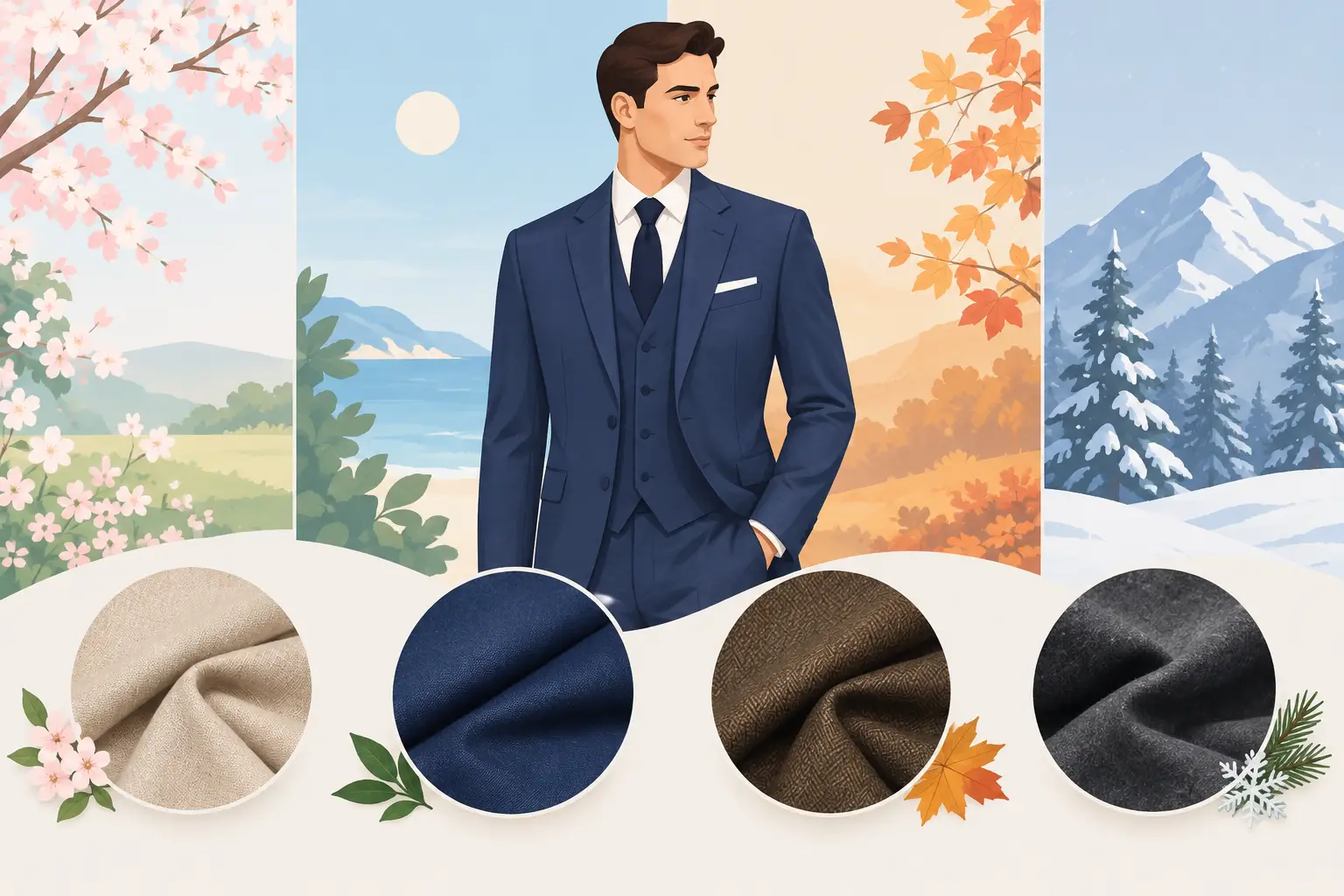
For a formal coat, smooth melton, covert cloth or fine twill creates a composed surface. For a more expressive wardrobe, herringbone, donegal fleck and subtle checks introduce texture without compromising sophistication. Heavy cloth is not automatically better. A dense 500-gram wool may be excellent for bitter weather, but less useful for London commuting, heated trains and long days indoors. The most successful choice reflects the climate and your daily movement.
Colour deserves equal consideration. Navy is versatile and flattering under artificial light. Charcoal reads formal and reserved. Camel brings warmth and distinction, while dark brown pairs exceptionally well with blue tailoring, cream knitwear and country-inspired textures. Black remains correct for evening and ceremonial wear, but can feel stark as an everyday option unless the wardrobe is predominantly formal.
Why fit matters more in an overcoat
An overcoat has to accommodate layers without losing its line. That balance cannot be achieved simply by buying a larger size. A coat cut too large drops from the shoulders, collapses at the chest and makes the wearer appear smaller. One cut too close restricts the arms, pulls across the back and crushes the jacket beneath it.
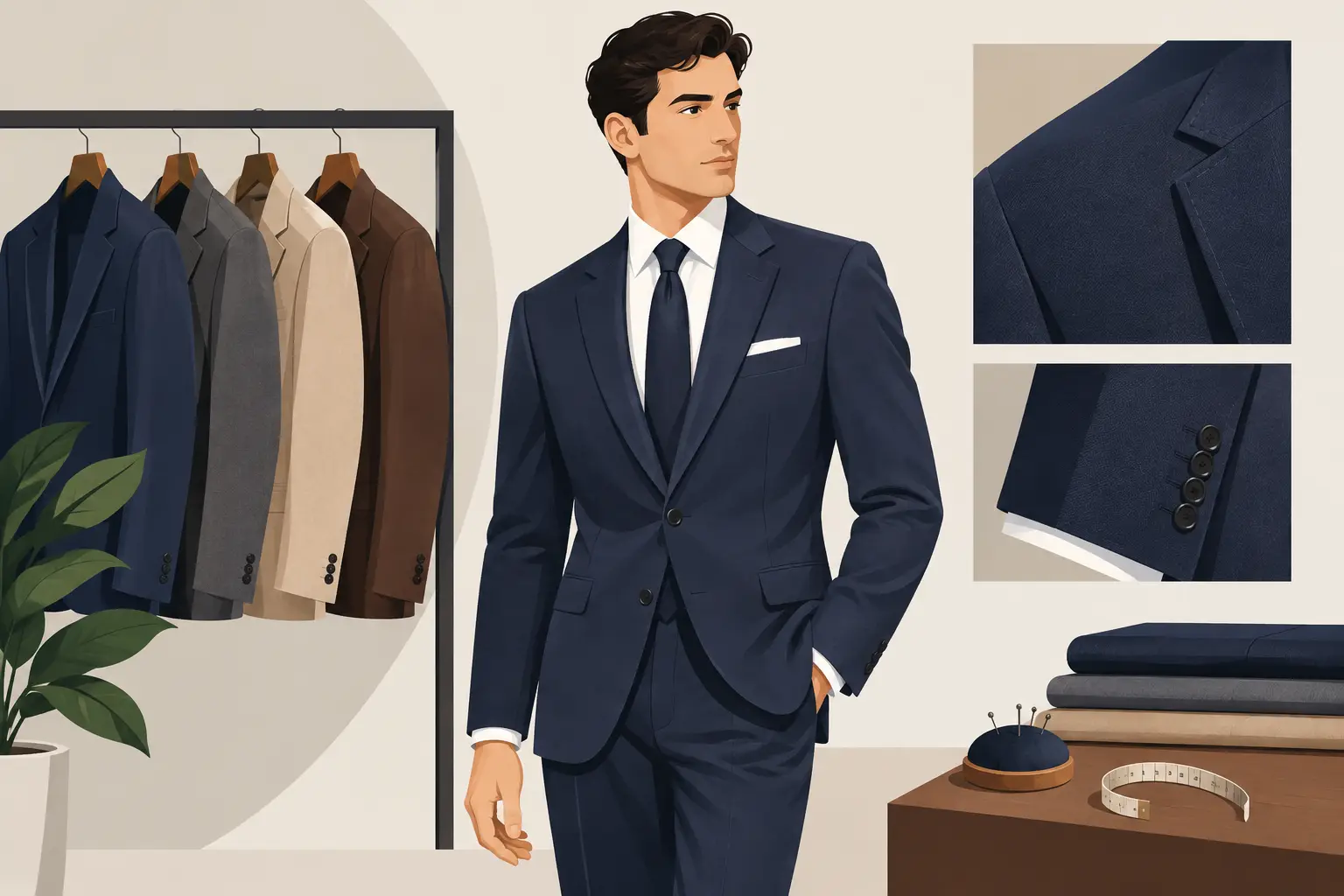
The shoulder is the first point to assess. It should extend just beyond your natural shoulder, allowing room for a jacket without creating a padded or sagging edge. The collar should sit close to the neck, with no visible gap. Sleeves should cover the jacket cuff and finish near the base of the thumb, while the hem should generally fall around the knee for a classic overcoat.
Construction also matters. A properly canvassed chest and carefully shaped collar help the coat retain its posture over time. Hand-finished buttonholes, balanced lining and thoughtfully placed internal pockets may seem secondary, yet they are precisely the details that make a garment feel composed every time it is worn.
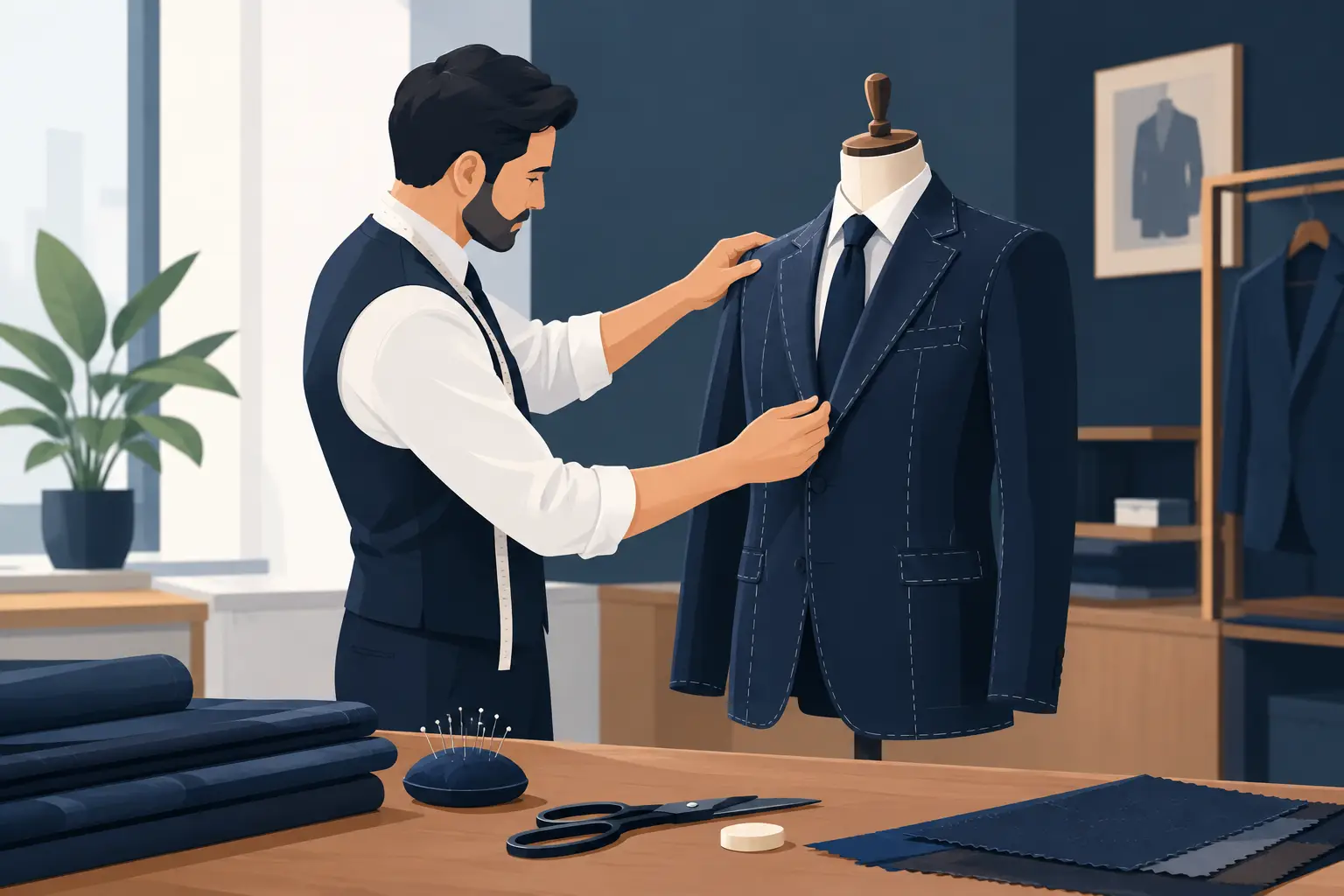
A bespoke consultation allows those decisions to be made around your build and your routine. At Manndiip, the aim is not simply to produce a handsome overcoat, but to create one that belongs naturally to the man wearing it – over his preferred suits, within his colour palette and through the occasions that define his calendar.
Choose an overcoat with enough restraint to outlast seasonal fashion, then give it one personal detail that feels entirely your own: a richer cloth, a distinctive lining, a velvet collar or an impeccably shaped double-breasted front. Winter dressing becomes far more compelling when the garment that protects you also expresses you.