A suit can look impressive on the hanger and still feel entirely wrong once you move through a working day, raise a glass at a wedding, or sit down to dinner. The right bespoke suit questions move the conversation beyond colour and price. They reveal how a garment will sit on your shoulders, complement your proportions, and carry the quiet authority you want it to project.
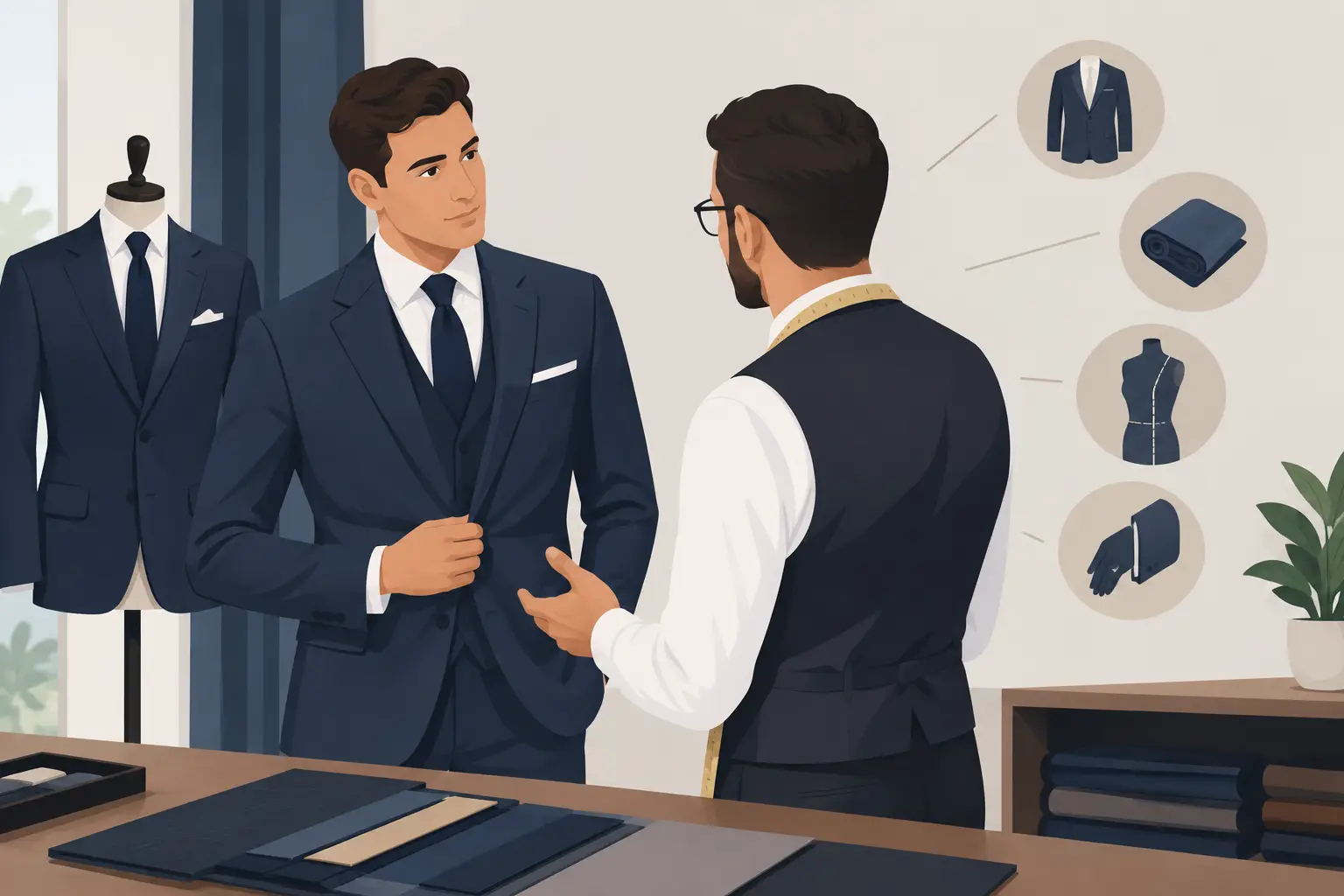
A bespoke commission is not simply an order for a suit. It is a series of considered decisions, guided by a cutter who understands cloth, balance and the individual in front of them. Asking intelligent questions at the outset helps ensure those decisions are yours for the right reasons.
Bespoke suit questions about fit and posture
The first question should be simple: how will this suit be cut for my body, rather than an average body? Every man has a distinct stance. One shoulder may sit slightly lower; the chest may be more developed on one side; the back may be particularly erect or rounded. These are not flaws to disguise. They are physical realities that an accomplished tailor reads and accommodates.
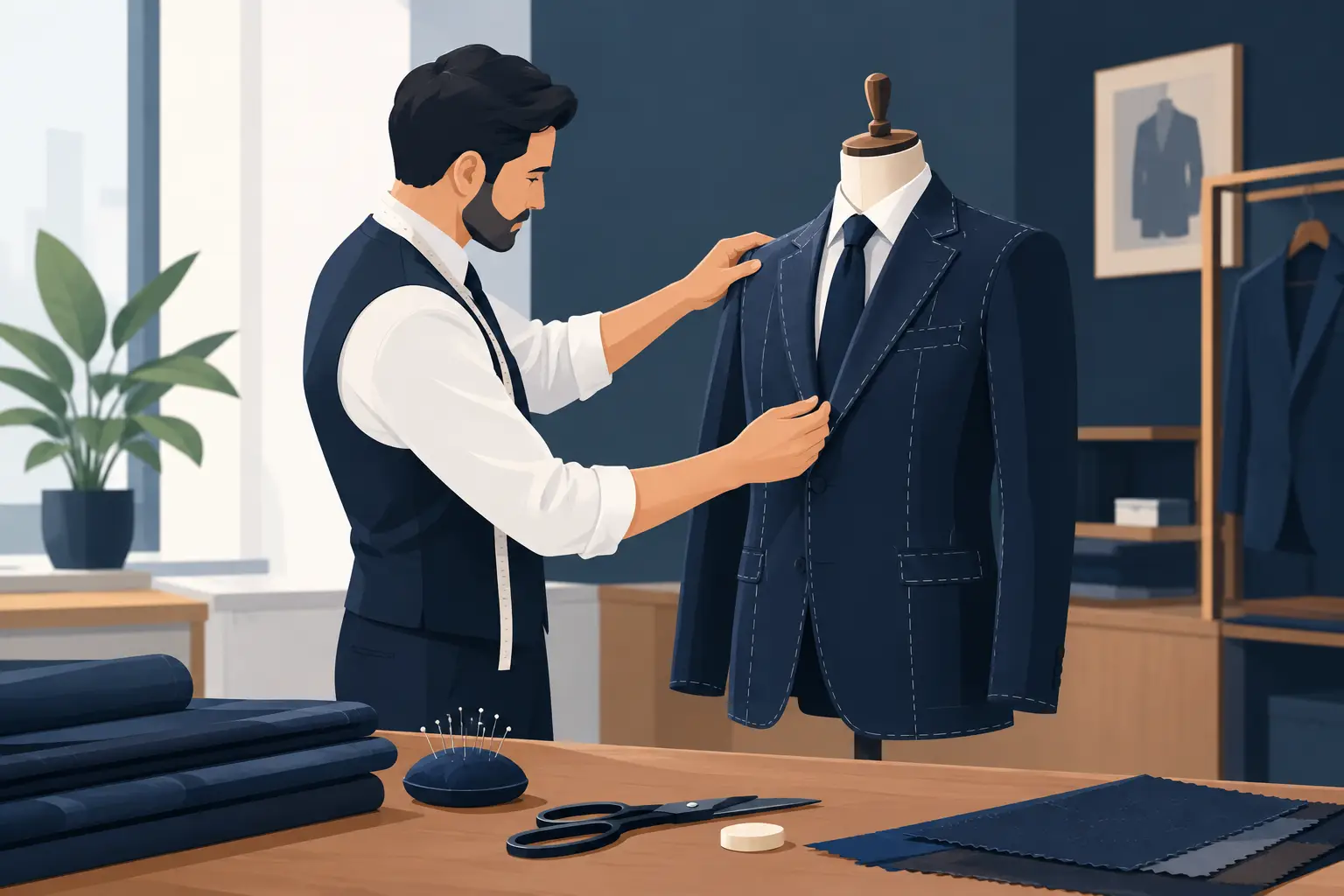
Ask how your posture will be assessed and what happens after the first fitting. A suit that is genuinely made from scratch has scope for refinement through its fitting stages. The collar should sit cleanly against the neck, the chest should be comfortable without excess cloth, and the jacket should maintain its line whether you are standing, walking or seated.
It is also worth asking where you prefer to feel ease. Some clients want a close, sculpted silhouette; others need more room through the chest, seat or thighs for commuting, driving or a long day of meetings. Neither preference is inherently better. The distinction lies in creating ease deliberately, rather than accepting it as a compromise.
What silhouette will suit me best?
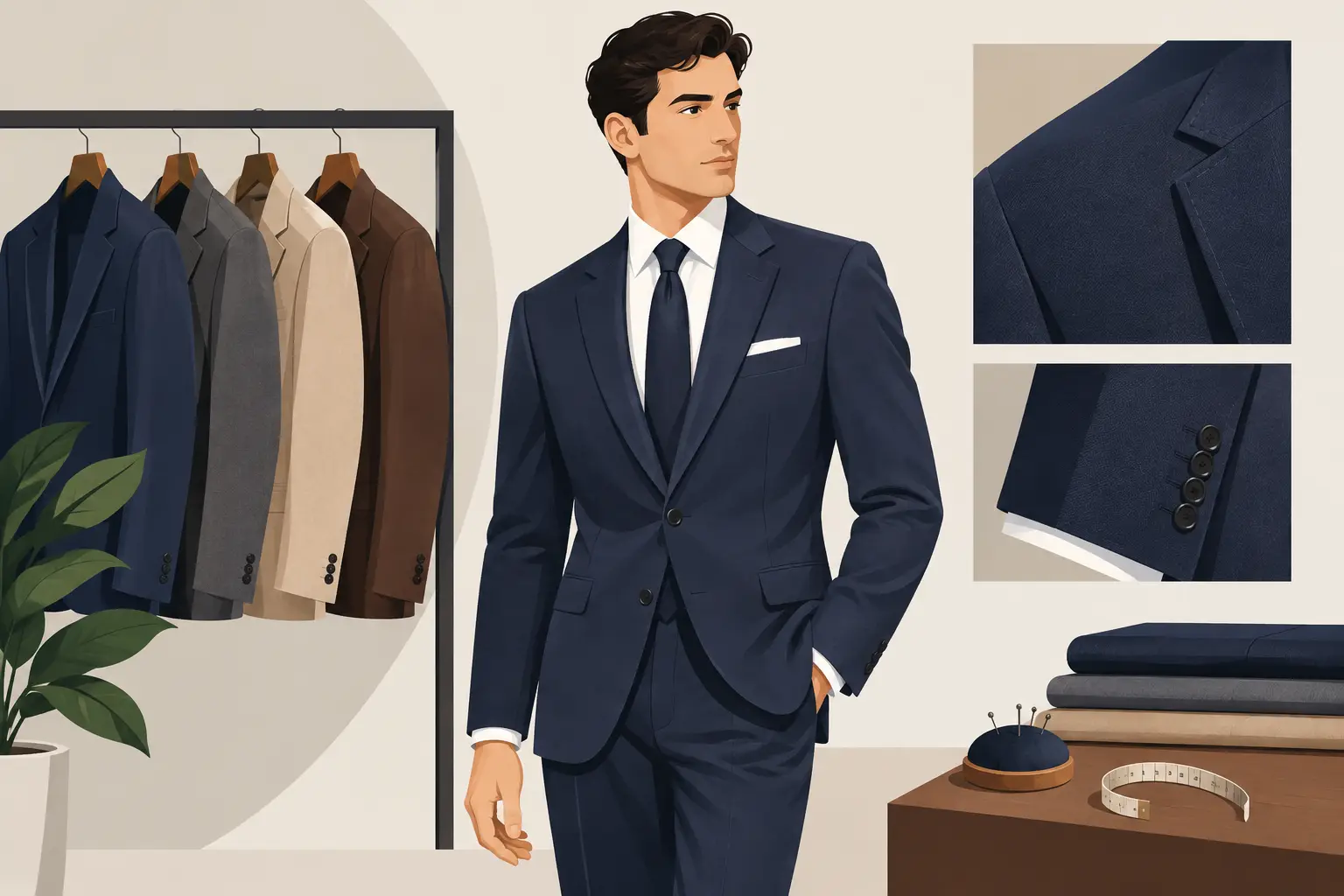
A skilled cutter should explain the relationship between your proportions and the jacket shape. A more structured shoulder can lend presence to a narrower frame. A softer shoulder may feel more relaxed and natural, particularly in a country cloth or a less formal business suit. Suppression at the waist, lapel width, jacket length and trouser rise all influence balance.
Be cautious of asking for a fashionable cut without considering longevity. A sharply shortened jacket or very narrow trouser can date quickly and may not serve the occasion. A well-judged bespoke suit need not be conservative, but it should make you look composed rather than costume-like.
Questions to ask about cloth and construction
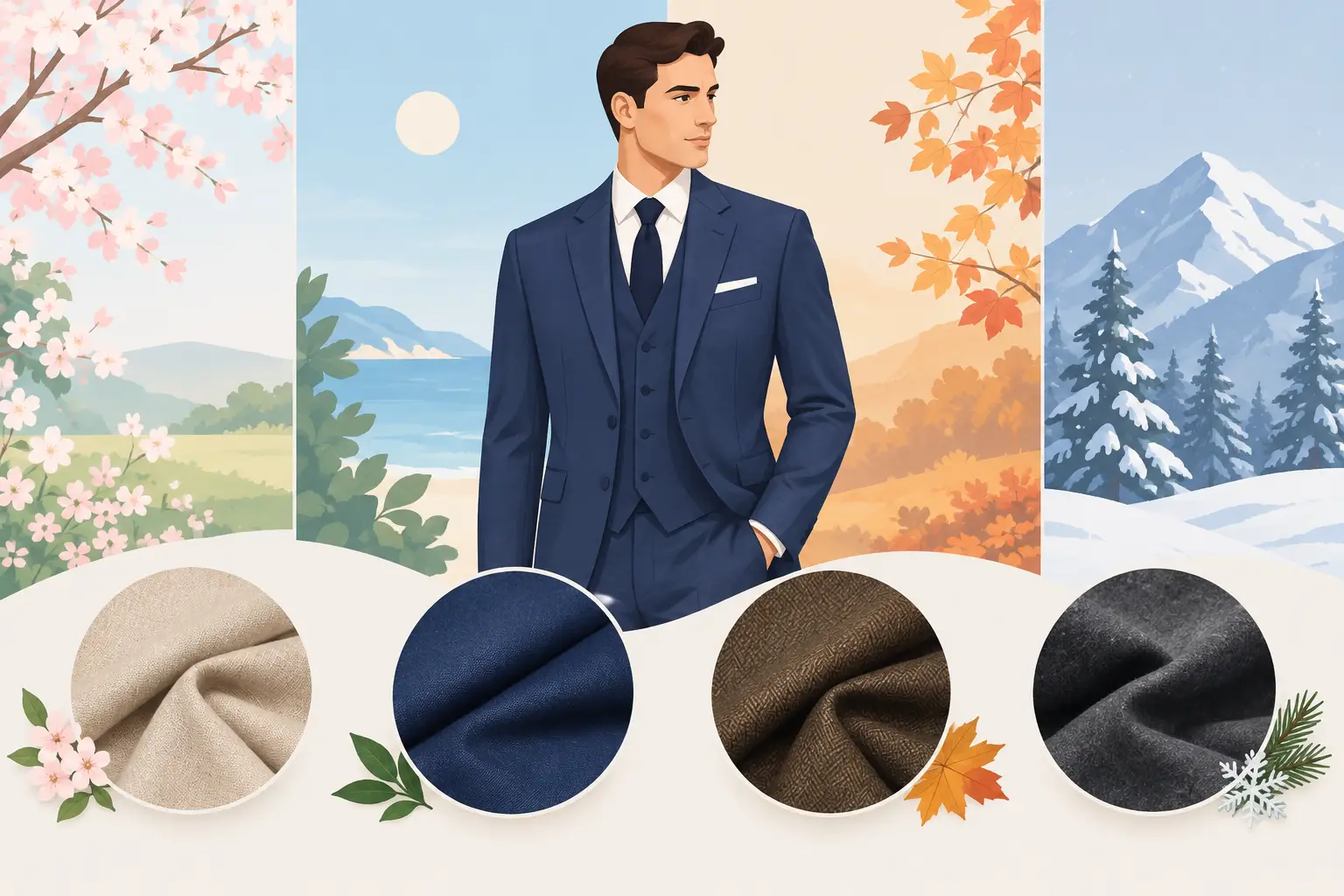
Cloth is the first thing people see, but its performance is what you will remember. Ask which fabrics suit the purpose of the garment. For frequent business wear, a resilient wool with a practical weight and subtle texture may be more useful than a delicate, high-twist cloth chosen only for its handle. For a summer wedding, breathability matters, but so does how the cloth creases and photographs.
Ask to compare fabrics in natural light if possible. Navy can lean inky, bright or almost black depending on the weave and setting. Grey may read crisp and metropolitan or soft and understated. Texture changes the message too: a smooth worsted is polished and formal, while hopsack, flannel and tweed bring depth and character.
A useful question is: how will this cloth wear over time? The answer should account for your lifestyle. If you travel regularly, a fabric with recovery is valuable. If you spend much of the day seated, consider durability at the seat and behind the knees. A wedding suit can accommodate more expressive cloth because it has a different job from a suit worn three times a week.
Construction deserves equal attention. Ask whether the jacket is fully canvassed, half canvassed or fused, and why that construction has been recommended. Canvas allows the jacket to mould gradually to the wearer and gives the chest a more natural roll. It is an investment in shape and longevity. That said, the best choice depends on the intended garment, cloth weight and how often it will be worn. A technical explanation should always lead back to how the suit will feel and perform for you.
Bespoke suit questions for your occasion
The most elegant suit is one that understands the room it is entering. Before discussing lapels or lining, ask what the garment needs to achieve. Is it for boardroom credibility, a civil ceremony, black-tie reception, winter race day or an entire wedding weekend? The answer changes the appropriate level of formality and personality.
For business, the aim is usually quiet confidence. A navy or charcoal suit with a considered shoulder line, a flattering trouser cut and restrained details will work harder than an overly elaborate design. If you already own dependable dark suits, a mid-grey, brown or textured blue option can widen the wardrobe without weakening its coherence.
For a wedding, ask how the suit will relate to the venue, season and your partner’s styling. A three-piece suit may offer ceremony and presence, yet it can feel too warm for a midsummer celebration. A double-breasted jacket can be striking, but it needs to suit both your proportions and the formality of the day. The goal is distinction, not distraction from the occasion.
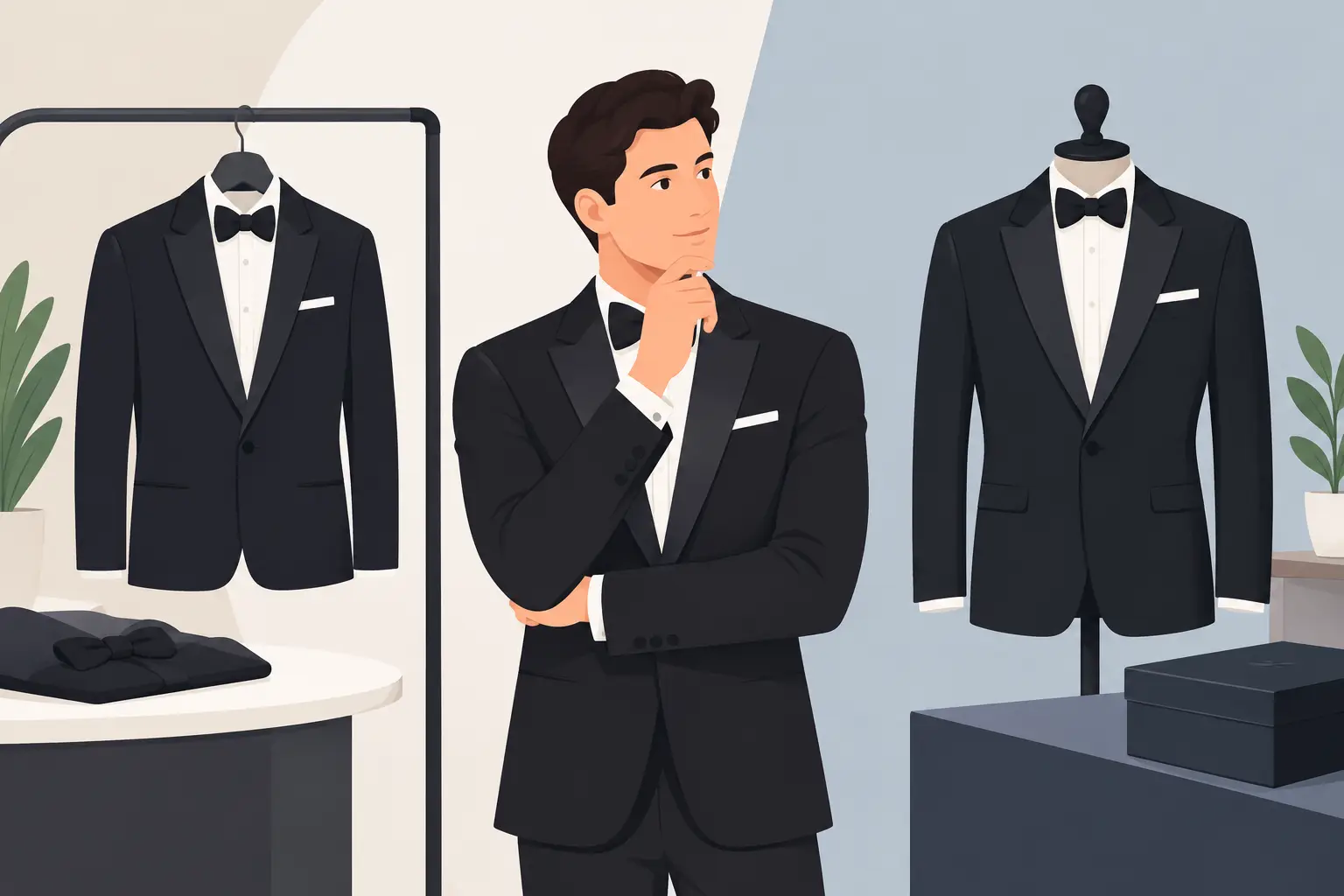
For formalwear, clarify the dress code rather than relying on assumptions. Black tie, dinner suit and tuxedo are often used interchangeably, but the details matter: the facing, trouser braid, shirt, footwear and bow tie should work as a complete composition. This is an area where precision reads immediately.
Details that make the suit yours
Personalisation is most convincing when it is purposeful. Ask which details will enhance the garment rather than merely announce themselves. Lapel shape should complement your face and chest. Pocket style should suit the formality of the jacket. Button stance can subtly lengthen the torso or alter the jacket’s visual balance.
A distinctive lining, monogram or coloured buttonhole can be a pleasure, especially in a wedding or evening garment. But it should feel like a private signature, not a feature competing with the suit’s line. The same applies to contrast stitching and bold trims. Understated tailoring often has the most enduring impact because the quality is felt before it is noticed.
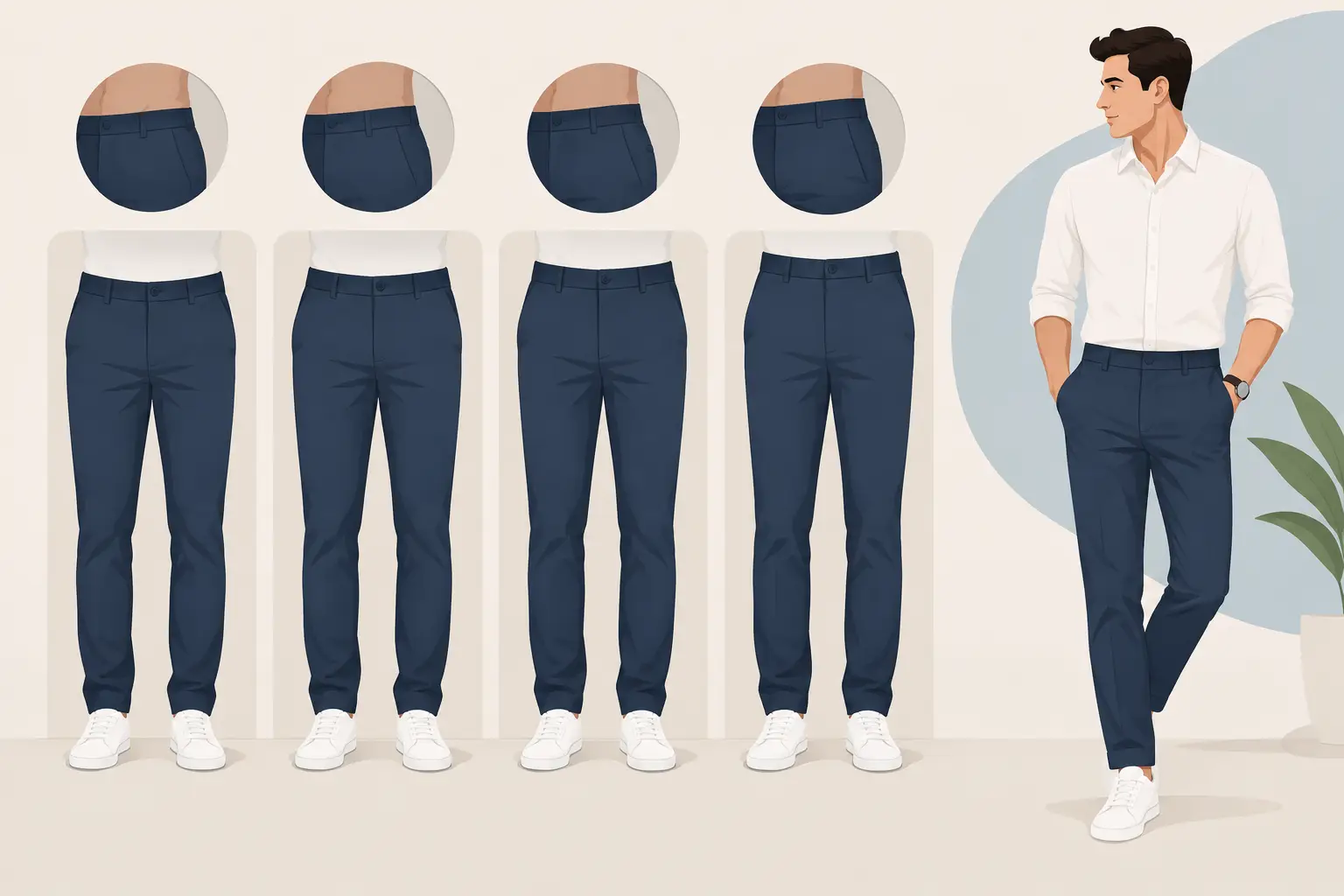
Trouser decisions deserve the same care as the jacket. Ask about the rise, pleats, side adjusters, turn-ups and taper. Higher-rise trousers can create a cleaner connection between jacket and trouser, particularly for a man who values a classic, lengthened silhouette. Pleats offer comfort and shape, yet need not look old-fashioned when proportioned properly. The right choice is determined by build, style and use, not a rulebook.
Practical questions about process and care
A clear commissioning process is a mark of good service. Ask how many fittings are anticipated, when you will first try on the garment, and what alterations remain possible once it is complete. You should leave the consultation knowing what will happen next and why.
It is sensible to ask about lead times early, particularly for weddings and significant events. Allow room for fittings and final refinements rather than treating the suit as a last-minute purchase. The final weeks before an occasion are for confidence, not uncertainty.
Care is another worthwhile subject. Ask how to hang the suit, when to brush it, and how often it genuinely needs dry cleaning. Excessive cleaning can shorten the life of fine cloth. Resting a suit between wears, using a proper hanger and addressing small repairs promptly will preserve its shape and finish.
Finally, ask whether the suit can become the foundation of a wider wardrobe. At Manndiip, a first commission often clarifies what a client values most – a particular shoulder line, trouser shape or degree of formality – making later shirts, overcoats and occasion pieces more assured. Bespoke is at its best when it develops a recognisable personal style rather than creating isolated purchases.
The most valuable question may be the least technical: will I feel like myself in this? A meticulously crafted suit should sharpen your presence without asking you to perform a version of someone else. When fit, cloth and character align, you do not think about the suit throughout the day. You simply stand differently in it.