A suit should never feel like a costume borrowed for the occasion. The most compelling menswear tailoring trends are not asking men to abandon elegance for novelty. They are refining the familiar: a cleaner shoulder line, a more considered trouser shape, cloth with genuine character, and details chosen to reflect the man wearing them. The result is tailoring that looks authoritative in a boardroom, assured at a wedding and entirely at home after the formalities have ended.
For the modern gentleman, the question is not whether to follow every seasonal shift. It is how to use contemporary ideas to build a wardrobe with presence, longevity and impeccable fit.
Menswear tailoring trends are becoming more personal
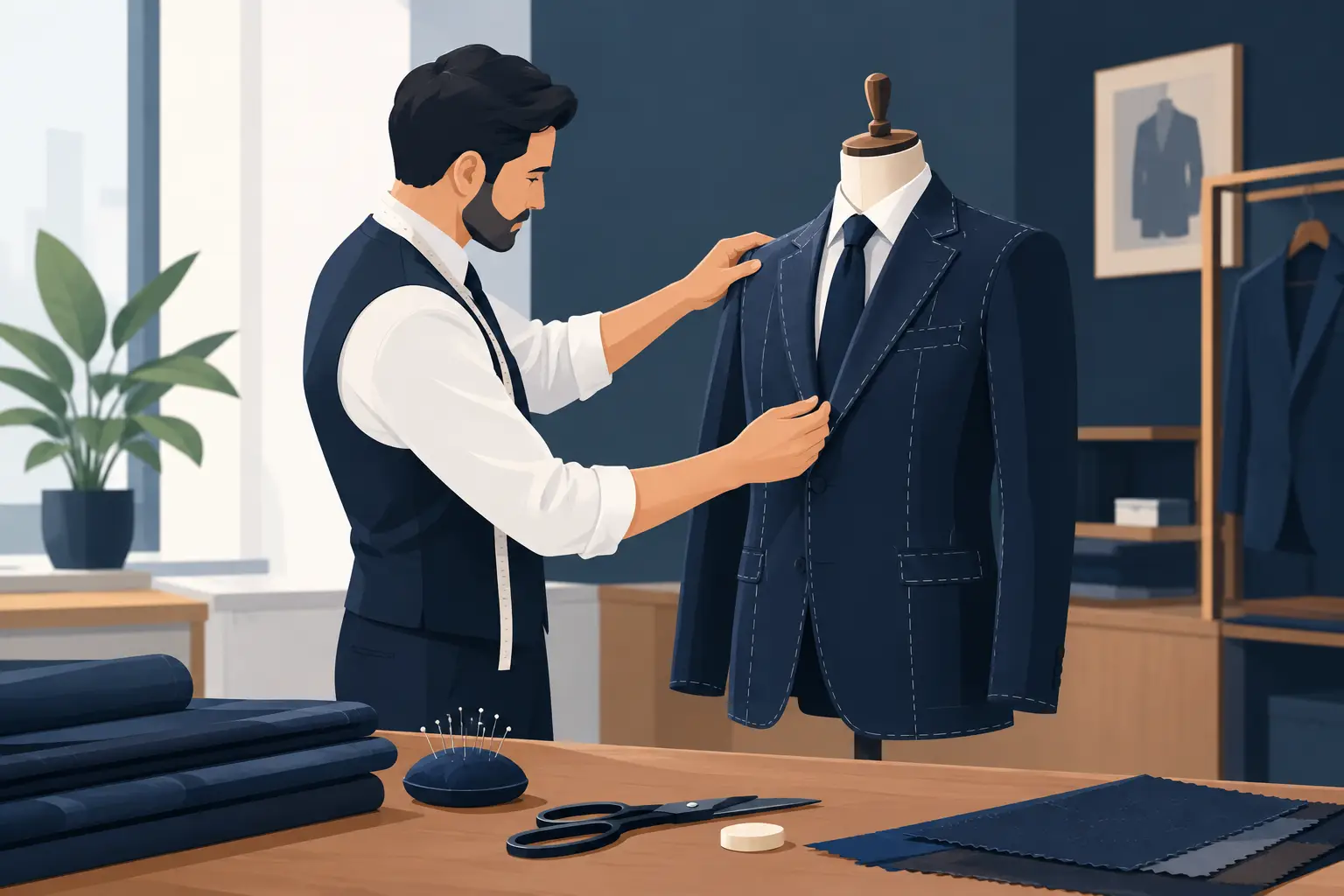
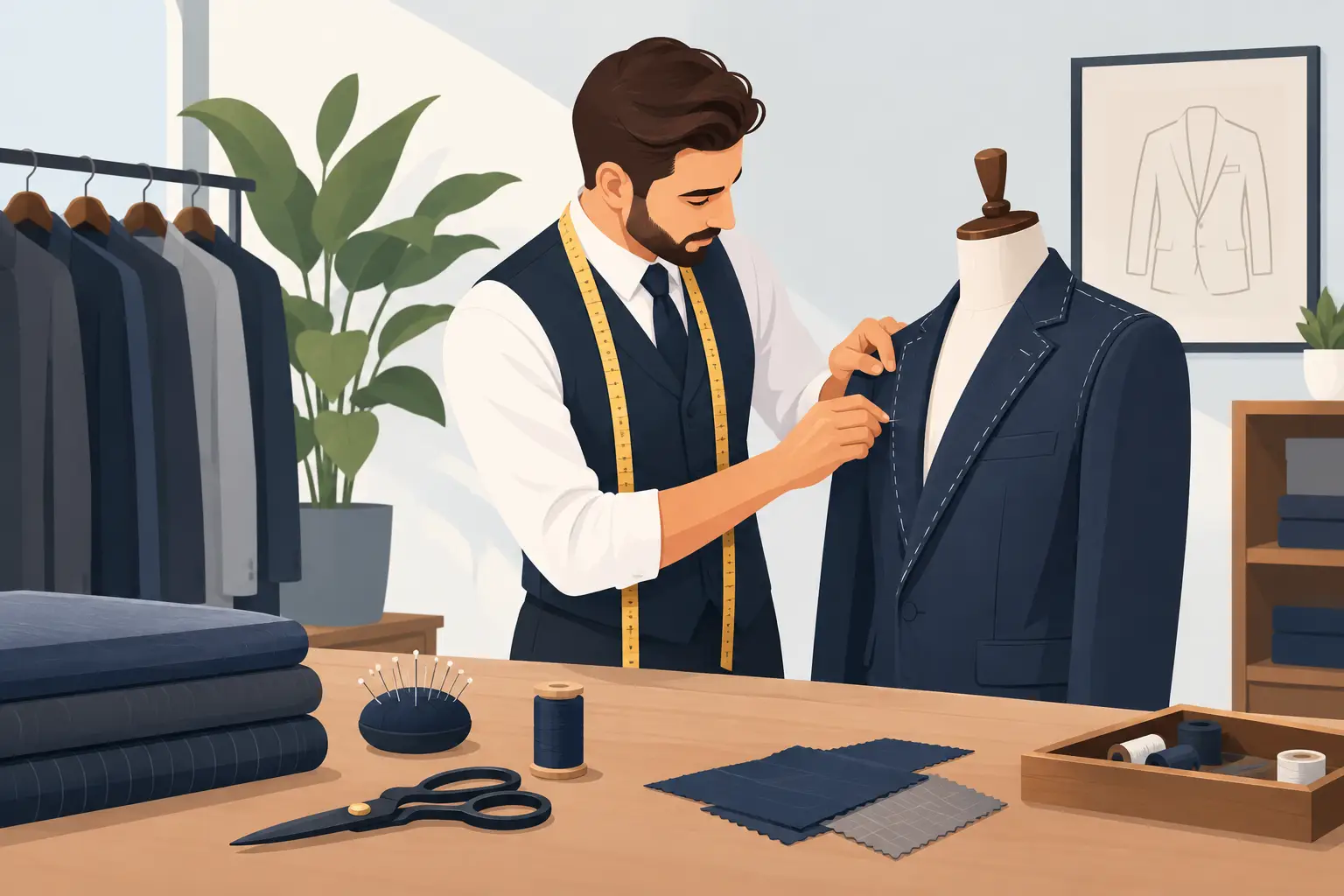
The strongest movement in tailoring is away from uniformity. Ready-to-wear has taught many men to accept a narrow set of proportions: short jackets, overly slim trousers and minimal room to move. Bespoke and made-to-measure tailoring offer a more intelligent alternative, beginning with the individual rather than a standardised block.
A well-cut jacket follows the natural slope of the shoulders, sits cleanly through the chest and gives the waist shape without restriction. Trouser fullness is calibrated to height, build and the intended setting. This is not about chasing a dramatic silhouette. It is about creating balance.
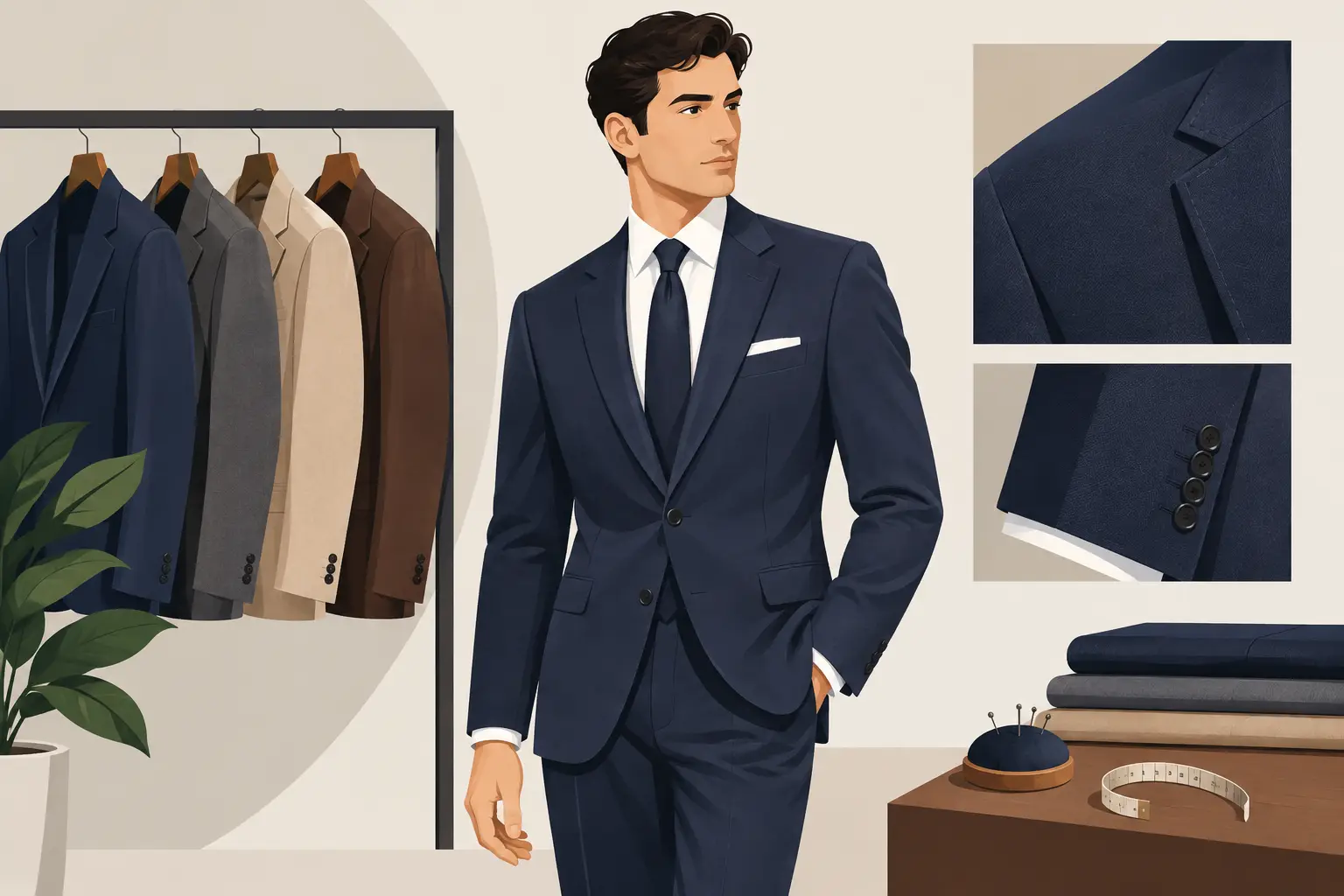
Personalisation now goes beyond choosing a lining or monogram. Clients are considering lapel width, pocket style, button stance, cloth weight and the degree of structure in the chest. These choices alter how a garment communicates. A softly constructed jacket in an open-weave wool may feel relaxed and continental; a sharper, more structured suit in a fine worsted projects formality and command. Neither is inherently better. The right answer depends on where the suit will be worn and how its owner wishes to be perceived.
Softer structure, not less precision
Unstructured tailoring continues to appeal, particularly for men who want polish without stiffness. But softer construction should not be confused with careless construction. The best examples retain shape through precise pattern cutting, thoughtful canvas work and a disciplined fitting process.
A lightly padded shoulder can create an elegant, natural line, while a softer chest allows the jacket to move more freely with the body. This is especially effective in business-casual environments, destination weddings and social wardrobes where a rigid city suit can feel out of place.
There is a trade-off. A very soft jacket will not deliver the same formal presence as one with a defined shoulder and more built-up chest. For a major presentation, black-tie event or traditional ceremony, a little more structure often lends the wearer the confidence and stature the moment demands. The sophistication lies in selecting construction with purpose, rather than treating one style as a universal solution.
The return of room through the trouser
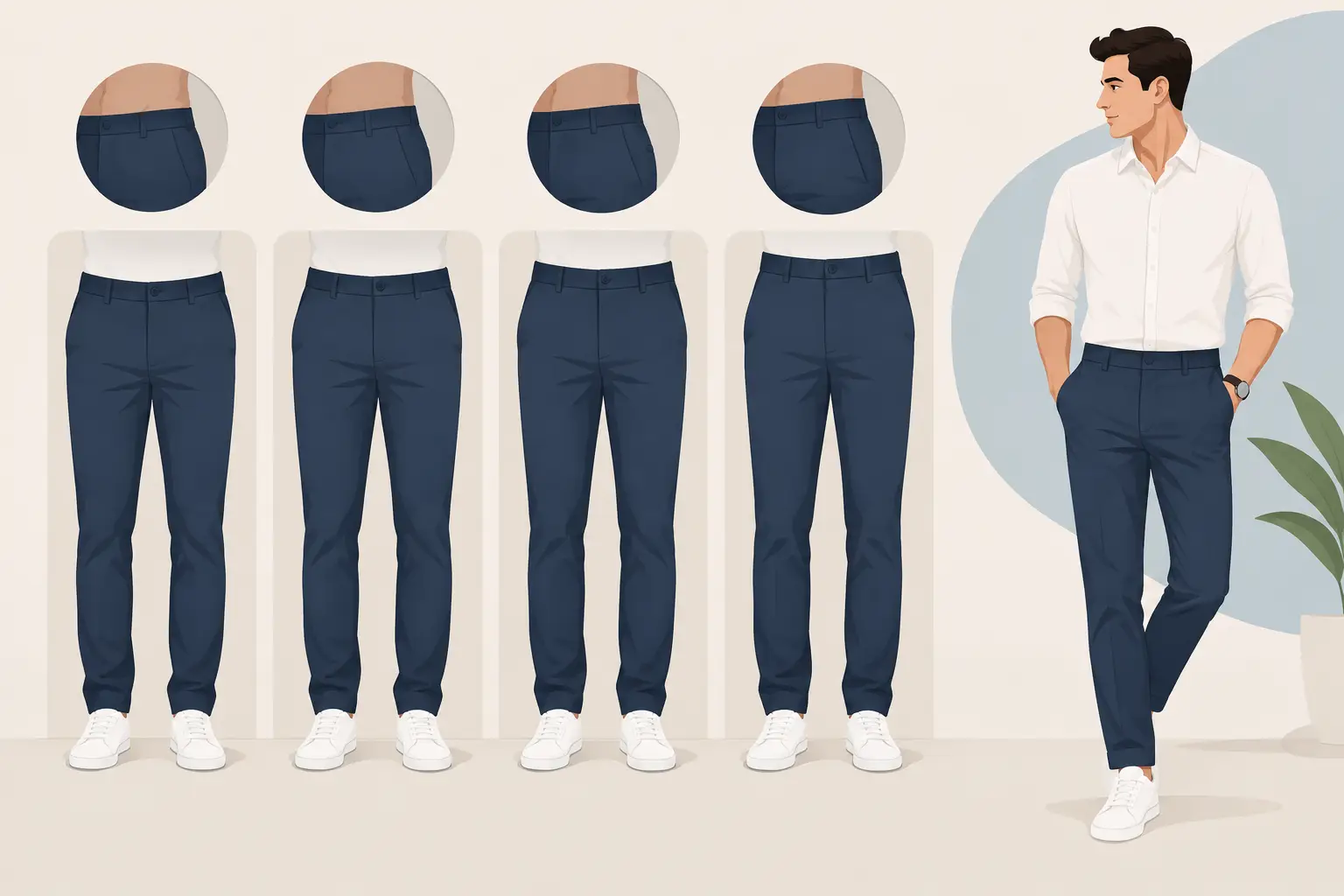
Trousers are moving away from the painted-on look. A fuller line through the thigh, a higher rise and a more deliberate break are increasingly central to a well-proportioned suit. Pleats have returned as a practical and elegant option, offering comfort and movement while giving the front of the trouser more visual depth.
This does not mean every man needs wide-legged trousers. A neat flat-front design remains excellent for many builds and occasions. What matters is avoiding excessive tightness through the seat and thigh, which distorts the drape of the cloth and shortens the visual line of the leg.
A higher rise is particularly valuable in bespoke tailoring. It positions the waist correctly, allows the jacket and trousers to work together and creates a more composed silhouette. Paired with side adjusters or discreet braces, it can look considered without becoming theatrical.
Texture is taking the lead
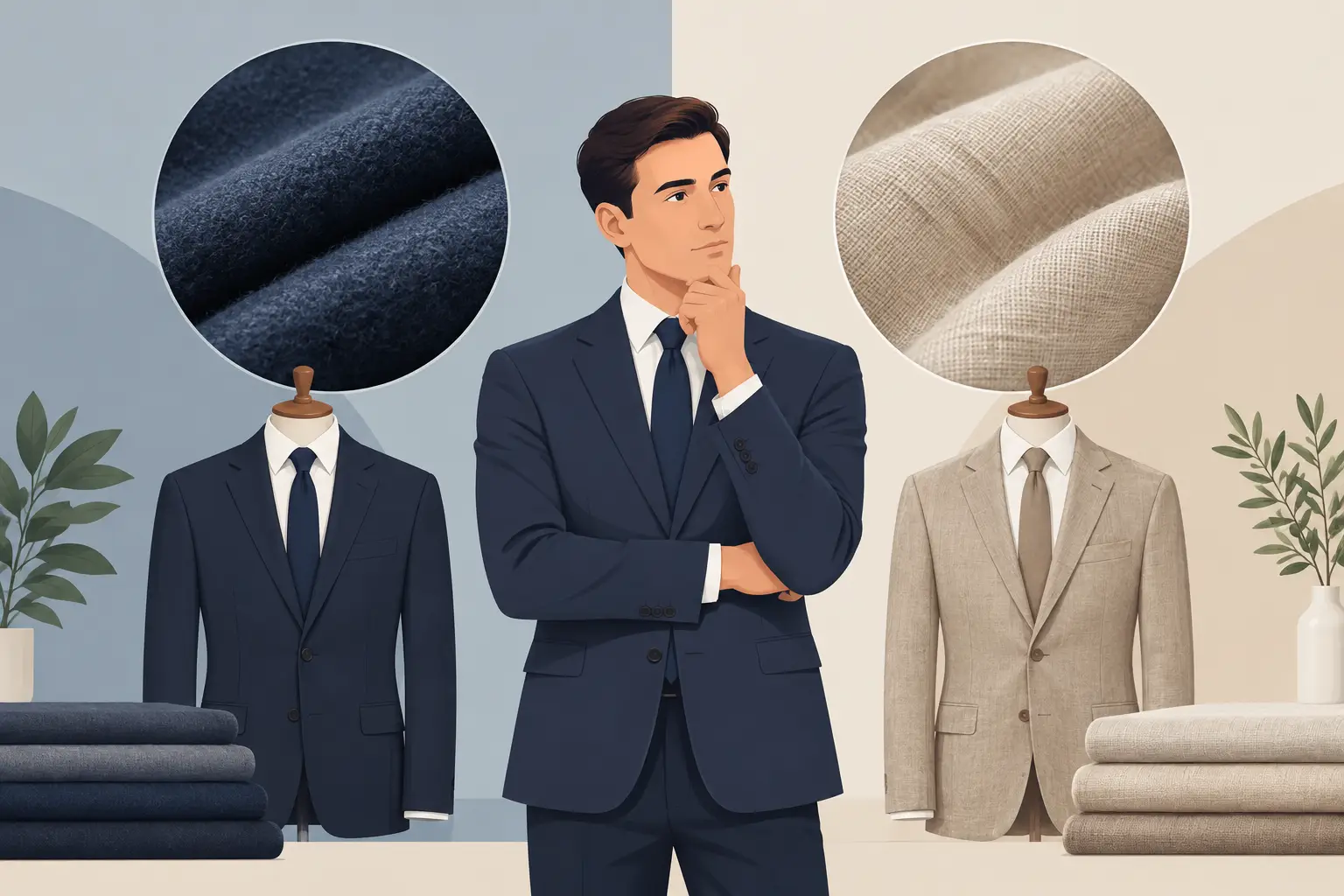
Smooth navy and charcoal suits will always earn their place, particularly in professional wardrobes. Yet texture is becoming the clearest way to add distinction without relying on loud colour or conspicuous pattern. Fresco wool, hopsack, cavalry twill, flannel, brushed twill and carefully selected tweeds introduce depth that reveals itself gradually in natural light.
For business, mid-blue hopsack or a charcoal high-twist wool offers versatility with more character than a flat, polished finish. These cloths can hold their shape through a working day and pair effortlessly with crisp cotton shirts, knitwear and restrained accessories.
For weddings and social occasions, rich texture can make a suit feel memorable in photographs and in person. A warm tobacco, deep olive, muted teal or refined stone cloth can be exceptionally elegant when the cut is precise. The key is restraint. If the fabric has a pronounced weave, the shirt, tie and pocket square should support it rather than compete for attention.
Country cloths with an urban purpose
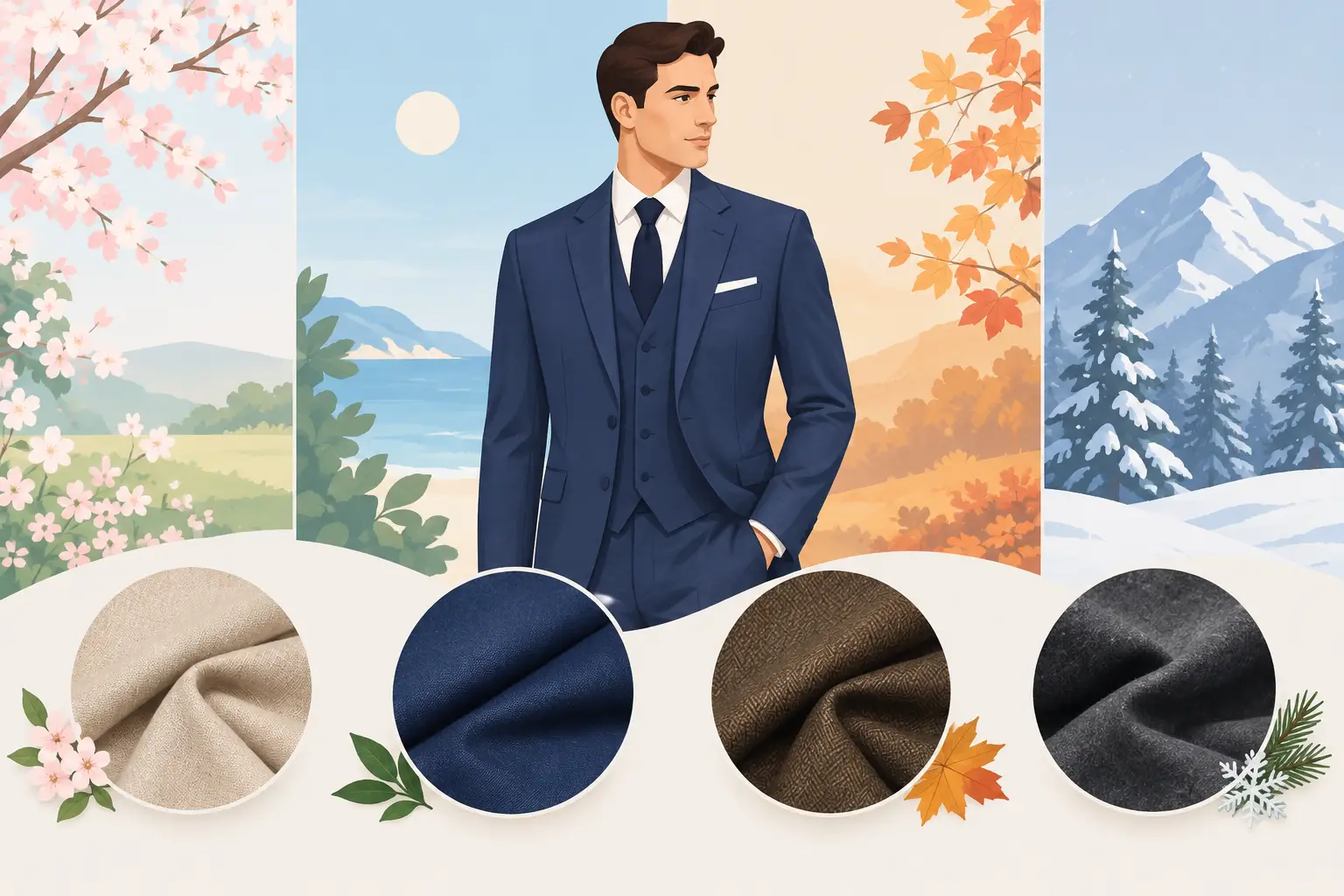
Tweed and country-inspired fabrics are no longer confined to rural settings. A finely woven herringbone jacket, subtle check or earthy Donegal-style cloth can bring warmth and individuality to a city wardrobe, particularly in autumn and winter. Worn separately with flannel trousers or dark denim, these pieces offer a more relaxed expression of sartorial sophistication.
Context remains essential. Heavier tweeds can be uncomfortable in overheated offices and are rarely appropriate for a summer ceremony. Choosing the correct weight is as important as choosing the correct pattern. A tailor can guide this decision early, ensuring the garment performs as beautifully as it looks.
Colour is more nuanced than seasonal
The current palette favours depth over shock value. Chocolate brown, forest green, burgundy, rust, tobacco and soft grey-blue are finding their place beside the enduring foundations of navy, charcoal and black. These shades work because they are versatile when selected with sensitivity to complexion, setting and existing wardrobe.
Brown tailoring, in particular, offers a refined alternative to blue for clients who already own several business suits. A dark espresso or deep brown can feel every bit as formal as navy when cut well, while a lighter tobacco suit brings warmth to daytime celebrations. Greens tend to be most successful when they are muted and grounded, rather than excessively bright.
For a first bespoke suit, a versatile navy or charcoal remains the prudent choice. Trend-led colour is best introduced once the foundations are in place, perhaps through a jacket, waistcoat, overcoat or a carefully chosen accessory. A wardrobe gains character through considered layers, not a single impulsive purchase.
Formalwear is sharper, but less predictable
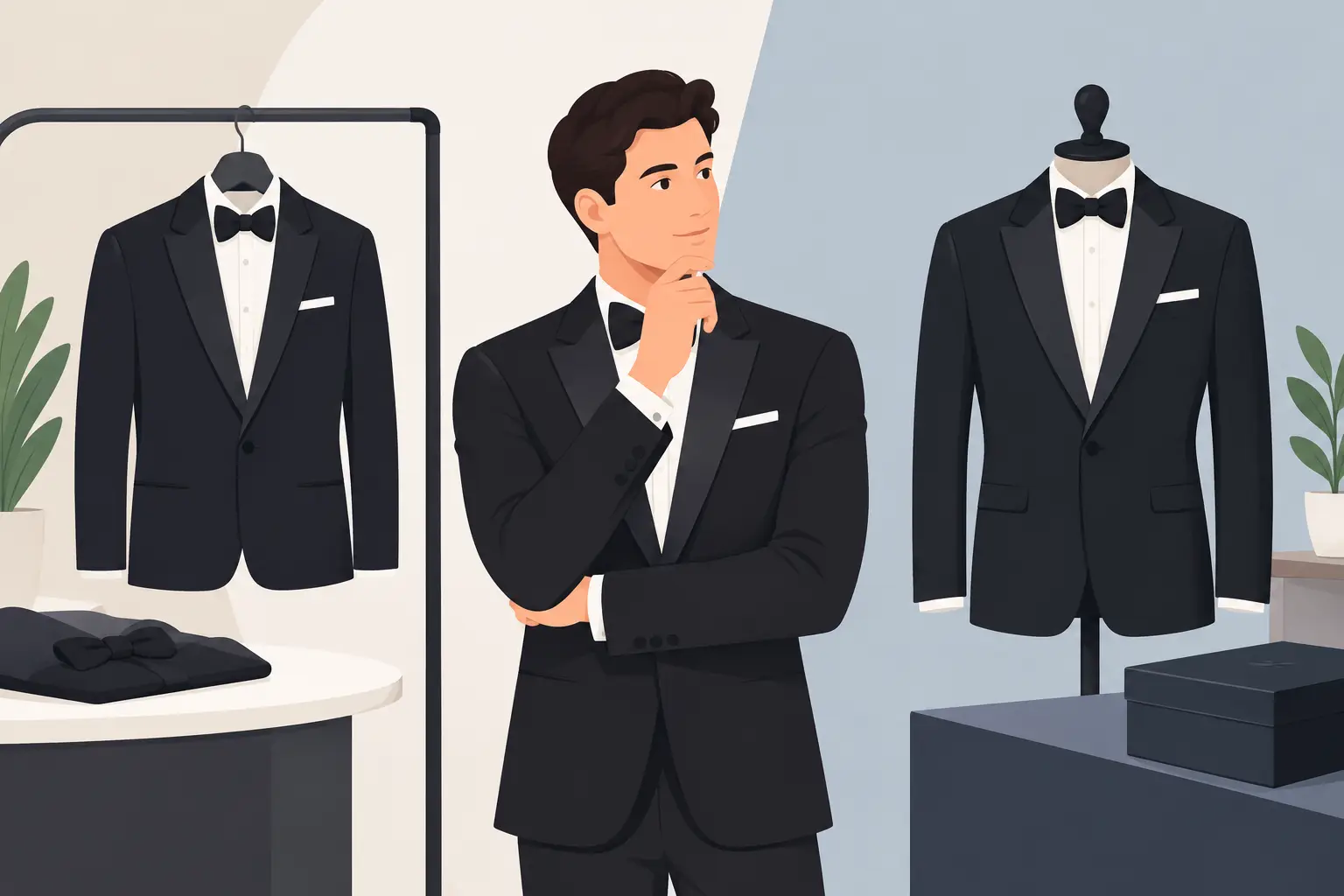
Black tie remains governed by useful conventions: a dinner jacket with a clean silhouette, a proper bow tie, a formal shirt and polished evening footwear. Within that framework, there is more room for personality than many men realise. A midnight-blue dinner suit can be softer and more flattering under evening light than stark black. A shawl collar offers fluid elegance, while a peak lapel creates a stronger, more architectural impression.
For weddings, the move is towards garments that feel special without appearing overly styled. A three-piece suit, double-breasted jacket or contrasting waistcoat can provide ceremony and distinction. The decision should reflect the venue, season and role of the wearer. A groom in a winter country setting may suit a textured three-piece beautifully; a summer city wedding may call for a lighter cloth and simpler line.
The objective is not to outdress the occasion. It is to look entirely right for it.
Details now carry more weight
As suits become less uniformly slim and more quietly expressive, finishing details have greater influence. A hand-finished buttonhole, working cuff, well-shaped lapel, considered lining and clean pattern matching are not decorative afterthoughts. They signal care in the construction and reward closer attention.
Accessories should work in the same way. Leather braces can improve the line of higher-rise trousers while adding a discreet point of character. A handmade silk tie, a linen pocket square with a soft fold or a well-chosen pair of cufflinks can give an otherwise restrained outfit a personal signature. The most elegant combinations rarely announce themselves from across the room.
Fit remains the detail that matters most. Even the finest cloth and most fashionable cut lose their authority if the collar gaps, the jacket pulls at the button or the trouser breaks untidily over the shoe. Regular alterations are not a compromise. They are part of maintaining a wardrobe that continues to serve its owner precisely.
Choose trends that earn a place in your wardrobe
The value of contemporary tailoring is not found in copying a runway silhouette. It is found in understanding proportion, construction and cloth well enough to make informed choices. At Manndiip, that conversation begins with how you live: the meetings you lead, the occasions you attend and the impression you want to leave.
Choose a softer shoulder if it complements your lifestyle. Introduce texture if your wardrobe needs depth. Consider a fuller trouser if it improves balance and comfort. But allow fit, craftsmanship and personal confidence to make the final decision. A meticulously crafted suit should not merely reflect the moment. It should make every important moment feel more distinctly your own.