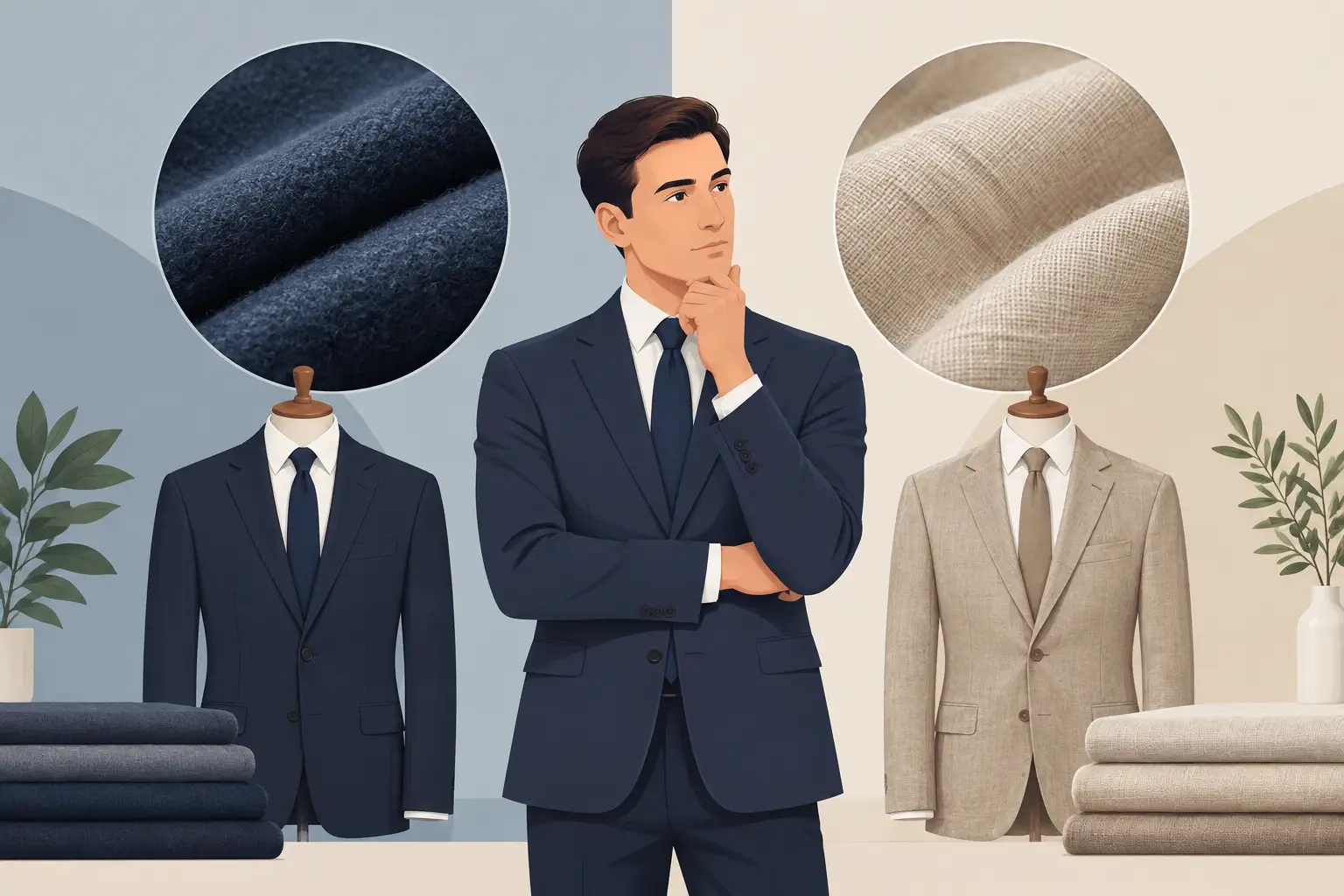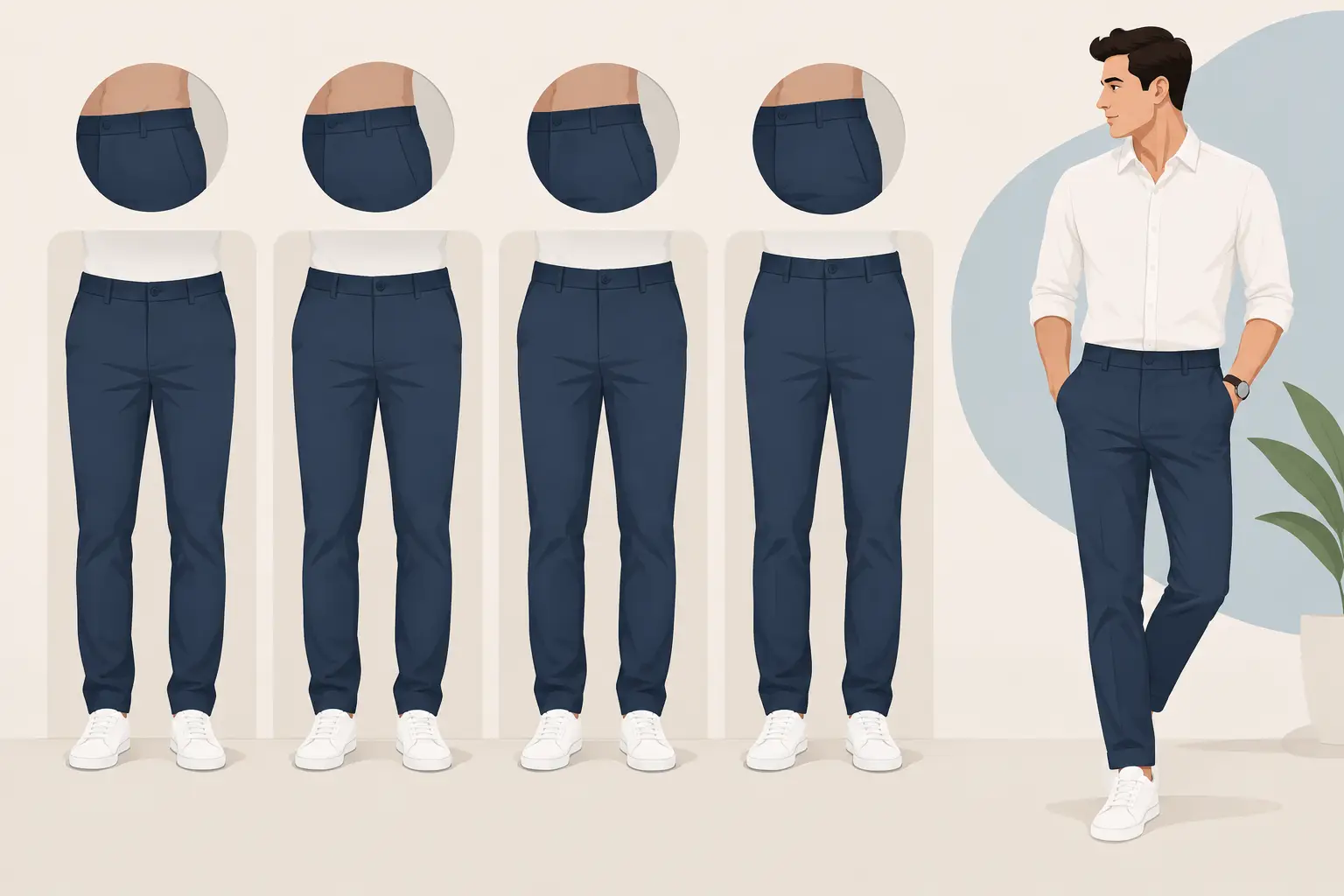
A suit jacket tells the truth quickly. If the collar lifts, the sleeves break in the wrong place, or the waist hangs without shape, even an expensive cloth can look ordinary. That is why alteration before after suit jacket results matter so much – they reveal how precision changes not only the garment, but the man wearing it.
The difference is rarely theatrical. In first-rate tailoring, the strongest improvements often look quiet. The shoulder line sits cleaner. The skirt hangs straighter. The chest appears more composed, the waist more intentional, the sleeve length more elegant against the cuff. What changes is proportion, and proportion is what makes a jacket look convincing.
What alteration before after suit jacket changes really show
Most clients expect alterations to make a jacket tighter or looser. That is only part of the story. A proper adjustment is about architecture. The jacket must follow the body without strain, while still allowing movement and preserving the style of the original cut.
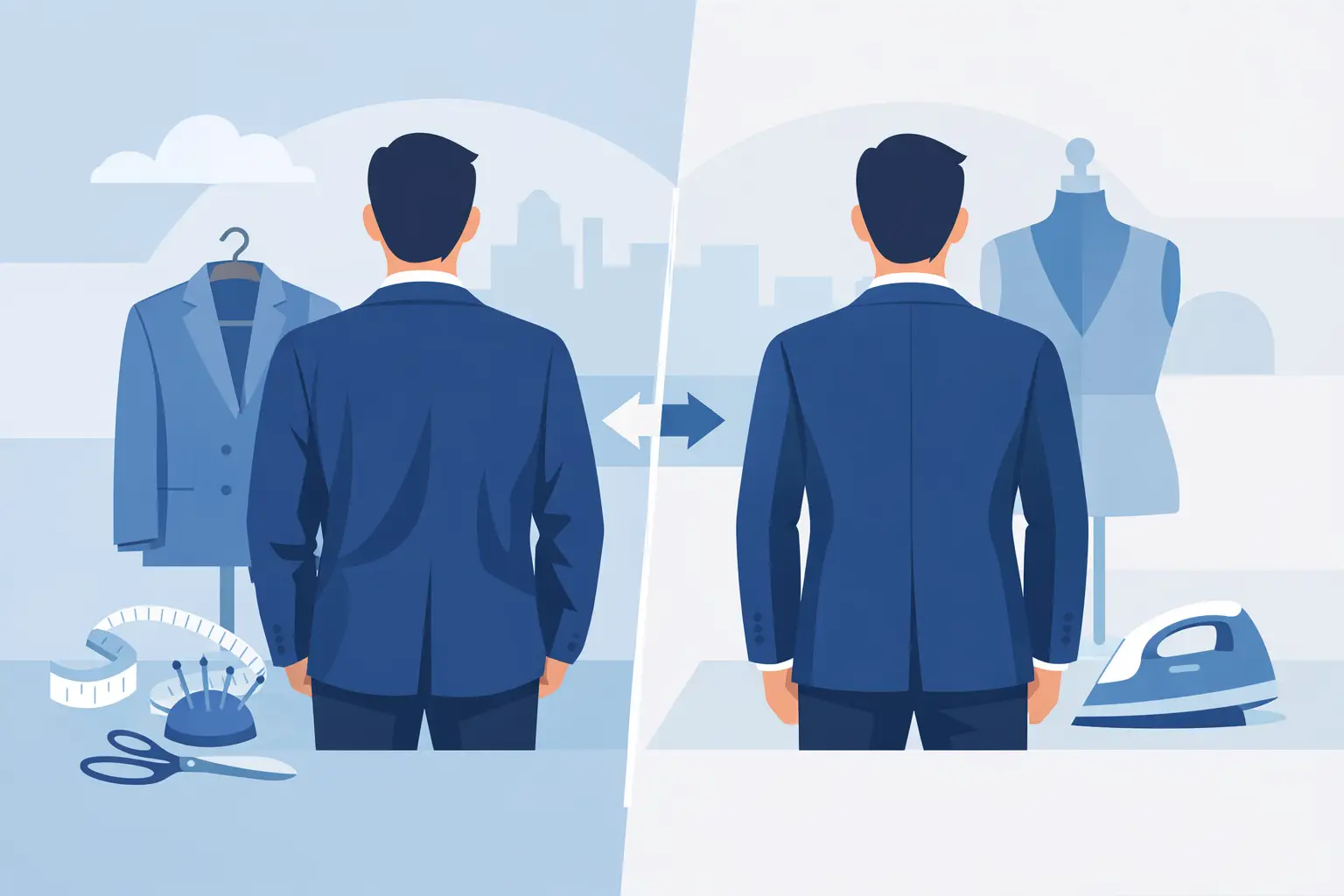
Before alterations, a jacket may seem passable on the hanger and slightly disappointing on the body. The fronts can pull at the button stance, the back can collapse into excess cloth, or the sleeves can obscure the shirt cuff entirely. After alterations, the eye reads order. The lapels lie with more authority, the suppression through the waist frames the torso, and the hem sits in better balance with the wearer’s height and build.
This is why before-and-after comparisons are so persuasive. They make visible what many men feel but cannot always name. A jacket can be technically wearable and still fail to project polish. The right alteration corrects that gap.
Where a suit jacket usually improves most
Not every part of a jacket can be altered with equal ease. Some areas offer excellent scope for refinement, while others depend heavily on the original construction.
Sleeve length and cuff presentation
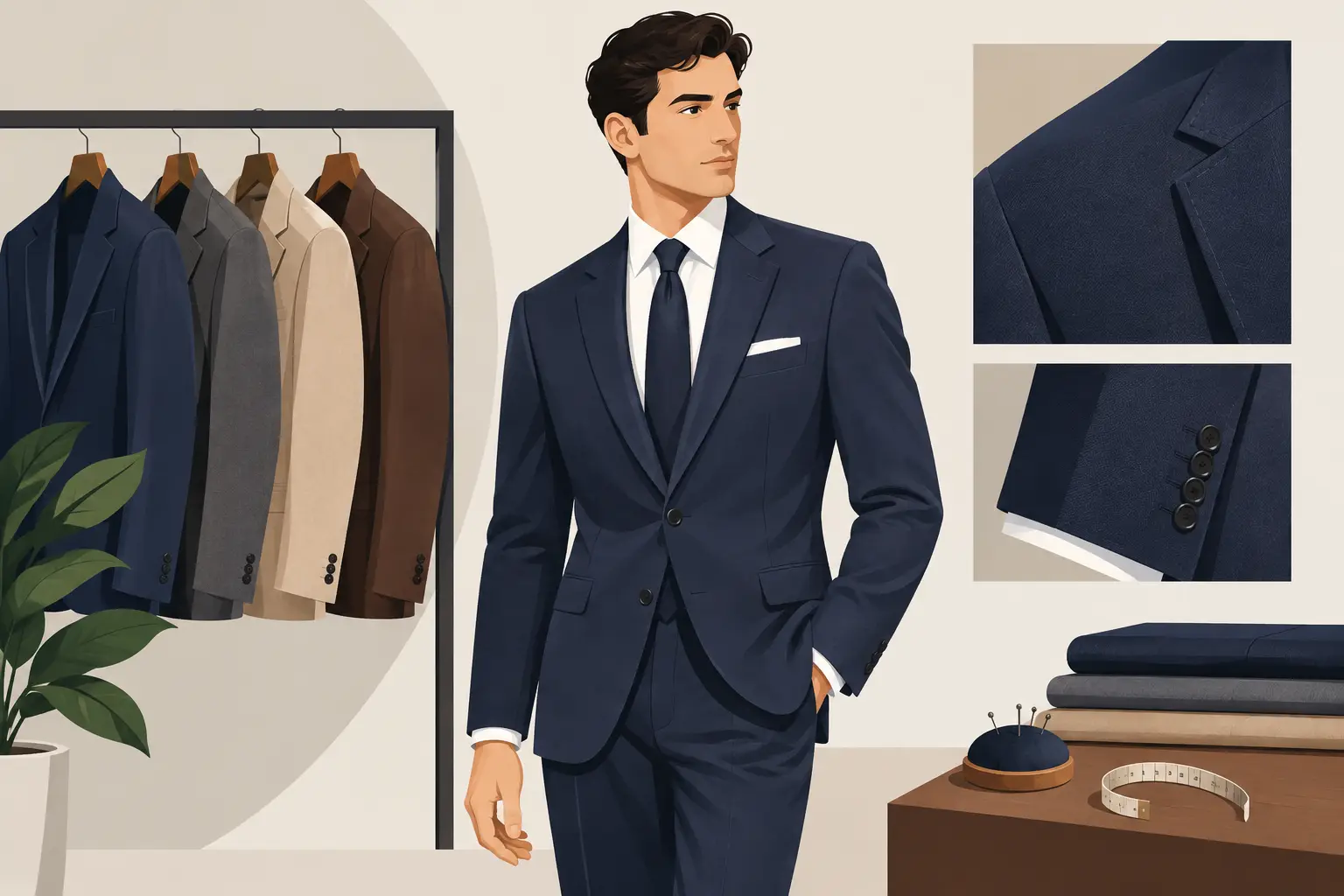
This is one of the most common and most effective adjustments. Too long, and the jacket looks borrowed. Too short, and it can feel mean or awkward unless the proportion is deliberate. The ideal finish usually allows a measured reveal of shirt cuff, which sharpens the whole look of the arm.
The before-and-after effect here is immediate. The jacket stops drowning the hand and begins framing it. For business tailoring, wedding suiting, and evening wear alike, this small correction brings a noticeable uplift.
Waist suppression and side seam shaping
A jacket that hangs straight when it should contour the body will always look less distinguished. Taking in the waist can create a cleaner V-shape through the torso, provided the chest and hips remain balanced.
This adjustment is particularly valuable for men who want a stronger silhouette without moving into anything overtly fashion-led. The result should feel athletic and composed, not pinched. Too much suppression creates drag lines around the button and spoils the drape.
Jacket length and visual balance
Jacket length is more complex. In some cases it can be shortened, but only within limits. Pocket placement, button stance, vent position and overall harmony all need consideration. Remove too much and the jacket loses its dignity.
Where the alteration is viable, the after effect can be transformative for shorter men or for those wearing a jacket that visually cuts them down. But this is one of those areas where restraint matters. Better balance is the goal, not novelty.
Collar and upper back correction
When the collar stands away from the neck, the jacket can appear tired even if the cloth is excellent. This often requires a more technical adjustment through the collar and upper back. It is not cosmetic work. It asks for a proper understanding of posture, shoulder angle and how the garment is hanging from the frame.
The after result is one of the clearest marks of expertise. The jacket suddenly looks settled on the body. It no longer fights the wearer’s stance.
What a before-and-after photo does not always explain
Images are useful, but they can flatten the skill behind the result. A successful alteration depends on more than pinning excess fabric and running a new seam. It requires judgement about what the jacket is designed to be.
A structured business jacket with roped shoulders and a defined chest must not be altered as though it were a soft, unlined summer piece. A dinner jacket has its own rules of line and proportion. A tweed sport coat needs enough room for layering and movement. The same numerical change can produce very different results depending on cloth, canvas, padding and purpose.
There is also the question of posture. Some men stand very erect, others carry a forward shoulder, and many have subtle asymmetries that off-the-peg clothing ignores. A good tailor reads these details and adjusts the garment accordingly. That is why the best before-and-after outcomes look personal rather than generic.
What can be altered well – and what cannot
This is where honesty matters. Not every jacket is worth altering, and not every flaw can be corrected elegantly.
Sleeves, waist suppression, body width, trouser pairing and general balance can often be improved to a high standard. Collar issues may also be corrected, depending on severity and construction. But shoulders are a different matter. Major shoulder alterations are technically possible in some jackets, yet they are labour-intensive and often poor value unless the garment itself justifies the work.
Likewise, if the armhole is cut badly, the front balance is fundamentally wrong, or the jacket is too short from the outset, alterations may only partially improve the problem. A seasoned tailor will say so. Precision is not about promising miracles. It is about knowing where craftsmanship can genuinely refine a garment and where a fresh commission would serve the client better.
Why fit changes presence, not just comfort
The reason men care about a strong alteration before after suit jacket comparison is simple: fit affects presence. A jacket that follows the body correctly changes how the shoulders appear, how the chest carries itself, and how confidently the wearer moves through a room.
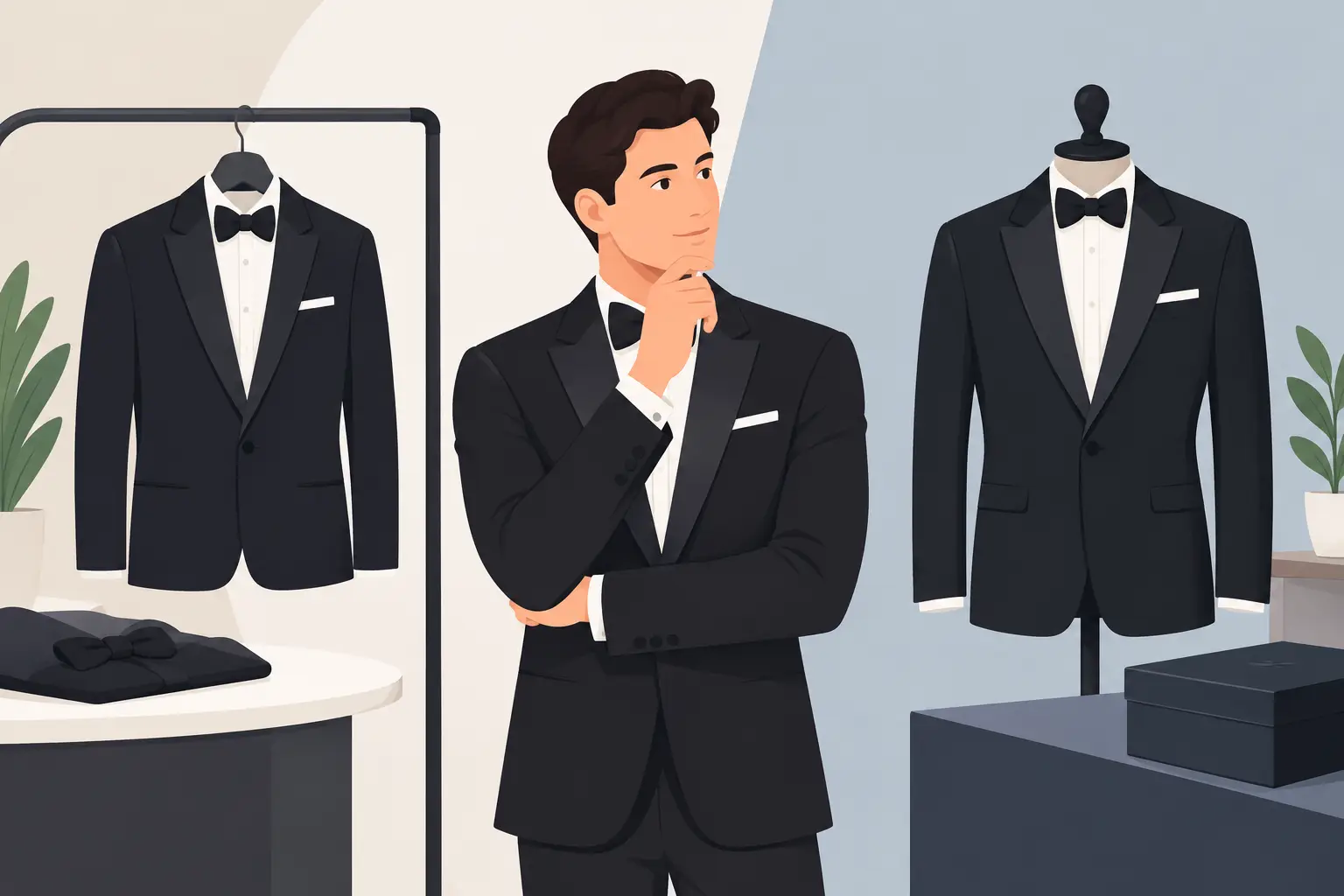
In professional settings, that translates into authority. At weddings, it becomes elegance without effort. For formalwear, it creates the clean, composed line that black tie depends upon. People may not identify the exact alteration, but they recognise the result immediately.
This is especially true for clients investing in quality cloth and refined finishing. Fine fabric deserves disciplined fit. Without it, the details lose force. With it, the whole garment reads as intentional and elevated.
Why the process matters as much as the result
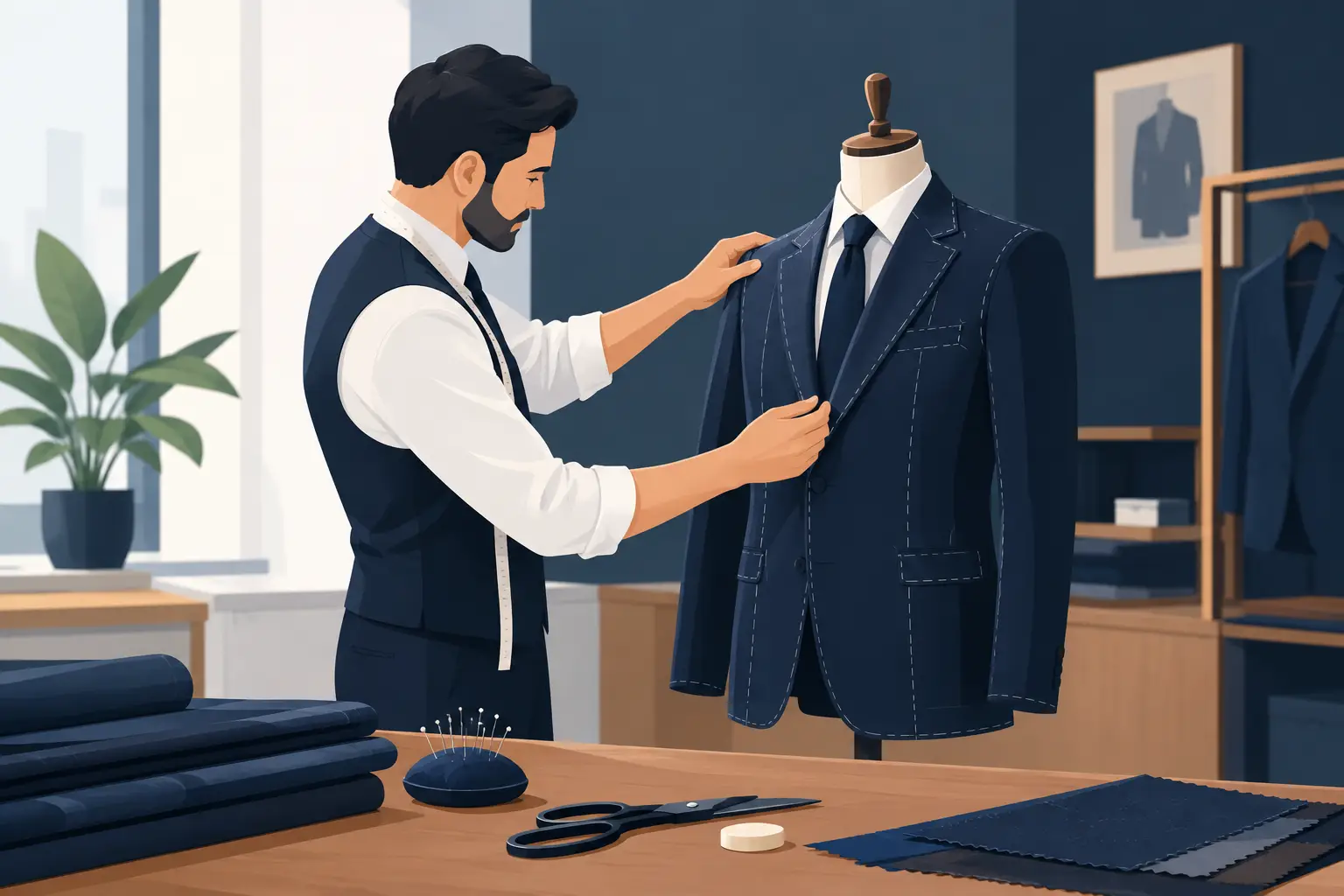
The finest alterations begin with a proper fitting, not a rushed guess. The jacket should be assessed on the body, buttoned and unbuttoned, standing naturally and in motion. The tailor studies where cloth breaks, where tension appears, and where the balance falls away.
That process is part technical analysis, part sartorial judgement. Two men can wear the same size and require entirely different corrections. One may need the chest opened slightly for comfort, while another needs the waist suppressed and the sleeves refined. The aim is not to force every jacket into the same silhouette, but to bring each garment into harmony with the wearer.
At a house such as Manndiip, that level of attention is what separates an ordinary alteration from a genuinely polished outcome. The garment is treated as a piece of tailored engineering, not merely clothing to be adjusted.
When alterations are the right choice
If you already own a well-made jacket in a strong cloth, alterations can be an excellent investment. They allow you to recover value from a garment that is close, but not quite there. This is often the case with business suits bought off the peg, wedding jackets purchased under time pressure, or older pieces that need refinement after changes in build.
If the jacket is fundamentally compromised, however, bespoke or made-to-measure may be the wiser route. There is little point perfecting the waist on a coat whose shoulders and length were wrong from the beginning. Good tailoring is as much about discernment as skill.
The best before-and-after transformation is not always the most dramatic one. Often, it is the jacket that simply begins to look like it belongs to you. The line is cleaner, the stance sharper, the fit more assured. And once you have seen that difference on your own frame, it becomes very difficult to accept anything less.