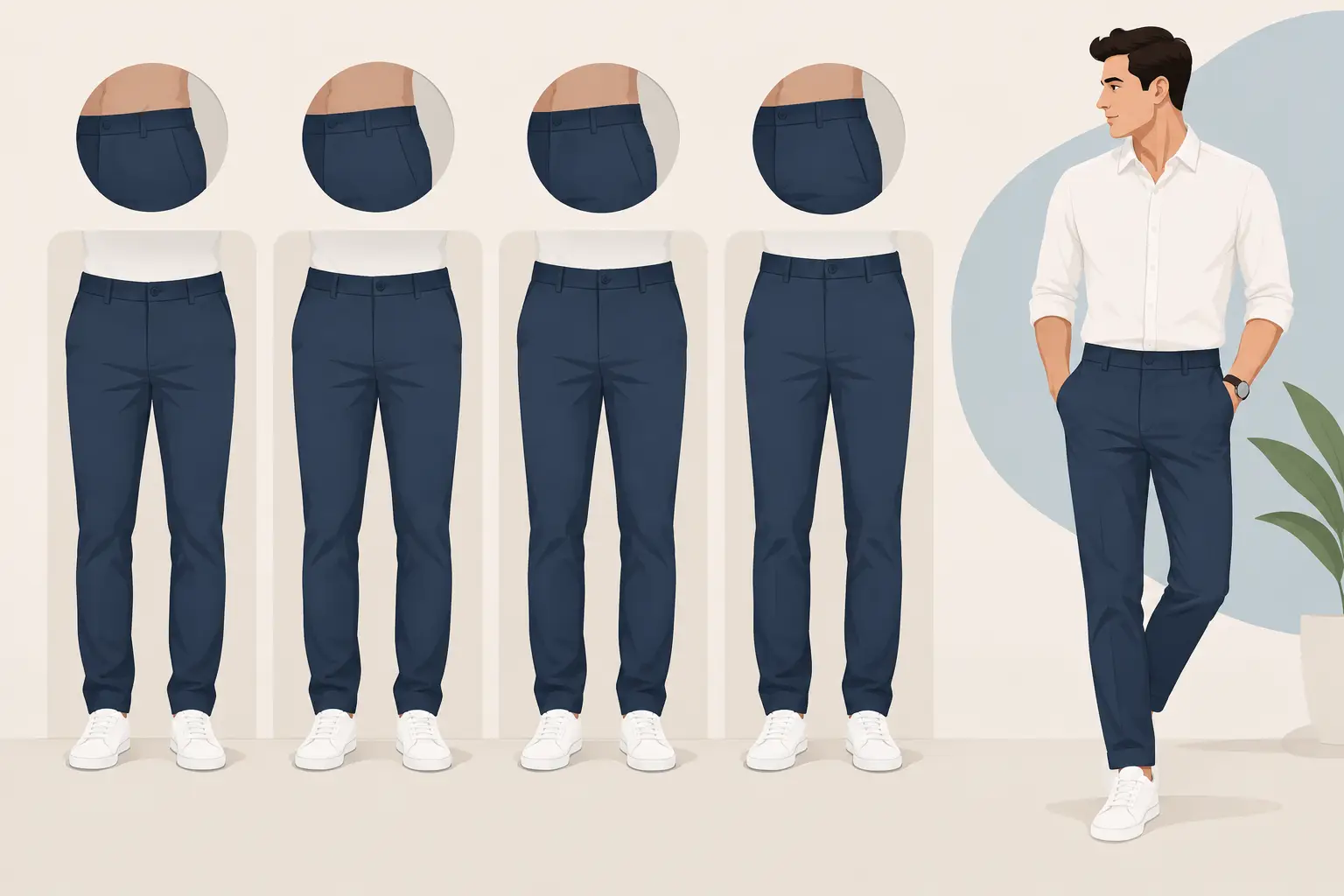
If you are tall, you already know the usual compromise. The collar fits but the sleeves finish halfway up the forearm. The sleeves are long enough but the body billows at the waist. Off-the-peg shirting rarely respects proportion, which is exactly why a bespoke shirt for tall men is not a luxury flourish but a practical correction.
Height changes the way a shirt should balance on the body. Longer arms, a higher rise through the torso, broader shoulders, a leaner frame, or simply a different relationship between chest and waist all affect how cloth hangs. A shirt that appears acceptable on the hanger can lose its line the moment you sit, move, raise your arm for a handshake, or slip on a jacket. For a man who values polish in business, wedding, or formal settings, those small failures are not small at all.
Why standard shirts fail tall men
Most ready-made shirts are graded up from an average block. That sounds reasonable until you see what it means in practice. Increase one area and another follows, whether your body needs it or not. A longer sleeve often arrives with excess width through the cuff and upper arm. Extra body length may bring unwanted fullness through the waist. Even the placement of the second button can feel slightly wrong on a longer torso, which affects how the shirt opens under a jacket.
This is where fit becomes more technical than many men realise. Tall does not always mean large. Some men need length without volume. Others need stronger shoulder support with a clean waist suppression. Others still need room through the chest yet want the shirt to remain tidy when tucked. The issue is rarely just size. It is proportion.
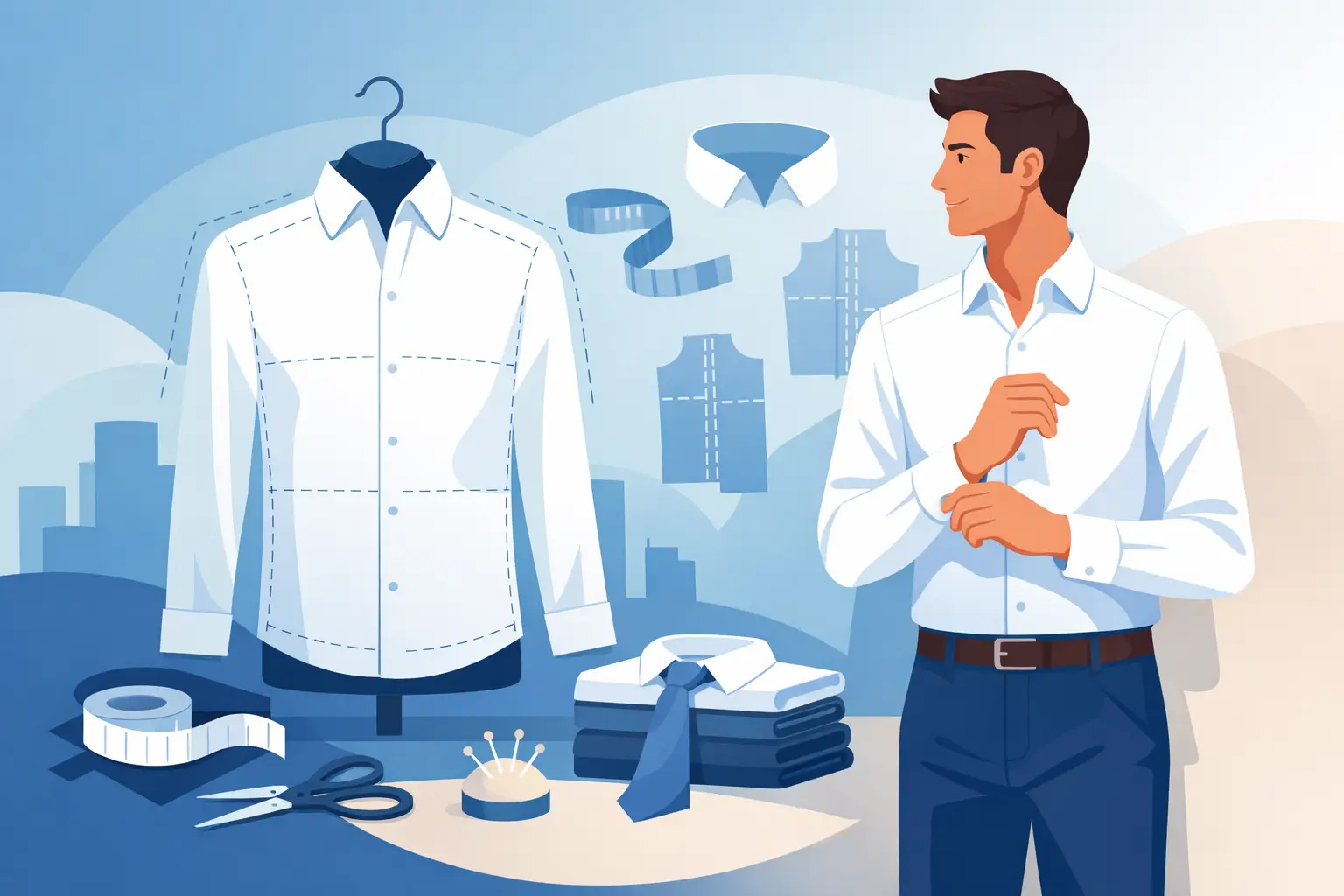
A well-cut bespoke shirt accounts for the full picture. It considers where the shoulder point sits, how the sleeve falls from it, how much drape is desirable through the back, and how the hem behaves once tucked into tailored trousers. The result is calmer, sharper, and more assured because the shirt is working with your frame rather than fighting it.
What a bespoke shirt for tall men should correct
The first correction is length, but not length alone. Sleeve length must be judged alongside shoulder width and cuff circumference, otherwise the sleeve can appear droopy rather than elegant. Body length should keep the shirt anchored when seated, but it should not create bunching below the waistband. For taller men who wear suits regularly, this balance matters because a shirt that shifts under the jacket disrupts the entire silhouette.
Collar proportion is another commonly overlooked detail. A long neck can make a standard collar look mean and under-scaled. A bespoke approach allows the collar height, spread and point length to be tuned to the wearer’s face, neck and preferred tie knot. That is not decorative fussiness. It is visual proportion, and it often makes the difference between a shirt that looks expensive and one that merely was.
Then there is the matter of shape through the torso. A tall man with an athletic build does not need surplus cloth pooling at the back. Equally, a very slim frame may need a clean line without the shirt becoming strained across the chest when moving. Bespoke tailoring creates enough ease for comfort while preserving structure. That is the difficult middle ground ready-made shirts tend to miss.
Sleeve pitch, cuff break and jacket harmony
One of the clearest signs of shirtmaking quality is how the sleeve behaves in motion. Sleeve pitch refers to the angle at which the sleeve is set into the armhole. Get it wrong and the cuff twists, the forearm creases awkwardly, and the sleeve appears shorter the moment the arm moves naturally forward.
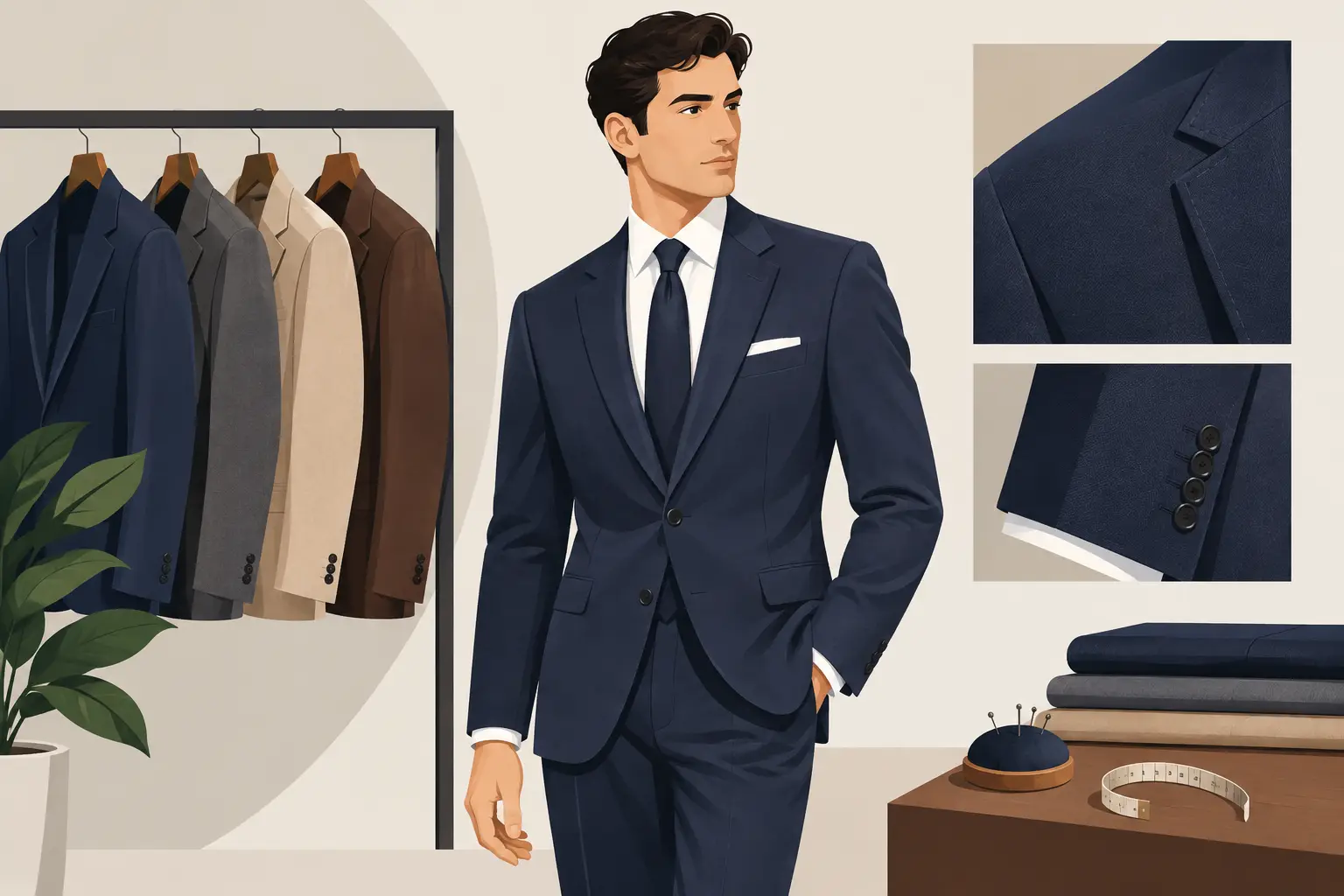
For taller men, this is especially noticeable because longer sleeves magnify any imbalance. A bespoke cutter can adjust the sleeve pitch to your posture and stance, ensuring that the cuff sits neatly and still shows the right amount beneath a jacket sleeve. That small line of shirt cuff at the wrist is one of the simplest markers of sartorial sophistication, but it only works when the shirt has been cut with precision.
The hem that stays put
A shirt for business or formal use should remain composed from morning to evening. If you are tall, a standard hem can pull free from the trousers far too easily, particularly when sitting at a desk, driving, or reaching overhead. The answer is not simply adding inches everywhere. The front and back balance of the hem matters, as does the side seam shape and how the shirt interacts with your trouser rise.
A bespoke shirt resolves this quietly. It stays tucked, keeps its line, and avoids that constant need for adjustment that can make even expensive clothing feel second-rate.
Fabric and construction matter more than many expect
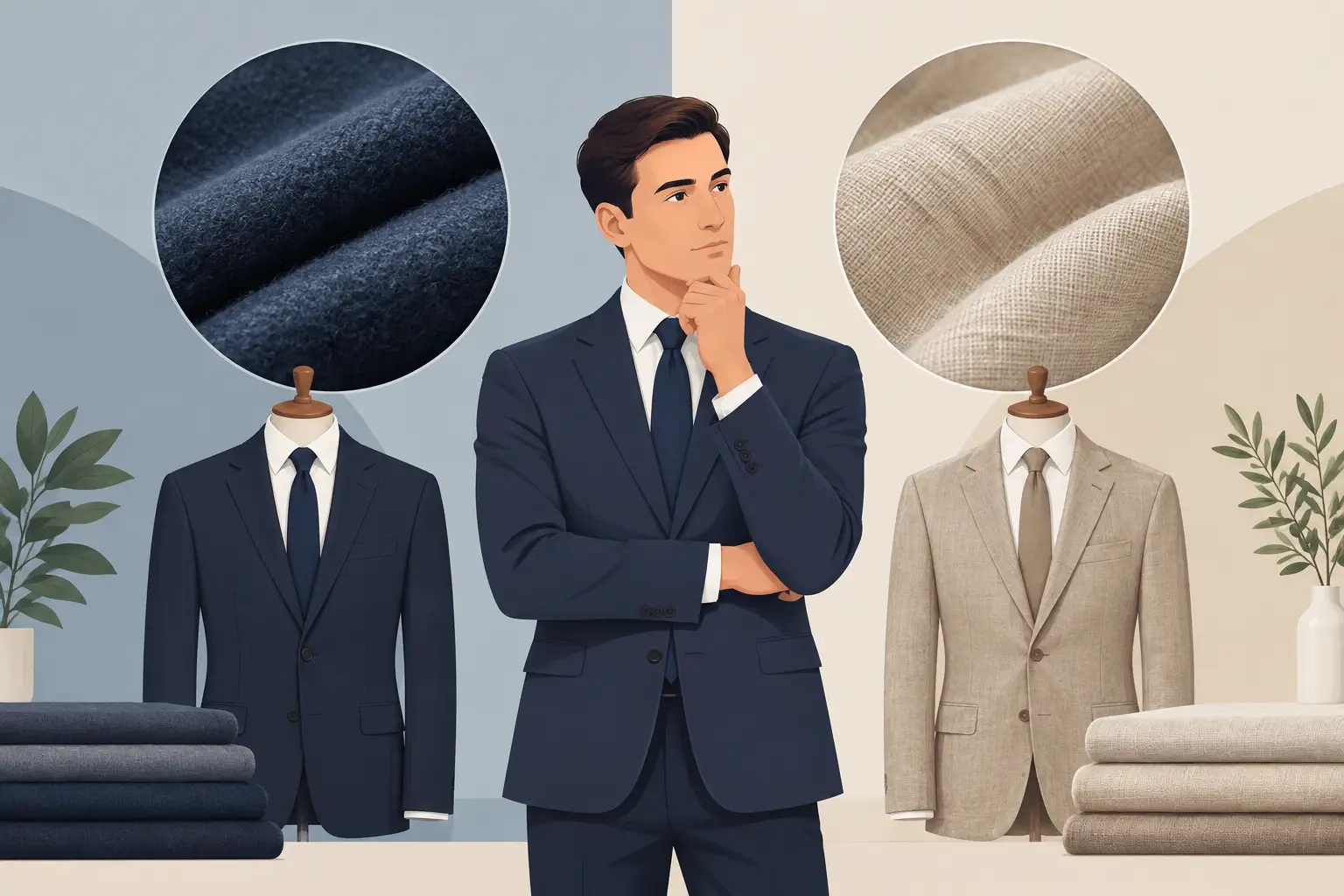
Fit is the headline, but cloth and make are what allow that fit to perform properly. Taller men often benefit from fabrics with enough body to hold a clean line, especially if they are lean and want the shirt to look crisp rather than flimsy. For business, a fine poplin offers clarity and formality, while twill provides a touch more softness and resilience. Oxford cloth can work beautifully for more relaxed tailoring, though it depends on the setting.
Construction details deserve equal attention. A properly cut yoke improves shoulder balance. Well-made cuffs hold their shape without looking stiff. Thoughtful interlining in the collar helps maintain structure across a longer neck. Side gussets, neat seam finishing and accurate pattern matching are subtle signs of care, yet they affect longevity as much as appearance.
A bespoke shirt is also an opportunity to refine style choices so they suit your proportions. Taller men can often carry a slightly bolder collar or a broader cuff with great elegance. That said, restraint remains valuable. The aim is not to exaggerate height, but to create visual harmony.
The fitting process is where the difference is made
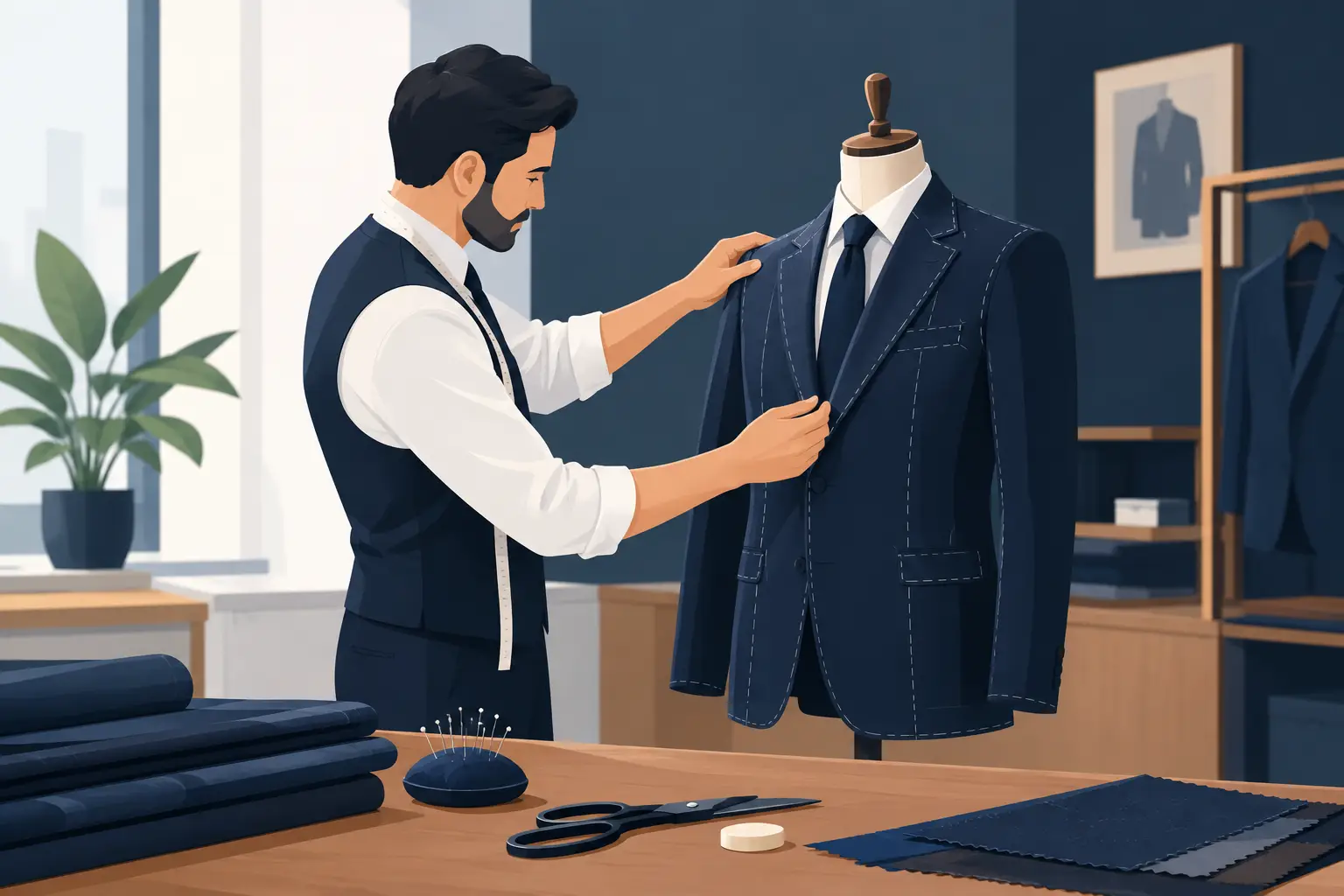
The value of bespoke lies in observation as much as measurement. A tape measure records numbers. An experienced tailor reads posture, shoulder drop, arm position and preference. Some tall men stand very straight and need a different cut through the back. Others have a forward posture from desk work and require more thought in the chest and sleeve. These details cannot be guessed from standard sizing charts.
During fittings, the shirt is adjusted not only for static appearance but for real wear. How does it sit under a jacket? Does the collar remain clean when fastened with a tie? Is there enough movement through the upper back without introducing excess fullness? This is craftsmanship-led problem solving.
For first-time bespoke clients, this process is often reassuring. You are not expected to arrive knowing every collar style or cuff treatment. A good tailoring house guides you through those decisions, translating taste and lifestyle into a shirt that looks refined and feels instinctive to wear.
When bespoke is worth it, and when it depends
Not every shirt in a wardrobe must be bespoke. If your build happens to align with a particular ready-made maker, casual shirts may be less problematic. But for core wardrobe pieces – white business shirts, wedding shirts, dinner shirts, or the shirts you wear with tailored jackets week after week – the case becomes much stronger.
That is especially true if you have spent years altering ready-made options and still feeling slightly dissatisfied. Repeated compromise has a cost. It shows in photographs, in comfort, and in confidence. Bespoke tends to justify itself most clearly when the shirt has a defined role and high visibility.
It also depends on how you like your clothes to look. Some men prefer a softer, easier silhouette. Others want a sharper, cleaner line that sits precisely beneath suiting. Neither is wrong, but each requires a different cut. Bespoke accommodates that preference rather than forcing you into a generic house style.
A sharper shirt changes the whole wardrobe
The shirt is the garment closest to the body, and that is why its fit has such influence over everything layered above it. A suit jacket looks more elegant when the collar sits properly beneath it. Trousers look cleaner when the shirt remains stable at the waist. Even simple details like cuff exposure and placket alignment contribute to a more composed impression.
For tall men, that composure is often the missing piece. Height can be striking, but without proportion it can also make clothing look accidental. A bespoke shirt restores intent. It refines the line of the body, supports tailoring properly, and gives the wearer the sort of confidence that comes from knowing nothing is pulling, riding up, or sitting slightly askew.
At Manndiip, that is the real standard of luxury – not excess, but precision shaped around the individual. When a shirt is cut expressly for your proportions, the effect is immediate and lasting. You stand better in it, move better in it, and every tailored piece you wear alongside it rises accordingly.
The right shirt should never ask you to compromise with your own frame. For a tall man building a wardrobe with authority and elegance, that is where the conversation should begin.