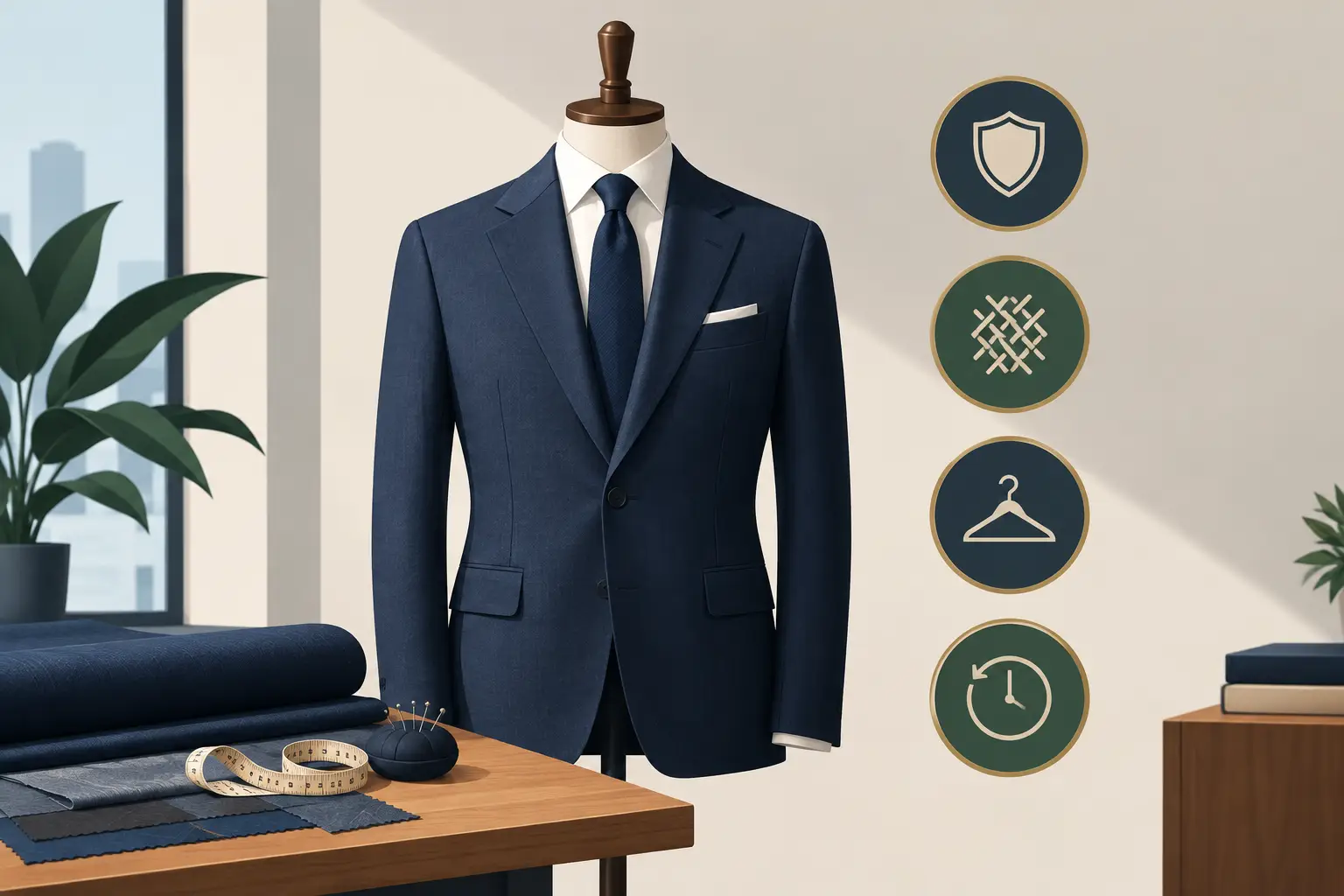
A suit that looks exceptional on the day it is collected is only the beginning. True bespoke suit longevity is measured years later: in the clean line of the lapel, the resilience of the cloth, and the confidence with which it still serves its wearer through meetings, weddings and formal occasions. The finest suit is not simply made to impress at first glance. It is made to become part of a considered wardrobe.
A bespoke commission represents an investment in personal style, but longevity is not guaranteed by a higher price alone. It comes from a disciplined combination of fabric selection, considered construction, precise fit and intelligent care. Each element affects how a garment responds to wear, movement, pressing and time.
Why bespoke suit longevity begins at the cutting table
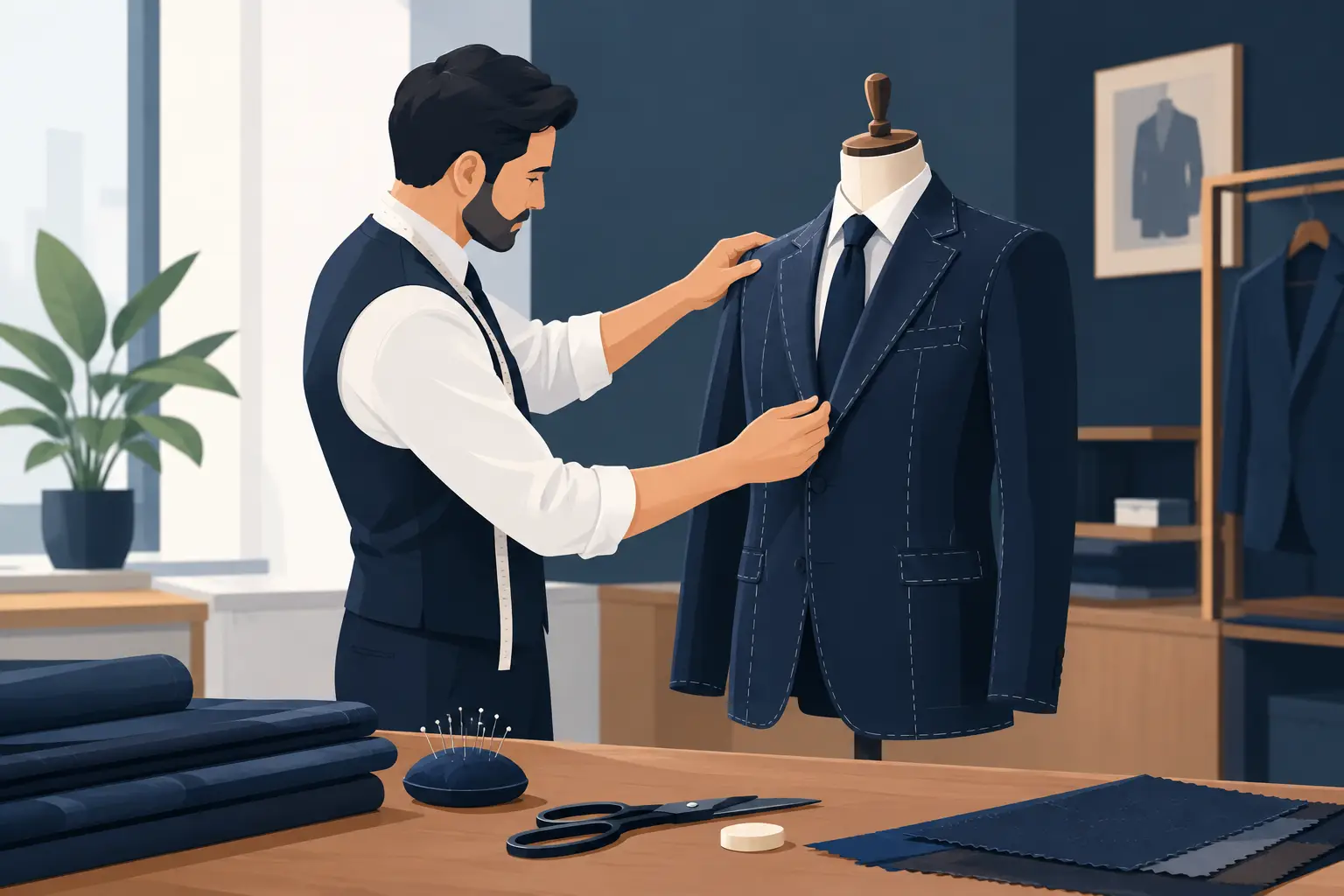
A suit’s lifespan is shaped before the first stitch is sewn. Bespoke tailoring begins with the individual, not a standard block adjusted after the fact. The cutter considers shoulder position, posture, balance, stance and the natural movement of the wearer. This creates a coat that hangs correctly and trousers that sit where they should.
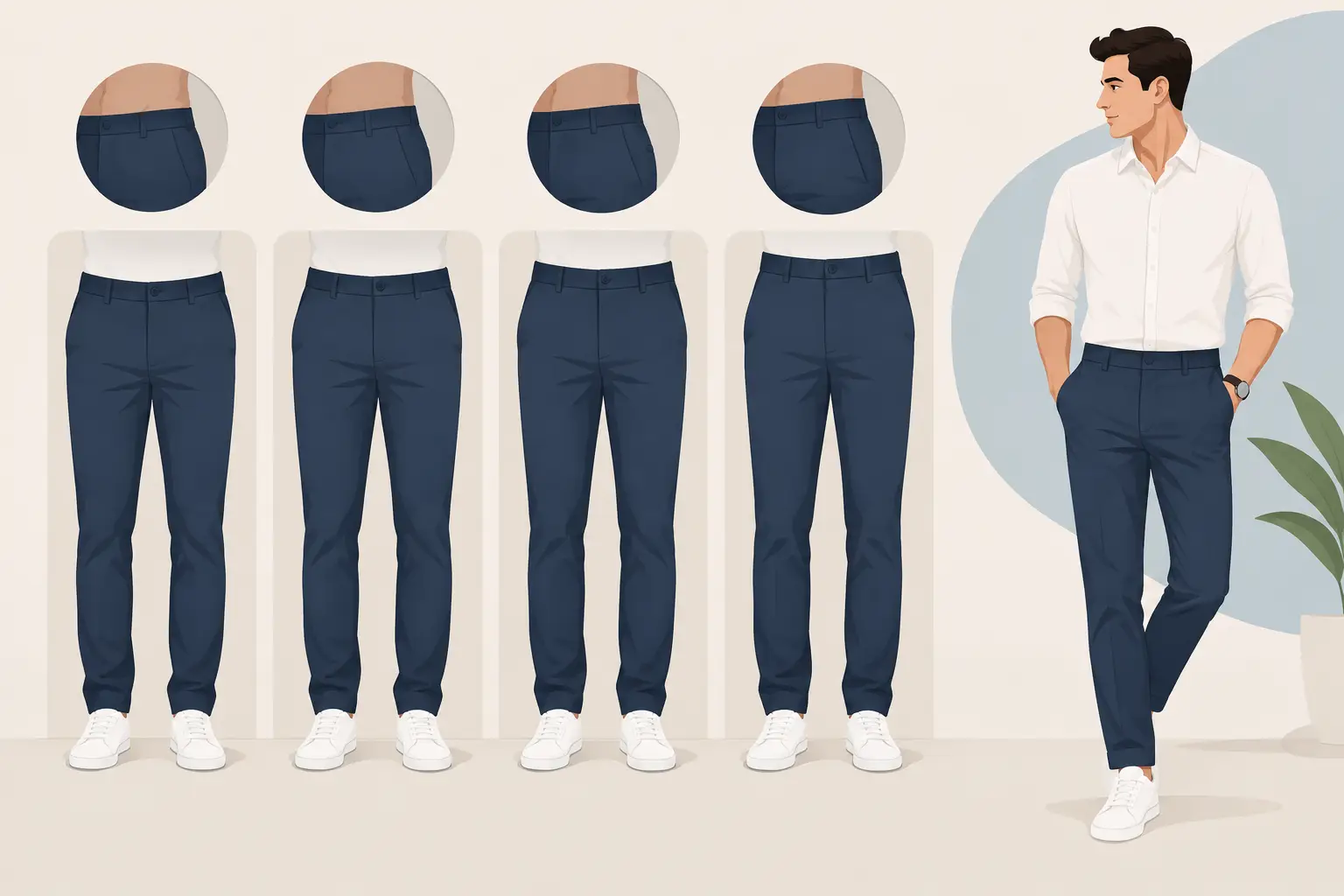
That precision matters because strain is the enemy of tailoring. A jacket that pulls across the chest, catches at the upper back or grips the armhole will wear prematurely in those stressed areas. Trousers that are cut too tightly through the seat or thigh place unnecessary pressure on seams and cloth every time the wearer sits down. A flattering silhouette should still allow ease.
The same principle applies to style choices. An extremely close-fitting suit can look striking, but may be less forgiving if your body changes or your working day demands frequent movement. A slightly more balanced cut, shaped rather than restrictive, often has greater staying power. It retains its elegance while accommodating the realities of a professional life.
Construction gives the jacket its memory
A well-made jacket is built in layers, and those layers determine how it settles over the body. Traditional canvas construction gives the chest and lapel a responsive structure that moulds gradually to the wearer. Rather than relying on adhesive to hold its shape, the jacket is supported by materials selected to work with the cloth.
This is not an argument against every lighter or more contemporary construction. An unstructured summer jacket has a legitimate place, particularly for travel and warm-weather wear. However, its purpose is different from that of a structured business suit intended for regular use across many years. The right construction depends on the intended role of the garment.
Hand-finishing also has a practical value beyond visual refinement. Details such as hand-shaped lapels, carefully set sleeves and neatly reinforced points of stress allow the garment to move naturally. They contribute to the subtle distinction that makes bespoke clothing feel composed rather than merely fitted.
Cloth selection: durability without compromise
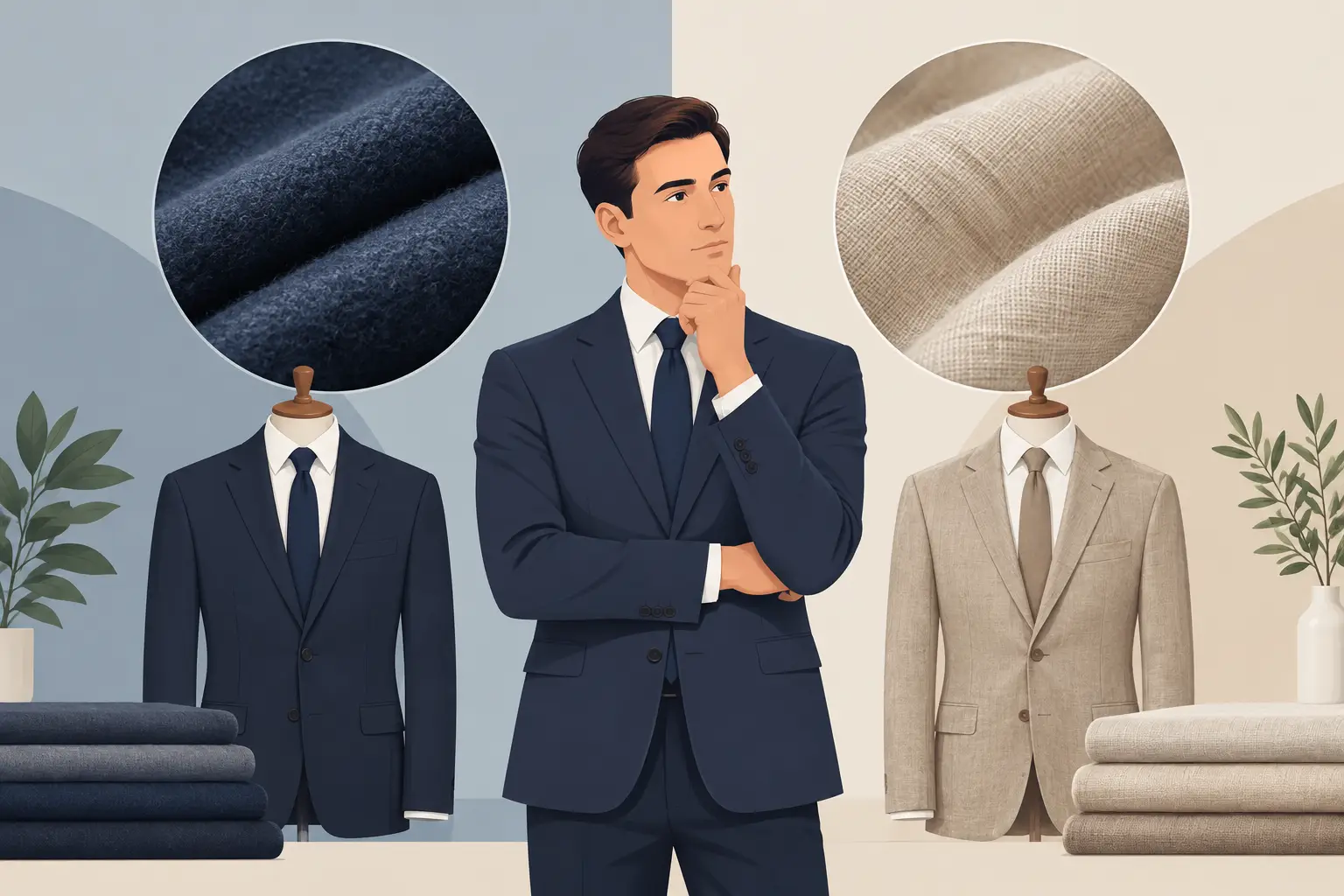
The cloth is the suit’s working surface, and its character has a direct effect on its lifespan. A fine, lightweight wool may feel remarkably soft and refined, yet it will not withstand the same level of frequent wear as a more substantial cloth with a firmer weave. This does not make delicate cloth a poor choice. It simply means it should be commissioned for the right occasion and worn in rotation.
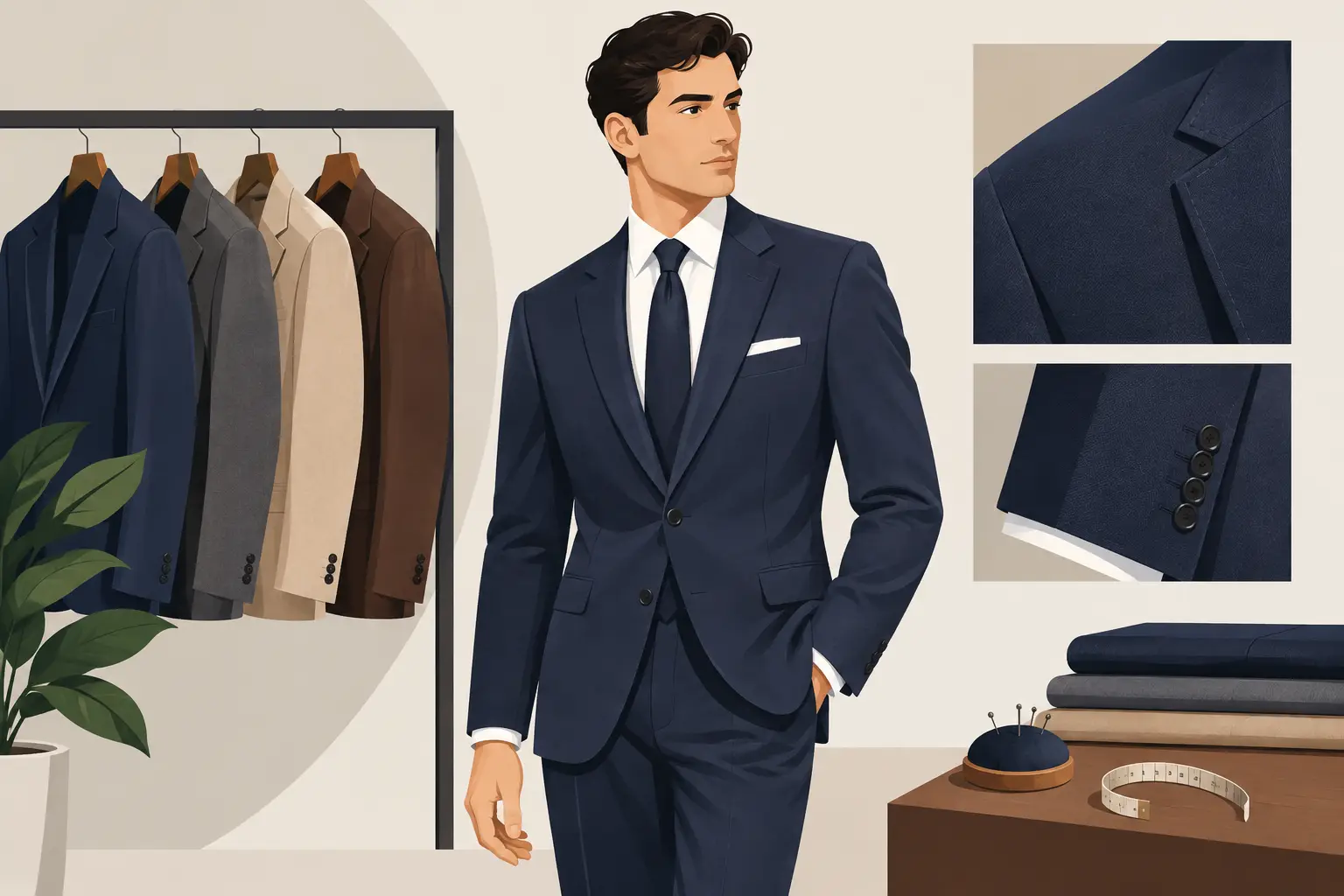
For a cornerstone business suit, a high-quality worsted wool in a moderate weight is often an excellent choice. It is breathable, resilient and capable of recovering after a long day. A restrained navy, charcoal or deep grey will also remain relevant long after seasonal fashions have moved on. These are not cautious choices. They are foundations upon which a distinguished wardrobe can be built.
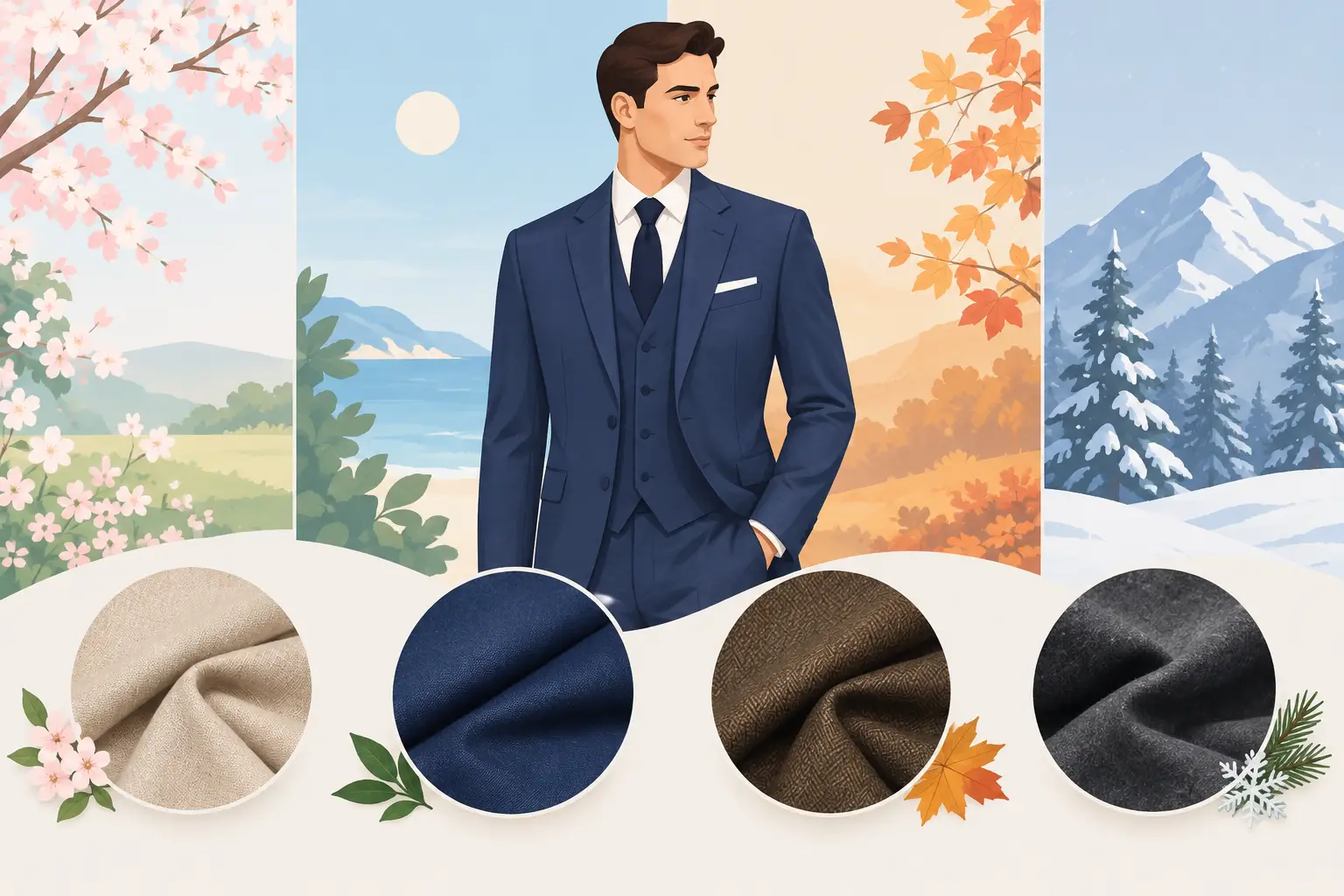
Texture changes the equation. A hopsack jacket, fresco wool suit or open-weave cloth can be ideal in warmer months, but requires thoughtful handling because a more open construction may be susceptible to snagging. Flannel offers a luxurious depth for autumn and winter, though it benefits from regular brushing and careful pressing to preserve its surface. Tweed is famously hard-wearing, but its more casual character may make it less suitable for every boardroom or black-tie event.
It is also worth resisting the assumption that the highest Super number is always the best choice. Very fine wool can feel beautifully smooth, but a more practical cloth often outperforms it for frequent business wear. A skilled tailor will guide you towards a fabric that suits your climate, routine and expectations, rather than selling softness at the expense of serviceability.
A wardrobe rotation protects your best tailoring
Even exceptionally made suits need rest. Wool has a natural capacity to recover from creasing, but it needs time to release moisture and return to its original shape. Wearing the same suit on consecutive days limits that recovery and accelerates fatigue in high-contact areas such as the seat, knees and elbows.
For clients who wear tailoring several times a week, two or three business suits in rotation are more valuable than one suit worn relentlessly. This approach extends the life of every garment while offering the variation that a polished professional wardrobe deserves. A navy suit, a charcoal suit and a textured grey or subtle check provide a versatile starting point without feeling repetitive.
The same applies to trousers. If you favour a blazer-and-trouser combination for work, consider commissioning an additional pair of trousers with the suit or jacket. Trousers typically wear more quickly than jackets, especially for clients who commute, drive or spend long hours seated. A second pair is not an indulgence. It is a practical decision that can meaningfully extend the life of the full ensemble.
Care is part of the ownership experience
The quickest way to shorten the life of a suit is excessive dry cleaning. The process is sometimes necessary, particularly after a spill or when the garment has absorbed odour, but routine cleaning after every few wears is rarely beneficial. Repeated dry cleaning can strip natural oils from wool and leave the cloth looking tired before its time.
Instead, allow the suit to air after wear and brush it lightly with a natural-bristle clothes brush. This removes surface dust and helps maintain the cloth’s appearance. Use a broad, shaped wooden hanger that supports the jacket’s shoulders properly. Wire hangers and narrow plastic alternatives distort the silhouette, particularly at the sleeve head and neck.
Trousers should be hung by their hems or neatly folded over a trouser bar so the creases can relax. If creasing remains after a day or two, gentle steam is preferable to aggressive pressing. Avoid repeatedly pressing sharp lines into the same area, as heat and pressure can create a sheen on darker cloths.
When travelling, fold the jacket carefully inside out at the shoulder where appropriate, or use a proper garment carrier. On arrival, hang it immediately and allow steam from a warm shower to soften any minor creasing. Do not leave a suit compressed in a case longer than necessary.
Alterations preserve a suit worth preserving
Bodies change, even when style does not. A well-made suit can often be refined as your needs evolve, provided there is sufficient inlay within the seams and the original garment has been constructed with alteration in mind. Waist suppression can be adjusted, trouser waists can often be let in or taken out, and sleeve or trouser lengths can be revisited as proportions and preferences shift.
The key is to act early. A loose button, a small lining tear or a dropped trouser hem is straightforward to address before it becomes a larger repair. Equally, do not wait until a jacket feels visibly uncomfortable before having its fit assessed. Small adjustments made with precision can restore the ease and authority that made the suit feel exceptional in the first place.
At Manndiip, the conversation does not end once a garment leaves the studio. Tailoring is an ongoing relationship with fit, wear and personal style. Expert alterations can protect the value of a commission, particularly when a suit has been made from a cloth and cut worth retaining.
Style longevity matters as much as fabric longevity
A suit may remain physically sound yet feel dated if every design choice was tied to a passing trend. That does not mean every commission must be plain or conservative. Distinctive details are often what make bespoke clothing personal. The art lies in choosing details that express character without limiting future wear.
A lapel with balanced proportions, well-positioned buttoning, a clean trouser line and a harmonious jacket length will age more gracefully than exaggerated extremes. For wedding or occasion wear, greater personality may be entirely appropriate: a rich cloth, considered contrast lining or a bolder silhouette can make the moment feel unmistakably yours. For a suit expected to carry years of business and social use, restraint usually offers more return.
The most enduring bespoke suits become familiar in the best sense. They reflect the wearer so naturally that they never appear borrowed from a trend. Choose cloth with purpose, allow the tailoring to be maintained, and give each garment the rest it deserves. It will continue to meet important occasions with the same quiet assurance it had on its first day.