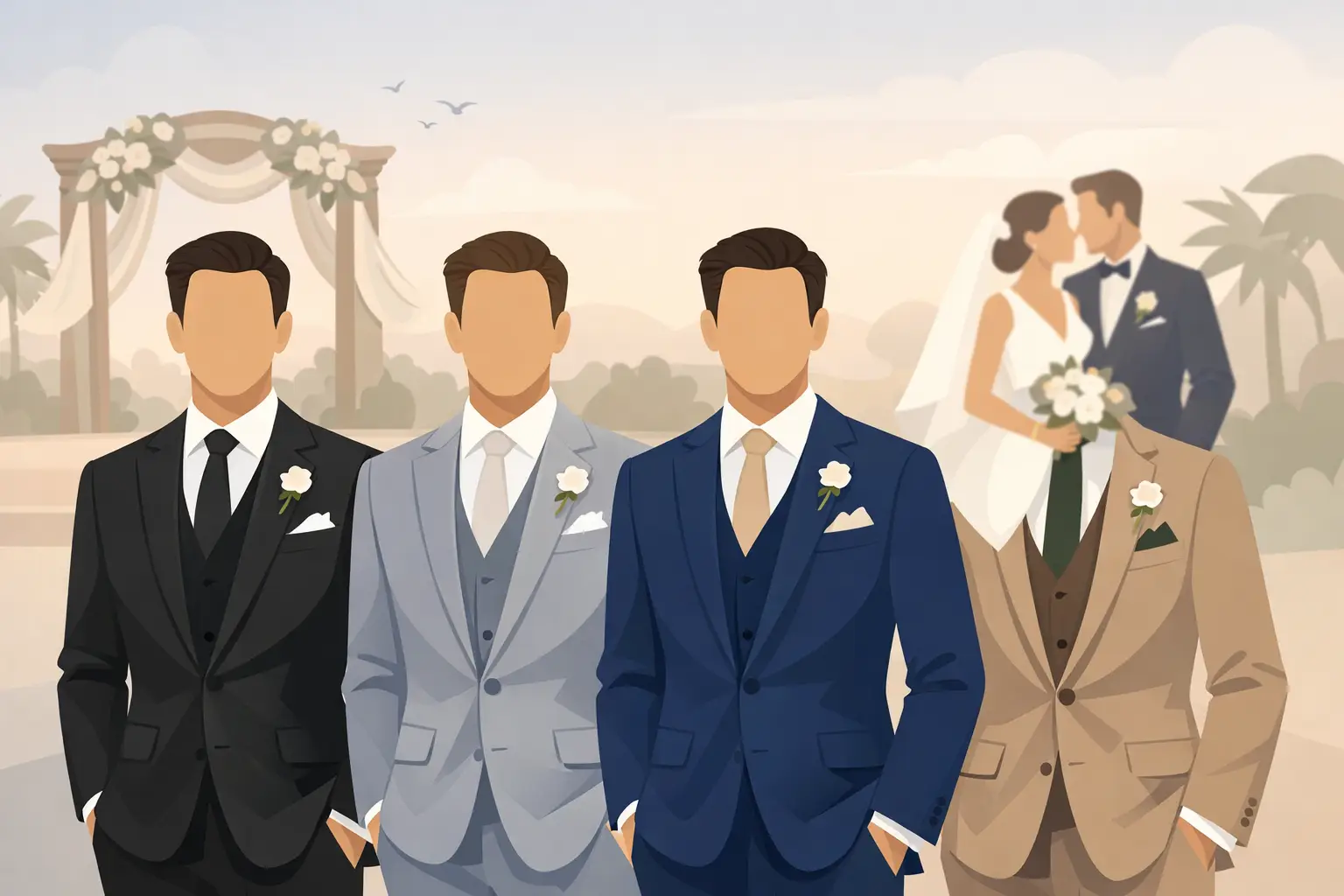
A wedding party can look either expertly composed or slightly accidental, and the difference is often colour. The best groomsmen suit colours do far more than coordinate photographs. They shape the formality of the day, frame the groom properly, and bring cohesion to everything from florals to venue lighting.
Choosing well is not about chasing a trend you saw once on social media. It is about selecting a palette that suits the season, the setting, your skin tones, and the level of polish you want the day to carry. A well-chosen cloth in the right shade always reads more sophisticated than a fashionable colour used without restraint.
How to choose the best groomsmen suit colours
The first consideration is the role the suits need to play. In some weddings, the groom should stand apart clearly, with the groomsmen supporting him in a related but quieter shade. In others, a uniform look is the point, particularly if the event is very formal and the emphasis is on symmetry.
Venue matters just as much. A country house celebration invites a different palette from a city hotel or a black tie evening reception. Natural light tends to soften blues and greens, while artificial lighting can flatten certain mid-tone greys. If the ceremony is outdoors, lighter and more textured colours often feel at home. If it is an evening affair, darker cloths usually carry more authority.
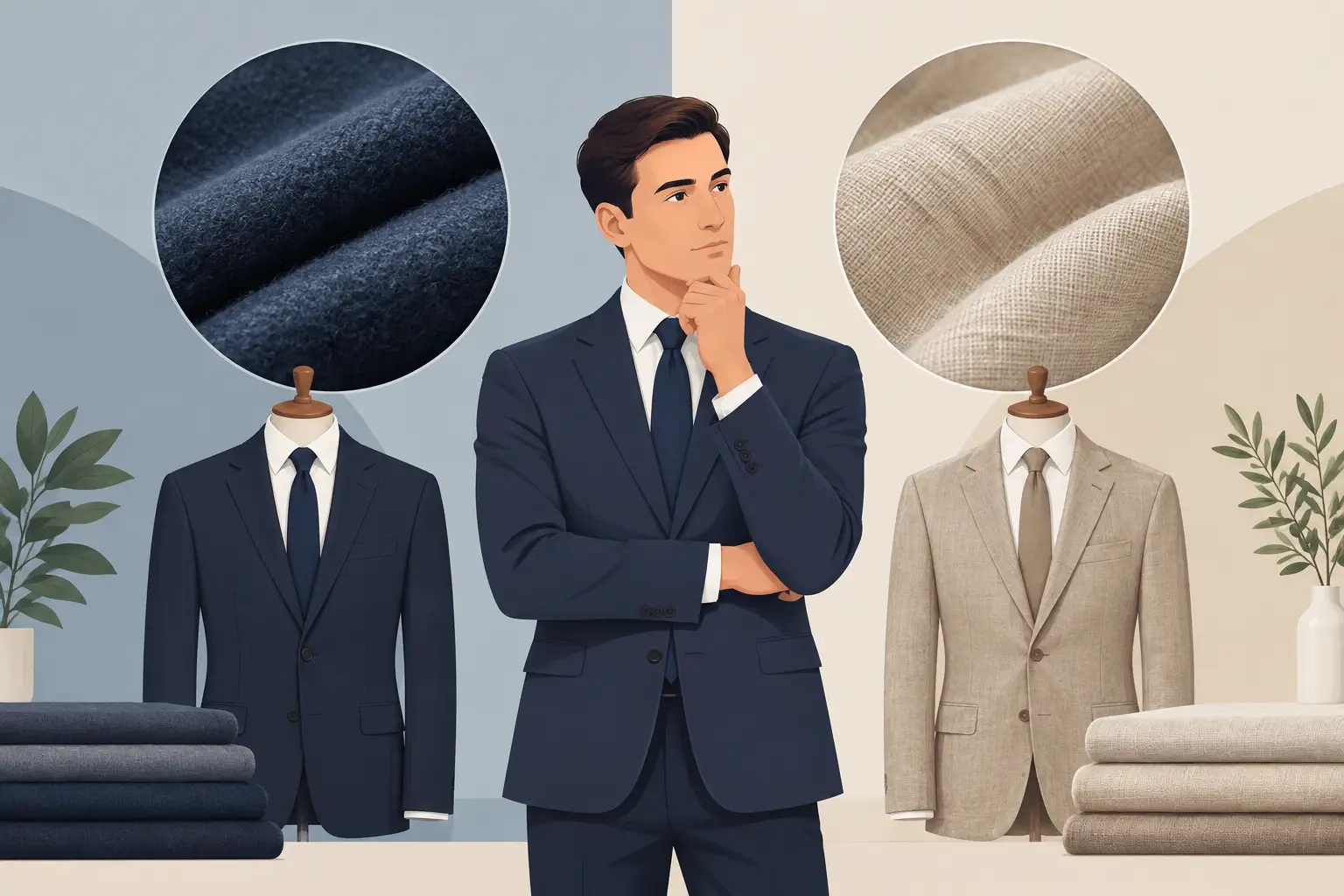
Then there is fabric. Colour never exists in isolation. Navy in a matte wool hopsack feels different from navy in a lustrous mohair blend. Sage green in linen has a relaxed elegance, while the same shade in a smooth worsted can look more fashion-led. The cloth changes the message.
The most reliable groomsmen suit colours
Navy
Navy remains one of the strongest answers for groomsmen because it offers balance. It is formal without feeling severe, flattering on most complexions, and versatile across spring, summer, autumn and winter. It also works with almost every common wedding palette, from white and green florals to richer burgundy and gold accents.
For a groom wearing a slightly brighter blue, a midnight navy, or even black tie, navy groomsmen suits provide enough contrast without competing. It is also forgiving in photographs, which matters more than many couples expect. A deep navy reads cleanly and polished from ceremony through to evening reception.
If there is a trade-off, it is familiarity. Navy is popular because it works, but it can lack distinction if the cut, cloth and finishing are ordinary. The remedy is not to avoid navy. It is to ensure the tailoring is sharp, the shoulder line is clean, and the accessories are considered.
Charcoal grey
Charcoal is one of the most understated and elegant choices available. It carries a more serious, metropolitan quality than navy and pairs exceptionally well with winter weddings, formal venues, and evening settings. If the groom is wearing black, charcoal often makes more sense than lighter grey because it keeps the party visually anchored.
It is also useful when the wider wedding palette is soft or neutral. Charcoal gives pale florals, ivory dresses and candlelit interiors something to work against. The contrast feels deliberate and refined.
What charcoal does not offer is lightness. For high summer or beachside ceremonies, it can feel too weighty unless the fabric is noticeably lighter in construction.
Mid grey
Mid grey is often overlooked, yet it can be one of the best groomsmen suit colours for contemporary weddings. It feels fresh, clean and adaptable, particularly in spring and summer. It also suits modern venues with stone, glass or minimalist interiors.
The appeal of mid grey lies in its neutrality. It allows ties, pocket squares and buttonholes to introduce colour without making the suits themselves look busy. If the groom wants to wear a stronger tone, perhaps a rich blue or a subtle check, mid grey groomsmen provide a calm visual frame.
The caution here is that poor fit becomes very obvious in lighter greys. Creasing, pulling and excess cloth show more readily, so precision in cut matters enormously.
Forest green and olive
Green suiting has moved beyond novelty and into genuine sartorial credibility, especially for weddings with a country, garden or autumnal setting. Forest green feels rich and masculine, while olive has a softer, earthier character. Both can look exceptional when the cloth has texture, such as brushed wool, fresco, or a subtle hopsack weave.
These shades work particularly well where the wedding palette includes creams, rusts, dried florals, deep reds or natural wood tones. They also allow the groom to wear something classic, such as navy or black, while the groomsmen add personality.
Green is more specific than navy or grey, so it needs context. In a sleek city ballroom, it may feel slightly at odds unless the styling is very controlled. In the right setting, however, it looks assured rather than obvious.
Beige, stone and taupe
For summer weddings, especially those held outdoors or abroad, beige, stone and taupe can be superb. These lighter neutrals carry ease without sacrificing elegance, provided the tailoring remains crisp and the fabric has enough body.
Stone and taupe are usually more refined than very pale beige, which can wash out some skin tones and appear too casual if the cloth is flimsy. A tobacco loafer, an ivory shirt and a beautifully cut jacket can make this family of colours look quietly luxurious.
The challenge is practicality. Lighter suits mark more easily and demand confidence from the wearer. They also require stronger attention to shirt tone and accessory balance. Done badly, they can look flimsy. Done well, they look effortlessly expensive.
Should the groom match the groomsmen?
Not always. In fact, some of the strongest wedding styling comes from thoughtful distinction rather than exact matching. The groom might wear a deeper shade of the same colour family, a different cloth with more texture, or a more formal jacket configuration such as peak lapels against notch lapels for the groomsmen.
This creates hierarchy without making the group look disjointed. If everyone wears precisely the same suit, the groom can disappear slightly in photographs. On the other hand, if the contrast is too strong, the wedding party can look as if it was assembled from separate events.
A good rule is coordination rather than duplication. Shared elements such as shirt colour, tie family or boutonniere style create harmony, while suit colour can do the work of setting the groom apart.
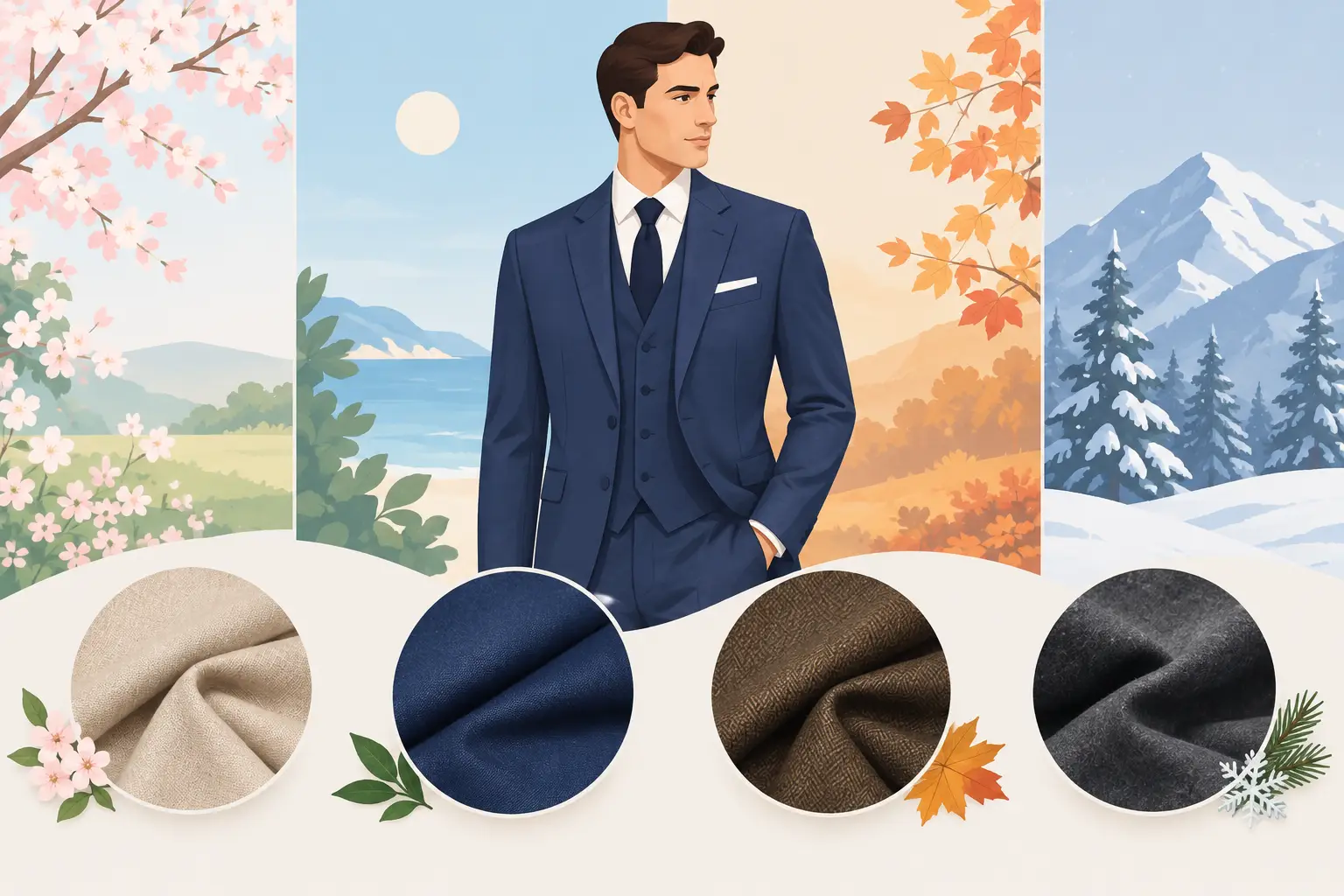
Best groomsmen suit colours by season
Spring usually suits mid grey, navy, softer blues and muted greens. The light is clearer, florals are fresher, and these colours feel appropriately sharp without looking heavy.
Summer tends to favour lighter palettes, so stone, taupe, light grey and brighter navy all come into their own. Breathable cloth is essential here. A beautiful colour in the wrong weight will look uncomfortable by midday.
Autumn welcomes depth. Forest green, charcoal, deep navy and richer brown-based neutrals all feel grounded against changing foliage and lower light.
Winter is where darker shades truly excel. Charcoal, midnight navy and black-adjacent tones bring formality and richness, especially in woollen cloths with substance.
What to avoid when choosing suit colours
The common mistake is selecting a colour in isolation. A swatch may look appealing on its own but feel entirely different next to bridesmaid dresses, floral tones, venue interiors and evening lighting. Colour needs context, not guesswork.
Another error is pushing too hard for novelty. Unusual shades can be memorable, but memorable is not always elegant. If a colour pulls focus from the groom or dates the photographs too strongly, it has not done its job.
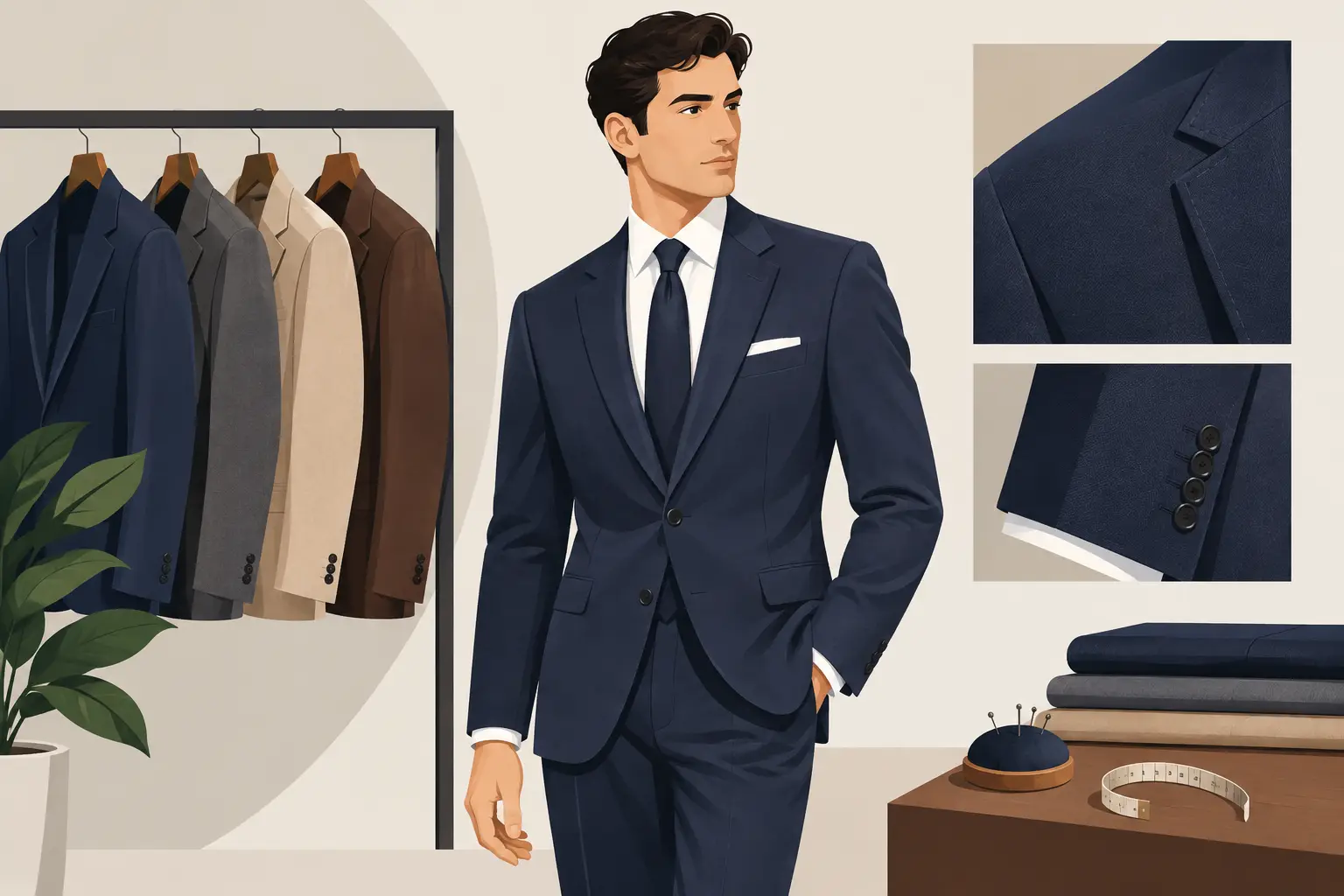
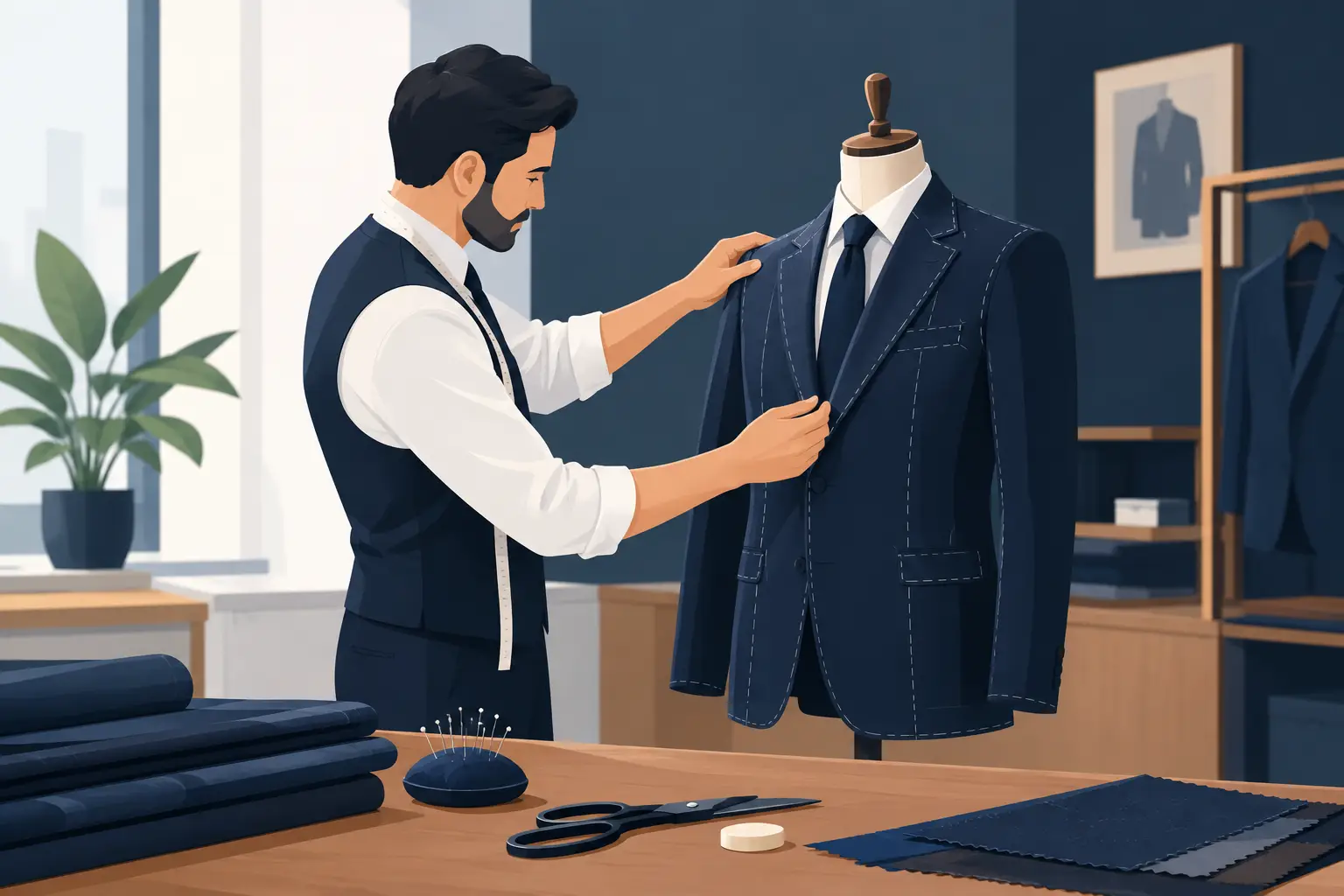
Finally, do not underestimate fit. The finest navy, green or taupe cloth loses authority immediately if the jacket collar lifts, the trouser break collapses, or the waist suppression is wrong. Colour may begin the conversation, but cut finishes it.
The final decision should feel considered, not forced
The best groomsmen suit colours are the ones that support the mood of the wedding and flatter the men wearing them. Navy and charcoal remain timeless because they solve many problems beautifully. Mid grey, green and lighter neutrals can be exceptional when the season, venue and styling all align.
What elevates the result is not only choosing the right shade, but choosing it with intention. When colour, cloth and tailoring work together, the wedding party looks composed from every angle. That is where true sartorial sophistication begins – and where photographs continue to feel relevant long after the day itself has passed.