
A wedding suit should not spend the rest of its life sealed in a garment bag. When a suit is chosen with discernment and cut with purpose, the answer to can wedding suits be reused is an emphatic yes. The key is to distinguish between a suit designed purely for one spectacular photograph and one meticulously crafted to serve its wearer long after the speeches have ended.
A wedding is a defining occasion, and your tailoring should meet it with presence. Yet the most elegant choice is often one that continues to earn its place in your wardrobe: at dinners, race days, important meetings, celebrations and evenings when a standard business suit simply will not do.
Can Wedding Suits Be Reused for Other Occasions?
Most wedding suits can be reused, but not all will be equally versatile. A midnight-blue three-piece in a refined wool cloth has a very different future from a heavily embellished ivory jacket or an extremely slim suit in a bold seasonal print. Neither is inherently wrong. They simply answer different briefs.
The best reusable wedding suit begins with an honest conversation about your life after the wedding. If you regularly attend formal dinners, work in a client-facing profession, enjoy country events or want a strong occasion wardrobe, the wedding suit can become the foundation of several looks. If the aim is a highly theatrical, black-tie-inspired statement for one day only, its role may be more limited – and that can be entirely appropriate.
Versatility is not about making your wedding suit ordinary. It is about giving it enough restraint in the right places that its character can be restyled rather than retired.
Start With a Cloth That Has a Future
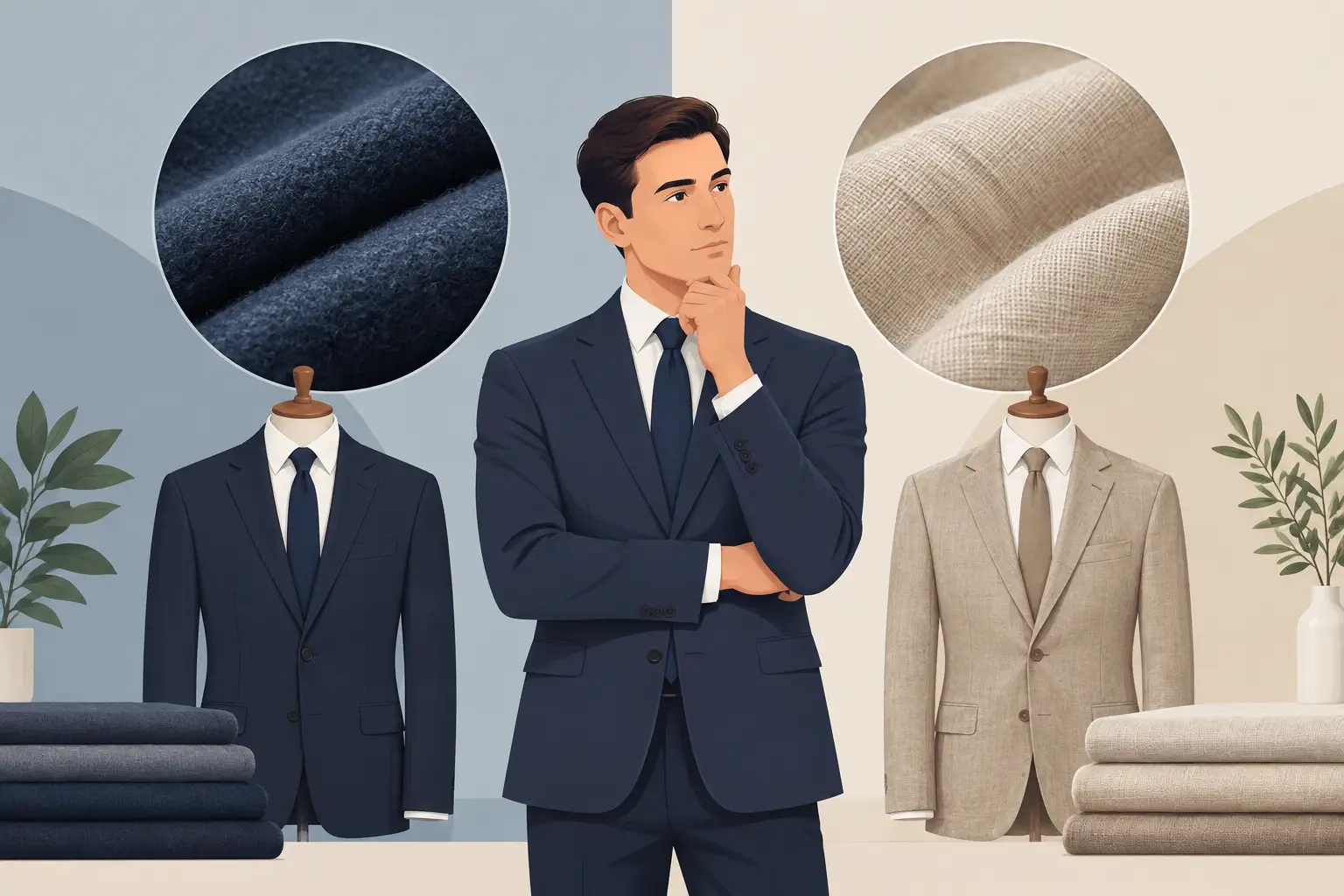
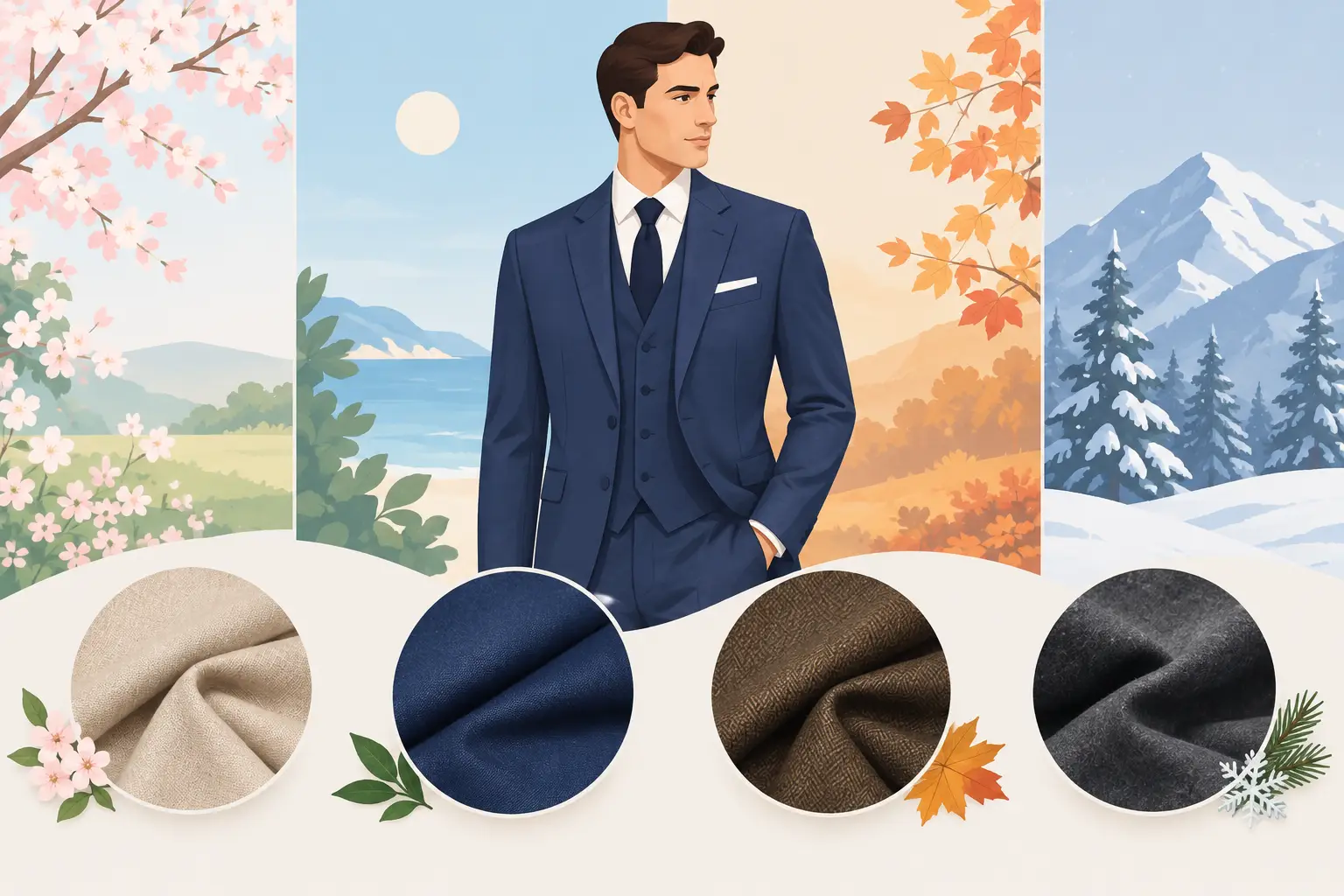
Fabric is the first decision that determines whether a suit will be worn again. For a British wedding, wool remains the most dependable choice. It has natural breathability, holds a sharp line, resists creasing better than many alternatives and can be worn across much of the year.
A fine navy, mid-blue, charcoal or deep green wool suit will move easily into a wider wardrobe. Navy is especially accomplished: formal enough for a ceremony, authoritative in professional settings and relaxed enough to wear as separates. A muted brown, tobacco or olive suit can be exceptional for an autumn wedding and later become a favourite for lunches, country gatherings and less conventional formal events.
Texture creates personality without sacrificing longevity. A subtle hopsack, birdseye, nailhead, high-twist wool or restrained herringbone gives the cloth visual depth, particularly in natural light, while remaining sophisticated away from the ceremony. These fabrics photograph beautifully, but more importantly, they do not look as though they belong exclusively to a wedding album.
Linen and linen-wool blends are excellent choices for destination or summer weddings, provided you embrace their character. Linen will crease. That relaxed texture is part of its appeal, but it is less suited to a boardroom-heavy life. Velvet, silk blends and brocades offer richer evening impact, though they are usually better reserved for formal parties, winter dinners and black-tie-adjacent occasions.
Choose a Cut That Does More Than One Job
The suit’s silhouette matters as much as its cloth. A wedding suit should look refined at the altar, certainly, but it should also allow you to sit comfortably through dinner, move naturally on the dance floor and wear the jacket again without appearing overdressed.
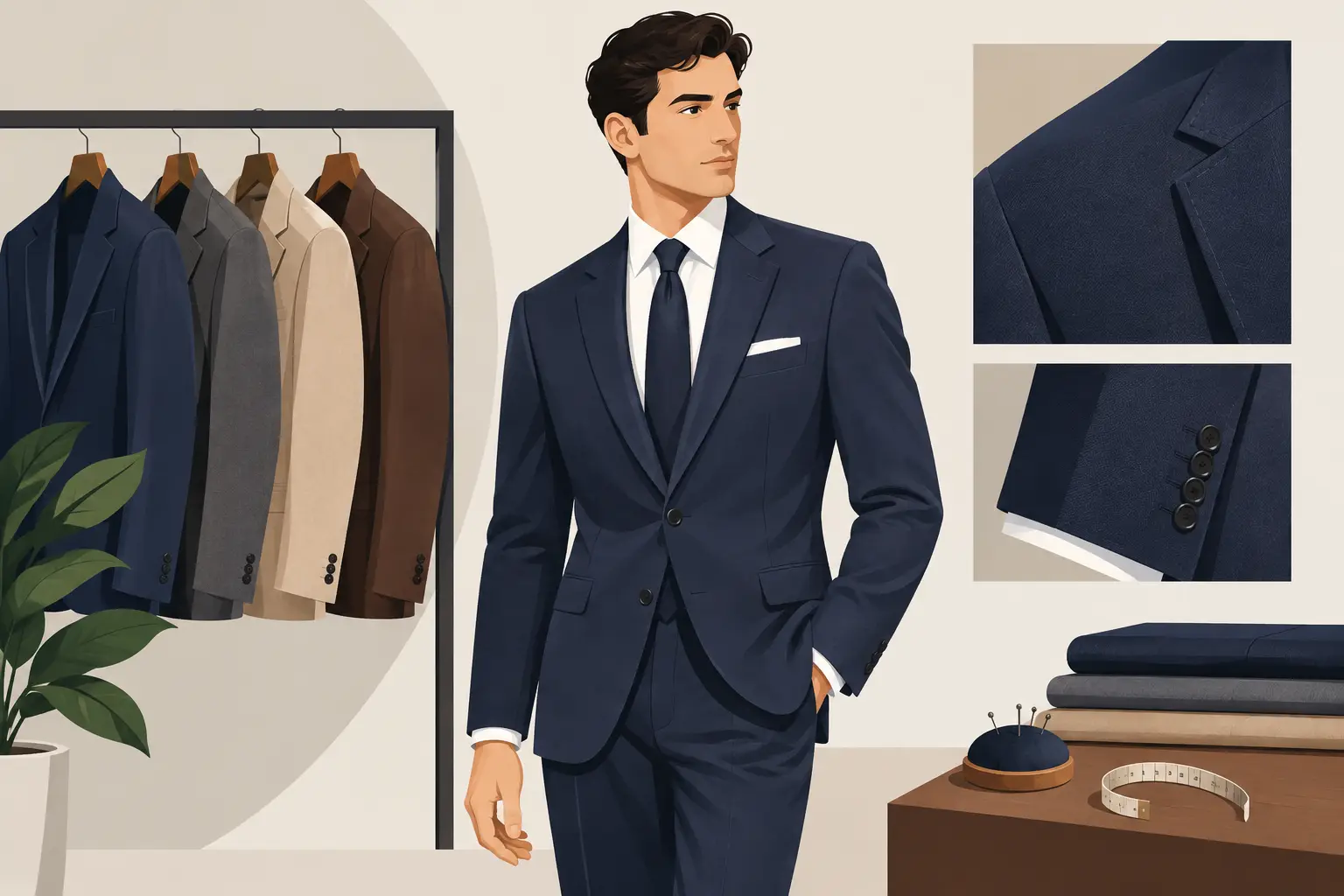
A well-proportioned single-breasted two-piece is the most adaptable option. A two-button jacket with a clean lapel line, a shaped waist and trousers cut with sufficient room through the seat and thigh will remain relevant for years. It can be worn with a crisp white shirt and tie, a fine-gauge knit, or open-necked with loafers depending on the setting.
A three-piece suit adds ceremony and is particularly effective for a church or formal country-house wedding. The waistcoat retains elegance once the jacket comes off and gives the day a more considered finish. Afterwards, wear the jacket and trousers alone for a less formal appearance, or pair the waistcoat with tailored trousers for a reception, dinner or summer event. The only caveat is proportion: an overly low-cut waistcoat or aggressively contrasting cloth can make the set feel locked into its original occasion.
Double-breasted tailoring can also be remarkably useful, especially in navy, grey or a quiet check. Its stronger shape projects confidence and lends itself well to celebratory dressing. However, it must be cut precisely. The balance of the button stance, lapel width, skirt and trouser rise determines whether it looks timelessly commanding or like a passing trend.
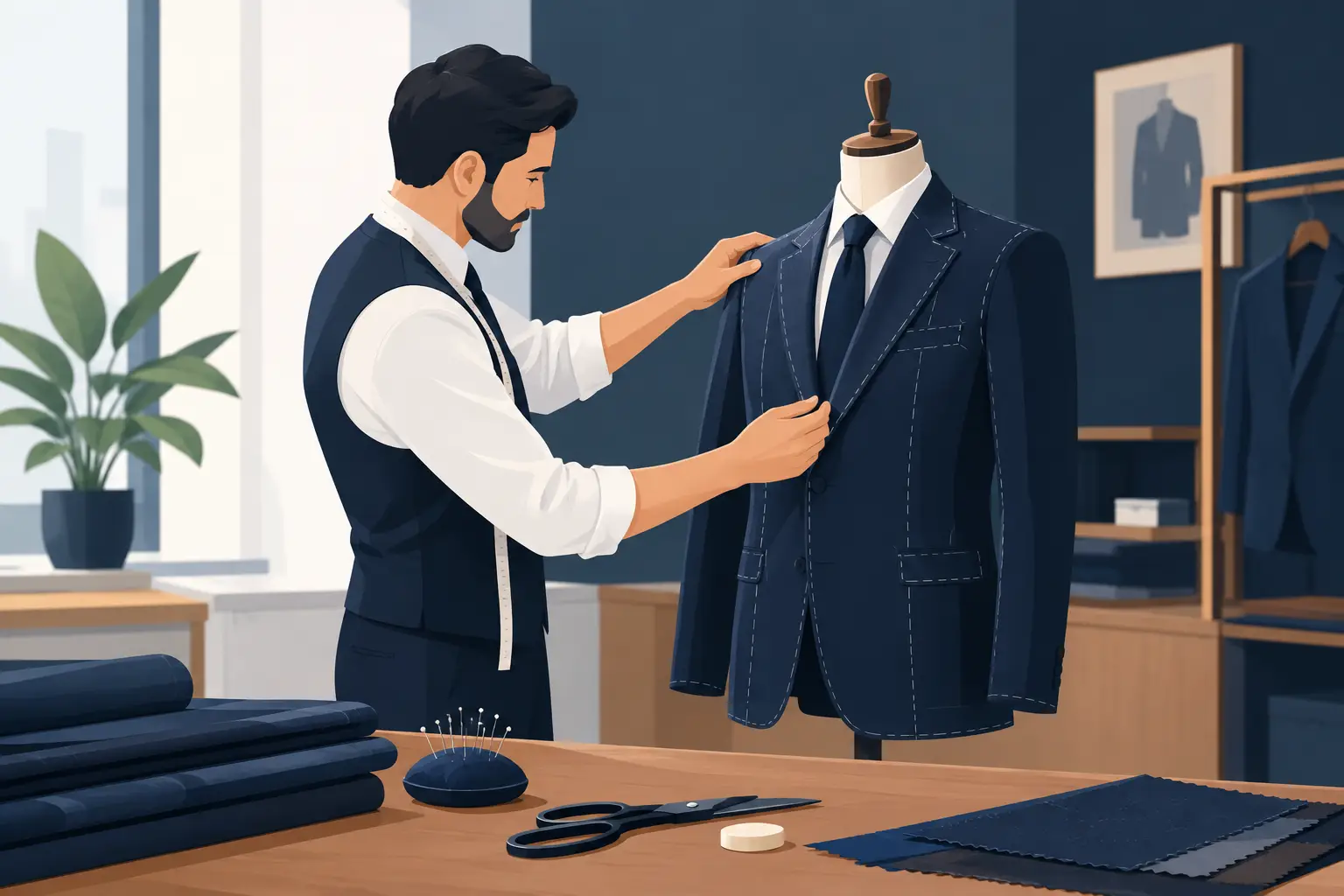
At Manndiip, this is where bespoke consideration makes a meaningful difference. A pattern drafted around your posture and body contours produces more than an impressive first fitting. It creates a garment you reach for because it feels natural to wear.
Details That Make Rewearing Easier
The details of a wedding suit should feel intentional, not disposable. Consider contrast carefully. A vivid lining, personal embroidery or a distinctive buttonhole can make the garment feel yours without limiting how it is styled later. These private details are often preferable to overt external embellishment.
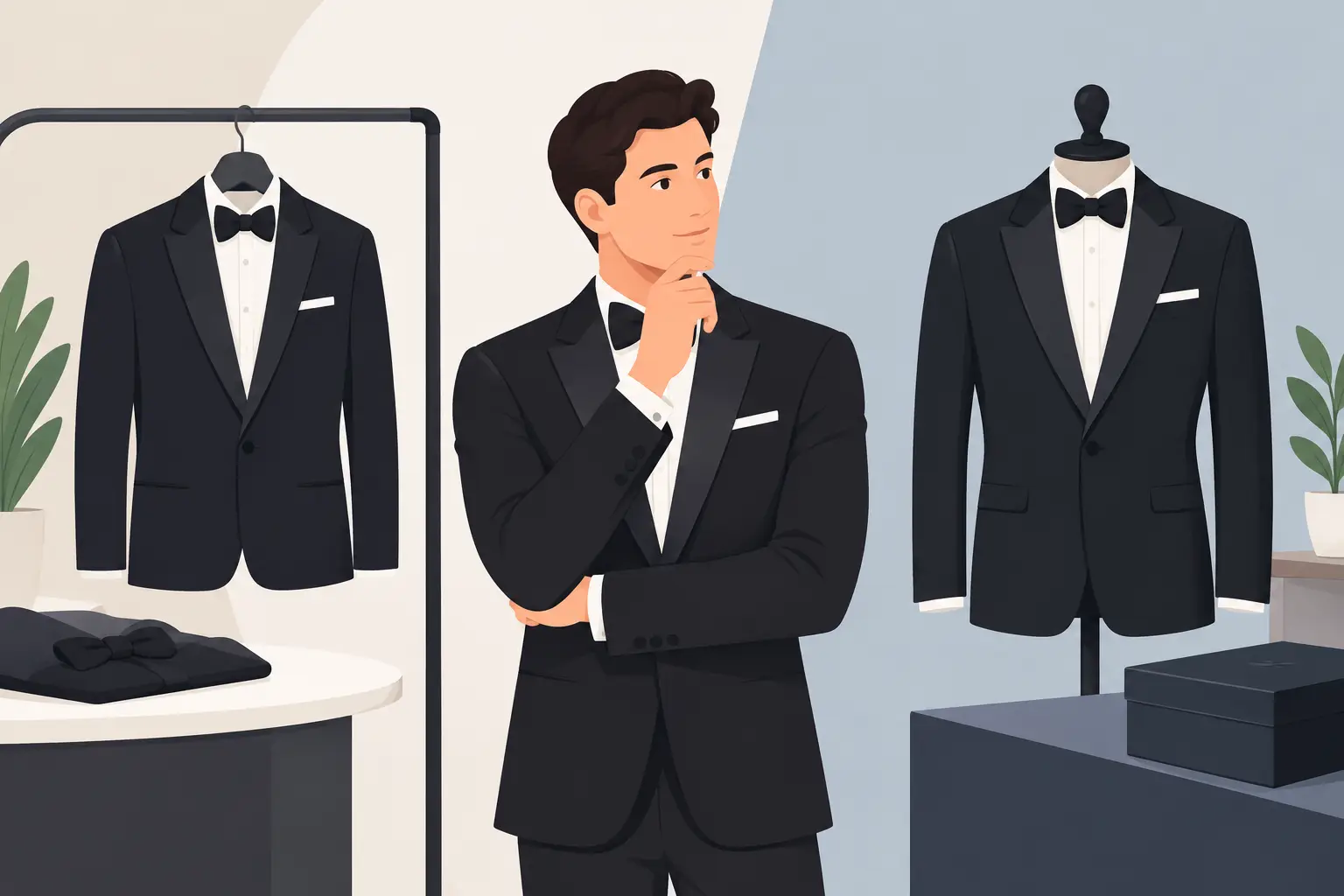
Lapel choice has a similar effect. A notch lapel is the most versatile for a daytime suit. A peak lapel introduces more formality and can be highly flattering, particularly on a three-piece or double-breasted jacket. A shawl collar, by contrast, is usually best reserved for a dinner jacket rather than a suit intended for broad reuse.
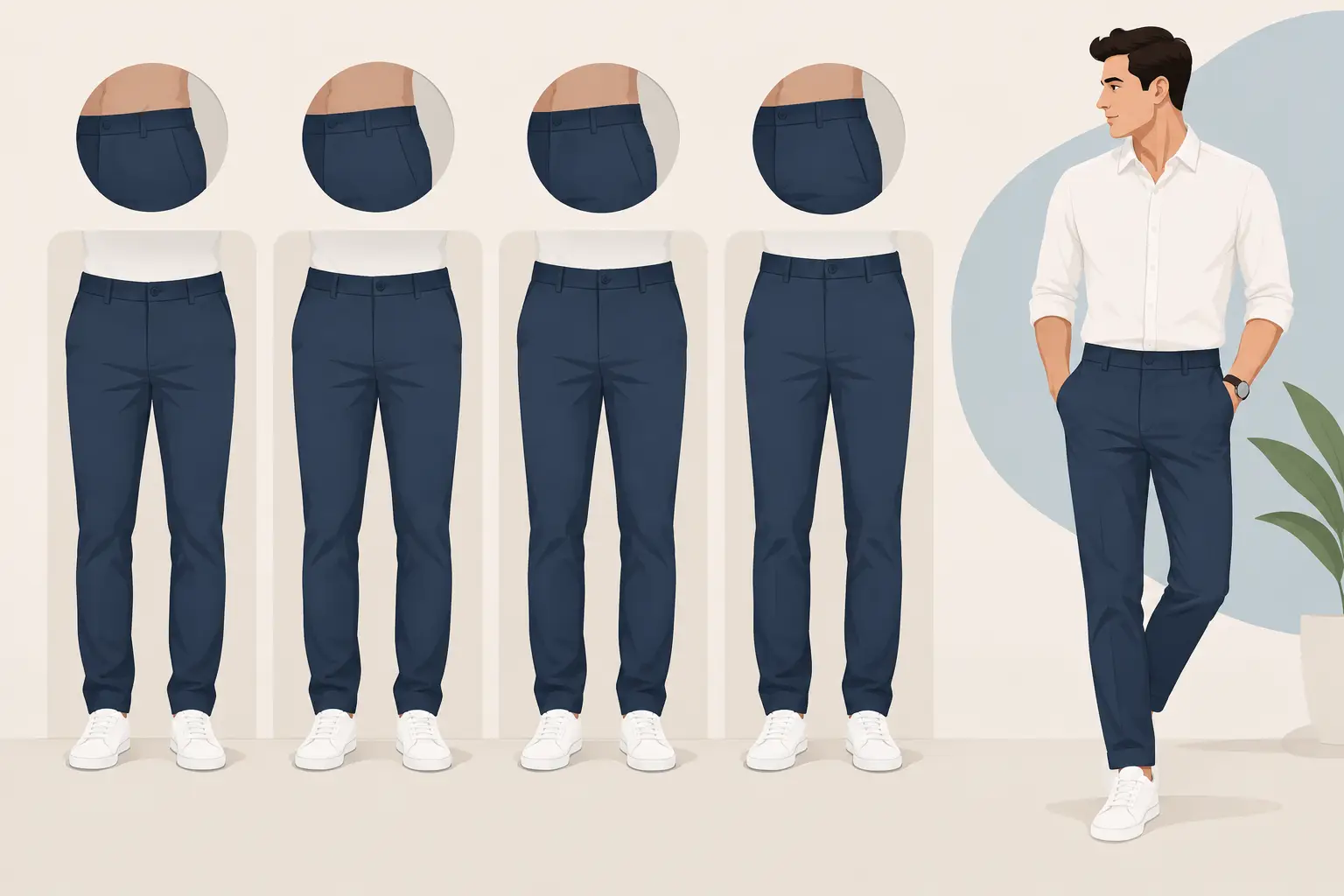
Trousers are often the overlooked part of the equation. A slightly higher rise and a clean, balanced leg create a more enduring silhouette than a very low rise with an aggressively tapered ankle. Side adjusters offer a polished alternative to belt loops for the wedding day and beyond, while a cuff can add weight and visual balance to pleated trousers. These are not merely decorative decisions. They affect comfort, line and longevity.
How to Restyle a Wedding Suit Afterwards
The simplest way to make a wedding suit feel new is to stop wearing it as a complete wedding outfit. Separating the jacket and trousers gives you far more possibilities.
Wear a navy wedding jacket with grey flannel trousers, a pale blue shirt and dark brown loafers for an elegant dinner. Pair the original trousers with a fine merino knit and suede jacket for an elevated weekend look. A green or brown suit jacket can sit beautifully with cream cotton trousers, an open-collar shirt and a pocket square in summer.
For formal evenings, return to the complete suit but change the supporting cast. Replace the wedding tie with a darker silk tie, knitted tie or no tie at all. Swap highly polished wedding shoes for suede loafers, sleek Chelsea boots or dark brown brogues where the setting allows. A white shirt is always assured, but pale blue, soft cream and subtle stripe can shift the mood entirely.
Accessories should be selected with restraint. The pocket square does not need to match the tie, and braces should be treated as a considered element of the outfit rather than a novelty. A handmade silk square, a well-chosen tie and proper leather shoes can recast familiar tailoring with quiet authority.
When Alterations Give the Suit a Second Life
Bodies change, tastes evolve and a wedding suit may need refinement before its next chapter. Skilled alterations can make an enormous difference. Trouser waists can often be adjusted, hems altered, sleeves shortened and jackets suppressed or eased modestly through the waist. A waistcoat can be refined to sit cleanly beneath the jacket, while buttons and minor finishing details can be updated to restore polish.
There are limits. Major changes to shoulder width, jacket length or the overall chest can compromise the original balance of a tailored garment. This is why it pays to begin with quality construction and an appropriate fit rather than buying for a hoped-for future alteration. A suit should fit you well at the point of commission, with enough structural integrity to accommodate sensible adjustments over time.
If the suit no longer works as a complete ensemble, do not assume it has failed. A jacket may still become an excellent separate, while trousers can be paired with knitwear or an overcoat for smart-casual occasions. Reuse is not always about preserving the original outfit exactly. It is about retaining the value of fine cloth and considered craftsmanship.
The Cases Where a One-Occasion Suit Is Right
There is no obligation to make every wedding suit versatile. If you are wearing a dinner jacket for an evening celebration, a white jacket for a destination wedding, or a richly patterned piece that expresses your personality perfectly, its occasional nature may be precisely the point. Exceptional clothes are allowed to be memorable.
The difference is making that choice knowingly. Commission an unapologetically distinctive suit because it reflects the atmosphere you want to create, not because versatility was overlooked. Even then, proper pressing, brushing, careful storage and professional cleaning when needed will preserve it for anniversaries, formal parties or future celebrations.
The most satisfying wedding suit is not necessarily the one worn every week. It is the one that continues to feel like you whenever the right occasion arrives. Choose cloth, cut and details with that future in mind, and your wedding tailoring will carry more than memories – it will carry its place in your wardrobe with lasting sophistication.