
A dinner invitation can appear simple until three words alter the entire brief: “black tie preferred”. This formalwear dress code guide removes the uncertainty, showing where tradition is non-negotiable, where personal style has room to speak, and why fit remains the difference between merely dressing correctly and looking genuinely distinguished.
Formalwear is not simply a darker suit with a smarter shirt. Each code has its own hierarchy of cloth, construction and finishing. Understanding that hierarchy allows you to arrive appropriately dressed without looking interchangeable.
Start With the Invitation, Not the Wardrobe
The wording on an invitation is your clearest instruction. “White tie” calls for the highest level of evening dress. “Black tie” has a defined uniform, even when the host permits a little interpretation. “Formal”, “lounge suit” and “black-tie optional” require more judgement, especially for weddings, business dinners and charity events.
Consider the venue, time of day and host alongside the stated code. A winter wedding in a country house invites a different expression of formality from a summer gala in central London. The aim is not to outshine the occasion, nor to diminish it. It is to look assuredly at home within it.
White Tie: The Full Evening Uniform
White tie is rare, but its rules are precise. It requires a black tailcoat with silk-faced lapels, worn with matching trousers finished with a double braid. The shirt should be white marcella cotton, traditionally with a stiff front and wing collar. A white bow tie, white waistcoat, black patent evening shoes and discreet studs complete the ensemble.
The waistcoat must sit beneath the tailcoat and its points should be visible at the front. A black bow tie, a standard business shirt or an ordinary dinner jacket will not meet the code. White tie is a case where fidelity to tradition is more elegant than improvisation.
A beautifully cut tailcoat matters particularly here. Its front should sweep cleanly away from the waist, while the tails hang with balance rather than pulling apart. Trousers should sit at the natural waist, creating the correct proportions through the torso and allowing the waistcoat to remain properly covered.
Black Tie: Refined, Not Costume-Like
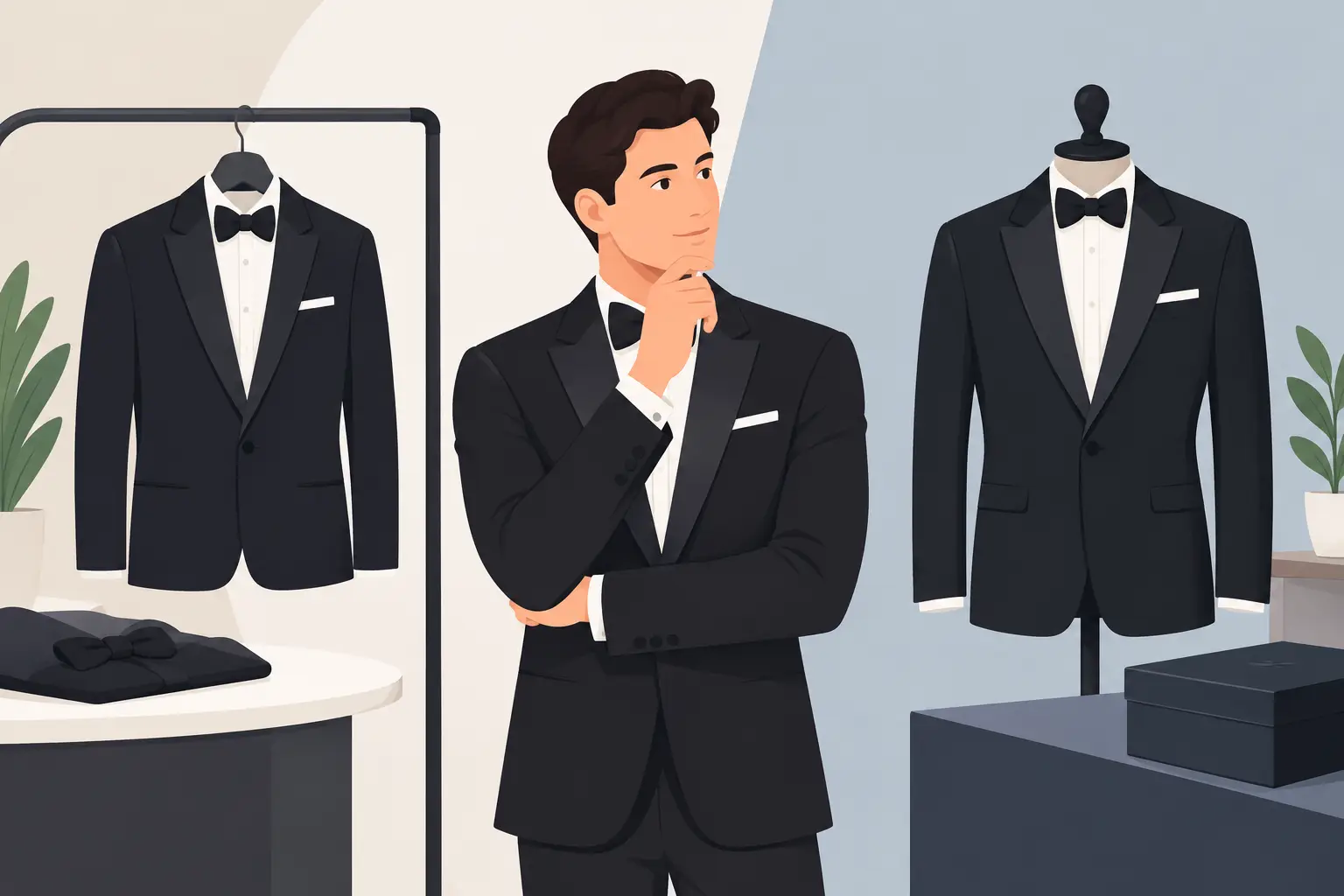
Black tie is the dress code most often misread. The classic choice is a black or midnight-blue dinner jacket, paired with matching formal trousers, a white evening shirt, black bow tie and highly polished black shoes. Midnight blue is especially handsome under artificial light, where it can appear richer and deeper than black.
The jacket may have a shawl collar or peaked lapels, both faced in silk. A single-button fastening maintains a clean line. Trousers should have a silk stripe down the outer seam and no belt loops. Wear braces if needed, never a belt. The waistband is designed to remain uninterrupted.
A cummerbund or low-cut evening waistcoat is optional but useful, particularly if you prefer a more complete silhouette. It conceals the shirt’s waistband and lends purpose to the outfit. If wearing a cummerbund, its pleats face upwards. That small detail separates considered dressing from borrowed formalwear.
Avoid novelty bow ties, conspicuous watches, bulky shoes and a standard black business suit. Velvet dinner jackets can work well for a festive dinner, private party or winter wedding, usually in deep burgundy, bottle green or midnight blue. They are less suitable when the invitation specifically requests traditional black tie or when the event is highly ceremonial.
Formalwear Dress Code Guide: When a Suit Is Right
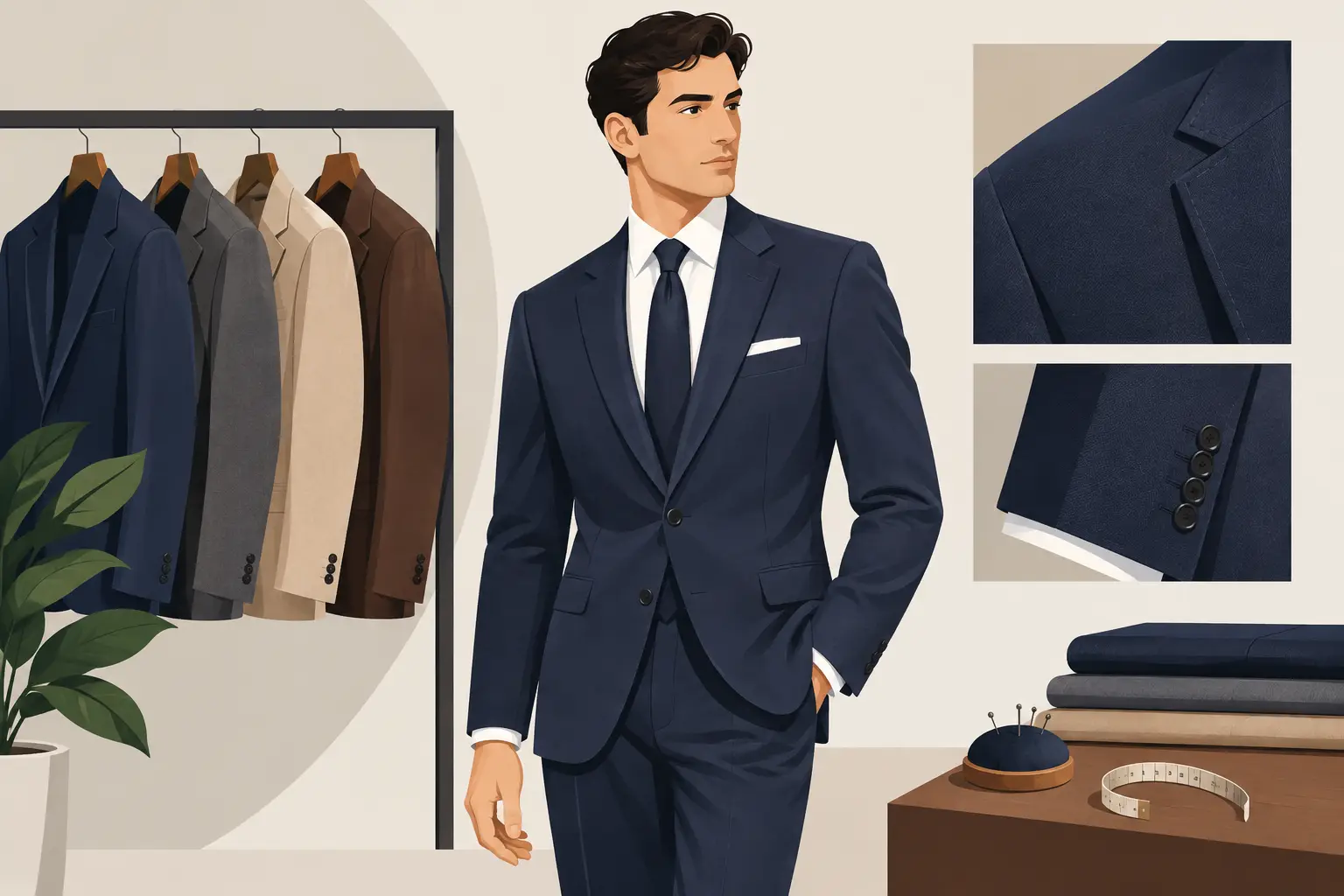
“Formal” does not automatically mean black tie. For many weddings, races, dinners and professional occasions, a dark, impeccably tailored suit is the appropriate answer. Navy and charcoal are the most versatile foundations. They retain the seriousness required for evening events while offering more depth than stark black, which can resemble business attire or funeral dress in daylight.
Choose a two-piece or three-piece suit according to the setting. A three-piece creates a more formal, composed presence and is particularly effective for a groom or guest at a traditional wedding. A two-piece can feel cleaner and more modern, especially when cut with strong shoulders, a shaped waist and balanced trouser line.
Your shirt should be crisp white or pale blue for most formal suit occasions. A restrained silk tie, neatly tied and proportioned to your lapels, is more convincing than an overly elaborate pattern. Finish with dark leather Oxford shoes, a folded pocket square and a belt only where the trousers have belt loops.
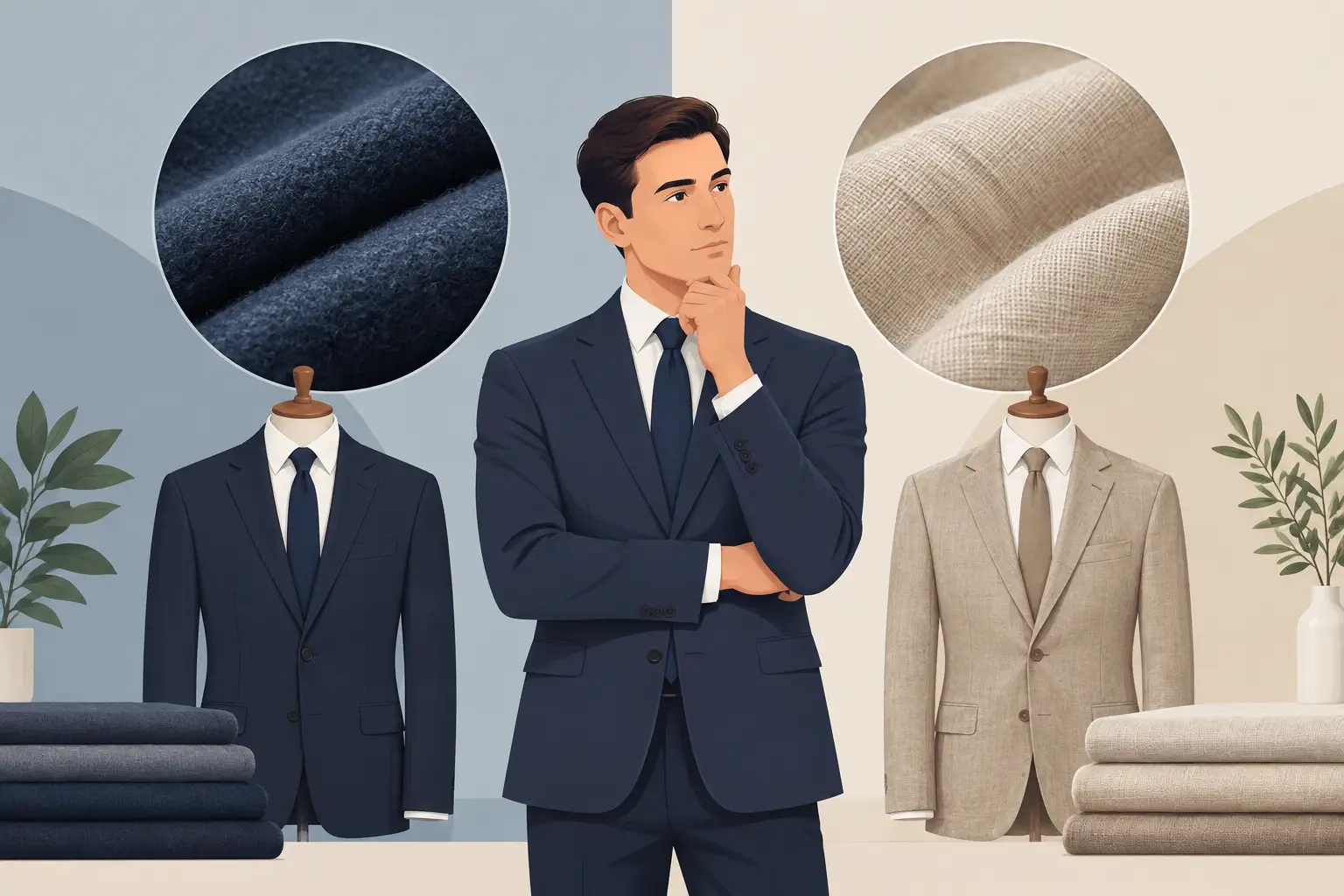
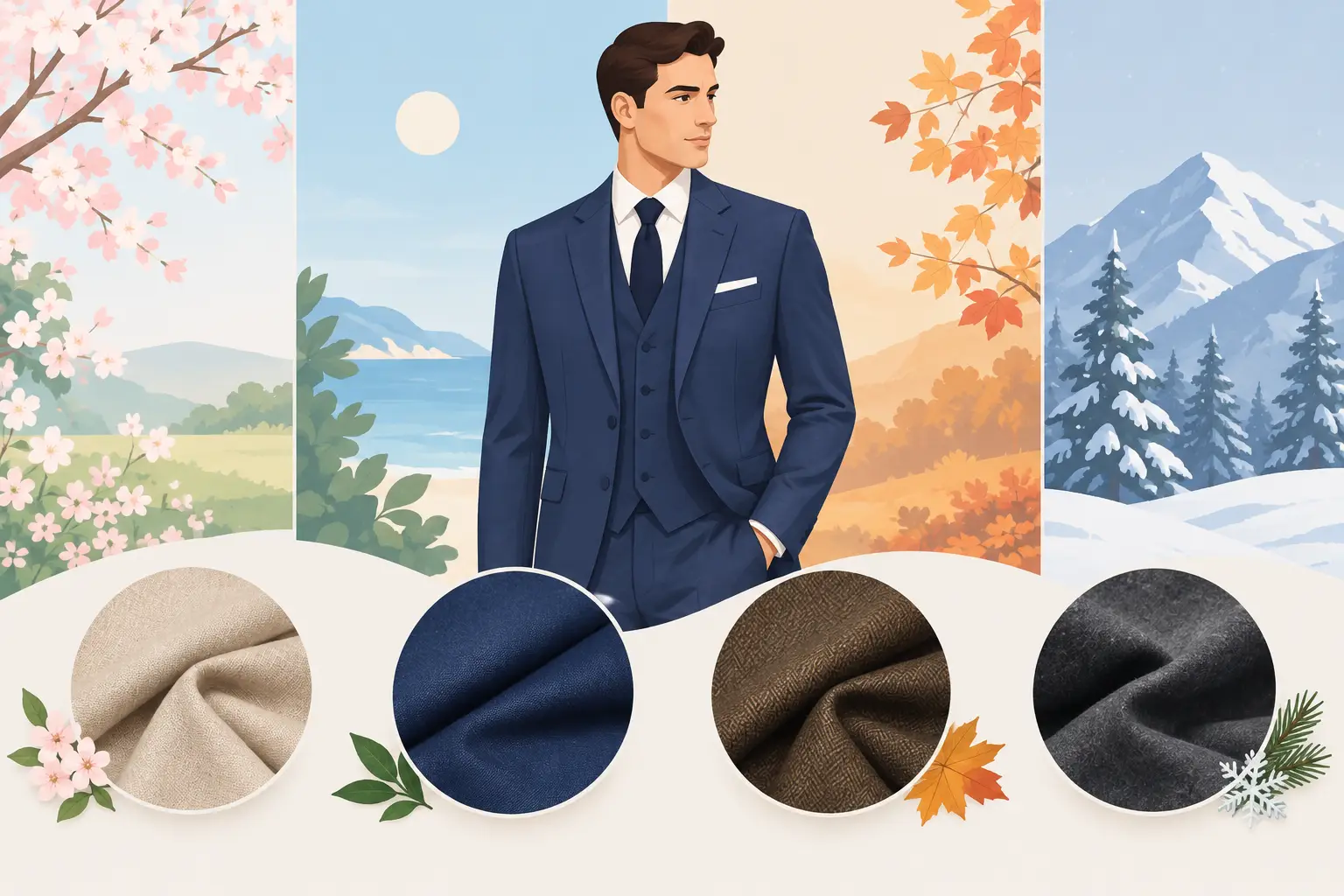
Cloth selection changes the character of the suit. Fine worsted wool has a smooth, polished surface for city settings. A subtle herringbone, nailhead or mohair blend brings texture without looking casual. For summer ceremonies, high-twist wool or a wool-mohair cloth holds its shape better than lightweight linen, which has charm but creases readily and reads less formal.
Black-Tie Optional and Creative Black Tie
Black-tie optional gives guests a choice, but it is not a licence to dress down. If you own a properly fitted dinner suit, wear it. If not, select a dark navy or charcoal suit, white shirt, dark silk tie and black polished shoes. This should look intentional, not like an office suit pressed into evening service.
Creative black tie allows more personality, though it still requires an understanding of the foundations. A velvet jacket, textured jacquard bow tie or unusual lapel facing may be appropriate. Keep the silhouette disciplined and allow one element to take the lead. When jacket, shirt, footwear and accessories all compete, the result becomes theatrical rather than elegant.
Fit Is the Quiet Signal of Quality
Dress codes establish the framework. Fit creates authority within it. A dinner jacket should sit close to the neck without a gap at the collar, with shoulders that follow your natural line and sleeves revealing a measured amount of shirt cuff. The button should fasten without strain, while the lapels lie flat across the chest.
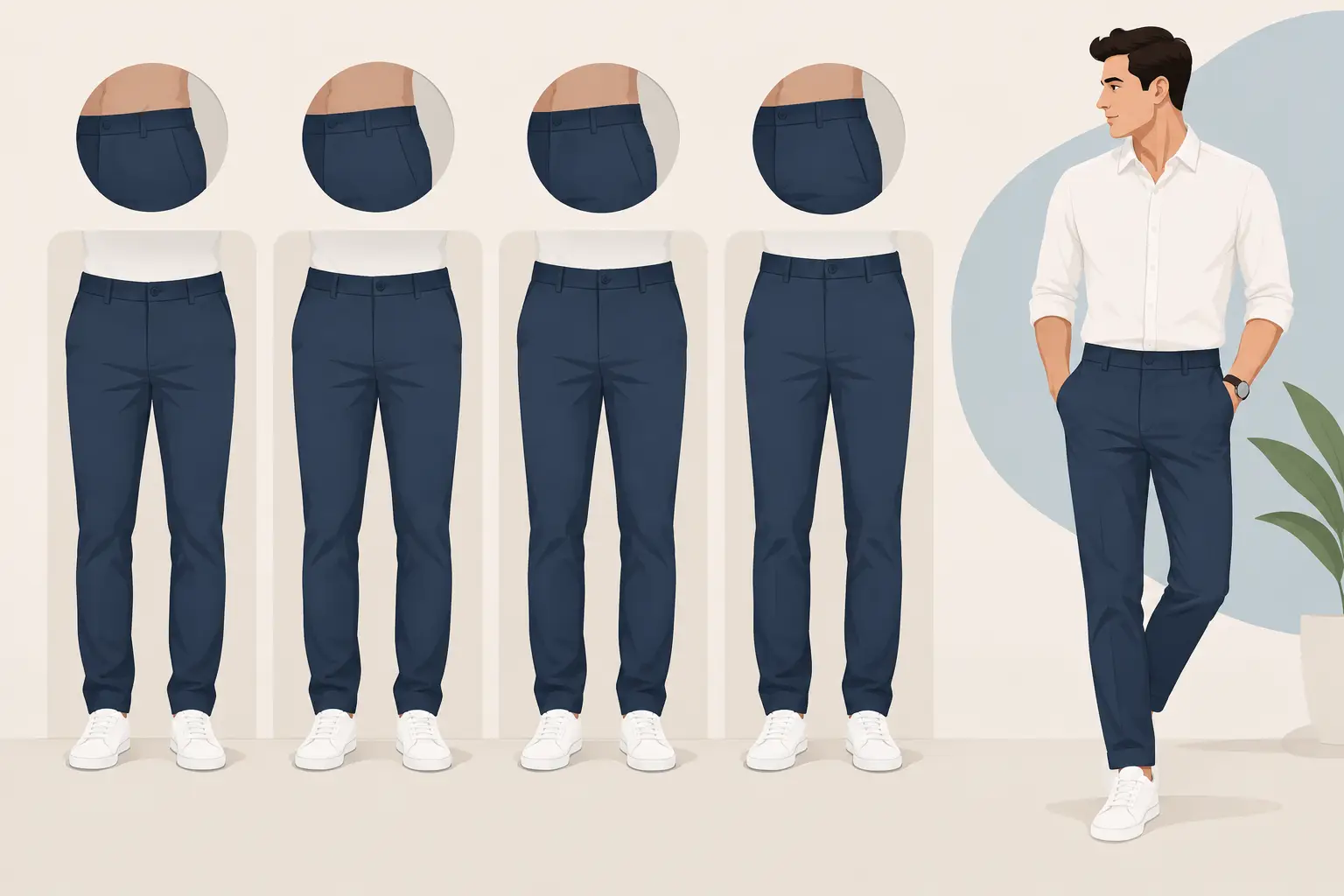
Trousers should fall cleanly from the seat and thigh, with a tidy break or no break at the shoe depending on the cut. Excess fabric around the ankle weakens an otherwise sharp formal look. Equally, trousers that are too narrow can disturb the line and make sitting through a long dinner uncomfortable.
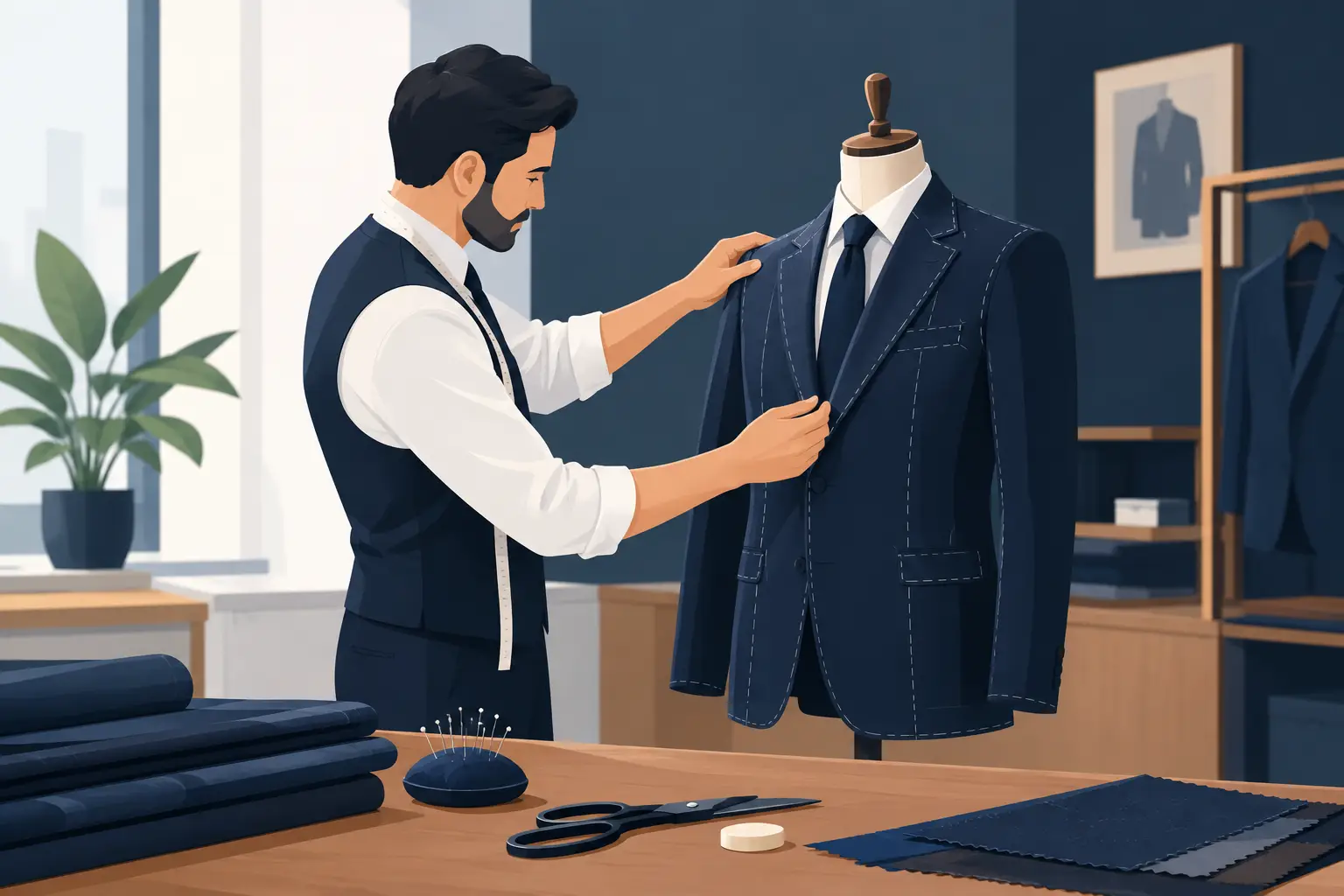
Bespoke and made-to-measure tailoring provide value beyond measurements alone. The cut can account for one shoulder sitting lower, a forward posture, athletic thighs or a pronounced chest. These details are often where off-the-peg formalwear loses its composure. Meticulously shaped garments allow the wearer to move, dine and stand for photographs without constant adjustment.
The Details That Complete Formal Dress
Accessories should support the garment, never distract from it. For black tie, black silk socks are essential. For formal suiting, choose socks that relate to the trouser rather than the shoe, keeping the line unbroken when seated. Shoes should be polished before the event, not rescued at the door with a quick wipe.
A pocket square offers a controlled point of individuality. White linen, lightly folded, is always sound for formal occasions. A handmade silk square can work with a suit, provided its colours echo rather than exactly match the tie. Matching tie and pocket-square sets tend to look overly coordinated.
Jewellery deserves restraint. Shirt studs and cufflinks should be elegant, compact and suited to the shirt. A slim dress watch can complement a formal suit, though traditional black tie is strongest without a conspicuous timepiece. Your mobile phone is not an accessory, so keep it out of a jacket breast pocket.
Outerwear also matters. Arriving in a casual padded coat can undo the considered effect of formal dress. A dark wool overcoat, cut long enough to cover the jacket, is the natural companion for winter events. It protects the tailoring while maintaining the occasion’s sense of ceremony.
Prepare Before the Day
Formalwear rewards preparation. Try on the complete outfit at least a week ahead, including shoes, shirt and accessories. Check that the trouser length works with the shoes you will actually wear, that your shirt collar closes comfortably, and that nothing pulls when you sit down. If alterations are needed, you have time to address them properly rather than accept a hurried compromise.
For wedding parties and significant events, arrange fittings early. A tailored garment needs room for consultation, construction and final refinement, particularly when multiple people must coordinate. Manndiip approaches this process as both technical work and personal styling: the finished garment should honour the dress code while looking unmistakably yours.
The best formal outfit never asks for attention through excess. It earns it through proportion, precision and the ease of a man who knows he is correctly dressed. Choose the code carefully, invest in the fit, and let the finishing details carry the quiet confidence.