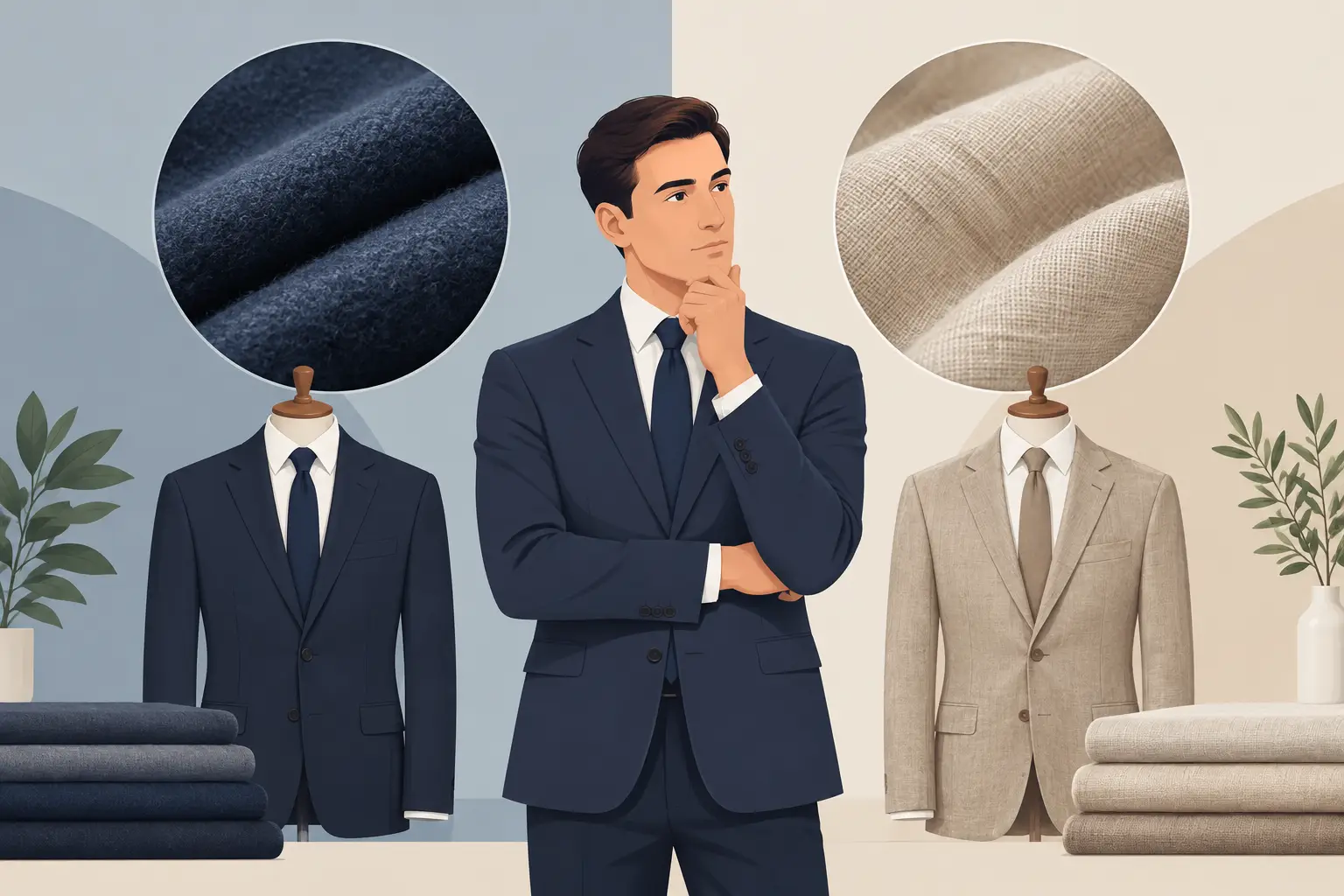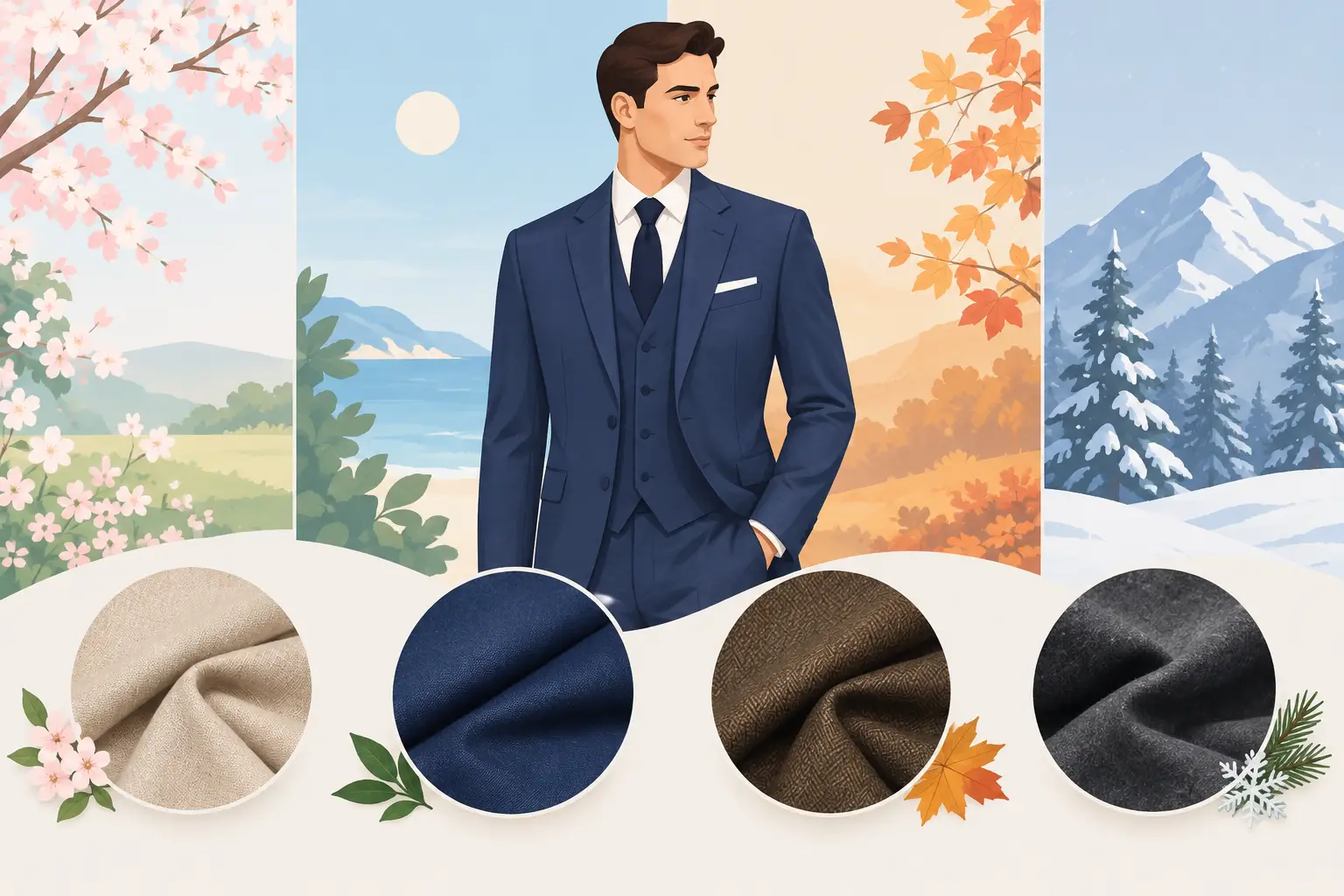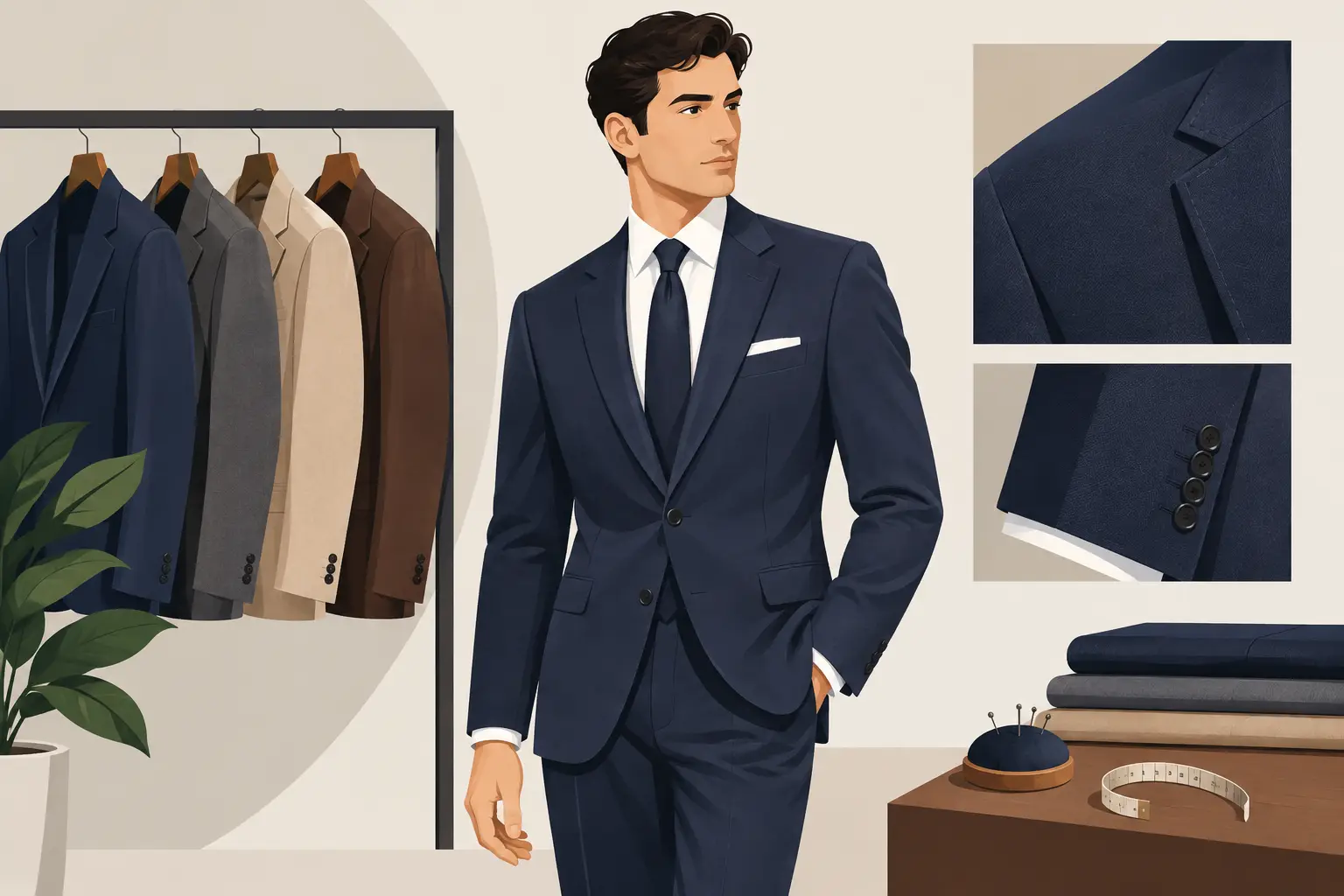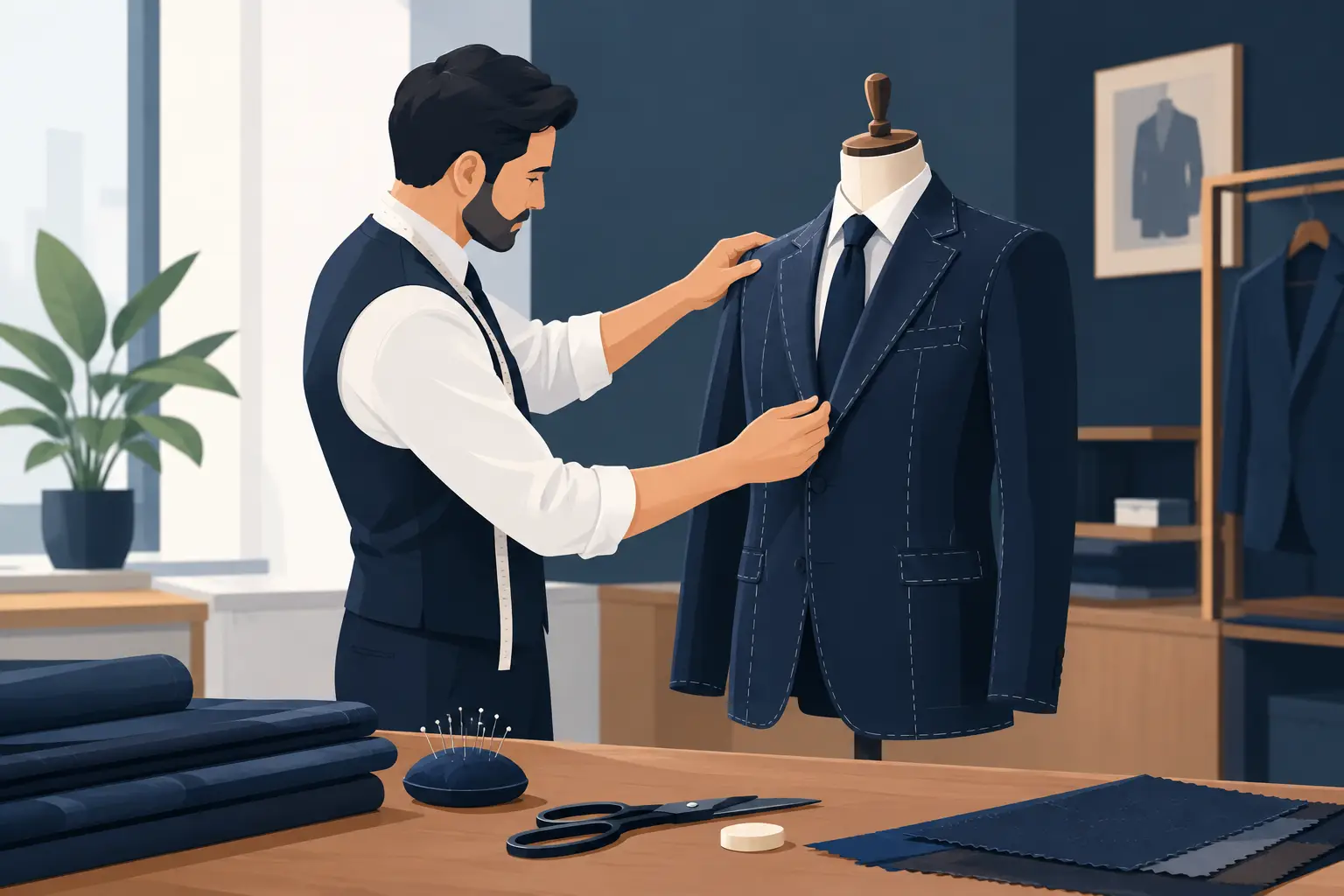

A bespoke suit is judged first by its silhouette, cloth and fit. Yet the lining is where the garment becomes distinctly yours. Knowing how to select bespoke lining means looking beyond a striking colour or pattern and considering how it will support the suit’s purpose, drape and longevity. Chosen well, it is a private expression of taste that feels as considered as the hand-finished buttonholes or the shape of the lapel.
Why bespoke lining deserves proper consideration
Lining serves a practical role. It helps a jacket glide cleanly over a shirt, protects the interior cloth from wear and contributes to how the garment settles on the body. It also changes the experience of wearing the suit. A heavier lining can give structure and warmth, while a lighter option can make a jacket feel noticeably more comfortable during a summer wedding or a long day of meetings.
Aesthetically, lining creates an element of discovery. It may only be visible when you open the jacket, take a seat or remove it at the end of an evening, but that is precisely its appeal. The best choices feel intentional rather than attention-seeking. They complement the outer cloth, reflect the wearer’s character and retain their relevance long after a passing trend has faded.
For a first bespoke commission, the temptation is often to choose the boldest cloth in the lining book. There is nothing wrong with personality, but restraint usually creates the more sophisticated result. The question is not simply whether you like a lining in isolation. It is whether it belongs inside this particular jacket, for this particular part of your life.
How to select bespoke lining by purpose
Start with where and how the suit will be worn. A business suit, wedding suit and country jacket can all accommodate character, but the balance should differ.
For business tailoring, a refined solid, small geometric motif or subtle paisley often works best. Navy, burgundy, tobacco, deep green and soft silver-grey provide depth without competing with a charcoal, navy or mid-grey outer cloth. A reserved lining ensures the jacket remains appropriate when worn in more formal settings, while still rewarding a closer look.
Wedding tailoring allows greater freedom. A groom may select a lining that nods to the wedding palette, a meaningful location or a personal interest. Rich floral designs, tonal jacquards and distinctive prints can be superb here, particularly inside a dinner jacket or three-piece suit. The key is to make the lining a considered detail rather than a costume element. If the suit cloth, waistcoat, tie and accessories already carry substantial visual interest, a quieter lining may provide the better counterpoint.
For formal eveningwear, tradition offers useful guidance. A black or midnight-blue dinner jacket generally benefits from a dark, elegant lining in black, navy, bottle green or a restrained tonal pattern. The lining should preserve the clean authority of the garment. Brighter shades can work for a statement dinner jacket, but only where they support the overall intention.
Tweed and country tailoring invite texture and warmth. A rust, moss, chocolate or gold lining can draw out a secondary colour in the cloth, while paisley and heritage-inspired motifs feel entirely at home. Since these garments are often worn with knitwear, boots and heavier shirts, the lining can be a little more expressive without feeling out of place.
Match the lining to the outer cloth
The outer cloth should lead the conversation. A plain navy suit provides an adaptable canvas for almost any lining, but a check, stripe or textured weave requires more discipline. If the suit has a pronounced Prince of Wales check or windowpane, choose a lining that picks out one understated colour from the pattern rather than introducing another competing design.
Consider contrast with care. A pale grey suit with a deep plum lining can look striking and assured. Equally, a navy suit with a tonal blue jacquard has a quiet, polished confidence. Neither approach is inherently superior. High contrast makes the lining more of a signature, while tonal pairing tends to feel more timeless.
Scale matters as much as colour. A large floral print can overwhelm a lightweight summer suit, even if the colours technically coordinate. Conversely, a tiny, fussy pattern may disappear inside a bold tweed jacket. Ask to view the lining beside the actual suit cloth in natural light. This is where a tailor’s eye is invaluable: colours that look harmonious under studio lighting can read very differently outdoors or in an evening venue.
Choose the right weight and composition
A lining must feel right as well as look right. Its composition affects breathability, movement and durability, particularly in the sleeves and across the back.
Cupro and viscose linings are popular in quality tailoring because they are smooth, breathable and pleasant against the body. They offer an elegant drape and help the jacket slide easily over a shirt. Silk is luxurious and can provide a beautiful sheen, but it is more delicate and may not be the most practical choice for a hard-working business suit. Polyester blends can offer resilience, although they generally do not provide the same breathability or refined handle as higher-quality alternatives.
Weight should relate to the cloth and season. A lightweight wool, linen or wool-silk-linen suit benefits from a light, breathable lining or, in some cases, partial lining. Putting a heavy, densely woven lining into an airy summer jacket can compromise the very comfort the cloth was chosen to deliver.
Heavier flannel, tweed and winter suiting can accommodate a more substantial lining. This adds a reassuring finish and helps the jacket wear comfortably over layers. However, more lining does not automatically mean a better jacket. A fully lined construction may suit a structured city suit, while a half-lined or unlined jacket can offer a softer, more relaxed drape for warmer months.
Full, half or unlined: construction changes the answer
The amount of lining is a construction decision as much as a style choice. A fully lined jacket has lining through the body and sleeves, creating a clean interior and often a more formal feel. It is an excellent choice for business suits, formalwear and garments intended for regular use in cooler conditions.
A half-lined jacket usually retains sleeve lining and upper-back coverage, with exposed internal seams through parts of the body. It reduces weight and improves airflow while maintaining enough structure for the jacket to slip on smoothly. This is often a compelling option for spring and summer tailoring.
An unlined jacket is the lightest expression of tailoring. It reveals more of the internal craftsmanship and can feel exceptionally natural to wear. It is not, however, the answer for every cloth or every wearer. The interior needs to be finished to an especially high standard, and the jacket may show more creasing or movement than a fully lined equivalent. For relaxed summer jackets and soft tailoring, that character can be part of the appeal.
Let personality show, but give it a lasting role
The most successful bespoke linings tell a quiet story. Perhaps the colour recalls a favourite place, the motif reflects an interest, or the pattern simply brings energy to an otherwise restrained wardrobe. Personalisation works best when it has a purpose beyond novelty.
A lining can also distinguish suits that are similar on the rail. If you own several navy suits, each intended for a different setting, varied linings make them instantly recognisable when dressing. One might carry a discreet wine paisley for client meetings, another a light blue jacquard for summer events, and a third a bolder print reserved for celebrations.
Avoid treating the lining as an isolated flourish. Think about it alongside your shirt collection, ties, pocket squares and the settings in which the jacket will be worn. The lining does not need to match these elements directly, but it should sit comfortably within your wider wardrobe. A garment that feels coherent is worn more often, and with greater confidence.
Details that complete the interior
Once the lining is chosen, consider the details that sit alongside it. Contrast piping around internal pockets can add definition, while tonal piping keeps the finish understated. Personal embroidery, such as initials or a wedding date, can be meaningful, but placement and colour should remain discreet. A bespoke jacket should feel personal every time you put it on, not like a message competing for attention.
Internal pocket layout matters too. A mobile phone pocket, card pocket or secure fastening may be useful depending on how you live and work. These choices are most effective when discussed at the fitting stage, alongside the lining, rather than added as an afterthought.
A lining is not merely the inside of a suit. It is a small but telling measure of how carefully the whole garment has been conceived. Choose one that serves the cloth, respects the occasion and feels naturally yours, and each time the jacket opens, it will reveal a further layer of sartorial sophistication.