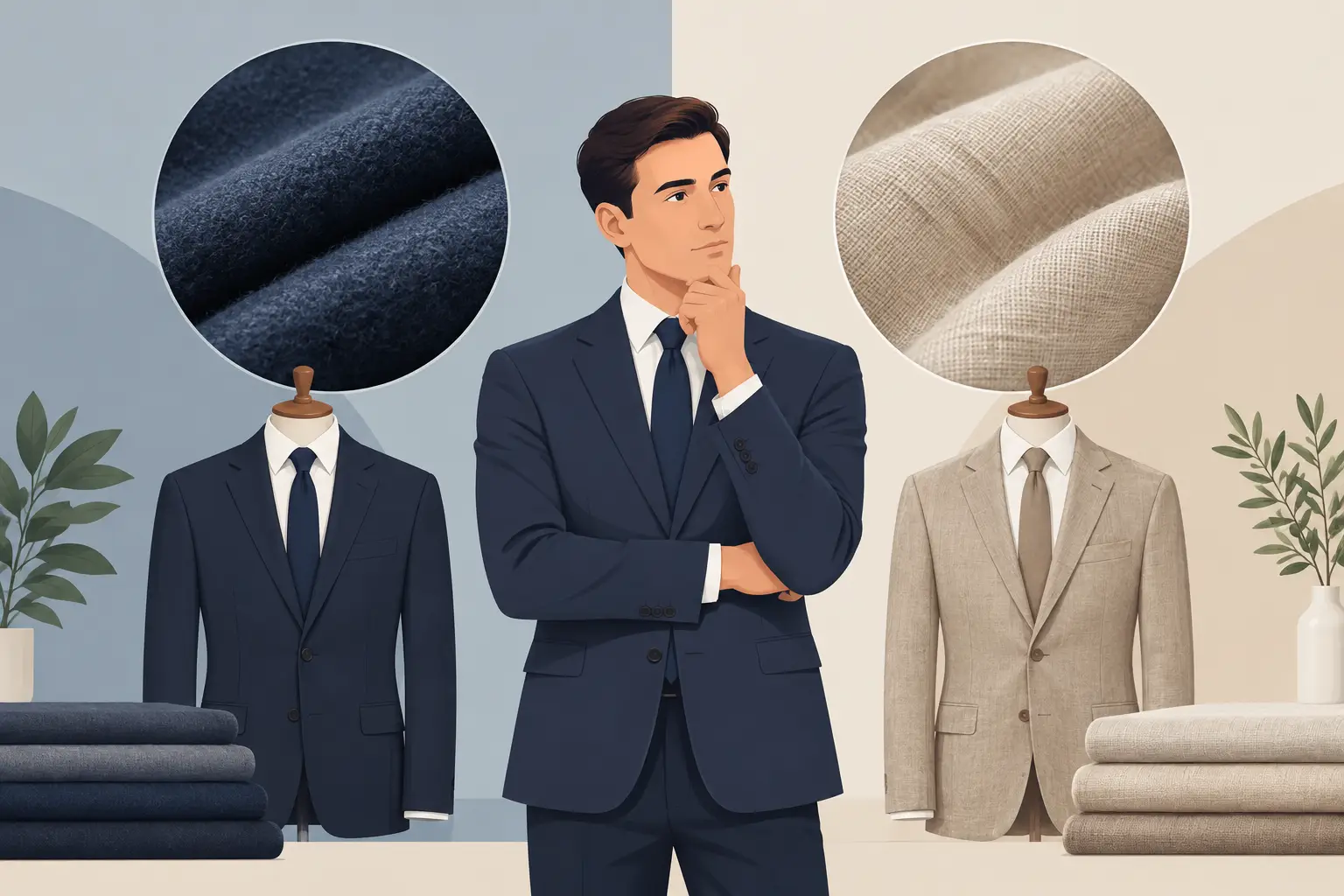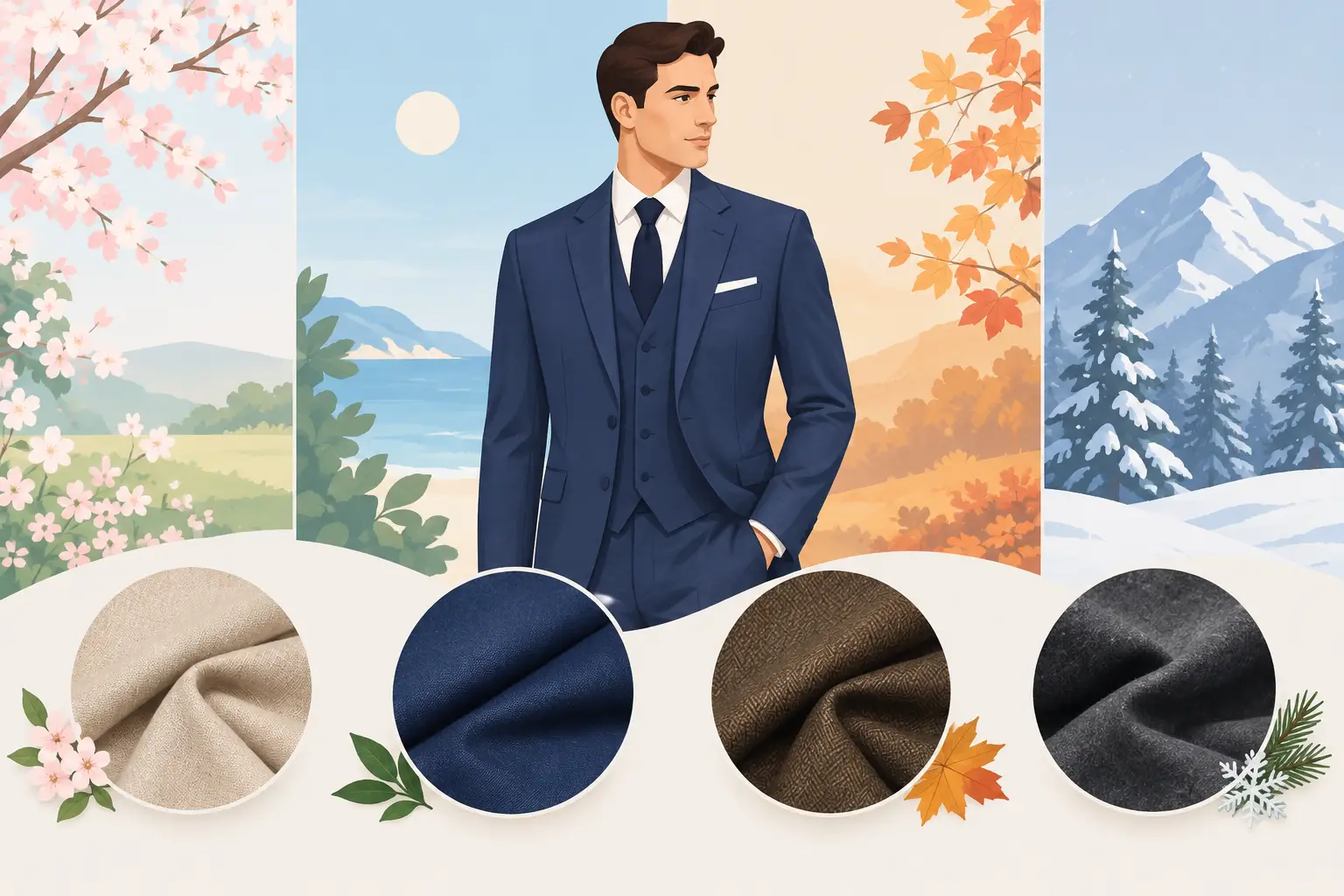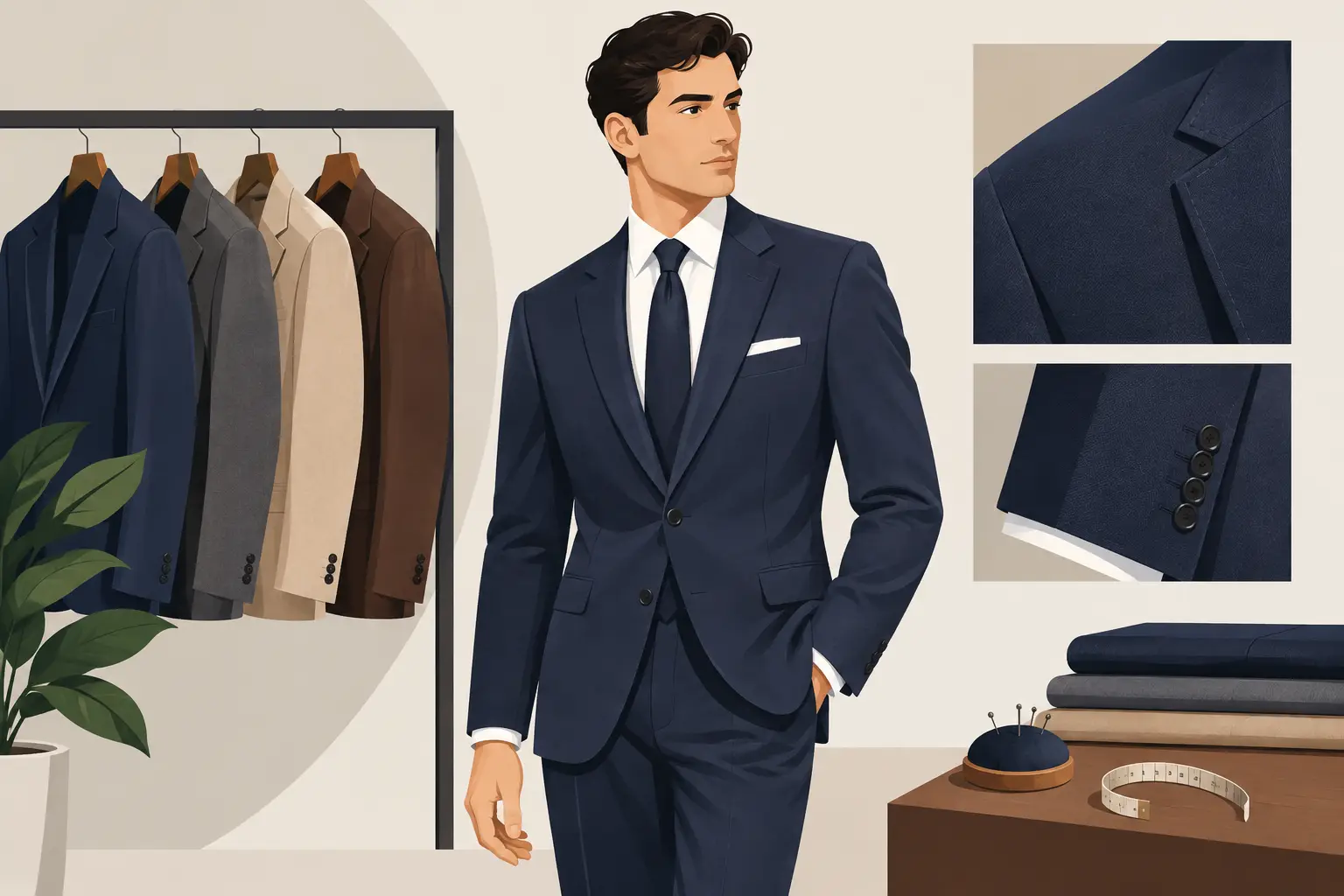
A tweed waistcoat earns its place in a gentleman’s wardrobe because it brings structure, texture and quiet authority to an outfit. Knowing how to style a tweed waistcoat is not about recreating a costume or adding every countrywear detail at once. It is about proportion, purposeful layering and choosing pieces that allow the cloth’s character to speak.
A well-cut waistcoat has the rare ability to make relaxed tailoring feel considered and formal tailoring feel more individual. Worn beneath a jacket, it creates a cleaner line through the torso. Worn without one, it becomes the focal point of the look. The difference lies in fit and restraint.
Begin with the cut and proportion
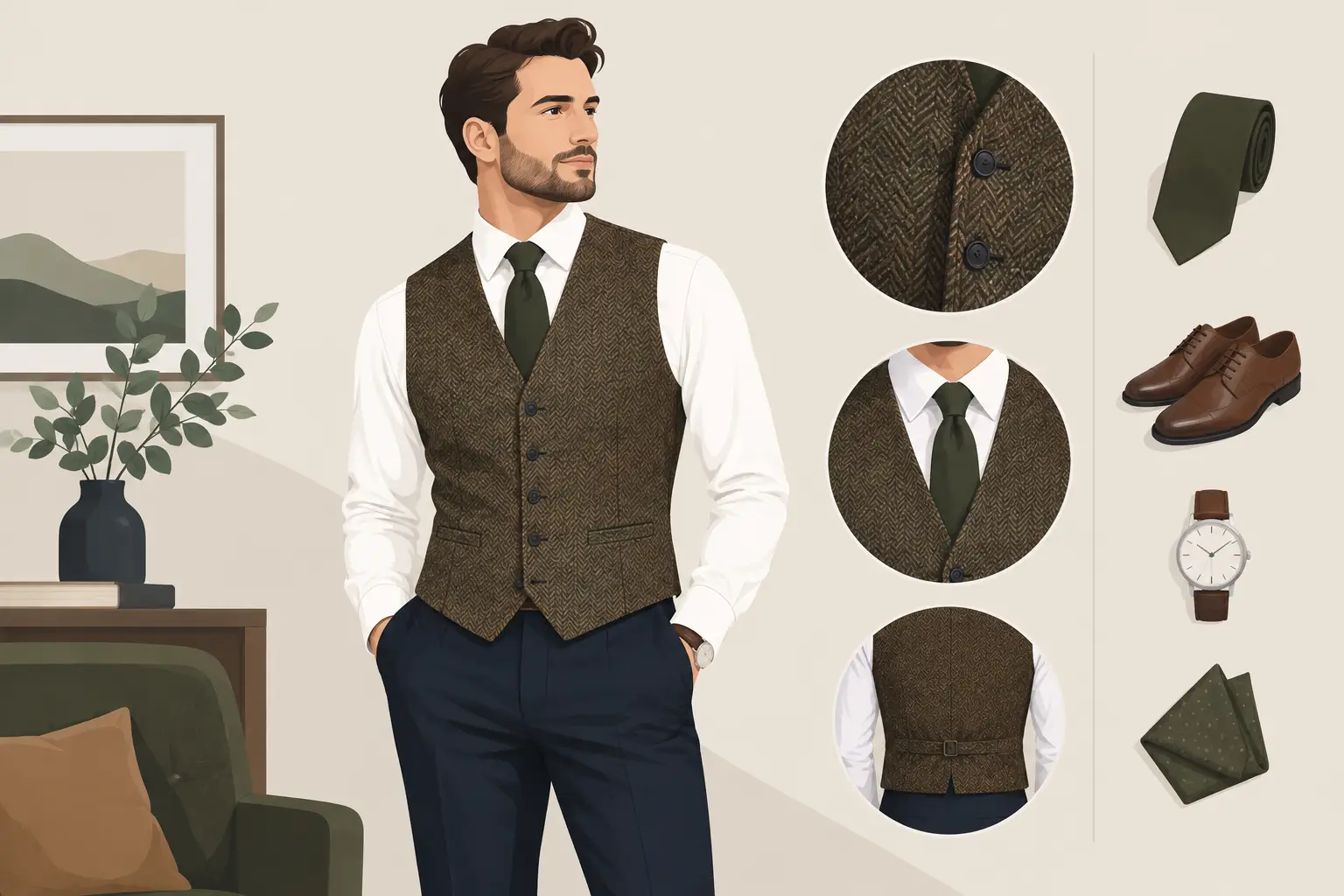
Before considering shirts, ties or footwear, assess the waistcoat itself. Tweed has body, visual texture and often a pronounced weave, so a loose or overlong waistcoat can quickly look heavy. The front should sit close to the body without pulling across the buttons, while the back should lie flat rather than billow beneath a jacket.
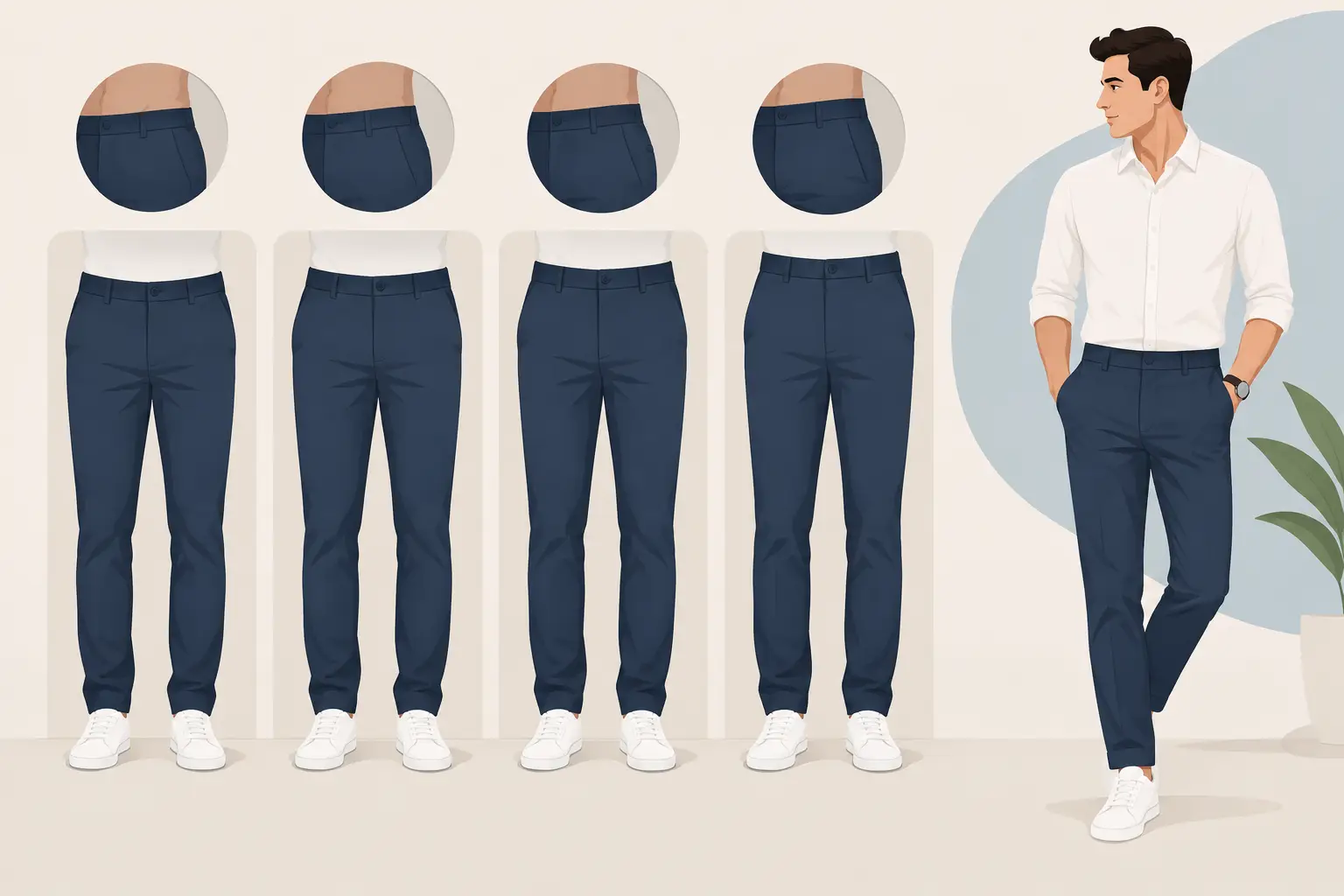
The length matters particularly. A waistcoat should cover the trouser waistband fully, with no shirt visible between the two when you stand naturally. Its lowest point should complement the rise of your trousers. Higher-rise trousers are especially effective with tweed because they establish an uninterrupted, elongated line from chest to leg.
Choose a restrained silhouette
A five- or six-button waistcoat is a versatile choice for most men. It works comfortably under a two-piece jacket and has enough presence when worn alone. A deeper V can be elegant for a wedding or more formal occasion, particularly when paired with a tie, while a higher fastening can lend a more traditional country character.
Avoid treating the waistcoat as a separate accessory. It should appear integrated into the outfit, whether that means matching it to a three-piece suit or deliberately balancing it with contrasting trousers and jacket. The aim is refinement, not novelty.
How to style a tweed waistcoat for business
For business settings, tweed is most successful when it feels polished rather than overly rustic. Choose finer tweeds in charcoal, mid-grey, navy, tobacco, olive or subtle blue-brown checks. A waistcoat with a restrained herringbone, birdseye or soft windowpane has texture without competing with the rest of the outfit.
Pair it with tailored wool trousers in a plain, darker tone. Grey flannel trousers are an excellent partner for a brown or olive tweed waistcoat, while navy trousers lend structure to lighter grey tweed. A crisp white or pale blue shirt keeps the combination professional. If a tie is required, choose silk, knitted silk or fine wool in a solid shade that echoes a colour within the tweed.
A navy blazer can complete this look, but it must fit cleanly over the waistcoat. The jacket should not strain at the buttoning point or pull open across the chest. For a less formal office, remove the jacket and let the waistcoat do the work, provided the shirt is immaculate and the trousers are properly tailored.
Black shoes can feel too severe against many brown and green tweeds. Dark brown brogues, oxblood Derbies or polished brown loafers usually create a more considered result. The choice depends on the formality of your workplace, but leather should always be well maintained. Tweed rewards attention to finish.
Build a wedding look around the waistcoat
At a wedding, the tweed waistcoat can carry a great deal of personality, particularly for autumn, winter and countryside settings. It also gives the groom an opportunity to distinguish himself from the rest of the party without relying on excessive contrast or ornate accessories.
For a coordinated three-piece tweed suit, keep the shirt and tie elegant and measured. A white shirt remains the most formal option, while ivory can work beautifully with warm brown, oatmeal or moss-green cloth. Choose a tie that introduces depth rather than another busy pattern. If the suit has a bold check, a plain silk tie in burgundy, forest green, navy or bronze will settle the outfit.
A contrasting waistcoat is equally effective when it is planned with the full look in mind. For example, a navy suit can be elevated by a softly checked grey-blue waistcoat, while a brown jacket and trouser combination may suit a cream or muted olive waistcoat. The contrast should be tonal and textural, not theatrical.
Pocket squares deserve restraint here. A handmade silk or linen square in a complementary shade can lift the jacket, but it need not match the tie exactly. A hint of colour, folded with ease, looks far more assured than a rigid display. If you wear braces, ensure they are practical as well as elegant: trousers should still sit correctly when the jacket comes off.
Take tweed into the weekend and country
Tweed is naturally at home in more relaxed settings, but casual does not mean careless. A waistcoat can replace a light jacket for a weekend lunch, a country pub gathering or a day at the races. The key is to choose softer supporting pieces and avoid overloading the look with heritage references.
Try a brown herringbone waistcoat over an Oxford shirt, with dark indigo denim and suede Chelsea boots. The denim should be clean, dark and free from heavy fading or distressing. Alternatively, pair a muted green waistcoat with stone moleskin trousers, a pale chambray shirt and brown boots. Both combinations feel grounded, masculine and appropriately relaxed.
For colder days, layer with an overcoat rather than a bulky casual jacket. A navy, charcoal or camel overcoat gives the waistcoat room to retain its shape and introduces a sharper silhouette. If you prefer knitwear, a fine merino crew neck can sit beneath a waistcoat, although this works best with a slightly roomier cut. Heavy cable knits beneath tweed often create unnecessary bulk through the chest and armholes.
Let colour and pattern do one job each
The finest tweed outfits appear effortless because each element has a clear role. If the waistcoat carries a check, herringbone or flecked yarn, let the shirt remain plain. If you introduce a patterned tie, ensure its scale differs from the waistcoat’s pattern. A small geometric silk tie can sit well with a broad check, while a plain tie is safer with a finer, busier weave.
Earth tones are the natural starting point: brown, olive, rust, fawn and oatmeal. Yet tweed is not limited to a country palette. Blue-grey, navy, charcoal and deep burgundy can make the garment feel more metropolitan, especially when combined with cleaner shoes and sharper trousers.
Consider the light in which the outfit will be worn. A rich brown tweed may appear beautifully dimensional outdoors but can look darker under evening lighting. For a formal indoor event, a lighter grey, navy or blue-brown cloth often photographs with greater clarity. This is one reason fabric selection should be considered alongside the occasion, not after it.
Finish with the details that preserve elegance
Fasten all but the lowest button of the waistcoat. This is both a traditional convention and a practical way to keep the front from pulling when seated. Ensure the shirt cuffs are correctly proportioned and the collar sits neatly beneath the waistcoat’s V. A loosely fitted shirt collar or an oversized tie knot can undo the precision of an otherwise strong outfit.
Keep jewellery minimal. A considered watch, wedding ring or discreet cufflinks are usually enough. A waistcoat already introduces detail through its buttons, pockets and texture. It does not need competition.
Most importantly, do not force tweed into every occasion. It is a superb choice for weddings, autumn business dressing, smart weekends and country events, but a lightweight tropical wool may be the better answer in high summer or in a highly formal city environment. Good style is as much about judgement as it is about individual pieces.
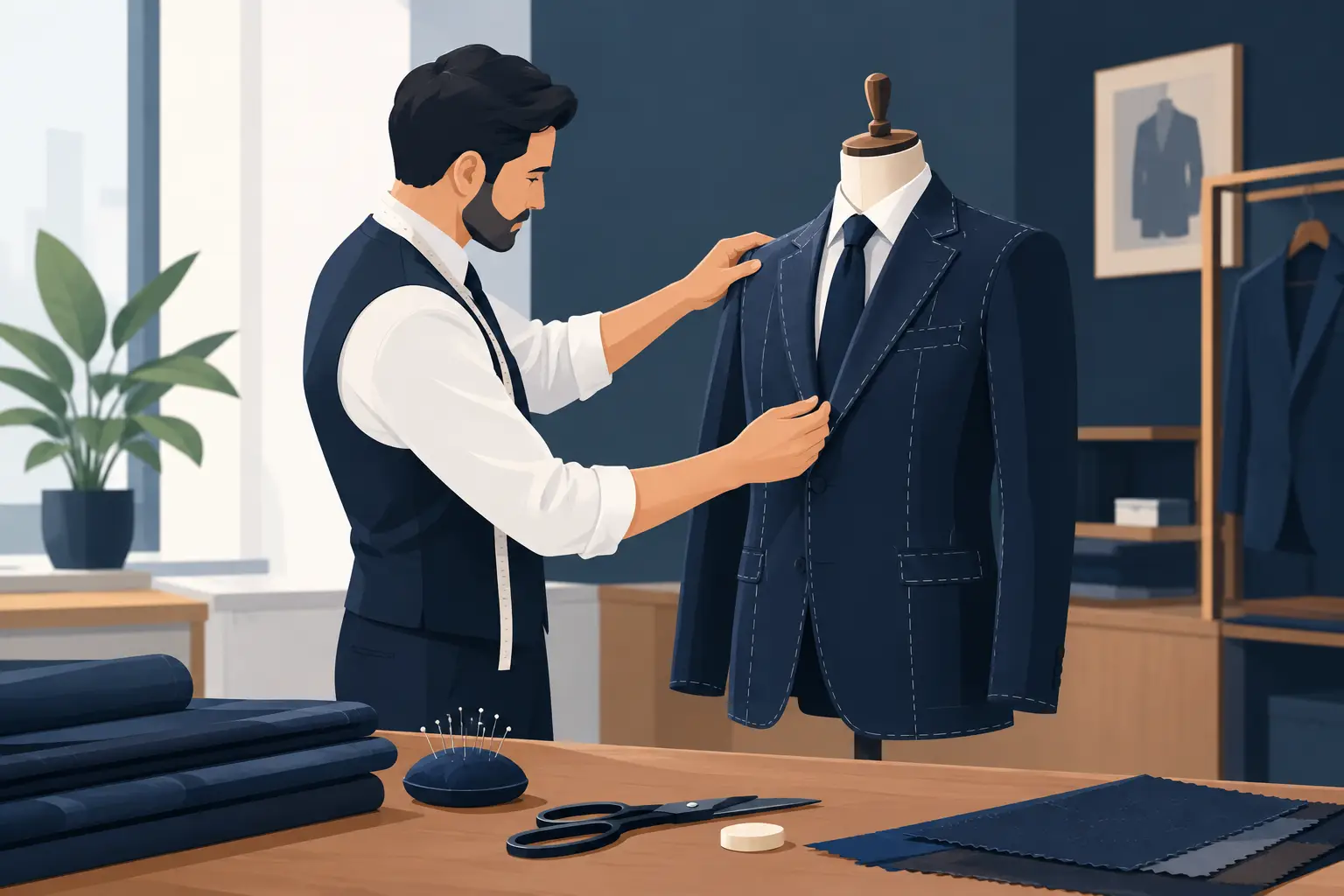
At Manndiip, a bespoke tweed waistcoat is cut to follow your posture, chest shape and preferred trouser rise, so it feels composed whether worn under a jacket or on its own. When the fit is exact, the garment stops feeling like an addition and becomes part of how you carry yourself.
Choose tweed with intention, give it the proportions it deserves, and let its texture add distinction rather than noise. That is where a waistcoat becomes more than countrywear: it becomes a signature of considered dressing.