A suit can look expensive on the hanger and still fall short once it is on the body. Sleeves break awkwardly at the wrist, the jacket collar lifts from the neck, the trousers collapse at the ankle. That is why a men’s suit alterations price guide matters. The right alteration does more than make a suit feel comfortable – it sharpens the line, improves balance, and gives the garment the authority it was meant to have.
For style-conscious men, price is only one part of the decision. The more useful question is what you are paying for. In tailoring, two jobs may sound similar yet require very different levels of skill, time, and reconstruction. A simple trouser hem is one thing. Correcting a jacket that twists across the chest or collapses at the seat is quite another.
Men’s suit alterations price guide: typical UK costs
In the UK, basic suit alterations tend to sit within fairly recognisable ranges, though London and premium tailoring houses will often charge more for specialist workmanship. Trouser shortening is commonly the most accessible job, usually around £15 to £35 depending on whether the finish is plain, invisible, or includes turn-ups. Taking in or letting out the waist often falls between £20 and £45. Adjusting the seat or tapering the leg generally starts around £25 and can rise to £50 or more if the line of the trouser needs careful rebalancing.
Jacket alterations are where pricing becomes more varied. Shortening sleeves from the cuff may cost around £40 to £75, while shortening from the shoulder is a more advanced operation and can move well beyond £100. Taking in the jacket waist typically sits between £40 and £80. Shortening the jacket length is usually pricier, often from £70 upwards, because pockets, vents, and overall proportion all come into play.
Waistcoat alterations are often modest by comparison, with side seam adjustments commonly ranging from £20 to £40. Shirt sleeve and body alterations usually start lower than suit jacket work, though they still depend on construction details such as gauntlet plackets, cuffs, and pattern alignment.
These are guide prices, not fixed rules. A premium cloth, full canvas construction, functioning buttonholes, hand-finished details, or complex internal structure can all move the figure upward. A well-cut garment deserves handling that respects its architecture.
Why one alteration costs £25 and another costs £125
The real difference is rarely fabric alone. It is construction. A trouser hem is comparatively straightforward because it sits at the edge of the garment and usually does not disturb the rest of the build. A jacket shoulder alteration, by contrast, may involve dismantling lining, reshaping padding, resetting the sleeve head, and restoring the silhouette so the correction disappears entirely.
That is what clients are paying for when they choose expert tailoring. Not merely a smaller or shorter garment, but a suit that still looks as though it was cut that way from the beginning. Precision matters because the eye notices harmony even when it cannot explain it. A jacket that sits cleanly at the collar and rolls elegantly through the lapel simply reads better.
There is also the question of risk. Some alterations are low-risk and highly effective. Others are technically possible but commercially unwise. If a ready-made jacket is too large in the shoulders, for instance, the theoretical fix may cost enough that commissioning a better-fitting garment becomes the more intelligent investment.
The most common alterations and what they improve
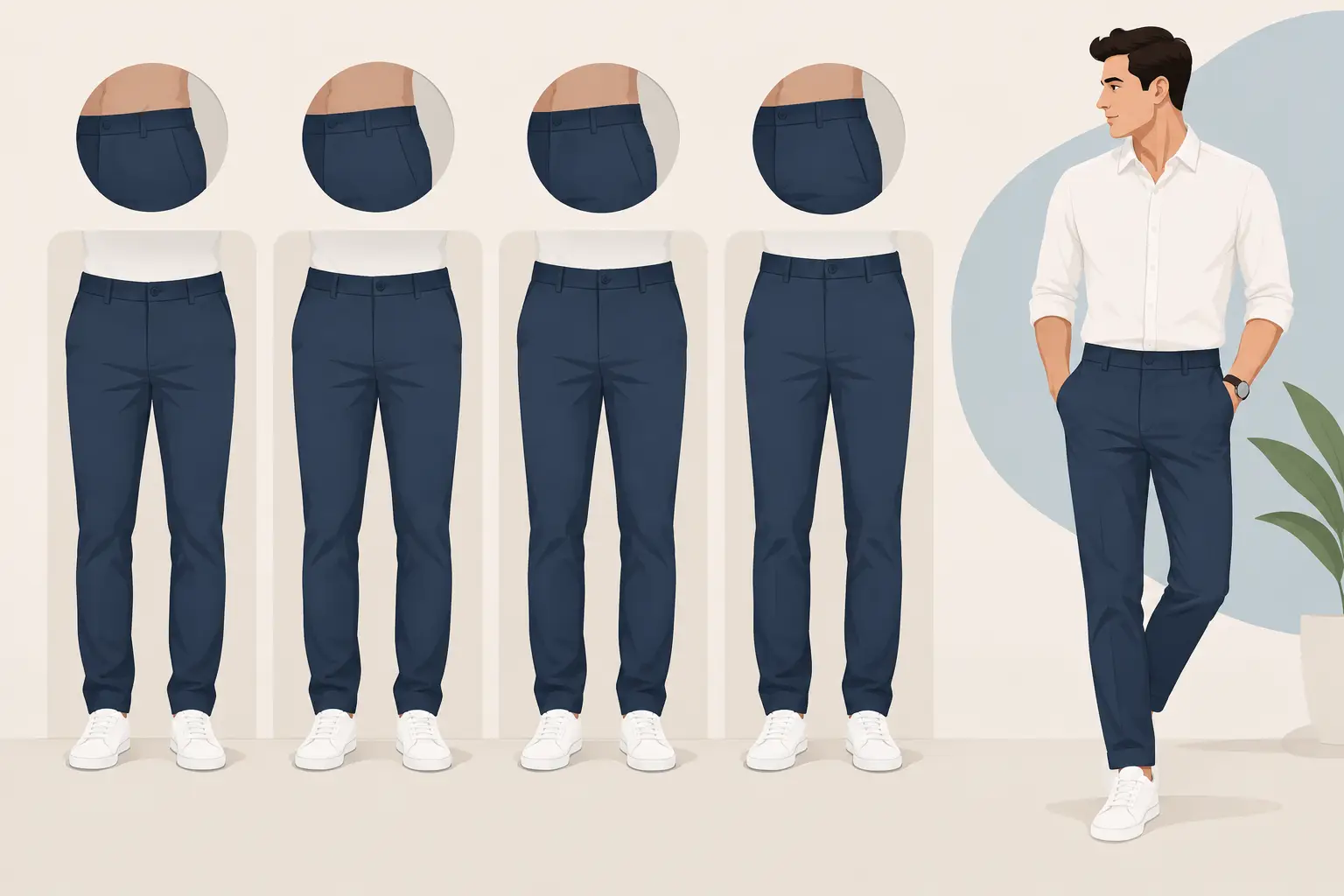
Trouser hems are often the first adjustment because break changes the whole mood of the suit. A slight break looks clean and contemporary, while a fuller break feels more classic. The right length should complement the wearer’s height, shoe choice, and intended use, whether business, wedding, or formal evening wear.
Waist suppression in a jacket is another high-impact alteration. It can transform a boxy coat into a far more athletic and refined silhouette. Done properly, it defines shape without strain. Done too aggressively, it causes pulling around the buttoning point and disturbs the drape across the skirt.
Sleeve length is deceptively important. The ideal finish usually allows a measured glimpse of shirt cuff, often around a quarter to half an inch, though personal taste and occasion do influence that. If the cuffs carry functioning buttonholes, the method and cost of shortening changes significantly.
Trouser waist adjustments are common, especially for men whose size fluctuates slightly or whose build does not align neatly with standard sizing. A small change can make the difference between constant fidgeting and complete ease. Beyond a certain point, though, altering the waist affects pocket position and seat balance, so moderation is key.
Men’s suit alterations price guide for business and occasion wear
Business suits are often altered with restraint. The aim is polish, comfort, and consistency across repeated wear. That usually means trouser hems, jacket waist suppression, sleeve length, and perhaps a modest waist adjustment. Prices stay relatively controlled when changes respect the original pattern and structure.
Wedding and formal suits can require a more exacting standard. Photographs preserve every detail, and garments are often worn alongside waistcoats, dress shirts, or formal shoes that make proportion more obvious. Clients tend to notice jacket length, sleeve pitch, trouser taper, and the exact break over the shoe more keenly. The cost may rise not because the garment is more difficult in every case, but because the finish must be immaculate.
Tweed, heavier flannels, and structured winter cloths can also change the equation. Thicker fabrics take pressing differently, carry bulk at seams, and sometimes require more labour to achieve a clean result. Altering a lightweight travel suit is not the same as reshaping a heavily constructed country jacket.
When alterations are worth it – and when they are not
A good alteration sharpens an already decent foundation. It cannot always rescue a poor one. If the shoulders are too wide, the gorge sits too low for your frame, or the chest is cut incorrectly, extensive correction may become expensive and still leave compromise behind.
This is where honest advice matters. A reputable tailor should tell you when a garment is worth refining and when you would be better served by starting from a stronger pattern. For many clients, especially those building a serious wardrobe, this is the difference between spending tactically and spending twice.
As a rule, trousers are usually more forgiving and more cost-effective to alter than jackets. Jackets carry the visual authority of the suit, but they also carry more engineering. Small jacket refinements often deliver excellent value. Major jacket reconstruction can be justified for a high-quality garment, but not always for an average one.
How to judge value, not just price
The cheapest alteration is often the one you notice every time you wear the suit. A sleeve shortened without regard for balance, or a trouser leg tapered too sharply, can make a good garment look second-rate. That is false economy.
Value comes from three things: technical competence, visual judgement, and restraint. Technical competence ensures the garment is opened and rebuilt correctly. Visual judgement ensures the line suits your body and purpose. Restraint ensures the tailor improves the suit rather than overworking it.
At a premium tailoring house, the experience should also include proper consultation. You should be asked how you wear the suit, what shoes you pair with it, whether it is for the boardroom, a wedding, black tie, or regular travel. Fit is not abstract. It is tied to use, posture, and personal style.
A man who wants a clean city silhouette will likely choose different trouser width and break from someone dressing for a country wedding in textured cloth. The best alteration work respects that distinction.
What to ask before agreeing to the work
Before any suit is altered, ask where the adjustment will be made, how much structural work is involved, and whether the original proportions will change. It is also wise to ask whether there is enough inlay to let a garment out, particularly at the waist or seat. Not every suit has generous seam allowance.
If you are altering a jacket sleeve, ask whether the work is being done from the cuff or the shoulder. If your jacket has surgeon’s cuffs, expect more complexity. If you are considering shortening the jacket body, ask how pocket placement and vent balance will be affected. These are not minor details. They are the difference between alteration and distortion.
The finest tailoring studios treat these questions as part of the craft, not an inconvenience. That consultative approach is especially valuable for men investing in business wardrobes, wedding attire, or formalwear where appearance carries real social and professional weight.
A well-altered suit does not call attention to the tailoring itself. It simply makes the wearer look more assured, more precise, more himself. And that is usually the best way to think about cost: not as the price of a repair, but as the price of presence.