A wedding suit is rarely just a suit. It is photographed from every angle, judged at close range, and remembered long after the flowers have gone. That is why men’s wedding tailoring trends have moved well beyond surface detail. The modern groom is no longer asking simply what is fashionable. He is asking what flatters, what feels correct for the setting, and what will still look assured in ten years’ time.
The strongest shift is towards tailoring with intent. Rather than hiring a generic morning coat or buying an off-the-peg ensemble that will do for a day, men are choosing garments that feel considered and personal. The trend is less about novelty and more about refinement – cleaner lines, richer cloth, a more intelligent use of colour, and a silhouette that works with the body rather than fighting it.
Men’s wedding tailoring trends are becoming more personal
For years, wedding menswear was governed by a fairly narrow set of rules. Navy if you wanted versatility, black tie if the invitation demanded formality, morning dress for tradition. Those options still have their place, but the current mood is more nuanced. Dress codes matter, yet within them there is far more room for individuality.
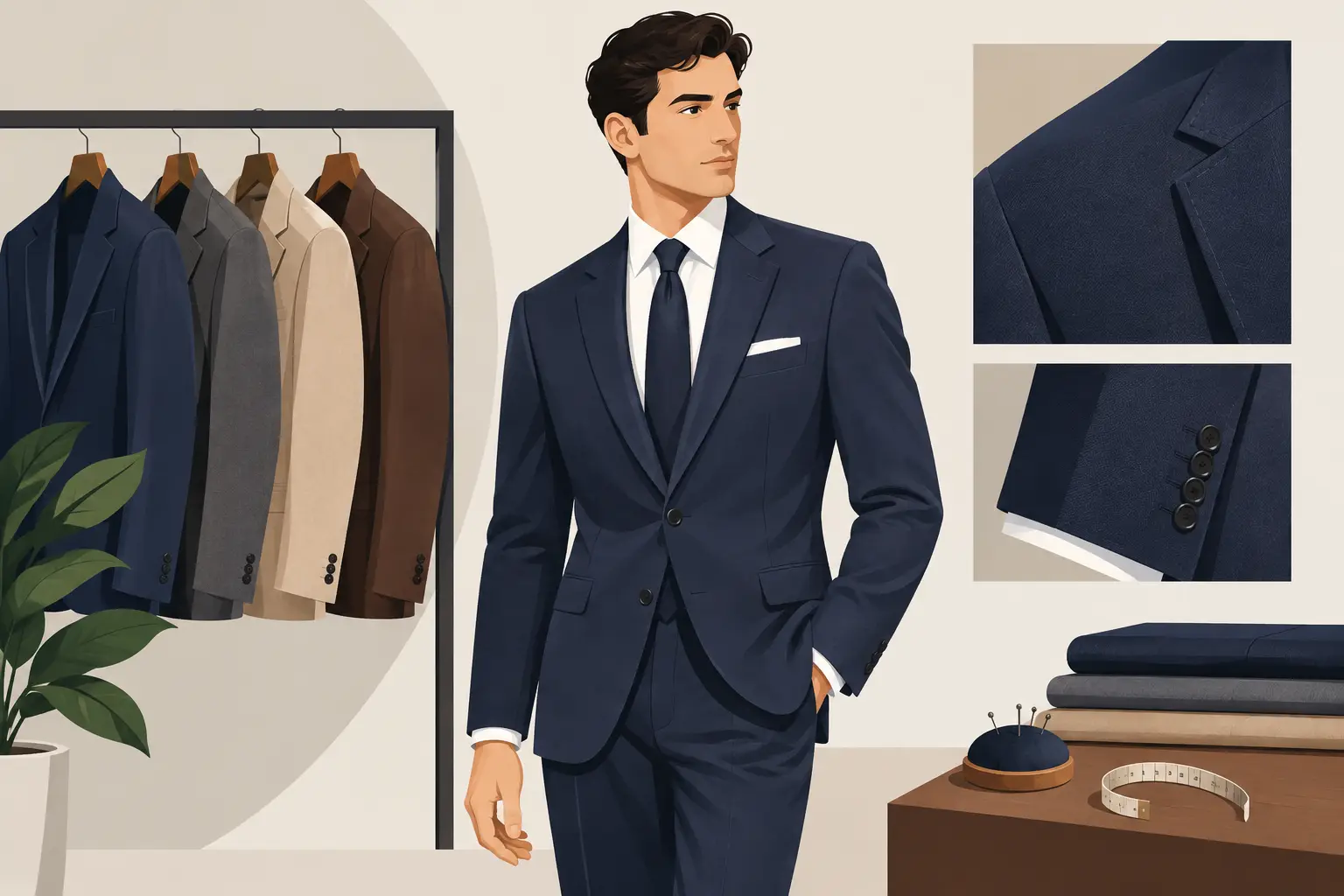
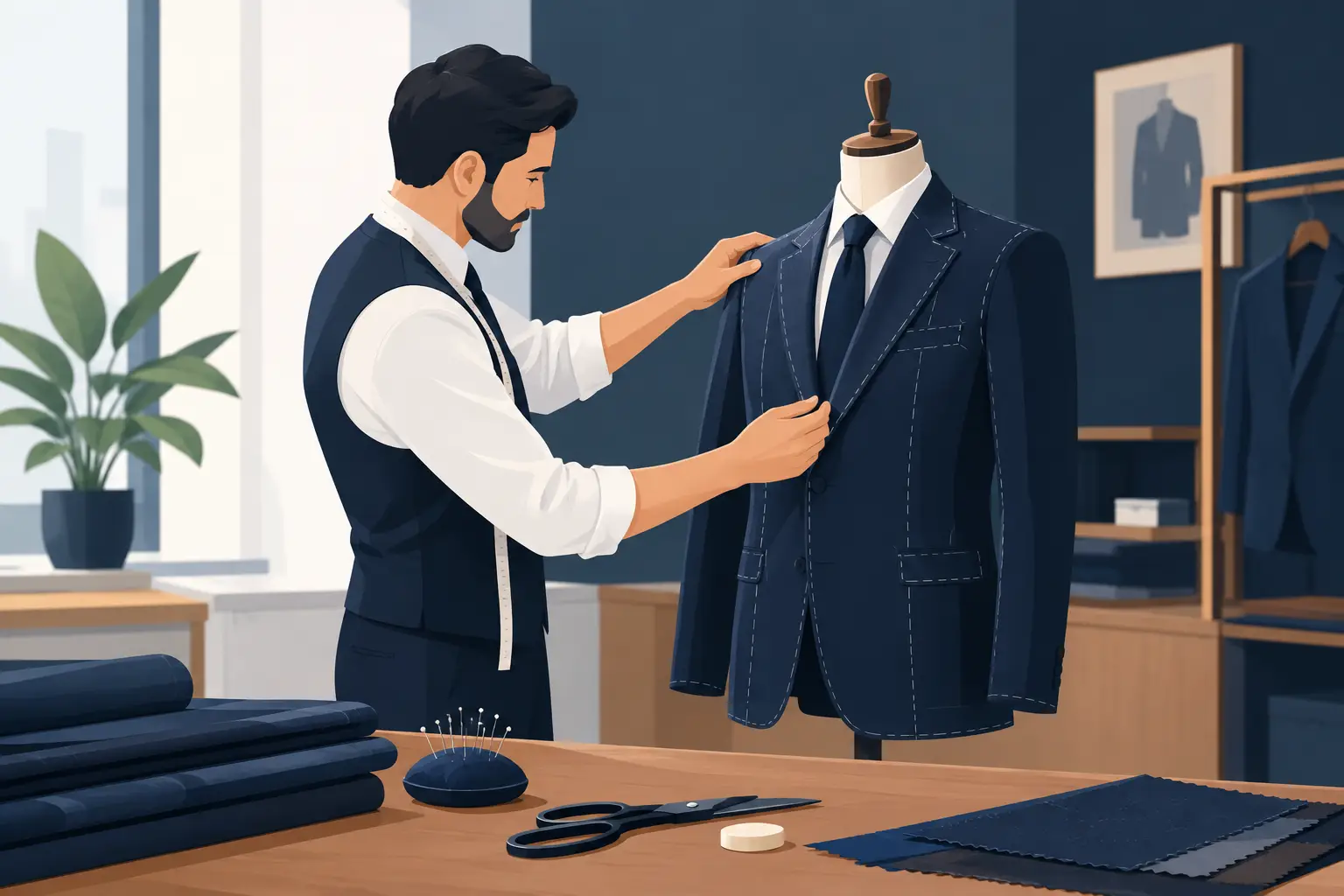
This is where true tailoring has gained ground. A bespoke or made-to-measure suit allows the groom to calibrate the details that make the difference: the shape of the lapel, the suppression at the waist, the drape through the trouser, the height of the fastening point, the exact break over the shoe. None of these decisions are theatrical. They are quiet signals of quality, and they create that elusive result every groom wants – polished, masculine, effortless.
The real trend, then, is not any single cut or cloth. It is a move away from costume and towards identity. Men want their wedding tailoring to look like the best version of themselves.
Softer structure is replacing stiff formality
One of the most noticeable developments in men’s wedding tailoring trends is the preference for softer construction. A heavily built jacket can still look superb in the right context, particularly for a formal city wedding or a sharply traditional brief, but many grooms are choosing a lighter shoulder, a cleaner chest and more natural drape.
This softer approach photographs beautifully because it avoids the boxed, over-armoured look that can make a man appear uncomfortable. It also suits the way weddings are experienced now. Few grooms want to feel trussed up from ceremony to last dance. They want ease of movement, comfort through a long day, and elegance that does not rely on rigidity.
That said, soft tailoring does not mean shapeless tailoring. The finest versions still require exact cutting and careful balance. Remove too much structure and a jacket can lose authority. Keep the pattern disciplined and the result is sophisticated rather than casual.
Trousers are cleaner and more elegant
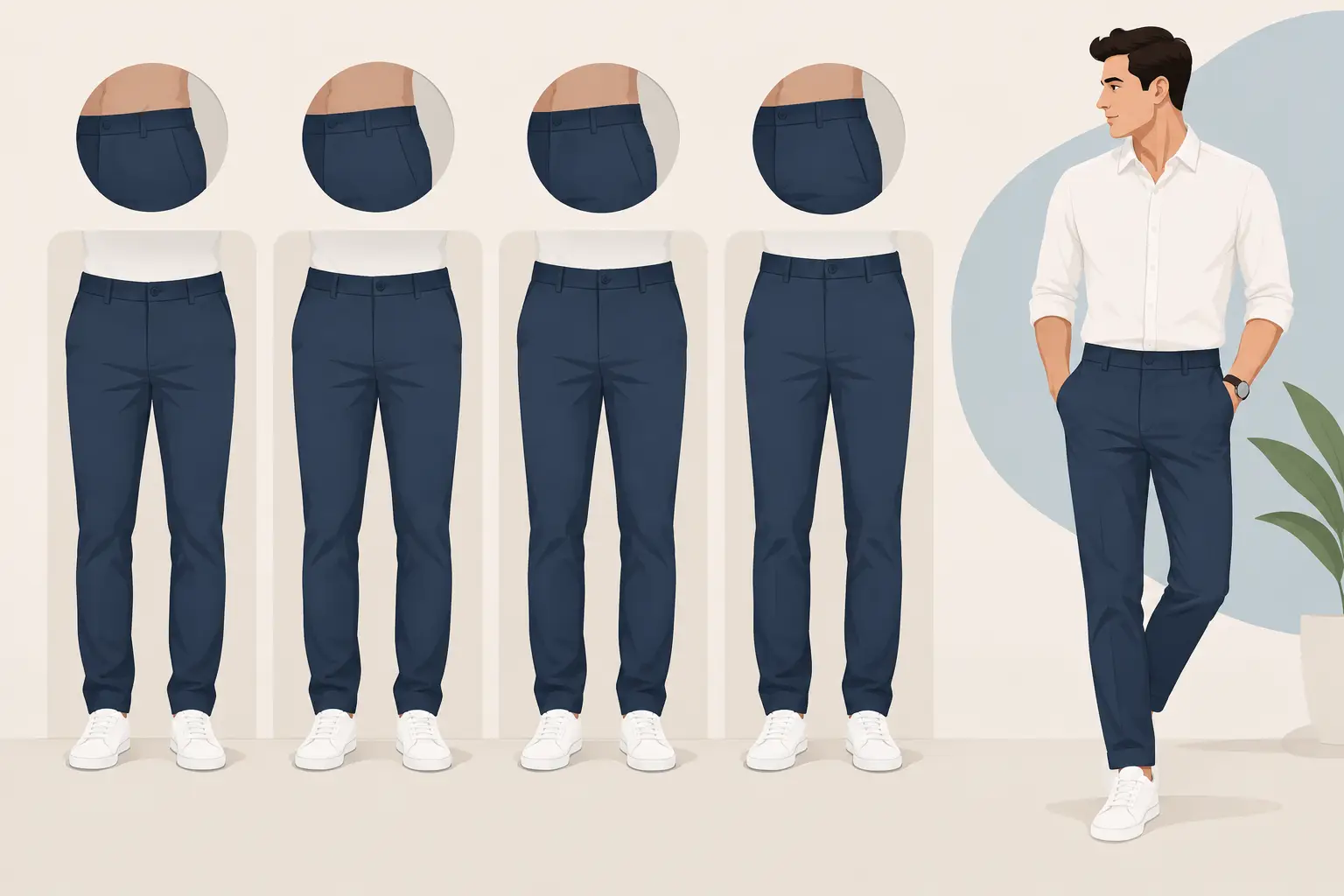
Trouser shape has become far more considered. The skin-tight wedding trouser has had its moment, and thankfully it is receding. In its place is a straighter, cleaner line with enough room through the thigh to move properly and enough taper through the lower leg to remain sharp.
Pleats are returning, particularly single pleats, because they bring comfort and shape without sacrificing formality. Side adjusters continue to gain favour over belt loops for wedding suits, creating a cleaner waistband and a more tailored finish. A higher rise is also appearing more often, especially with double-breasted jackets or waistcoats, because it lengthens the leg and gives the whole ensemble a more composed silhouette.
Cloth and colour are richer than before
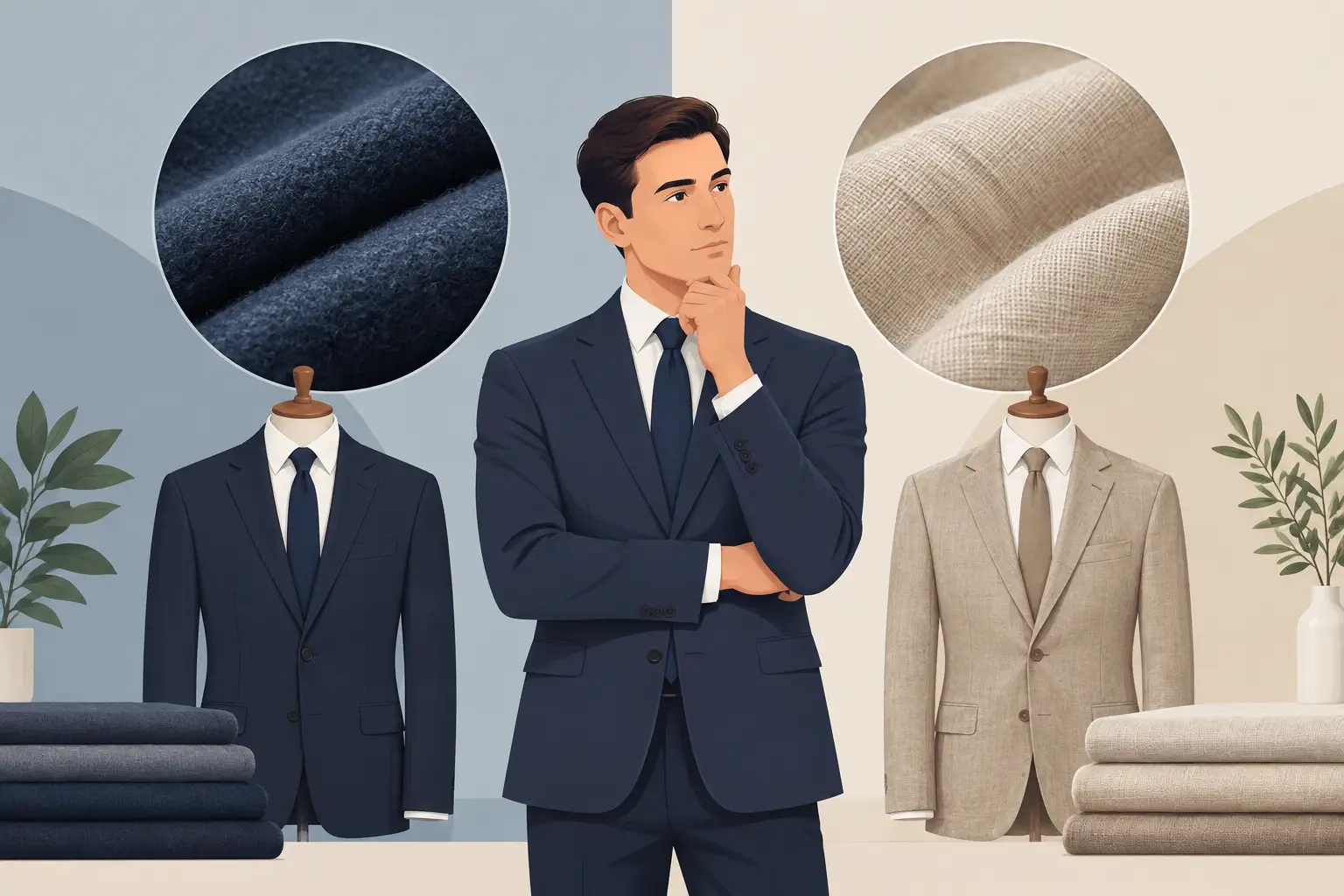
The old idea that wedding tailoring must remain in a narrow palette is fading. Navy remains a cornerstone because it is reliable, flattering and versatile, but it is no longer the only polished option. Deep forest green, mid-toned brown, warm tobacco, charcoal, soft air-force blue and muted burgundy all have a place when chosen with judgement.
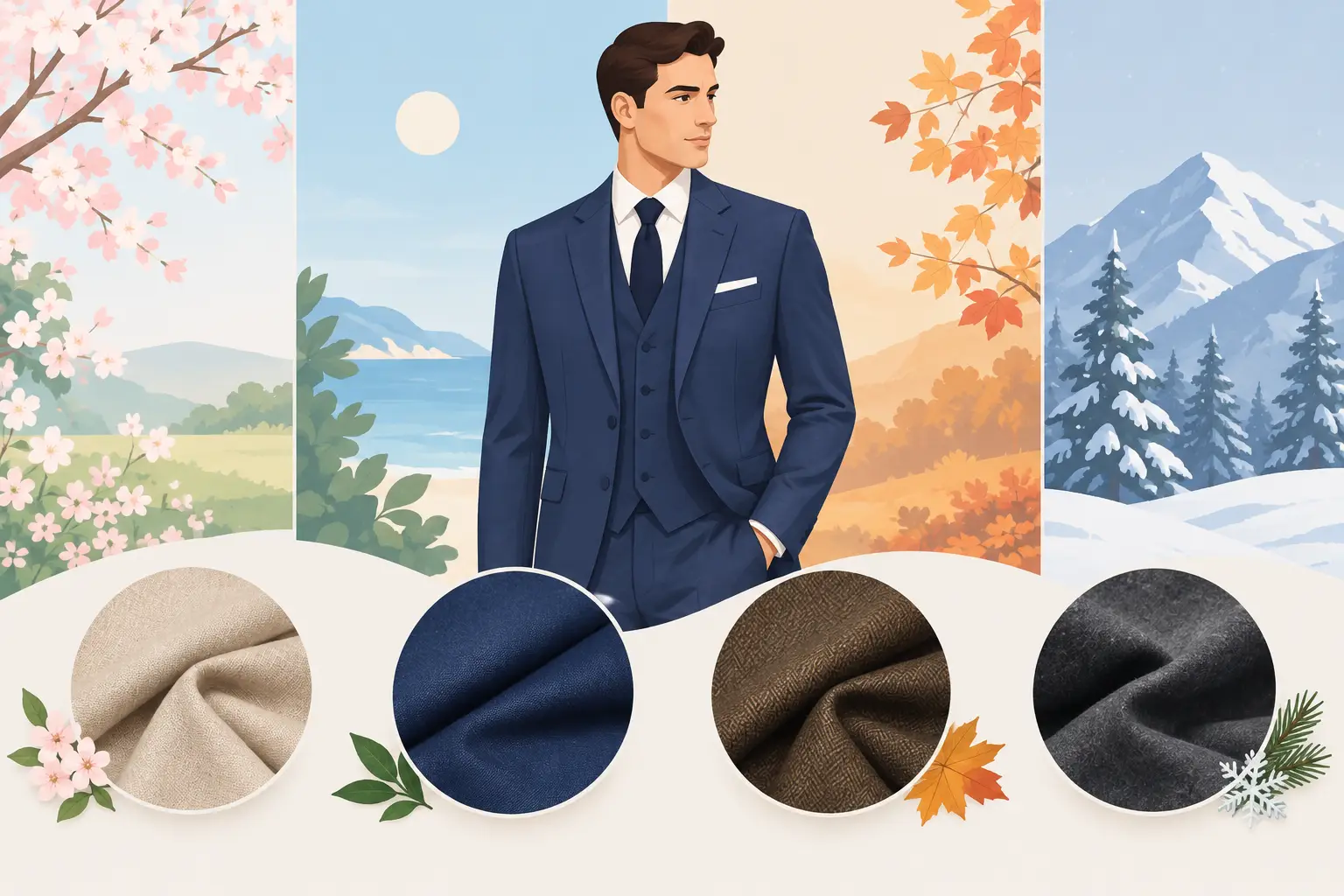
Texture matters just as much as colour. Fresco and open-weave cloths suit summer ceremonies. Wool-silk blends offer a gentle lustre without the obvious shine that can cheapen a suit. Flannel and brushed wool bring depth to autumn and winter weddings. Subtle pattern is also appearing more often – tonal checks, understated herringbones and refined stripes that reveal themselves only at closer range.
The key is restraint. Richer cloth should feel elevated, not loud. A wedding suit does not need to shout in order to be memorable.
Cream, ivory and neutrals for destination and summer weddings
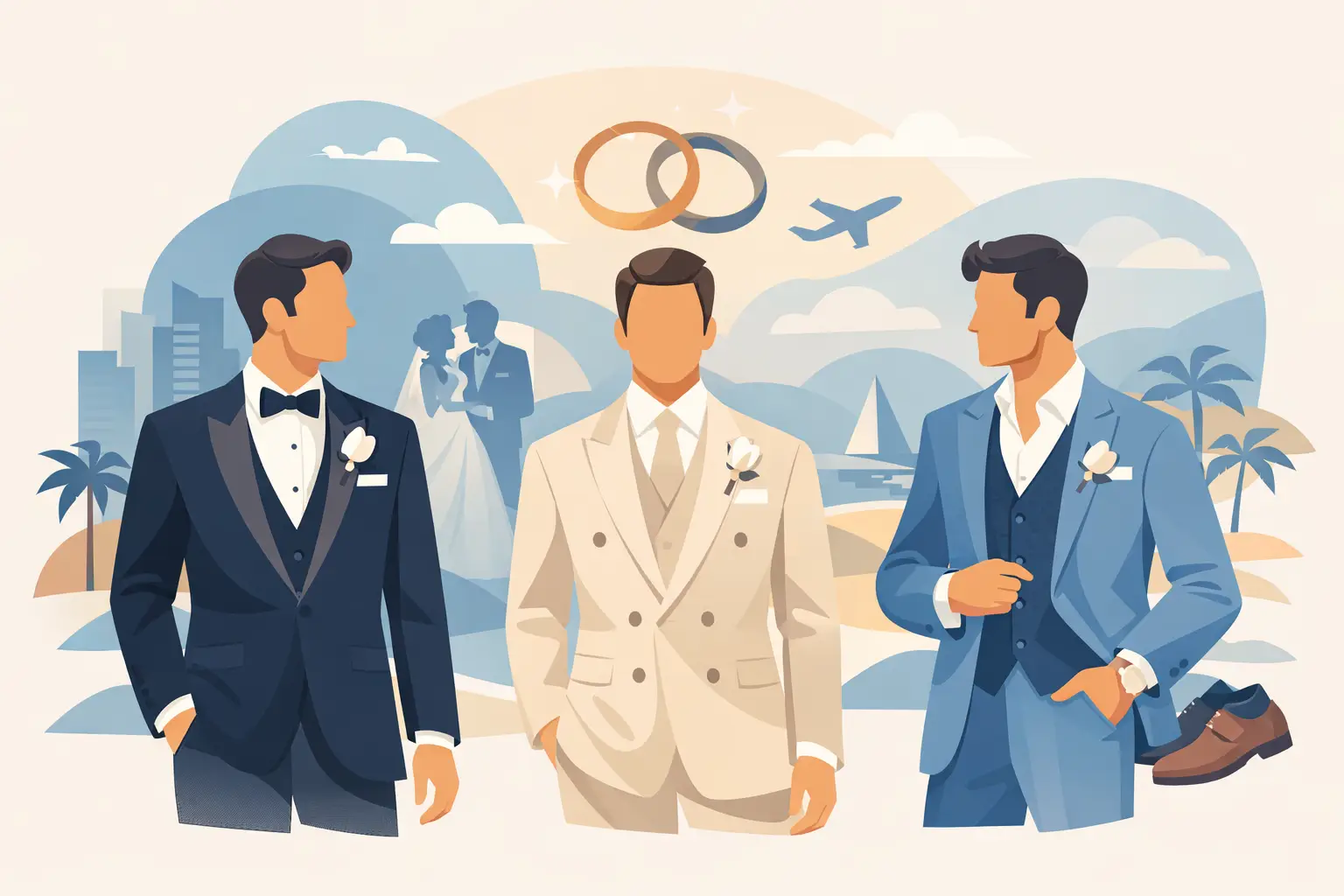
For warm-weather celebrations, lighter tailoring has become considerably more sophisticated. Cream dinner jackets, stone-coloured suits and soft taupe separates can look exceptional, particularly against Mediterranean settings or country-house summer backdrops.
These shades are less forgiving than darker colours, so cut and cloth become even more important. A poor fit in ivory will be obvious at once. Done properly, however, lighter tailoring looks fresh, luxurious and entirely modern. It also pairs beautifully with soft shirts, tonal ties and elegant pocket squares rather than stark, high-contrast accessories.
Black tie is sharper, but less predictable
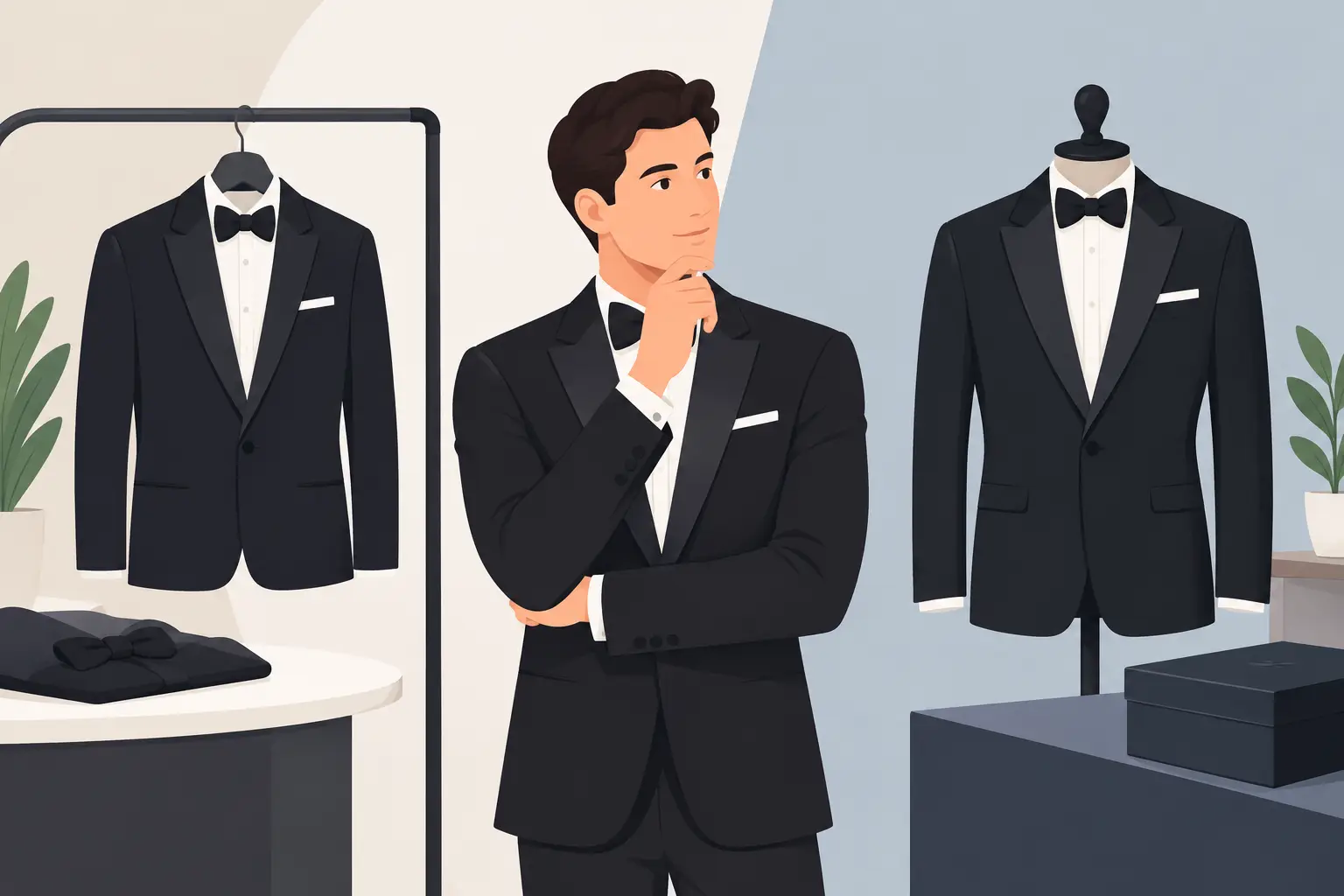
Formal evening weddings are prompting a renewed appreciation for black tie, but with greater attention to proportion and detail. Men are becoming more discerning about lapel shape, facing fabric, shirt front, trouser braid and the overall line of the dinner jacket.
Midnight blue remains one of the strongest choices because under evening light it often appears richer than black. Shawl lapels are seeing a clear resurgence, particularly for men who want a slightly more romantic silhouette, while peak lapels continue to project strength and ceremony. Velvet remains viable for winter receptions, though only when handled with discipline. It can look opulent or overdone depending on cut, colour and context.
The lesson here is simple: formalwear still rewards tradition, but tradition is being worn with more confidence and less uniformity.
Accessories are becoming quieter and better chosen
The age of over-accessorised wedding dressing is waning. Matching novelty sets, oversized pocket squares and loud waistcoats can quickly undermine excellent tailoring. The current direction is more assured.
Well-made ties in silk grenadine, satin or textured woven cloth are favoured over anything flashy. Pocket squares are being used with more restraint, often in clean linen or softly folded silk rather than arranged into elaborate peaks. Braces are chosen for function and line, not spectacle. Footwear is equally considered – polished Oxfords for formality, elegant loafers for softer summer tailoring, patent leather where black tie requires it.
This pared-back approach works because it lets the garment lead. When the suit is meticulously cut, accessories should support rather than compete.
The fit conversation is more educated
Perhaps the most encouraging of all men’s wedding tailoring trends is that clients are becoming better informed about fit. More men now understand that slim is not the same as flattering, and that a suit should complement their frame, stance and proportions.
A broad-shouldered groom may need more balance through the chest and skirt rather than an aggressively nipped waist. A taller man may benefit from a lower button stance and a fuller trouser. A shorter groom often looks stronger in a cleaner, slightly trimmer silhouette with carefully judged jacket length. These are not small technicalities. They determine whether a suit looks expensive and composed or merely tight and trendy.
This is where experienced tailoring guidance is invaluable. At Manndiip, for instance, the strongest wedding results tend to come from a collaborative process – understanding the venue, the dress code, the season, the groom’s build, and the impression he wants to make before a single cloth is chosen.
Coordinating without looking stage-managed
Another clear shift is in how grooms relate to the wider wedding party. Matching everyone exactly can feel rigid and dated. A better approach is coordination through tone, cloth family or formality level.
The groom might wear a sharper cut, a richer fabric or a distinct waistcoat while the groomsmen echo the palette more simply. This keeps the visual hierarchy clear without making the party look as though they have been issued a uniform. It also gives each man a chance of wearing the suit well, which matters more in photographs than forced consistency.
What will date quickly and what will last
Every trend comes with a warning label. Overly cropped jackets, ultra-short trousers, excessive sheen, novelty linings and exaggerated contrast details tend to age badly. They can also distract from the wearer, which is the opposite of what good tailoring should do.
By contrast, pieces grounded in proportion, cloth quality and precise fit tend to endure. A well-cut peak-lapel suit in a beautiful mid-weight wool will look right now and right years from now. The same goes for a properly balanced dinner jacket, a neatly cut double-breasted suit, or a soft shoulder tailored with discipline.
The smartest grooms are recognising that wedding style need not chase fashion in order to feel current. It should reflect the moment, certainly, but through discernment rather than gimmick.
If you are choosing wedding tailoring now, the question is not whether to follow trends blindly. It is which of the current shifts genuinely serve you – your setting, your build, your taste and the way you want to be remembered when the photographs become part of your life rather than just the day itself.