
A senior man’s suit should not need to announce itself across the boardroom. Its authority comes from proportion, cloth, fit and a colour that looks considered under office lighting, beside a presentation screen and across the table from a client. The best office suit colours for senior men create exactly that effect: composed, credible and quietly distinctive.
This is not a question of dressing cautiously or abandoning personality. It is about understanding which tones carry weight in a professional setting, then having them precisely tailored to the man wearing them. A well-cut suit in the right colour brings clarity to a working wardrobe. It makes getting dressed easier, while ensuring every appearance feels deliberate.
What Office Suit Colours Communicate
Colour is the first visual signal a suit gives, before anyone notices the lapel roll or the hand-finished buttonholes. In senior roles, it should support the impression of judgement and consistency rather than compete for attention. Darker, muted colours tend to read as more formal and authoritative; mid-tones feel open and approachable; earthier shades bring character when the environment permits it.
The setting matters. A City law firm, financial institution or formal corporate office generally rewards a more restrained palette. A leadership role in design, property, hospitality or a growing business may allow greater freedom with texture, brown tones and subtle pattern. The aim is not to follow a rigid rulebook. It is to make colour serve the room, the occasion and the individual.
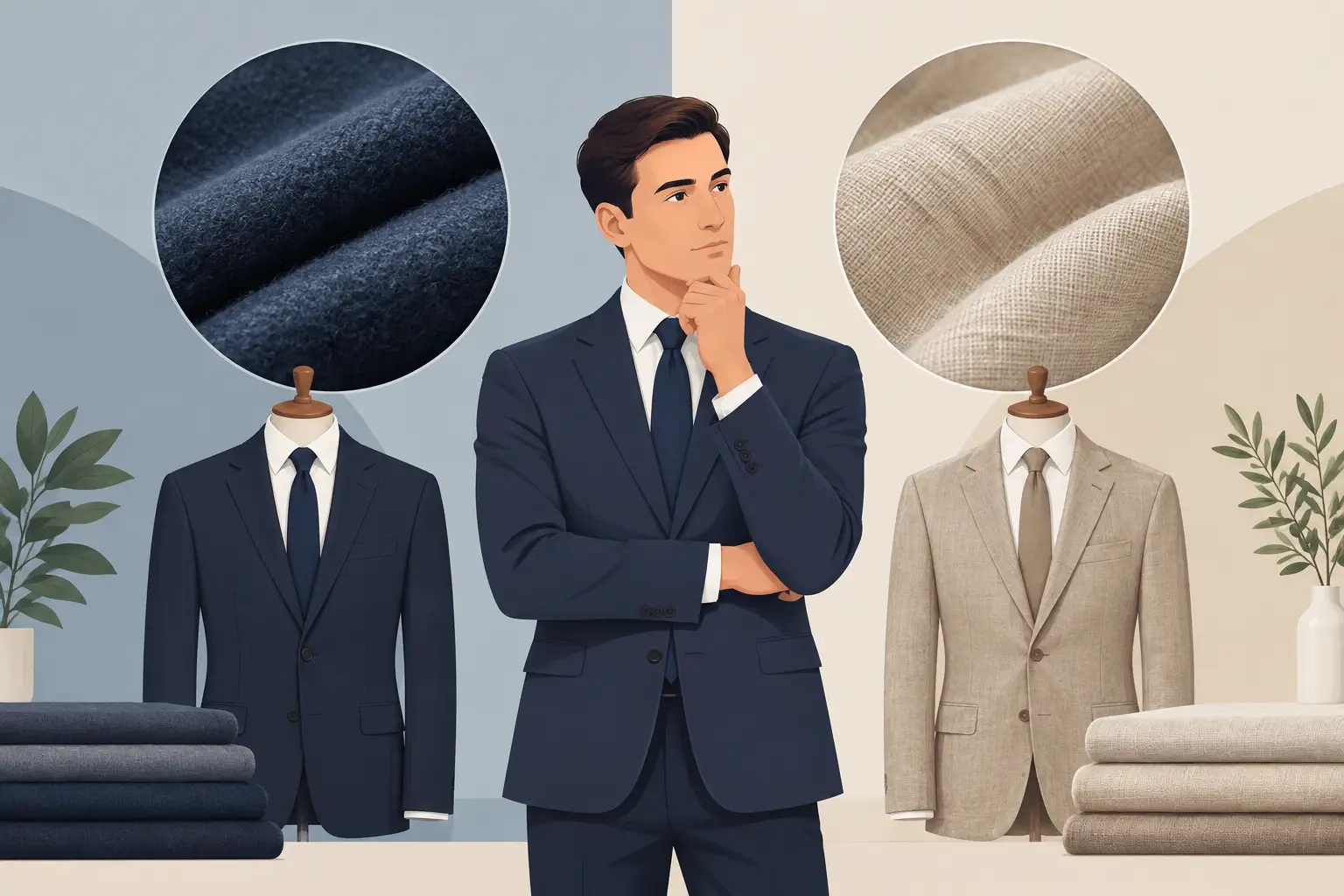
Fabric changes the reading of every shade. A deep navy in smooth worsted wool is crisp and businesslike. The same navy in a lightly brushed flannel feels softer and more relaxed. Charcoal with a restrained chalk stripe has presence; charcoal in a plain, finely woven cloth is one of the most adaptable suits a man can own.
The Essential Office Suit Colours for Senior Men
Navy: the assured starting point
Navy is the most useful foundation in a senior professional wardrobe. It is formal without looking severe, photographs well, works across seasons and pairs naturally with white, pale blue and softly patterned shirts. In a meeting, a true dark navy projects assurance while retaining more warmth than black.
For a first bespoke business suit, choose a deep midnight or ink navy in a fine wool with enough body to hold a clean line through the day. Avoid a bright blue that can feel too youthful or overtly fashionable in a conservative office. A white shirt and dark burgundy, navy or forest-green tie will always be composed; pale blue introduces a little more ease.
Navy also offers room for progression. Once the plain suit is established, a barely visible birdseye, a tonal check or a discreet stripe can add depth without weakening its professional purpose.
Charcoal: the colour of quiet authority
Charcoal grey is arguably the most commanding business colour when cut well. It has gravity, particularly in formal negotiations, presentations and environments where discretion carries value. Unlike black, it has texture and nuance in daylight, making it a more elegant choice for regular office wear.
A charcoal suit is particularly effective for men with silver hair, darker colouring or a preference for a strong, architectural silhouette. The key is to avoid an overly flat, lifeless cloth. A fine herringbone, subtle pick-and-pick weave or muted nailhead gives charcoal movement while preserving its restraint.
Wear it with white or pale blue shirting and ties in deep red, dark blue, plum or muted green. Black shoes are the most formal companion, though dark brown can work well when the charcoal has a warmer, softer cast. The finished effect should be serious, not sombre.
Mid-grey: polished and adaptable
Mid-grey deserves more consideration than it often receives. It is lighter and more approachable than charcoal, yet remains entirely credible in most professional settings. It is especially useful for daytime meetings, spring and summer wear, and offices where the dress code is refined rather than rigid.
The trade-off is that mid-grey shows a less precise fit more readily than navy or charcoal. Trouser shape, sleeve length and the balance of the jacket must therefore be carefully resolved. In a bespoke garment, the colour becomes an asset: it reveals the clean shoulder line, the flattering waist suppression and the controlled fall of the cloth.
Mid-grey works beautifully with pale blue, white and soft pink shirts. Navy, burgundy and dark green ties give it structure. Choose dark brown or oxblood footwear for warmth, or black for a more traditional finish.
Dark brown: character with discipline
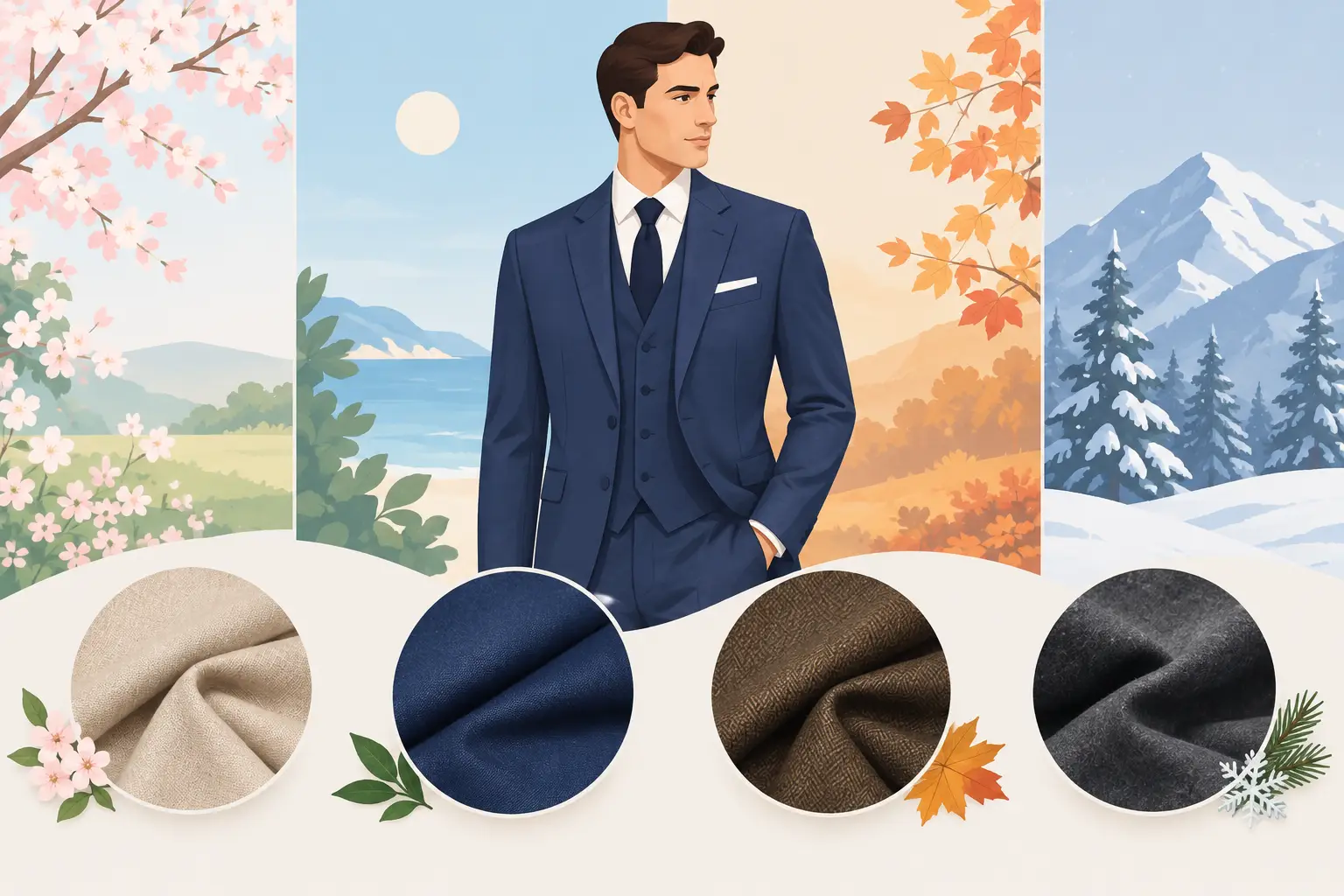
Dark brown is not a replacement for navy or charcoal, but it is an excellent addition once those foundations are covered. In the right office, a rich tobacco, espresso or dark chocolate suit conveys discernment and individuality without becoming theatrical. It is particularly compelling in autumn and winter, in textured cloths such as fine flannel, hopsack or a restrained wool blend.
Brown benefits from a thoughtful palette around it. Light blue, ivory and soft cream shirts are often more flattering than stark white, while ties in navy, rust, forest green and deep red sit naturally against the cloth. Dark brown shoes create a continuous, elegant line.
This is where personal consultation matters. Brown can be exceptional on one complexion and less convincing on another. The undertone of the fabric, not simply the colour named on the swatch, should be assessed against the wearer’s skin tone and hair.
Colours to Treat With Care
Black is indispensable for evening formalwear, funerals and certain ceremonial occasions. As an everyday office suit, however, it can appear harsh under daylight and overly formal in a way that does not always suggest seniority. Charcoal will usually deliver the same seriousness with more sophistication.
Very light grey, beige and pale blue suits have a place in warm-weather business wardrobes, particularly for creative or client-facing roles. They are less forgiving of wear, less versatile in colder months and generally better as later additions than core suits. A senior wardrobe should be built from dependable pieces first, then expanded with seasonal character.
Bold checks, strong windowpanes and pronounced stripes also need judgement. A discreet pinstripe can be flattering and authoritative, but a high-contrast stripe may dominate the conversation before it begins. Pattern should be visible on closer inspection, not from the far end of the room.
Fit Determines Whether the Colour Works
Even the finest shade cannot rescue a poorly fitting suit. Dark colours can look heavy if the jacket is too long or the trousers collapse at the ankle. Mid-grey can look untidy if the shoulders are too wide. Brown can appear casual if the construction lacks shape and the cloth has no presence.
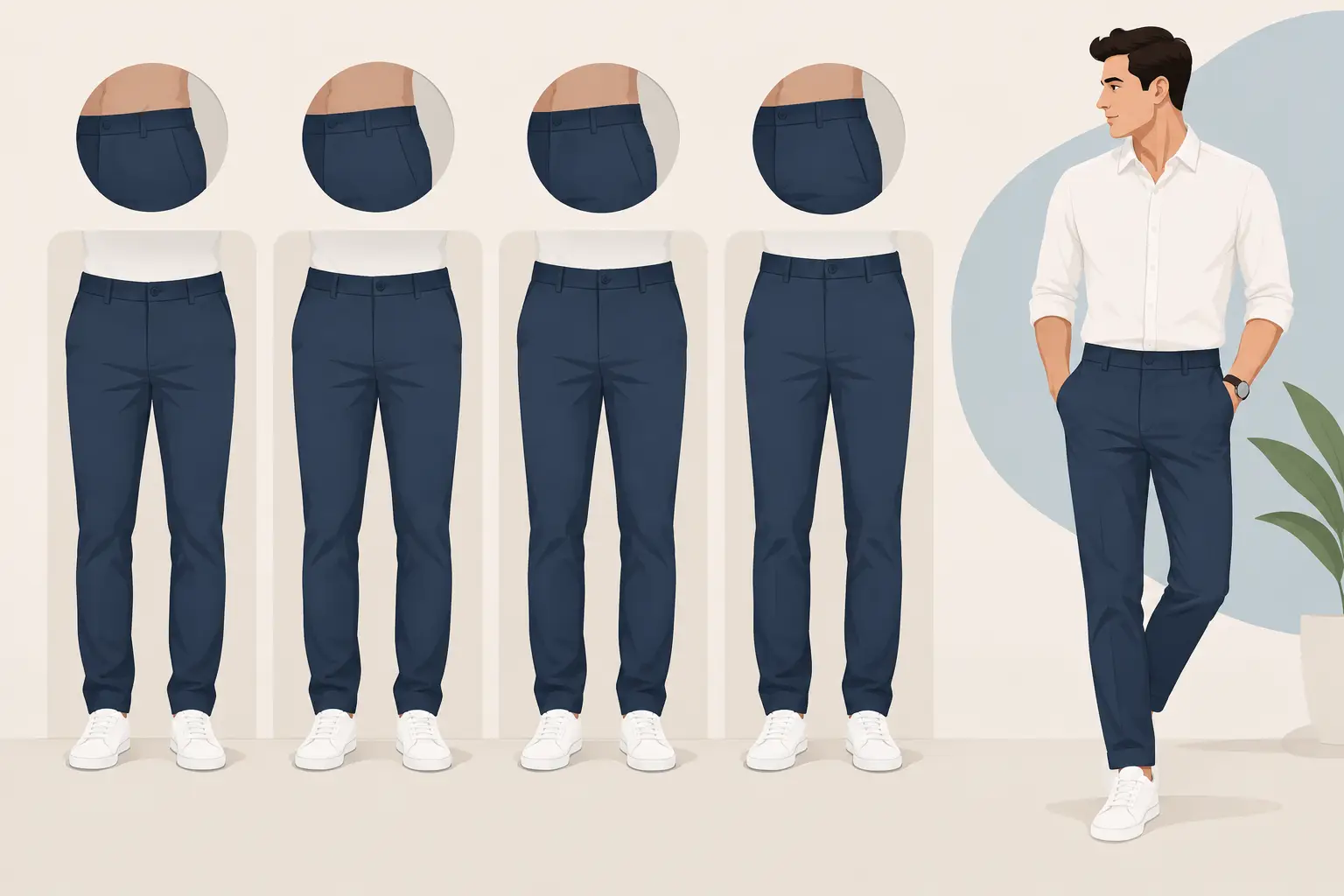
A tailored suit should frame the wearer rather than overwhelm him. The shoulder must sit cleanly at its natural point, the jacket should close without pulling, and the trouser should break with intention over the shoe. For many senior men, a moderate lapel, a well-defined but comfortable waist and trousers with sufficient room through the seat and thigh create the most assured silhouette.
Construction is equally relevant. A lightly structured jacket may suit a relaxed leadership environment, while a more shaped chest and shoulder can lend authority in formal sectors. At Manndiip, these decisions are considered alongside colour and cloth, so the finished suit reflects both the demands of the office and the man’s own presence.
Build a Rotation Rather Than Collecting Similar Suits
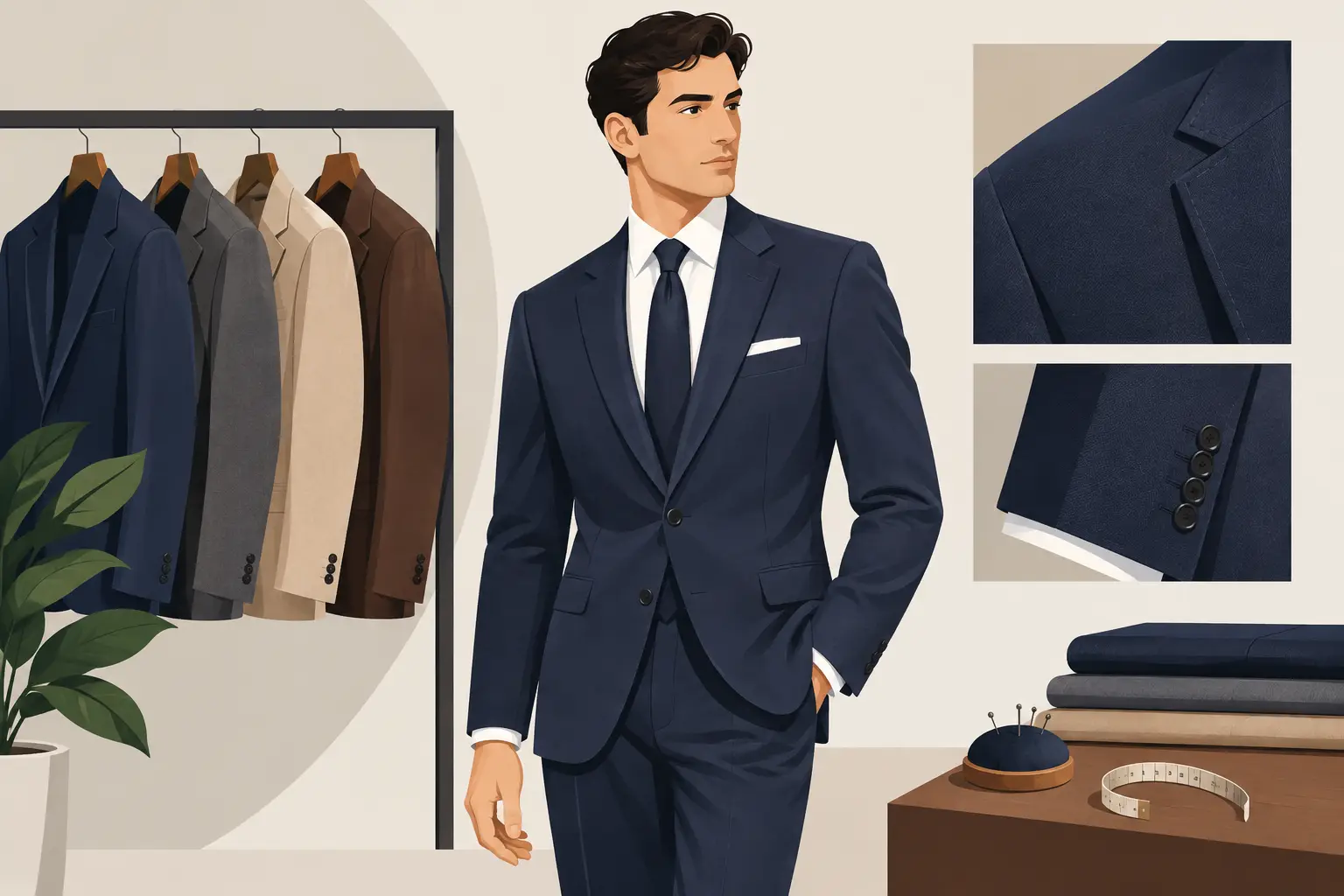
A considered business wardrobe does not require a dozen near-identical navy suits. Start with a dark navy and charcoal suit in year-round wool. Add mid-grey for variety and daytime versatility, then introduce dark brown or a restrained patterned navy when the core is secure. This rotation gives each garment time to rest, helps trousers retain their shape and makes daily dressing feel effortless rather than repetitive.
Keep the supporting pieces equally disciplined. Crisp white and pale blue shirts will cover most professional requirements, while a small selection of ties in burgundy, navy, green and muted texture offers enough variation. Well-polished dark brown and black shoes complete almost every combination.
The right office suit colour is ultimately one that lets the man remain the focus. When the shade, cloth and cut are in harmony, the result is not merely smart. It is the kind of sartorial sophistication that makes a senior professional look entirely at ease in his position.