
A lapel is one of the first details people register when they see a suit. It frames the shirt, tie and face, influences the apparent width of the chest, and quietly signals how formal or assertive the garment feels. The decision between peak lapel versus notch lapel is therefore not a minor styling choice. It is a decision about proportion, occasion and the identity you want your tailoring to project.
For a first bespoke suit, the notch lapel is often the natural starting point. For a wedding, black-tie-inspired evening look or a sharper presence in the boardroom, a peak lapel can be transformative. Neither is inherently superior. The right answer lies in the cut of the jacket, the wearer’s build, and where the suit will earn its place in the wardrobe.
What is a notch lapel?
A notch lapel has a small, angular opening where the lapel meets the collar. It is the most familiar lapel style on a single-breasted lounge suit and has become the enduring benchmark for business tailoring. Its visual language is composed, versatile and quietly confident.
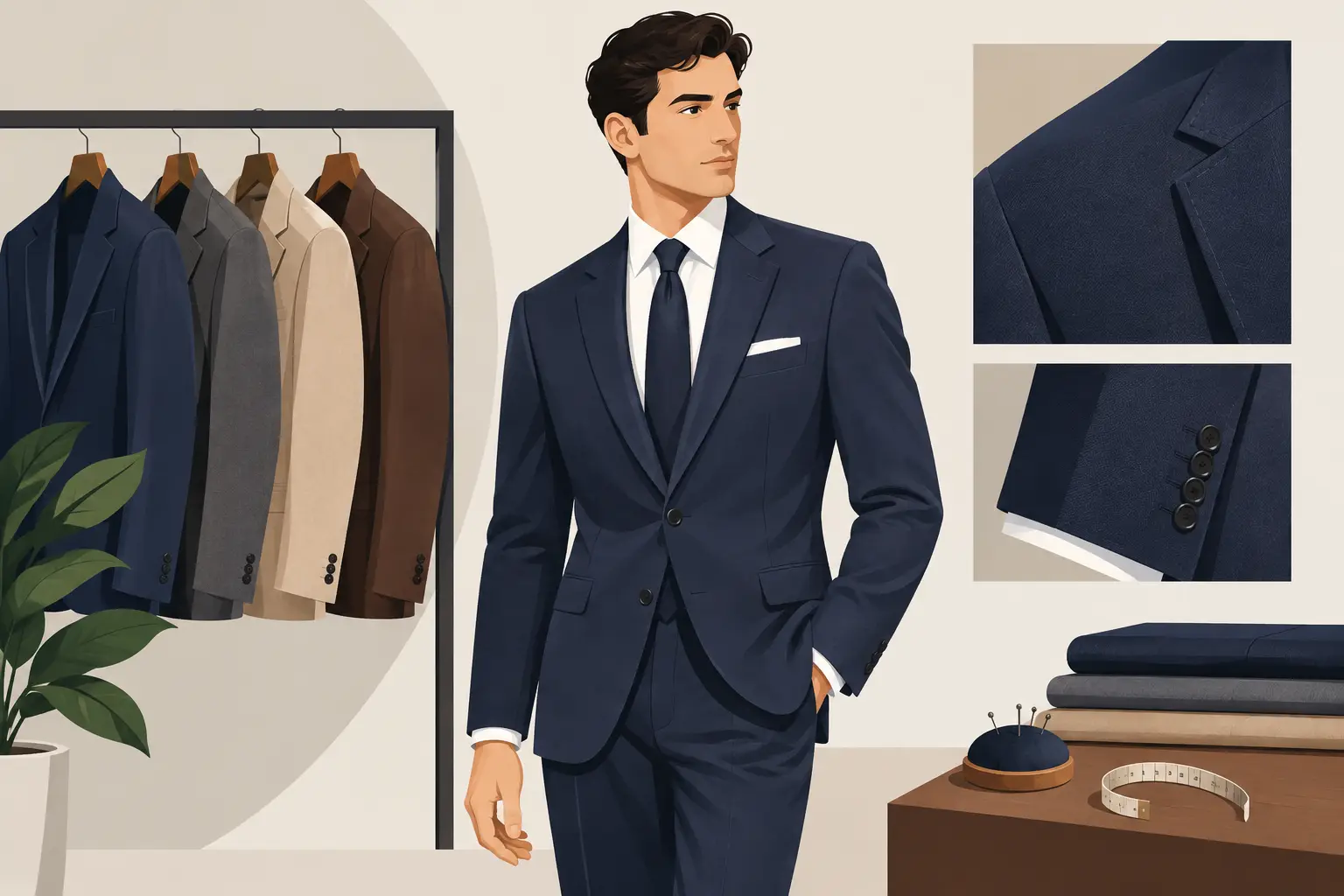
The notch should not be treated as a default without thought. Its angle, width and height can all alter the character of the jacket. A narrow, shallow notch creates a restrained and contemporary effect, while a more open notch with a fuller lapel brings greater presence. On a well-cut jacket, the collar should sit cleanly against the neck and the lapel should roll naturally towards the buttoning point, rather than appearing pressed flat or lifeless.
For professional wardrobes, this balance is hard to improve upon. A navy or charcoal two-piece with a carefully proportioned notch lapel works with a crisp white shirt, a subtle stripe, or a more expressive tie. It remains appropriate in client meetings, formal lunches and occasions where elegance is expected without theatricality.
What is a peak lapel?
A peak lapel rises upwards towards the shoulder, ending in a pointed tip. It creates a stronger vertical line and directs the eye outward, giving the chest and shoulders a more commanding shape. It has long been associated with double-breasted jackets, dinner jackets and formal tailoring, though it is equally compelling on a single-breasted suit when cut with precision.
The effect of a peak lapel is more architectural than a notch. It can make a relatively narrow chest appear broader and add stature to a softer shoulder line. It also carries a degree of ceremony. A midnight-blue dinner jacket with silk-faced peak lapels, for example, has a level of distinction that a conventional business jacket cannot replicate.
That said, peak lapels need careful judgement. A peak that is too narrow, excessively high or sharply exaggerated can look costume-like rather than elegant. The most successful version is harmonious with the shoulder, the jacket’s button stance and the wearer’s frame. In bespoke tailoring, this is where pattern cutting matters: the lapel is not chosen in isolation but designed as part of the garment’s overall architecture.
Peak lapel versus notch lapel: the visual difference
The clearest difference is the impression each lapel gives at first glance. A notch lapel is adaptable, understated and familiar. A peak lapel is bolder, more formal and more sculptural. One is not simply casual and the other formal, however. Fabric, cut, colour and finishing all affect the final result.
Consider two navy suits. A single-breasted worsted-wool suit with notch lapels, straight flap pockets and a clean two-button front will feel polished and versatile. Change the lapels to peaks, raise the buttoning point slightly and introduce a stronger waist suppression, and the same cloth becomes noticeably more expressive. The peak lapel adds visual authority before a word is spoken.
The distinction is also meaningful in photographs. Wedding clients often favour peak lapels because they sharpen the torso and hold their shape beautifully in formal portraits. Yet a groom planning a relaxed country wedding in tweed may find a notch lapel more in keeping with the setting. The garment should support the atmosphere of the occasion, not compete with it.
Which lapel suits your body shape?
Lapel choice can enhance proportion, but it should never be reduced to rigid rules. Height, shoulder width, posture, neck length and personal taste all deserve consideration. A skilled tailor reads these details together.
For a broader or athletic frame
A notch lapel can bring balance and restraint to a naturally powerful upper body, particularly when cut at a medium width. It keeps the jacket from becoming overly dominant. A peak lapel can still work exceptionally well, especially on a double-breasted suit, but its width and angle should be moderated so the chest does not appear unnecessarily enlarged.
For a slimmer frame
Peak lapels can be particularly flattering for a leaner man. Their upward line creates breadth through the shoulder and introduces more shape across the chest. This does not mean every slim man needs a dramatic peak. A refined, medium-width peak often gives the most convincing result.
A notch lapel also works well on a slim frame when the jacket is properly fitted through the chest and waist. The key is avoiding lapels that are too narrow for the wearer’s scale, which can make the jacket look slight rather than purposeful.
For a shorter or taller man
For shorter men, proportion is more useful than prescription. A neatly placed notch or a restrained peak can both lengthen the appearance of the torso if the jacket’s button stance, skirt length and trouser rise are correctly considered. Extremely wide lapels may overwhelm a compact frame.
Taller men have room for a fuller lapel and can carry a bolder peak with ease. But height alone is not a reason to exaggerate every detail. The aim remains a suit that looks intentional, balanced and effortless rather than aggressively styled.
Choosing by occasion
For daily business wear, notch lapels are the most adaptable investment. They move comfortably between conservative settings and modern workplaces, particularly in navy, charcoal, mid-grey or subtle checks. If you are commissioning your first tailored suit, a notch-lapel two-piece will provide the broadest return.
For weddings, the decision depends on the formality and your role. A groom may choose a peak-lapel three-piece to create a more elevated silhouette, while groomsmen wear notch lapels for a cohesive but less prominent look. For a civil ceremony or a contemporary city wedding, a sharply cut single-breasted peak-lapel suit in rich navy, olive or chocolate can feel personal without losing refinement.
For black tie, peak lapels are a classic and assured choice. Silk or grosgrain facing defines the lapel and brings a beautiful contrast against a barathea wool jacket. A shawl collar is another formal option, but a notch lapel is generally less traditional for a dinner jacket. It can work in fashion-led interpretations, though it lacks the same ceremonial authority.
For country tailoring, the choice becomes more relaxed. A notch lapel in tweed feels authentic, practical and enduring, especially with a soft shoulder and patch pockets. A peak lapel in tweed can look excellent on a confident dresser, but it introduces more drama and is best balanced by a cloth with enough texture and substance to support it.
Lapel width, cloth and construction matter as much as style
The debate is often framed as peak or notch, but lapel width is equally influential. A lapel should relate to the shoulder line, chest and tie width. Trend-driven extremes can date quickly; balanced proportions tend to remain elegant for years.
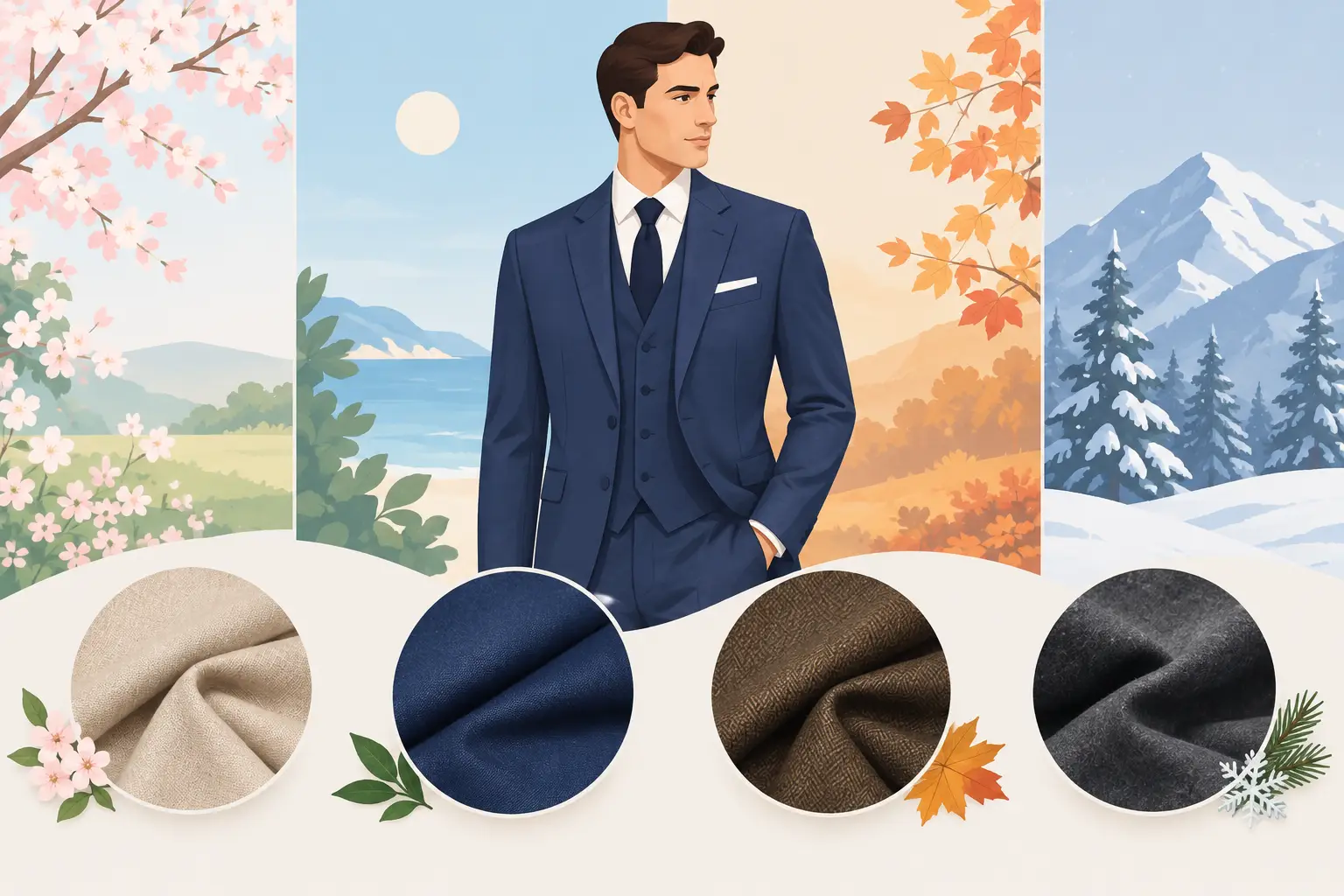
Cloth changes the expression as well. A fine worsted wool shows a crisp peak with great clarity, while flannel softens the line and adds depth. Linen makes either style feel more relaxed, though its natural crease should be embraced rather than fought. Textured wool, hopsack and tweed can make a peak lapel less formal than many assume, provided the jacket is cut with appropriate ease.
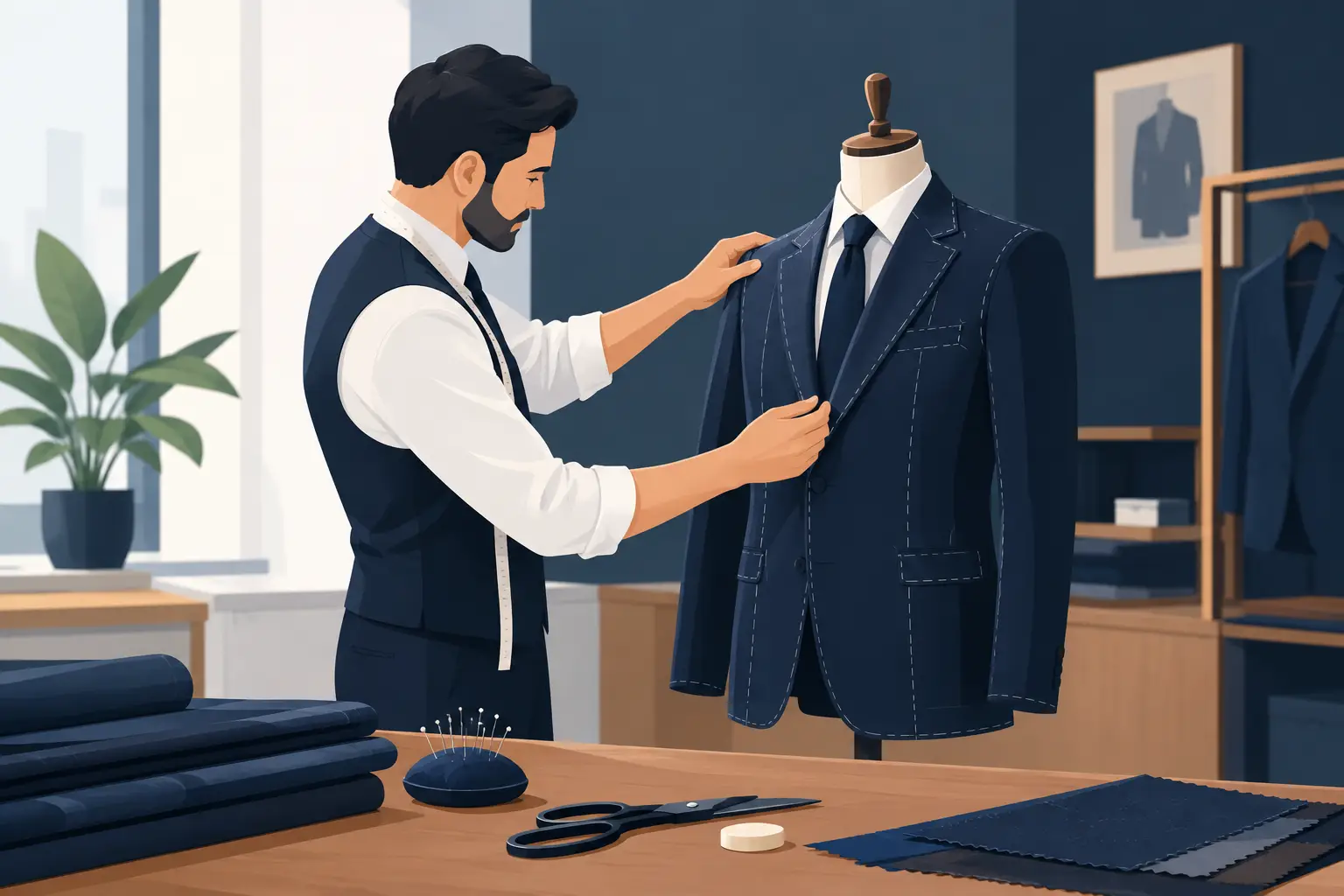
Construction is the final distinction between a lapel that merely looks acceptable and one that feels alive. A carefully canvassed chest allows the lapel to roll with shape and recover after wear. The collar should embrace the neck, the gorge should sit at a flattering height, and the break line should complement the wearer’s posture. These are small technical decisions, but together they create sartorial sophistication.
The most useful way to decide
Start with the role the suit must perform. If it needs to cover work, dinners and regular social occasions, choose a notch lapel in a versatile cloth and invest in exceptional fit. If the suit marks a major moment, or you want a more distinctive expression of confidence, a peak lapel may be the better choice.
At Manndiip, the lapel is considered alongside the whole silhouette: shoulder construction, chest shape, waist suppression, button position and the way you naturally stand. This ensures the jacket does not simply follow a rule, but reflects you.
The finest choice is the one that feels right when you put the jacket on: the collar settles cleanly, the lapel frames your chest with purpose, and you stand a little taller without needing to think about why.