
A suit can look tired long before it is truly finished. Perhaps the trousers have become tight through the thigh, the jacket no longer sits cleanly across the shoulders, or an inherited piece has a cloth and character that deserve a second life. The decision around suit alterations versus replacement is not simply a question of cost. It is a judgement of fit, fabric, construction and the role the garment must play in your wardrobe.
A well-made suit is built to be worn, adjusted and cared for. Yet there is a point at which further work becomes a compromise, rather than an improvement. Knowing the difference protects your investment and ensures you arrive at the boardroom, wedding or formal occasion with the polish your presence demands.
Start With What the Suit Is Telling You
The most useful question is not, Can this be altered? It is, Will this suit look intentional once it has been altered? A skilled tailor can make remarkable refinements, but tailoring cannot change every proportion without affecting the balance of the original cut.
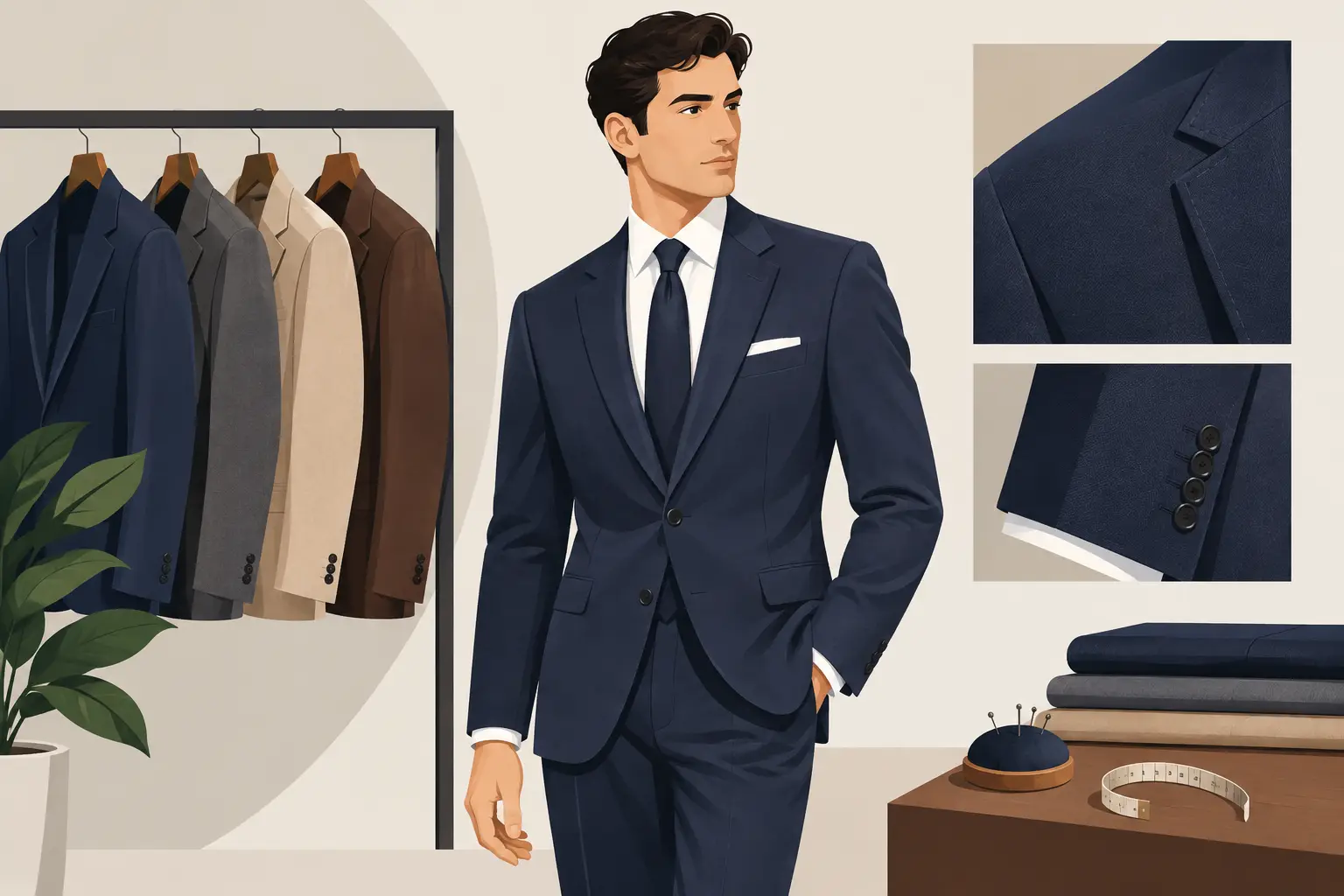
Begin with the jacket. The shoulder line is the foundation of its architecture. If the shoulders are too wide, too narrow, heavily padded in an outdated way, or visibly strained, replacement is often the more intelligent route. Altering shoulders is possible in select cases, but it is complex work. It involves removing sleeves, reshaping the shoulder area and reinstating the sleeve head without disturbing the jacket’s line. On a suit of real quality and sentimental value, it may be worthwhile. On a mass-produced jacket with limited life remaining, it rarely represents sound value.
The chest, waist and sleeve length are usually more accommodating. Taking in the body for a cleaner silhouette, letting out a little room where seam allowance permits, shortening sleeves, and refining the jacket waist can transform an otherwise sound garment. These changes bring the suit closer to your frame without fighting its original design.
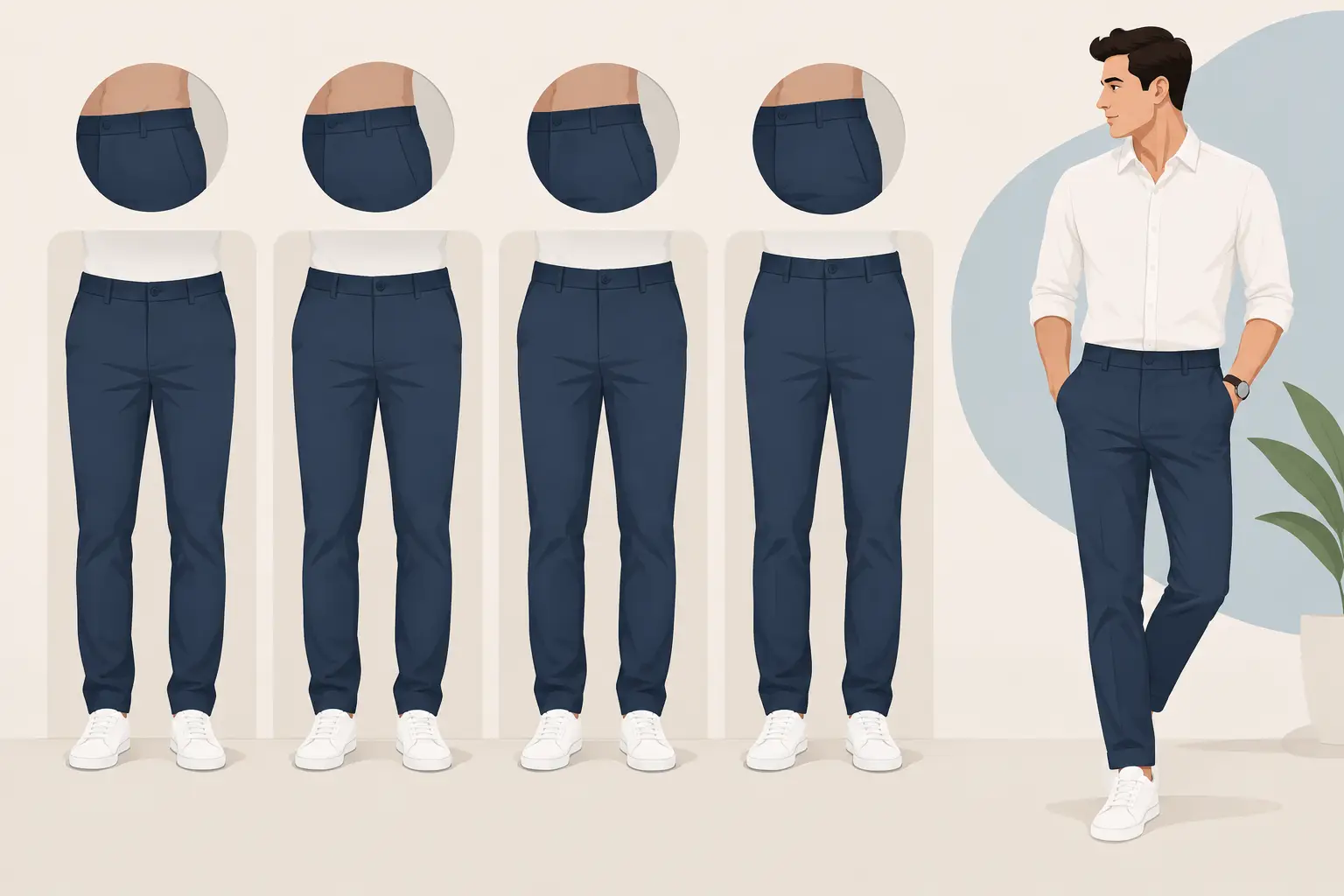
Trousers are generally more forgiving. Waist adjustments, tapering through the leg, shortening the hem, repairing a worn crotch seam and refining the break can all give familiar trousers a sharper, more contemporary appearance. The exception is a trouser that has become shiny, threadbare or strained at the seat and inner thigh. No amount of clever alteration can restore fibres that have reached the end of their service.
Suit Alterations Versus Replacement: Assess the Cloth
Fabric condition is the clearest dividing line in suit alterations versus replacement. Fine wool, particularly in a well-constructed suit, can respond beautifully to careful repairs and precise adjustment. A minor moth hole may be rewoven or discreetly repaired; loose lining can be renewed; buttons can be replaced to restore a more considered finish.
Look closely at high-friction areas: the seat, knees, trouser inner seams, jacket elbows and the edge of the cuffs. A shiny surface, thinning cloth or a loss of colour in these areas suggests that the fabric has weakened. Pressing may improve its appearance briefly, but it cannot rebuild the yarn. Equally, examine the inside. Fraying pocket bags, split lining and loose canvas are all repairable to a degree, but their combined cost should be considered alongside the garment’s age and future use.
A suit with exceptional cloth may justify meaningful restoration. Vintage tailoring, a treasured wedding suit or a particularly fine British wool can have qualities that are difficult to replicate. Conversely, if the cloth feels lifeless, pills readily, or has lost its shape after a short period of wear, putting more money into alterations can be false economy.
Understand What Alterations Can Realistically Achieve
Alterations work best when they refine a suit that was fundamentally right in the first place. The most successful outcome is one that looks as though the garment had always been cut for you.
A jacket can usually be suppressed at the waist, shortened modestly, adjusted through the side seams and refined at the sleeve. Trousers can be slimmed, adjusted at the waistband and reshaped through the leg. These are not small details. They affect posture, proportion and how confidently you move through a room.
There are, however, limits. Letting a suit out depends on the amount of inlay left inside the seams. Modern ready-to-wear garments often offer very little reserve cloth, particularly around the waist and seat. A jacket that is several sizes too large can be made smaller, but excessive reduction may leave pockets too far apart, lapels disproportionately broad or armholes sitting in the wrong place. The result can be technically altered yet visually unconvincing.
The same principle applies to style. A heavily structured, low-buttoning suit from a previous decade may be well made, but it will not become a modern soft-shouldered jacket simply by narrowing the sleeves. If the cut does not reflect how you want to present yourself now, a replacement offers greater freedom than repeated correction.
Consider Cost Against Wear, Not Price Alone
The cheapest option is not always the better investment. A relatively modest alteration bill is sensible when it gives you several more years of wear from a quality suit that fits your lifestyle. It is less sensible when a series of repairs merely delays the purchase of a garment that would serve you better from the outset.
Think in terms of cost per meaningful wear. Your most important business suit, a dinner suit worn for formal events, or a wedding suit intended to become part of your occasion wardrobe deserves a higher standard of fit and finish. If an alteration allows that suit to perform at its best, it is money well spent.
For a suit that you wear infrequently, the calculation may be different. A modest adjustment can be ideal for an upcoming ceremony or interview, particularly where the garment is in good condition and the change required is straightforward. But if you are building a professional wardrobe, replacing an ill-fitting compromise with a precisely cut suit will influence every time you wear it. The confidence this creates is not superficial. When the collar sits correctly, the jacket closes cleanly and the trouser line is balanced, you stop adjusting your clothes and focus on the occasion.
When a New Suit Is the Better Choice
Replacement becomes compelling when the issue is structural, not cosmetic. A jacket that fails at the shoulders, a trouser that is worn through, or a suit that no longer accommodates your body comfortably is asking too much of alteration work. It is also the right choice when your needs have changed.
A graduate entering a client-facing role may need a more versatile business suit than the one bought for university interviews. A groom may want a garment with greater distinction than an altered off-the-peg option can provide. Someone whose physique has changed through training, age or lifestyle may find that a new cut delivers comfort and authority that their old suit cannot.
A bespoke or custom commission also lets you decide what the old suit could never offer: cloth weight for your commute, lapel shape for your build, pocket configuration, trouser rise, button stance and the degree of structure through the chest and shoulder. These decisions are not decorative extras. They create a suit that works with your body and communicates your personal standard.
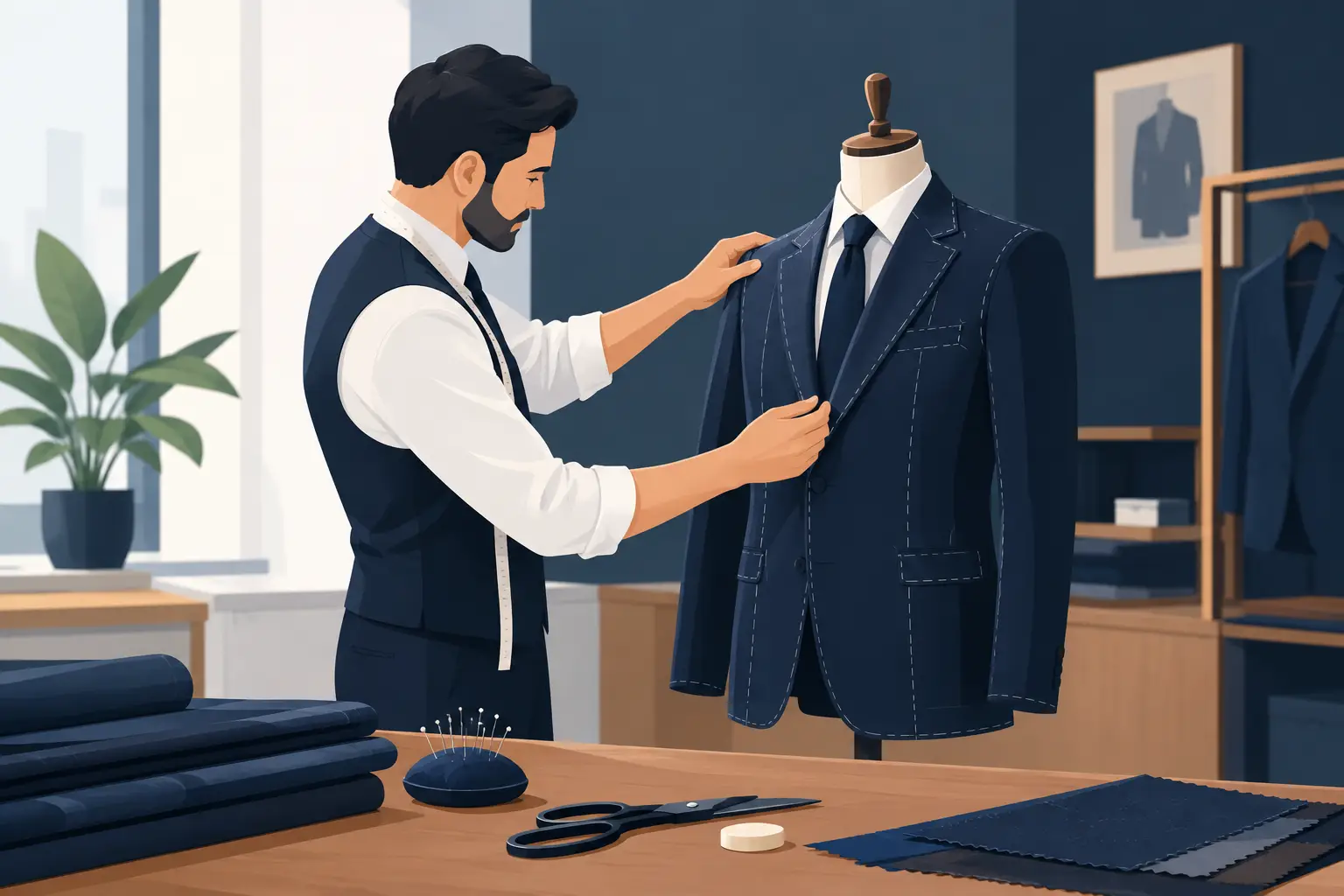
At Manndiip, the aim is never to persuade a client towards replacement when a precise alteration will do. The right recommendation begins with an honest inspection of the garment, then considers where and how you will wear it. A beautifully cut suit should earn its place in your wardrobe for years, not merely look acceptable for one event.
Make the Decision Before the Occasion Becomes Urgent
Last-minute tailoring narrows your options. Alterations need time for fitting, adjustment and finishing, especially where the work is more involved than a simple trouser hem. A replacement suit requires even more consideration, because cloth, cut and final fittings deserve attention rather than haste.
Bring the suit in early, ideally with the shirt and shoes you expect to wear. This allows the overall proportion to be assessed properly: sleeve reveal, trouser break, jacket length and how the garment sits when you stand and move. A good fitting is not a static inspection in front of a mirror. It tests whether the suit retains its poise throughout the day.
The right answer is sometimes a carefully considered alteration, and sometimes a fresh commission built around the man you are now. Either way, treat the decision as an opportunity to refine how you are seen. A suit should never distract from your presence. It should lend it quiet authority.