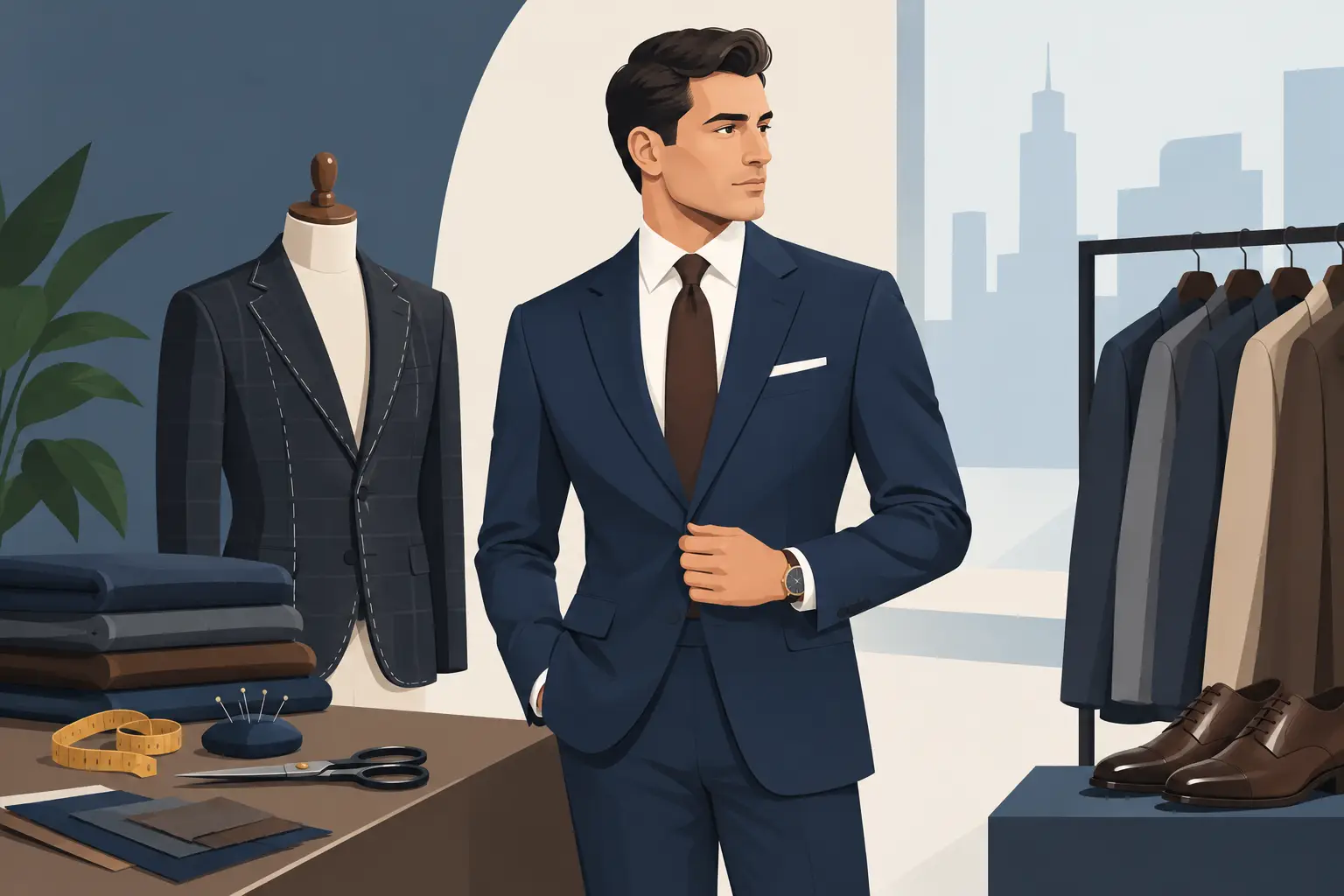
A lapel that sits cleanly against the chest, trousers that follow the line of the leg, and a shoulder that gives shape without stiffness: these are the details behind the most relevant tailoring trends. The shift is not towards louder clothing for its own sake. It is towards garments with presence, individuality and enough restraint to remain compelling long after the occasion has passed.
For the modern gentleman, tailoring is becoming less about following a fixed uniform and more about building a wardrobe with purpose. A boardroom suit should convey authority without feeling corporate or anonymous. A wedding suit should photograph beautifully while still looking unmistakably like its wearer. The common thread is precision: a considered cut, an appropriate cloth and finishing details that make the garment feel personal.
Tailoring trends that reward considered choices
Softer structure, sharper impression
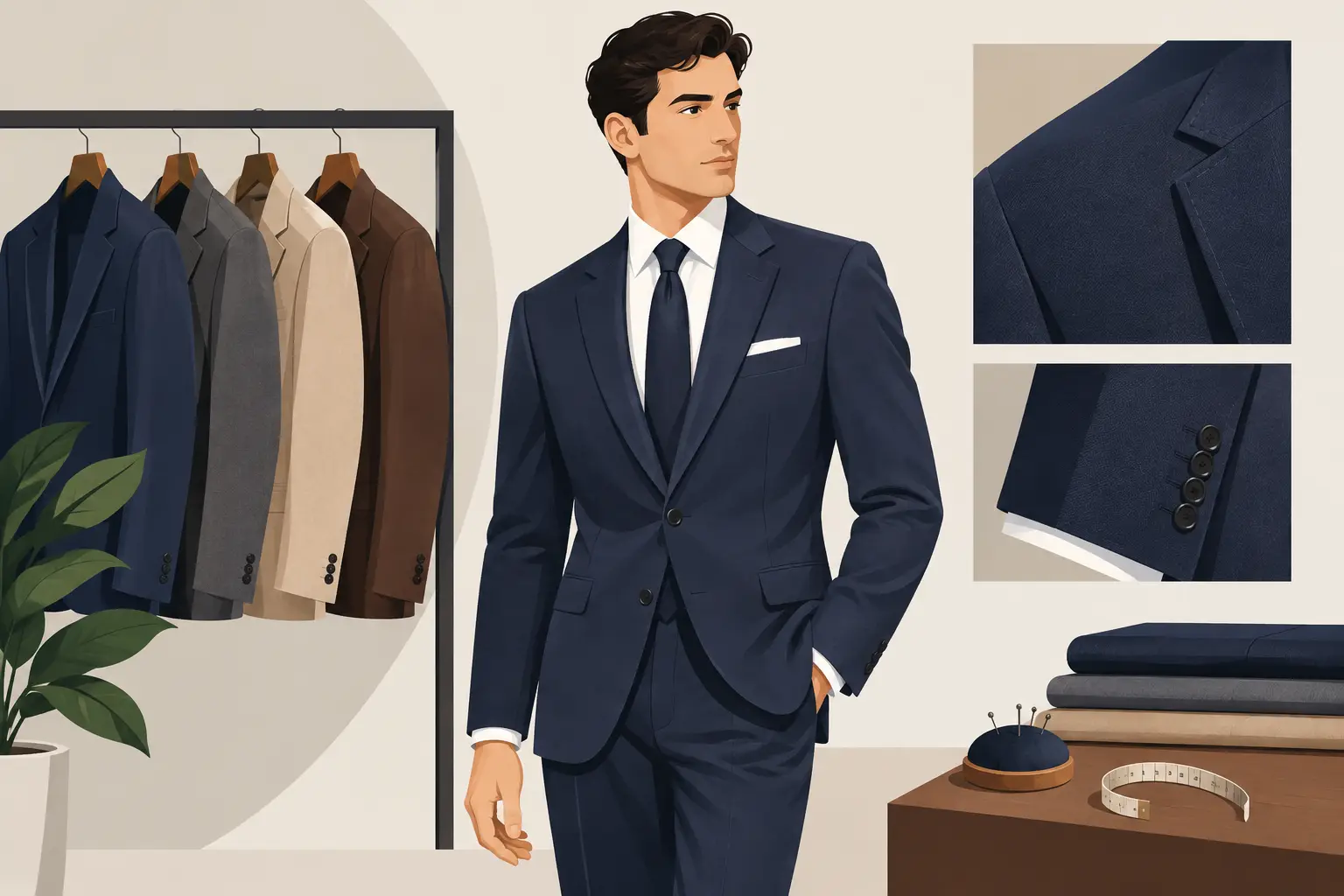
The most influential change in contemporary suiting is a more relaxed approach to structure. This does not mean a shapeless jacket or an oversized silhouette borrowed from casualwear. It means reducing unnecessary padding, allowing the canvas and cloth to drape naturally, and creating a shoulder line that complements the wearer rather than overpowering him.
A softly constructed jacket can be exceptionally refined. It offers comfort through a long working day, moves more naturally when greeting clients or raising a glass, and avoids the rigid appearance that can make a suit feel dated. Yet the jacket must still be cut with discipline. The chest needs enough shape, the collar must sit close to the neck, and the balance between front and back must be exact.
For business wear, this often translates into a lightly structured two-piece with a clean, defined waist. For weddings and evening events, a little more shape through the shoulder and chest can bring welcome ceremony. The right degree of structure depends on physique, occasion and the desired impression.
Fuller trousers with a cleaner line
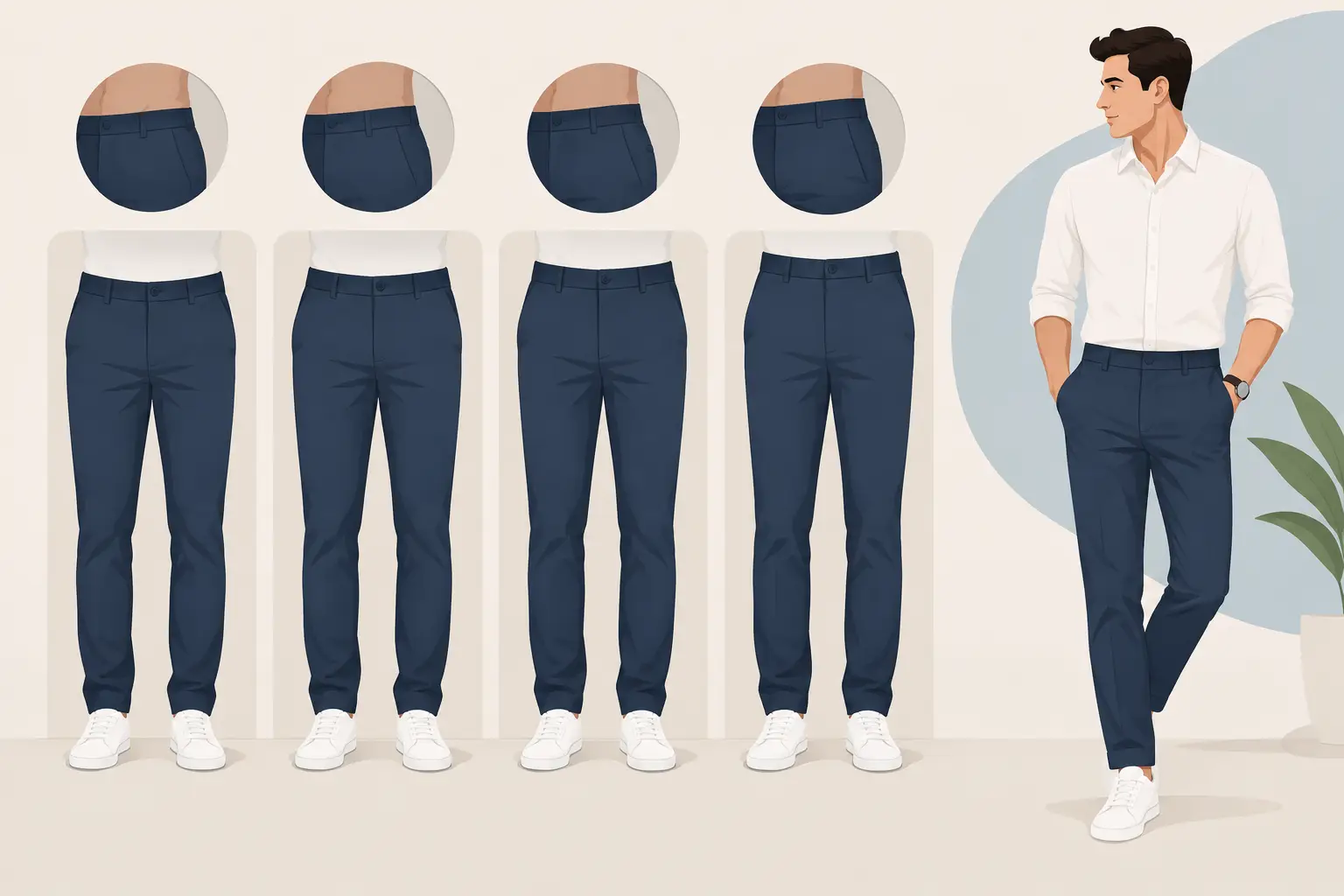
Skin-tight tailoring has given way to a more elegant trouser silhouette. The current preference is for a higher rise, more room through the thigh and a controlled taper towards the ankle. This creates length in the leg and lets the cloth fall properly, particularly in weightier wools, flannels and tweeds.
Pleats have returned for good reason. A single forward pleat can add comfort and visual depth without looking theatrical, especially when paired with side adjusters and a properly proportioned waistband. Flat-front trousers still have a place, particularly for leaner frames or a streamlined business suit, but they should never pull across the hips or cling around the calf.
The break matters just as much. A slight break is versatile and polished; no break can feel crisp but needs careful consideration of height and shoe choice. Excess cloth bunching at the ankle weakens even the finest suit. A tailored trouser should appear calm in motion and precise at rest.
Richer cloth, quieter colour
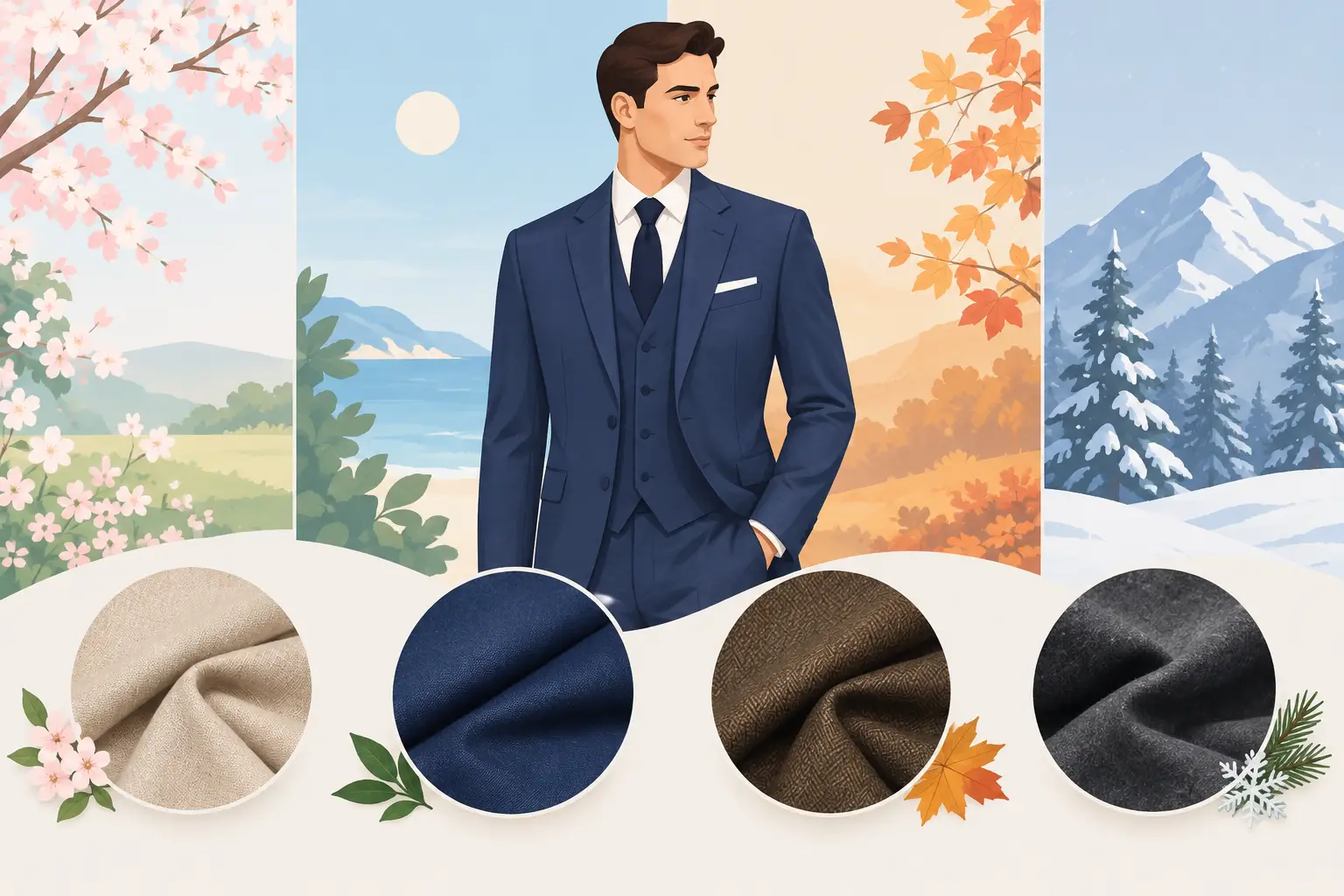
Navy and charcoal remain the foundation of an accomplished wardrobe, but tailoring is becoming more expressive through texture rather than obvious pattern. Deep brown, tobacco, forest green, muted olive and warm stone bring distinction while retaining versatility. These colours are especially effective in autumn and winter, when the cloth itself has more visual weight.
Texture gives a garment character at close range. Fresco wool offers breathability and a dry, composed finish for professional settings. High-twist wool travels well and resists creasing. Flannel brings softness and depth, while a considered tweed suit can move confidently from country occasion to city dinner when the cut is clean and the styling restrained.
For warmer months, open-weave wools, wool-silk blends and linen blends offer a lighter approach. Pure linen has an appealingly relaxed crease, but it is not always the right choice for a formal ceremony or a client-facing day. A blend can provide the same seasonal character with greater shape retention. Good tailoring is never simply about selecting the most fashionable cloth; it is about choosing the one that suits the setting, climate and wearer.
Why fit remains the most important tailoring trend
Trends can influence lapel width, trouser volume and colour palette, but fit decides whether any of them work. A beautifully made suit in the wrong proportions will always look less convincing than a simpler garment cut correctly.
The jacket should frame the torso without restriction. Its shoulder seam must end where the natural shoulder ends, while the sleeve should allow the arm to move without dragging the jacket body upwards. The collar should sit flush against the shirt collar. Around the waist, gentle suppression creates shape, but over-suppressing the jacket can cause it to pull when buttoned and distort the front.
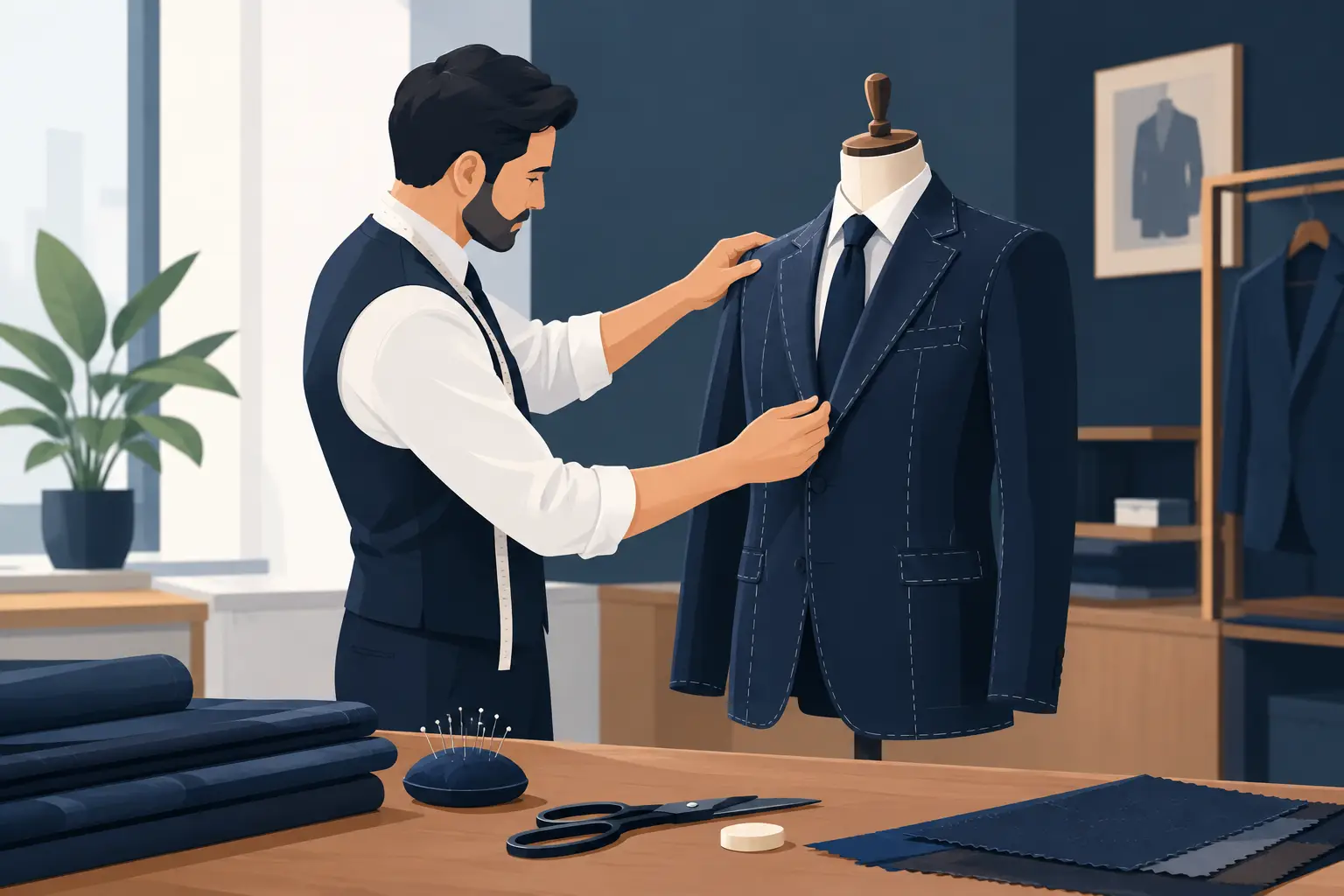
This is where made-to-measure and bespoke tailoring prove their value. Bodies are rarely symmetrical. One shoulder may sit lower, the chest may be more developed on one side, or posture may alter the way a ready-made jacket hangs. These are not flaws to disguise; they are realities to accommodate through informed cutting and careful fittings.
At Manndiip, the process centres on understanding how a client wants to look and live in the garment, then refining the pattern, balance and finishing accordingly. That might mean extra mobility for regular travel, a stronger shoulder for a commanding professional presence, or a cleaner, closer line for a groom who wants modern formality without stiffness.
Wedding and formal tailoring with personality
Wedding tailoring continues to move away from identical, rental-style outfits. Grooms are choosing garments that respect the formality of the day while expressing their own sense of style. The strongest results tend to come from subtle decisions: a midnight-blue dinner jacket, a textured ivory jacket for a summer celebration, a three-piece in a rich seasonal cloth, or a contrast waistcoat that reveals itself during the reception.
Black tie also benefits from a more exacting eye. A true dinner suit is distinguished by proportion and finish, not novelty. A shawl collar can feel fluid and elegant; a peaked lapel offers a more architectural presence. Barathea wool remains a classic choice, while velvet is best reserved for evening events where its richness feels appropriate rather than performative.
Accessories should support the garment, not compete with it. A handmade pocket square can introduce texture, while braces bring practical elegance to high-rise trousers. The most memorable formal looks are rarely built from many statements. They are built from a few excellent elements, each chosen with intent.
Build a wardrobe, not a collection of occasions
The most useful tailoring trend is a change in mindset: buy fewer garments, but make each one work harder. A navy suit with the right cloth can serve meetings, dinners and weddings. A brown or olive jacket can transform business-casual dressing with tailored trousers, knitwear and loafers. An overcoat in charcoal, camel or deep navy gives structure to everything beneath it.
This does not mean every suit should attempt to do everything. A formal dinner suit should remain formal, and a country tweed should retain its character. It means each commission should have a clear role and sit naturally alongside what is already in the wardrobe.
Alterations deserve the same attention. A jacket that has become too loose, trousers that need a cleaner taper, or denim that requires a precise adjustment can restore proportion and extend the life of a favourite piece. Well-made clothing should evolve with its wearer rather than be discarded at the first sign of change.
The finest tailoring trends are the ones that leave room for permanence. Choose a silhouette that flatters your build, cloth with enough character to reward a closer look, and details that feel true to you. The result is not simply a suit for the season, but a considered expression of who you are when the room matters.