
A suit cloth should do more than look impressive on the hanger. It should hold its line through a long working day, sit correctly across the chest and shoulders, and feel appropriate the moment you enter the room. In the question of tweed vs flannel suit fabric, the better choice is not simply the warmer one or the more traditional one. It is the cloth that serves your lifestyle, the occasion and the character you want your tailoring to project.
Both fabrics carry considerable sartorial pedigree. Yet they create entirely different silhouettes and signals. Tweed has texture, structure and a country-bred confidence. Flannel offers softness, depth and a more understated refinement. Understanding that distinction helps ensure a bespoke suit becomes a considered part of your wardrobe rather than an expensive garment reserved for rare occasions.
Tweed vs Flannel Suit Fabric: The Essential Difference
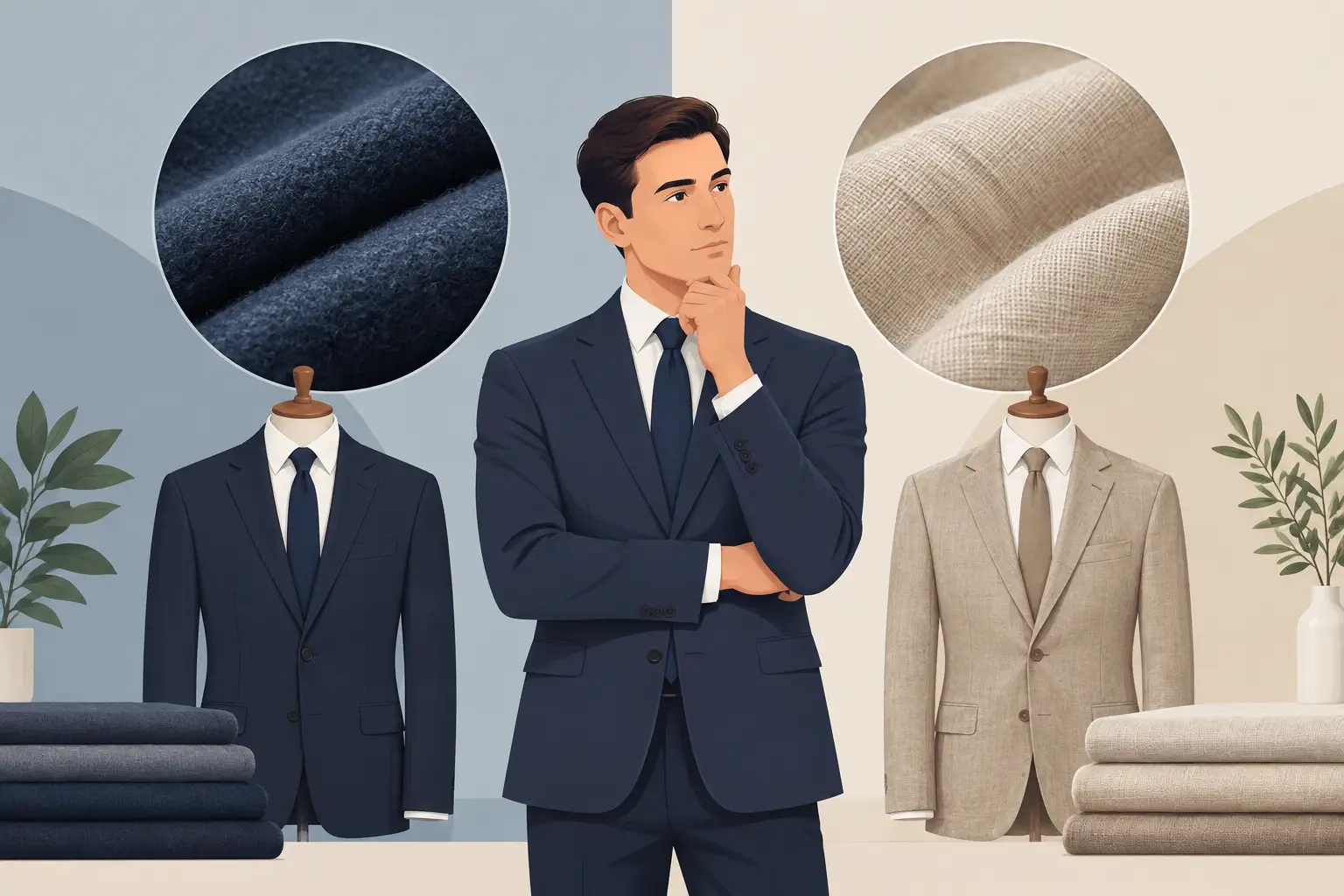
Tweed is generally a woollen fabric defined by its visible texture and often by its complex, mottled yarns. Traditionally associated with Britain and Ireland, it may be woven in herringbone, plain weave, check, twill or barleycorn patterns. It can include flecks of contrasting colour, giving the cloth a richness that rewards a closer look. Done well, tweed feels substantial, expressive and enduring.
Flannel is different. Rather than referring to one particular weave, flannel describes a fabric with a softly brushed finish, usually made from wool for suiting. This finishing process raises fine fibres at the surface, creating its familiar gentle handle and muted, almost smoky appearance. A charcoal flannel suit may appear calm from a distance, but it has a depth and softness that a smoother worsted cloth does not.
This distinction matters when choosing a suit. Tweed makes its presence known through pattern and texture. Flannel achieves impact through drape, tone and restraint. Neither is inherently more sophisticated. The right answer depends on how, where and how often you will wear it.
How Each Cloth Shapes a Tailored Suit
Tweed brings structure and character
Tweed is typically weightier and more textured than flannel. Its body can help a jacket retain a crisp, masculine line, particularly through the lapel and chest. This makes it an excellent choice for a sportier tailored silhouette: softly structured enough to be comfortable, yet defined enough to look purposeful over knitwear, a heavier shirt or waistcoat.
The fabric also has a practical advantage in a British autumn and winter. Its surface is forgiving in light rain, country settings and the everyday movement of travel. Tweed does not demand a perfectly pristine environment. It develops character through wear, which is one reason a well-cut tweed jacket can become a trusted fixture for years.
However, its visual texture makes it less formal. A bold check, pronounced herringbone or rustic Donegal fleck will rarely be the first choice for a board presentation, black-tie event or very formal city wedding. Tweed is at its strongest when it is allowed to look like tweed, rather than being asked to imitate a plain business suit.
Flannel offers softness and quiet authority
A good flannel cloth drapes with elegance. It has enough substance to create a flattering line, but a softer fall than most tweeds. This gives the wearer an assured, less rigid appearance, especially in trousers, where flannel can form a clean, generous silhouette without looking stiff.
For professional wardrobes, grey flannel remains one of the most useful choices available. Mid-grey and charcoal versions work with white, pale blue and striped shirts, while navy flannel is an excellent alternative to a conventional worsted navy suit. The subtle surface gives plain colours more visual interest without distracting from a polished overall look.
Flannel is also more adaptable across smart occasions. A dark charcoal suit in a fine flannel can move from a business lunch to an evening dinner with ease. In a carefully selected weight, it works particularly well for autumn, winter and the variable temperatures of early spring.
Its trade-off is care. The brushed surface may show wear at friction points over time, particularly if the suit is worn hard every week. Flannel trousers can also require thoughtful pressing to preserve their line. This is not a reason to avoid it. It is simply a reason to commission enough rotation in a serious wardrobe.
Warmth, Weight and Seasonal Wear
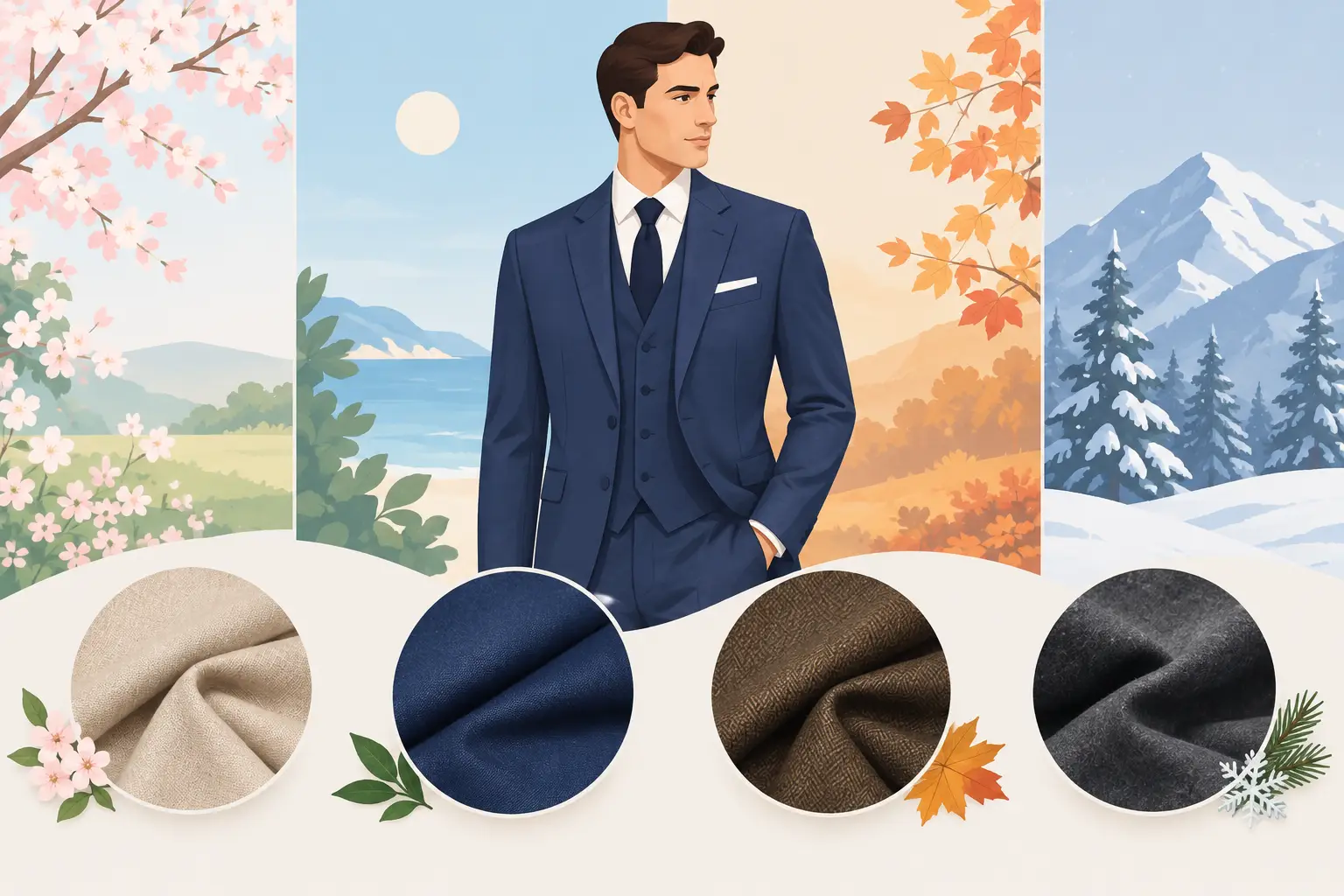
There is a tendency to assume tweed is always much warmer than flannel. In practice, cloth weight, yarn thickness and the suit’s construction matter just as much. A heavyweight country tweed will offer notable insulation. A lighter Shetland or lambswool tweed may be surprisingly wearable on cool spring days. Likewise, a 12 or 13-ounce flannel can be deeply warm, while a lighter flannel offers a more flexible option for city wear.
For most men, tweed is best thought of as a cool-weather cloth with a distinctly casual or country-facing personality. It is ideal for weekend lunches, countryside weddings, race meetings, winter gatherings and relaxed professional settings where individual style is welcomed.
Flannel occupies a slightly broader space. It is still principally an autumn-to-spring fabric, but its smoother visual finish allows it to work in the office, at formal dinners and for elegant wedding tailoring. If you need one cold-weather suit that can handle the widest range of refined settings, flannel often has the advantage.
Choosing by Occasion Rather Than Trend
For a business suit, flannel is generally the wiser investment. A plain grey, charcoal or navy flannel suit communicates credibility without looking predictable. Pair it with a crisp poplin shirt and dark leather shoes for the working week, then introduce a textured tie or pocket square for evening engagements.
For a wedding, the decision is more personal. A groom who wants timeless urban elegance may favour a deep navy or charcoal flannel, perhaps with a contrasting waistcoat. A couple planning a barn, country-house or autumn celebration may find tweed more natural, especially in muted olive, brown, tobacco or blue-grey. The key is to consider the setting, photography and the desired level of formality. A busy tweed can look exceptional in a rural landscape, while a fine flannel offers a cleaner, more ceremonial finish.
For country wear and social weekends, tweed is difficult to surpass. A two-piece suit, odd jacket or three-piece with a restrained check has texture enough to stand beside boots, knitwear and brushed cotton shirts. It feels authentic rather than overly dressed.
For evening wear that is not black tie, flannel has a particular advantage. A dark flannel suit with a black roll neck, or worn with a white shirt and subtly lustrous tie, offers relaxed sophistication without sacrificing polish.
Colour and Pattern Make the Difference
Tweed tends to invite a wider palette. Earthy browns, moss greens, rusts, muted blues and oatmeal tones all sit naturally within its character. Patterns are part of the appeal, but scale matters. A large check makes a stronger statement and can be less versatile; a fine herringbone or understated windowpane is easier to wear repeatedly.
Flannel is often at its most powerful in solid colours. Grey is the classic choice because it works with almost every shirt and tie combination. Navy has authority and versatility, while chocolate, olive and deep green can make for distinguished alternatives in a more individual wardrobe. Fine chalk stripes are also particularly effective in flannel, giving the cloth a confident business presence without the hard shine that some striped worsteds can carry.
In both cases, fabric should be chosen alongside the intended cut. A broad-shouldered, structured jacket can support a bolder tweed. A softer, lightly constructed jacket allows flannel to drape beautifully. The cloth and the pattern must work together, not compete.
Fit and Construction Matter as Much as Fabric
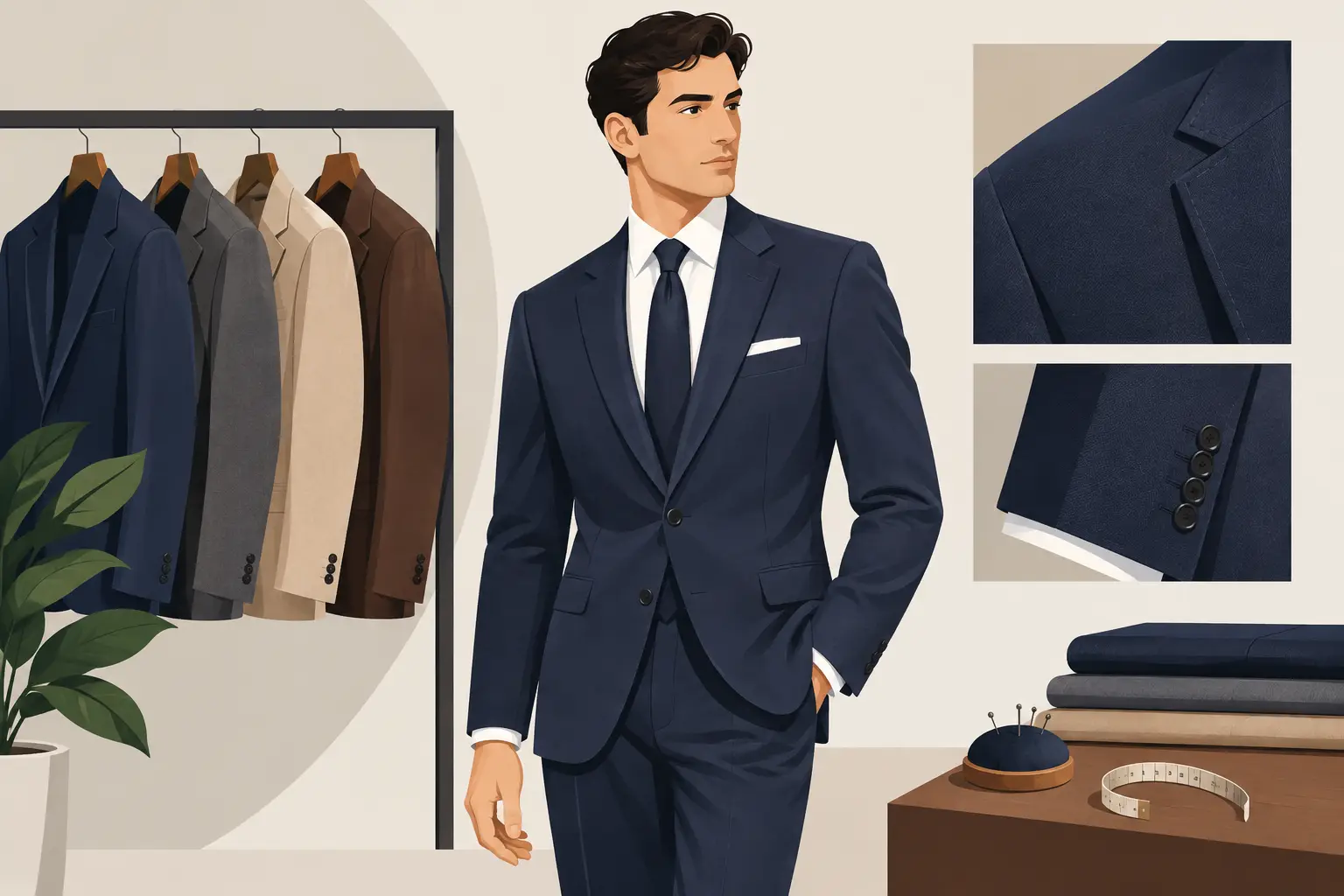
Even the finest tweed or flannel cannot compensate for a poor fit. The jacket should sit cleanly at the collar, follow the shoulder without pulling and button without strain. Trouser shape deserves the same attention. Tweed often benefits from a little room and a considered break over a sturdier shoe or boot. Flannel looks especially elegant with a clean rise and a controlled, flowing leg.
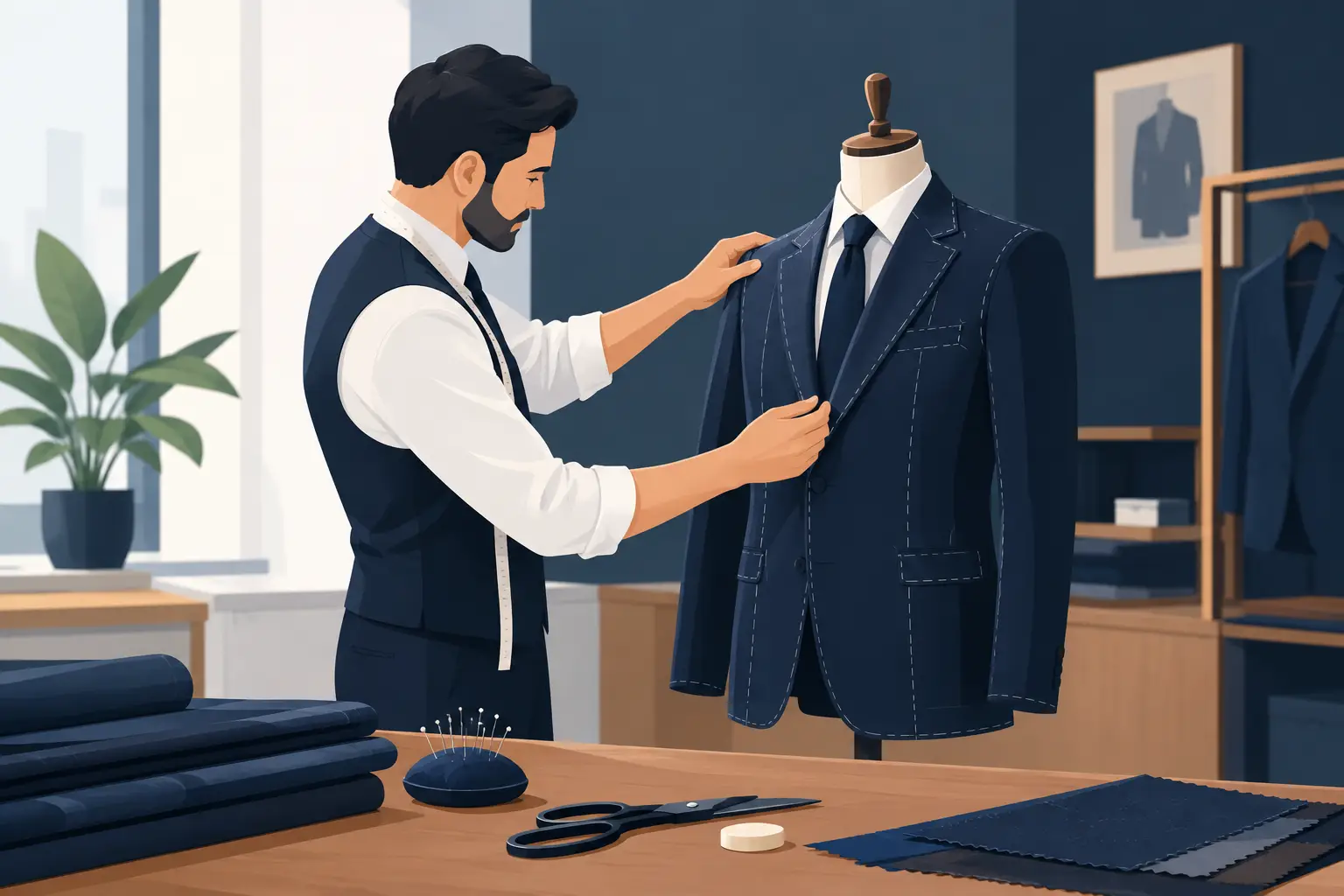
Bespoke tailoring allows these choices to be made with precision. At Manndiip, fabric selection is considered alongside posture, proportions, how the garment will be worn and the impression it should create. A cloth that feels perfect in a swatch must also perform beautifully across the shoulder, sleeve, lapel and trouser line.
Care also protects the investment. Rest a suit between wears, use a broad hanger, brush away surface dust and steam gently rather than pressing aggressively at home. Dry cleaning should be occasional, not routine, as excessive cleaning can diminish the natural life of wool.
The strongest choice is the one you will reach for with confidence. Choose tweed when you want texture, heritage and a suit with unmistakable character. Choose flannel when you want softness, versatility and quiet sartorial authority. Then let the cut make it unmistakably your own.