You can spot a groom who left his suit to the last minute from ten paces away. The collar lifts when he turns his head. The jacket bites under the arm. The trouser break is doing something strange over the shoe. And in the photographs – the ones that will outlive the flowers – the suit looks like something he borrowed rather than something that belongs to him.
A bespoke wedding suit is not a luxury add-on to a wedding budget. It is the one thing you will wear for the entire day that changes how you stand, how you move, and how you read in every frame. Get it right and you look composed before you even say a word. Get it wrong and you spend the day adjusting yourself.
What “bespoke” really means for a groom
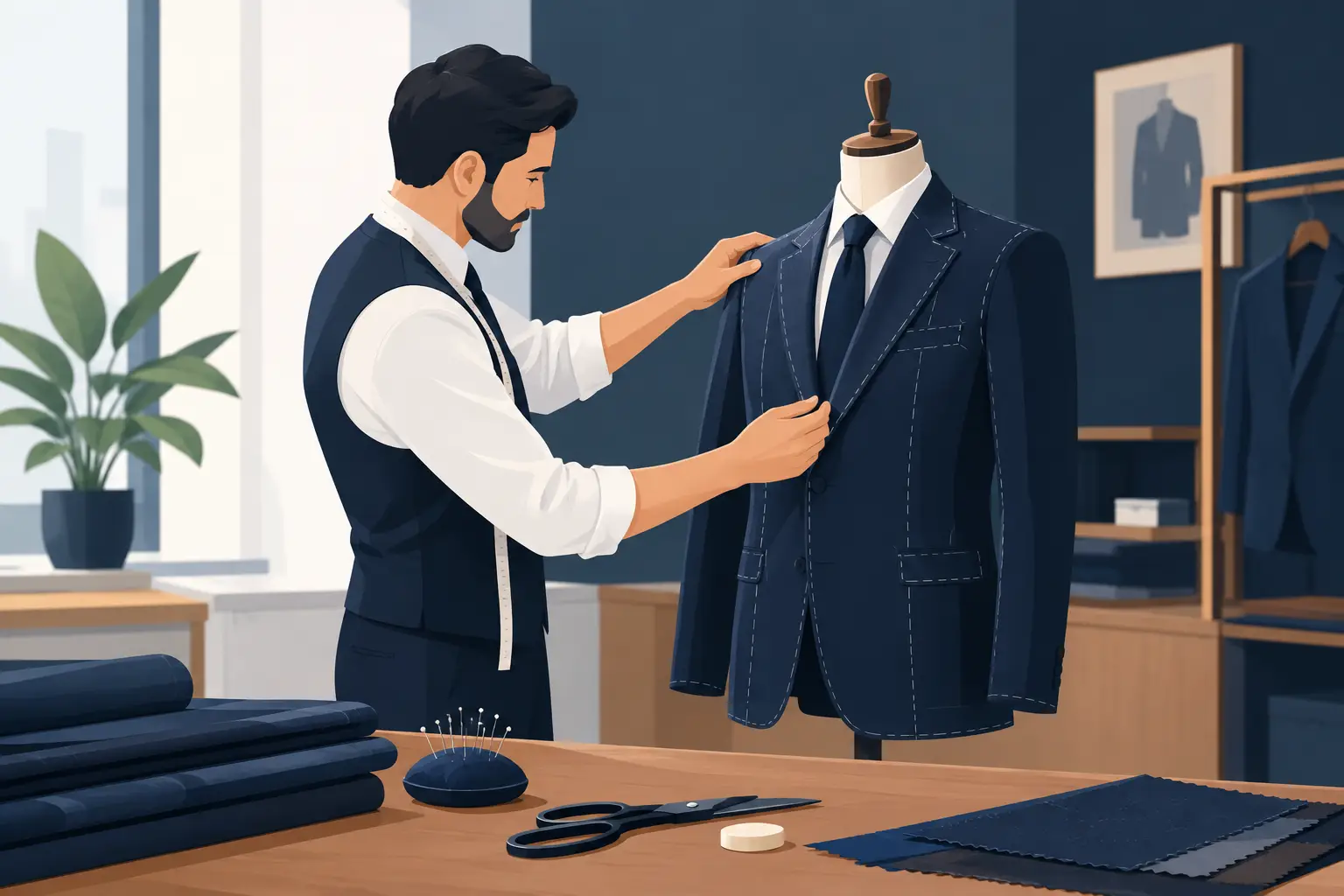
Bespoke is not a label. It is a method: pattern drafted from scratch, multiple fittings, and a garment shaped to your posture, shoulder line, chest, waist, seat, and stance – not a standard block with a few numbers tweaked.
For wedding wear, that matters because the demands are different from a business suit. You will be seated, standing, walking, hugging, raising a glass, possibly dancing with gusto. Your suit must keep its line through all of it. A properly cut armhole sits higher to allow movement without dragging the body of the jacket. The collar is balanced to lie cleanly against the shirt through the day. The trousers are set to your natural waist and seat so they do not migrate when you move.
If you are searching for a bespoke wedding suit for groom, the real question is not “What fabric shall I choose?” It is “What do I want this suit to do for me?” Look taller? Broader? Cleaner through the midsection? Softer and more romantic? Sharper and more formal? The cloth is important, but the cut and internal structure are what create the silhouette.
Start with the wedding, not the suit
The best wedding tailoring begins with context. Time of day, venue, and formality should lead the decisions.
A black tie evening in a city hotel calls for different choices than a countryside ceremony in late afternoon light. If the wedding is outdoors, cloth weight and crease recovery become practical considerations, not just style points. If you are wearing a waistcoat, you will want trousers with a slightly higher rise so the proportions stay intentional and the shirt does not balloon.
It also depends on how you want to relate to your partner’s look. Some couples prefer perfect harmony, others want contrast: an ivory dress paired with a deep midnight navy suit, for instance, reads modern without fighting the palette. Bring a swatch, an invitation mock-up, or even just a photograph of the venue. Good tailoring is part design, part diplomacy.
The fit details that make photographs look expensive
Fit is where bespoke earns its keep. Not “tight” – precise.
A groom’s jacket should sit close enough to show intention, yet allow a full breath and comfortable movement. If you cannot comfortably close the jacket without strain at the button or across the back, it will look tense on camera. Equally, if the chest is too roomy, the lapel will collapse and the front will look soft.
Pay attention to shoulder expression. A clean shoulder with controlled padding photographs elegantly and keeps the line modern. A shoulder that is too extended can look costume-like, especially if the rest of the suit is trim.
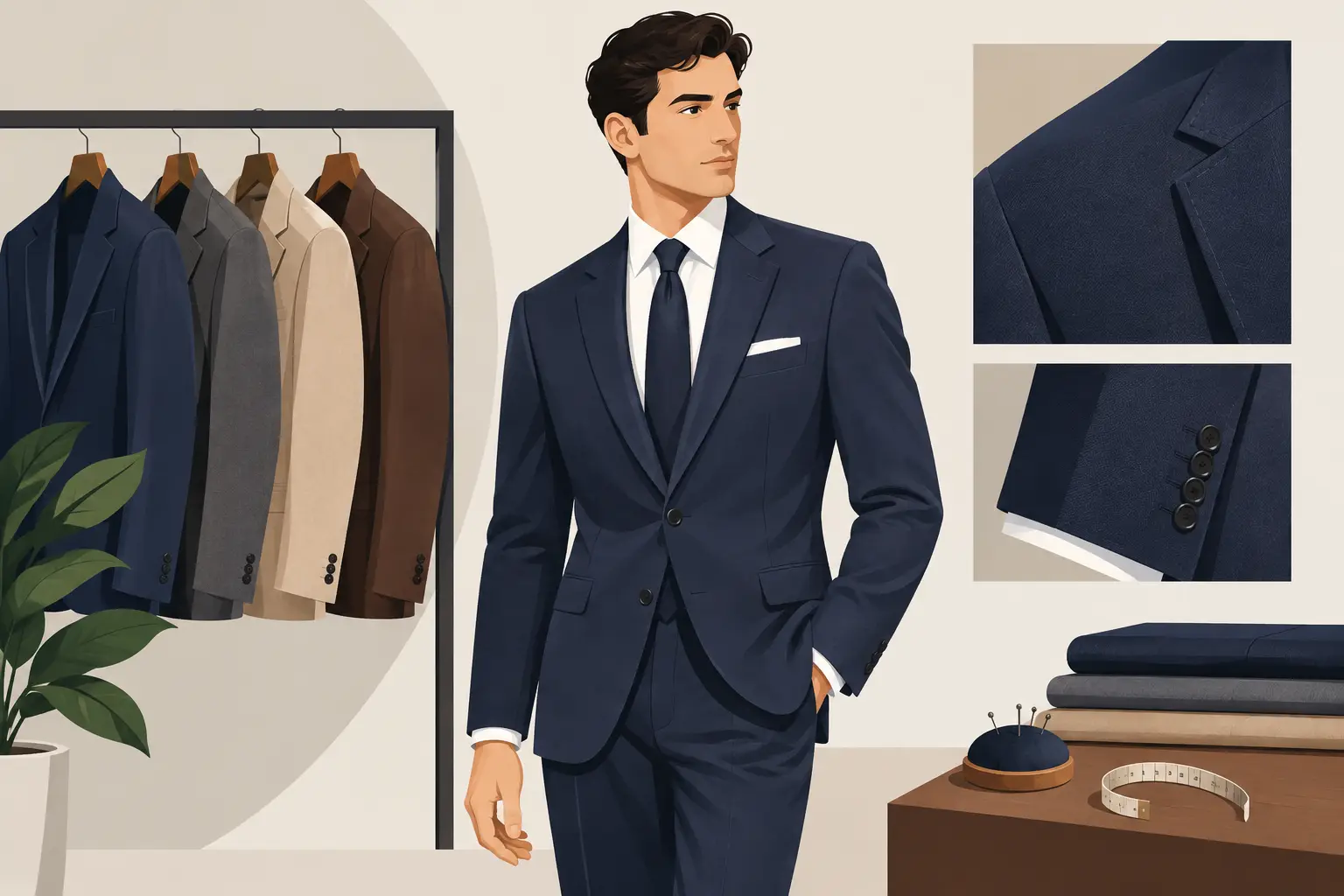
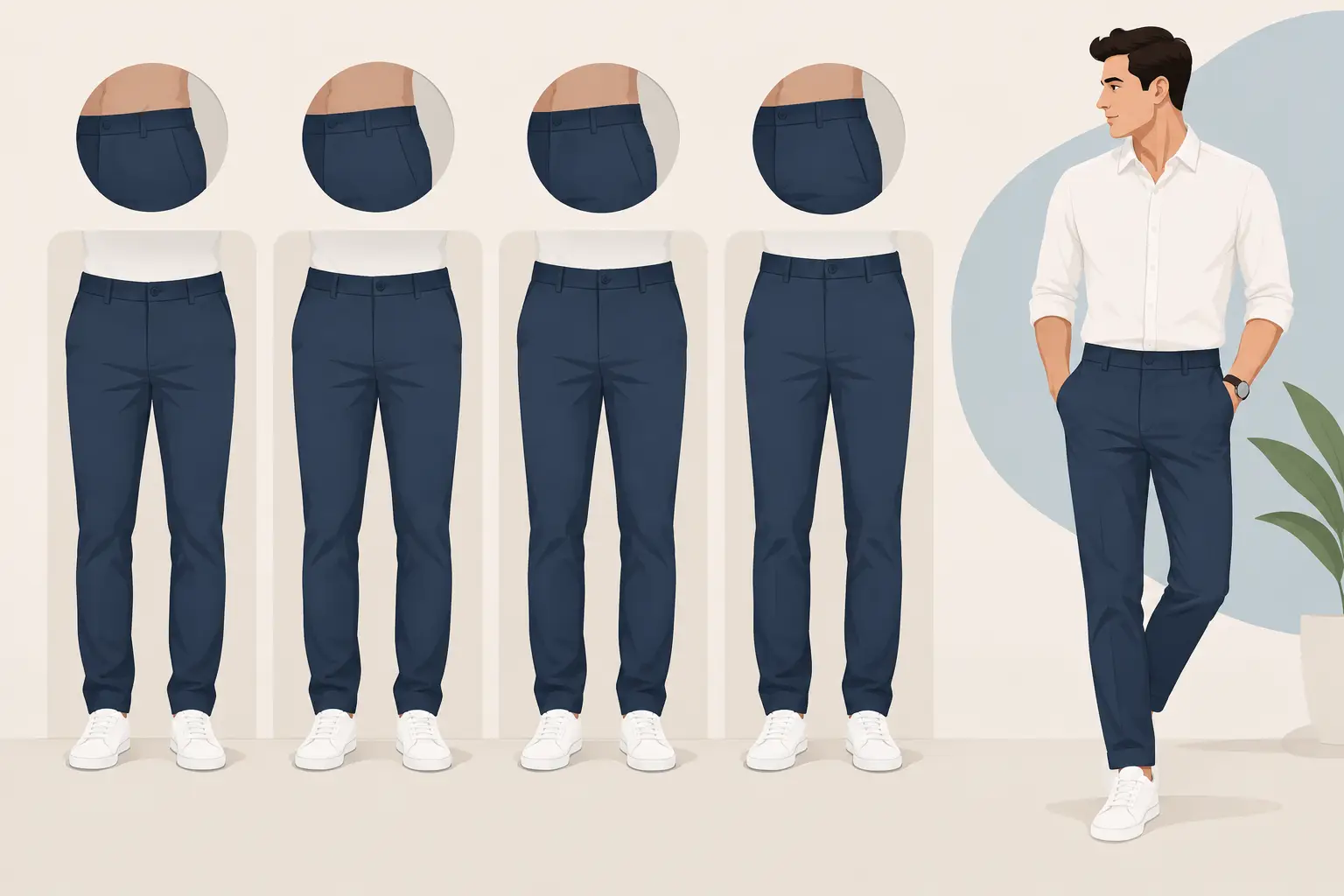
Sleeve and trouser length are the quiet makers of polish. Jacket sleeves should show a sliver of shirt cuff – enough to look deliberate, not accidental. Trouser break is a style choice, but it must be consistent on both legs and appropriate for your shoe. If you are wearing a sleek Oxford, a cleaner break looks refined; with a chunkier shoe or boot, a touch more length can balance the proportions.
Then there is posture. Many men stand with one shoulder lower, a slight forward head, or a prominent seat. Bespoke addresses these realities rather than pretending they are “problems”. When the jacket is balanced to your stance, you stop fidgeting. That calm reads as confidence.
Choosing the cloth: a wedding is not a board meeting
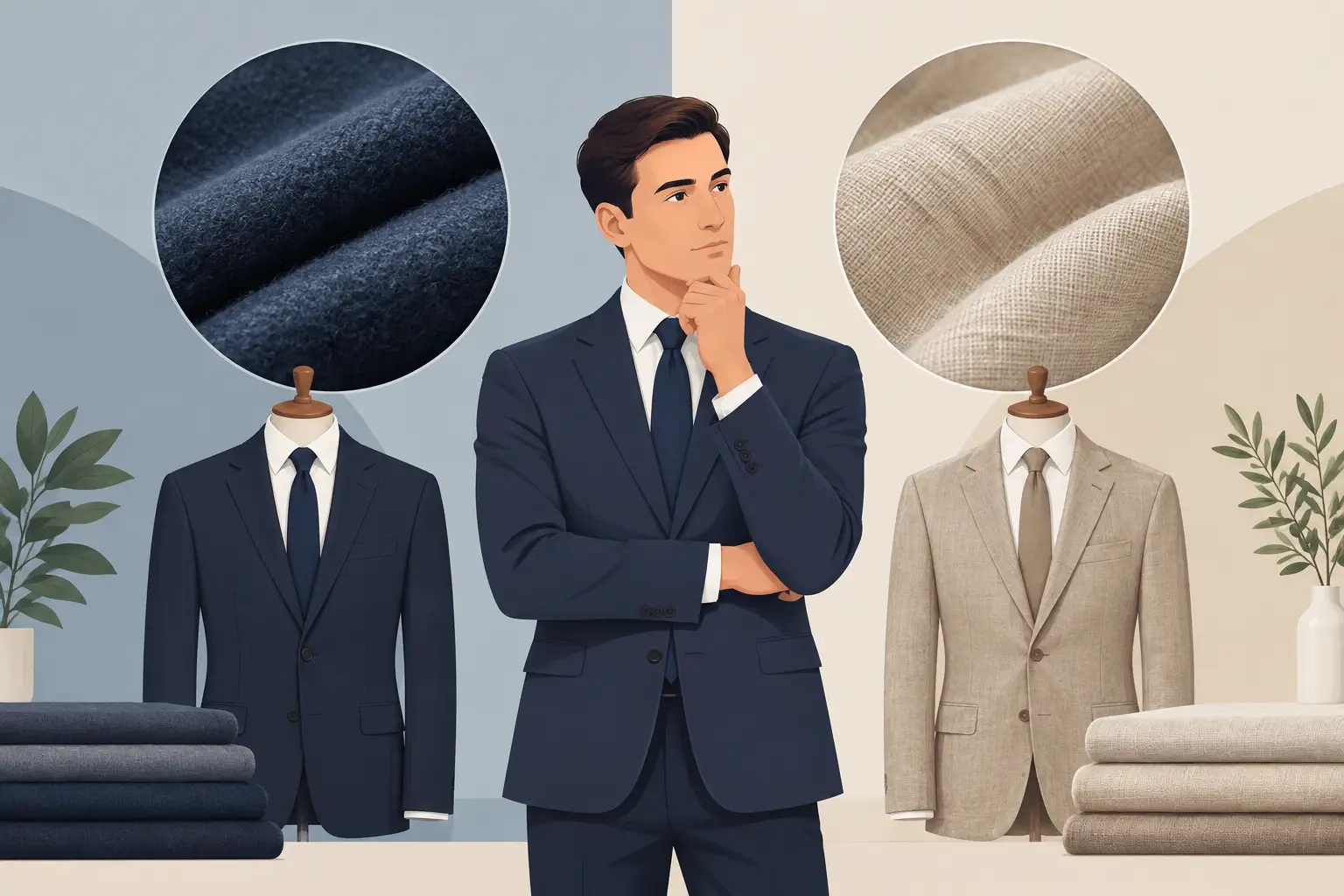
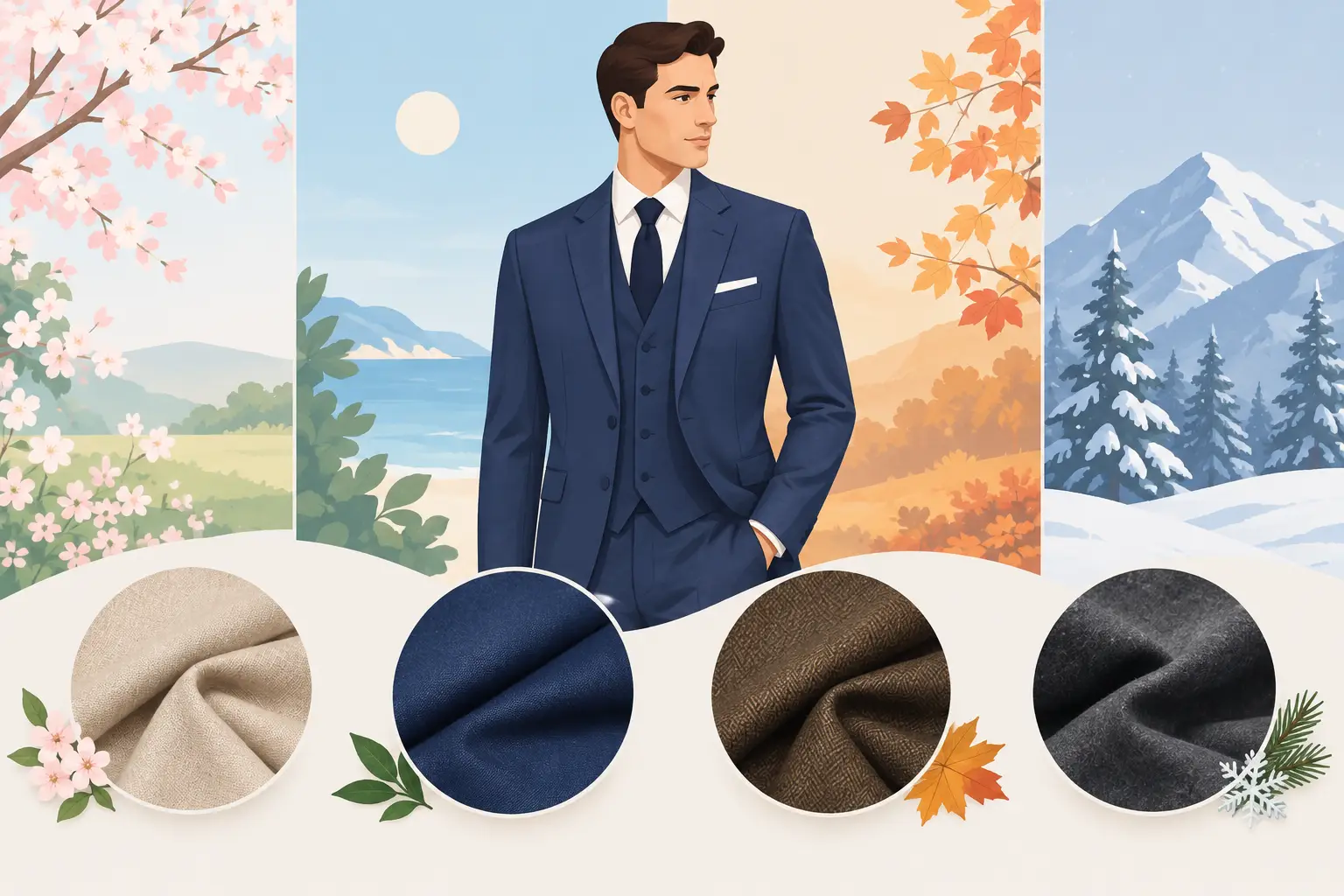
The fabric decision should be led by season, formality, and the mood you want to project.
For most UK weddings, a mid-weight wool in navy, charcoal, or a deep, inky blue is the safest route to timeless. It holds shape, drapes cleanly, and looks rich under both natural and artificial light. A subtle texture can be more flattering than a high-shine finish, which can photograph harshly.
For spring and summer, you can open the door to lighter cloths, but with realistic expectations. Linen is beautiful and relaxed – it will crease. That is not a fault; it is the character of the fibre. If you want the breezy look without looking rumpled by the speeches, consider a wool-linen or wool-silk-linen blend: you still get airiness with better recovery.
For autumn and winter, flannel and heavier worsteds add depth and presence. Tweed can be exceptional for country venues, but it reads more “heritage” than “formal”. It depends on the brief: a church wedding followed by a marquee reception can suit tweed perfectly; a sleek city evening usually wants something cleaner.
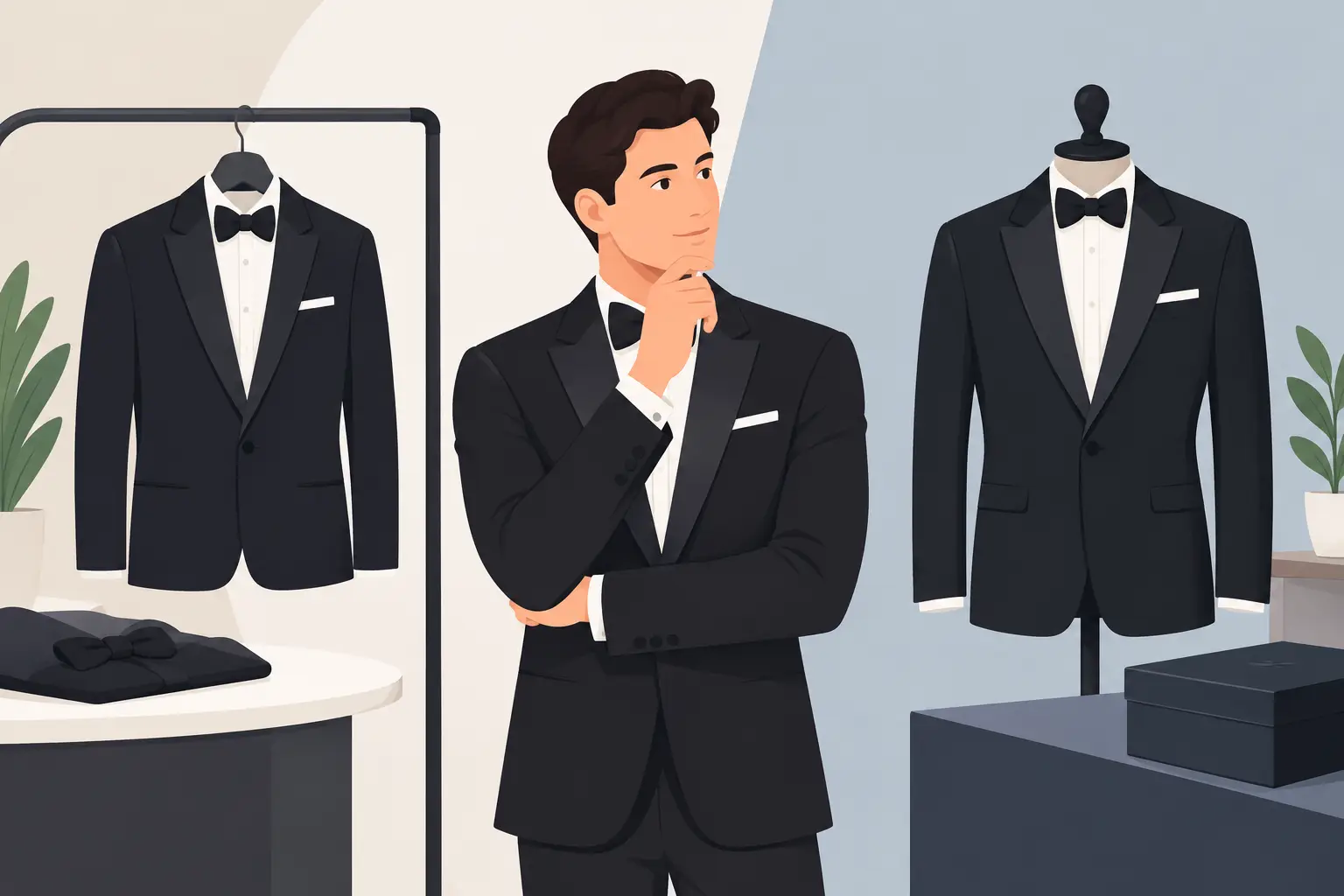
If you are considering black, be honest about the dress code. A black suit can look striking, but it can also look like staff attire if the styling is off. If the event is black tie, a dinner jacket with proper facings is a different category entirely.
Single-breasted, double-breasted, two-piece, three-piece
The structure you choose should support your proportions and your confidence.
A single-breasted two-piece is versatile and modern. It is the easiest to wear again after the wedding, which matters if you want value beyond one day.
A three-piece adds ceremony. It also adds control: the waistcoat keeps the front tidy when the jacket comes off, and it creates a continuous line in photographs. The trade-off is warmth and the need for excellent fit through the midsection – a waistcoat that is too tight will ride up and pull.
A double-breasted jacket delivers presence and a more formal attitude. It suits taller frames beautifully, and it can sharpen the waist on broader builds when cut correctly. The practical consideration is comfort while seated and the fact you will likely keep it buttoned when standing. If you like to be relaxed and open through the day, single-breasted may feel more natural.
Styling choices that separate “wedding suit” from “suit at a wedding”
This is where many grooms lose their nerve. They invest in tailoring, then default to safe, forgettable styling.
Lapels set the tone. Peak lapels add formality and a strong V-shape through the chest. Notch lapels are quieter and more business-like. A shawl collar belongs most naturally to dinner jackets.
Buttons and pocket styling are small, but they are photographed constantly. Horn buttons read classic; covered buttons can lean more formal. Patch pockets relax a jacket; jetted pockets elevate it. If you want a suit that transitions into your working wardrobe, keep the details refined rather than overly ceremonial.
Shirts matter more than most men think. A well-made white shirt with a clean collar and balanced cuff is the foundation of the whole look. If you are wearing a tie, make sure the collar height and tie knot work together. If you are wearing a bow tie, the collar should frame it properly, not fight it.
Accessories should look chosen, not collected. A pocket square should complement rather than perfectly match. Braces can be a beautiful, functional choice under a waistcoat, but only if the trousers are cut for them. Shoes should be properly polished, and ideally worn in before the day – comfort is part of elegance.
Timing: the calm way to commission a bespoke wedding suit
Bespoke takes time because it involves decisions, fittings, and handwork. If you want the process to feel civilised, start early.
As a rule of thumb, begin at least three to four months before the wedding. That allows for cloth selection, pattern drafting, a baste fitting, a forward fitting, finishing, and any sensible tweaks. If you are also commissioning a shirt, build that in too. If your schedule is tight, it may still be possible, but your options can narrow and you lose the buffer that keeps things stress-free.
If your weight tends to fluctuate, say so early. Tailoring can accommodate change within reason, but it is best managed deliberately. A suit cut perfectly for a crash diet is not a kind idea.
Wearing it again: designing for life after the wedding
A wedding suit does not have to become a garment you only see in photographs.
If you choose a classic colour and avoid overly themed details, you can wear the suit for interviews, dinners, and formal events. A three-piece can become a two-piece by leaving the waistcoat at home. A more textured cloth can work with knitwear in colder months.
There is a trade-off here. The more you push into statement territory – bright cloth, strong pattern, very bold lapels – the less flexible the suit becomes. If you want a once-in-a-lifetime look, that is perfectly valid. Just choose it knowingly.
The fitting room mindset: how to get the best result
Turn up with the shoes you intend to wear, or at least a pair with the same heel height and shape. Bring any key accessories you already own. If you are wearing a watch, wear it at fittings. These details affect sleeve length and balance.
Be honest about comfort. Bespoke is not about tolerating discomfort for appearance. A well-cut suit should feel supportive, not restrictive. If you cannot reach forward comfortably or you feel the jacket pulling when you hug someone, that will show.
And remember: your suit should look like you, refined. The goal is not to wear a costume version of yourself. It is to present the most composed, elevated version – the one who looks exactly at home in the moment.
If you want expert guidance through cloth, cut, and finishing, Manndiip designs and constructs made-from-scratch wedding tailoring with an obsession for precision fit and details that read beautifully in real life and in photographs.
The day will move quickly. Your suit should slow everything down – not by demanding attention, but by making you feel settled in your own skin the moment you put it on.