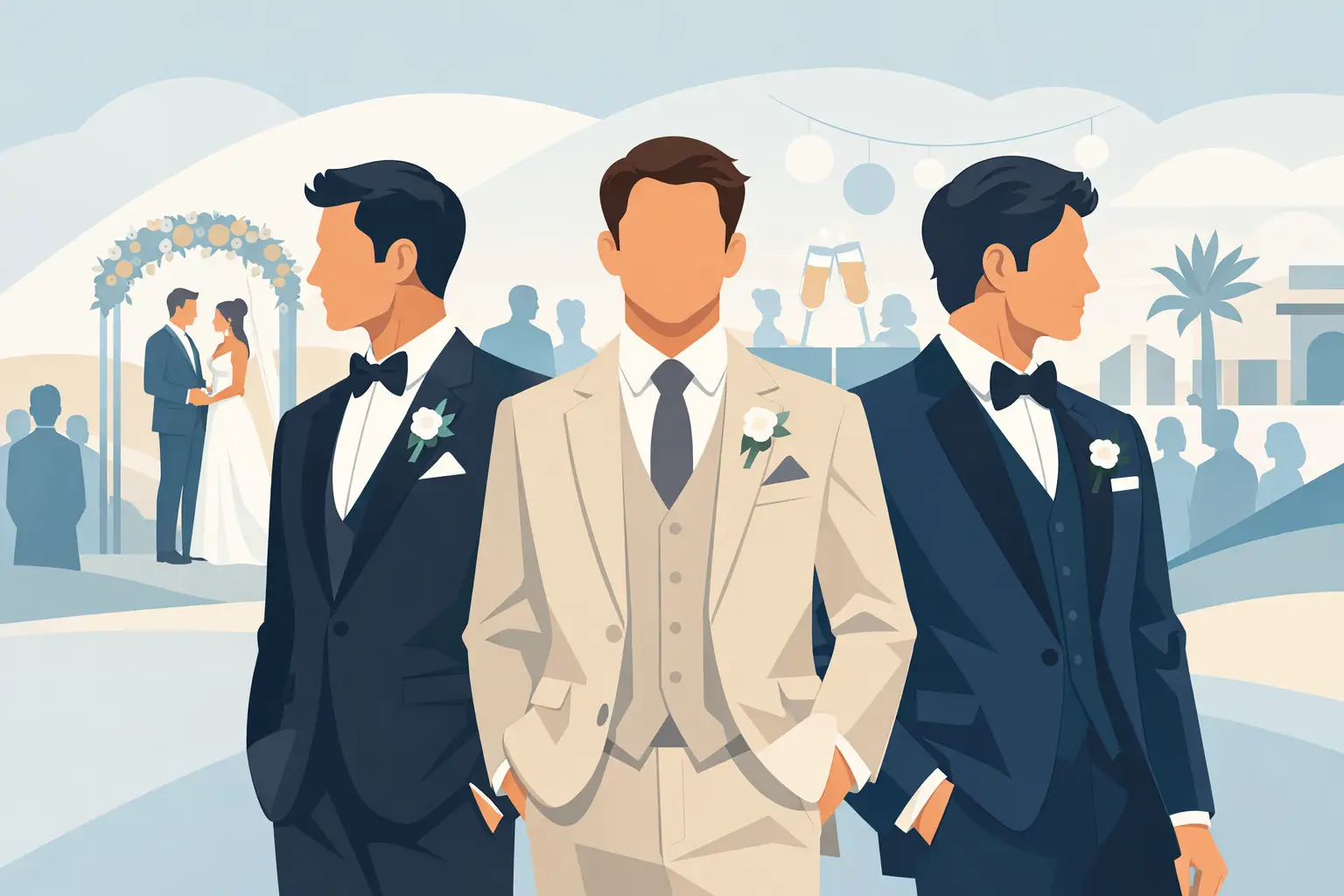
The old wedding uniform – navy suit, standard waistcoat, safe tie – is no longer enough for men who want to look considered rather than merely acceptable. The strongest men’s formalwear trends for modern weddings are moving towards individuality, precision fit, and clothes that feel in step with the setting, the season, and the man wearing them. Formalwear is becoming more expressive, but never careless. That distinction matters.
A modern wedding asks more of a suit than past generations did. It must photograph well from every angle, hold its line from ceremony to late evening, and feel appropriate whether the venue is a London townhouse, a country estate, or a Mediterranean terrace. Most importantly, it should not look borrowed from another man’s idea of formality. The current direction is clear – elegance is still the standard, but personal character now carries equal weight.
Men’s formalwear trends for modern weddings are softer, sharper, and more personal
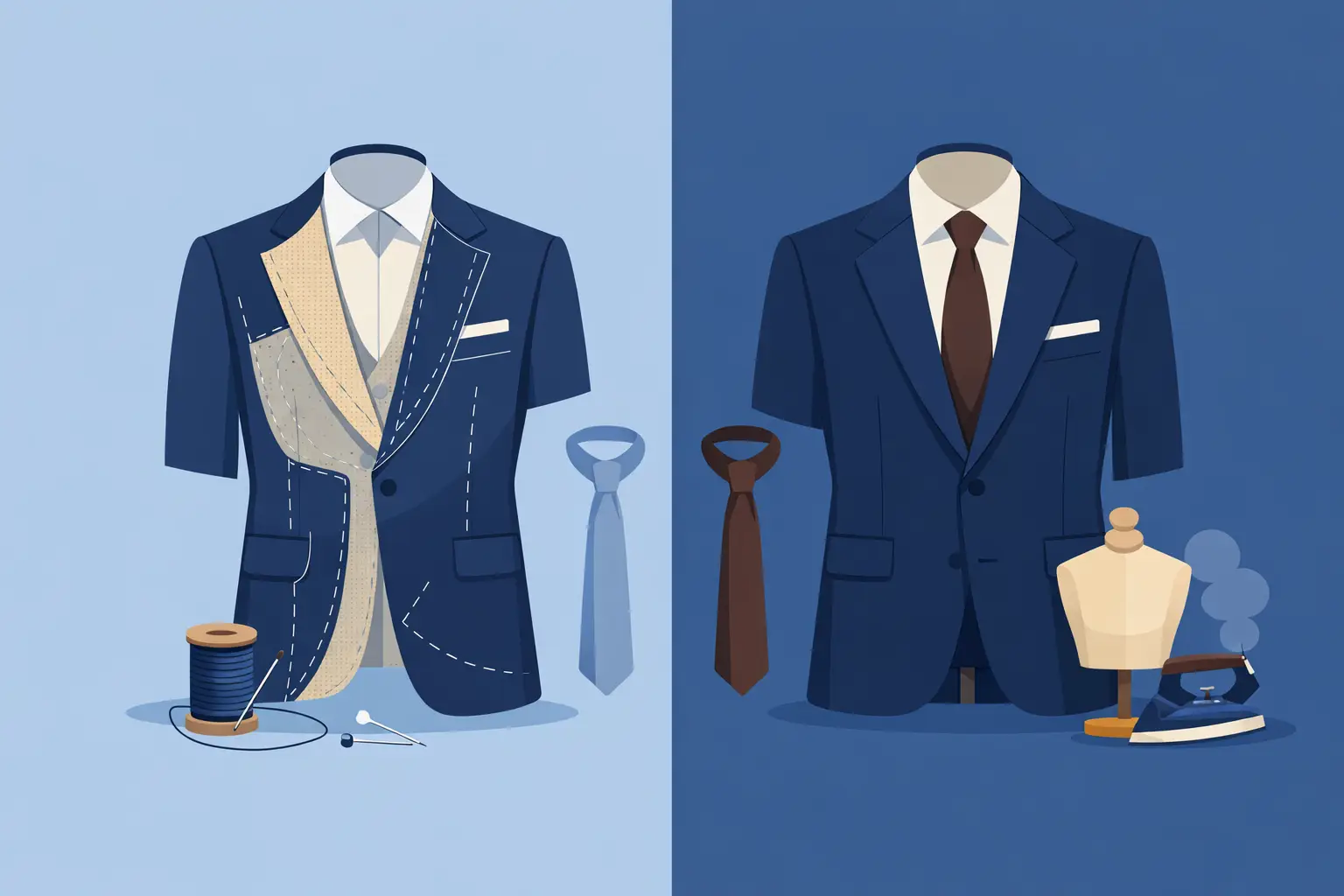
The most noticeable shift is in silhouette. Structured, heavily padded jackets are giving way to softer tailoring that still looks authoritative but feels more natural on the body. This does not mean loose or sloppy. It means cleaner drape through the chest, a more fluid shoulder, and a jacket that moves with ease rather than fighting against the wearer.
For many grooms, this creates a better kind of formality. A softer construction can appear more refined than a rigid one, particularly in daylight weddings or venues with a relaxed luxury feel. It also photographs beautifully because the cloth sits more naturally. That said, a stronger shoulder and more defined chest can still be the right choice for black tie or a groom who wants a commanding, architectural presence. As with all worthwhile tailoring decisions, context matters.
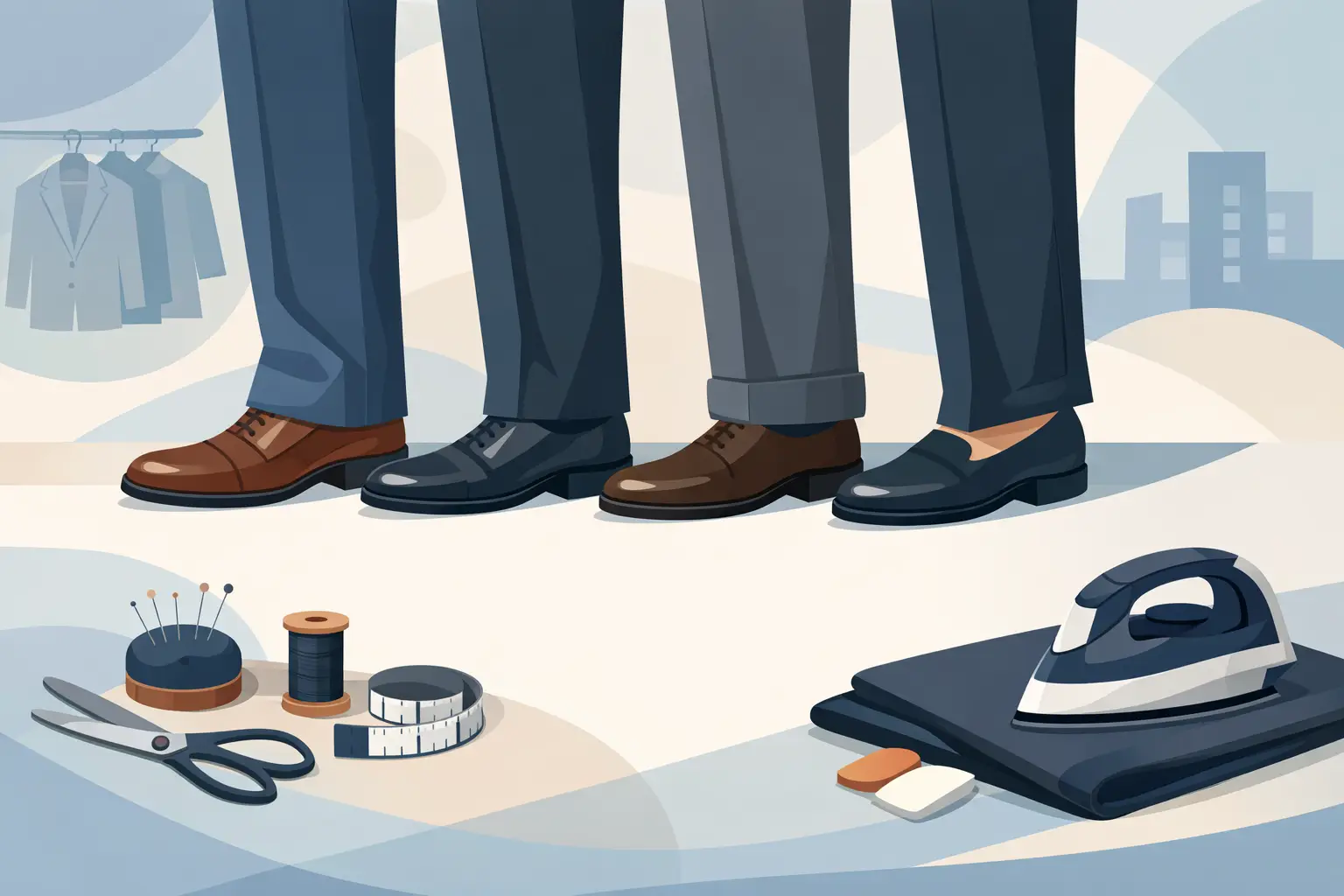
Trousers are changing too. The ultra-skinny cut has largely fallen away, replaced by a cleaner, straighter line with enough room to create elegance rather than strain. Side adjusters continue to feel more polished than belts in formal settings, and a slightly higher rise often improves both comfort and proportion. These details rarely shout, but they are exactly what make a suit feel expensive.
Colour is becoming more intelligent
Midnight blue remains one of the most dependable choices in wedding formalwear, especially for evening ceremonies and black tie interpretations. It offers depth under artificial light and richness in photographs that plain black can sometimes flatten. Yet modern weddings are widening the palette.
Deep olive, tobacco brown, soft taupe, dark green, and refined shades of burgundy are increasingly relevant, particularly for autumn and winter weddings. In spring and summer, lighter neutrals such as stone, air force blue, and muted sage can look exceptional when the cut is immaculate and the cloth has enough body. The point is not novelty. The point is choosing a colour that complements complexion, venue, and time of day.
This is where restraint separates style from trend-chasing. A coloured suit can feel sophisticated when the tailoring is disciplined and the rest of the look is pared back. The same suit can feel dated very quickly if too many statements compete at once. If the cloth has personality, let the fit and finishing do the rest.
Texture now does as much work as colour
One of the most compelling developments in men’s formalwear trends for modern weddings is the return of texture. Men are becoming more aware that visual depth often comes from cloth rather than decoration. A matte wool fresco, a brushed flannel, a subtle mohair blend, or a silk-wool mix can transform a simple cut into something quietly memorable.
For winter weddings, flannel and textured worsteds bring warmth and substance without sacrificing elegance. For warmer months, lightweight high-twist wool offers breathability and crispness. Velvet remains relevant, but usually in moderation – most often as a dinner jacket rather than a full suit. Used well, it gives evening formality a sense of occasion. Used poorly, it can look theatrical.
Pattern is present, though rarely loud. A restrained Prince of Wales check, tonal herringbone, or delicate stripe can work exceptionally well for grooms who want distinction without excess. The key is scale. Patterns should read as sophistication up close, not distraction from across the room.
The waistcoat is no longer automatic
There was a period when every groom seemed to be placed in a three-piece suit by default. That formula now feels less rigid. Waistcoats still have a place, especially for church weddings, formal venues, and men who appreciate a composed, traditional line. They can sharpen posture and help a groom remain polished after the jacket comes off.
But they are no longer compulsory. Many modern grooms are choosing a beautifully cut two-piece with a strong shirt, elegant tie, and meticulous finishing instead. This can feel fresher and less encumbered, particularly for destination weddings or long summer celebrations. The right answer depends on the level of formality and the wearer’s comfort. There is no merit in adding layers simply because wedding convention says so.
Black tie is being interpreted with more confidence
Where black tie is requested, standards still matter. A proper dinner jacket, silk facings, a dress shirt, and formal shoes remain the foundation. Yet there is growing confidence in how those standards are expressed. Peak lapels continue to feel particularly strong for weddings, offering presence and flattering the upper body well. Shawl collars, meanwhile, provide a smoother, more understated elegance.
Midnight blue dinner jackets are especially relevant here, and textured jackets in velvet or jacquard can work for evening receptions when the wider setting supports them. The distinction lies in discipline. Formalwear should feel assured, not gimmicky. A single elevated choice – perhaps a velvet jacket or a hand-finished bow tie – generally carries more authority than several attention-seeking details piled together.
Accessories are becoming quieter and better
The loud matching sets once common at weddings are fading. In their place is a more curated approach. Ties and pocket squares no longer need to match exactly. In fact, they usually look better when they do not. The modern preference is for tonal harmony, subtle contrast, and richer materials.
Grenadine ties, silk ties with gentle texture, and pocket squares with hand-rolled edges all speak the language of considered dressing. Leather braces remain one of the smartest details for men wearing higher-rise trousers, particularly where a clean waistline is important. Cufflinks, studs, and watches should support the look rather than dominate it.
Boutonnieres are becoming more restrained too. Smaller floral choices tend to look more elegant and photograph more cleanly than oversized arrangements. Again, the direction of travel is clear – refinement over excess.
Fit is the trend that outlasts all others
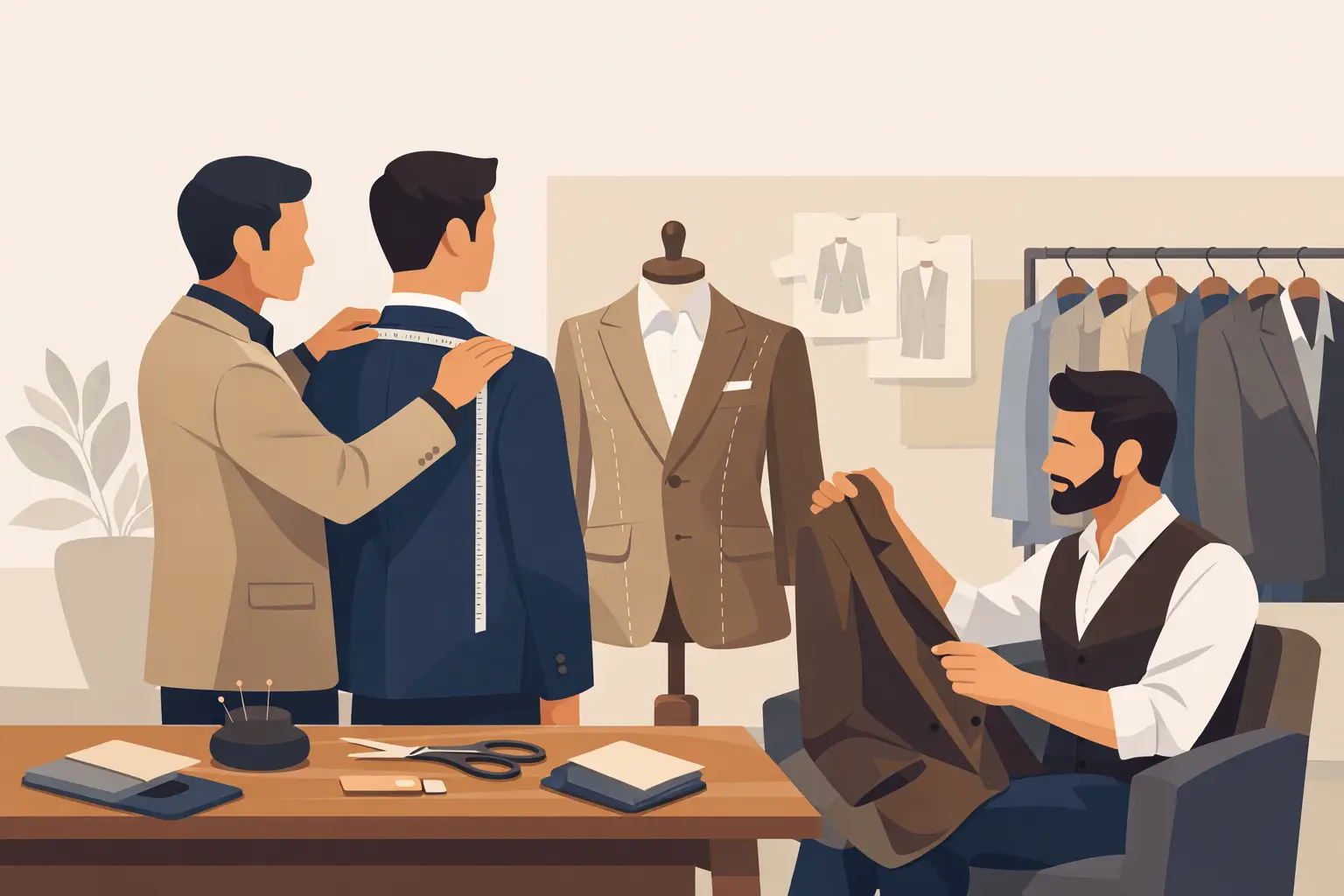
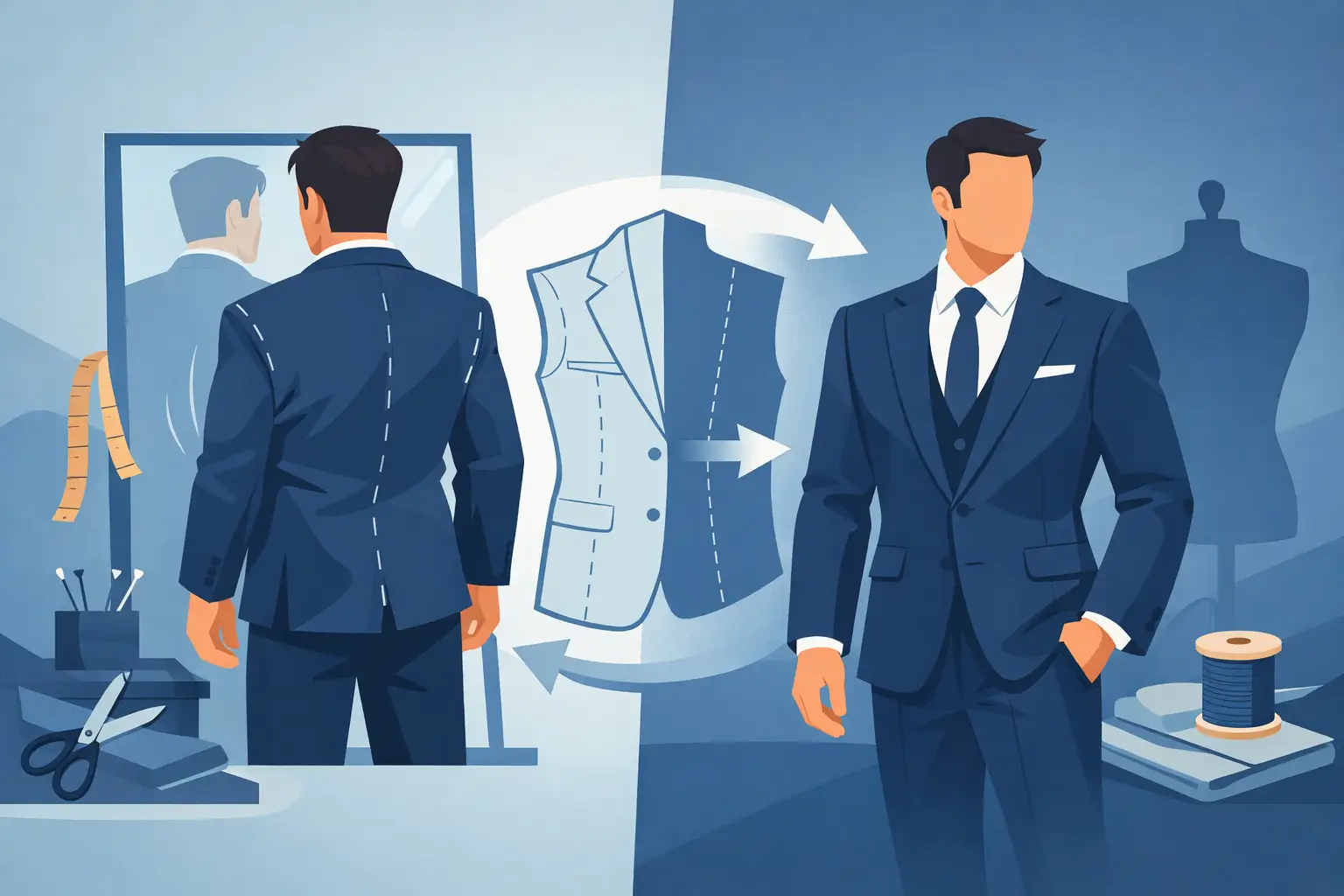
No fabric, colour, or accessory can compensate for poor fit. If one principle defines modern wedding dressing, it is precision. A wedding suit is viewed at close range, under scrutiny, and across an entire day of movement. Every imbalance shows. Sleeve pitch, trouser break, collar fit, waist suppression, jacket length – these details are no longer niche concerns. They are the difference between looking well dressed and looking exceptional.
This is also why off-the-peg often struggles at wedding level, even when the cloth is attractive. Formalwear must align with posture, shoulder line, seat, and stance. A man may prefer a cleaner silhouette through the waist, more room through the thigh, or a balance adjustment that allows the jacket to sit correctly from the side. These are not luxuries. They are what create composure.
At Manndiip, this is where the conversation becomes genuinely useful. Trends can inspire direction, but fit is what translates them into something personal and convincing. A softer jacket means little if the shoulder collapses. A beautifully textured cloth means less if the trouser line breaks poorly. Precision gives style its authority.
Dressing the setting matters more than following fashion
The best-dressed groom is not always the one wearing the most current look. It is often the one dressed most intelligently for his setting. A city wedding may call for a darker palette, cleaner lines, and sharper formal codes. A country house celebration can support texture, earthy tones, and a little more romantic character. A coastal or destination wedding might favour lighter cloths, softer colours, and less layering.
This is where modern style has improved. Men are becoming more comfortable asking better questions. Does the suit make sense in this venue? Will this fabric hold up through the season? Does this level of formality suit the ceremony, or just my mood? Those questions lead to stronger choices than trend reports ever will.
The most persuasive formalwear now balances three things at once – occasion, personality, and craftsmanship. Get that balance right and the result will not feel fashionable for a moment. It will simply feel correct, which is a far rarer achievement. If you are choosing what to wear for a wedding now, aim for that: a suit with presence, precision, and enough individuality to look unmistakably like you when the photographs are still being looked at years from now.