A dinner jacket has very little tolerance for guesswork. When it is styled well, it reads as effortless authority. When it is styled poorly, every misplaced detail stands out – the wrong shirt front, a shiny hired bow tie, trousers that break too heavily over the shoe. If you are wondering how to style a dinner jacket, the answer is not about adding more. It is about editing with precision.
Formalwear works because it follows a disciplined visual language. Satin contrasts against matte wool. Clean lines lengthen the frame. Accessories should finish the look, not compete with it. The result is a kind of sartorial confidence that feels calm rather than overworked.
How to style a dinner jacket starts with fit
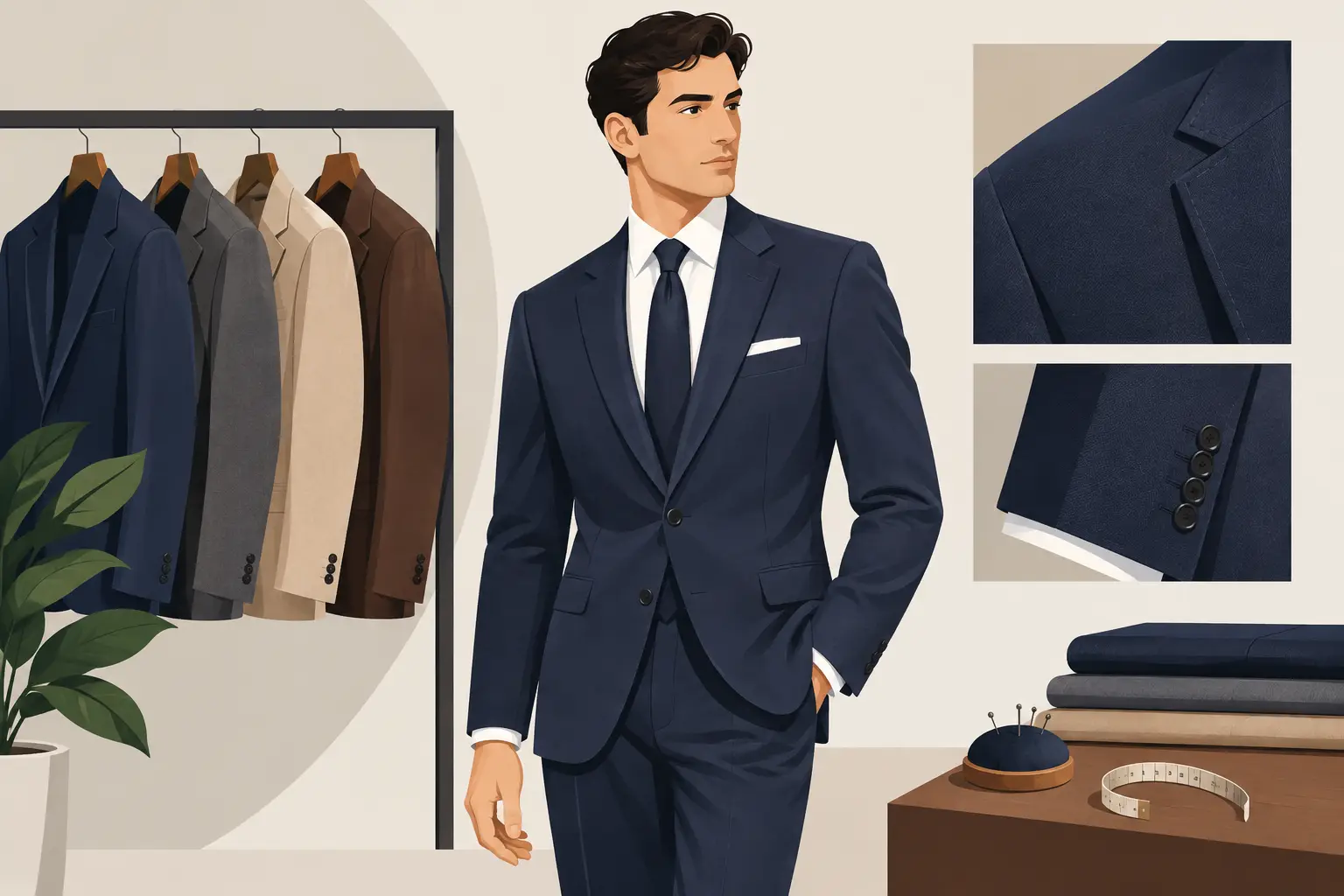
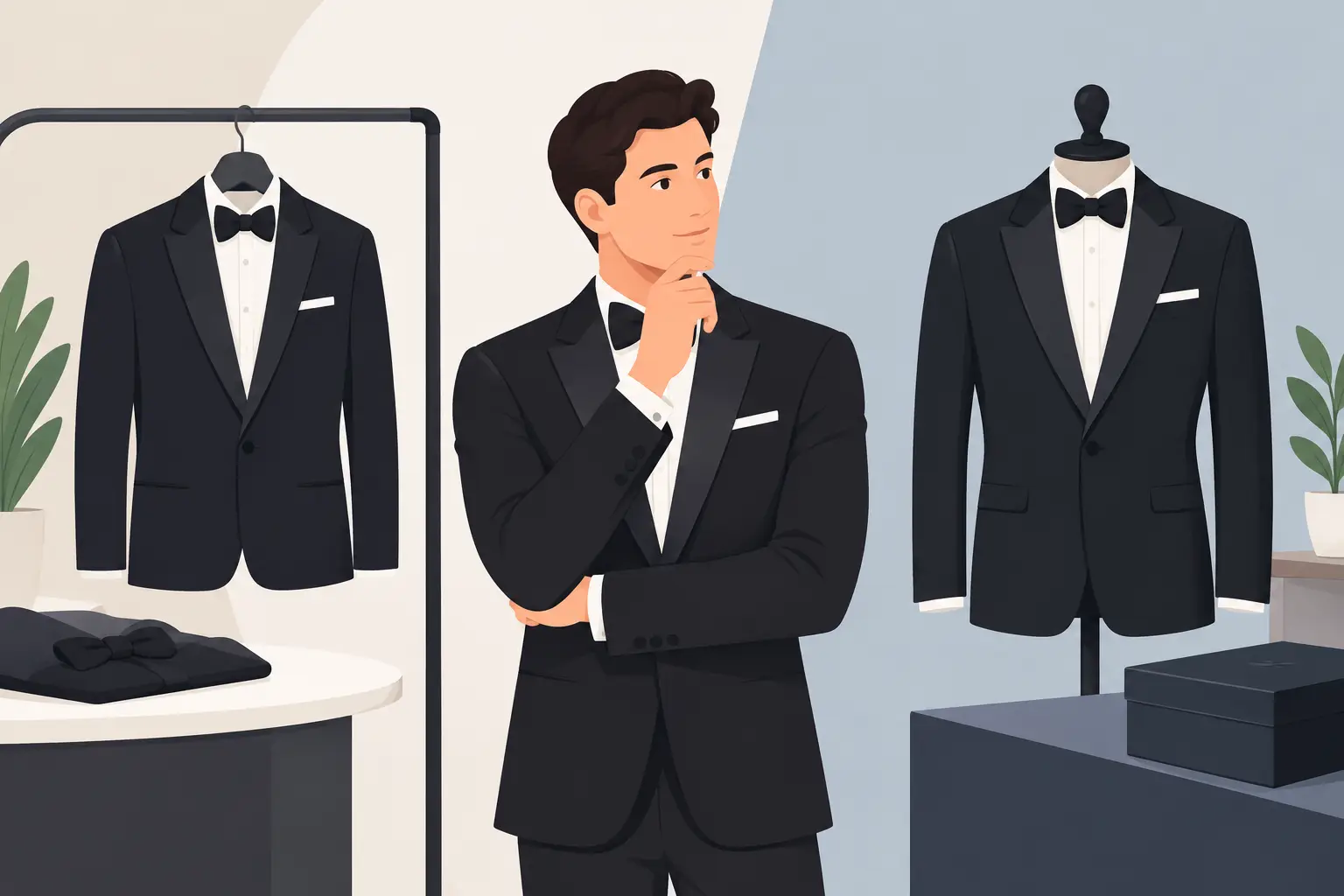
Before lapels, studs or pocket squares enter the conversation, the jacket itself needs to sit correctly on the body. A dinner jacket should shape the shoulders cleanly, suppress slightly at the waist and cover the seat without looking long or cumbersome. The sleeve should allow a measured amount of shirt cuff to show, usually around half a centimetre to a centimetre.
This is where many formal looks succeed or fail. Black tie is unforgiving because the palette is restrained. There is nowhere for poor balance to hide. If the shoulder is too wide, the chest too tight or the skirt too short, the whole look feels uneasy. A properly cut jacket brings elegance before a single accessory is added.
Cloth matters too. A rich barathea wool or fine wool-mohair blend keeps its line and photographs beautifully under evening light. If the cloth is too lightweight or overly glossy, the jacket can lose depth. True sophistication comes from texture, drape and proportion rather than surface shine.
Choose the right dinner jacket for the occasion
Not every dinner jacket should be styled in the same way because not every event asks for the same level of formality. A classic black single-breasted jacket with peak or shawl lapels remains the most versatile option. It is the standard for black tie, evening weddings and formal receptions.
Midnight blue is equally correct and, in some lighting, even richer than black. It has a depth that flatters most complexions and often appears more nuanced in photographs. For men who attend evening events regularly, it is one of the most sophisticated choices available.
A white or ivory dinner jacket changes the tone entirely. It is refined, but it is also more expressive and slightly more seasonal. It suits summer weddings, destination events and occasions with a softer black-tie interpretation. The trade-off is that it draws more attention, so the rest of the outfit must be especially disciplined.
Velvet dinner jackets sit in another category. They can be excellent for festive evenings and private events, particularly in deep navy, bottle green or burgundy. But they are not a replacement for classic black tie when the dress code is strict. Velvet introduces personality and texture, which can be highly effective, though only when the setting allows it.
The shirt should support, not steal focus
The correct shirt gives structure to the dinner jacket rather than fighting it. A white formal shirt in crisp cotton is the benchmark, ideally with a marcella, piqué or pleated front depending on the formality of the event and the jacket style. The collar should frame the face neatly and sit comfortably beneath the lapels without collapsing.
A turn-down collar is reliable and elegant for most men. A wing collar can work for more traditional white-tie-adjacent formality, but it is less forgiving and can appear theatrical if the rest of the outfit is not equally sharp. For modern black tie, the turn-down collar is usually the more assured choice.
Avoid shirts with heavy contrast trim, oversized collars or excessive shine. A dinner jacket already has visual interest in the lapel facing. The shirt should provide a clean field of white that sharpens the line of the jacket and bow tie.
Trousers matter as much as the jacket
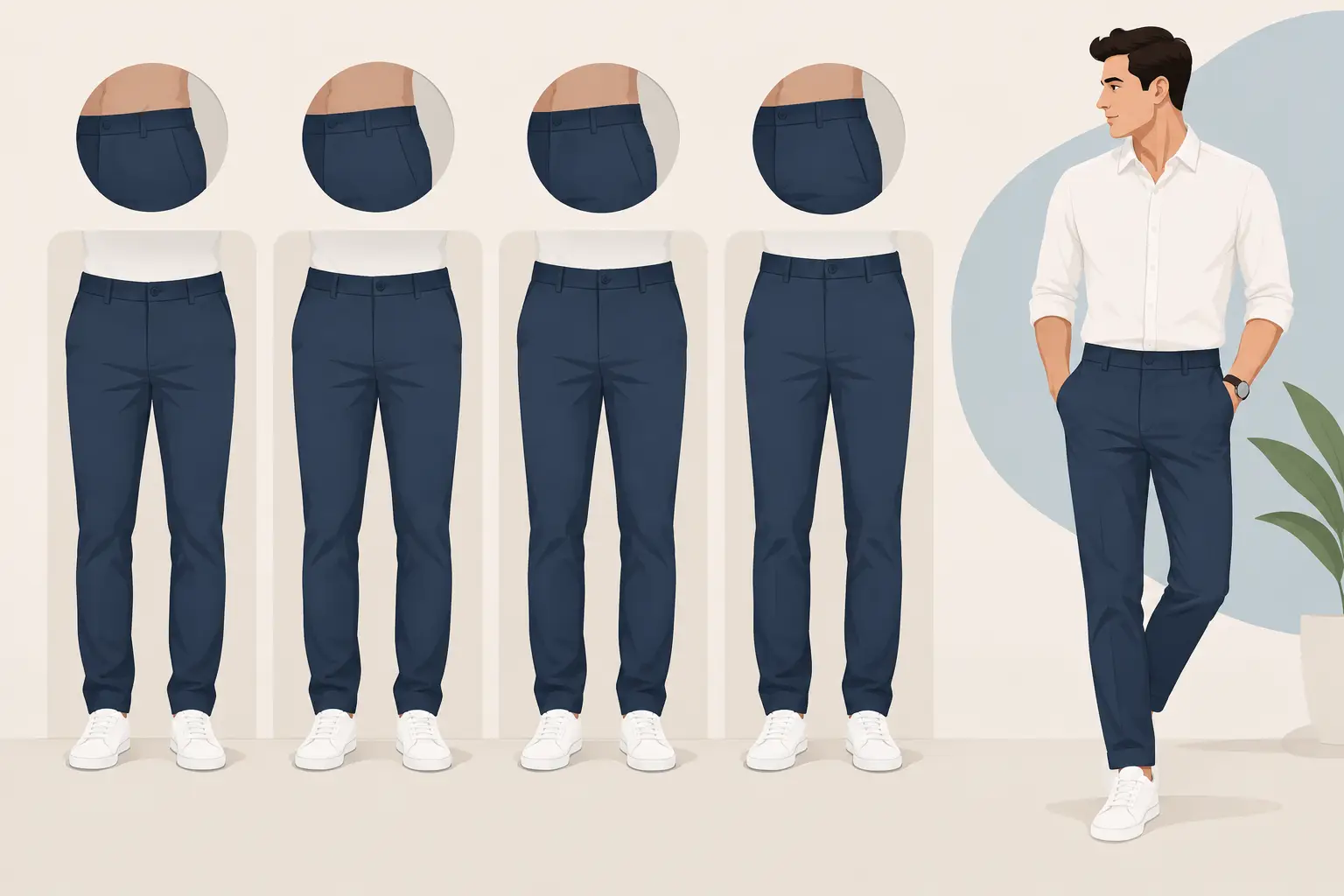
One of the most common mistakes in formalwear is treating the trousers as an afterthought. They should be cut from the same cloth as the jacket, with the correct braid or satin side stripe, and they should sit properly at the waist. Dinner trousers are designed to create a longer, cleaner line through the leg, which is why braces are often preferable to a belt.
A belt interrupts the silhouette and, in traditional black tie, has no real place. Side adjusters can work on a contemporary trouser, but braces often deliver the best drape, particularly through the seat and thigh. The trouser should fall with minimal break. Too much fabric pooling over the shoe softens the look and makes the outfit feel heavy.
If you are wearing a dinner jacket separate from odd trousers for a more relaxed evening look, be careful with the terminology. That may be a smart jacket for dinner, but it is no longer black tie in the strict sense. There is nothing wrong with that, but the styling rules become more fluid and should be treated as such.
Accessories should be exact
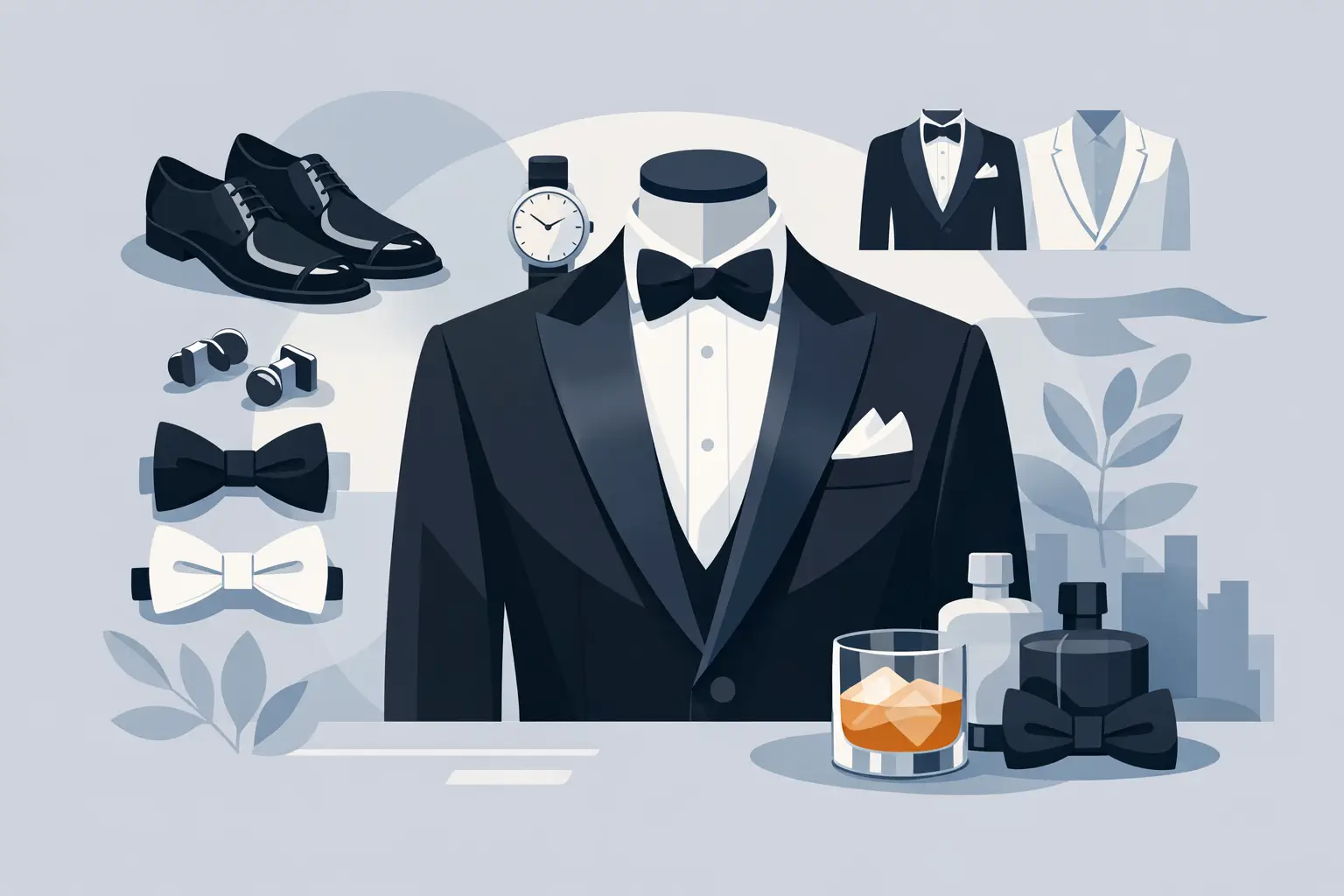
Black tie accessories are small, but they carry disproportionate weight. The bow tie should be black, proportionate to your face and ideally self-tied. A hand-tied bow has a slight irregularity that looks more elegant than a perfectly rigid pre-tied version.
Studs and cufflinks should be refined rather than showy. Onyx, mother-of-pearl and polished metal are dependable choices. Their purpose is to finish the shirt front with quiet confidence.
The pocket square should usually be white and simple. Crisp linen with a soft fold is enough. This is not the place for bright silk prints or exaggerated puff folds. Formalwear looks strongest when restraint leads.
A waist covering is also worth attention. A black cummerbund or low-cut evening waistcoat creates visual continuity and ensures no shirt is visible between the jacket button and trouser waistband. Which you choose depends on the jacket cut and your preference. A cummerbund feels slightly lighter and more traditional, while an evening waistcoat can add presence and a tailored sense of structure.
Shoes can sharpen or spoil the look
If the jacket is impeccable and the shoes are wrong, the eye still goes to the mistake. Patent leather opera pumps are the most formal option, but highly polished black Oxfords are more practical for most men and entirely appropriate. They should be clean, sleek and free from heavy broguing.
Chunky soles, square toes and casual loafers break the line too abruptly. Formalwear benefits from elegance at the foot – something streamlined, dark and discreet. Black silk or fine wool socks complete the transition from trouser to shoe without interruption.
How to style a dinner jacket with personality
The most stylish men do not wear black tie as costume. They wear it with control. That does not mean ignoring convention. It means understanding where personal expression belongs.
For some, that is in the lapel shape. Peak lapels create strength and a broader visual chest, while shawl lapels feel smoother and slightly more rakish. For others, it may be in cloth selection – midnight blue instead of black, barathea instead of a flatter weave, velvet for a winter party rather than a formal dinner. Personality can also sit in the fit itself, through a cleaner waist suppression, a stronger shoulder line or a more sculpted trouser.
What rarely works is forcing individuality through novelty. Loud pocket squares, oversized watches, novelty socks and embellished shoes distract from the elegance a dinner jacket is supposed to create. The man should stand out, not the gimmick.
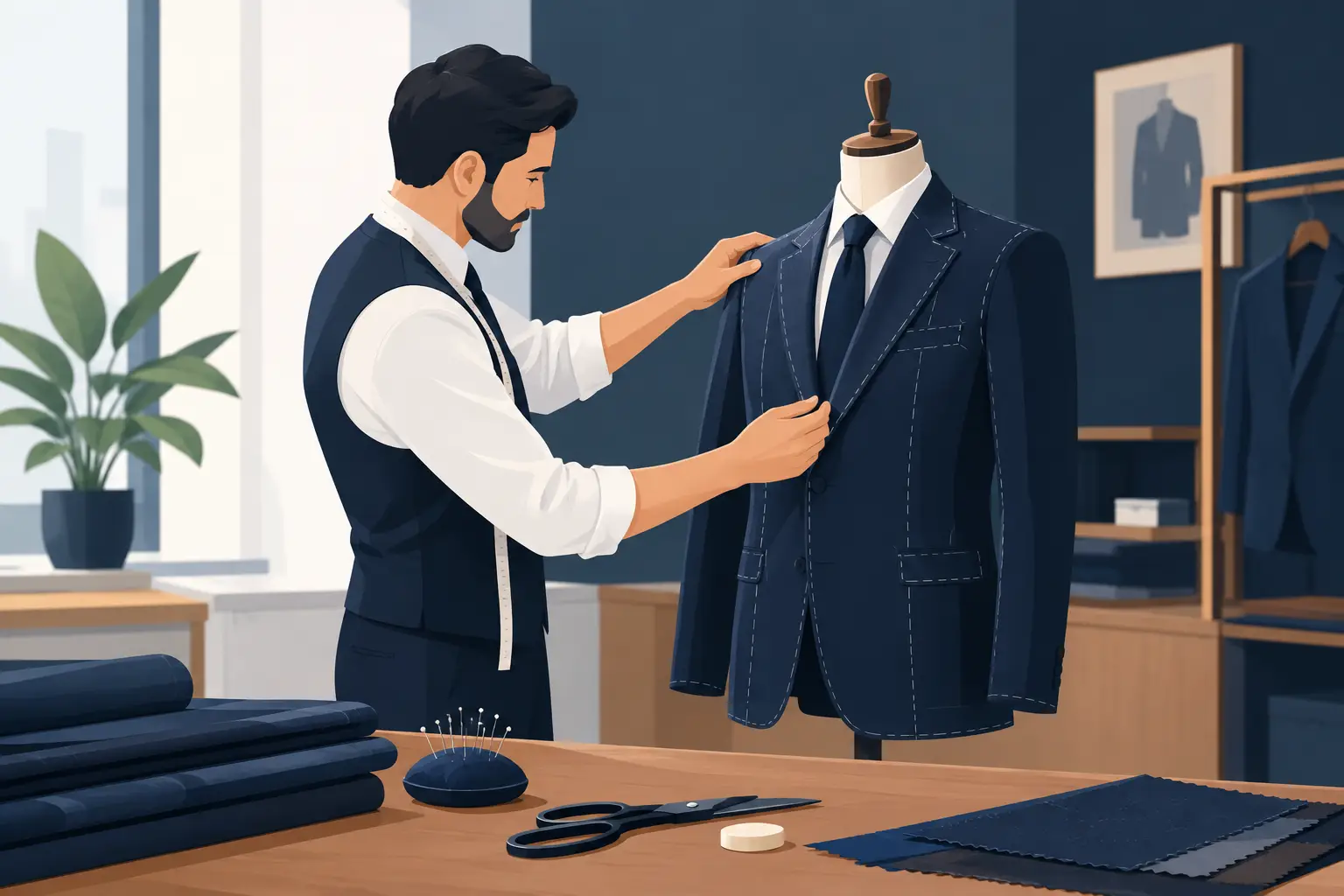
This is where bespoke and precise alteration make a meaningful difference. A dinner jacket is a garment of millimetres. The collar must sit close to the neck. The lapel roll must be balanced. The button stance must complement your height and torso. At Manndiip, that level of detail is not decorative – it is what allows formalwear to look composed, personal and unmistakably polished.
A few mistakes worth avoiding
Some errors appear so often that they are worth naming plainly. Wearing a standard long tie with a dinner jacket weakens the formality immediately. Pairing black tie with a business shirt does the same. Visible sports watches, bulky belts and shoes better suited to the office all undermine the clean evening line.
Fit remains the biggest issue, followed closely by fabric quality. If a dinner jacket looks stiff, shiny or synthetic under light, no amount of styling will rescue it. Equally, if you are attending an event with a stated dress code, respect it. A velvet jacket with loafers may be handsome, but not if the invitation calls for classic black tie.
The strongest formal dressing always shows judgement. It understands the room, honours the occasion and presents the wearer at his sharpest without trying too hard.
A dinner jacket is at its best when it feels inevitable – as though every element could only have been chosen that way. Aim for that level of clarity, and the outfit will do far more than meet the dress code. It will carry you with distinction.