
A suit can be beautifully cut, expertly fitted and made from exceptional cloth, yet still feel slightly off if the lapel width is wrong. That is why understanding how to choose lapel width for your suit matters more than many men realise. Lapels frame the shirt, tie and face, so their width quietly shapes the entire impression – sharp and modern, relaxed and elegant, or needlessly dated.
Lapel width is not a trend detail to treat in isolation. It is a proportional decision. The right width should work with your shoulder line, chest, jacket button stance, tie width and the formality of the occasion. When those elements are balanced, the suit looks composed rather than contrived.
How to choose lapel width for your suit
The simplest rule is this: your lapel should look in proportion to the rest of the jacket and to your build. Most men suit a moderate lapel because it creates balance without drawing too much attention to itself. In practical terms, that usually means something neither very slim nor overly broad.
A narrow lapel can sharpen a lean silhouette and give a contemporary edge, but taken too far it can make a suit look fashion-led rather than timeless. A wide lapel brings authority and presence, especially on a fuller chest or broader shoulder, but if it overwhelms the frame it can appear theatrical. The best result sits in the middle – deliberate, elegant and easy to wear for years.
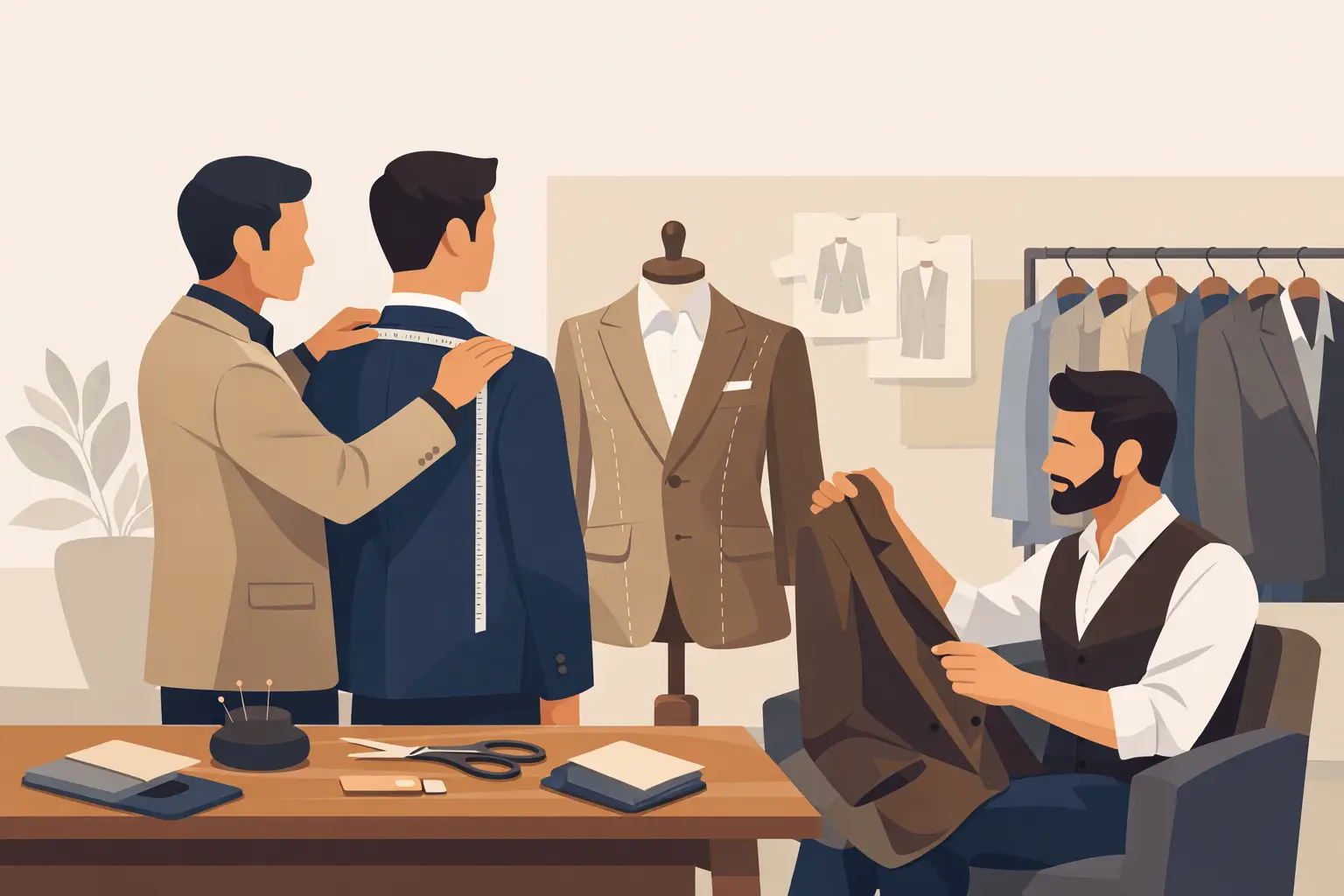
This is where bespoke tailoring earns its place. Rather than choosing a lapel width from a generic size chart, an experienced cutter will assess the visual balance of the entire coat. A quarter of an inch can change the character of a jacket more than most clients expect.
Start with your body proportions
Lapel width should complement your physique, not fight it. On a taller or broader man, slightly wider lapels often feel natural because they echo the scale of the body. They can make the chest look strong and the jacket feel grounded. On a slighter frame, overly broad lapels may dominate, whereas a cleaner, slightly narrower line will usually look more refined.
That said, body shape is not the whole story. Two men of similar height can require very different lapel treatments if one has square shoulders and a broad chest while the other has a narrower upper body and longer neck. The lapel has to converse with the person wearing it.
If you are shorter, very wide lapels can visually shorten the torso. If you are particularly slim, ultra-skinny lapels can make you appear even narrower. In both cases, moderation tends to be the most flattering route. Precision in proportion nearly always looks more expensive than obvious styling.
Shoulder width and chest shape
The lapel should relate closely to the shoulder expression of the coat. Structured shoulders with a strong line can carry a little more lapel width. Softer shoulders often pair better with a slightly gentler, more restrained lapel. Likewise, a fuller chest can support a broader lapel with ease, while a flatter chest usually benefits from something cleaner.
This balance is subtle, but crucial. If the shoulders suggest power and the lapels are too slight, the coat can look top-heavy. If the shoulders are neat and the lapels too expansive, the front of the jacket can feel disproportionate.
The lapel must match the jacket style
Not every jacket asks for the same lapel treatment. The cut of the coat, the buttoning point and even the gorge position all influence the correct width.
A single-breasted business suit usually benefits from a classic notch lapel in a moderate width. This gives versatility and polish, especially if the suit needs to move from boardroom to dinner without looking too specific. A double-breasted suit, by contrast, often welcomes a broader lapel because the coat itself has more visual substance. Wider peak lapels reinforce that sense of structure and confidence.
Dinner jackets and formalwear follow their own logic. Peak lapels and shawl collars are traditionally more expressive, so a little extra width can feel entirely appropriate. But formal elegance still depends on restraint. Width should enhance ceremony, not turn it into costume.
Notch, peak and shawl lapels
Notch lapels are the most adaptable and are often the easiest place to get proportion right. Peak lapels naturally appear more assertive, so even a moderate width will read as bold. Shawl lapels rely on fluidity rather than edges, meaning width affects the softness and sweep of the jacket front.
If you are commissioning a wedding suit, this distinction matters. A peak lapel can lend stature and occasion. A notch lapel feels understated and classic. A shawl lapel introduces formality with a smoother, more evening-focused character. Width should support that intention.
Consider your tie width and shirt collar
One of the easiest mistakes is choosing lapels without considering the shirt and tie they will sit beside. Lapels and tie blades should not be identical in width, but they should feel related. A broad lapel with a very skinny tie looks disconnected. A narrow lapel with a large, generous tie knot can feel crowded.
The shirt collar matters too. A more substantial collar – especially one with good spread and presence – can support a fuller lapel. A smaller collar usually sits better with a cleaner, narrower line. The eye reads these proportions together, even if most men could not explain why one combination feels right and another does not.
For business dressing, this harmony gives authority. For weddings, it gives polish in photographs, where every imbalance becomes more obvious.
Occasion changes the answer
How to choose lapel width for your suit also depends on where the suit will be worn. A business suit should usually favour longevity over statement. Moderate lapels are dependable because they project confidence without tying the garment to a particular fashion cycle.
A wedding suit allows more personality. If the brief is elegant and memorable, a slightly fuller peak lapel can create distinction, particularly in textured cloths or richer colours. If the aim is classic refinement, a balanced notch or peak will age far better in photographs than anything too narrow or exaggerated.
Country tailoring and tweed jackets often carry a touch more substance naturally. Heavier cloths can support broader lapels because the texture and weight of the fabric ask for visual presence. On lightweight summer suiting, that same width may feel too heavy.
Beware of fashion extremes
Very narrow lapels had their moment. So did very wide ones. Both can look striking in the right context, but neither is especially forgiving. A suit is an investment, and the details that age best are usually those rooted in proportion rather than fashion.
This does not mean every suit should look conservative. It means the most sophisticated tailoring expresses taste through precision. A slightly narrower lapel can be elegant on a trim city suit. A broader lapel can be superb on a double-breasted flannel. The point is intention, not exaggeration.
Men often worry that a classic lapel will look bland. In reality, when the cut is sharp and the fit meticulously judged, a well-proportioned lapel looks assured. Quiet confidence nearly always outlasts novelty.
Why trying on jackets can mislead you
Ready-to-wear tailoring often teaches men the wrong lesson about lapels because the rest of the jacket does not fit properly. If the shoulders are too wide, the waist too loose or the buttoning point too low, the lapel can appear wrong even when the width itself is sensible. Conversely, a fashionable lapel may seem flattering only because another part of the coat is compensating for poor balance.
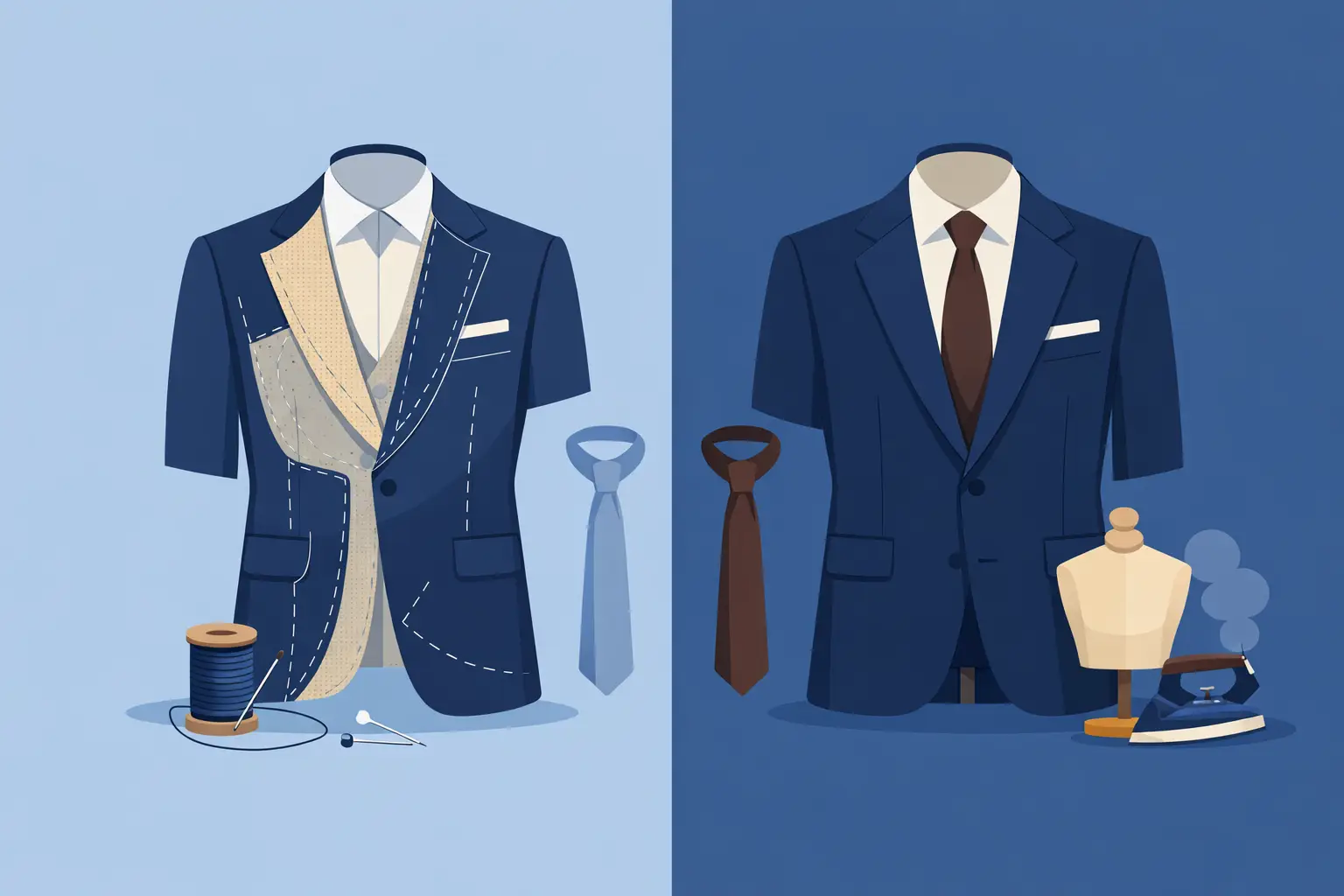
That is why lapel width should be decided as part of the whole garment. In a bespoke fitting, adjustments to stance, suppression, shoulder expression and gorge position all affect how the lapel reads. This is where craftsmanship and styling judgement meet.
At Manndiip, those decisions are approached with the same care as cloth selection or silhouette – because the smallest lines often have the greatest influence on the finished impression.
The most reliable approach
If you want a suit that serves you well across professional, ceremonial and social settings, choose a lapel width that respects your frame, aligns with the coat style and sits comfortably beside your shirt and tie. Aim for balance first, personality second. The personality will still be there, but it will feel effortless rather than imposed.
A good lapel does not announce itself before you enter the room. It simply makes the whole jacket look right. And when a suit looks right in that quiet, exacting way, the man wearing it appears more assured, more polished and entirely at ease.