Most black tie mistakes aren’t loud – they’re quiet. A jacket that’s a touch too long, lapels that fight the face, a shirt front that collapses by the second drink. In a room where everyone is wearing dark tailoring, the difference between looking acceptable and looking exceptional is precision.
Black tie is not simply “a smart suit”. It’s a dress code with its own architecture: specific proportions, specific shine levels, and a hierarchy of details that either reads as composed or as improvised. If you’re deciding what to wear to a black tie event men often start with colour and end up missing the real issue – the fit, the correct materials, and the restraint that makes the whole look feel effortless.
What to wear to a black tie event men can rely on
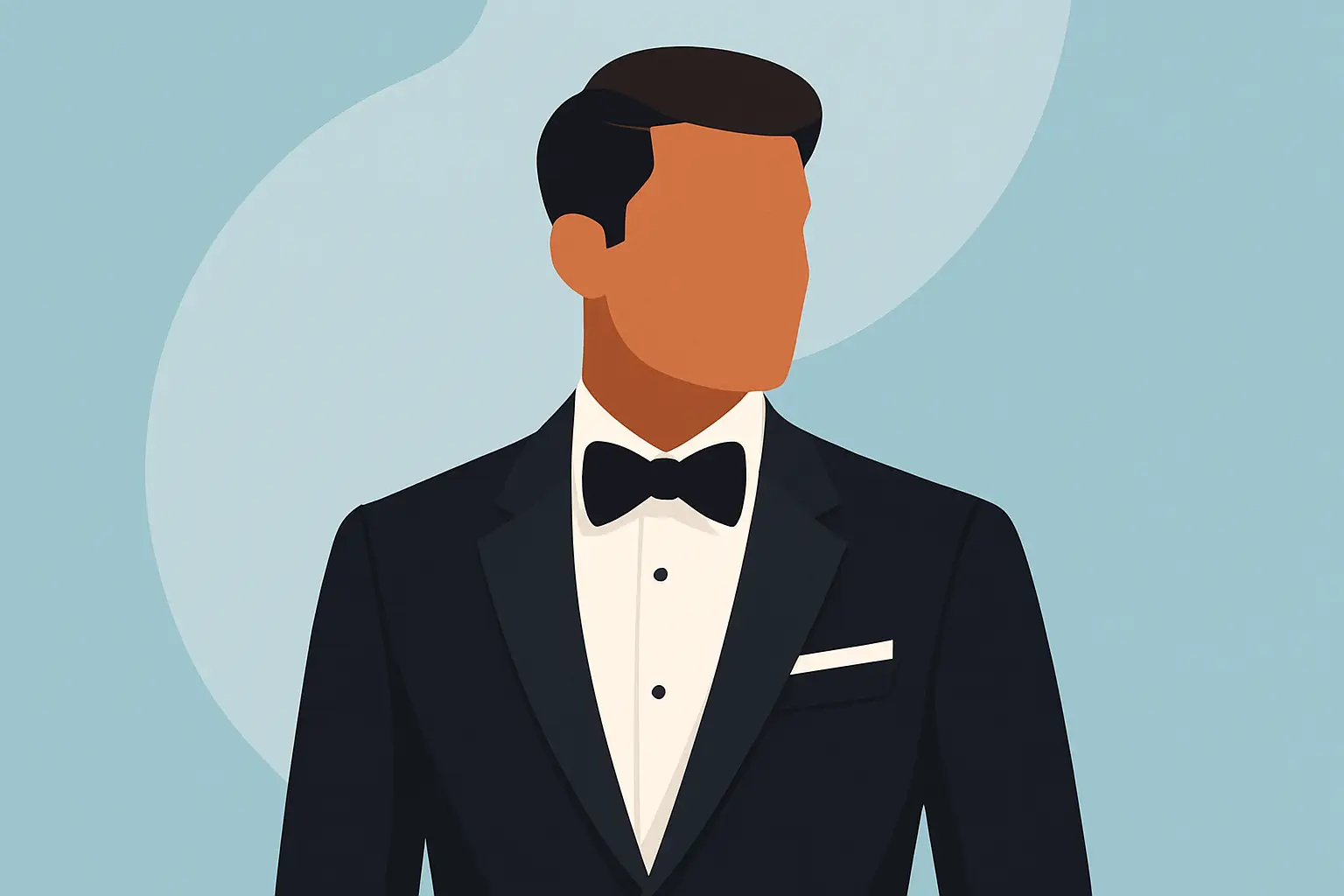
A proper black tie outfit is built around a dinner suit (tuxedo), not a lounge suit. The key difference is the presence of silk or satin facings: lapels and typically trouser side stripes that catch the light in a deliberate, formal way. That contrast is the code.
Your baseline should be a single-breasted dinner jacket in black or deep midnight blue, paired with matching trousers. Midnight blue is a classic choice under evening lighting because it reads richer than black and photographs beautifully, but black is never wrong.
From there, the job is to keep every supporting piece aligned to the formality. If one element drops down a level – matte business shoes, a standard point-collar work shirt, a long suit jacket – the whole look loses its authority.
The dinner jacket: proportions, lapels, and finish
Start with the jacket because it dictates the silhouette. For most men, a single-breasted, one-button dinner jacket is the cleanest and most flattering. Double-breasted can be superb if you like stronger structure and a slightly more commanding presence, but it must fit impeccably through the shoulders and chest – there’s nowhere to hide in black tie.
Lapels matter more than people think. Peak lapels are the most formal and create a sharper line through the chest and shoulders. Shawl collars are equally correct and lean more “old-school evening” – smooth, minimal, and elegant. Notch lapels are best avoided for true black tie; they’re associated with lounge suits and can look like you’ve adapted office tailoring for the evening.
Pay attention to jacket length and waist suppression. A dinner jacket should cover the seat cleanly and form a crisp V-shape from chest to waist without pulling. If the button stance is too low, you lose leg length and the outfit starts to feel heavy. If it’s too high, it looks fashion-led rather than formal.
Fabric-wise, barathea wool is the traditional standard: matte, refined, and forgiving under light. Velvet jackets have their place, but only when the invitation leans creative (or the host is clearly signalling a more expressive dress code). If you go velvet, keep everything else strict – black trousers with a satin stripe, correct shirt, correct shoes – so the look still reads black tie.
Trousers: clean line, correct waist, no belt
Black tie trousers are designed to sit properly at the waist and hang cleanly. The detail that separates dinner trousers from suit trousers is the side stripe in satin or grosgrain, echoing the lapel facing.
A belt is the quickest way to cheapen the line. Dinner trousers should be worn with side adjusters or braces buttons on the inside. Braces (suspenders) keep the front perfectly flat and maintain a long, uninterrupted line from waist to shoe. The goal is polish without fuss.
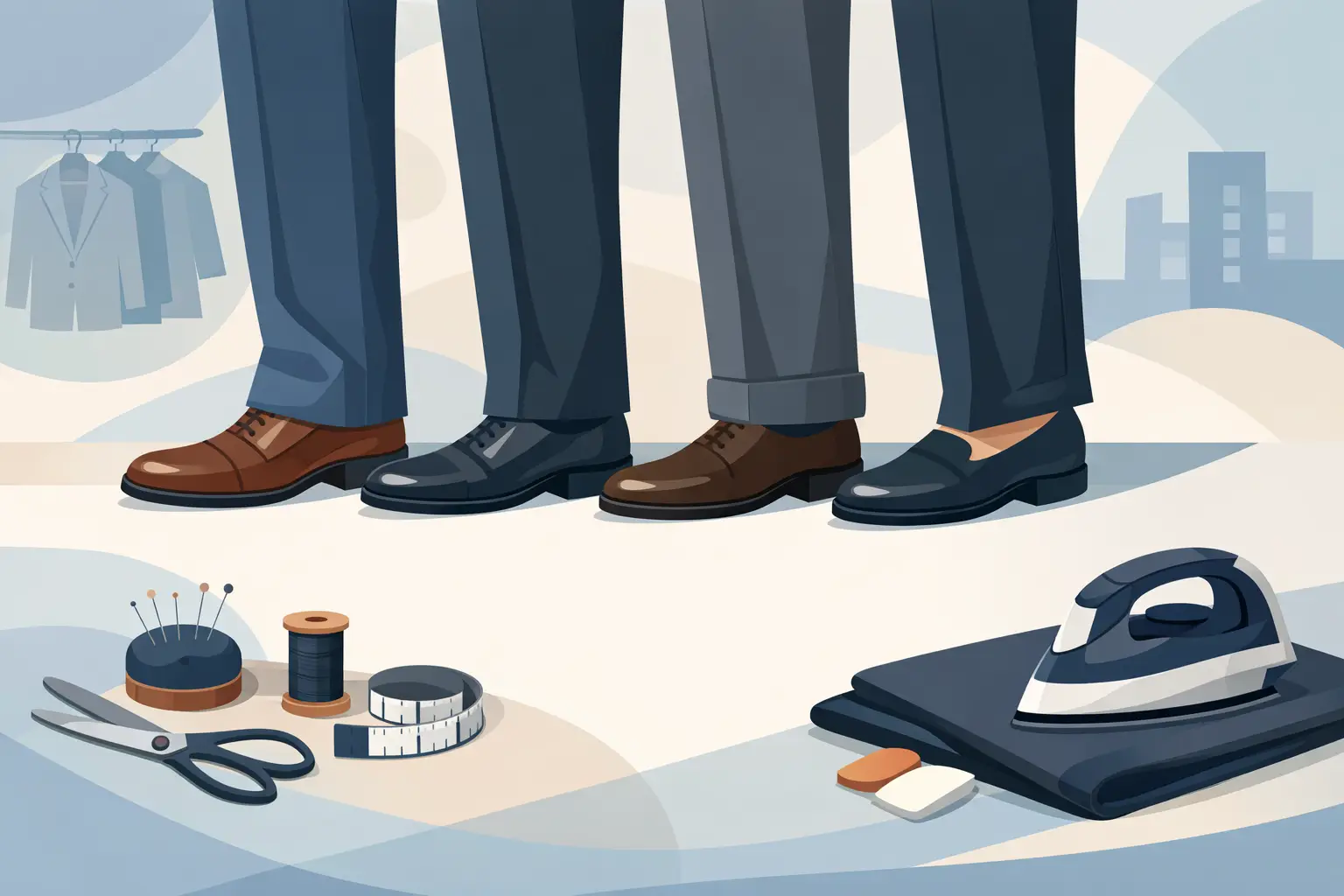
Cuffs (turn-ups) are traditionally avoided on black tie trousers because they suggest daytime tailoring. A plain hem keeps the finish neat and formal.
The shirt: your collar and front do the heavy lifting
A black tie shirt should be white, and it should look intentionally constructed for eveningwear. The collar choice depends on your face and your bow tie, but the shirt must support the knot and frame it cleanly.
A classic approach is a turndown collar (not your standard work shirt collar, but one with enough structure to hold shape). A wing collar is the most formal, but it can also look costume-like if the proportions are off or if the bow tie is too small. If you’re attending a modern black tie event and want to look current rather than theatrical, a beautifully cut turndown collar is often the strongest choice.
On the front, you have three main routes: a marcella (piqué) bib, pleats, or a plain front. Marcella is the safest and most traditional. Pleats can look excellent, but only when the shirt fits closely enough that the pleats don’t billow. A plain front can work in a very minimalist, modern look, but the rest of the outfit must be exceptional.
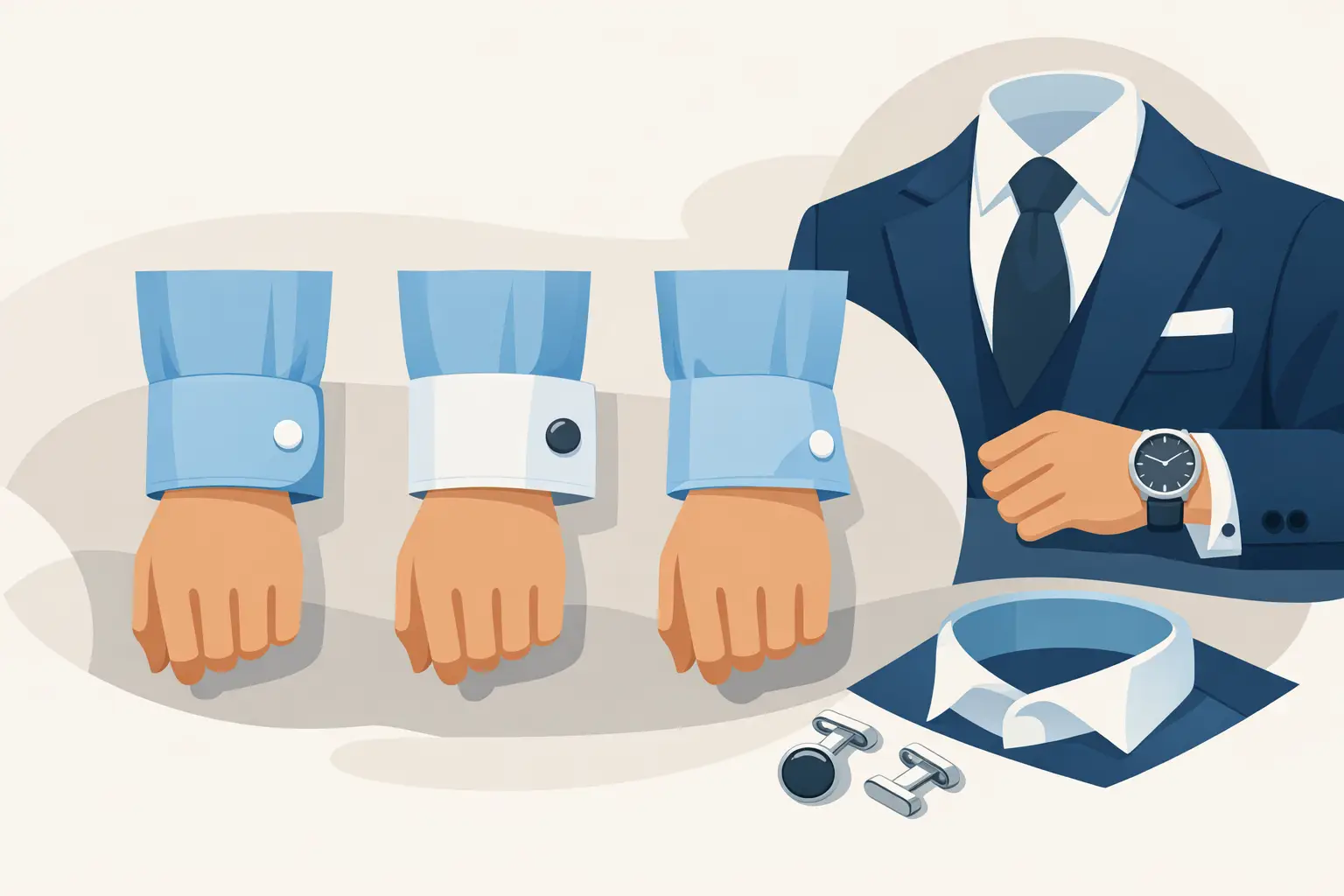
Cuffs should be double (French) cuffs, worn with cufflinks. It’s a small detail, but it’s one of the few areas where subtle personal taste can show.
The bow tie: pre-tied looks neat, self-tie looks alive
For black tie, the bow tie should be black and in a fabric that matches your lapel facing – typically satin or grosgrain. The choice between pre-tied and self-tie comes down to the mood you want.
A pre-tied bow tie can be perfectly tidy, especially if you struggle with symmetrical knots. A self-tie bow tie has a softer, more three-dimensional finish that reads confident and relaxed – not messy, just human. If you self-tie, keep the size proportional to your collar and face. Oversized “novelty” bows undermine the formality.
Avoid skinny bow ties, overly shiny cheap satin, and anything with obvious texture that clashes with the lapels.
Waist covering: cummerbund or waistcoat, not an open midriff
The point of a waist covering is to create continuity between shirt and trousers and to keep the look formal when you move, sit, and dance. With a single-breasted jacket, you should wear either a cummerbund or a low-cut evening waistcoat.
A cummerbund in black is classic and flattering – it visually tidies the waist and keeps the shirt front looking crisp. Pleats traditionally face upwards. An evening waistcoat can feel more structured and is a strong option if you like a slightly more tailored, composed look.
With a double-breasted dinner jacket, you can usually skip a waist covering because the jacket stays closed and maintains the line.
Shoes: the shine must look intentional
Shoes are where “smart” becomes “correct”. The most traditional option is patent leather Oxford shoes – the gloss reads evening. If patent feels too bold for you, highly polished black calf Oxfords can still work, provided they are sleek, minimal, and impeccably clean.
Velvet slippers are acceptable in certain settings, but they are less versatile and can look out of place at more formal venues. If you’re unsure, choose Oxfords.
Socks should be black and fine – ideally silk or a very smooth cotton – so the ankle line stays discreet.
Outerwear: protect the silhouette on the way in
A black tie look can be immaculate indoors and ruined on the pavement by bulky casual outerwear. If you need a coat, choose a dark overcoat with clean lines and enough length to cover the jacket. Keep scarves minimal and gloves understated.
This is one of those practical moments where craftsmanship shows: the right overcoat sits neatly over tailored shoulders and doesn’t crush the lapels.
Common black tie errors that quietly downgrade the look
Most men don’t “break” black tie with one dramatic mistake – they dilute it with several small ones. Wearing a normal black suit instead of a dinner suit is the big one. The absence of silk facings reads immediately, even to people who couldn’t explain why.
The next most common slip is wearing a long tie, a standard work shirt, or brown shoes. Each item drags the outfit towards businesswear. Another is getting seduced by novelty: themed bow ties, loud pocket squares, or heavy fragrance. Black tie rewards restraint.
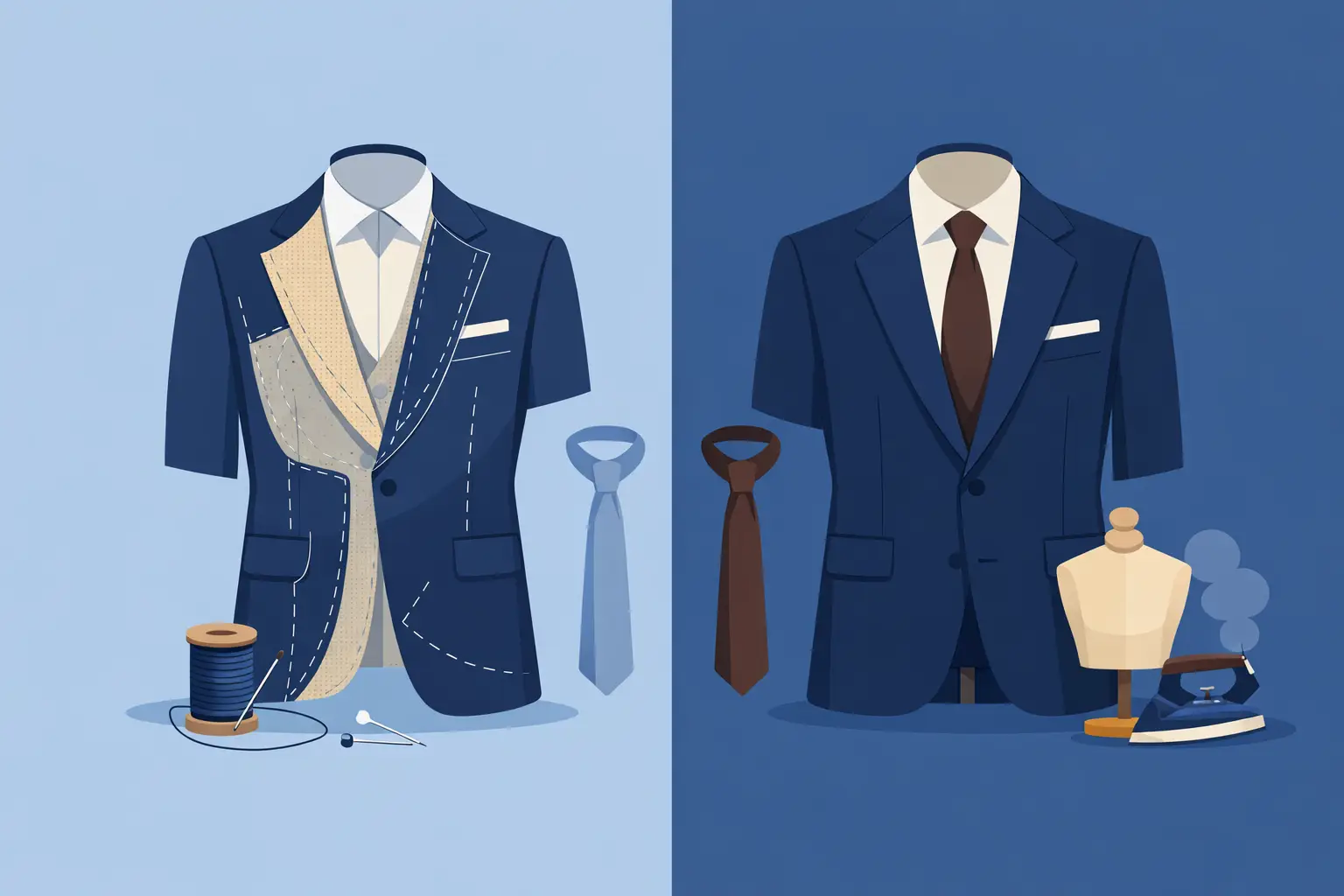
Fit issues are the final silent killer. If your jacket collar lifts away from the shirt collar, if the sleeves are too long, or if the trousers puddle heavily, the look loses its crispness. Alterations are not optional at this level – they’re the difference between rented energy and ownership.
When the invitation says “black tie optional”
“Black tie optional” is a social test disguised as flexibility. If you own or can access a proper dinner suit, wear it – you’ll rarely regret being correctly dressed.
If you truly cannot wear black tie, then a very dark suit (ideally midnight navy or charcoal), a white shirt, a dark tie, and black Oxfords is the respectful alternative. Keep it sharp and minimal. But understand the trade-off: you’ll look smart, not formally correct, and that may matter depending on the venue and the crowd.
Getting it right for your body: the tailoring advantage
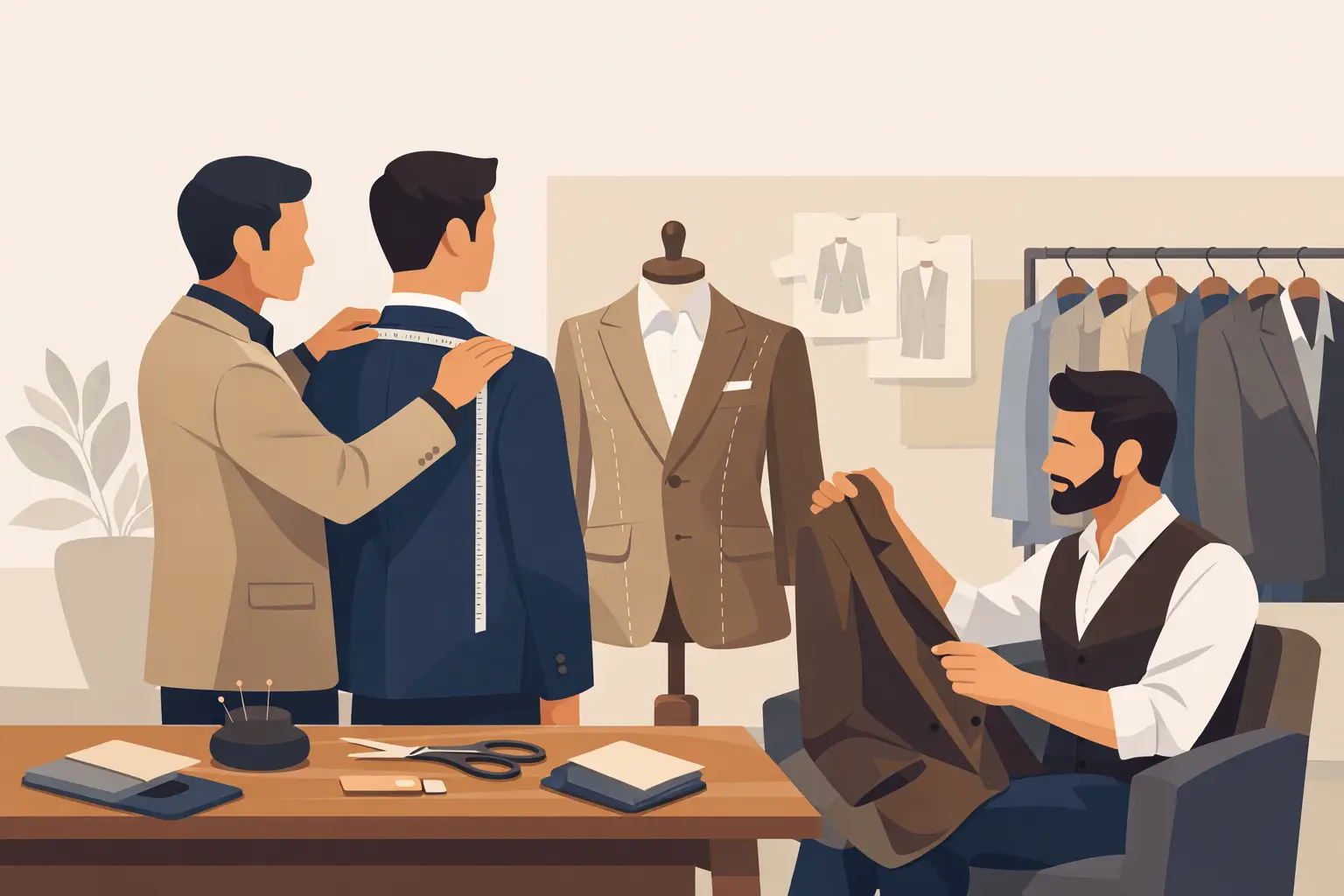
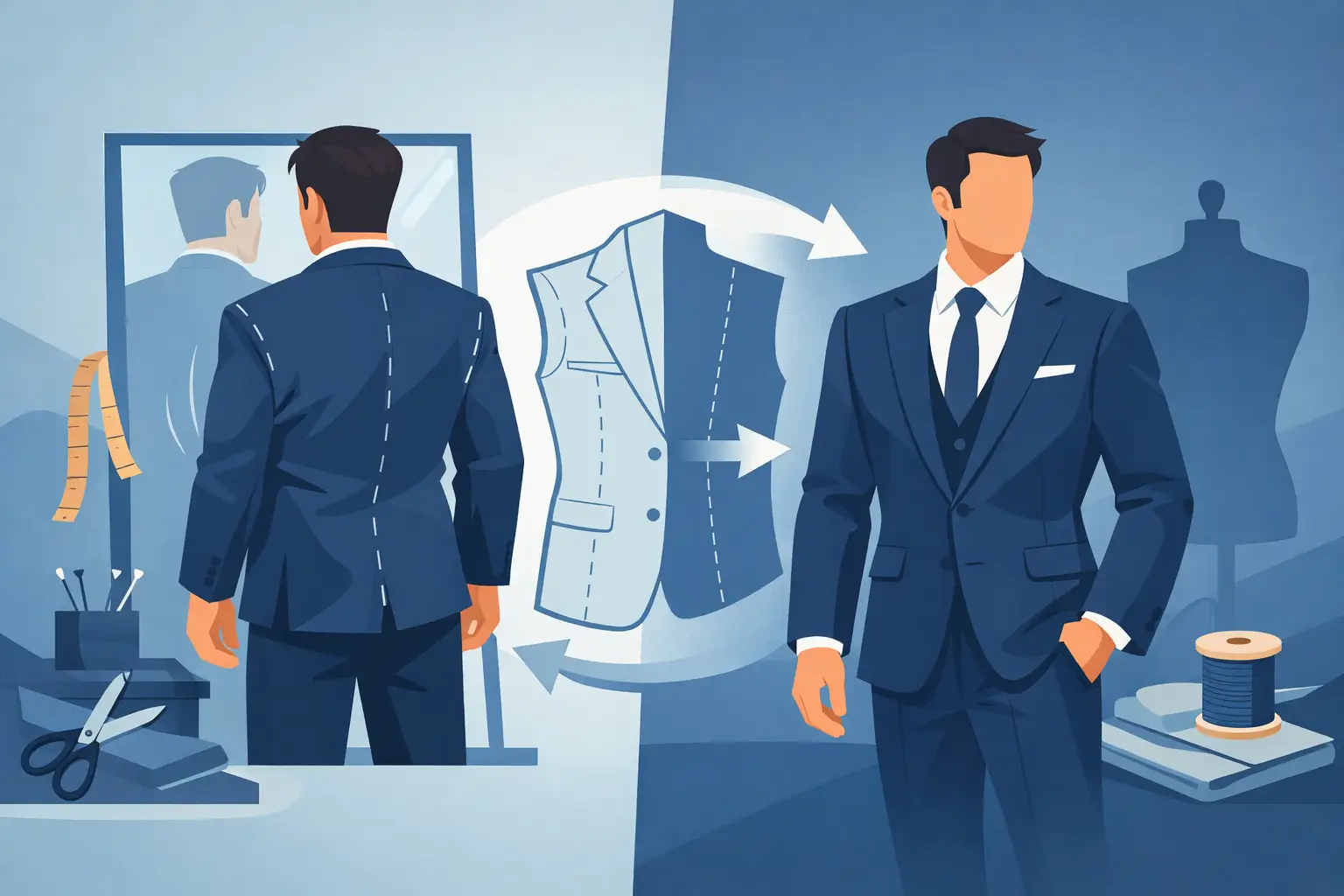
Black tie is unforgiving because it’s streamlined and high contrast. That’s exactly why bespoke or properly executed alterations are so powerful: the shoulder line sits cleanly, the waist is shaped without strain, and the trousers fall straight without fighting the shoe.
If you want the confidence of a dinner suit that’s cut to your posture and proportions – and finished with the right lapel shape, button stance, and trouser rise – Manndiip can design and craft it as a made-from-scratch commission, or refine an existing piece through precise alterations at their studio: https://www.manndiip.co.uk.
A final thought to take with you: black tie is less about standing out and more about looking unquestionably at ease in the room. When the fit is exact and the details are correct, you stop thinking about your clothes – and everyone else starts noticing the man wearing them.