You can tell when a man is wearing the right overcoat before you even clock the cloth. The collar sits clean against the neck. The shoulders look natural, not borrowed. The coat moves as he moves – no dragging at the back, no strain across the chest, no sleeves creeping up when he reaches for a door.
That difference is the point of bespoke. So if you’ve been asking, what is a bespoke overcoat, the simplest answer is this: it’s an overcoat drafted from scratch for your body and built to your preferences, with the structure and finishing chosen to suit how you actually live.
What is a bespoke overcoat?
A bespoke overcoat is not selected from a rack and altered into submission. It begins with you: your posture, shoulder line, stance, and the way you carry yourself in everyday life. A bespoke cutter drafts an individual paper pattern, takes measurements, and refines the coat through fittings until the silhouette is precisely right.
That “made-from-scratch” element is the dividing line. Made-to-measure typically adjusts a pre-existing block pattern. Bespoke creates a unique pattern that can be stored and used again, evolving as your wardrobe evolves.
The result is a coat that does more than fit. It holds its shape, frames your suit or knitwear correctly, and looks composed in the moments that matter – arriving at the office, stepping out of a car at a wedding, or simply making an everyday commute look intentional.
Why fit matters more in an overcoat than you think
With suits, many men already expect precision. With overcoats, they often settle – because outerwear is seen as “for warmth”. The irony is that a coat is the first thing people see for half the year in Britain. If the coat is off, everything underneath is visually compromised.
A bespoke overcoat addresses the tricky areas that off-the-peg rarely nails.
Shoulders are the headline. Too wide and you look like you’re wearing someone else’s coat. Too narrow and you lose comfort and clean drape. Sleeve pitch matters too: if your arms sit slightly forward (common with desk work), the sleeve must be set accordingly or it will twist.
Length is another quiet tell. A classic overcoat length should flatter your proportions and suit what you wear beneath. A slightly shorter coat can feel modern and practical for city life, while a longer length reads more formal and has a strong, commanding line over tailoring.
Then there’s the collar and neck. A coat that doesn’t sit close at the neck will gape, catch wind, and make even expensive cloth look flimsy. A well-cut collar feels secure and looks elegant from every angle.
The craft inside: structure, canvas, and finishing
A bespoke overcoat is a piece of engineering disguised as style.
Most of what you pay for is not visible at first glance. The internal structure controls how the coat drapes over the chest and how it maintains a clean front. Canvas, interlinings, and chest pieces create shape without stiffness, while careful pressing and handwork set the coat’s lines in place.
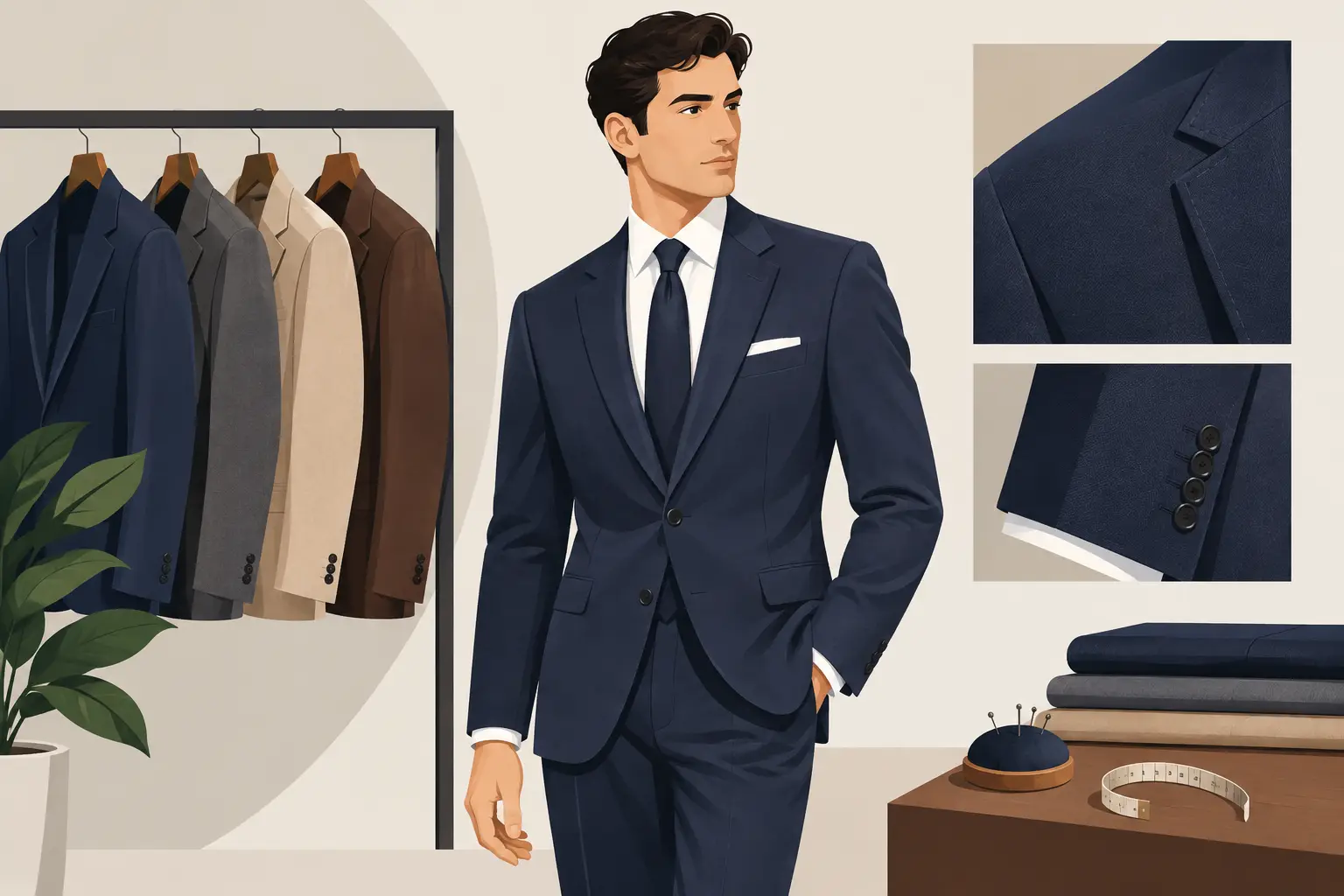
The finishing is where bespoke becomes deeply personal. Button stance, pocket style, lapel width, gorge height, and vent configuration can be adjusted to flatter your build and express taste. Even small choices – like the roll of the lapel or the depth of a cuff – change the character of the coat.
A well-made bespoke coat also accounts for the reality of wear. You may want a touch more ease to layer a jacket underneath, or a cleaner, closer fit designed for knitwear. There is no universal “correct”. There is only correct for you.
Cloth: choosing what will actually serve you
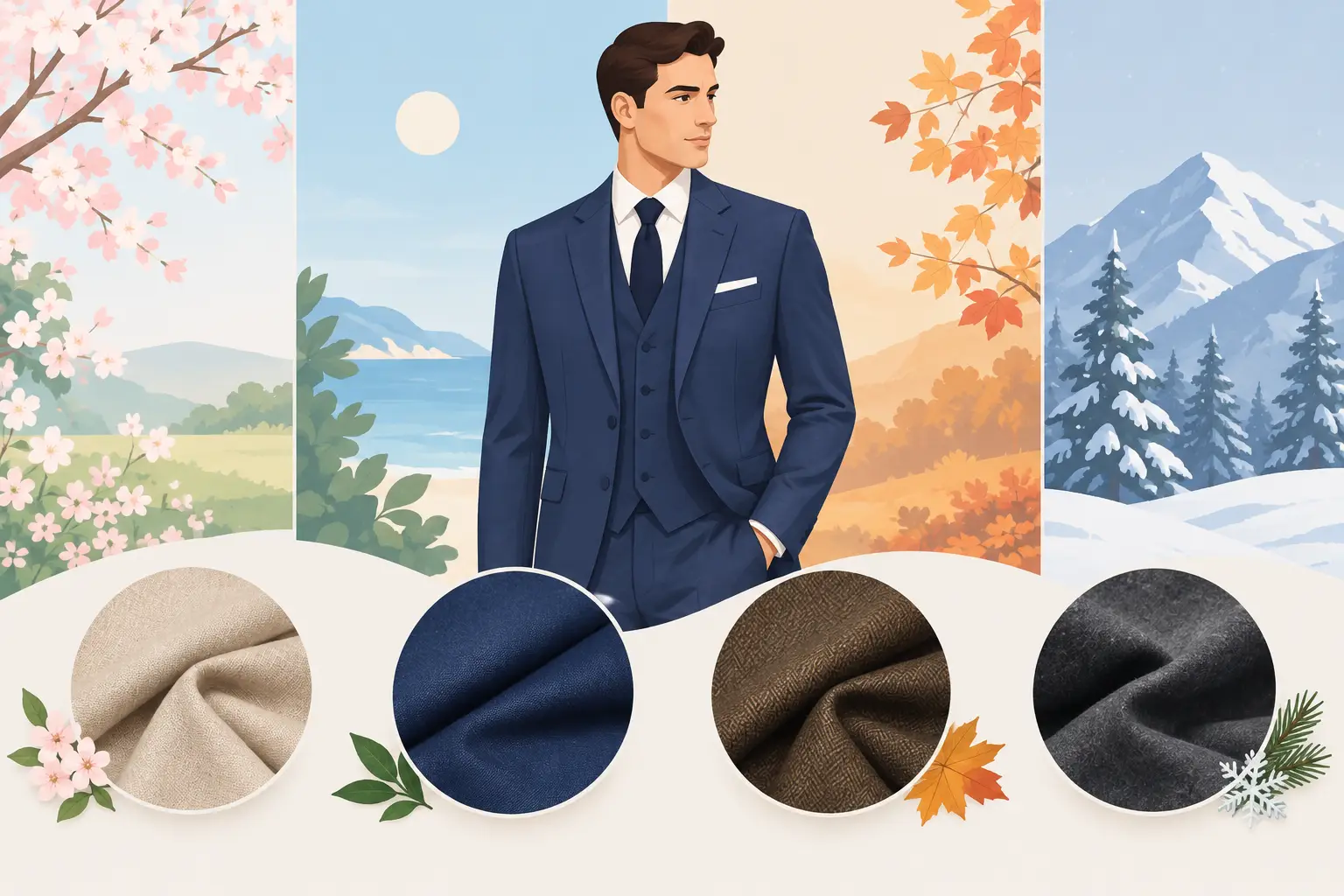
A bespoke overcoat invites you to choose cloth with intent, not hype. The best cloth for you depends on climate, how often you’ll wear the coat, and whether you prioritise sharpness, softness, or weather resistance.
A heavier wool can deliver beautiful drape and longevity, but it’s warmer and may feel excessive in mild weather or on crowded trains. A lighter cloth can be more versatile, but it needs the right structure to avoid looking limp.
Cashmere brings softness and a luxurious handle, but it can show wear sooner if you’re hard on your outerwear or if the cloth is too delicate for daily commuting. Blends can be a sensible middle ground, giving a refined finish while improving resilience.
Colour choices should be strategic. Navy, charcoal, and deep camel are classics because they work with business tailoring and eveningwear. Bolder checks and tweeds can be exceptional for country wear and weekend style, but they’re less universal. The most successful wardrobes often start with one coat that is quietly impeccable, then expand into statement pieces later.
Style decisions that define the coat
The phrase “overcoat” covers a lot of territory. Bespoke allows you to choose a silhouette that matches your lifestyle and the messages you want your clothing to send.
A single-breasted coat is clean and versatile. It layers easily and reads modern without trying. A double-breasted overcoat has presence – it’s inherently more formal and can look outstanding over a suit, especially with peaked lapels and a strong chest.
Raglan sleeves offer comfort and a slightly relaxed attitude, ideal if you favour knitwear and want movement. Set-in sleeves feel sharper and more tailored, particularly when worn over structured jackets.
Pockets matter more than most men admit. Slanted welt pockets feel sleek; patch pockets feel more casual and are excellent in heavier tweeds. Ticket pockets, throat latches, and storm tabs are not just decoration: they can add function, or they can add visual complexity. The right choice depends on whether you want quiet sophistication or a more detailed, heritage-led look.
The bespoke process: what you’re actually buying
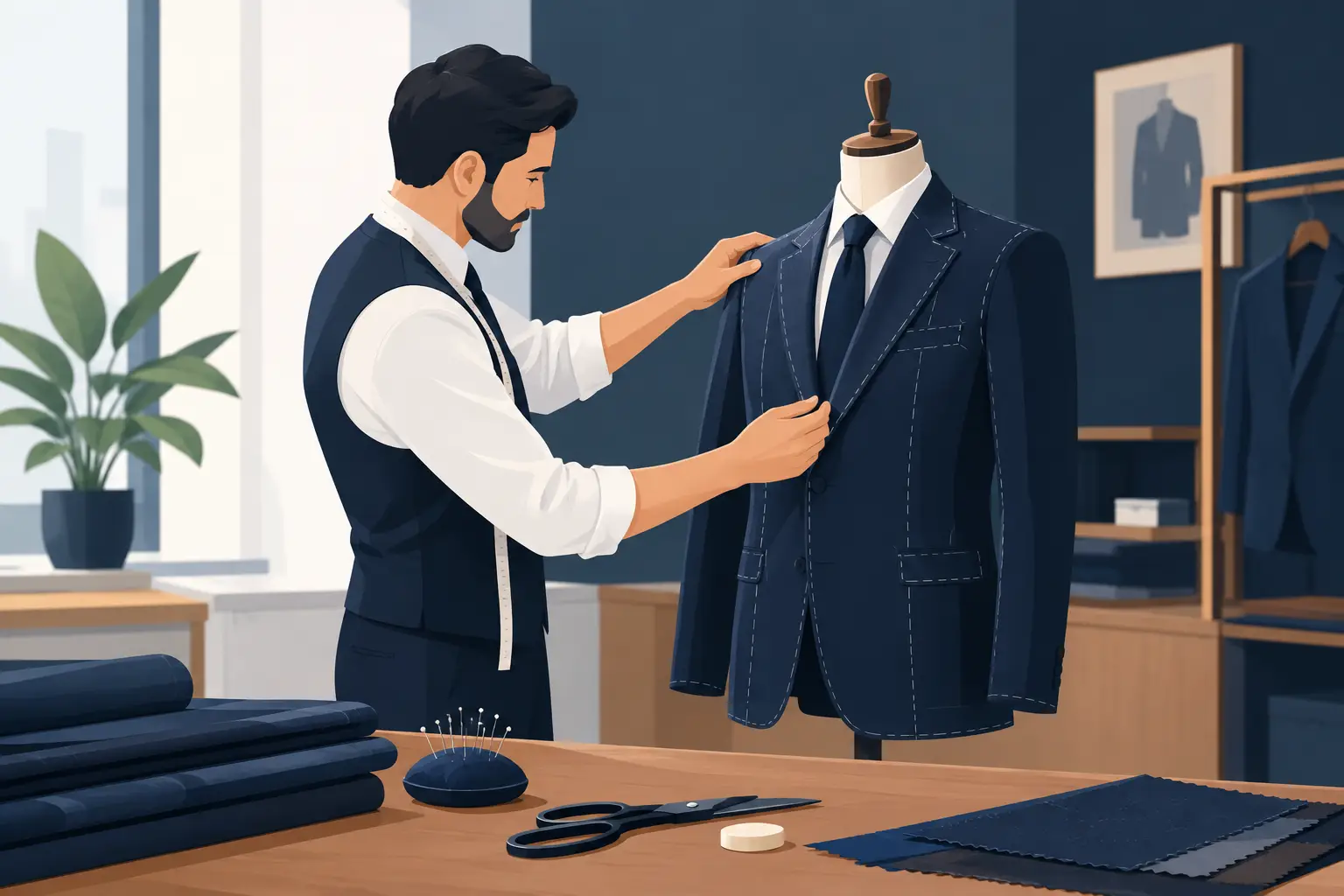
Bespoke is a service as much as it is a garment. The process typically begins with a consultation where you discuss how you’ll wear the coat – business days, weddings, evening events, travel, or weekends.
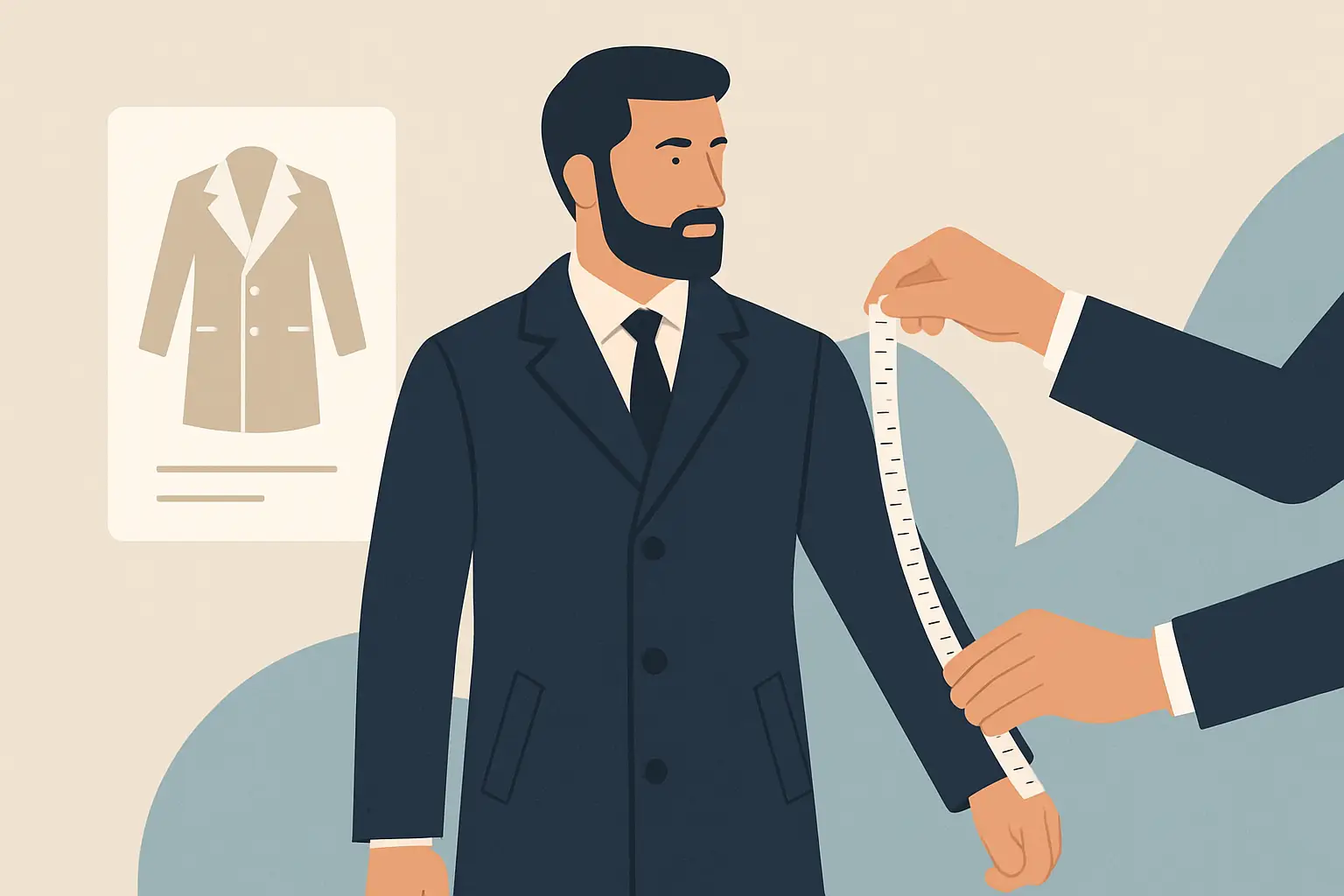
Measurements are taken, but posture and balance are assessed too. A man who stands squarely needs a different balance to a man whose shoulders slope forward. A cutter considers how the coat should hang when you’re walking, not only when you’re standing still.
A first fitting refines the pattern and silhouette. A second fitting typically fine-tunes details: sleeve length, waist shape, collar behaviour, and overall balance. Depending on the house and the complexity of the coat, further fittings may follow.
The value here is not theatre. It’s precision. You’re paying to remove the compromises that most men accept in outerwear.
If you’re commissioning a coat through a tailoring house such as Manndiip, the experience should feel guided rather than overwhelming: clear recommendations on cloth, proportion, and finishing, with your preferences shaping the final piece.
Bespoke vs made-to-measure vs off-the-peg: the honest trade-offs
Bespoke is not automatically “better” for every man in every season. It depends on your goals.
If you need a coat quickly, off-the-peg may be the right choice, ideally with high-quality alterations to correct sleeve length and balance. If your body is relatively standard and your priorities are straightforward, made-to-measure can deliver a strong result with less time and fewer fittings.
Bespoke becomes the clear winner when you have specific fit challenges (one shoulder lower, pronounced posture, athletic chest with a smaller waist), when you care about how the coat drapes over tailoring, or when you want a coat that feels like an extension of your identity rather than an acceptable layer.
The other trade-off is decisiveness. Bespoke gives you choices – and choices demand taste. A good tailor will edit options, not flood you with them. The aim is to land on a coat that looks assured for years, not merely impressive on the day you collect it.
How to know a bespoke overcoat is right for you
If your coat spends most of its life on the back of your chair and you only wear it in light drizzle, you may not need bespoke. But if you regularly wear a coat over suits, attend formal events through the colder months, or want to look composed the moment you step outside, bespoke is a worthwhile investment.
It’s especially compelling if you’ve experienced the common frustrations: tightness across the back when driving, sleeves that ride up, collars that gape, or a coat that looks bulky open and strained closed. These are not minor irritations. They’re the difference between looking polished and looking like you’re making do.
A bespoke overcoat is also one of the most visible signals of taste in a man’s wardrobe. A suit is often hidden indoors. A coat is seen on the street, at arrivals, at departures, and in every photograph taken before you remove it.
A good coat should make you feel taller, cleaner, and more intentional – without ever feeling precious. If the idea of owning one coat that consistently elevates everything you wear appeals to you, that’s your answer.
A helpful way to think about it: choose an overcoat not for the coldest day of the year, but for the life you actually live most days – then have it made so well that it becomes the easiest decision you make when you step out the door.