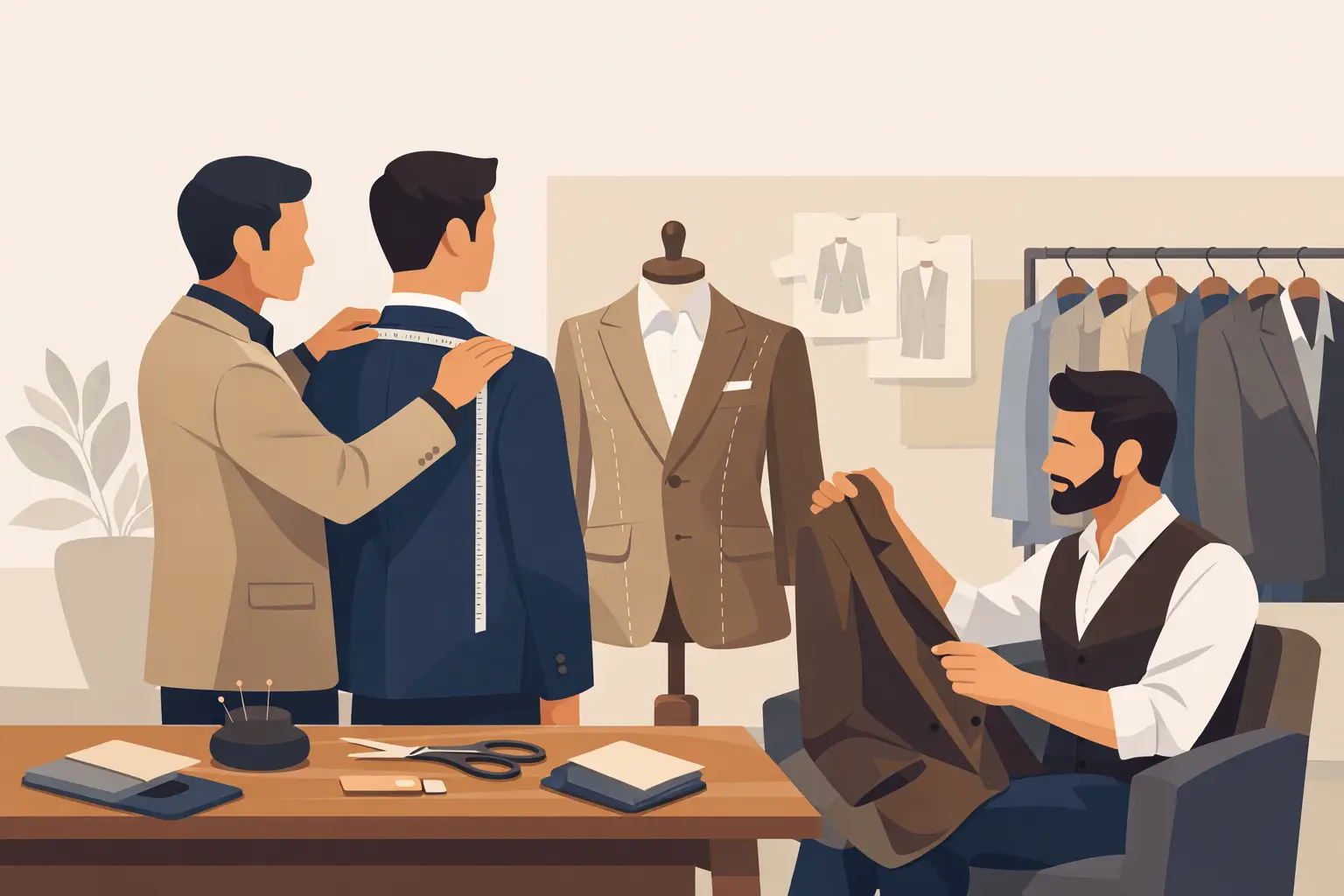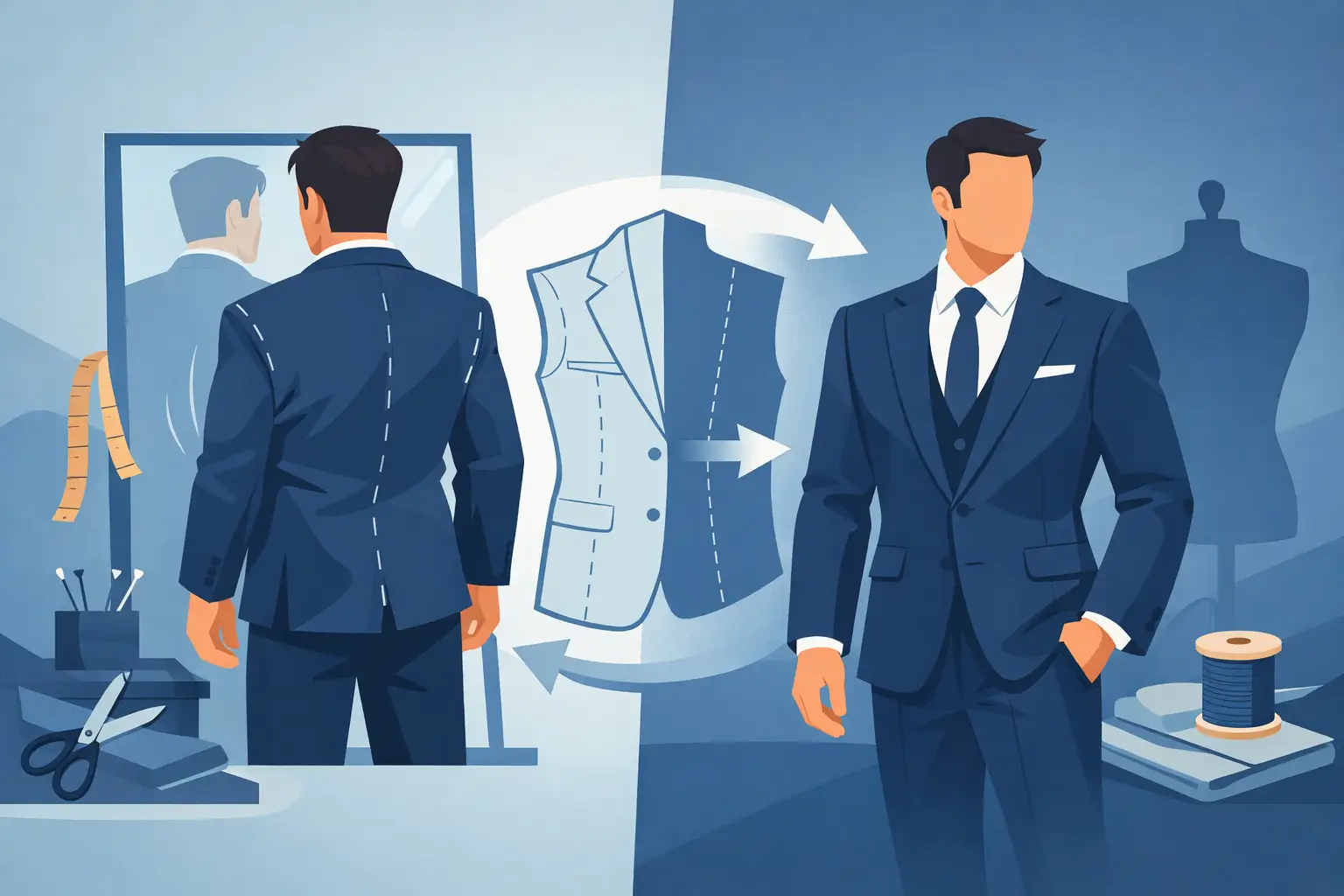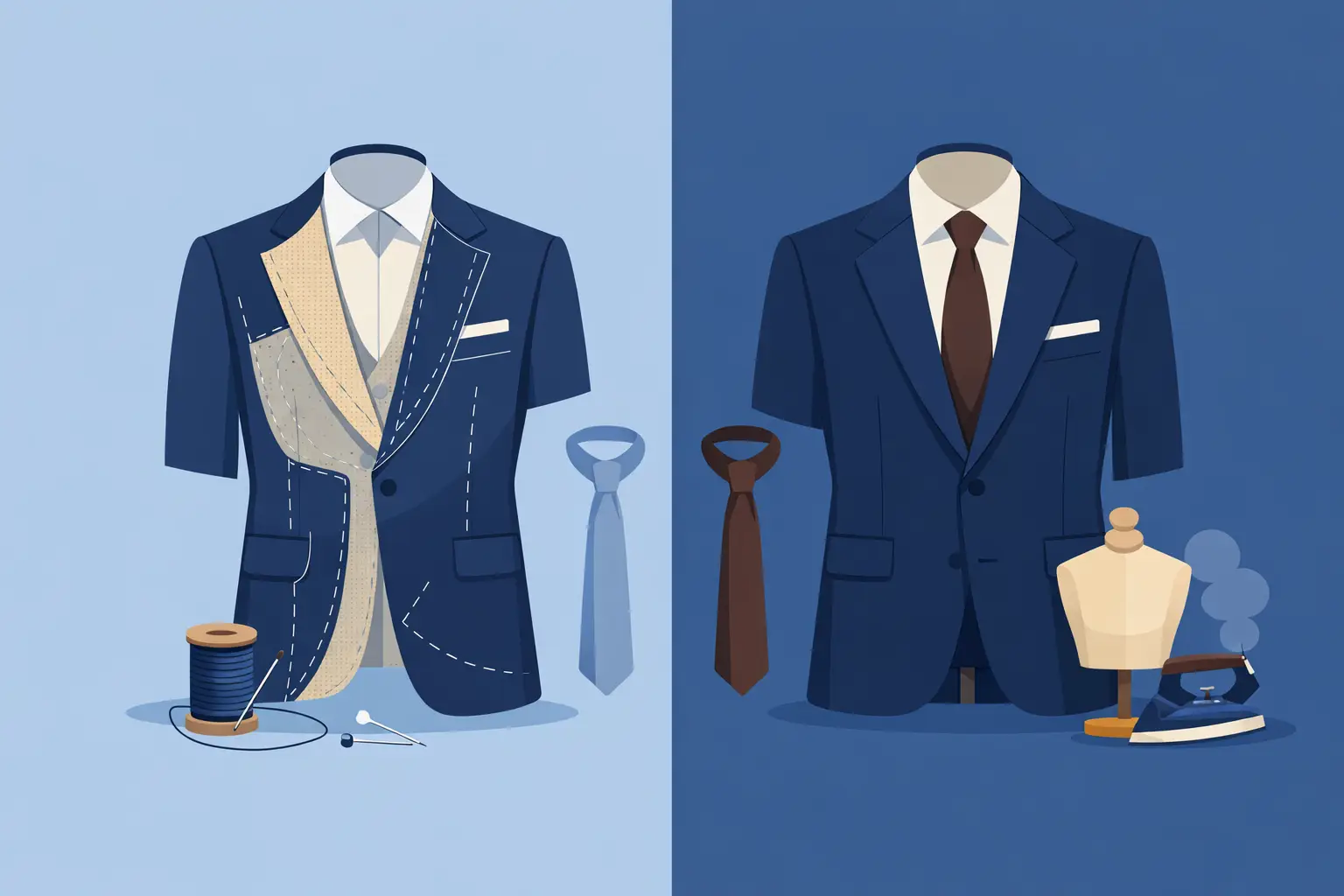
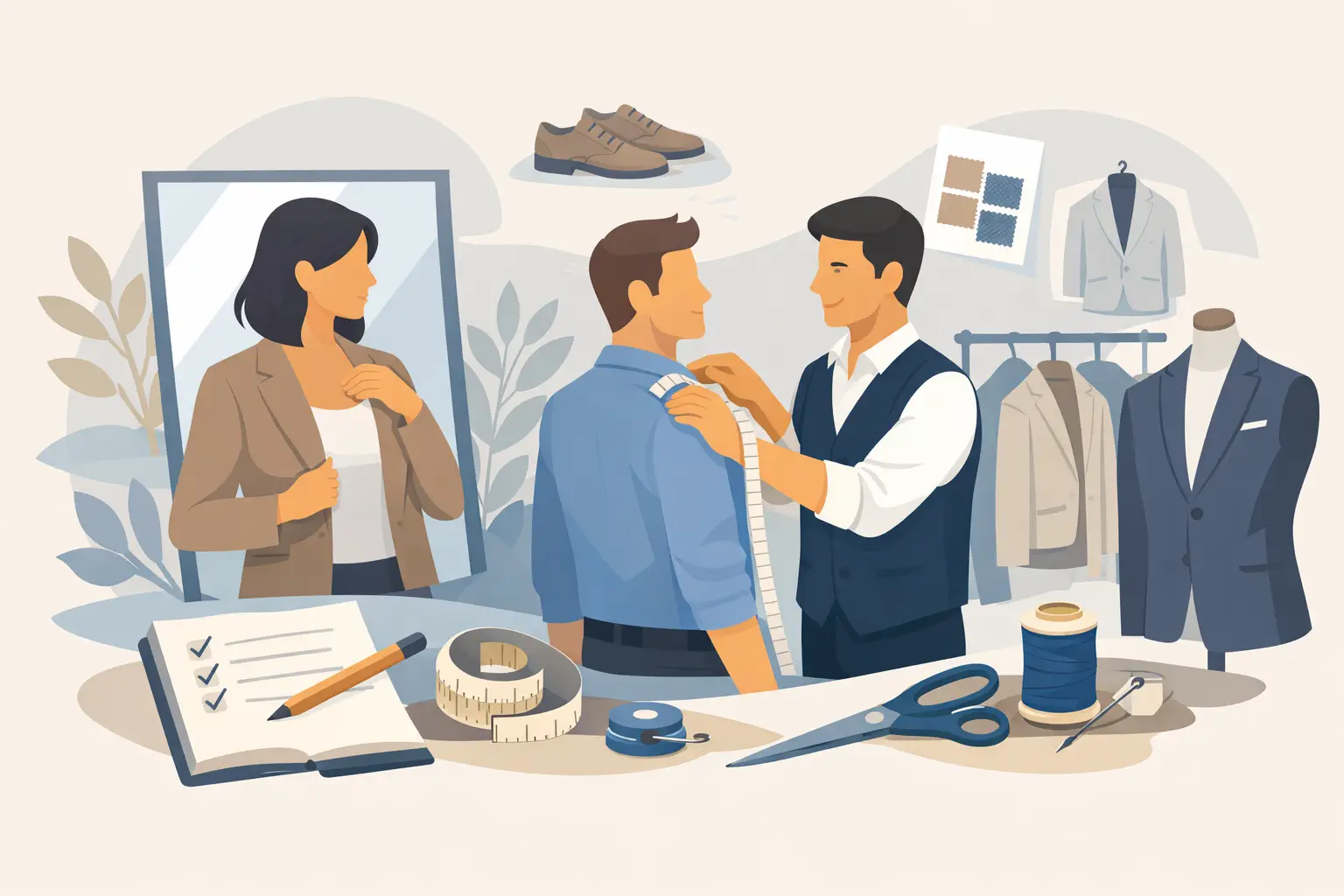
Walking into a tailoring consultation with only a vague idea of “something smart” rarely produces the strongest result. The best garments begin before the first measurement is taken, with clarity on where you will wear them, how you want to look, and what details matter to you.
A proper consultation is not a sales ritual. It is the point at which style, construction, fabric, and fit are translated into a garment that reflects your build and your standards. If you know how to prepare for tailoring consultation appointments, the process becomes far more precise, efficient, and rewarding.
Start with the purpose of the garment
Before you think about lapels or linings, decide what this piece needs to do. A business suit has different demands from a wedding suit. An overcoat needs a different balance of structure and ease than an evening jacket. Even among formal garments, the right answer depends on how often it will be worn, the season, and the impression you want to create.
If the suit is for work, think about your weekly reality rather than an idealised version of it. Are you in front of clients every day, moving between meetings, or mainly dressing for a few important appearances each month? A navy or charcoal suit in a versatile cloth may serve you better than something overly expressive. If the garment is for a wedding, consider your role, the venue, and whether you want timeless elegance or more visible personality. A countryside celebration invites different choices from a city ceremony or black tie reception.
The clearer the purpose, the easier it is for your tailor to guide the cut, cloth weight, and finishing details with authority.
Bring references, but bring the right kind
Visual references help, though they are most useful when treated as conversation starters rather than exact blueprints. Save a few images of silhouettes, cloths, and details you genuinely admire. It may be the drape of a jacket, the width of a lapel, the line of a trouser, or the restraint of a monochrome formal look.
What matters is knowing what you respond to. Saying “I like this because the shoulder looks clean” is far more helpful than presenting ten unrelated images pulled from social media. A tailored garment must work with your frame, posture, and lifestyle. A look that suits a six-foot model with broad shoulders may need thoughtful adaptation on a different build.
If you already own garments you like, or dislike, bring those insights too. Sometimes an existing suit explains more than any photograph. Perhaps the chest feels restrictive, the sleeves collapse, or the trousers sit too low. That information is gold in a consultation.
Wear sensible clothing to the appointment
If you are being measured, what you wear matters. Arrive in a fitted shirt or light knit if possible, along with proper shoes. Bulky layers distort proportions and can make it harder to assess posture, shoulder balance, sleeve length, and trouser break.
If the garment is for a specific occasion, wear or bring the shoes you expect to pair with it. Trousers are cut differently depending on footwear, and formal shoes create a different line from heavier country styles or more relaxed loafers. If you wear braces, a particular shirt collar shape, or a waistcoat as part of your usual look, mention that early. Tailoring should support the way you dress in real life, not in theory.
Be honest about your fit preferences
Many clients say they want a “good fit”, but that phrase can mean several different things. For one man, it means a sharp, close silhouette with a higher armhole and strong waist suppression. For another, it means clean lines with enough room to move comfortably through a full workday. Neither is wrong, but they are not the same.
This is where good tailoring becomes personal rather than generic. Be candid about what bothers you in ready-to-wear clothing. Perhaps jackets pull when buttoned, shirt collars gape, or standard trousers never sit correctly through the seat and thigh. Also say if comfort is a priority, if you travel often, or if you tend to fluctuate slightly in weight. These details affect construction choices.
The strongest consultation is not about chasing the tightest silhouette. It is about achieving proportion, balance, and elegance on your body.
Understand the role of cloth
One of the most useful ways to prepare for tailoring consultation meetings is to have a rough idea of fabric priorities. You do not need technical expertise, but you should think about climate, frequency of wear, and finish.
A lightweight wool may be ideal for all-round business use, while a richer cloth with more texture can bring depth to autumn and winter wardrobes. Tweed offers character and substance, but it is not the answer if you need something sleek for year-round city wear. Likewise, a luxurious cloth may look magnificent but require more careful handling than a hard-wearing option designed for regular use.
There is always a trade-off. Finer fabrics can carry exceptional elegance, though they may not be the most practical for constant wear. Heavier cloths often drape beautifully, but they can feel too warm depending on your routine. A tailor can guide you, but arriving with a sense of whether you value durability, softness, texture, or versatility will sharpen the conversation.
Set a realistic budget from the outset
A premium garment involves decisions at every level – cloth, canvassing, finishing, design complexity, and any additional pieces such as a waistcoat or extra trousers. Being open about budget is not awkward; it is sensible. It allows your tailor to recommend the strongest options within the right range rather than steering through unnecessary possibilities.
If you are building a wardrobe rather than buying a one-off piece, say so. It may be wiser to begin with a highly versatile suit and add shirts, outerwear, or occasion-specific garments over time. For some clients, one impeccably cut navy suit is the foundation. For others, the priority may be a wedding ensemble first, followed by business tailoring later.
A thoughtful consultation should meet you where you are, whether this is your first bespoke purchase or part of a growing sartorial wardrobe.
Know the timeline and any fixed dates
Tailoring works on lead times, fittings, and refinement. If the suit is for a wedding, black tie event, important presentation, or travel, say so immediately. A clear deadline helps shape what is realistic.
Leaving tailoring too late creates pressure where there should be precision. The process may involve initial measurements, pattern work, intermediate fittings, and final adjustments. Alterations are part of excellence, not a sign that something has gone wrong. They are often what elevate a garment from good to exceptional.
If you have a hard date, build in margin. Last-minute rushing rarely serves the standard you are paying for.
Prepare your questions
The consultation is your opportunity to benefit from expertise, so ask good questions. You might ask why a certain lapel width suits your frame, whether side adjusters would serve you better than belt loops, or what trouser shape will balance the jacket most elegantly. If this is your first experience of bespoke or made-to-measure, ask about fittings, turnaround, aftercare, and what changes can be made as the garment develops.
The right tailor will not simply take measurements and move on. He will explain choices, refine your ideas, and occasionally steer you away from a detail that looks appealing in isolation but weakens the overall result.
That guidance is part of the value.
How to prepare for tailoring consultation if you are new to bespoke
If this is your first time, the most useful mindset is openness paired with clarity. You do not need to arrive speaking the language of canvassing, pitch, or roping. You simply need a strong sense of occasion, preference, and expectation.
Trust the consultation enough to be specific about what you want, then flexible about how it is achieved. Sometimes the detail you fixate on is not the one that matters most. A client may arrive focused on a bold lining, while the bigger improvement lies in correcting shoulder balance or refining trouser rise. The true luxury of bespoke is not endless choice for its own sake. It is having each choice handled with judgement.
For clients considering bespoke, made-to-measure, or alterations at https://www.manndiip.co.uk, the consultation should feel both elevated and practical – a meeting of craftsmanship and personal style, shaped around how you actually live and dress.
The goal is not just a suit, but certainty
A successful consultation leaves you feeling understood. You should come away with confidence in the cut, the cloth, the timeline, and the reasoning behind the decisions made. That confidence tends to show in the finished garment long before anyone notices the stitching or the button choice.
Prepare well, speak plainly, and let expertise do the refining. The result is more than a better fit. It is a garment with presence, built to carry you properly when the occasion asks for it.