A suit can be made from excellent cloth, cut by a respected maker and finished with real care – yet still look ordinary if the fit is slightly off. That is why suit alterations matter so much. A few precise adjustments can sharpen the shoulder line, clean up the drape through the back, and bring the whole silhouette into proper proportion.
For men who rely on tailoring in professional settings, at weddings, or for formal occasions, this is not a minor detail. It is often the difference between looking well dressed and looking distinctly considered. Good alterations do not simply make a suit tighter or looser. They refine how the garment sits on your frame, how it moves, and how confidently it presents you.
Why suit alterations matter more than most men realise
Ready-to-wear suits are built to fit an average body that, in truth, hardly exists. Even expensive off-the-peg tailoring usually assumes standard posture, even shoulders, symmetrical balance, and familiar proportions through the chest, waist and seat. Most men do not match that template precisely.
One shoulder may sit lower. The seat may need more room. The jacket may collapse at the lower back, or the sleeve pitch may fight against your natural stance. None of these points means the suit is poor. It simply means it has not yet been tuned to you.
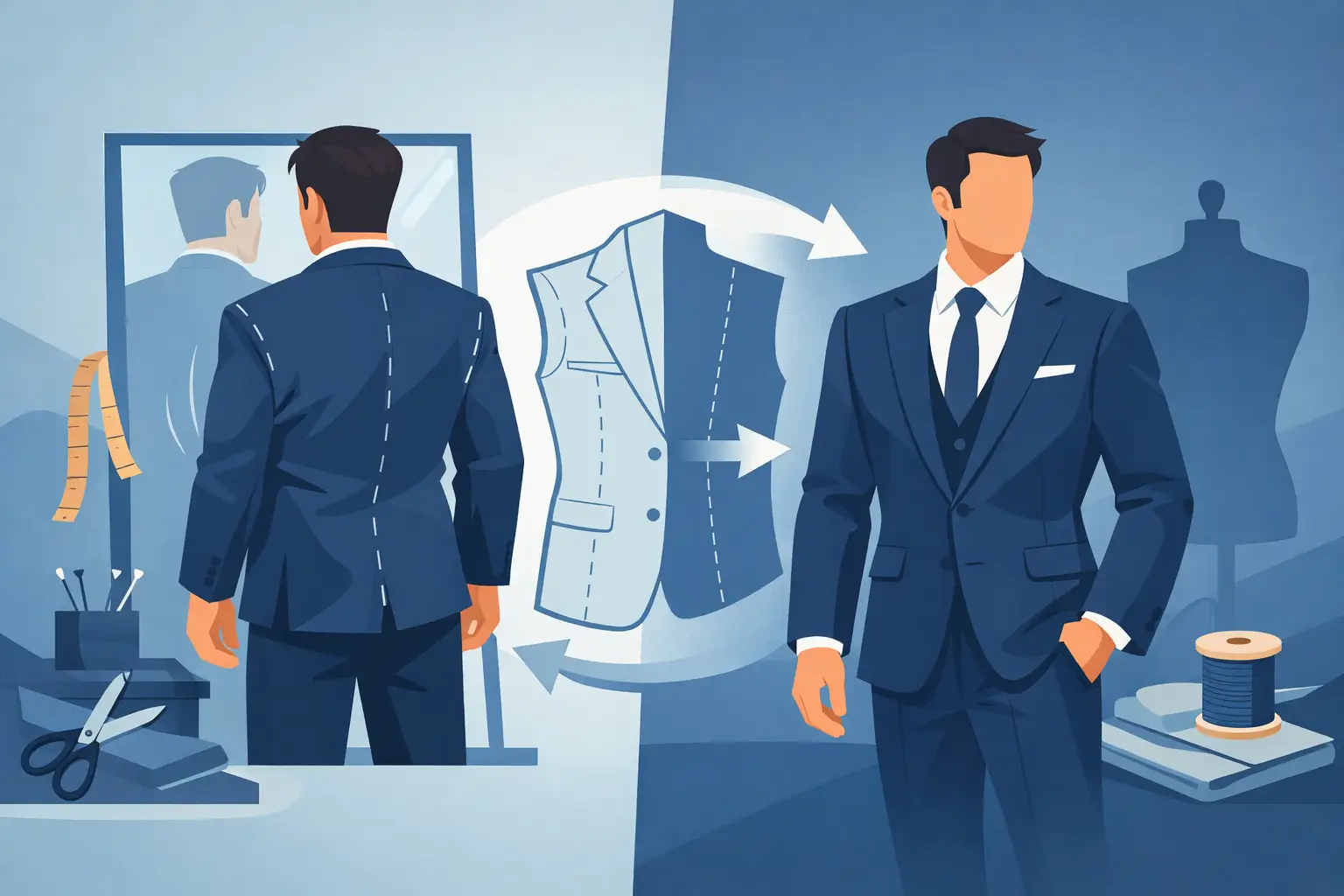
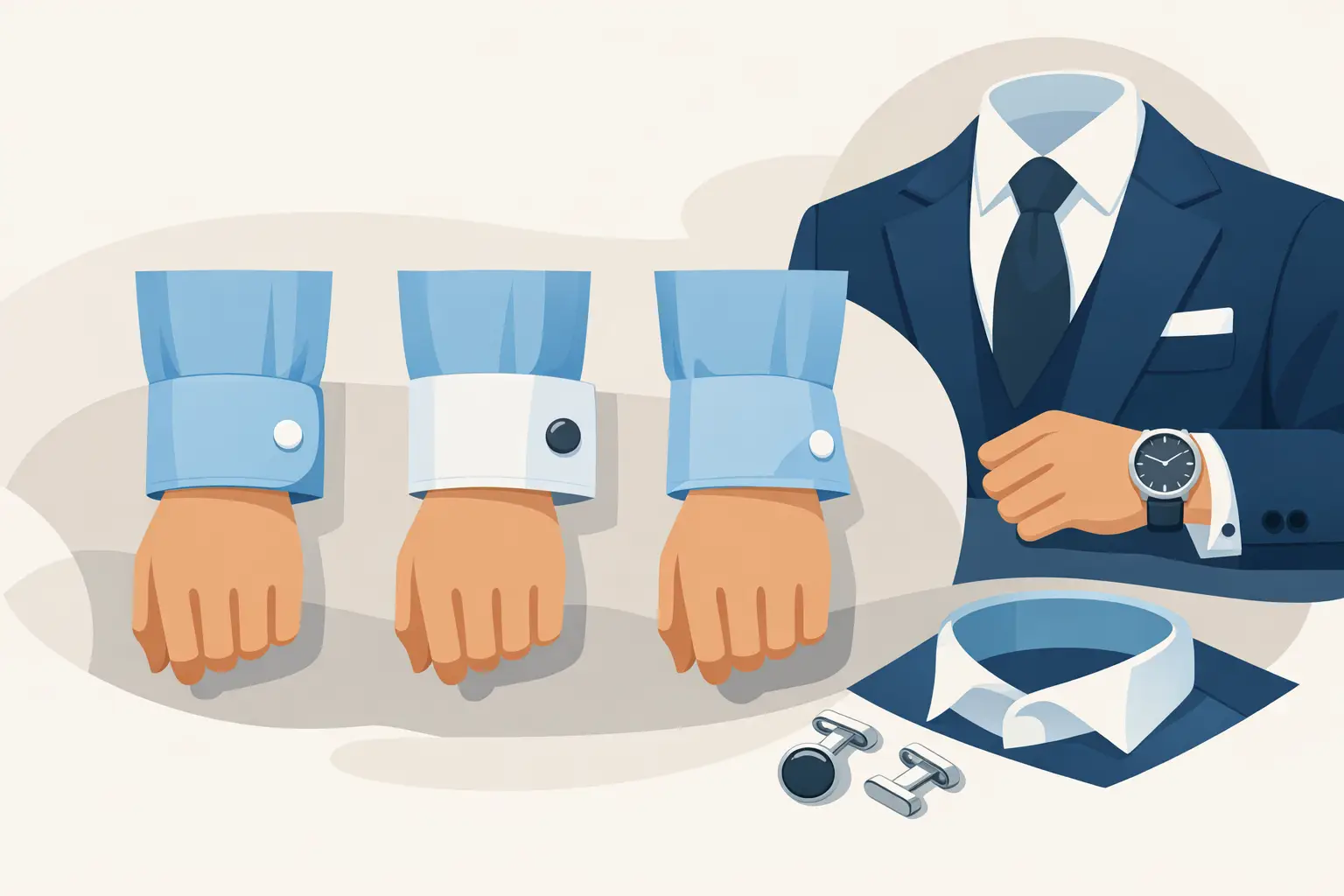
This is where skilled alteration work becomes valuable. A well-altered suit appears calmer on the body. The lapels sit properly. The collar hugs the neck without gaping. The sleeves break at the correct point above the shirt cuff. The trousers fall cleanly without bunching around the ankle or pulling through the thigh. These are quiet details, but they create the polished authority associated with true sartorial sophistication.
What suit alterations can usually fix
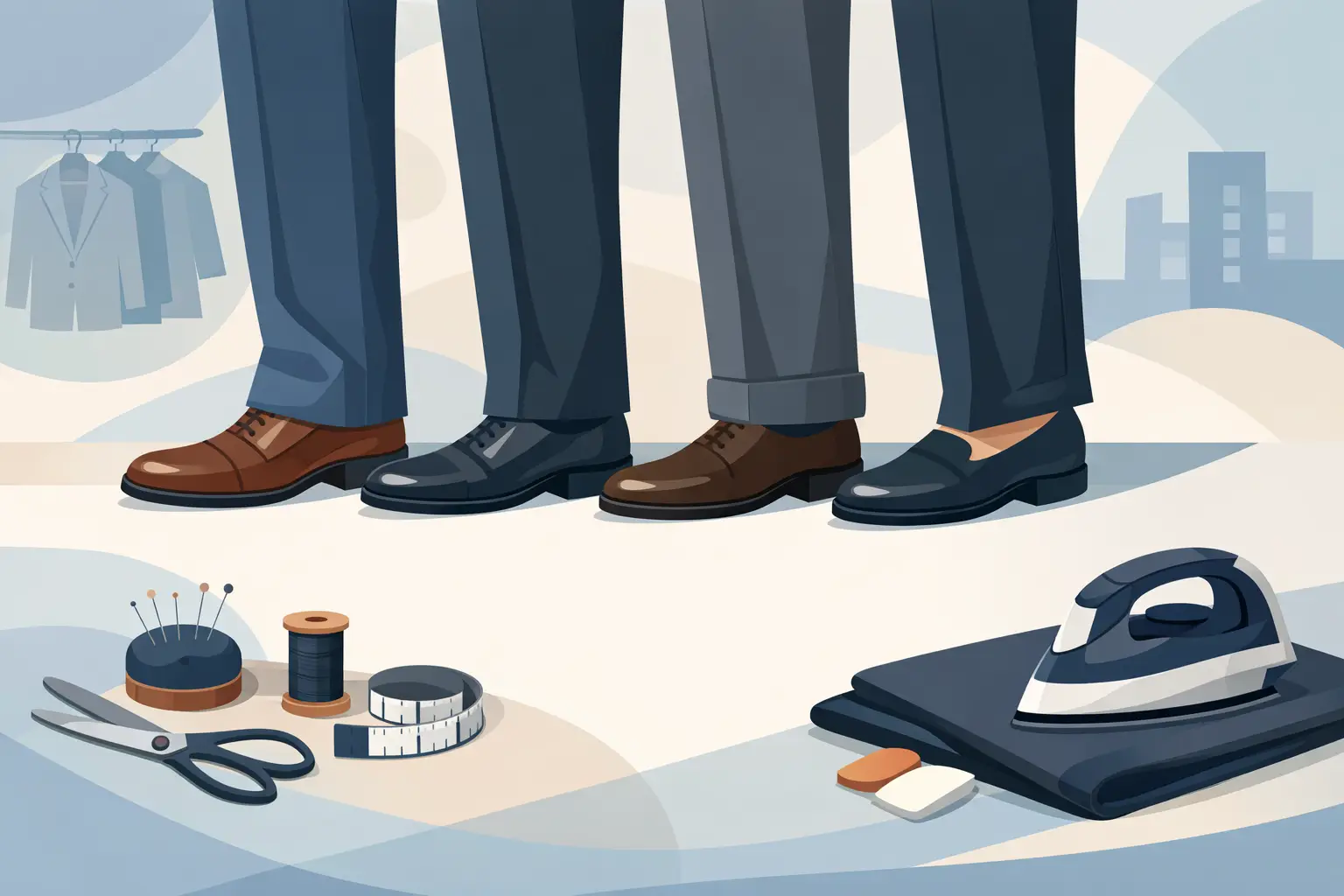
Some adjustments are straightforward and transform the look quickly. Trouser hems are the obvious starting point, but they are only one element. Jacket sleeves can often be shortened or lengthened, the waist can be suppressed for a cleaner line, and trouser waists can usually be taken in or let out within reason.
The seat and thigh may also be refined to improve comfort and shape. A jacket side seam can be adjusted to remove excess cloth and restore structure through the torso. In many cases, the collar can be corrected if it stands away from the neck. These are meaningful improvements because they affect how the suit reads from every angle.
The adjustments that make the biggest visual difference
If a client asks which alterations give the strongest result, the answer is usually the same: jacket waist suppression, sleeve length, trouser hem, and trouser shape through the leg. These are the points the eye notices first, even if most people cannot explain why one suit looks sharper than another.
A jacket that is too full through the waist can make an otherwise elegant cloth look heavy. Sleeves that are too long hide the shirt and blur the finish of the jacket. Trousers with too much break can look untidy, while trousers cut too short can lose their sense of formality. Getting these details right creates balance.
What is harder to alter
Not every issue should be solved with alterations. Some changes are possible in technical terms but not wise in aesthetic or economic terms. Shoulders are the clearest example. Major shoulder reconstruction is specialised, time-intensive and not always worthwhile on a ready-made suit.
Jacket length is another area where caution matters. It can sometimes be shortened slightly, but the pockets, button stance and overall balance limit what can be done well. If the original proportions are wrong, forcing the suit into a new shape may create a more awkward result rather than a better one.
How a proper fitting should work
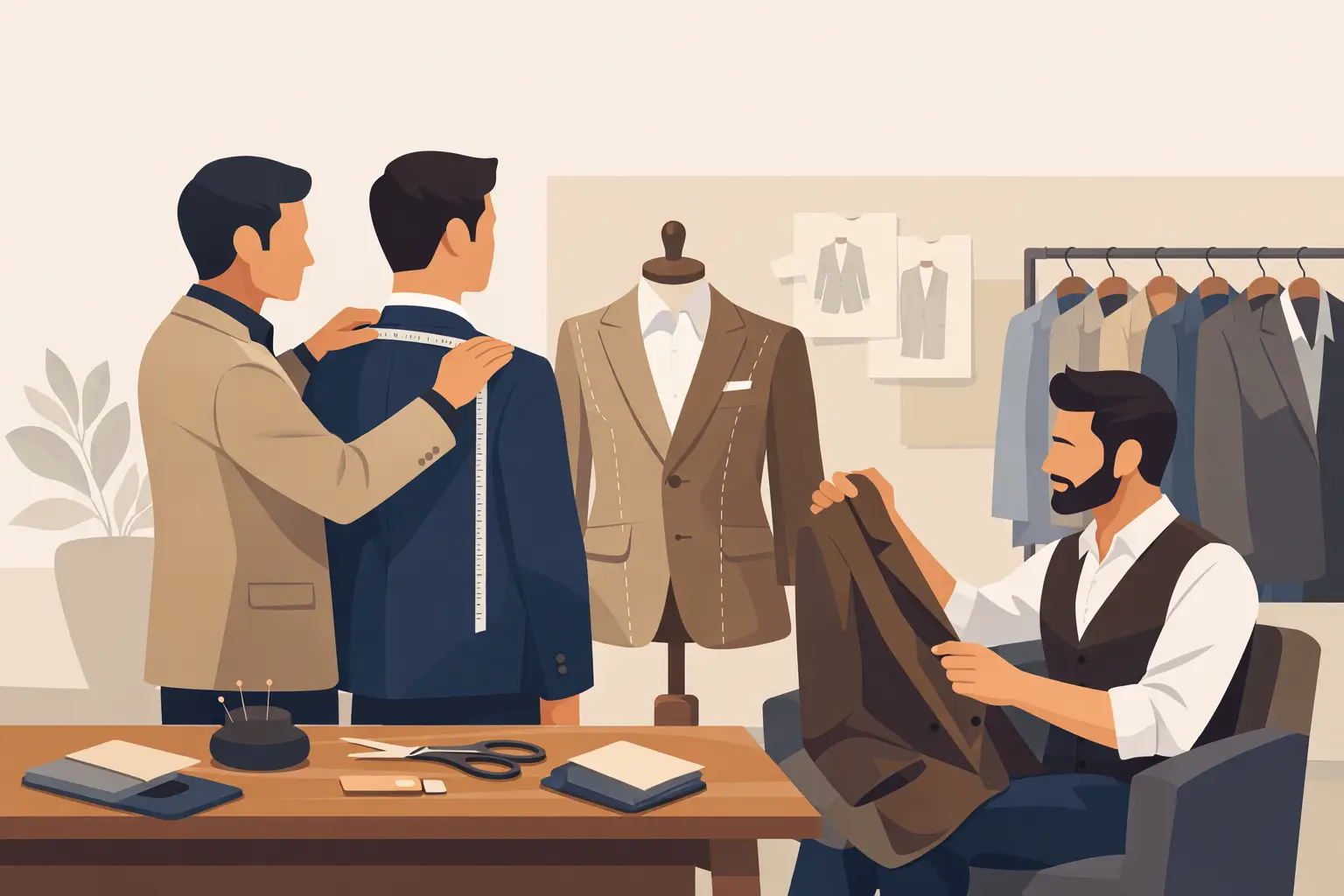
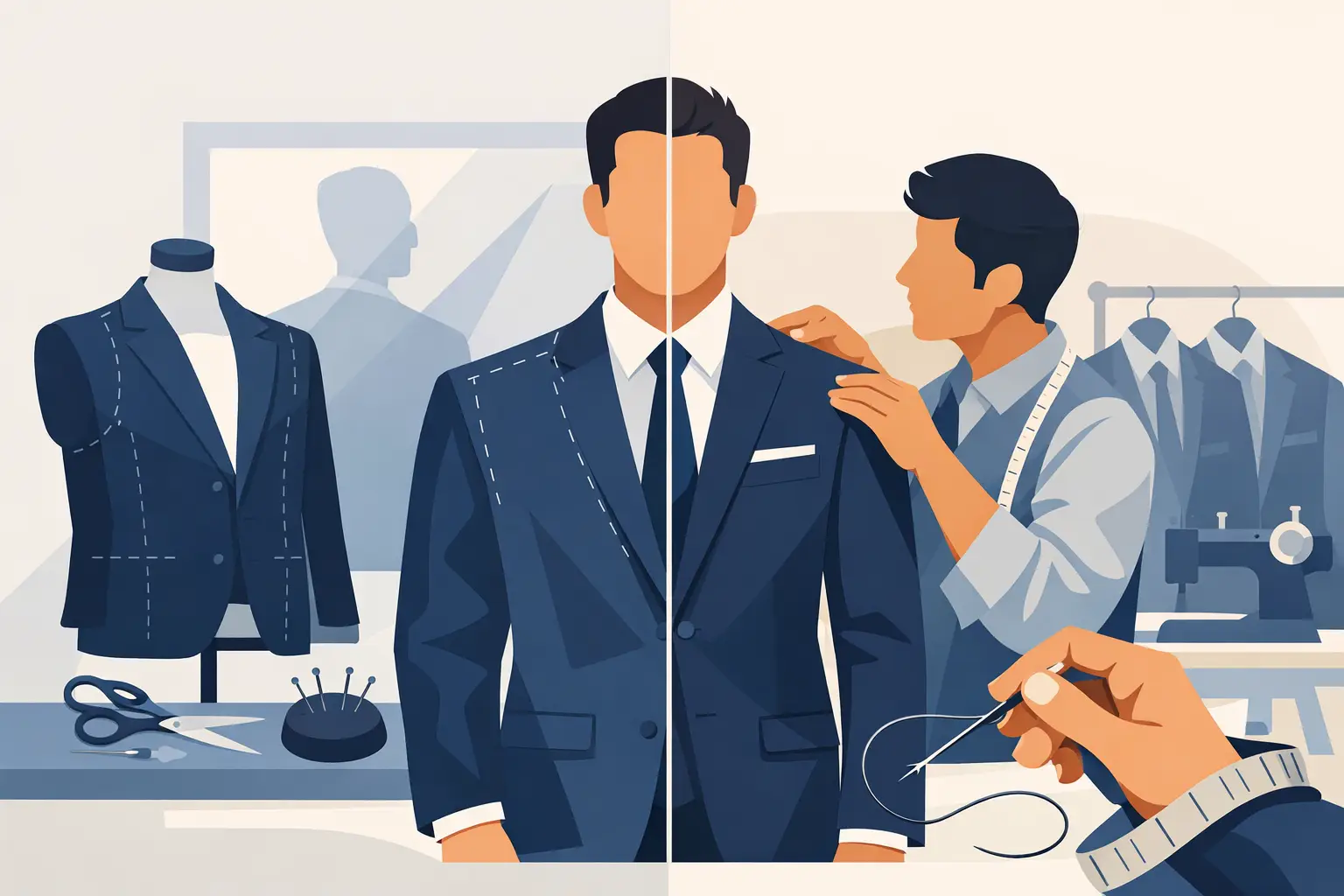
A serious fitting is about more than measurements. It begins with how the garment behaves on your body in motion and at rest. A skilled tailor will look at posture, shoulder slope, arm position, seat shape and the way cloth drapes across the chest and back.
This is why pinning matters. You need to see the jacket and trousers on, not just discuss them on a rail. The fitter should explain what is being adjusted and why. The best advice is precise and restrained. Too much taking in can make a suit feel brittle and strained. Too little leaves it without definition. The aim is not a fashion-driven squeeze, but a composed silhouette with enough ease to move naturally.
For wedding and formalwear, this conversation becomes even more important. A suit worn for a ceremony will be photographed from every angle and often worn for long hours. It needs to look immaculate while remaining comfortable. For business tailoring, the priorities may shift slightly towards durability, ease of movement, and a consistently crisp line over repeated wear.
Suit alterations and the question of value
Clients often ask whether a suit is worth altering. The honest answer is: it depends on the quality of the garment, the extent of the changes needed, and the role the suit plays in your wardrobe.
If the cloth is excellent, the construction is sound, and only fit refinements are required, alterations are usually a very sensible investment. A good suit that fits badly spends its life in the wardrobe. A good suit that fits beautifully becomes a reliable part of your rotation.
If, however, the garment is fundamentally wrong in the shoulder, too small across key points, or badly proportioned from the outset, alteration costs can climb without delivering a truly elegant finish. In that case, bespoke or made-to-measure often becomes the stronger long-term choice because the garment is built around your body rather than corrected after the fact.
The difference between basic tailoring and expert alteration work
There is a wide gap between shortening a hem and reshaping a suit properly. Basic alteration services may handle straightforward adjustments, but true suit work requires an understanding of garment architecture. The tailor must know how one change affects another – how taking in the waist influences the skirt, how sleeve adjustment affects button placement, how trouser taper changes the break and visual weight of the shoe line.
This is where craftsmanship shows. The finest alteration work should not announce itself. The suit should simply look right, as though it always belonged to the wearer. That level of finish comes from experience, technical judgement and respect for the original garment.
At a tailoring house such as Manndiip, alterations sit within a broader philosophy of fit. The goal is not merely correction. It is to shape a garment so it aligns with the wearer’s proportions, purpose and style identity.
When to alter a suit – and when to start from scratch
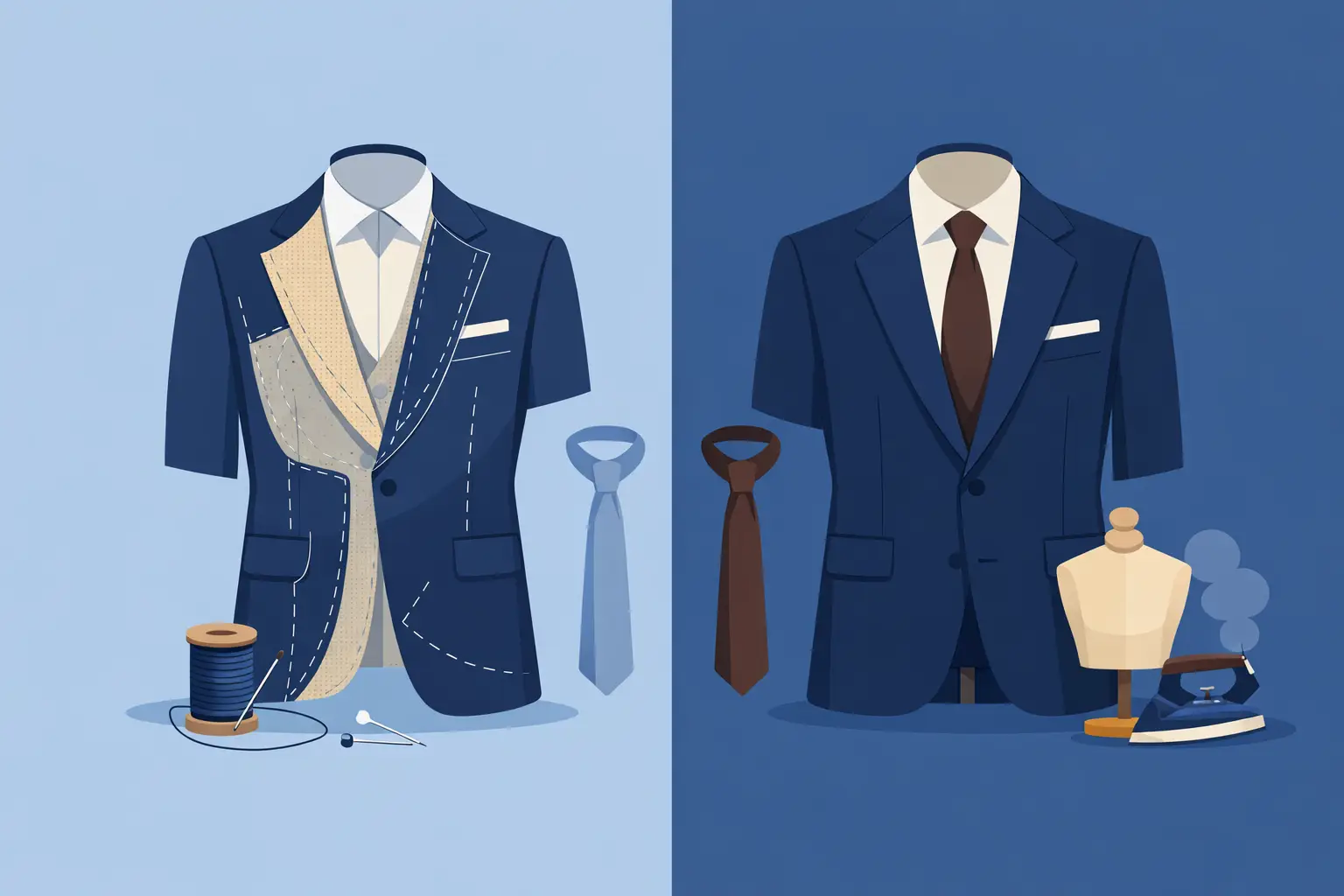
If you own a suit that nearly works, alterations are often the right route. Perhaps the jacket fits the shoulders well but needs contouring through the waist. Perhaps the trousers require a cleaner taper and a more elegant hem. These are exactly the situations where expert adjustments can elevate the garment.
If you are building an important wardrobe piece from the ground up – your wedding suit, a key business navy, a dinner suit, or a tweed coat for seasonal wear – starting from scratch can be the better decision. That allows every element, from cloth and button stance to lapel shape and sleeve pitch, to be set with intention rather than compromise.
There is no contradiction here. Alterations are not a lesser art. They are simply a different discipline. Sometimes refinement is all a garment needs. Sometimes true precision begins at the cutting table.
How to prepare for suit alterations
Wear the shirt and shoes you expect to pair with the suit most often. That single choice changes sleeve length, trouser break and overall balance. If the suit is for a wedding, bring the actual shoes if possible. If it is for business use, dress as you would for the office.
Be clear about the role of the suit and how you like your tailoring to feel. Some men prefer a cleaner, closer silhouette. Others want a little more room through the chest and thigh for comfort across a long working day. Neither is automatically right. The best result comes from balancing personal preference with what flatters your frame and preserves the elegance of the garment.
It also helps to speak plainly about any fit frustrations. If the collar shifts when you walk, if the trousers catch at the calf, if one sleeve feels tighter than the other, say so. Fine tailoring is built on observation, but also on conversation.
A suit should do more than fit. It should lend authority to your presence, sharpen your outline, and support the impression you intend to make. When alterations are handled with care, that change can feel subtle in the fitting room and striking everywhere else. If a garment is worth wearing, it is worth shaping properly.