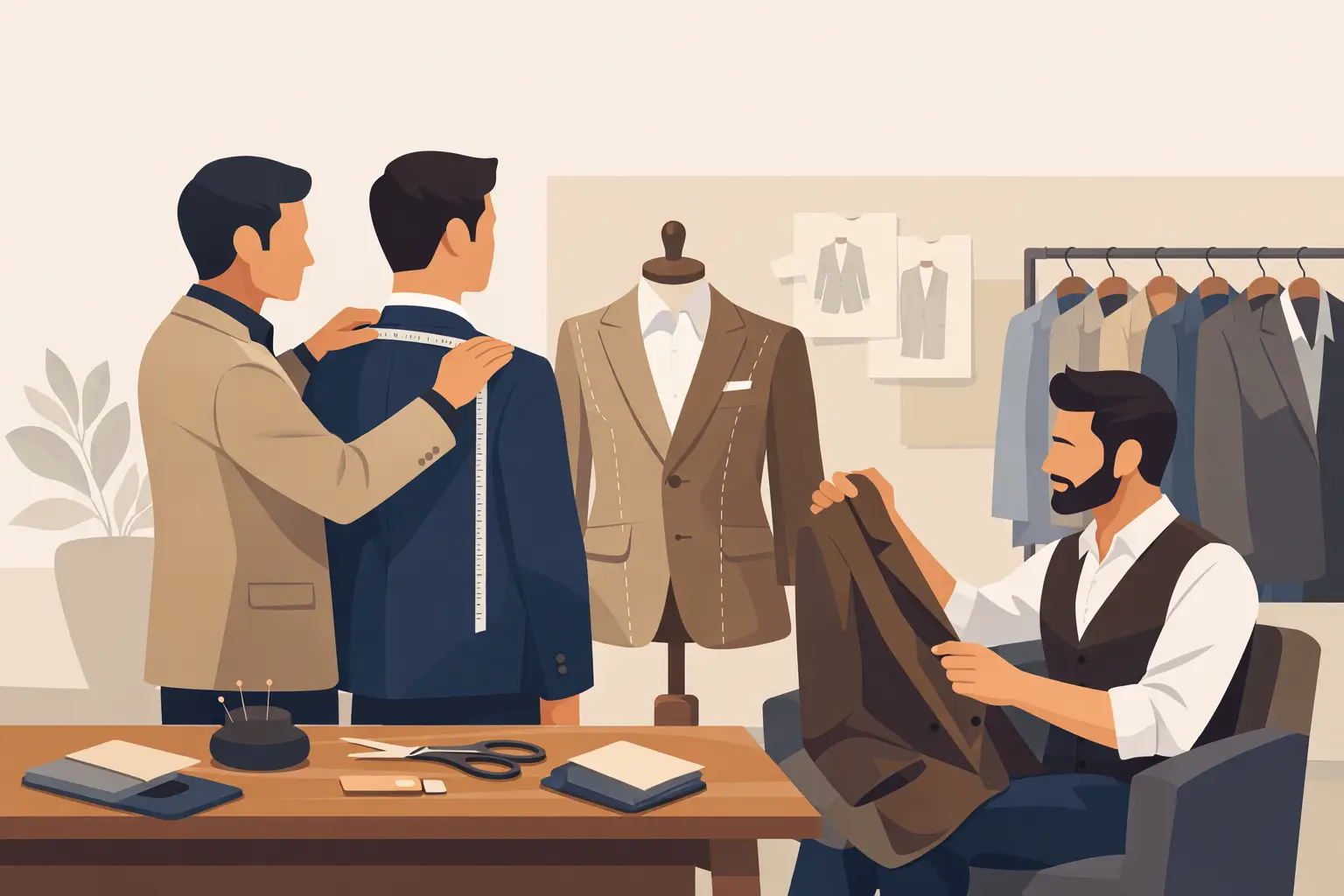
A dress shirt can undermine an otherwise excellent suit in seconds. If the collar gapes, the sleeves billow, or the shoulder line drops too far down the arm, the whole silhouette loses its authority. Knowing how to fit a dress shirt properly is not about chasing tightness. It is about balance, proportion, and clean lines that work with your build rather than against it.
For men who invest in tailoring, the shirt should never be an afterthought. It sits closest to the body, frames the face, and determines how polished a jacket or tie will look. A well-fitted shirt reads as composed and intentional. A poor one creates drag, bunching, and visual noise, even when the cloth itself is excellent.
How to fit a dress shirt: start with the collar
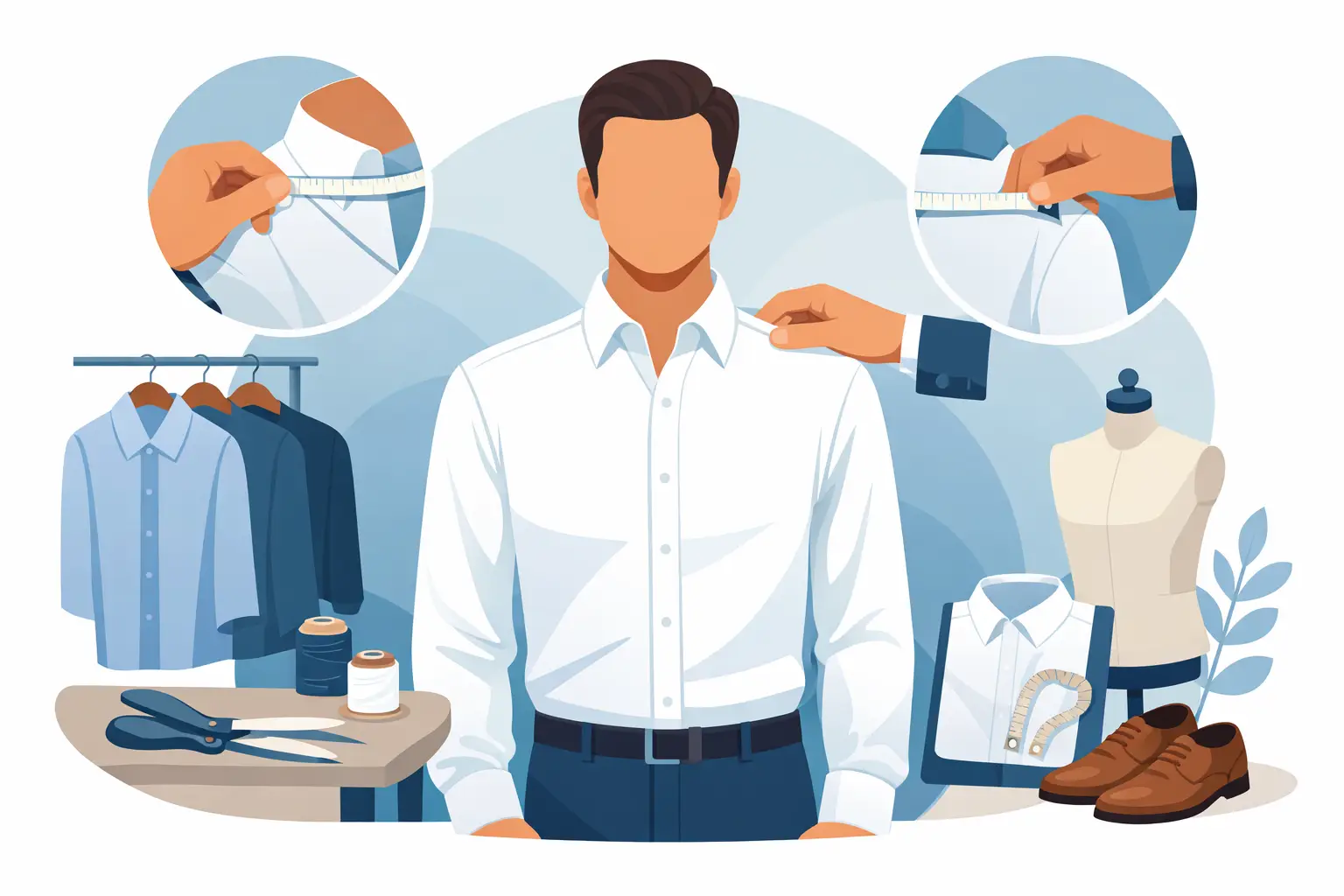
The collar is the first place an experienced eye will look. It should sit neatly around the neck with enough room for comfort, but not so much that it leaves visible space or collapses beneath a jacket. As a rule, you should be able to place one or two fingers comfortably between neck and collar. Less than that and it will feel restrictive, particularly through a long working day. More than that and the collar will look loose, especially when worn with a tie.
There is a practical distinction here between wearing the shirt open-necked and wearing it with a tie. If you regularly wear ties, the collar must stay firm and clean when fully fastened. If you mostly wear shirts without a tie, a touch more ease can work, but only if the collar still frames the neck elegantly. Too loose and the effect is careless rather than relaxed.
Collar shape matters as well. A spread collar can broaden the appearance of the upper chest and suit men with longer necks or narrower faces. A point collar often sharpens and lengthens the line of the face. Fit and style must work together.
The shoulder fit sets the tone
If the shoulder is wrong, the rest of the shirt rarely recovers. The shoulder seam should end where your natural shoulder ends, not halfway down the upper arm and not perched inward towards the neck. This is the point that establishes whether the shirt follows your frame or hangs from it.
A dropped shoulder makes the shirt look borrowed. It also causes excess fabric through the sleeve and chest, which becomes more obvious under tailoring. A shoulder that is too narrow pulls across the upper back and can restrict movement. Neither flatters, and neither feels refined.
Because shoulders are one of the hardest areas to alter cleanly, this is a section worth getting right from the outset. It is one of the strongest arguments for custom shirting over ready-to-wear, particularly for men with an athletic build, sloping shoulders, or any asymmetry from posture or training.
Chest and torso: close, not clingy
The body of the shirt should skim the torso without strain. You want shape, not compression. Button the shirt fully and look for a clean front placket with no pulling between buttons. If the shirt forms horizontal stress lines across the chest, it is too tight. If it balloons around the ribs and waist, it is too full.
This is where many men get fit wrong. They assume a slimmer shirt is automatically smarter. In reality, a shirt that is too fitted can distort as soon as you sit, reach forward, or put on a jacket. Equally, too much ease produces bunching at the waist and untidiness when tucked.
The right amount of room depends on use. A formal shirt worn under a dinner jacket should be sharper and cleaner through the body than a business shirt worn for long office days. A shirt intended to be worn open at the collar with chinos can tolerate a touch more softness. The principle remains the same – the fabric should move with you while preserving a defined line.
Darts, side seams, and a properly judged waist suppression all help shape the shirt. For men with a broader chest and narrower waist, this detail is transformative. It removes excess cloth without making the shirt feel aggressive or over-cut.
How to fit a dress shirt sleeves and cuffs
Sleeve fit is often overlooked until it starts interfering with the jacket. The sleeve should be slim enough to avoid excessive fullness, but not so narrow that it catches at the bicep or forearm. You should be able to bend the arm naturally without drag through the elbow.
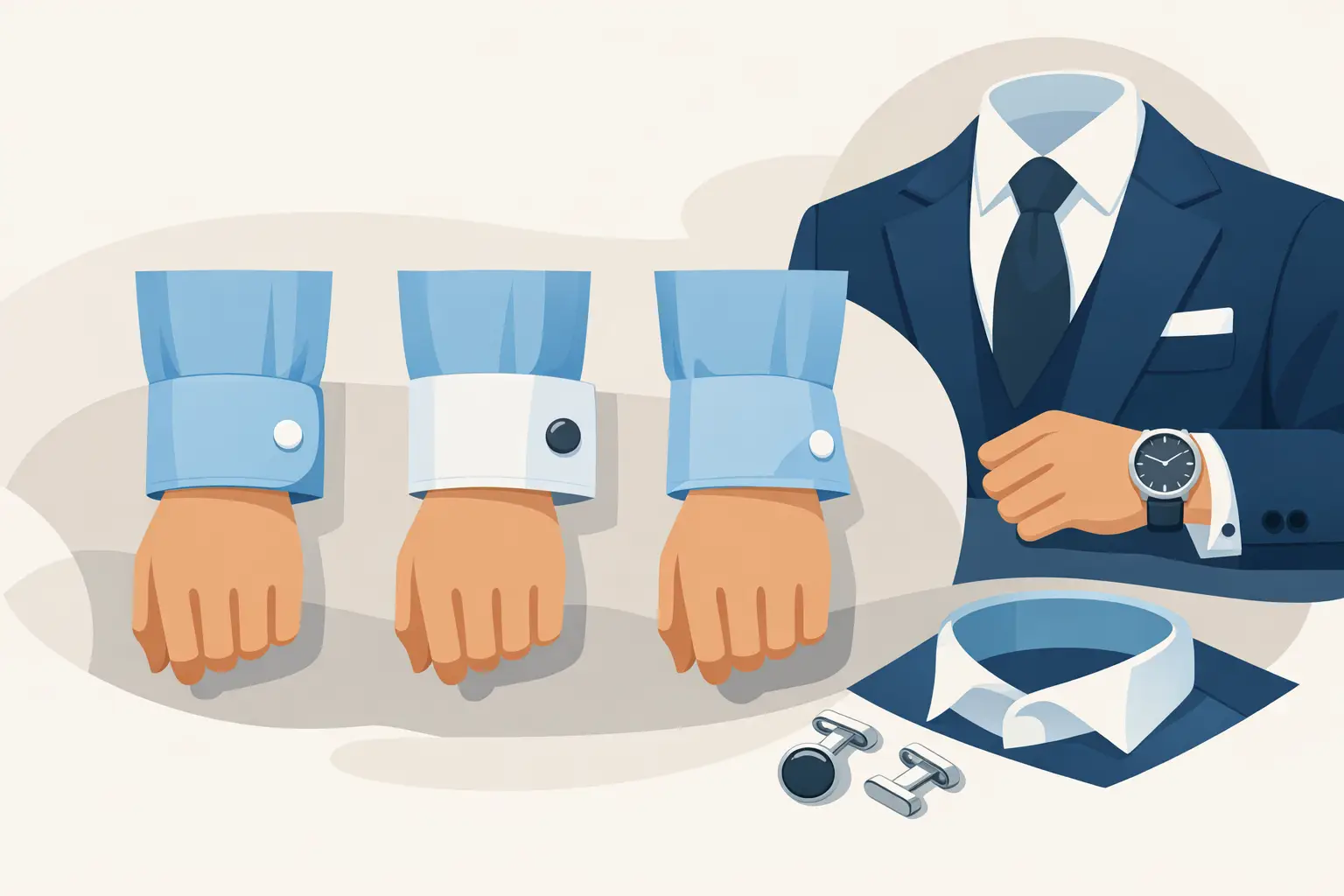
Length is equally important. With arms resting naturally, the cuff should finish at the break of the wrist bone. When worn beneath a tailored jacket, around a quarter to half an inch of cuff should show. Less than that and the shirt disappears. More than that and proportions begin to look affected.
Cuffs should close securely around the wrist without pinching. If they are too loose, they slide over the hand and lose structure. If too tight, they feel uncomfortable and can distort the sleeve line. For men who wear watches regularly, it is often wise to account for this in the fit so one cuff accommodates the watch without the other looking oversized.
Shirt length matters more than most men think
A dress shirt designed to be tucked should stay tucked. That sounds obvious, yet many shirts are cut too short or too boxy, causing them to pull free as the day goes on. The hem should be long enough to remain anchored when you sit, walk, and reach.
At the same time, length should not create bulk beneath the waistband. Too much cloth tucked into tailored trousers produces bunching and spoils the line of the seat and hip. A well-cut shirt balances security with cleanliness.
If you intend to wear the shirt untucked, the considerations change. A true dress shirt is usually too long for that purpose. In that case, a different hem shape and body length is more appropriate. One shirt rarely does every job perfectly.
The fit changes with the cloth
Not all shirting behaves in the same way. A crisp poplin will show fit with greater clarity. It looks exceptional when cut cleanly, but it is less forgiving of excess fullness or strain. An Oxford cloth carries more texture and visual softness, so it can work with a slightly more relaxed silhouette. Linen needs even more understanding. It creases by nature, so the fit should feel elegant rather than severe.
This is why good shirt fitting is never just about tape measurements. Cloth weight, weave, and intended use all affect the final result. A shirt for a summer wedding, a boardroom, and weekend wear should not all be judged by precisely the same standard.
The signs your shirt does not fit well
Most fitting problems reveal themselves quickly once you know what to look for. Gaping at the collar, pulling at the chest, dropped shoulders, blousing at the waist, sleeves that swallow the hand, and cuffs hidden entirely under the jacket are all common warnings.
Posture can complicate matters. A man with rounded shoulders may find ready-made shirts collapse at the chest and drag at the back. Someone with one shoulder lower than the other may notice an uneven cuff line. These are not unusual issues, but they do require a more considered approach than standard sizing allows.
That is often where alterations can help, though only up to a point. Sleeve length, body suppression, and cuff adjustment are usually manageable. Collar balance and shoulder correction are more complex. The closer the original garment is to your frame, the better the final outcome will be.
Why bespoke and custom make the difference
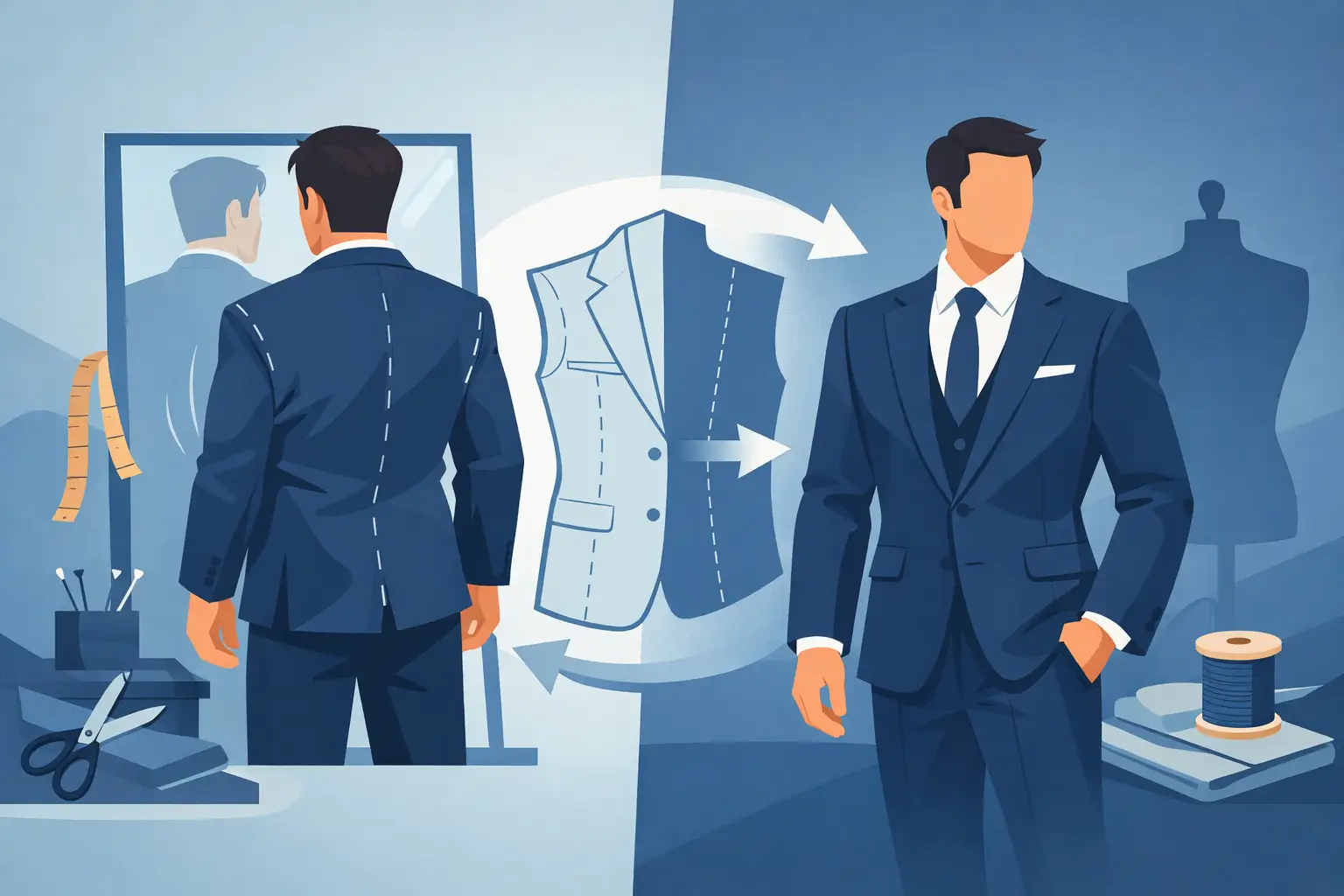
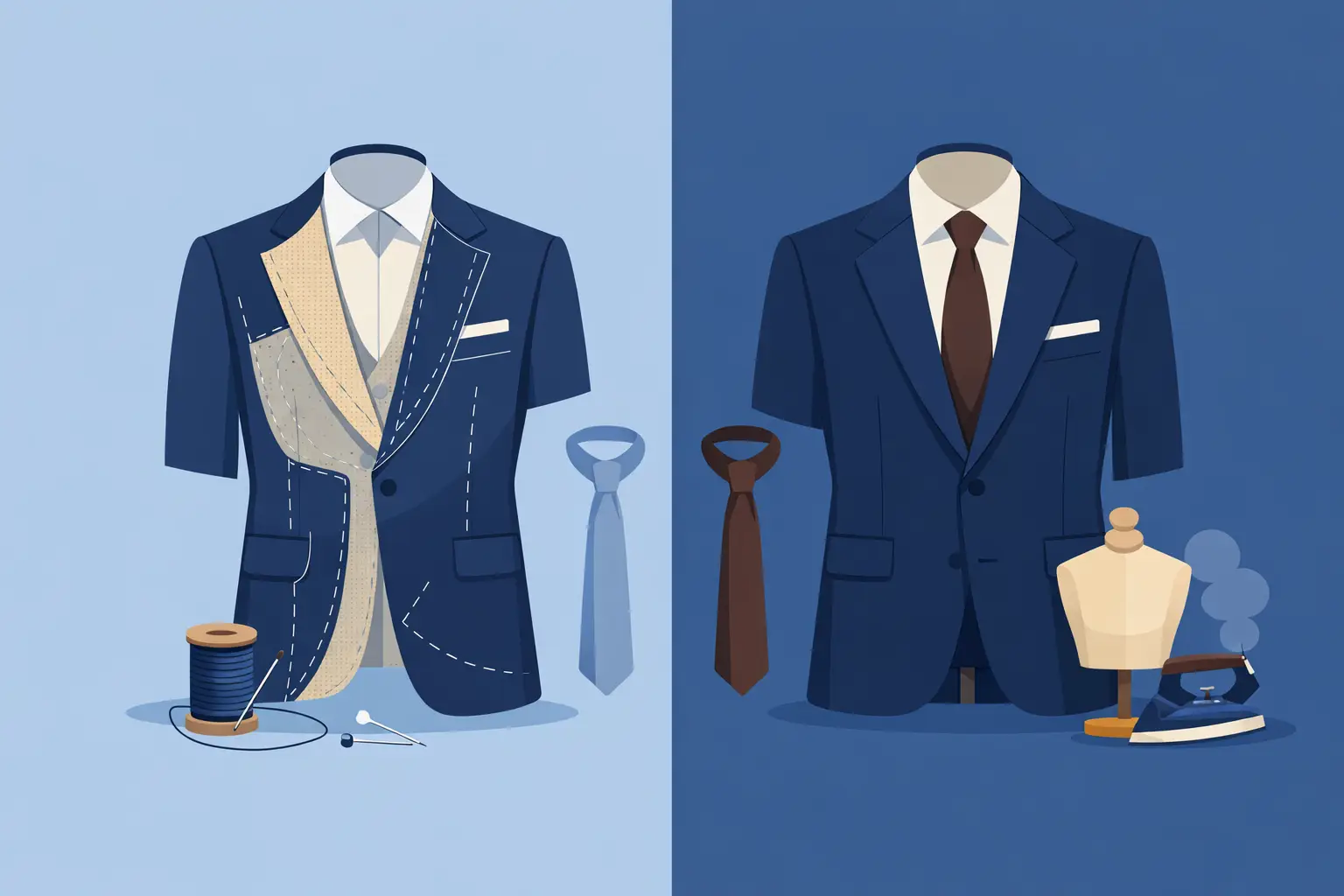
A truly excellent shirt does more than fit your neck and sleeve measurement. It accounts for stance, shoulder slope, wrist size, chest shape, and how you actually wear your clothes. It also considers the relationship between shirt, jacket, and tie, which is where real sartorial sophistication begins.
For a client building a serious wardrobe, custom shirting removes the compromises of standard sizing. You are no longer choosing whether to fit the collar and tolerate a full body, or fit the chest and accept a tight neck. Instead, each element is calibrated to you.
That is the quiet advantage of working with a tailoring house that understands the whole silhouette. At Manndiip, shirts are approached with the same precision as suiting – not as separate garments, but as part of a polished wardrobe designed to express the man wearing it.
The finest dress shirt fit does not call attention to itself. It simply sharpens everything around it – your jacket, your posture, your presence. When the proportions are right, the effect is immediate and unmistakable.