
A good overcoat usually reveals itself in the first ten seconds. The shoulders sit cleanly, the collar stays close to the neck, and the length gives the wearer presence rather than bulk. If you are wondering how to choose an overcoat, start there – not with trend, not with brand name, and certainly not with whatever happens to be most visible on a rail. An overcoat is one of the few garments that can sharpen everything beneath it or quietly undermine it.
For a man who already values tailoring, the overcoat is not an afterthought. It is the frame around business suiting, evening wear and occasion dressing. For a first-time buyer, it can feel deceptively simple. In practice, the right choice comes down to proportion, purpose, cloth and construction, with each decision affecting how the coat performs over time.
How to choose an overcoat for your wardrobe
The best overcoat is not necessarily the most dramatic or the most expensive. It is the one that works with the clothes you actually wear and the life you actually lead. A sharply cut black coat may look compelling in isolation, but if most of your wardrobe is built around navy tailoring, grey flannel and brown footwear, charcoal or dark navy may prove the more elegant choice.
Think first about use. If the coat is intended for weekday business dress, it needs enough room to sit comfortably over a jacket without looking oversized when worn open. If it is meant for weddings and formal occasions, the silhouette can be cleaner and more sculpted, because the coat will be paired with more considered ensembles. If it is for daily wear with knitwear, trousers and smart casual layers, versatility matters more than ceremony.
This is where many men go wrong. They choose the coat they admire rather than the coat they will reach for repeatedly. A well-chosen overcoat should feel inevitable with the rest of your wardrobe.
Start with fit, not fabric
An overcoat lives or dies by its cut. Even a beautiful cloth cannot rescue a poor line. The shoulders should follow your natural shoulder line with precision. Too narrow, and the coat pulls and restricts movement. Too broad, and the entire silhouette looks borrowed.
The chest and waist should allow layering without excess fullness. There should be enough room for a tailored jacket or substantial knit beneath, but not so much that the coat balloons when worn over a shirt. This balance is why off-the-peg overcoats can be frustrating: they often accommodate one part of the body while compromising another.
Sleeve length matters more than many realise. Ideally, the coat sleeve should finish just above the base of the thumb, allowing a hint of shirt or jacket cuff only when the arms are moving naturally. The collar is another detail that separates a polished coat from an average one. It should sit close against the shirt collar or jacket collar, without gaping at the back of the neck.
Length is equally important. A proper overcoat should offer coverage and elegance, which usually means finishing somewhere around the knee or just above it. Shorter coats can feel more casual and easier to wear, but they often lose the authority and balance that make an overcoat so effective over tailoring. Taller men can carry longer lengths with ease. Shorter men may prefer slightly less length, though too short can make the garment look more like a car coat than a true overcoat.
The question of layering
One of the most practical ways to assess fit is to try the coat on over the clothes you intend to wear beneath it. A coat that feels excellent over a shirt may become strained over a suit. Equally, a coat cut too generously in anticipation of layering can appear heavy when worn with lighter pieces. The right solution depends on your wardrobe habits, which is why personal fitting is so valuable.
Cloth decides character
Once fit is established, cloth becomes the defining choice. This is where warmth, drape and visual texture enter the conversation.
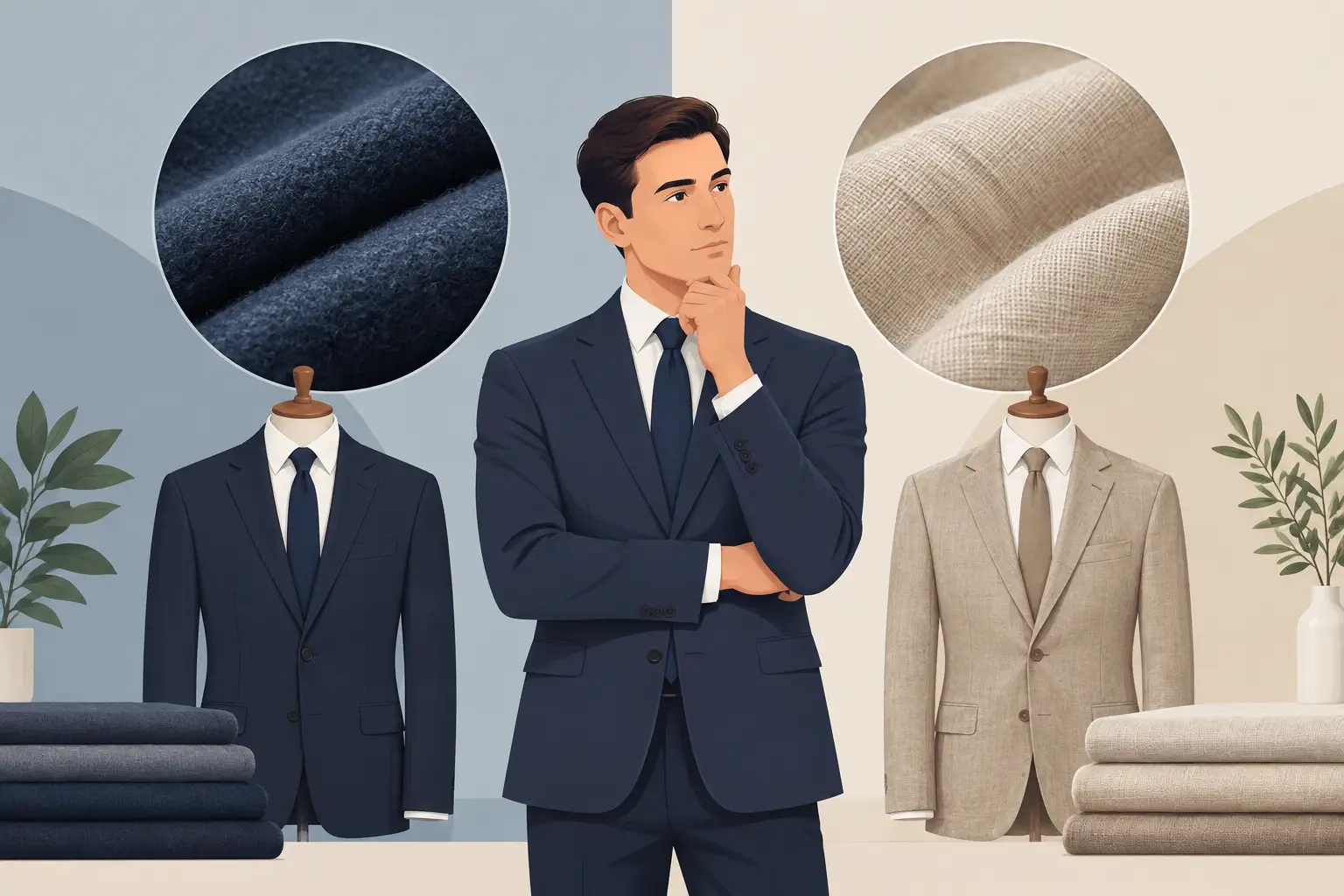
For a classic city overcoat, wool is the natural starting point. A substantial woollen cloth offers warmth, shape retention and a refined surface that complements suiting. Cashmere or wool-cashmere blends add softness and a more luxurious handle, but there is always a trade-off. Pure cashmere feels exceptional, yet it can be more delicate and may not hold up as robustly to regular hard wear as a dense wool cloth.
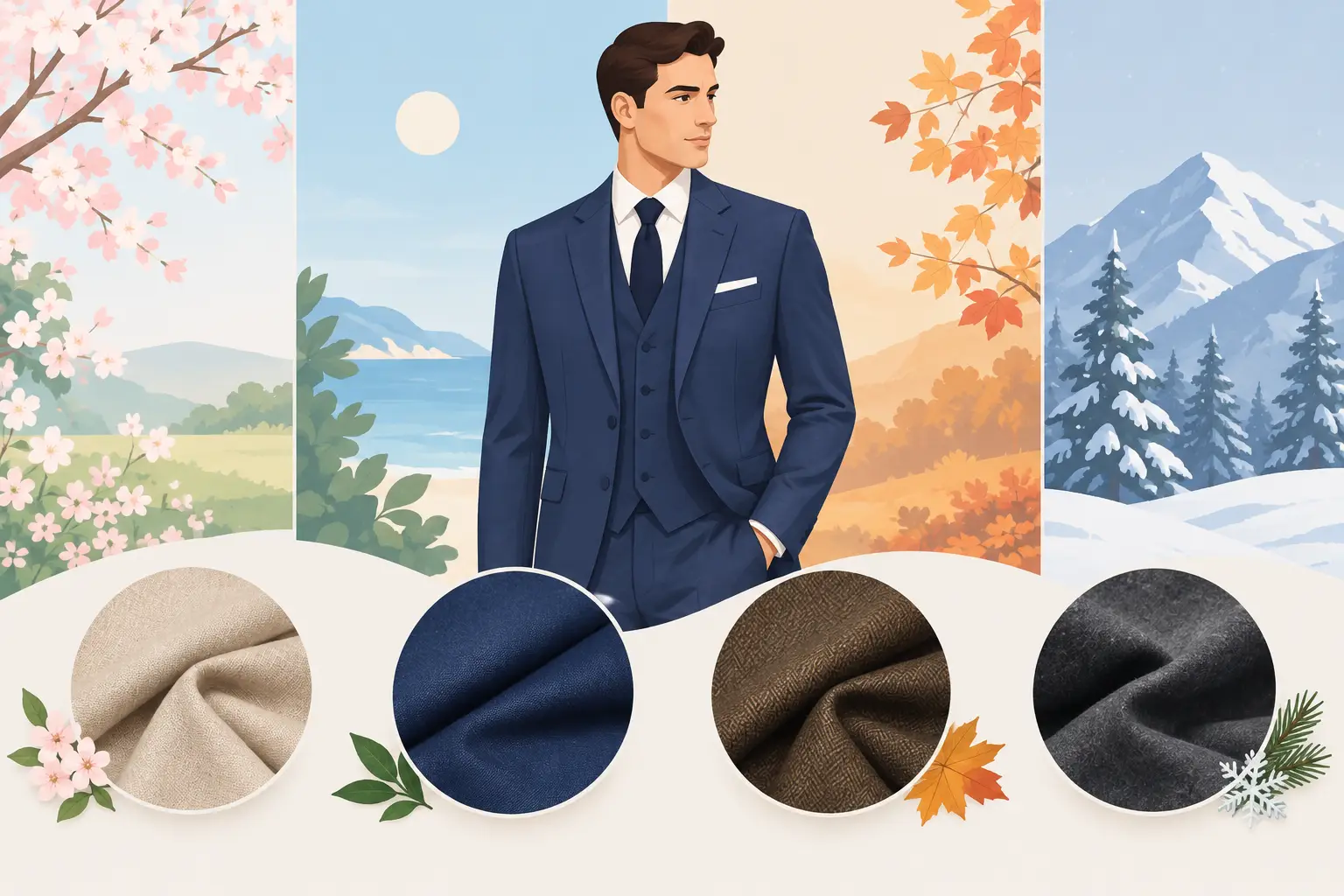
Weight also matters. A heavier coat cloth tends to drape beautifully and feel reassuring in cold weather, though it may be less practical if you spend much of your day moving between heated interiors. A lighter cloth can be more flexible across seasons, but if it is too light, the coat may lack presence and structure.
Texture changes the mood of the garment. A smooth melton reads formal and metropolitan. A covert cloth or tweed-inspired finish introduces depth and a slightly country-inflected character. Neither is better in absolute terms. It depends on whether you want the coat to sit naturally over business suits, weekend flannel and knitwear, or both.
Choose a style that suits your build and setting
There is no single correct overcoat style, but there is usually a most flattering one for your frame and wardrobe.
A single-breasted overcoat is often the easiest place to begin. It is clean, versatile and quietly confident. It works well for men who want one coat to move between office, dinner and occasion wear. A three-button or concealed fastening version can feel especially streamlined.
A double-breasted overcoat offers more presence. It broadens the chest visually, creates a stronger wrap across the front and carries an inherently dressier tone. For taller men, or those with broader shoulders, it can be exceptionally elegant. For smaller frames, it can still work beautifully, but proportion becomes even more important. Too much cloth or an overly aggressive lapel can overwhelm the wearer.
Then there are details such as raglan sleeves, ticket pockets, belt backs and peak lapels. These are not merely decorative choices. They alter the formality and personality of the coat. The man building a disciplined business wardrobe may prefer restraint. The man refining a distinctive wardrobe may welcome more expressive details, provided the fundamentals remain sharp.
Colour is less simple than black or camel
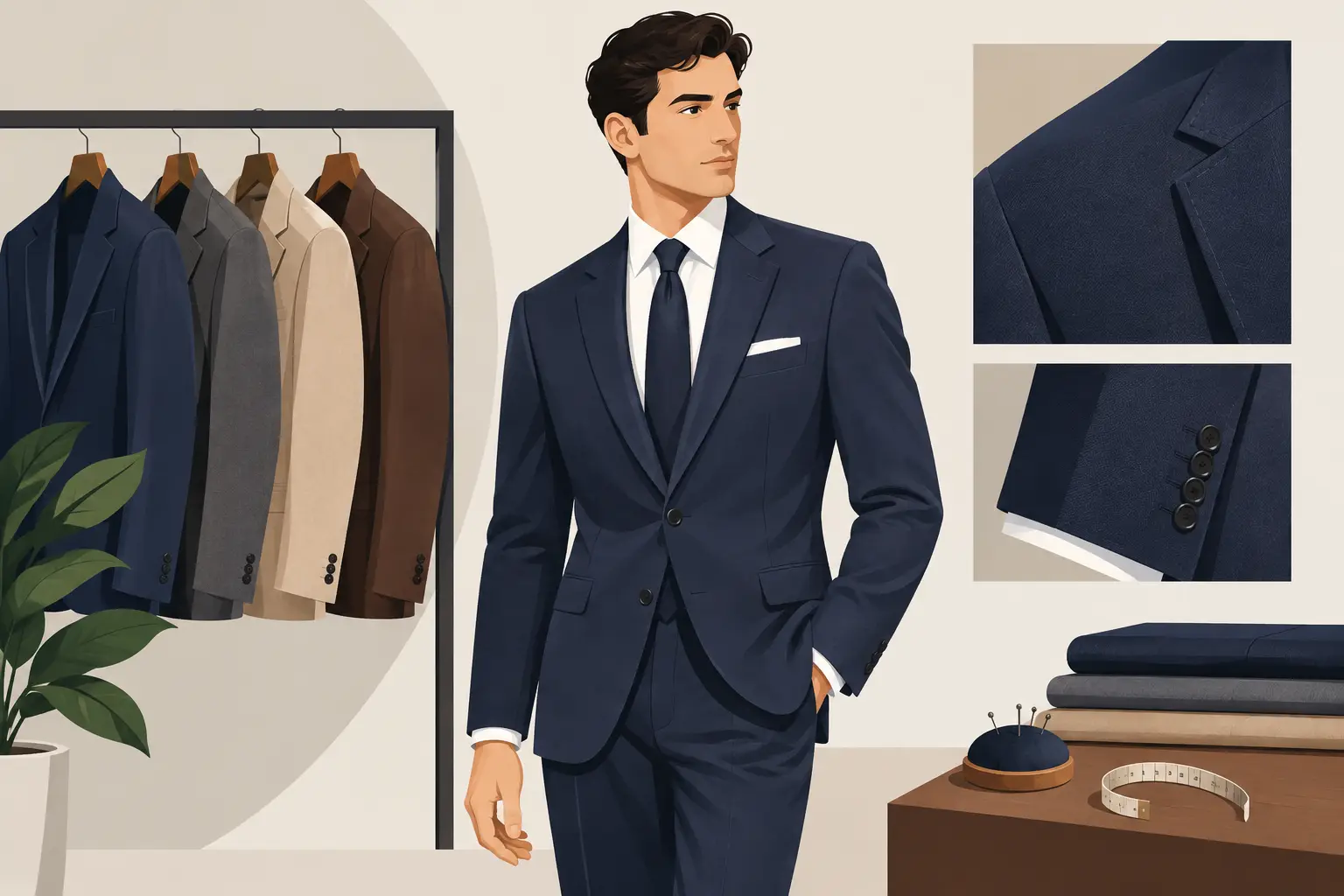
Navy, charcoal and dark grey are often the strongest first purchases because they work effortlessly with business tailoring and formal dress. Camel is undeniably stylish, but it asks more of the wearer. It shows wear more readily, feels less severe and can be magnificent in the right wardrobe, especially when paired with mid-grey, brown and cream.
Black has formal authority, but it can also look flat in daylight and unforgiving against certain complexions. For many men, a deep navy or charcoal offers greater sophistication and more flexibility. If you already own conservative outerwear, then a richer tone such as tobacco, forest green or a subtle Prince of Wales pattern can add character without sacrificing elegance.
Construction is what you notice after a year
Most overcoats look respectable when they are new. Fewer continue to look composed after a season of wear. Construction is the difference.
Look for a coat that holds its shape through the chest and collar, with clean balance from front to back. The canvas, internal structure and finishing all affect how the coat settles on the body and how it responds to use. A well-constructed overcoat will move with you, maintain its line and age with dignity.
Pay attention to the button stance, the lapel roll, the quality of the lining and the way the hem hangs. These details sound minor until you wear the coat often. Then they become the reasons one coat feels authoritative and another merely adequate.
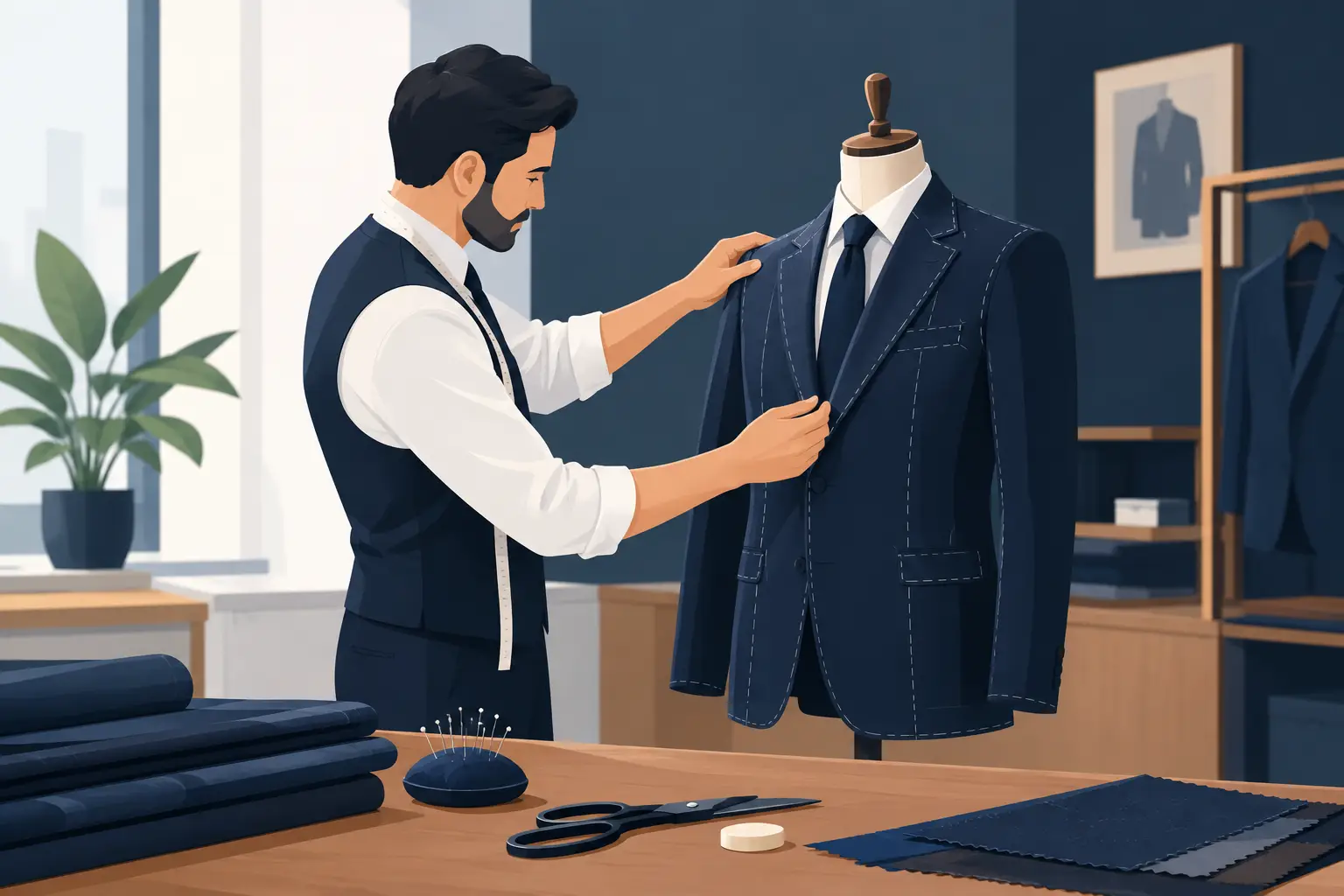
This is also where bespoke or made-to-measure becomes particularly persuasive. Overcoats are worn over other garments, which means precision is more complex than with a jacket alone. The coat must account for your posture, shoulder shape, arm position and preferred layering. When those variables are handled properly, the result is markedly different.
How to choose an overcoat without chasing fashion
Trends have their place, but overcoats reward discipline. Extreme oversized cuts, exaggerated shoulders or overly fashion-led lengths date quickly. If you are investing properly, choose a silhouette with longevity. That does not mean dullness. It means selecting proportion and detail that will still feel elegant five winters from now.
A timeless overcoat has enough personality to feel individual, but not so much that it becomes restrictive. That balance is where real sartorial sophistication sits. At Manndiip, that often means guiding clients towards clean architecture, rich cloth and subtle detailing that supports the wearer rather than competing with him.
If you are unsure, ask a simple question: will this coat still make sense with my best suit, my eveningwear and my smart weekend wardrobe? If the answer is yes, you are close.
An overcoat should do more than keep out the cold. It should complete your silhouette, lend authority to the way you dress and make even familiar clothes feel more resolved. Choose with patience, insist on fit, and let the final decision be the one that looks as though it was always meant for you.