
A strong upper frame can look commanding in tailoring – or slightly overwhelming if the coat is cut without enough consideration. The best suits for broad shoulders do not try to hide that structure. They refine it, balance it and give it purpose, so the whole silhouette appears clean, athletic and composed rather than top-heavy.
This is where many ready-made suits fall short. A jacket that technically fits across the shoulders often ends up too generous through the chest and waist, while sizing down to neaten the body can create drag lines, sleeve tension and a strained front. Broad shoulders are an asset, but they need proportion, not compromise.
What broad shoulders need from a suit
The first priority is accuracy across the shoulder line itself. If the shoulder is too narrow, the cloth pulls at the upper sleeve and the lapel refuses to sit properly. If it is too wide, the jacket starts to look boxy and heavy, which defeats the point. A well-cut coat should follow your natural shoulder cleanly, with enough room for movement but no excess extension.
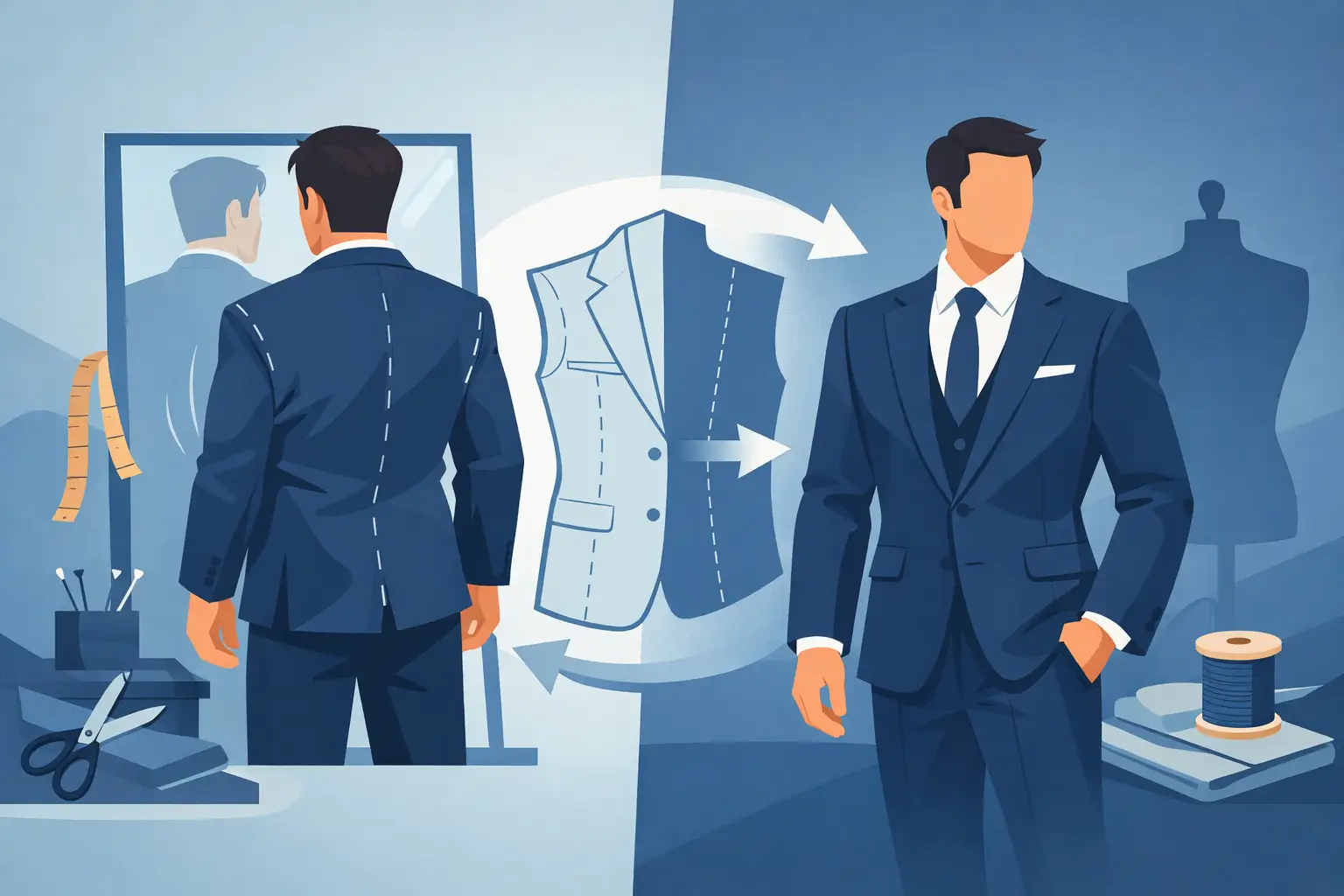
After that, the eye needs to be guided downwards. The chest should feel shaped rather than swollen, the waist should be defined without being pinched, and the skirt of the coat should fall cleanly over the hips. When this balance is right, broad shoulders read as powerful and elegant. When it is wrong, the upper body dominates and the rest of the suit disappears.
This is why broad-shouldered men often benefit from tailoring that considers the whole line of the body instead of chasing one isolated measurement. The shoulder, lapel, button stance, waist suppression and trouser cut must all speak to one another.
Best suits for broad shoulders: the cuts that work
For most men with a broader frame, a softly structured jacket with measured waist definition is the most flattering starting point. It respects the shoulder without exaggerating it. A coat with light construction, clean drape and a natural chest usually works better than anything heavily padded or aggressively roped, especially for business wear.
A single-breasted two-button suit is often the safest and smartest option. It elongates the torso, keeps the front clean and avoids adding unnecessary visual width. The lower button stance found on many well-cut two-button jackets also helps lengthen the body, which is useful if your shoulders are the dominant feature.
Double-breasted suits can look exceptional on broad shoulders, but only when the balance is carefully judged. They bring authority and presence, yet the extra fabric across the front can become imposing if the coat is cut too square or the overlap too full. For a wedding suit or formal city wardrobe, a restrained double-breasted jacket with elegant lapel proportion can be superb. For daily office use, it depends on your height, chest depth and how much structure you naturally carry.
A slightly longer jacket length is another detail worth considering. Cropped coats make the torso look blockier and can overemphasise width. A proper length restores harmony and gives the suit a more settled, expensive appearance.
Shoulder construction matters more than most men realise
Men with broad shoulders are often told they need structure, but that advice is only half true. What they need is disciplined structure. Heavy padding can make the upper body look even broader, particularly if you already have a straight, athletic shoulder line. In many cases, softer padding or a natural shoulder is more sophisticated.
That said, completely deconstructed jackets are not always ideal either. Too little support can make the chest collapse and leave the coat looking underpowered against a strong frame. The best result usually sits in the middle – enough internal architecture to hold shape, but not so much that the jacket becomes armour.
Lapels should balance, not compete
Lapels have a quiet but decisive effect on proportion. Very slim lapels can make broad shoulders seem even broader by contrast, while excessively wide lapels can create visual bulk. A medium to slightly wider lapel usually provides the right counterweight.
Peak lapels can be particularly elegant on broad-shouldered men because they sharpen the chest and introduce a vertical sweep upwards. Notch lapels remain highly versatile for business and everyday wear. The key is proportion to your frame, not trend-led narrowness.
Trousers are part of the answer
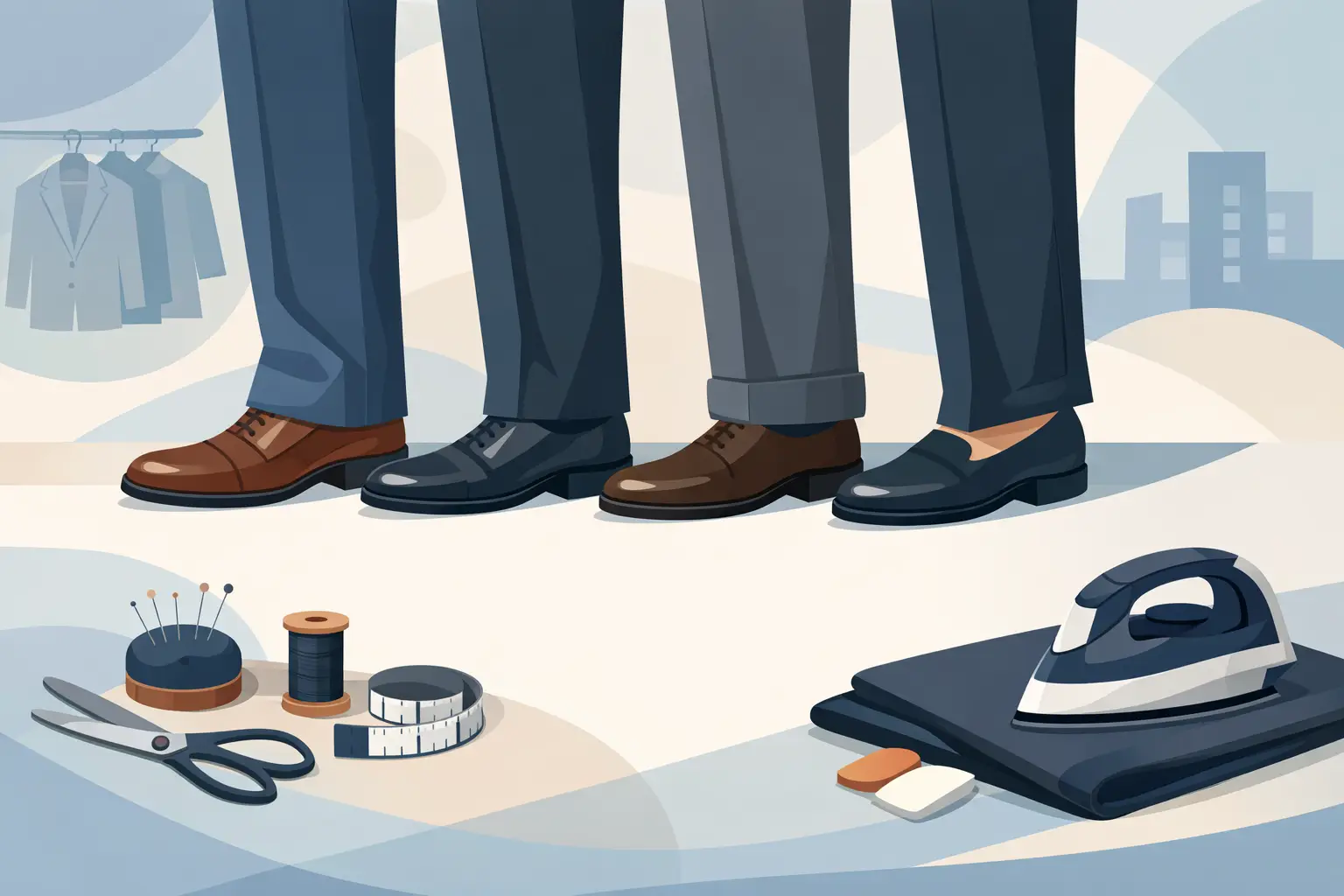
A broad upper body needs the lower half of the suit to hold its own. This does not mean adding volume for the sake of it, but it does mean avoiding trousers that taper too aggressively. If the trouser is too narrow through the thigh and calf, the shoulders appear even wider and the suit loses balance.
A tailored trouser with a clean line, enough room in the thigh and a measured taper is usually the right call. For some men, a single pleat adds ease and drape that complements the jacket beautifully. For others, a flat front with proper cut through the top block will be sharper. It depends on build, posture and how formal the suit needs to feel.
The rise also matters. A slightly higher rise can lengthen the leg line and help the jacket and trouser meet more elegantly at the waist. Low-rise trousers often shorten the lower half and make the upper body look more dominant.
Cloth and pattern choices for broad shoulders
Fabric can subtly change how broad shoulders are perceived. Very stiff cloths can make the jacket stand away from the body, adding unnecessary volume. Cloth with some fluidity tends to drape better and soften the line of the upper body. For many men, a mid-weight worsted wool is the most reliable foundation – polished, versatile and stable without feeling rigid.
Pattern should be used with intention. Broad checks across the chest can widen the frame visually, while plain cloths, understated texture and finer patterns are often more flattering. A discreet vertical element such as a pinstripe can lengthen the silhouette nicely, particularly in business tailoring.
Colour follows a similar logic. Darker tones naturally slim and refine, but that does not mean broad-shouldered men should live in navy and charcoal alone. Mid-grey, rich brown, deep green and muted blue can all work beautifully when the cut is disciplined. The real question is not whether a colour is bold, but whether the suit is balanced enough to carry it.
Common mistakes to avoid
The most common error is trying to minimise broad shoulders by simply wearing a larger jacket. That approach usually creates too much room through the chest, waist and sleeve, leaving the coat shapeless. Another frequent problem is overcorrection through the midsection. If the waist is suppressed too aggressively, the shoulders look even broader and the silhouette starts to feel theatrical.
Very skinny cuts are rarely successful. They tighten the upper arm, flatten the chest and create tension lines that make the whole suit look undersized. Equally, oversized contemporary cuts can overwhelm a broad frame unless they are handled with real precision.
Short jacket lengths, tiny lapels and ultra-narrow trousers tend to work against proportion as well. Each on its own may seem minor, but together they produce exactly the kind of visual imbalance you want to avoid.
Why bespoke and alterations make such a difference
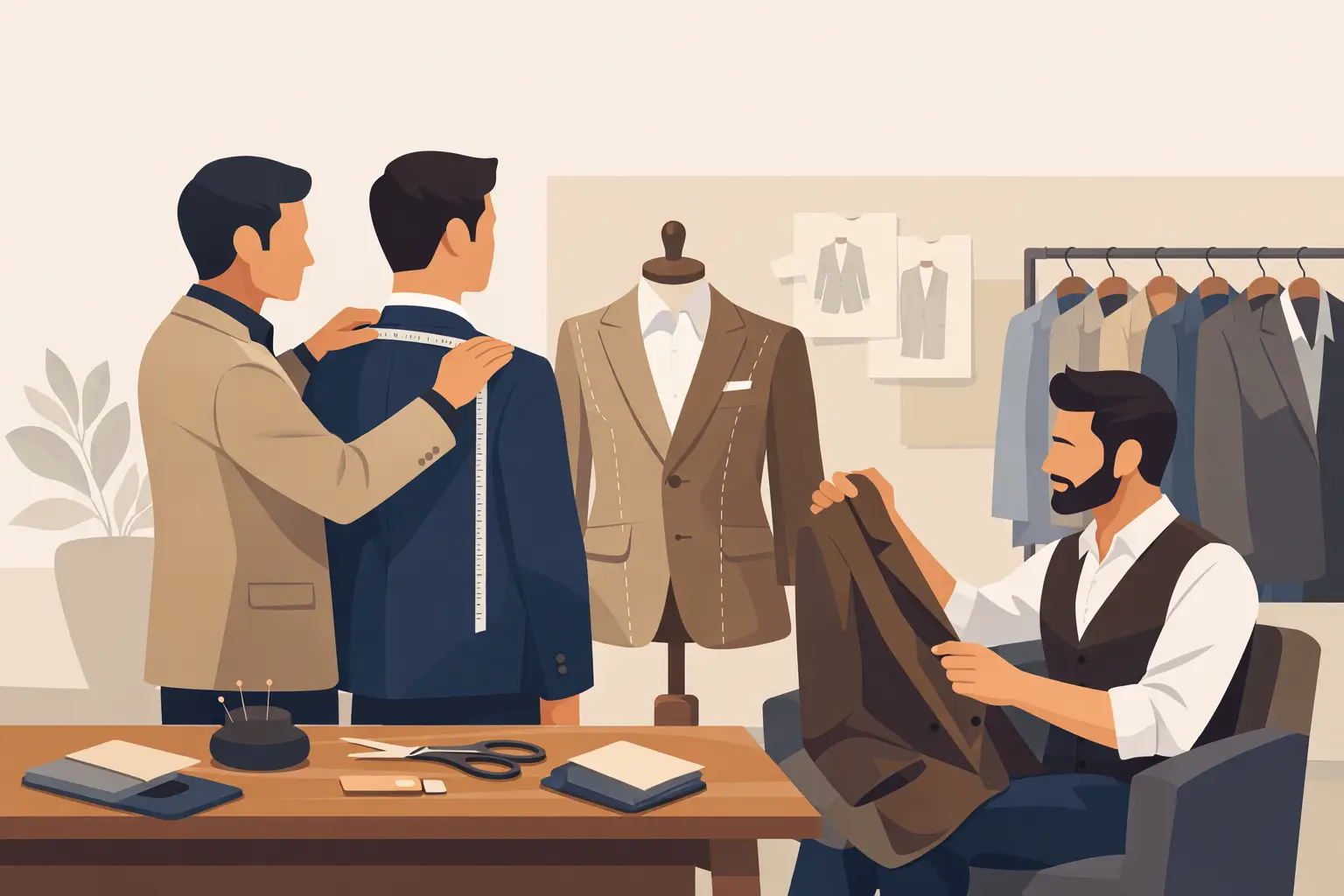
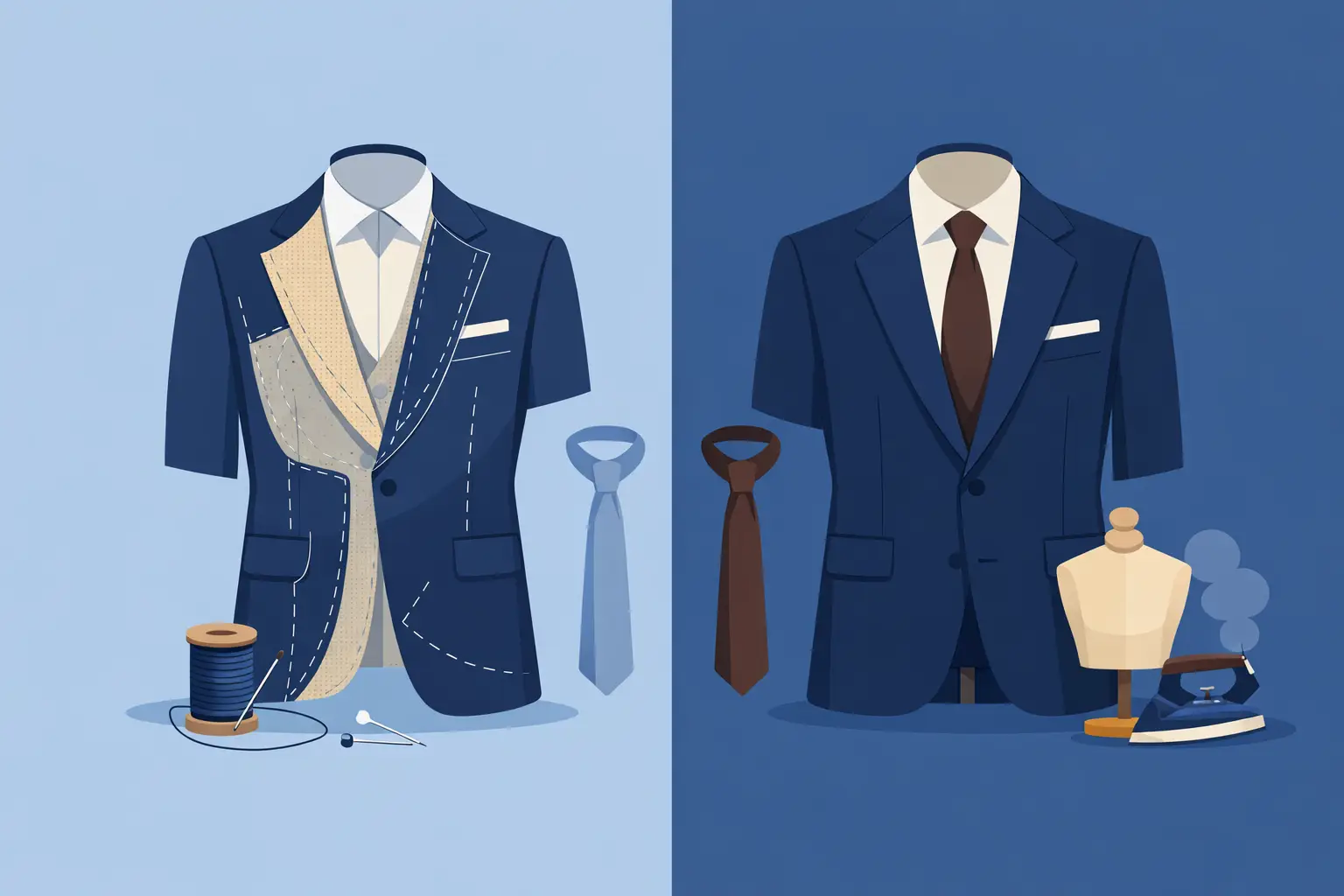
Broad shoulders are one of the clearest examples of why true fit goes beyond chest size. Two men can share the same shoulder measurement and need entirely different jackets because their posture, chest depth, waist placement and arm position differ. That is where bespoke tailoring and intelligent alteration work justify themselves.
A skilled cutter can shape the coat so the shoulder sits cleanly while the body remains elegant and close. Armholes can be positioned for comfort and movement, sleeve pitch can be corrected, and the balance of the jacket can be adjusted so it hangs properly from the neck and shoulder line. These are not cosmetic details. They are the difference between a suit that merely closes and one that genuinely flatters.
For men building a serious wardrobe, this level of precision becomes even more valuable across categories. A business suit may call for restraint and polish. A wedding suit may allow more statement through lapel shape, cloth or fastening. An overcoat worn over broad shoulders needs enough room for layering without becoming bulky. Each garment asks slightly different questions of the same frame.
At Manndiip, that conversation begins with the body in front of us rather than a standard size chart. The goal is always the same: a silhouette that feels assured, elegant and unmistakably your own.
If you have broad shoulders, the answer is not to dress smaller or looser. It is to wear tailoring that understands proportion – and once that balance is right, your frame does much of the work for you.