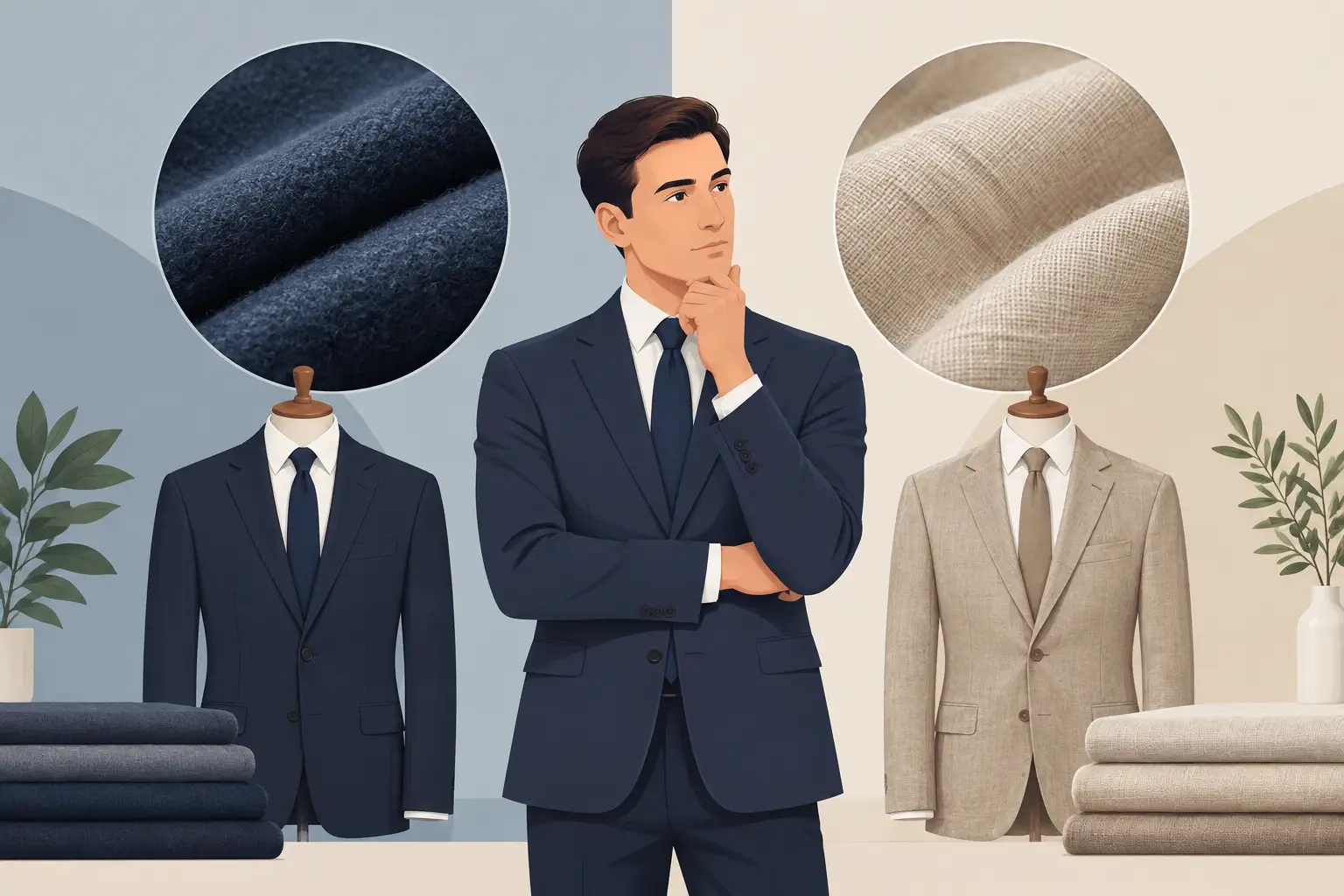
A wedding invitation says morning dress. Another event calls for a lounge suit. On paper, the distinction looks minor. In practice, it changes the entire silhouette, level of formality and impression you make. If you have ever paused over morning suit vs lounge suit, the difference is less about fashion trivia and more about dressing with precision for the occasion.
A well-dressed man should never look as though he guessed. He should look as though every element was chosen with intent – from the line of the coat to the shape of the trouser and the tone of the cloth. That is exactly why this comparison matters.
Morning suit vs lounge suit: the essential difference
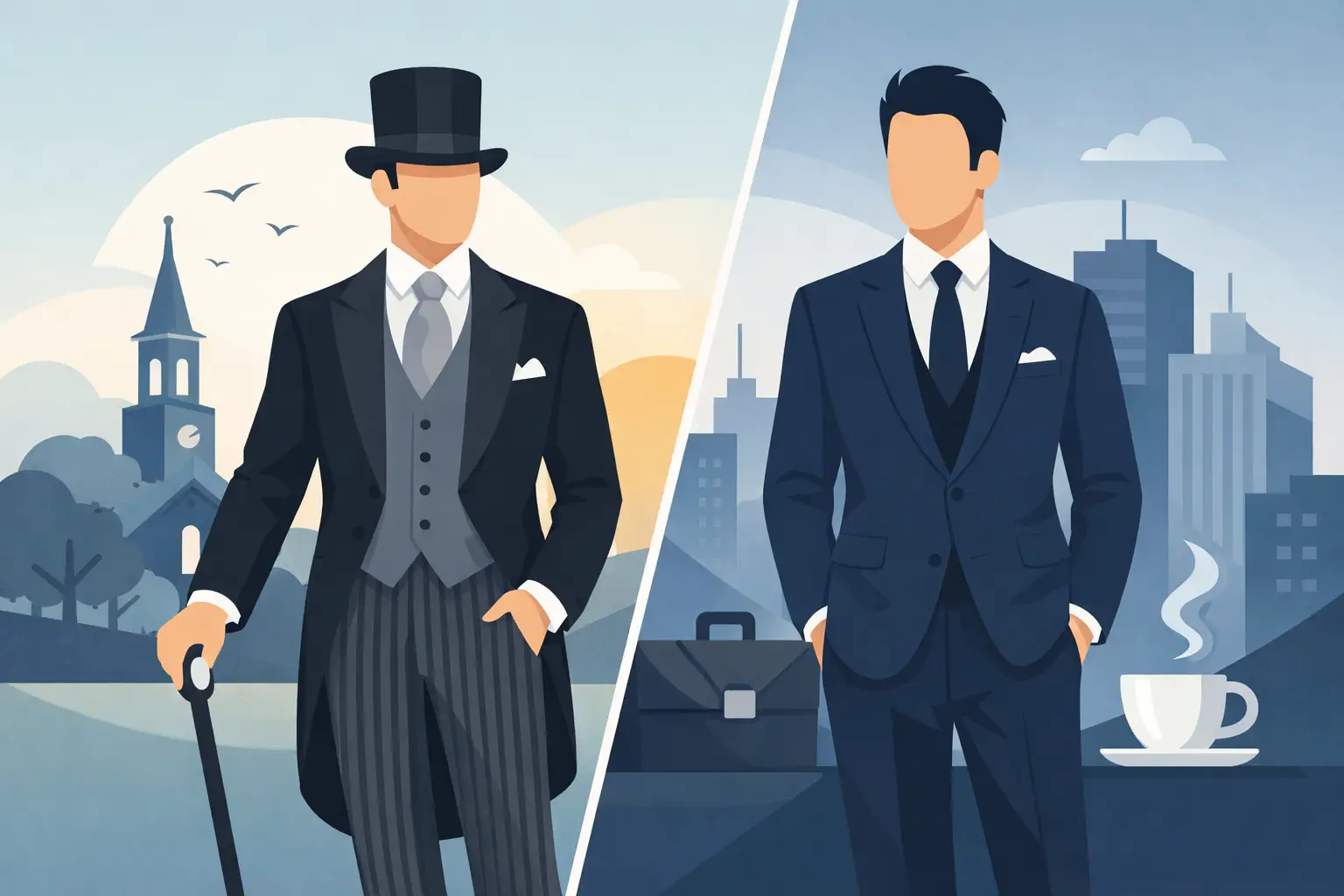
The clearest way to understand morning suit vs lounge suit is to start with purpose. A morning suit is formal daywear. A lounge suit is standard tailored day-to-evening wear. They do not occupy the same rung on the dress scale, even if both belong to the broad family of suiting.
A morning suit traditionally consists of a morning coat with curved front edges that sweep back into tails, formal striped or checked trousers, a waistcoat, shirt and tie or cravat. It is ceremonial. It carries tradition, hierarchy and a certain grandeur. You wear it when the dress code specifically demands morning dress, or when the occasion is elevated enough to justify it – most commonly weddings, Royal Enclosure events and certain civic or formal daytime ceremonies.
A lounge suit is the suit most men know best. Matching jacket and trousers, usually worn with a shirt and tie, though occasionally without. It is versatile, contemporary and suitable across business, weddings, social events and many formal occasions where the brief is polished but not ceremonial.
So the real distinction is not simply cut. It is social meaning. A morning suit announces formality. A lounge suit signals refinement without ritual.
What defines a morning suit
The morning suit is one of the most recognisable expressions of British tailoring. Its anatomy is precise. The coat is cut to taper through the waist and fall away at the front, creating a graceful line that lengthens the body and gives presence from every angle. Trousers are usually not made from the same cloth as the coat. Instead, they are traditionally grey or black striped trousers, sometimes with a subtle check. That contrast is part of the code.
The waistcoat matters more than many men realise. In a morning suit, it is not a background piece. It helps frame the shirtfront and gives the outfit its depth. Buff, dove grey and pale blue can all work beautifully depending on the event, especially for weddings. A double-breasted waistcoat brings more authority, while a single-breasted version can feel cleaner and slightly softer.
Morning dress is at its strongest in daylight. That timing is built into its history. It was designed for formal daytime occasions, which is why it feels entirely correct at a church wedding before lunch and decidedly less so at an evening reception unless the dress code continues throughout.
There is also less room for improvisation. With a lounge suit, you can adjust the level of formality through fabric, shirt, tie and shoes. With a morning suit, the framework is stricter. That is part of its elegance, but also part of its challenge.
When a morning suit is the right choice
The right moment for a morning suit is usually one of three things: the invitation requests morning dress, the event follows longstanding daytime formal traditions, or you are the principal figure in a ceremony that merits a more distinguished standard of dress.
Weddings are the most common example. A groom in a morning suit instantly looks set apart from his guests. That can be especially effective when the ceremony is traditional, held earlier in the day, or staged in a grand setting. A morning suit also gives the wedding party visual hierarchy without relying on novelty styling.
Still, there is a balance to strike. A country house wedding at noon can carry morning dress beautifully. A relaxed registry office ceremony followed by drinks may not need that degree of formality. Dress codes work best when they suit the architecture of the day.
What defines a lounge suit
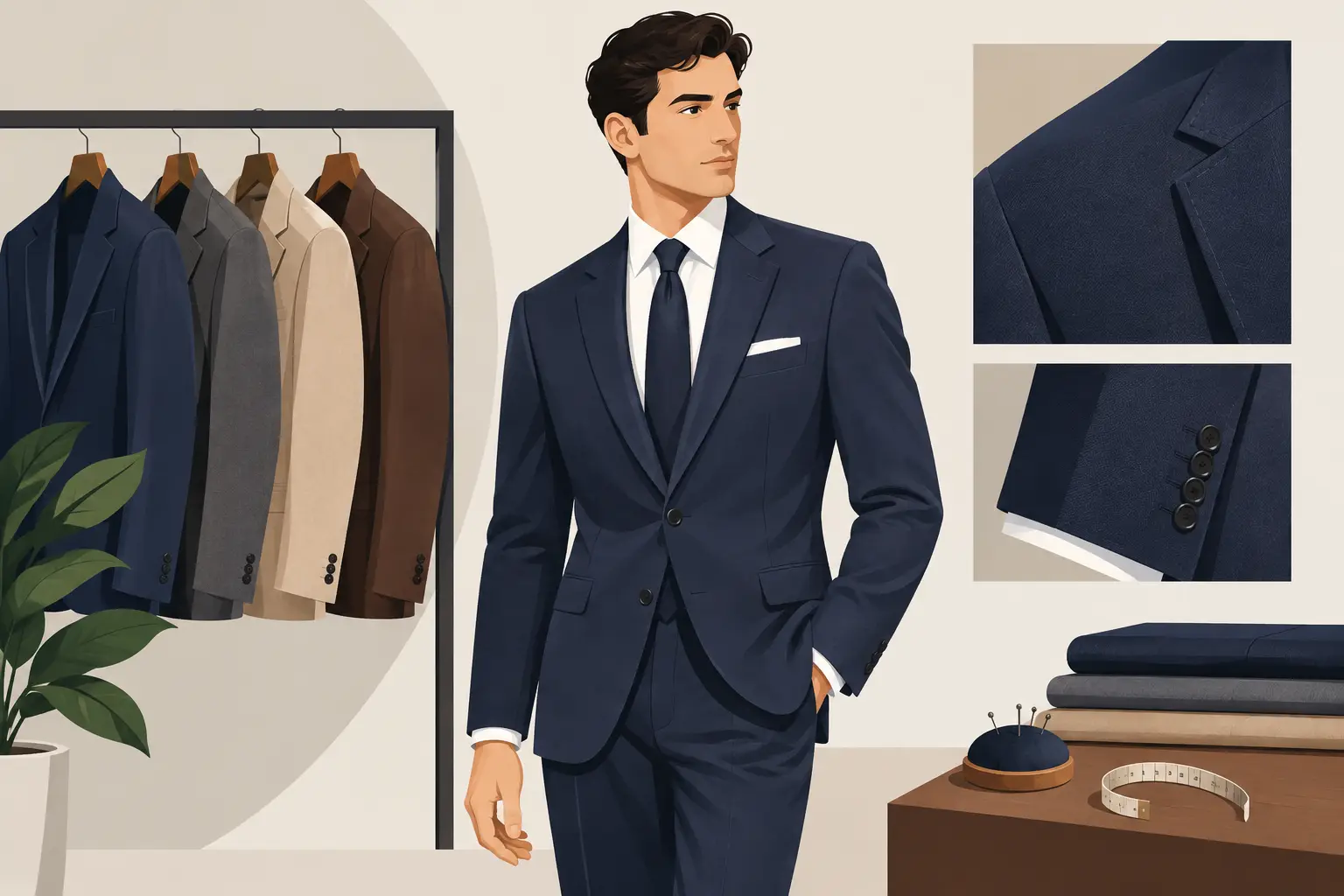
The lounge suit is the foundation of the modern gentleman’s wardrobe. It is less ceremonial than morning dress, but no less powerful when it is cut properly. In its best form, a lounge suit creates clarity – clean shoulders, balanced lapels, a shaped waist and a trouser line that falls neatly without drag or collapse.
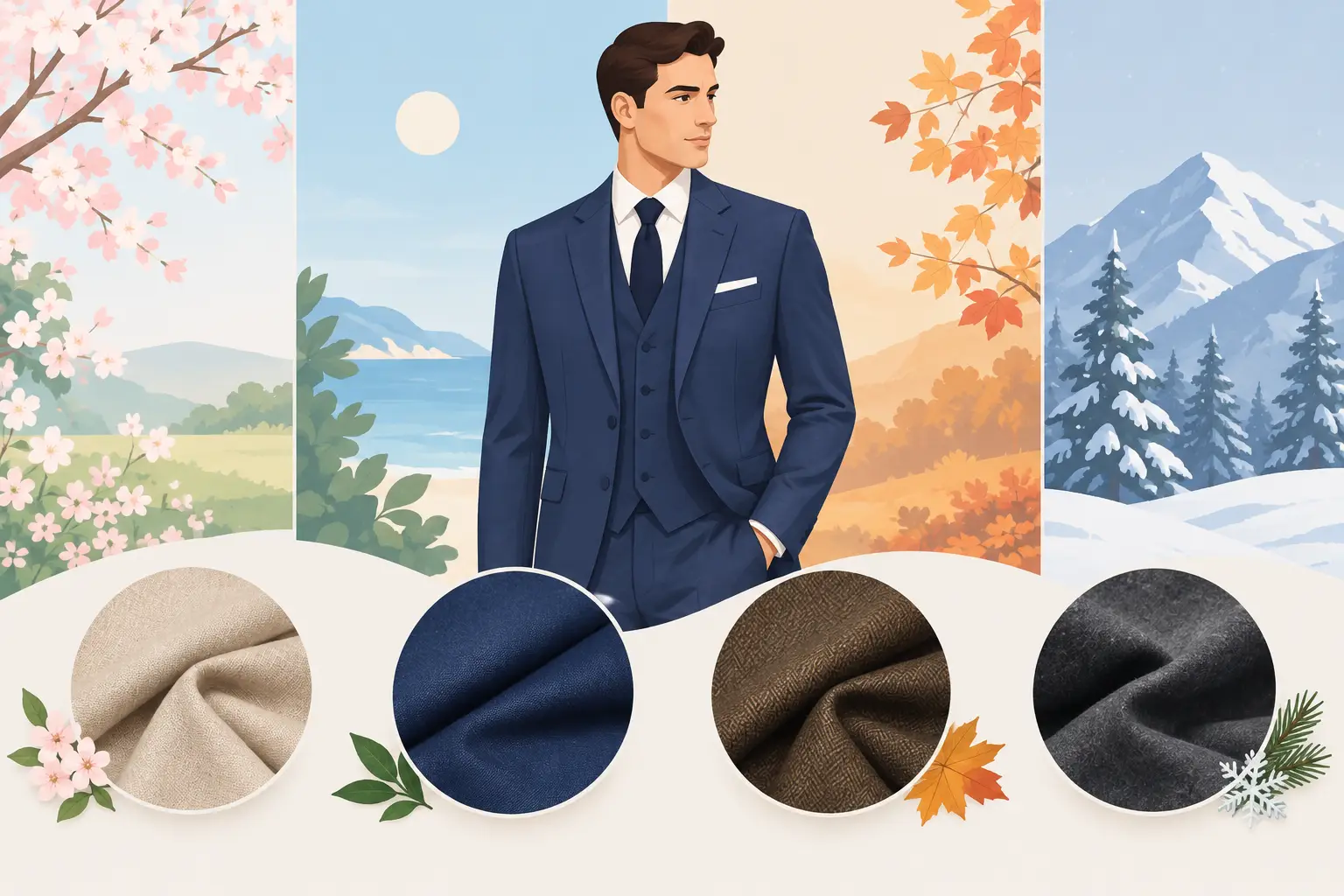
This is the suit you will wear most often, which is precisely why details matter. Navy and charcoal remain the strongest cornerstones because they adapt so well across professional and social settings. For weddings, mid-blue, subtle checks and lighter seasonal cloths can introduce personality while staying polished. For business, structure and restraint usually matter more than flair.
Unlike a morning suit, a lounge suit is made from matching cloth throughout. That unity gives it flexibility. With the right shirt, tie and shoes, the same suit can move from boardroom to wedding guest attire with ease. It does not insist on ceremony, but it can absolutely rise to occasion.
When a lounge suit is the better option
For most modern events, the lounge suit is the correct answer. If the invitation says suits, formalwear or simply gives no elaborate dress instruction at all, a properly tailored lounge suit will usually be appropriate. It is especially well suited to afternoon and evening weddings, business functions, dinners and events where you want authority without overt grandeur.
There is also a practical point. Most men will have multiple opportunities to wear a lounge suit, whereas a morning suit may only emerge for a handful of occasions. If you are building a wardrobe with long-term value in mind, that matters.
None of this diminishes the appeal of morning dress. It simply means that formality should be intentional rather than automatic.
Morning suit vs lounge suit for weddings
This is where the question appears most often, and rightly so. Weddings sit at the intersection of personal style, dress code and ceremony. The choice between morning suit vs lounge suit should start with the tone of the wedding rather than the groom’s mood on the day.
If the event is traditional, held in the morning or early afternoon, and shaped by a sense of occasion, a morning suit can be superb. It photographs with distinction, frames the groom beautifully and creates a level of sartorial sophistication that ordinary suiting cannot quite match. It also gives the father of the bride, groomsmen and close family a coherent formal language if they are dressed accordingly.
If the wedding is more contemporary, later in the day or intentionally understated, a lounge suit often feels more natural. A beautifully cut two-piece or three-piece can still look elevated, especially in richer cloths and with carefully chosen accessories. It allows the groom to look special without appearing disconnected from the mood of the event.
This is where tailoring becomes decisive. A mediocre morning suit can look theatrical. A mediocre lounge suit can look forgettable. The right cut, cloth weight, balance and finishing are what turn either option into a statement of confidence.
The style trade-offs worth knowing
Morning dress offers more theatre, more tradition and more visual authority. In return, it asks for stricter adherence to form and offers less versatility. It is magnificent when right, but it is not casual, adaptable or particularly forgiving of poor fit.
The lounge suit offers flexibility, repeat wear and broader usefulness. It can be styled up or down depending on the setting. The trade-off is that it will never carry the same ceremonial force as a morning suit. Even an exceptional lounge suit is speaking a different language.
Fit is also read differently between the two. A morning coat depends on elegant suppression through the waist and clean balance through the skirt. A lounge jacket depends on proportion, chest drape, shoulder expression and trouser break. Both require accuracy. Neither should be bought on the assumption that close enough is good enough.
How to choose well
The best decision is usually the one that respects both the event and the wearer. Start with the dress code. Then consider time of day, venue and your role. After that, think about whether you want timeless discretion or ceremonial presence.
A first-time bespoke client often benefits from a calm, expert conversation at this stage. Not because the rules are impossible, but because nuance matters. A groom may love the romance of morning dress, yet find that his venue and schedule are better served by a richly tailored three-piece lounge suit. Another may assume a standard suit is enough, only to realise that the scale of the occasion calls for something more formal.
At Manndiip, this is where craftsmanship and judgement meet. The right garment is not selected in isolation. It is shaped around body, brief and setting so that the finished result feels assured rather than overdone.
If you are deciding between the two, ask a simple question: should your clothes blend elegantly into the occasion, or should they elevate it with ceremony? The answer usually tells you exactly which suit belongs on your shoulders.