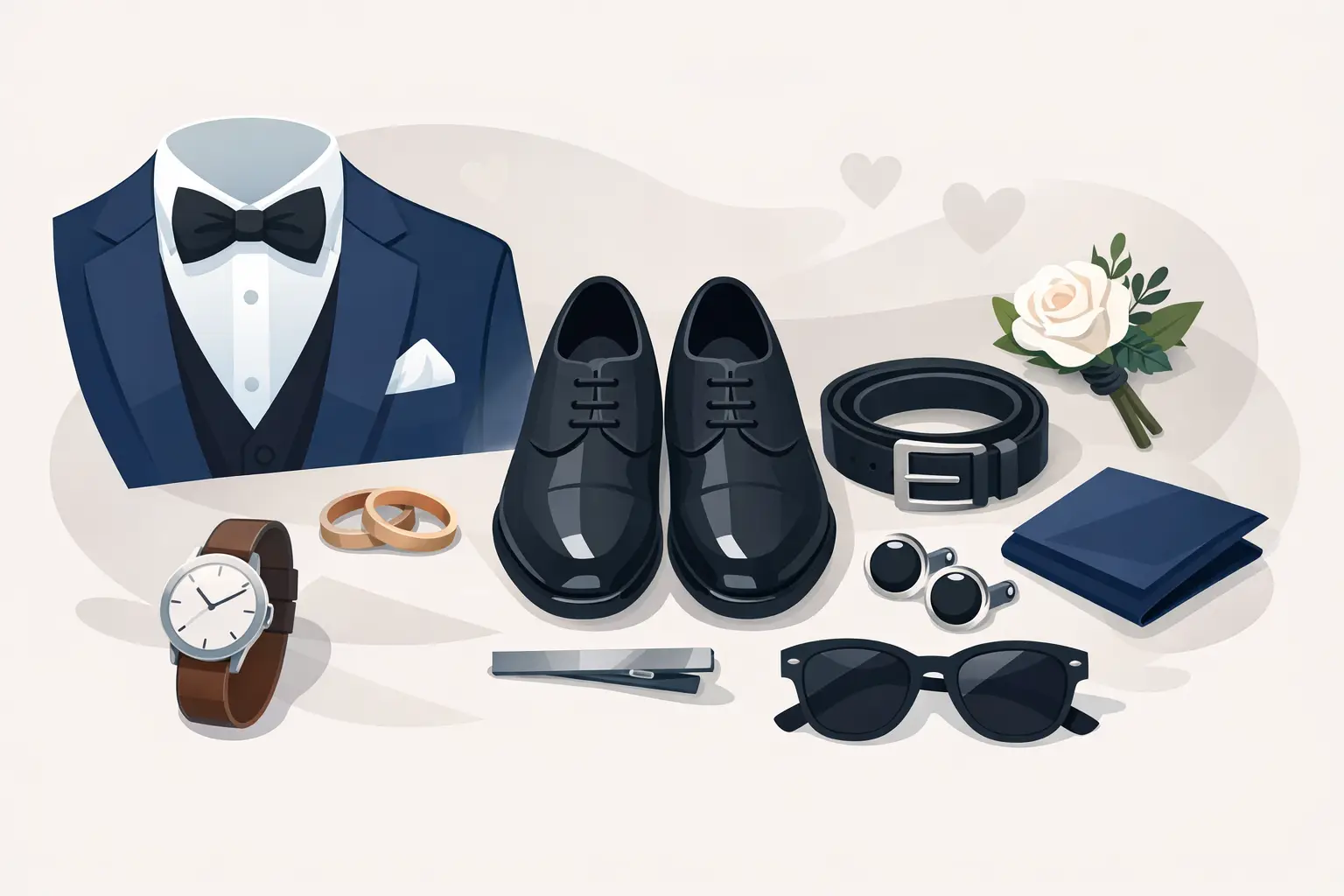
A wedding suit is rarely elevated by the suit alone. The difference between well-dressed and truly distinguished usually comes down to the finishing details – the accessories that sharpen the line, frame the face and give the outfit a point of view. When clients ask about the best wedding suit accessories men should wear, the right answer is never simply “more”. It is the right pieces, in the right proportions, chosen to support the cut, cloth and formality of the suit.
For a wedding, accessories need to do three things at once. They should complement the tailoring, suit the setting and express the wearer’s character without disrupting the overall balance. That is where judgement matters. A crisp silk tie can bring authority to a classic morning suit. A softly folded pocket square can relax a formal lounge suit just enough for a summer ceremony. The detail is small, but the visual effect is not.
What makes the best wedding suit accessories for men?
The best wedding suit accessories for men are the ones that look intentional rather than collected. A wedding outfit should feel composed from head to toe, not built from isolated purchases made in a rush. That means considering cloth texture, colour temperature, lapel shape and even the scale of the man wearing the suit.
A tall groom in a double-breasted jacket can usually carry a broader tie and a larger pocket square fold than someone in a close-cut single-breasted suit with narrow lapels. Likewise, a heavy worsted wool suit calls for different accessories than a lightweight linen blend or a brushed wool flannel. Shine, texture and weight should sit in harmony. If one element feels too glossy, too ornate or too busy, the whole look starts to feel less refined.
There is also the question of role. A groom can justifiably dress with more presence than a guest. A best man may echo some of the wedding palette while remaining slightly more restrained. A guest should always respect the occasion without competing for attention. The same accessory can feel elegant in one context and overworked in another.
The accessories worth getting right first
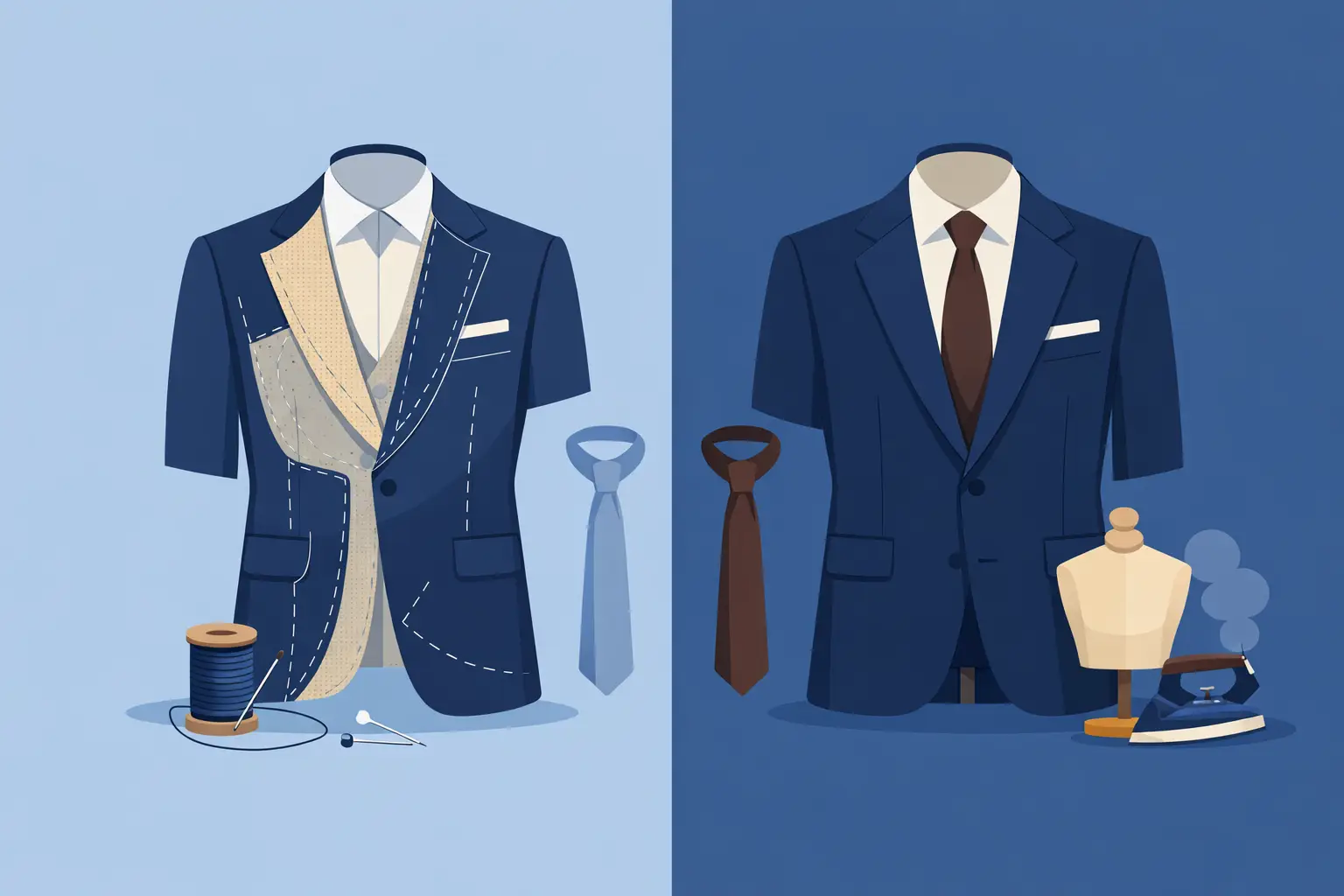
If the suit is the architecture, the tie is often the focal point. It sits at the centre of the chest, frames the shirt and draws the eye upward. For most weddings, a well-made silk tie is the safest and strongest choice. Grenadine adds subtle texture and depth. Satin silk can work in more formal evening settings, though too much shine can look theatrical under daylight. Matte silks and woven finishes usually photograph better and feel more modern.
The knot matters as much as the cloth. A well-proportioned four-in-hand or half-Windsor tends to suit most collars and keeps the effect elegant. Oversized knots can look strained, especially with soft tailoring. Colour should complement the suit rather than merely match the wedding theme. Deep green, burgundy, silver-grey, navy and muted gold all have their place, depending on the cloth and season.
The pocket square should not be treated as an afterthought. It is one of the clearest signs that an outfit has been properly considered. White linen remains the benchmark because it is crisp, timeless and quietly formal. Silk can add softness and colour, but it works best when it echoes rather than duplicates the tie. Matching tie and pocket square sets often look too literal. Better to pair related tones or contrasting textures.
Braces deserve more attention than they usually receive. Not because they are always visible, but because they support the line of the trousers properly. For wedding dressing, that matters. Braces keep the trouser rise clean and the waistband settled where it should be, which improves drape through the leg and keeps the shirt front neater throughout the day. Leather-ended braces in a refined tone are especially effective with bespoke or high-rise tailoring, where proportion and comfort are part of the visual impression.
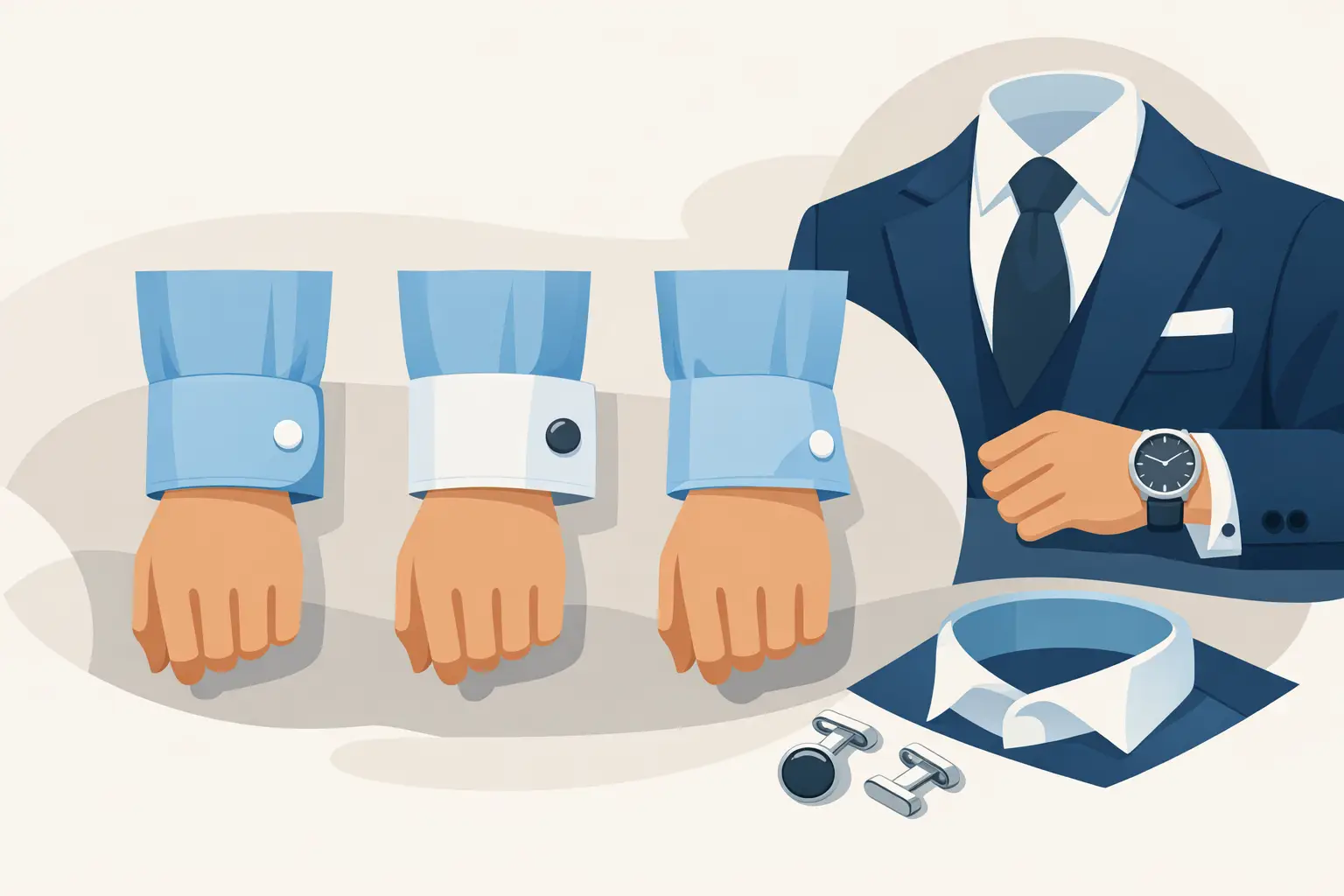
Cufflinks come into their own when the shirt and occasion justify them. A double cuff shirt has an unmistakably formal quality, and the right cufflinks add depth without fuss. The best choices are usually understated – polished silver, mother-of-pearl, onyx or a subtle engraved finish. Novelty cufflinks may feel tempting for a wedding, but they date quickly and tend to distract from the tailoring.
The details that separate polished from overdone
Boutonnieres, tie bars, lapel pins, watches and socks all sit in the category of optional details. Each can improve the outfit. Each can also push it too far.
A boutonniere is most successful when it feels integrated with the wedding rather than pinned on as a token flourish. Scale is critical. One elegant bloom or a restrained floral detail is usually enough. Anything too large can interrupt the lapel roll and distort the front of the jacket. This is particularly noticeable on softer canvassed jackets, where line and drape are part of the appeal.
Tie bars should be used carefully. They can add neatness, especially at a daytime wedding, but they should never be wider than the tie and should sit between the third and fourth shirt buttons. More importantly, they do not suit every tie. A textured grenadine or a particularly delicate silk often looks better uninterrupted.
As for watches, formality sets the tone. A slim dress watch on leather tends to work beautifully with wedding tailoring. Sports watches and oversized metal bracelets can feel too casual unless the dress code leans deliberately modern and relaxed. If the wedding is black tie, many men are better off skipping the watch altogether.
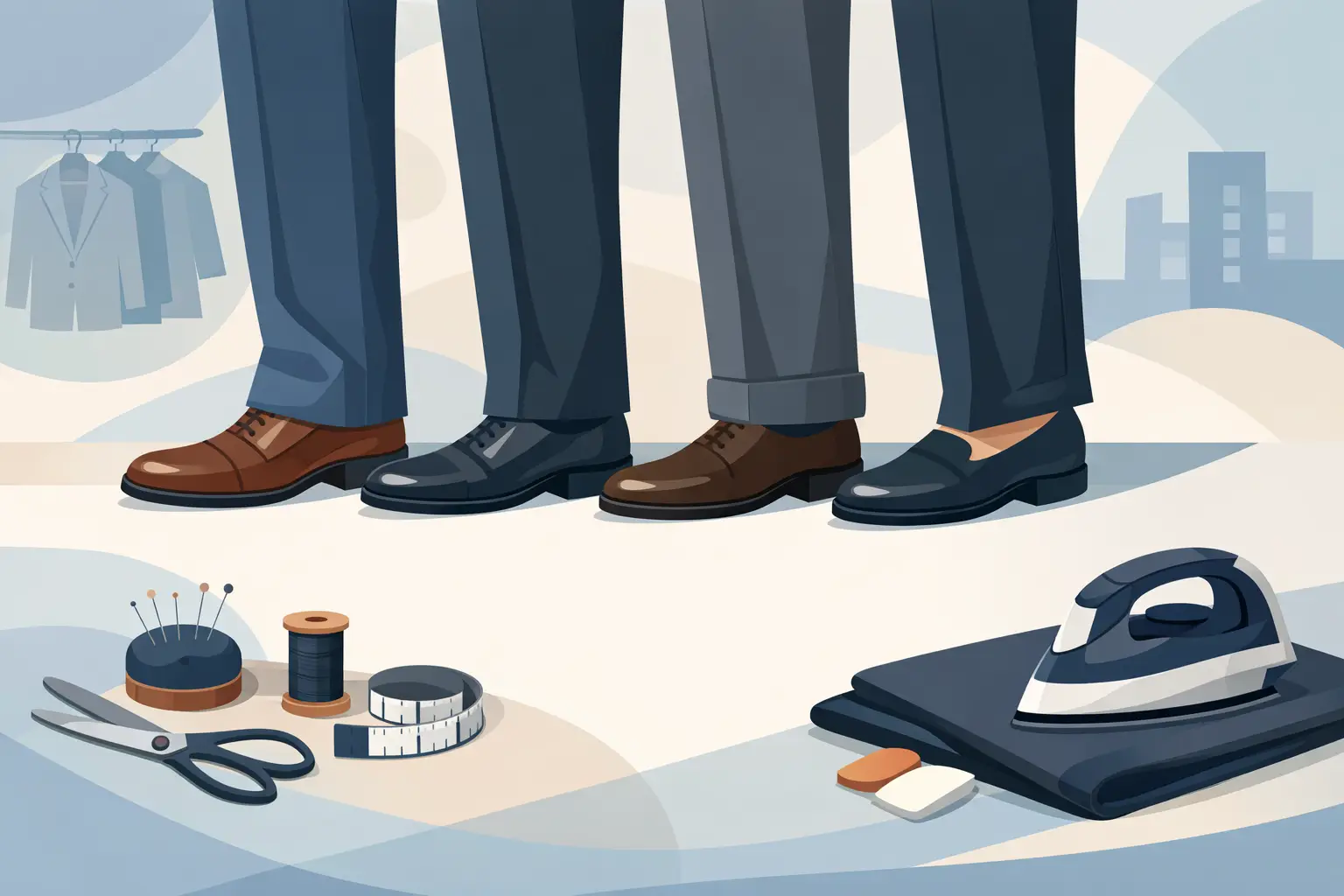
Socks are a quiet but telling decision. Black or dark navy fine-gauge socks remain dependable with most darker suits. For softer seasonal tailoring, such as mid-grey or beige, rich earth tones can be effective. What matters is quality and length. Bare skin when seated breaks the visual line and undermines the finish.
Best wedding suit accessories men often get wrong
Most mistakes happen when accessories are chosen in isolation. A man sees an attractive tie, an eye-catching pair of cufflinks or a patterned pocket square and assumes they will enhance the suit automatically. But wedding dressing is about composition.
The first common error is over-coordination. Tie, pocket square, boutonniere and socks in the exact same shade of sage green may satisfy a colour board, but they rarely produce a sophisticated outfit. Variation in tone and texture is what gives tailoring depth.
The second is excessive contrast. If the suit is already making a statement – perhaps through a bold check, peak lapel or rich cloth – the accessories should support it quietly. Strong pattern piled on strong pattern is difficult to execute well, particularly in photographs.
The third is ignoring scale. Slim men in fine-featured suits can be overwhelmed by chunky knots, oversized floral pins or broad tie bars. Larger frames often benefit from slightly fuller accessories that maintain proportion. Good styling is not only about taste. It is about visual balance.
How to choose accessories around the suit itself
A navy wedding suit offers the widest range. It works with white linen, silver-grey silk, burgundy, forest green and soft ivory depending on the shirt and season. It can be formal, romantic or understated with only minor shifts in finishing detail.
A charcoal or dark grey suit tends to favour cooler accessories. Silver, white, deep plum and blackened metallic accents all sit comfortably here. This is a strong option for evening weddings or more formal city venues.
Lighter tones – mid-grey, stone, biscuit, soft blue – need a more delicate hand. Textured ties, softer folds and less reflective finishes usually feel more convincing than highly polished accessories. In summer, a touch of linen or matte silk often looks better than anything too glossy.
For three-piece suits, restraint becomes even more important because the waistcoat already adds structure and interest. In these cases, one excellent tie, one elegant pocket square and considered cufflinks are often enough.
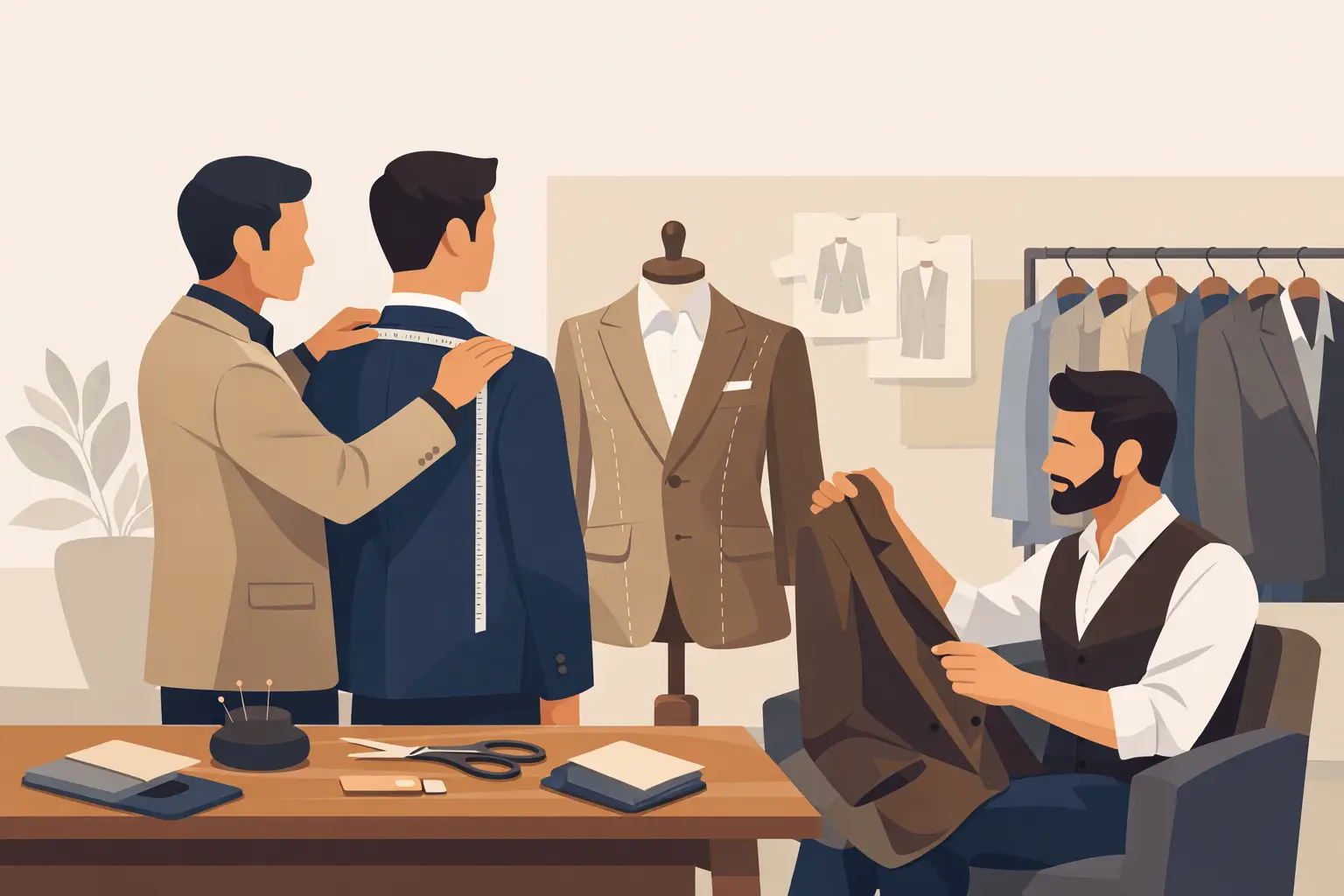
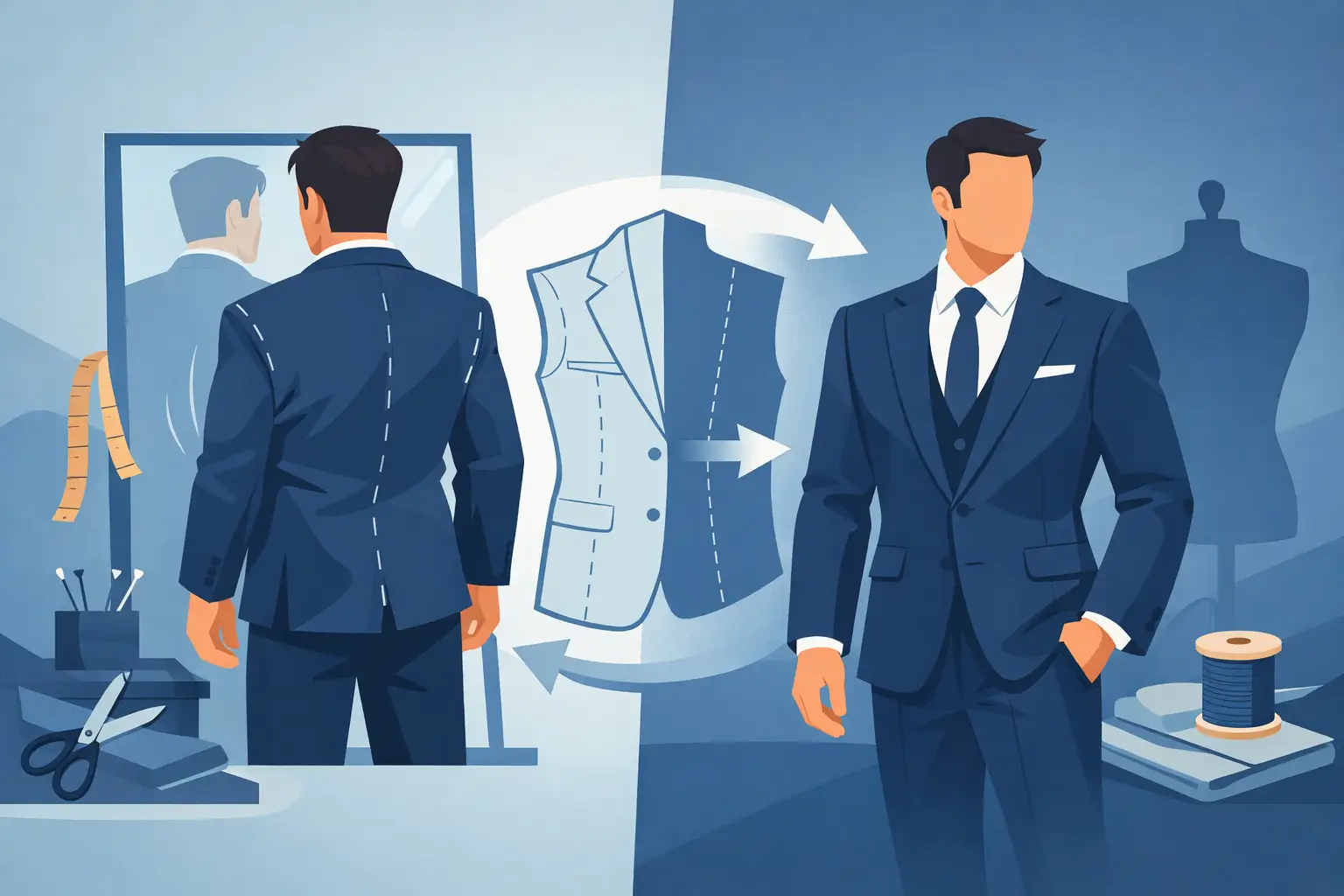
At Manndiip, this is where bespoke styling changes the result. Accessories are not selected as afterthoughts, but as part of the overall architecture of the look – aligned to the cloth, the silhouette and the impression the wearer wants to leave.
The finishing touch should still look like you
The best wedding suit accessories men choose are not necessarily the most expensive or the most visible. They are the pieces that make the suit feel complete and the wearer feel assured. That assurance shows in photographs, in posture and in the ease with which the outfit is worn from ceremony to final dance.
A wedding is not the moment for guesswork or gimmicks. It is the moment for precision, character and restraint in the right measure. Choose accessories that serve the tailoring, and the whole ensemble will carry the quiet authority that memorable dressing always has.