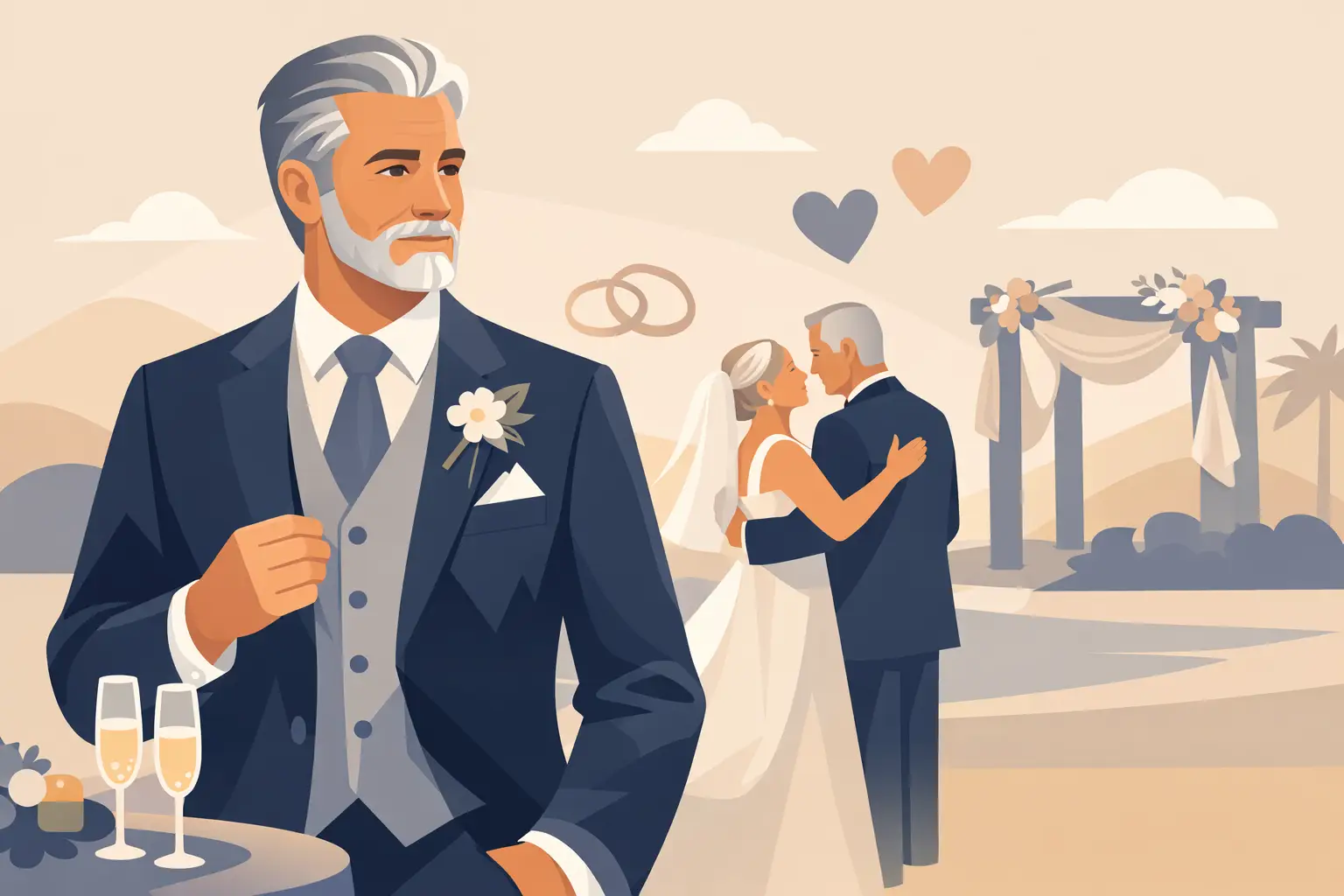
A wedding suit should never feel like fancy dress. For an older groom, that matters even more. The best wedding suits for older grooms are not about looking younger, trendier, or louder than the room. They are about looking assured, well-dressed, and entirely at ease in your own skin.
That changes the brief in useful ways. Rather than chasing seasonal fashion, the focus shifts to proportion, cloth, and cut. The right suit brings structure where it is flattering, softness where it is elegant, and enough individuality to feel worthy of the occasion. When done properly, the result is not simply smart. It is quietly commanding.
What makes the best wedding suits for older grooms?
The strongest wedding tailoring for a mature groom tends to share three qualities: restraint, precision, and character. Restraint does not mean plain. It means knowing where detail adds depth and where it becomes noise. Precision means a jacket that sits cleanly through the shoulder, a collar that hugs the neck properly, and trousers that skim rather than pull or collapse. Character comes from cloth, colour, and finishing touches that feel personal rather than performative.
Age itself is not the issue. Fit is. Many men in later life carry themselves with more confidence and presence than they did at thirty, but the body often changes in subtle ways. The shoulder line may soften, the waist may thicken slightly, posture may alter, and ready-to-wear tailoring rarely accounts for that combination gracefully. A suit that once felt acceptable can suddenly look boxy, strained, or short in the body.
This is why wedding tailoring for older grooms benefits from a more considered approach. A slightly longer jacket can improve balance. A cleaner chest can look more elegant than heavy padding. Trousers with the correct rise often do far more for the silhouette than any fashionable lapel ever could.
Start with the silhouette, not the fabric
Most men begin with cloth because it is tangible. In truth, silhouette should come first. The line of the jacket and trouser determines whether the finished look appears distinguished or awkward.
For many older grooms, a single-breasted two-button suit is the most versatile place to start. It offers structure without feeling severe and works across formal church weddings, civil ceremonies, and country house receptions alike. A well-cut single-breasted jacket with a gently shaped waist and slightly suppressed side seam creates refinement without appearing tight.
A double-breasted suit can be exceptional, but only when cut with discipline. Done well, it has presence, elegance, and maturity in abundance. Done poorly, it adds unnecessary bulk across the middle. If you favour a double-breasted front, softer construction, a balanced button stance, and a longer lapel line are essential.
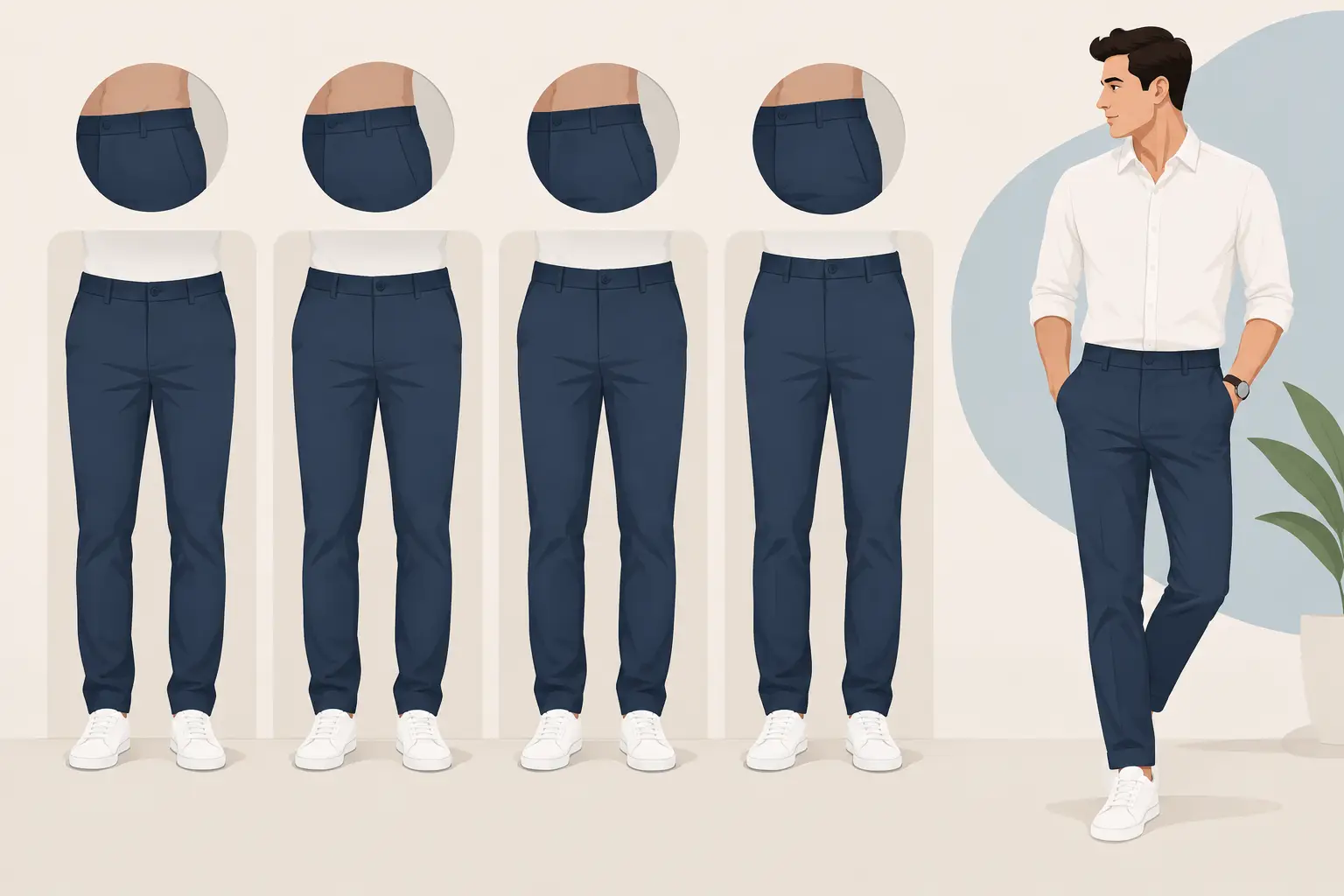
Trousers deserve equal attention. A medium to high rise usually flatters an older groom far better than a low-rise cut, which can shorten the leg and make the jacket appear ungainly. Pleats can work beautifully, particularly in drapier cloths, but they should add shape and comfort rather than volume. The leg should fall cleanly, with enough room through the thigh and a neat finish over the shoe.
The most flattering colours and cloths
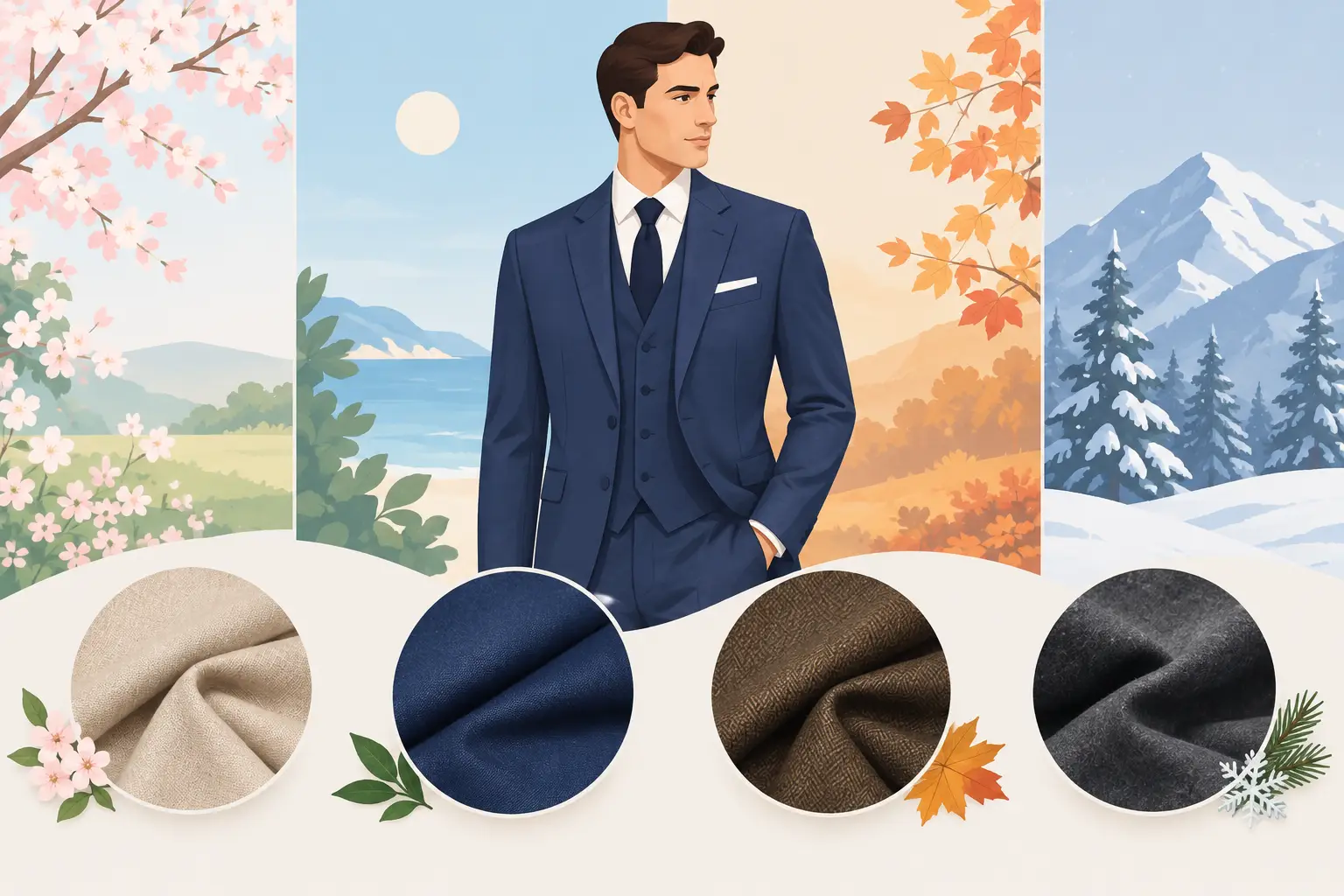
Navy remains one of the safest and strongest choices, and for good reason. It carries formality without hardness, photographs well, and suits a broad range of complexions. For evening receptions or black tie-adjacent settings, midnight navy can be especially elegant.
Charcoal is another excellent option, particularly for autumn and winter weddings. It has weight, sobriety, and a distinctly refined feel. If black feels too stark but blue feels too corporate, charcoal often lands in exactly the right place.
Mid-grey, soft brown, and muted olive can also be superb for mature grooms, particularly in countryside venues or relaxed luxury settings. These tones carry depth and individuality without clamouring for attention. They often pair beautifully with textured cloths such as fresco, hopsack, or lightweight flannel.
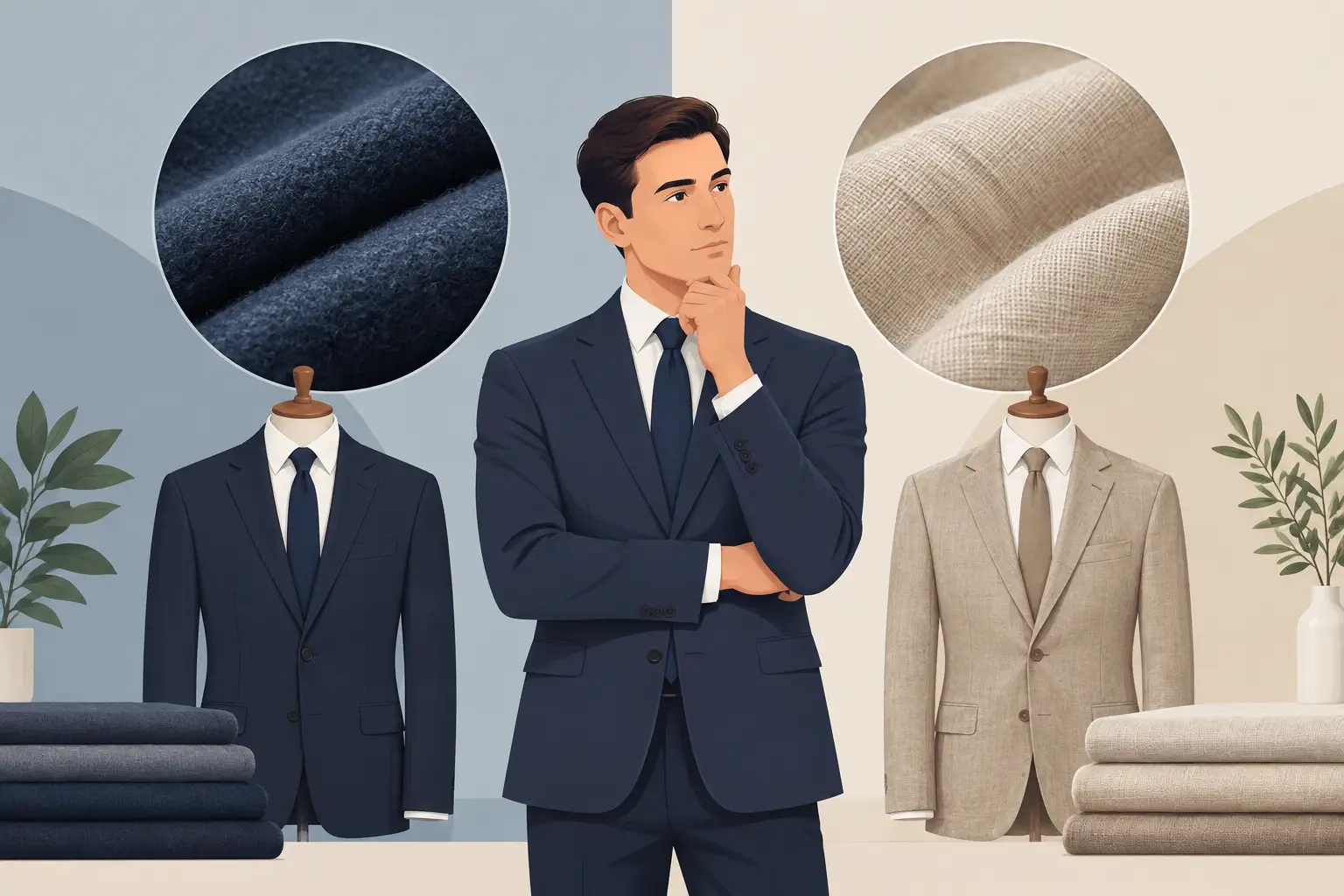
The key trade-off is formality versus softness. A darker worsted wool offers crispness and ceremony. A slightly textured cloth feels richer and more characterful but can read less formal depending on the weave. That is not a problem if the setting supports it. In many weddings, especially those with a personal or seasonal aesthetic, texture can make the suit feel more elevated rather than less.
Shine should be treated cautiously. Overly lustrous fabrics tend to emphasise creases and can look theatrical under daylight. A cloth with a dry hand and a subtle depth of tone usually appears more expensive and more flattering.
Best wedding suit styles for older grooms
There is no universal answer because venue, season, and personal taste all matter. Still, a few styles stand out consistently.
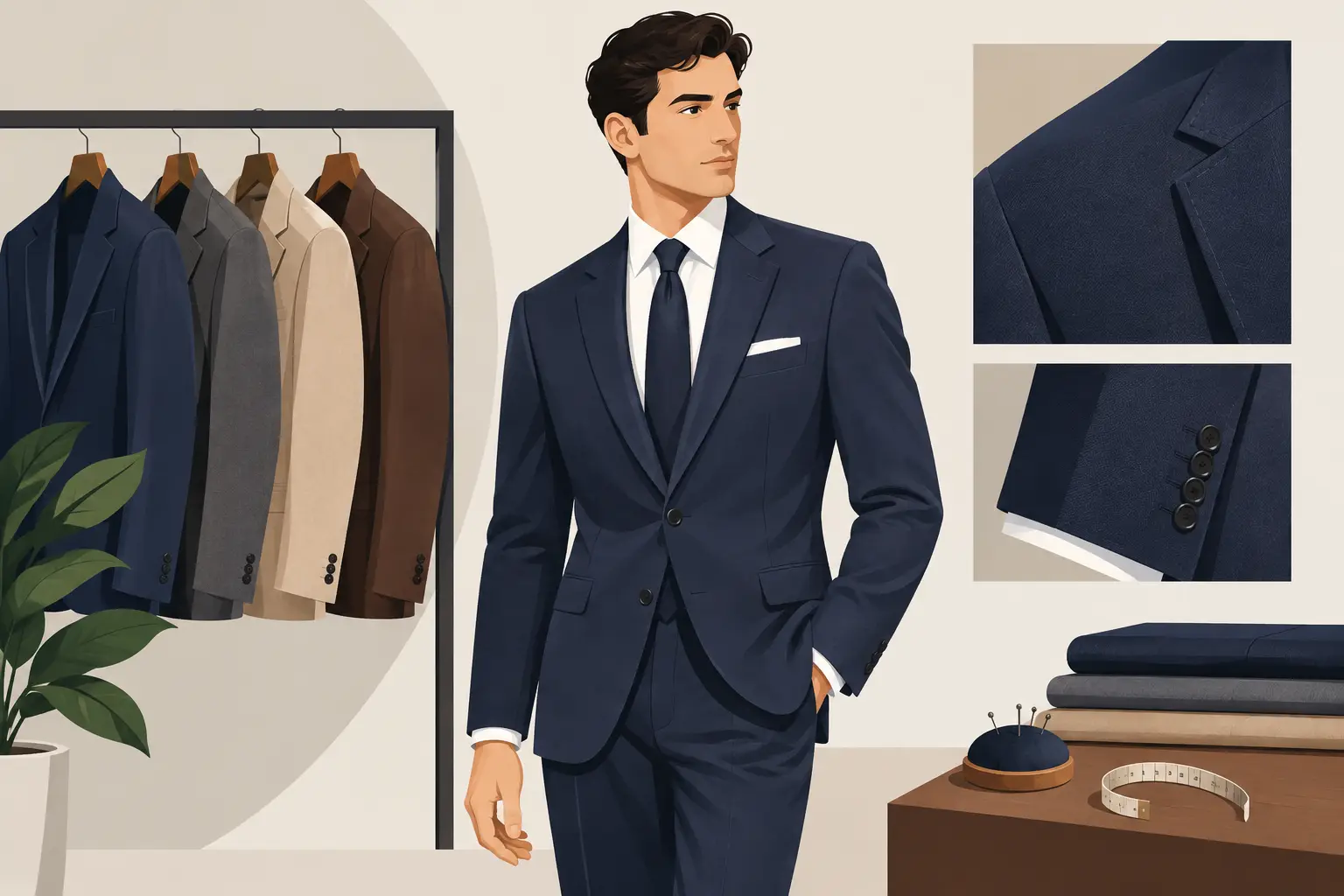
The dark navy tailored suit is the modern classic. It suits nearly every wedding setting, allows room for personal styling, and never feels contrived. With peak or notch lapels, a crisp white shirt, and polished shoes, it looks ceremonial without effort.
The charcoal three-piece is ideal for grooms who want extra structure and a stronger sense of occasion. A waistcoat can sharpen the line of the torso and maintain polish when the jacket comes off later in the day. The important point is proportion. The waistcoat should sit close without strain and finish at the correct point over the trouser waistband.
A soft taupe, brown, or tobacco suit can be outstanding for summer and destination weddings. These colours feel grown-up and luxurious when the cloth is right. They are less forgiving if the fit is average, so tailoring becomes even more important.
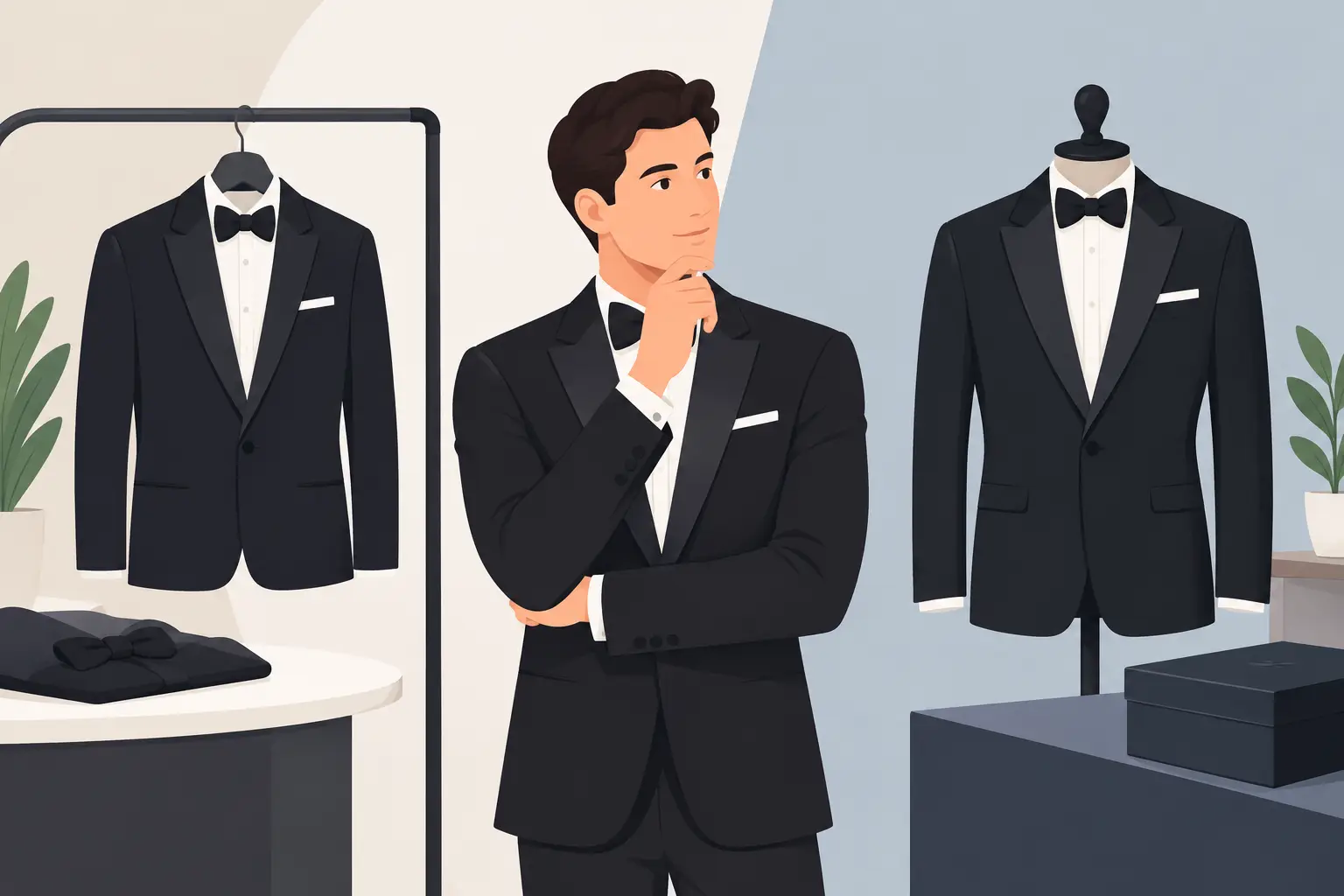
For formal evening weddings, a dinner suit is often the most elegant answer of all. Older grooms frequently wear black tie exceptionally well because it rewards bearing, simplicity, and confidence. A properly cut dinner jacket with silk facings and clean lines can be more flattering than an overly styled lounge suit.
Details that elevate without trying too hard
Mature style is often defined by editing. The finishing touches should support the suit, not compete with it.
Lapels matter. Peak lapels can add authority and shape, especially on broader frames, while notch lapels offer understatement and versatility. Wider lapels often look more balanced on an older groom than very slim ones, which can feel transient and slightly mean in scale.
Shirt choice should lean towards clarity. White is perennial and crisp, but a soft ivory or pale blue can be equally distinguished depending on skin tone and the wedding palette. The collar must be considered in relation to the face and tie knot. A well-proportioned collar frames the head and improves the whole composition.
Accessories should be selective. A beautifully made tie, a pocket square with texture rather than novelty, and polished shoes in black or dark brown are usually enough. Braces can improve trouser line and comfort, especially over a long day, but they should be integrated properly into the trouser construction rather than added as an afterthought.
Boutonnieres deserve restraint. One flower, scaled correctly, will always look more elegant than anything oversized or overly decorative.
Why bespoke or custom tailoring makes the difference
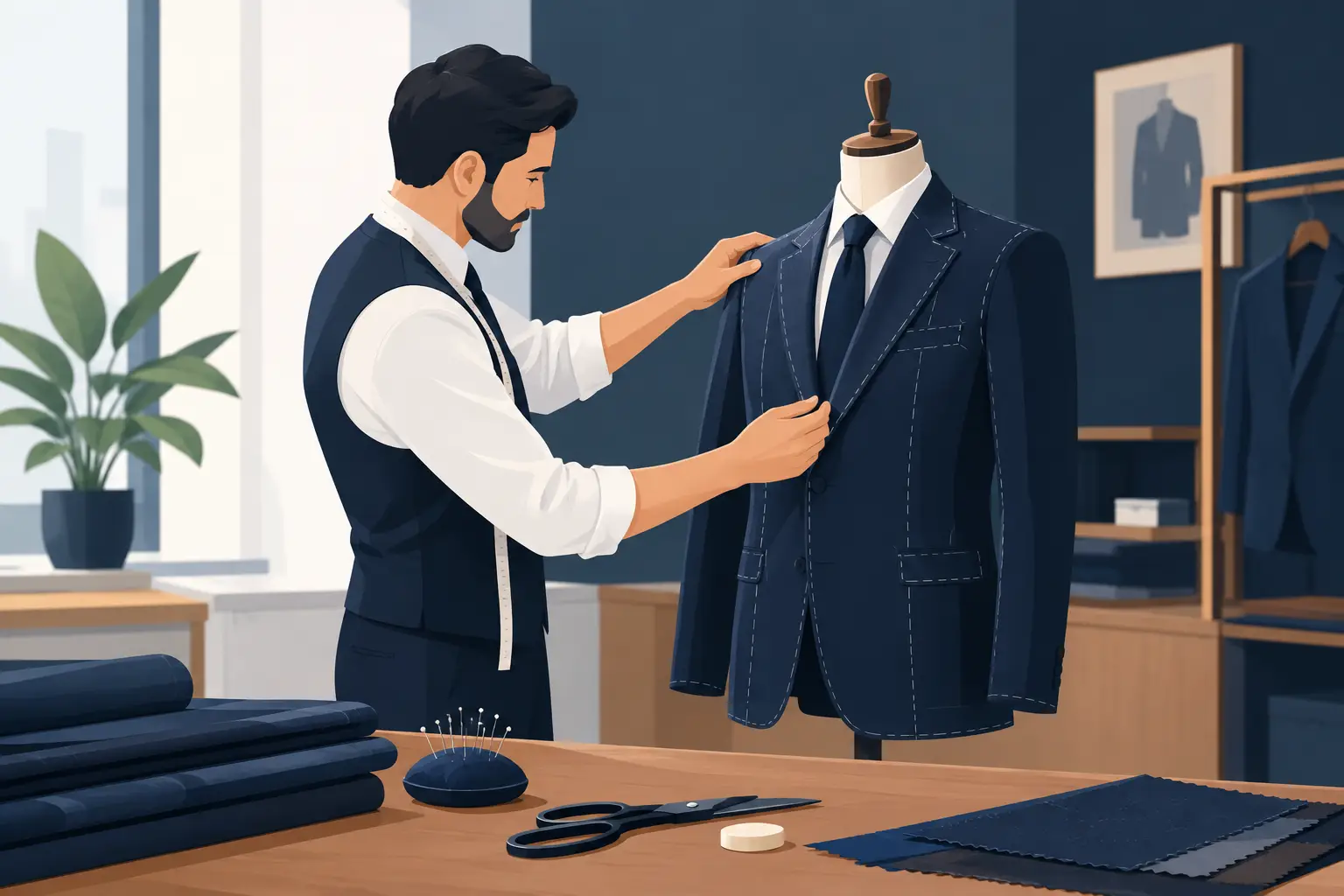
The older the groom, the less forgiving off-the-peg becomes. Not because style becomes harder, but because precision becomes more visible. A made-to-measure or bespoke process allows the suit to respond to real posture, shoulder balance, waist placement, and personal preference.
That does not simply improve comfort. It changes how the garment speaks. A correctly pitched sleeve, a shaped back, and a clean seat in the trousers create the kind of polish people notice without being able to name. This is where true tailoring earns its place.
At Manndiip, that process begins with understanding how a gentleman wants to feel as much as how he wants to look. Some grooms want classic formality. Others want softer elegance with a little personality in the cloth or finish. The best result comes from translating that brief into proportion, construction, and detail rather than relying on a standard template.
Common mistakes older grooms should avoid
The first is dressing for an imagined version of youth. A wedding suit should not attempt to erase age. It should refine presence. Very skinny cuts, overly short jackets, and flashy trims rarely achieve that.
The second is choosing a suit that is too safe and too ordinary. There is a difference between timeless and bland. A wedding is still a landmark occasion, and the suit should carry some distinction, whether through a richer cloth, a waistcoat, sharper lapels, or superior finishing.
The third is leaving alterations too late. Even an excellent suit can be let down by trouser length, sleeve pitch, or collar gap. Those final corrections are not minor. They are often the difference between looking dressed and looking impeccable.
The right wedding suit should feel like an extension of the man wearing it – composed, refined, and entirely credible. If you choose cloth with depth, a silhouette with balance, and tailoring that respects your proportions, age becomes an advantage. It lends authority to good clothes, and good clothes return the favour.