
A business wardrobe says more before you speak than most men care to admit. The most compelling men’s tailoring trends for businesswear are not about spectacle or novelty. They are about quiet authority – a jacket that sits cleanly through the shoulder, trousers with the right line and break, and cloth that holds its shape from first meeting to late dinner.
That shift matters because business dress has changed. Offices are less rigid than they once were, yet expectations around presentation have not vanished. If anything, the modern professional is expected to look more considered, not simply more formal. The suit is no longer a uniform in the old sense. It is a calibrated statement of judgement, discipline and personal standards.
Men’s tailoring trends for businesswear are becoming more personal
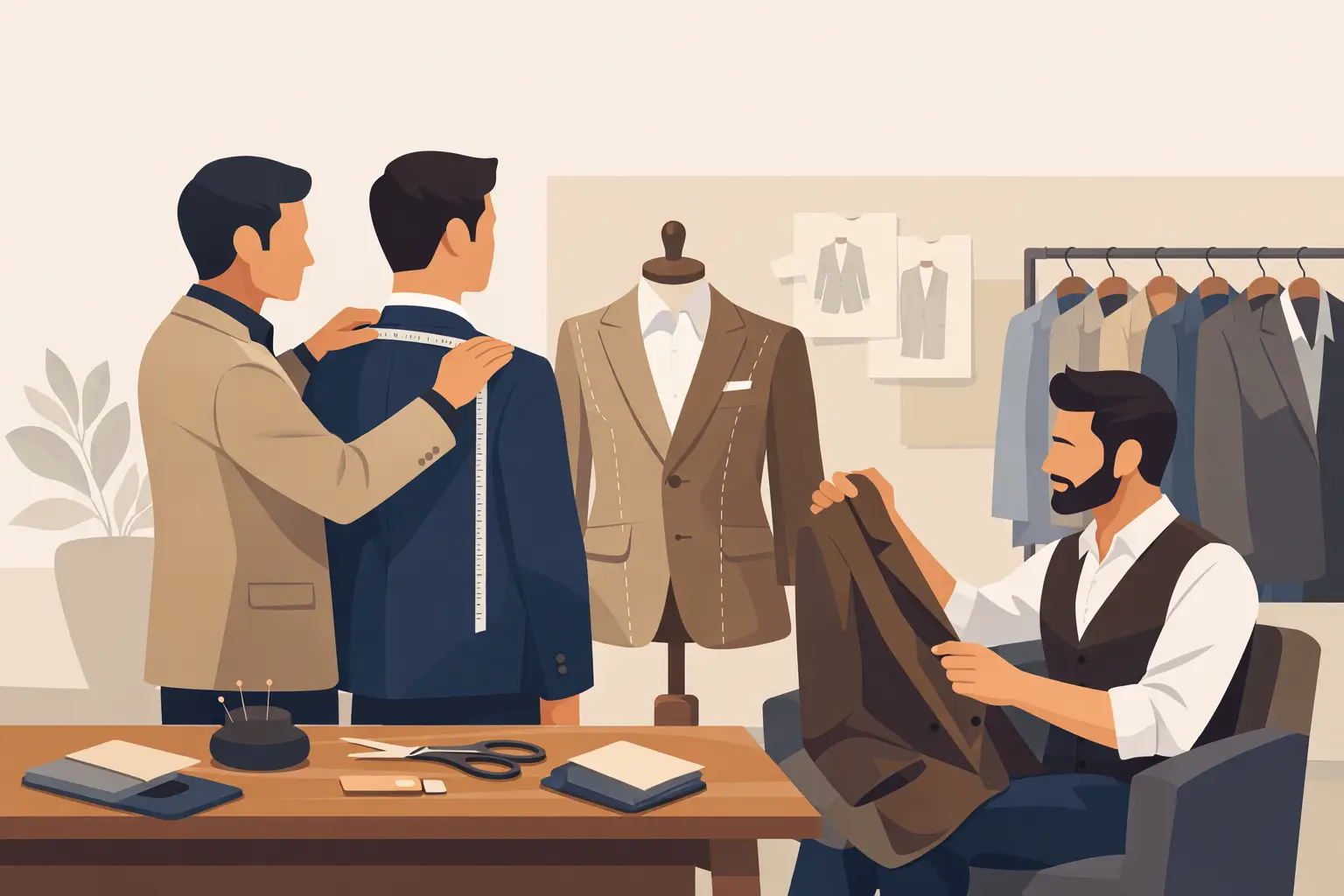
The strongest movement in business tailoring is away from generic corporate dressing and towards individuality expressed with restraint. Men still want polish, but they want it to feel like their own. That means fewer off-the-peg compromises and more attention to cut, proportion and finishing.
In practice, this shows up in subtle decisions. A slightly fuller lapel can add presence without feeling theatrical. A higher rise trouser can lengthen the leg and clean up the line of the jacket. Patch pockets may work beautifully in a creative or client-facing setting, while jetted pockets and a more formal cloth remain the better choice in conservative sectors. The trend is not one fixed silhouette. It is precision tailored to context.
This is where true bespoke and carefully considered custom work are separating themselves from mass-market suiting. A man in finance, law or senior leadership may need authority first. A founder or consultant may want businesswear that sits between formal structure and modern ease. Both are valid, but neither should be solved with the same pattern.
Softer structure, not a softer impression
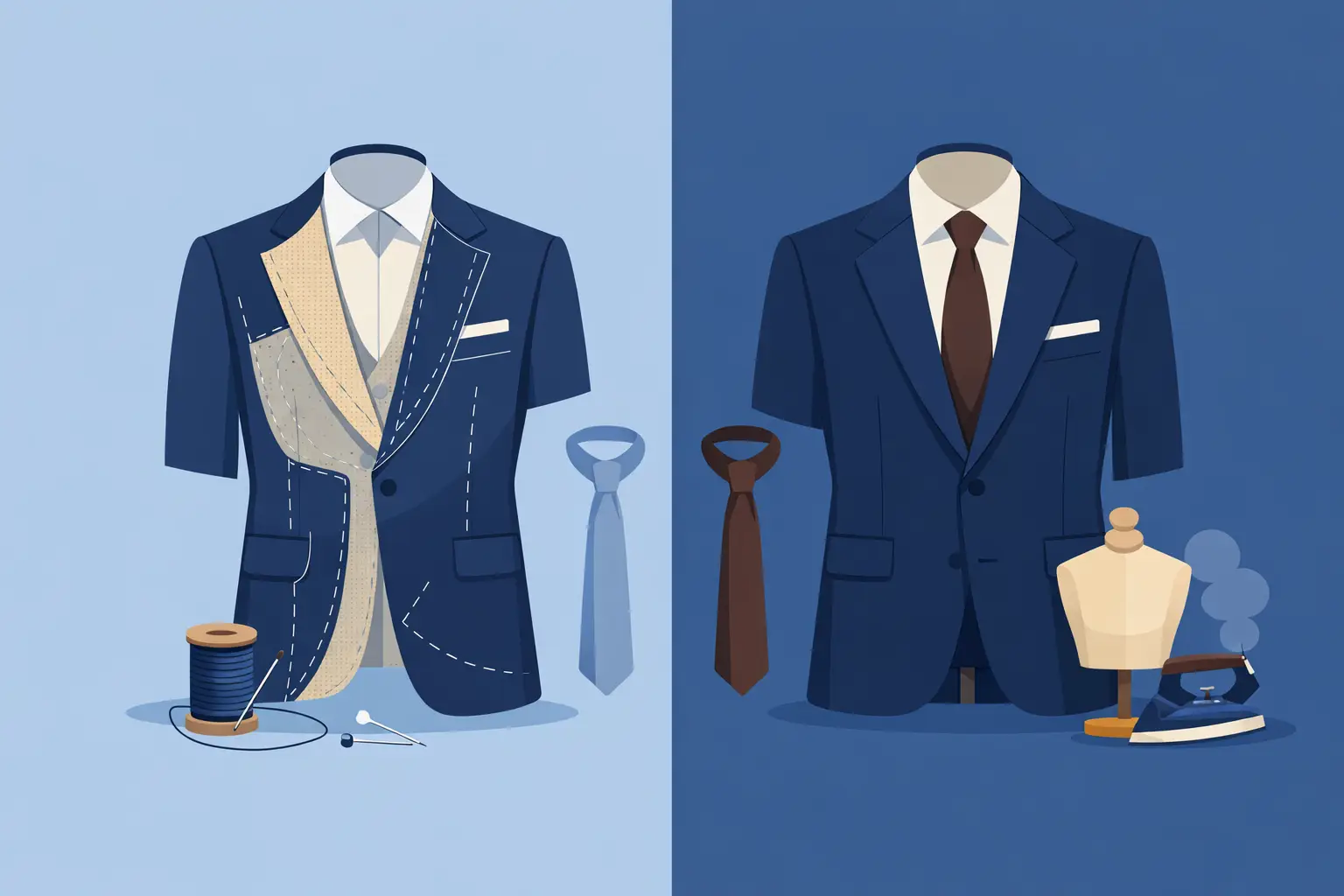
One of the clearest developments in recent years is the move towards softer construction. That does not mean shapeless jackets or casual dressing passed off as tailoring. It means reducing unnecessary stiffness while preserving a refined silhouette.
A softly structured jacket follows the body with more ease through the chest and shoulder. When cut properly, it feels elegant rather than rigid and allows movement without losing poise. For men who spend long days commuting, travelling between meetings or working across hybrid environments, that comfort is not a luxury. It changes how often the garment is worn.
The trade-off is simple. Too much softness can read underdressed in highly formal industries, especially when paired with lightweight cloth or overly relaxed styling. The answer is balance. A lightly built jacket in a substantial wool still carries authority. A soft shoulder with a clean waist suppression still looks sharp. The best business tailoring now understands that comfort and presence are not opposites.
Cloth is doing more of the work
Fabric choice has become more sophisticated, and rightly so. Men are paying closer attention to how cloth performs across the week, not just how it looks under showroom lighting. In businesswear, this has brought renewed interest in high-twist wools, fresco-style open weaves, brushed flannels and understated textured worsteds.
Smooth navy and charcoal suiting remain essential, particularly for men building a core wardrobe. Yet the modern trend is towards depth rather than flatness. Mid-grey with a dry hand, deep olive undertones, muted Prince of Wales checks and rich tobacco brown in the right setting all offer distinction without noise. These are colours and patterns that reward close attention.
Seasonality matters too. A cloth that performs beautifully in October may feel oppressive in June. The well-dressed professional increasingly builds a business wardrobe the same way he would build any serious collection – with purpose. Lighter open-weave wools for warmer months, fuller cloths for autumn and winter, and enough variety to maintain standards without repetition.
Trousers are getting cleaner and more elegant
For years, many men focused almost entirely on the jacket. That is changing. Trousers are now central to the overall line of businesswear, and the trend is decisively cleaner, fuller and more flattering.
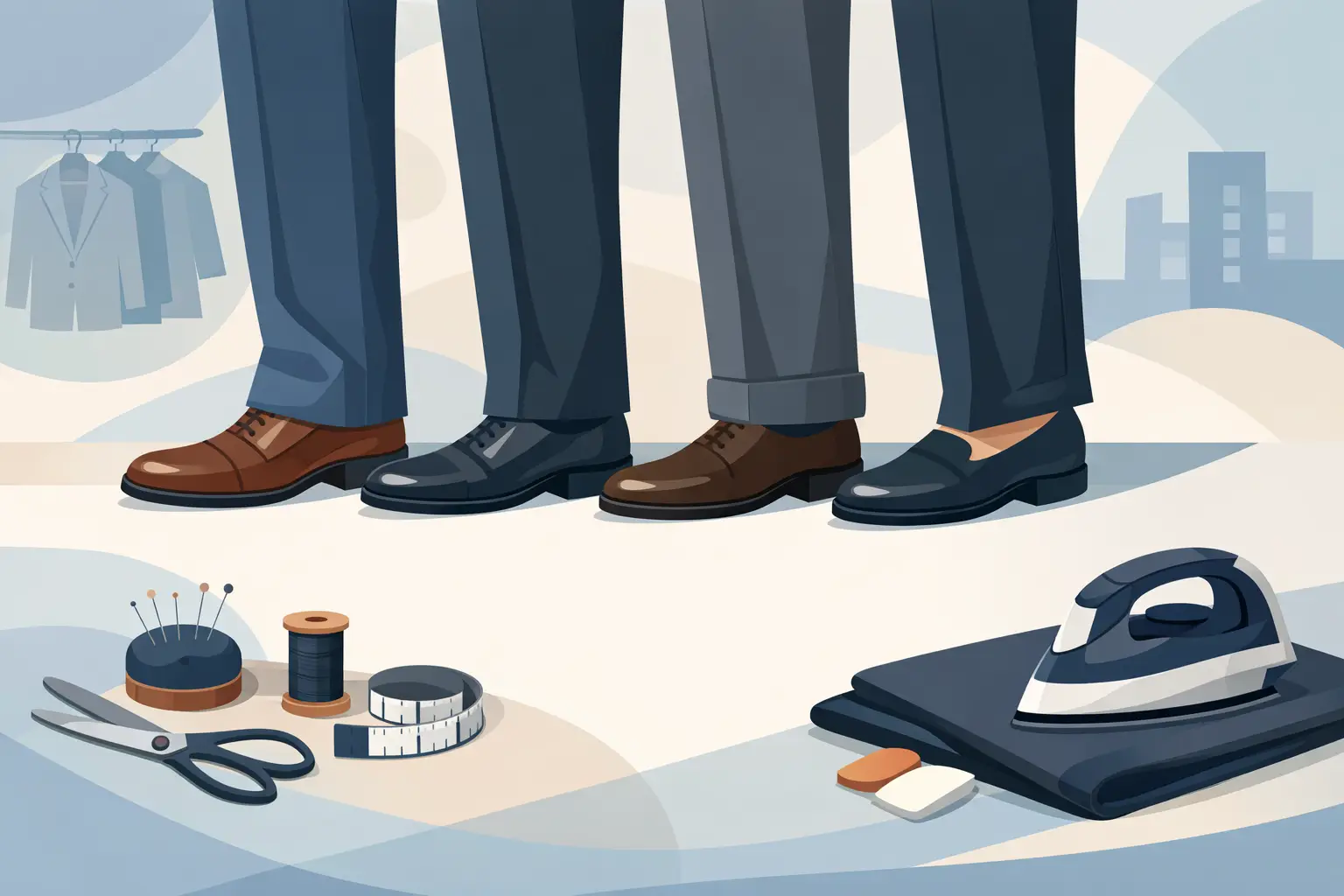
This does not mean exaggerated volume. It means a return to well-balanced rise and shape. A slightly higher rise allows the jacket to sit properly and creates a longer, more composed silhouette. Gentle tapering through the leg usually works better than a very narrow cut, which can make even an expensive suit feel dated. Side adjusters are increasingly favoured over belts for a neater waistline, though belt loops still have their place depending on personal habit and office culture.
Pleats, once unfairly dismissed, are also back in serious tailoring. On the right figure, they add comfort and drape, particularly for men who sit for long periods or want more ease through the thigh. The key is cut. Poorly executed pleats look bulky. Properly cut pleats look assured.
Businesswear is leaning towards tonal sophistication
Colour in professional tailoring has matured. Rather than bold contrasts, the current preference is tonal dressing – combinations that feel layered, intelligent and expensive.
A charcoal suit with a graphite tie and pale blue shirt has more depth than a simple black-and-white formula. A navy suit with a soft ecru shirt and dark brown shoes can feel fresher than the standard light blue pairing. Even accessories are moving this way, with textured silk ties, fine wool ties and hand-finished pocket squares adding interest through surface and tone rather than bright pattern.
This is particularly relevant for men who want to look elevated without appearing as though they are trying too hard. The effect is subtle, but powerful. Businesswear should not distract from the man wearing it. It should sharpen him.
Detail is where authority now lives
As dress codes loosen, details matter more. When fewer men wear tailoring daily, those who do stand out quickly – for better or worse. The quality signals are no longer hidden.
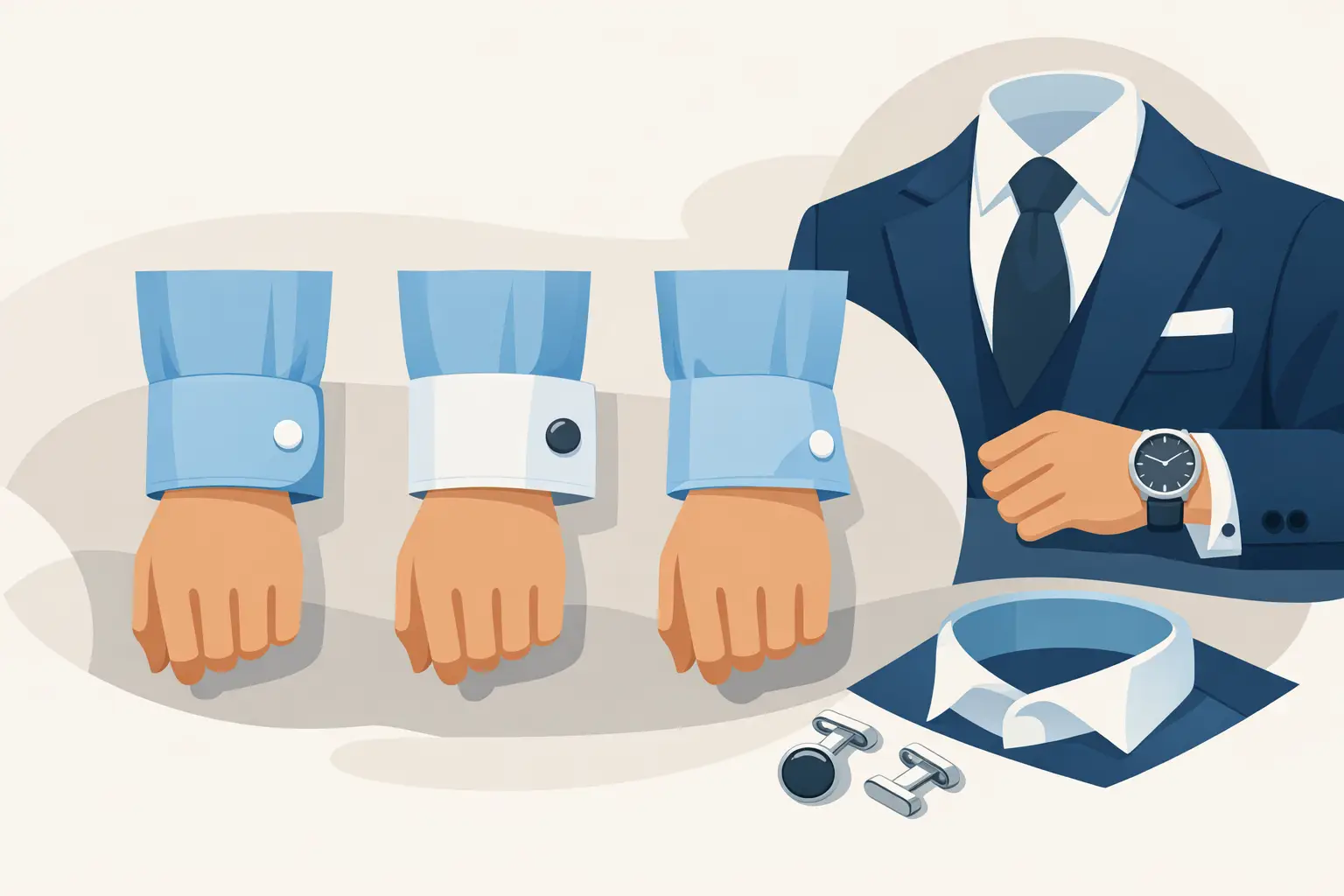
People notice sleeve pitch, jacket length, collar fit and how cleanly the trouser falls over the shoe. They may not have the technical language for it, but they recognise precision when they see it. Working button cuffs, hand-finished edges, a carefully chosen lining or a correctly proportioned lapel are not decorative indulgences. They are part of the total impression.
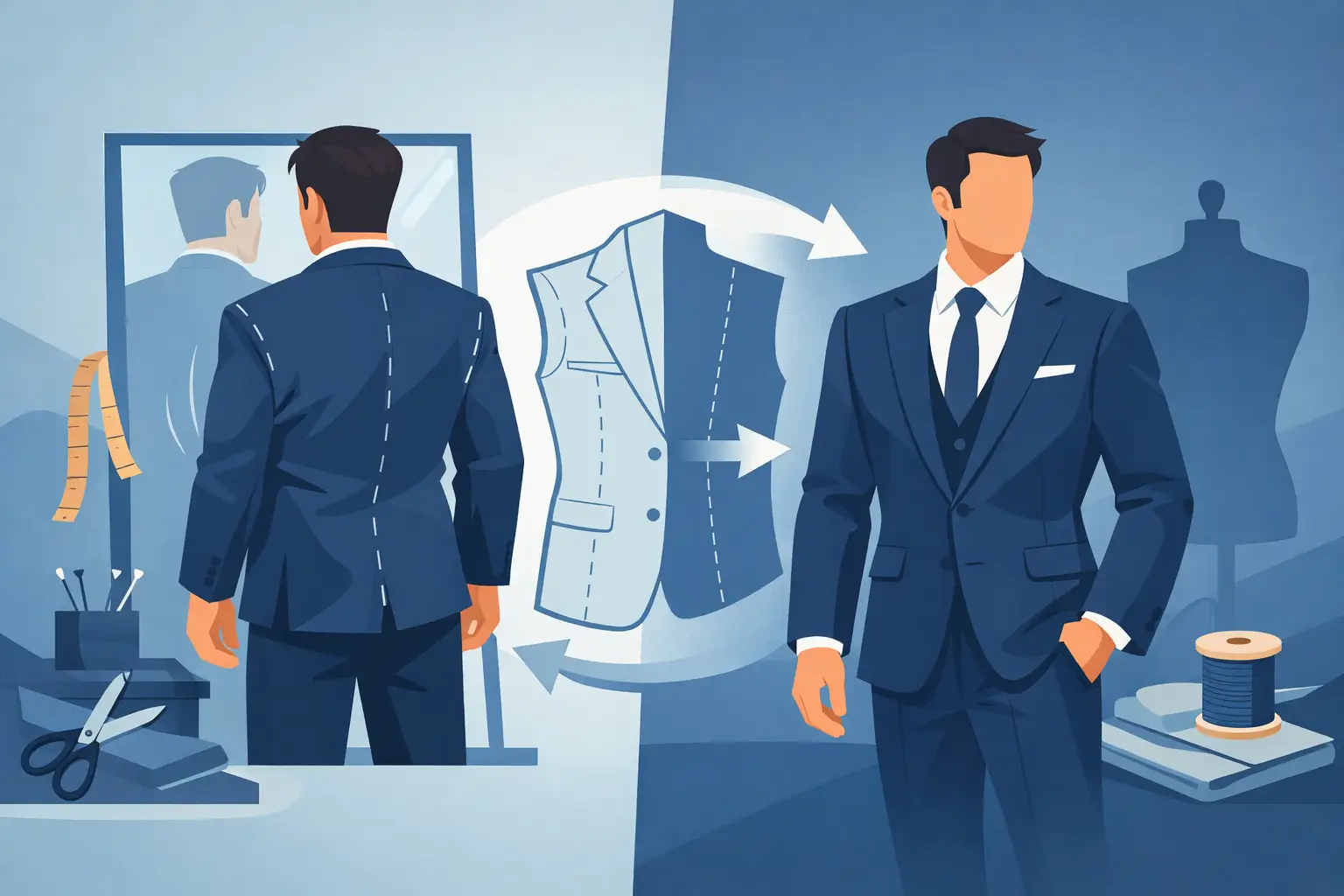
This is one reason alterations have become so important in businesswear. Even a good garment will fail if the collar lifts, the sleeve length is wrong or the seat is untidy. Equally, not every trend suits every body. A broad-shouldered man may benefit from a softer chest and a touch more drape. A slimmer man may need more structure to create presence. Good tailoring should respond to the body in front of it, not to a passing image on a screen.
The double-breasted jacket has returned – carefully
Among the more noticeable style shifts is the quiet return of the double-breasted jacket in professional wardrobes. Not as costume, and not as a statement for its own sake, but as a polished option for men who want a little more authority.
When cut well, a double-breasted jacket can broaden the chest, define the waist and project confidence. It works especially well for presentations, senior meetings and occasions where a stronger silhouette is useful. That said, it is not universally right. Men new to tailoring often wear a single-breasted suit more naturally, and some workplaces still favour a simpler line.
The modern version avoids excess. Cleaner fronts, sensible lapel width and balanced button stance keep the look contemporary. Worn with restraint, it feels assured rather than affected.
What these trends mean for a working wardrobe
The smartest business wardrobes are no longer built around quantity. They are built around rotation, consistency and fit. A man may need fewer suits than he once did, but the ones he owns need to work harder. They need to transition across meetings, dinners, events and travel, while still reflecting his standards.
That is why craftsmanship-led tailoring has become more relevant, not less. If your businesswear must carry you through varied settings, each garment needs a clear purpose. A navy suit with excellent construction. A grey suit with a touch more texture. Trousers that can stand alone with a jacket or knitwear. Shirts cut correctly at the collar and cuff. An overcoat that completes the silhouette instead of fighting it.
At Manndiip, that approach is not about chasing fashion. It is about refining the man through the garment. Trends are useful when they reveal where modern business dress is heading, but they only matter if they serve the wearer.
The best business tailoring still comes down to the same principle it always has. Wear what gives you presence, precision and ease in equal measure, and let the details speak before you do.