You can tell a great suit choice before a man says a word. The line of the jacket, the way it frames the chest, the amount of structure through the waist – these details shape first impressions quickly. When clients ask about the single vs double breasted suit question, they are rarely just choosing buttons. They are choosing how they want to be read in the room.
For some, that means clean authority in a business setting. For others, it means presence on a wedding day, or a sharper, more individual point of view for formal occasions. The right answer is not universal. It depends on your proportions, your wardrobe, and the impression you want your tailoring to leave.
Single vs double breasted suit: the core difference
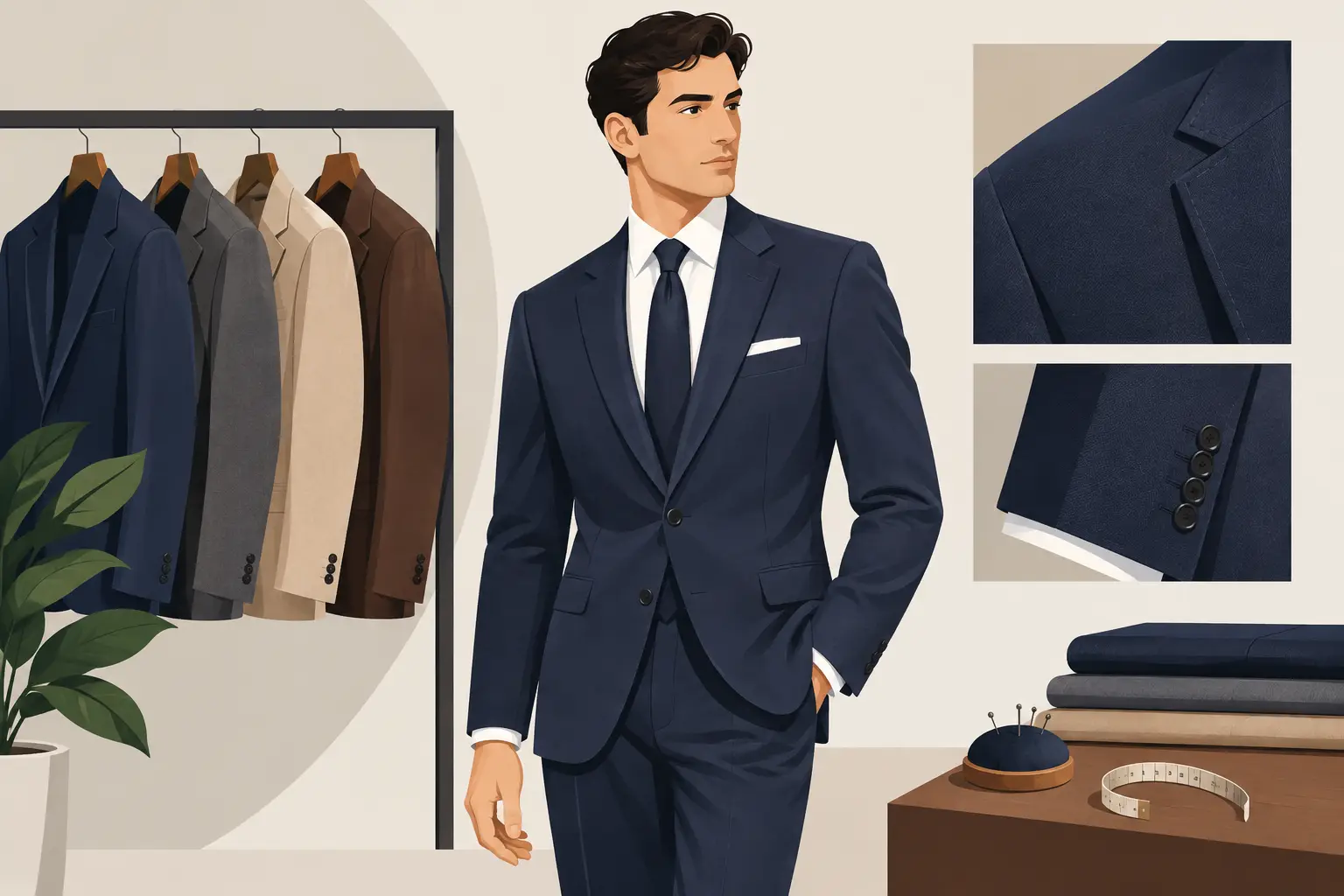
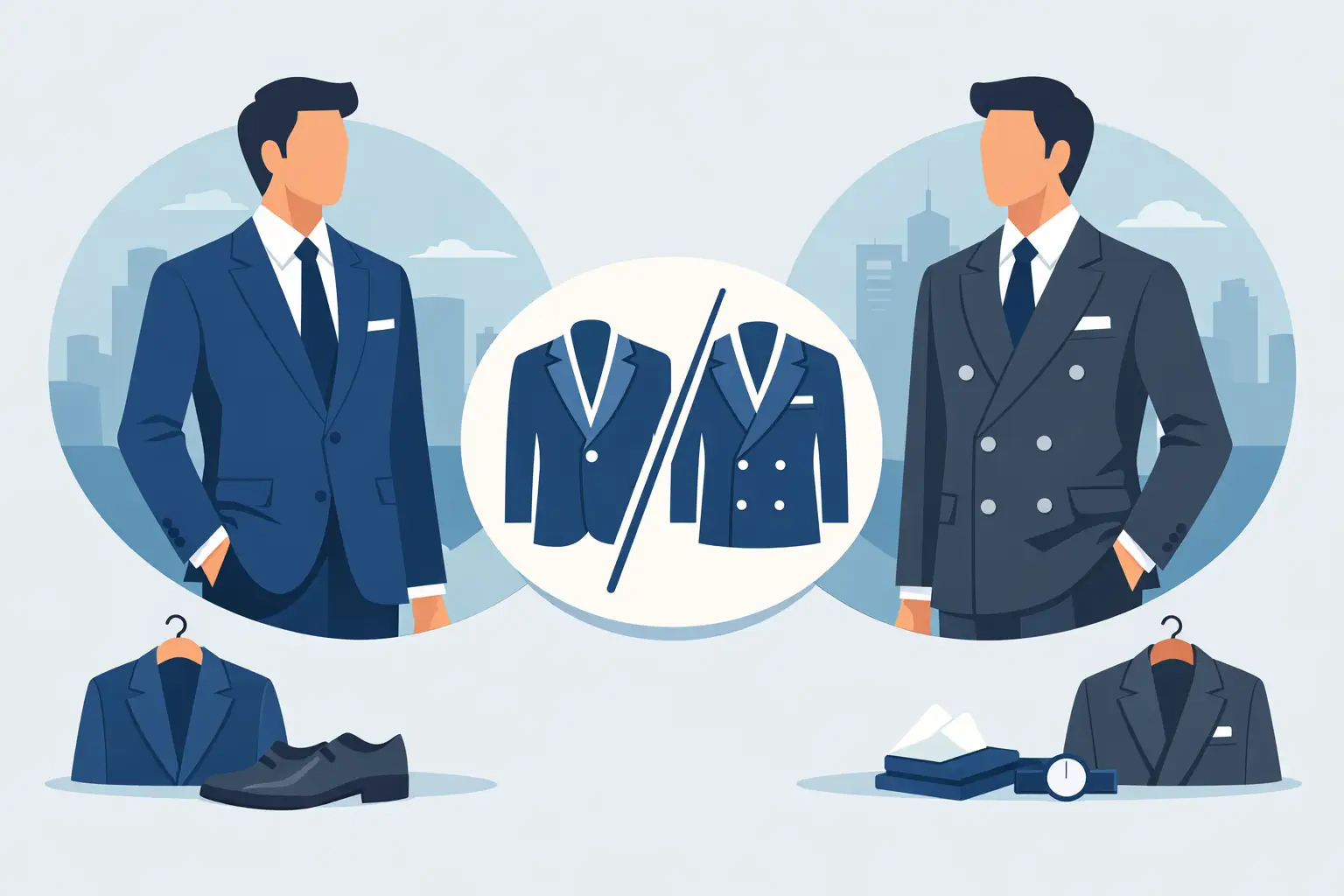
A single-breasted jacket fastens with one overlapping front panel and typically features one, two or three buttons. It offers a cleaner, simpler front and has long been the default choice for modern suiting. It is versatile, easy to wear, and usually the most straightforward option for a man building or refining his wardrobe.
A double-breasted jacket has a wider front overlap and two parallel columns of buttons, with one side wrapping further across the body. That construction creates a broader visual line through the chest and a stronger sense of architecture. Even before you consider cloth or styling, it carries more formality and more character.
This is why the distinction matters. A single-breasted suit tends to read as adaptable and understated. A double-breasted suit tends to read as assertive, polished and deliberate. Neither is inherently superior. The question is which one serves you better.
Why single-breasted remains the most versatile
If you need one suit to work across business meetings, dinners, ceremonies and the occasional last-minute event, single-breasted tailoring is usually the safer foundation. It is forgiving, easy to style and less dependent on confidence or occasion to look correct.
Its simplicity is part of its strength. A two-button single-breasted jacket creates a balanced line that suits most builds and most heights. It works comfortably with a range of lapel widths, cloth weights and trouser shapes, so it can be styled conservatively or with greater sartorial flair.
For professional wardrobes, this matters. A navy or charcoal single-breasted suit can move from boardroom to wedding guest duty with minimal adjustment. Change the shirt, tie and shoes, and the same suit takes on a different purpose. That kind of flexibility is valuable, particularly for men who want elegance without overstatement.
Single-breasted jackets also tend to wear more casually when separated from their trousers. If you want your jacket to work with odd trousers or finer knitwear, this style generally integrates more naturally. It is a practical advantage that should not be overlooked.
What makes a double-breasted suit so distinctive
A well-cut double-breasted suit brings a different level of presence. The wrap front, peaked lapels and stronger button configuration create visual authority with very little effort. It is one of the clearest ways to make tailoring feel elevated and intentional.
Done properly, it can be exceptionally flattering. Because the front extends across the body and encourages a cleaner waist suppression, it can create a more sculpted silhouette. On taller men, this can look especially elegant. On men with average height or broader frames, it can still work beautifully, provided the balance of lapel, button stance and skirt length is handled with precision.
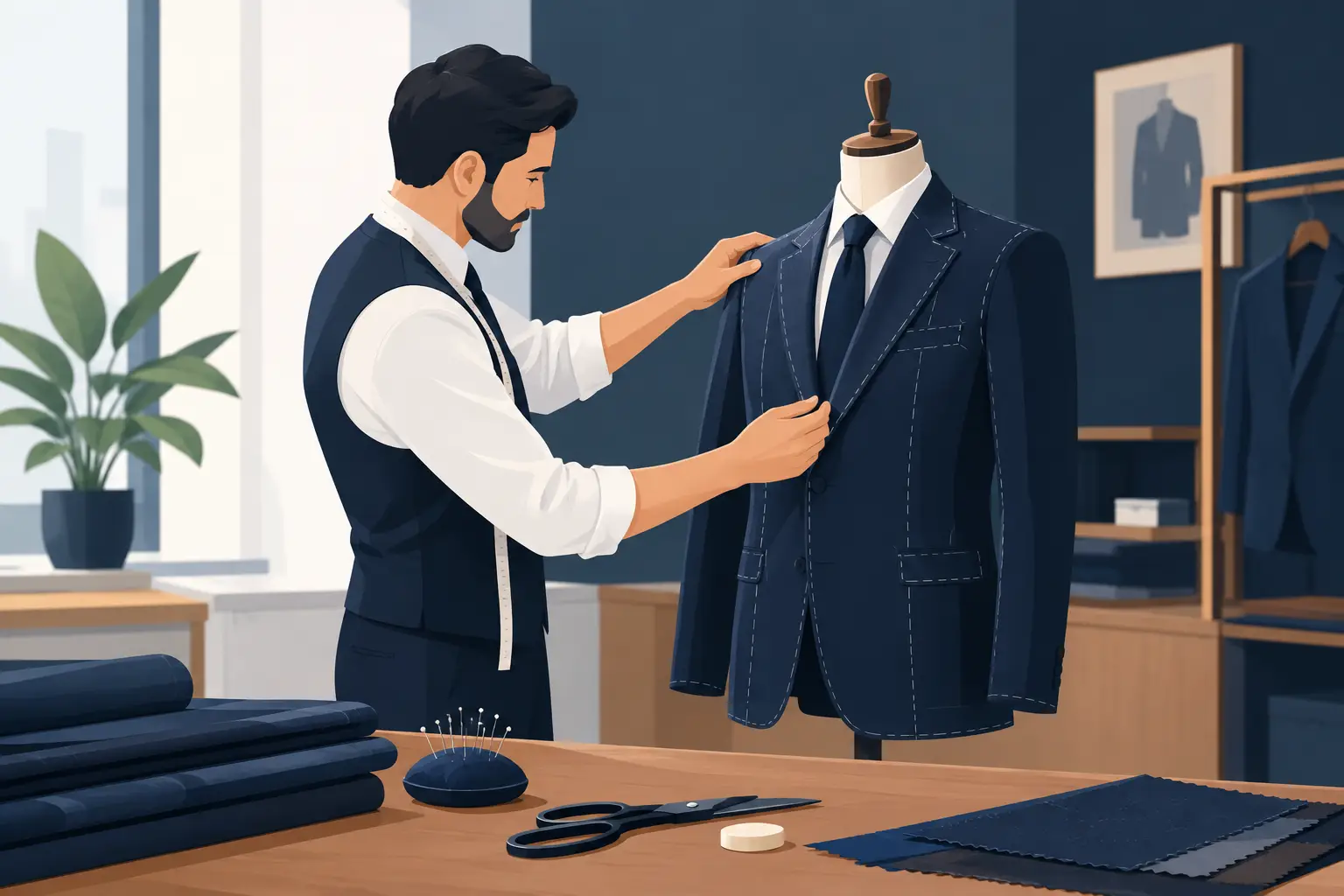
That final point matters more than many realise. A double-breasted jacket has less room for error. If it is cut too long, too boxy or too tight through the fastening point, the result can feel heavy rather than refined. Bespoke or carefully adjusted tailoring makes a marked difference here because the style relies on proportion.
For weddings, evening receptions and occasions where dress carries social weight, a double-breasted suit often feels more memorable. It signals confidence, but in a cultivated way. Not loud. Not theatrical. Just assured.
Fit matters more than style category
The single vs double breasted suit debate often becomes too theoretical. In practice, fit decides far more than button arrangement ever will. An average single-breasted suit with a mediocre fit will never outperform a double-breasted jacket cut precisely to your posture, shoulder line and waist. The reverse is also true.
The shoulder must sit cleanly. The chest should have shape without strain. The waist suppression should define the torso rather than squeeze it. The skirt should balance your height and the trousers should support the jacket rather than fight it. These are not minor refinements. They are the difference between wearing a suit and being sharpened by it.
With single-breasted jackets, poor fit often shows up as collapse through the front or excess cloth at the waist. With double-breasted styles, faults are even more obvious – pulling at the button point, gaping lapels, or a front that sits too rigidly. Because the style is more architectural, the cut must be more exact.
Which style suits your body shape?
There is no crude rule that one body type must wear one style. Still, there are useful tendencies.
Single-breasted suits are generally the easiest option for shorter men, men new to tailoring, and those who want a cleaner vertical line. The reduced front overlap keeps the silhouette neat and can help elongate the frame, particularly when the button stance is set correctly.
Double-breasted suits can be excellent for taller men or those with a naturally broader shoulder line, as the extra cloth and stronger lapel shape complement those proportions. They can also work well for slimmer men, because the wrapped front adds presence and shape. For fuller builds, a double-breasted jacket can be highly flattering if the waist is sculpted properly and the fastening point is chosen carefully. If it is too tight, however, it becomes unforgiving very quickly.
This is where an expert fitting earns its place. The right pattern can soften, lengthen, broaden or refine, depending on what the wearer needs.
Business, weddings and formal occasions
For business, the single-breasted suit still leads. It is efficient, polished and adaptable across industries. In conservative offices, it remains the clearest expression of professional confidence. If your work wardrobe needs several suits, single-breasted styles usually form the backbone.
For weddings, the choice becomes more expressive. A groom may favour a single-breasted suit for timeless restraint, especially in midnight navy, deep charcoal or a refined seasonal cloth. Another may choose a double-breasted jacket because the day calls for a stronger silhouette and more memorable presence. Both can look exceptional when the cut is aligned to the occasion.
For formal social settings, a double-breasted suit often has the advantage. It feels considered and elevated, particularly with peaked lapels and a clean drape through the trouser. That said, not every formal event requires that degree of statement. If the aim is elegant discretion, a single-breasted dinner-ready suit can be equally compelling.
Styling considerations you should not ignore
A single-breasted suit gives you more freedom with ties, open-collar shirts and lighter styling. It can feel sharp without insisting on ceremony. That makes it ideal for men who want to look accomplished but not overly dressed.
A double-breasted suit asks for a little more discipline. It usually looks best when worn closed while standing, and it benefits from stronger shirt collars, well-proportioned ties and cleaner finishing details. The overall effect should feel composed. Casual styling can work, but only when the cut and fabric support it.
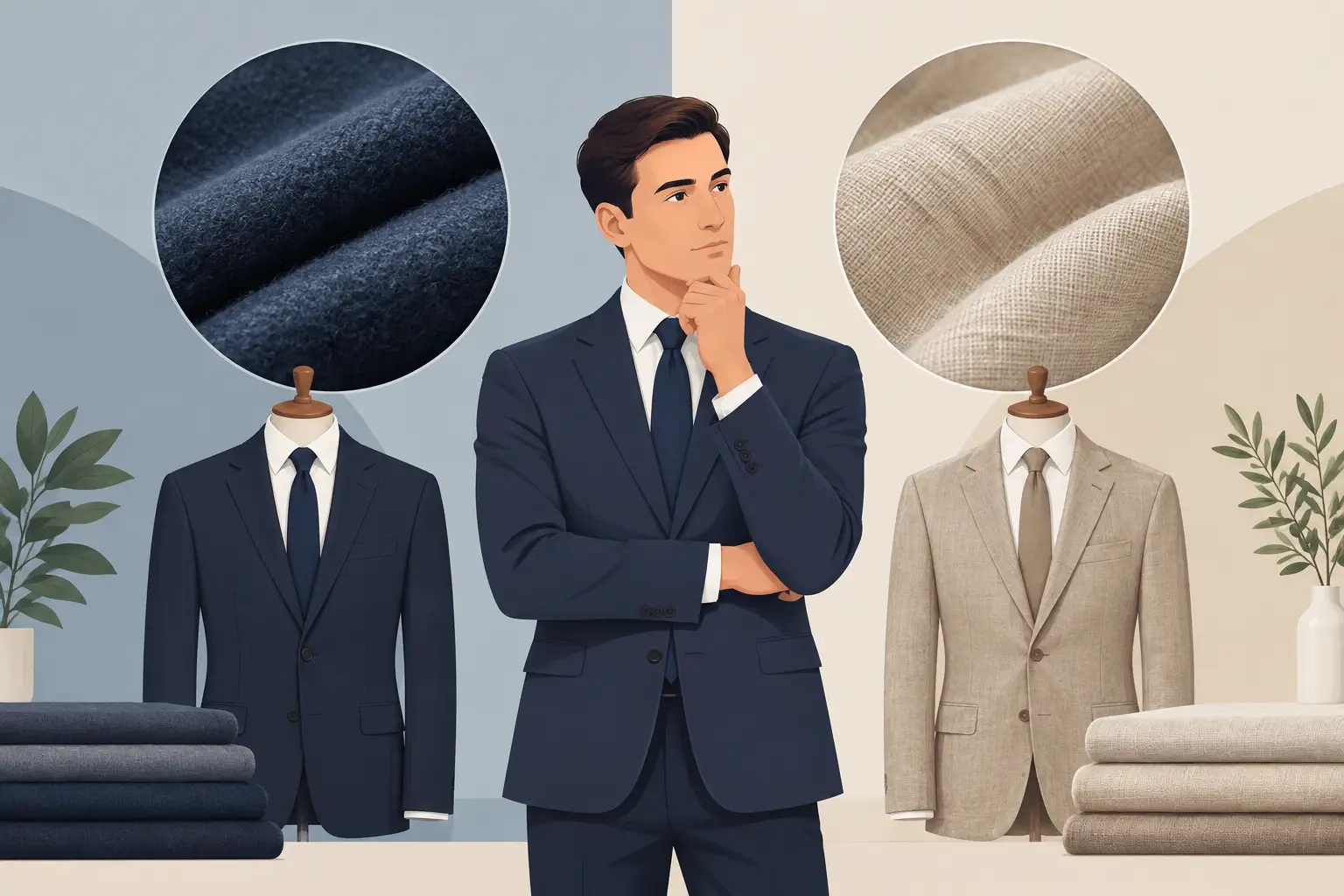
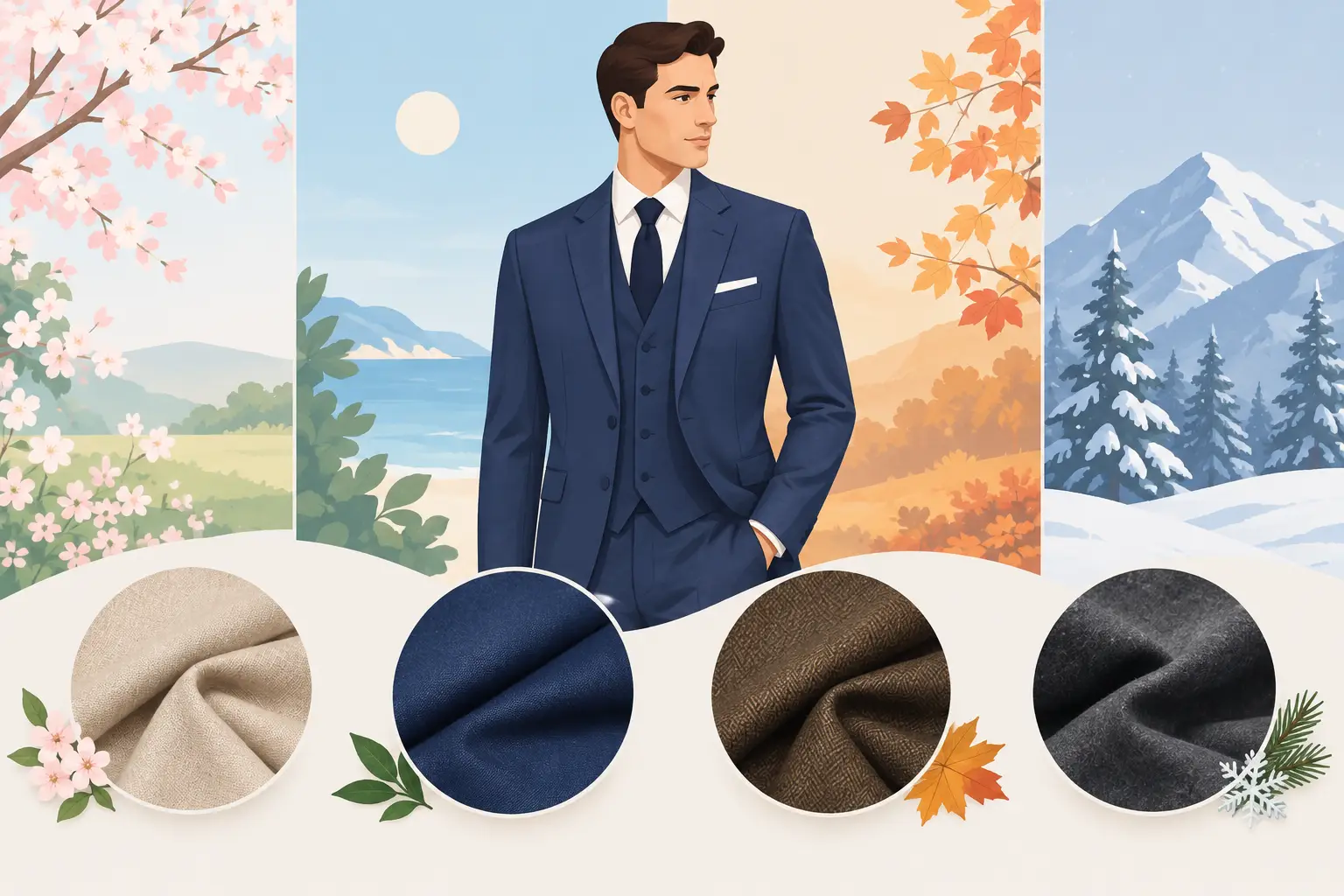
Cloth choice also changes the character of both. A lightweight fresco single-breasted suit can be an excellent business staple, while a flannel double-breasted suit brings richness and depth in cooler months. Texture, weight and drape all influence how formal or relaxed the final garment feels.
So which should you choose?
If you are building a wardrobe from the ground up, start with a single-breasted suit in a versatile cloth and colour. It gives you reach across business, weddings and evening events, and it rarely feels out of place. Once that foundation is in place, a double-breasted suit becomes a compelling second or third addition – something with greater personality and sharper distinction.
If you already own several conventional suits and want your next commission to feel more elevated, a double-breasted option may be exactly the right move. At Manndiip, this is often the point where clients begin to appreciate how construction, balance and silhouette can change not just the suit, but the man wearing it.
The best suit is not the one that follows a rule. It is the one that aligns with your build, your setting and your sense of self. Choose the cut that makes you stand taller the moment it is fastened.